
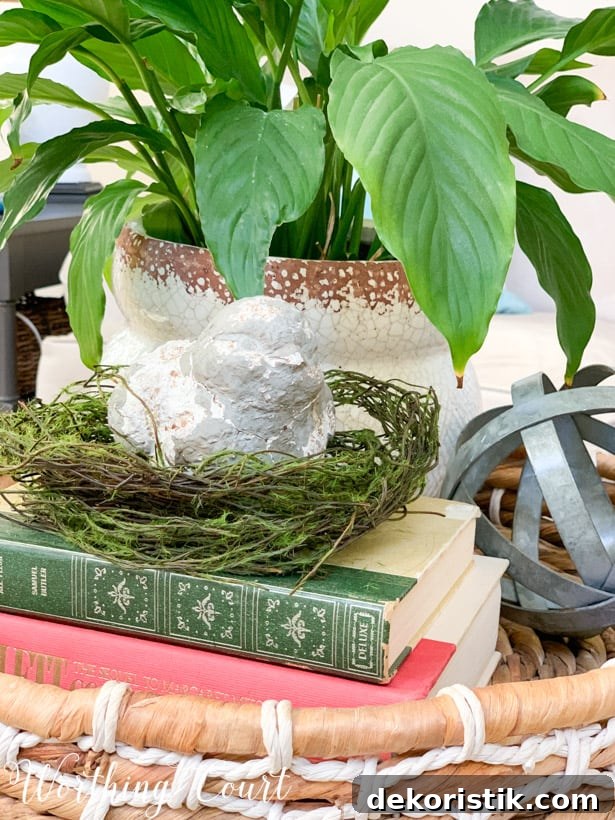
Vignettes are quick, curated styling moments you can assemble in minutes to add seasonal charm throughout your home. Here’s how simple it is to create an eye-catching spring vignette.
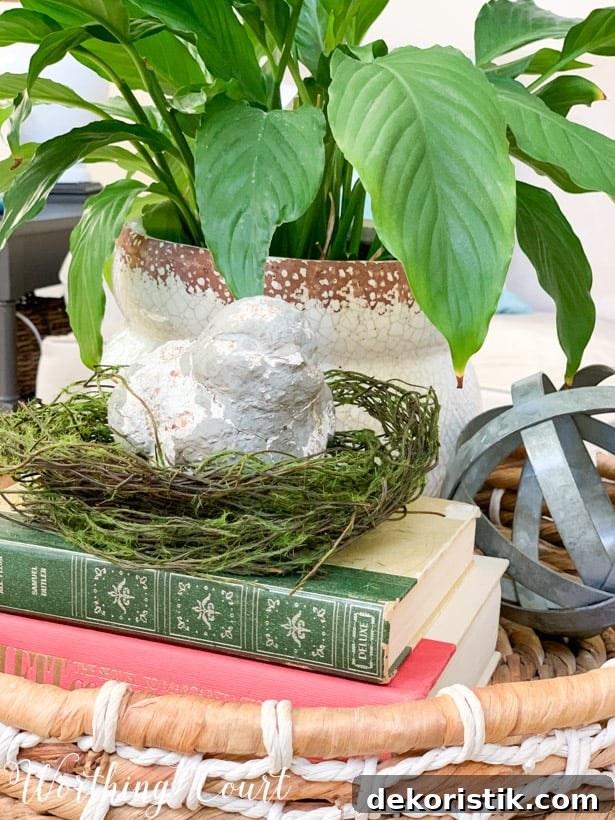
After a long winter, a fresh spring vignette brings light and life to any room. Vignettes are one of the fastest, most effective ways to refresh your home for the season. They require only a few thoughtfully chosen objects and a simple composition strategy, so they’re perfect for busy schedules while still delivering big visual impact.
Think of a vignette as a modern still life: a small arrangement of decorative items grouped to tell a story or reflect a mood. When you follow a few basic design principles—balance, scale, texture and color—you’ll create displays that feel intentional and polished rather than cluttered.
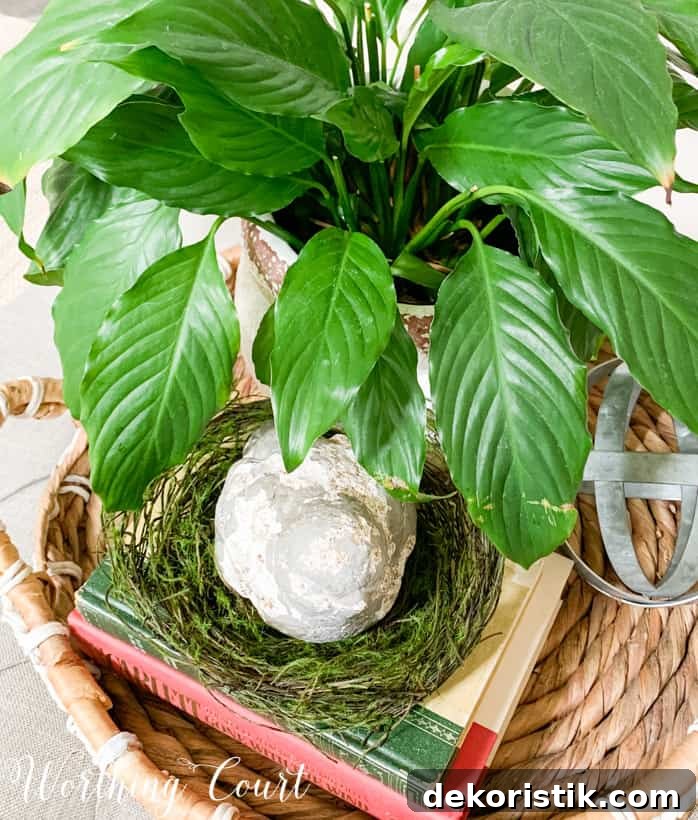
My favorite places to display a vignette include:
- coffee table
- shelves
- side table
- table centerpiece
- deep window ledge
- bedroom dresser
- fireplace mantel
- entry table
- console or sofa table
- buffet or sideboard
STICK TO A THEME
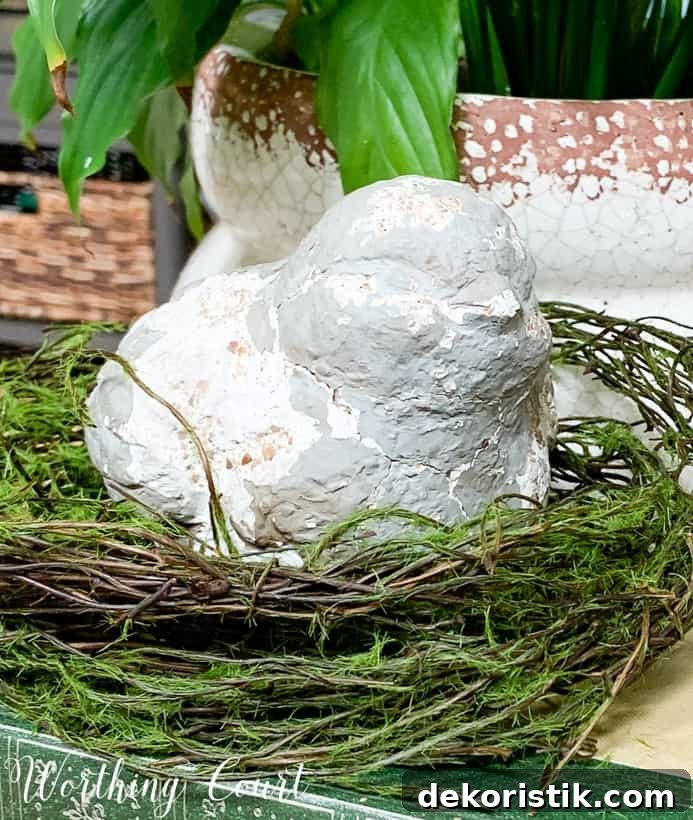
Start with a clear theme to keep your vignette cohesive. For spring, choose elements that evoke freshness—soft greens, floral accents, weathered ceramics, or bird motifs. Match the vignette’s style to the surrounding room so it feels like a natural extension of the space rather than an afterthought.
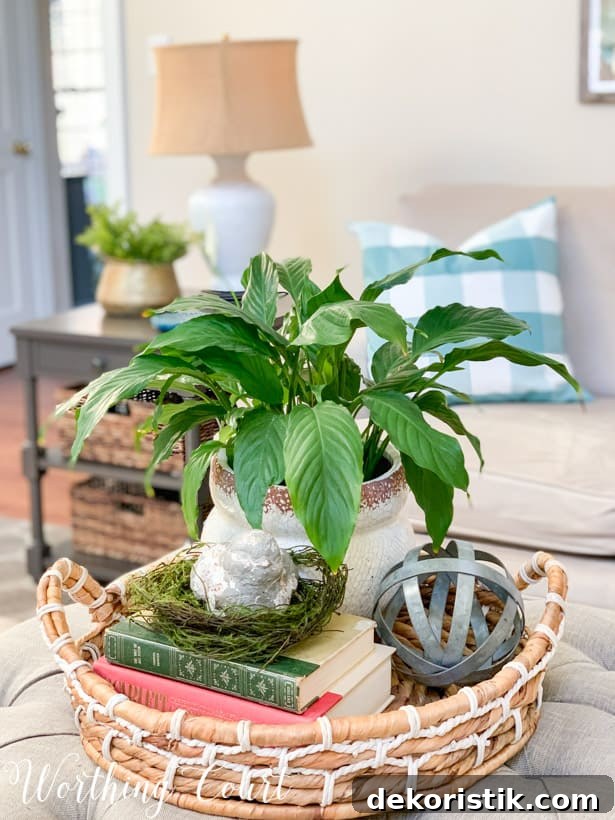
VARY THE HEIGHT & SHAPE OF OBJECTS
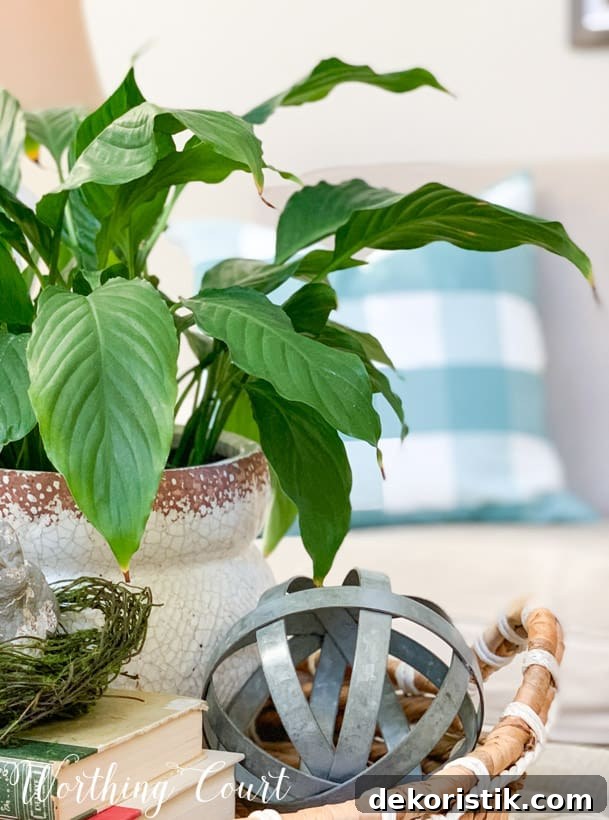
Height variation keeps a vignette visually interesting. Use stacked books, small boxes or decorative risers to create layers. Combine rectangles with round shapes, and balance tall elements with lower ones to create a pleasing silhouette. Avoid lining items up at one level—variation is key to an engaging vignette.
CREATE DEPTH
Arrange items so the shortest pieces sit at the front and taller objects fall toward the back. This creates depth and dimension, which is especially important on surfaces that will be viewed from one primary angle. Consider how people enter the room and orient the “front” of the vignette toward that approach for maximum impact.
On a coffee table, for example, position the front of the vignette toward the entryway and the back toward seating. On a mantel, center taller items and let shorter accents spread outward to frame the arrangement.
USE ODD NUMBERS
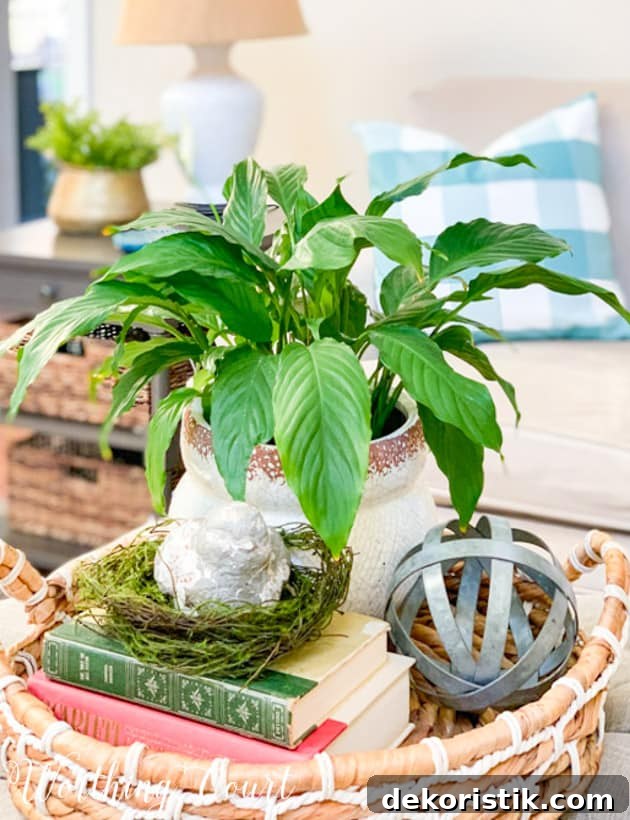
Group items in odd numbers—three or five pieces typically read as more natural and pleasing than even-numbered groupings. An odd count supports asymmetry and movement, helping the eye travel across the display without landing on a predictable center point.
VARY THE TEXTURES
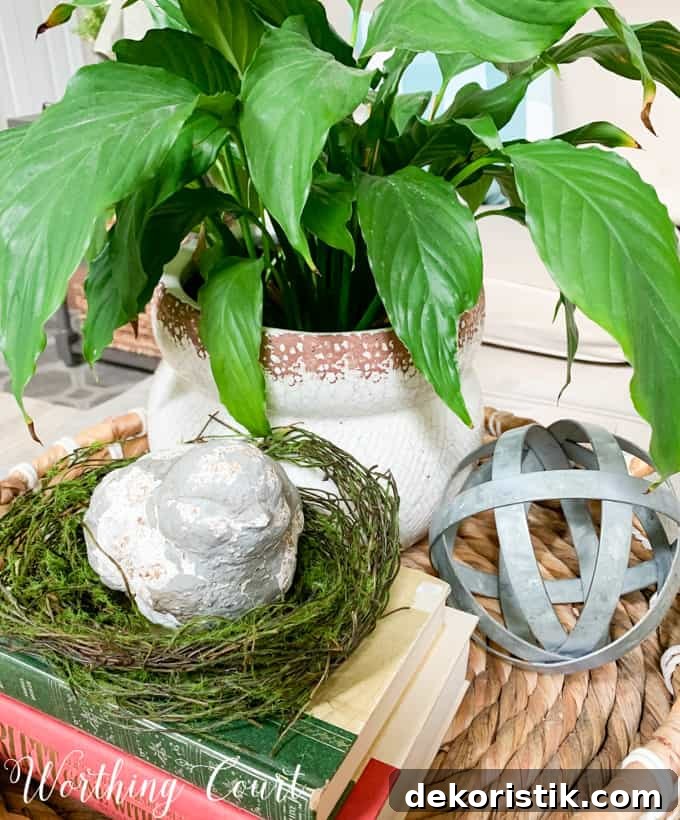
Texture adds interest and contrast. Combine smooth ceramics or glass with rough woven fibers, weathered wood, metal accents or greenery. Mixing tactile elements—soft and hard, shiny and matte—makes a vignette inviting and layered.
CORRAL THE OBJECTS ON A TRAY
A tray anchors a vignette and gives the arrangement a defined boundary. Woven or wooden trays add texture and warmth while creating a tidy, intentional composition. Use a tray when styling surfaces that accumulate everyday items to keep the vignette organized and easy to refresh.
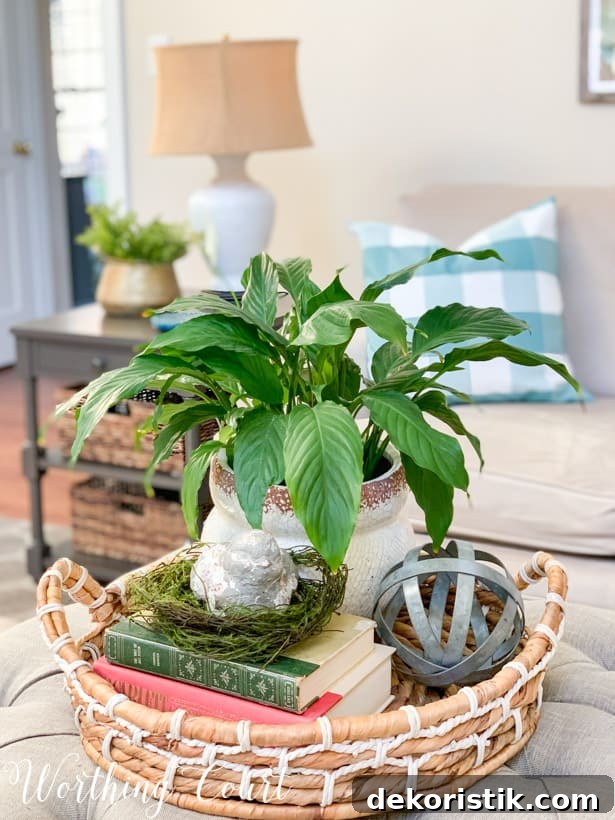
DON’T INCLUDE TOO MANY SMALL OBJECTS
Leave breathing room. Negative space within a vignette prevents visual clutter and helps each object stand out. Resist the urge to fill every inch—fewer, well-chosen pieces will make the vignette feel curated rather than chaotic.
To keep things fresh throughout the season, swap in small touches—a sprig of greenery, a seasonal candle, or a new book—without changing the core composition. This lets you celebrate spring with minimal effort while maintaining a stylish, cohesive look.
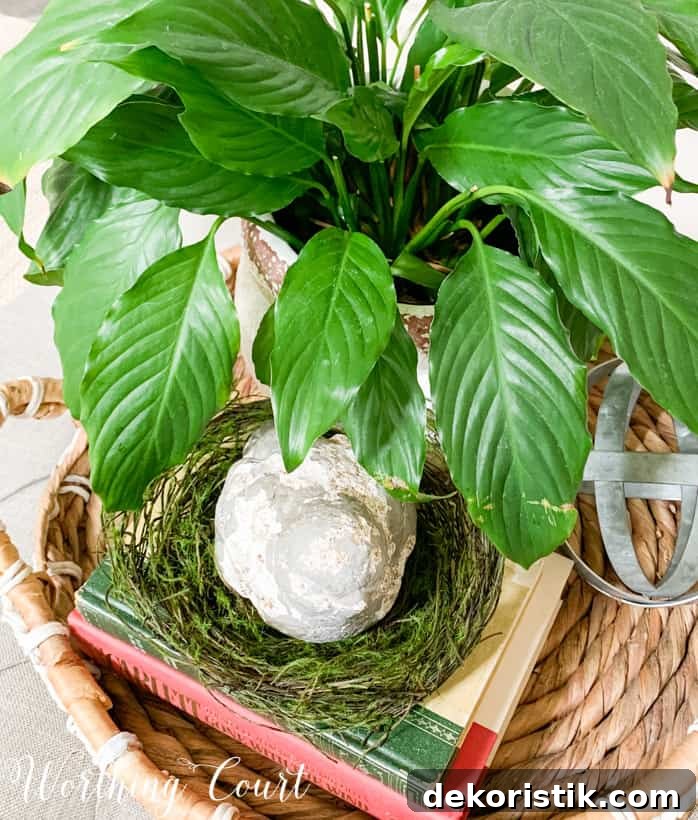
Creating seasonal vignettes is an easy, budget-friendly way to update your decor and highlight the best features of a room. With a clear theme, varied height and texture, and careful editing, you can style beautiful spring vignettes in minutes.
Do you enjoy creating seasonal vignettes for your home?