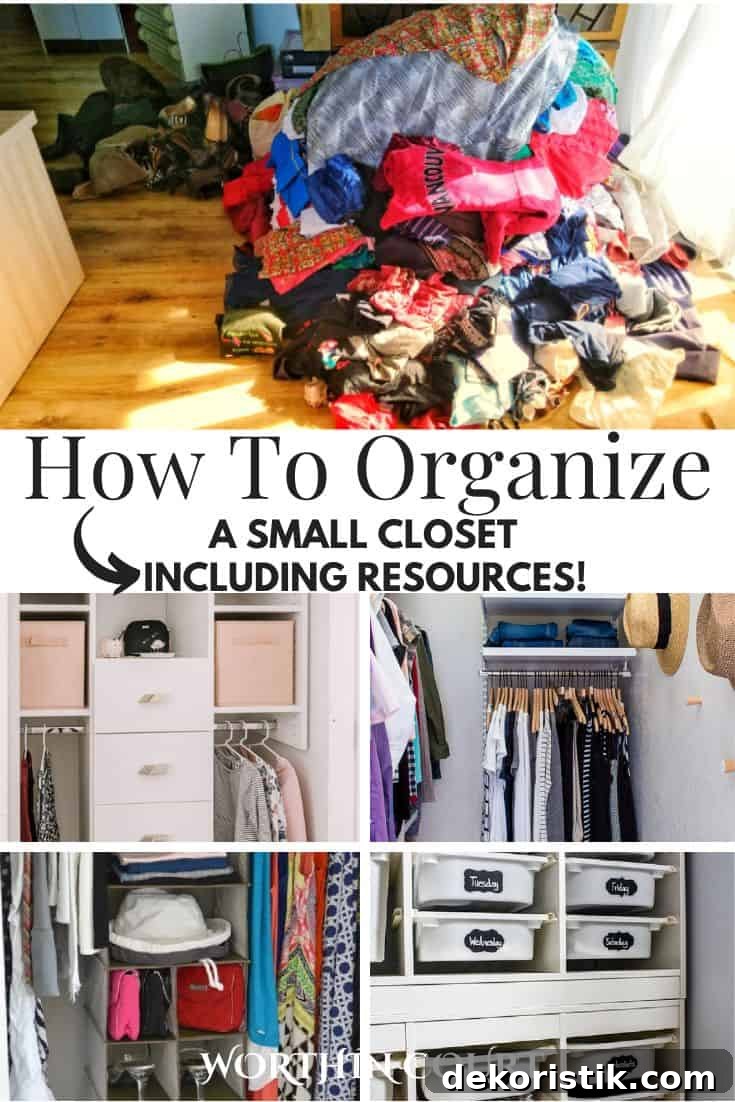
Learn practical, space-saving strategies to organize a small closet. This guide gathers proven tips, clever ideas, and easy solutions to help you get the most from the space you have and keep it functional day after day.
Does this look familiar?
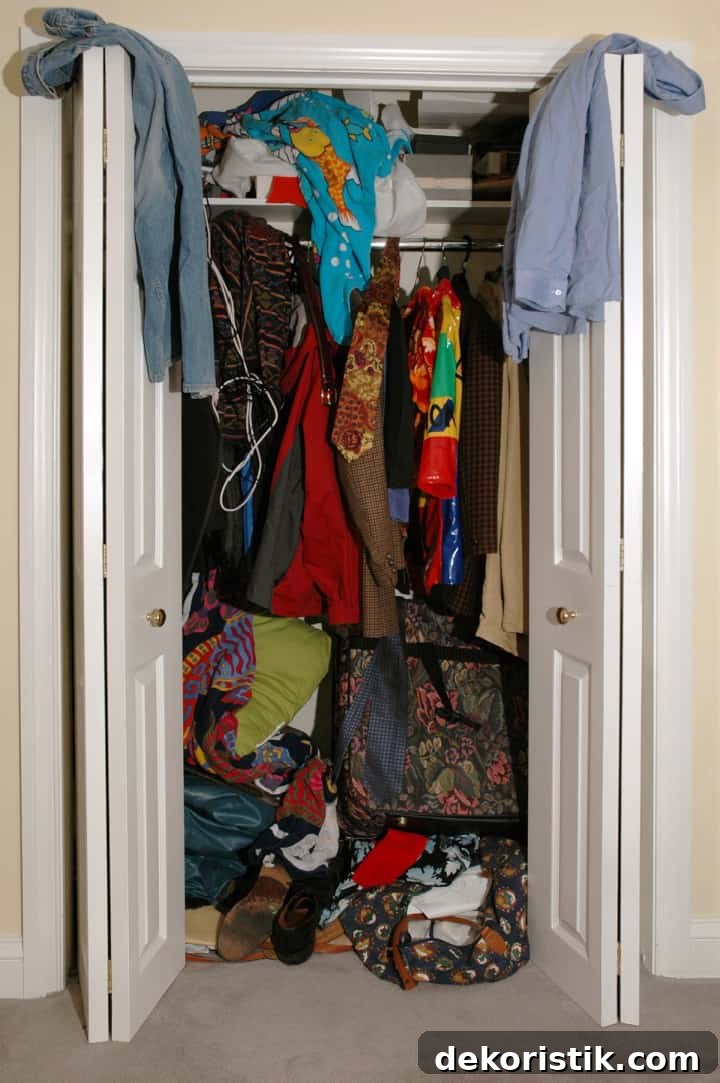
Small closets are a common challenge—I lived in a 785-square-foot home where the closets were tiny and one had a boxed-in area for ductwork. Making small closets work requires planning, editing, and a few smart storage choices. Below are clear steps to maximize every inch.
Clean out & purge your closet
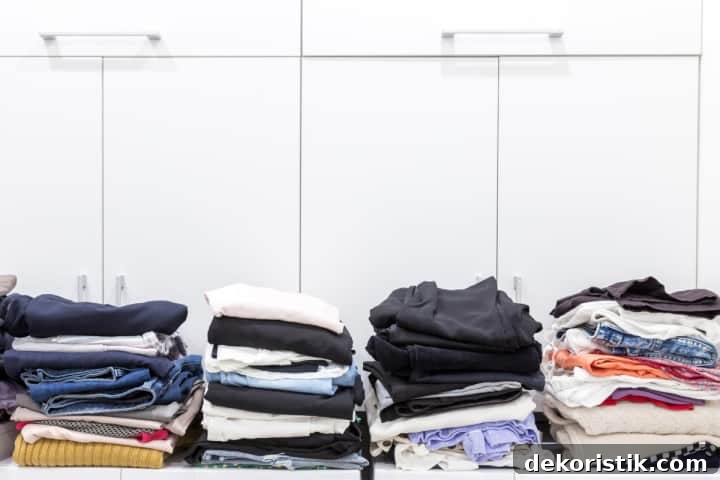
Start with a completely empty closet so you can see the space clearly. Pull everything out and sort items into piles: keep, donate, repair, or toss. Be decisive—if you haven’t worn something in a year, it’s usually safe to let it go.
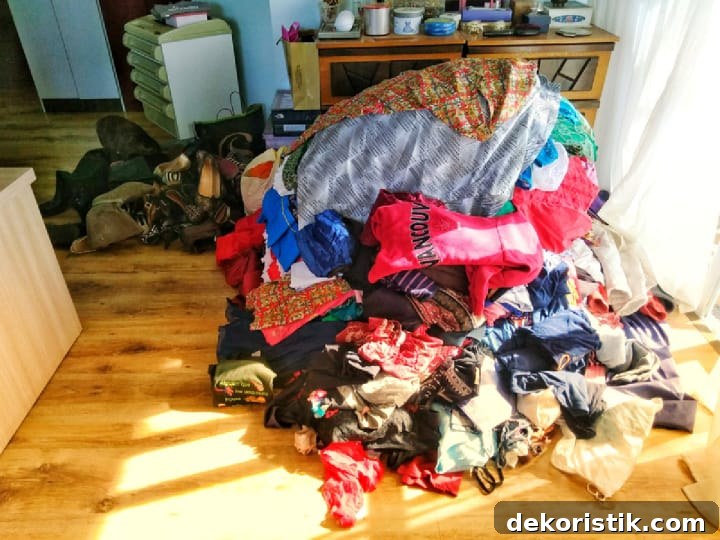
Ask yourself practical questions as you decide: Does it fit? Is it comfortable or flattering? Have you worn it more than once in the past year? Is it damaged or stained? Are you keeping it for true sentimental reasons or simply for special occasions? Remove items that no longer serve you.

Make a list of how you need your closet to function
Purging frees up space, but without a plan the closet will soon refill with clutter. Before you reload, list exactly what the closet must hold and how you use those items.
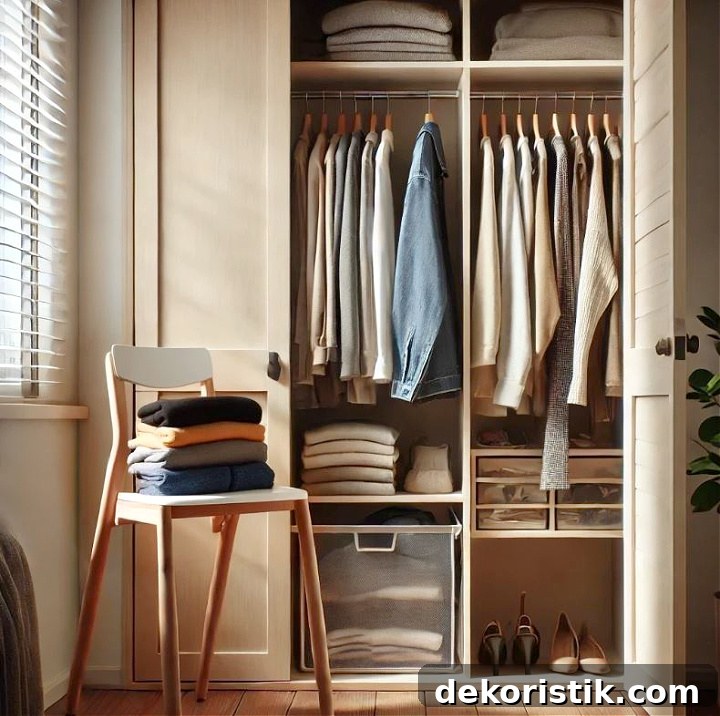
- Which clothing types need hanging space—dresses, shirts, pants?
- Do you share the closet, and do both users need dedicated zones?
- Do you need storage for shoes, belts, ties, handbags or hats?
- Where will bulky items such as sweaters or winter coats be stored?
- Are there non-clothing items (linens, luggage, seasonal items) that must fit?
Take advantage of the empty closet
With the closet empty, make any repairs and refresh the paint. A clean, light-colored wall—white is a safe choice—helps you see colors accurately and makes the space feel brighter. Note any oddities like bump-outs or low ceilings; these will matter if you add custom shelving or organizers.
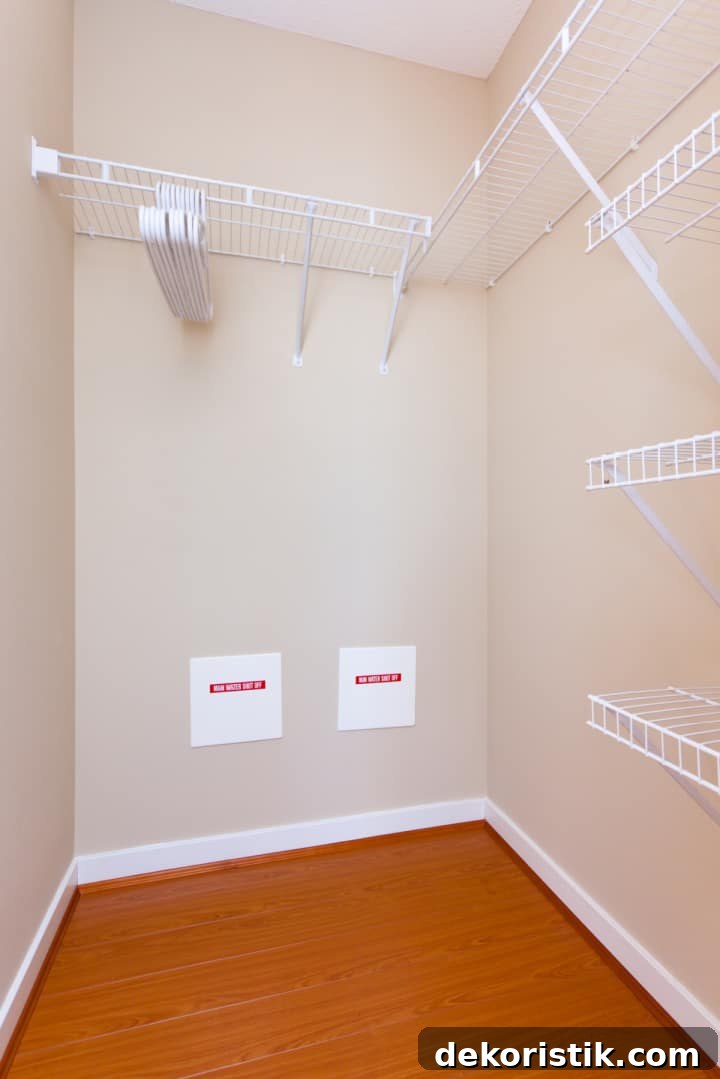
Avoid busy wallpaper in a clothes closet; strong patterns or colors can distort how garments look and are often hidden behind clothes anyway.
Take inventory and make a plan
List everything you need to store and measure the closet’s height, width and depth. Think seasonally—bulky winter coats take far more room than summer tees. Consider off-site or under-bed storage for off-season items using airtight bins or vacuum storage bags to protect garments from moisture and pests.
Draw a diagram of your plan
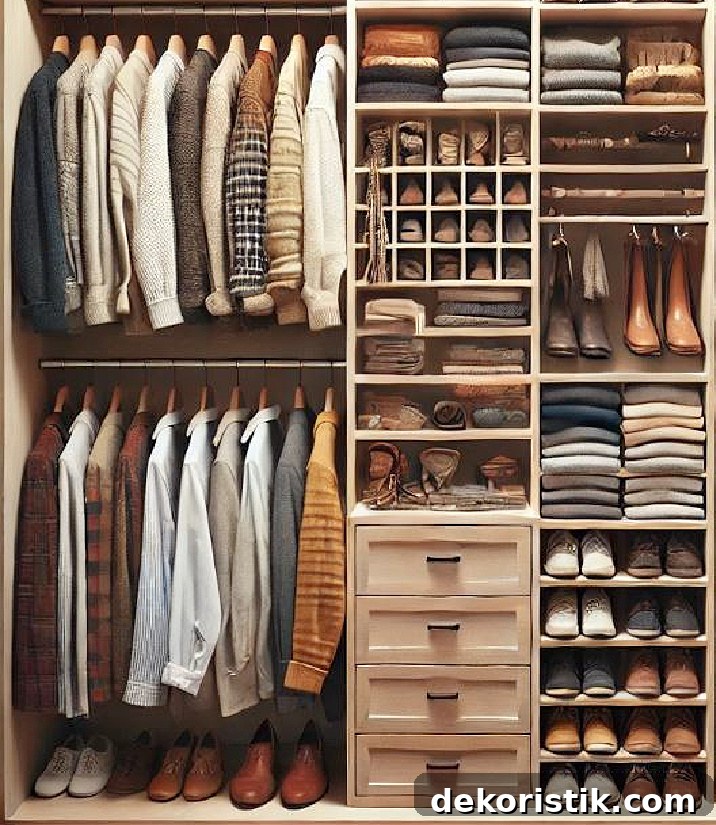
Use your measurements to sketch a layout showing rods, shelves, drawers and shoe storage. Your drawing can be simple—what matters is mapping where each category of item will live so everything has a designated place.
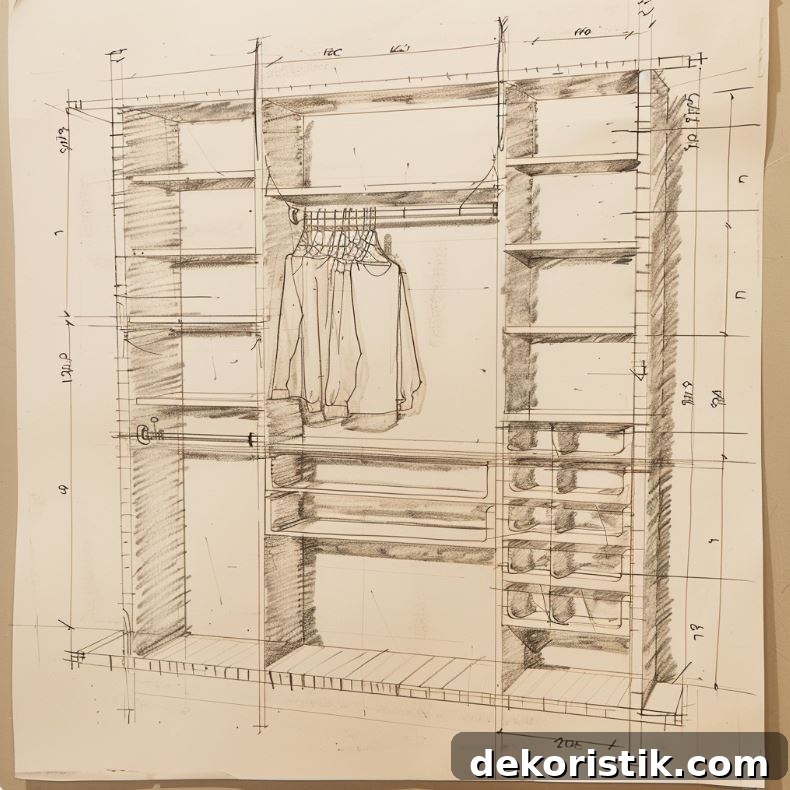
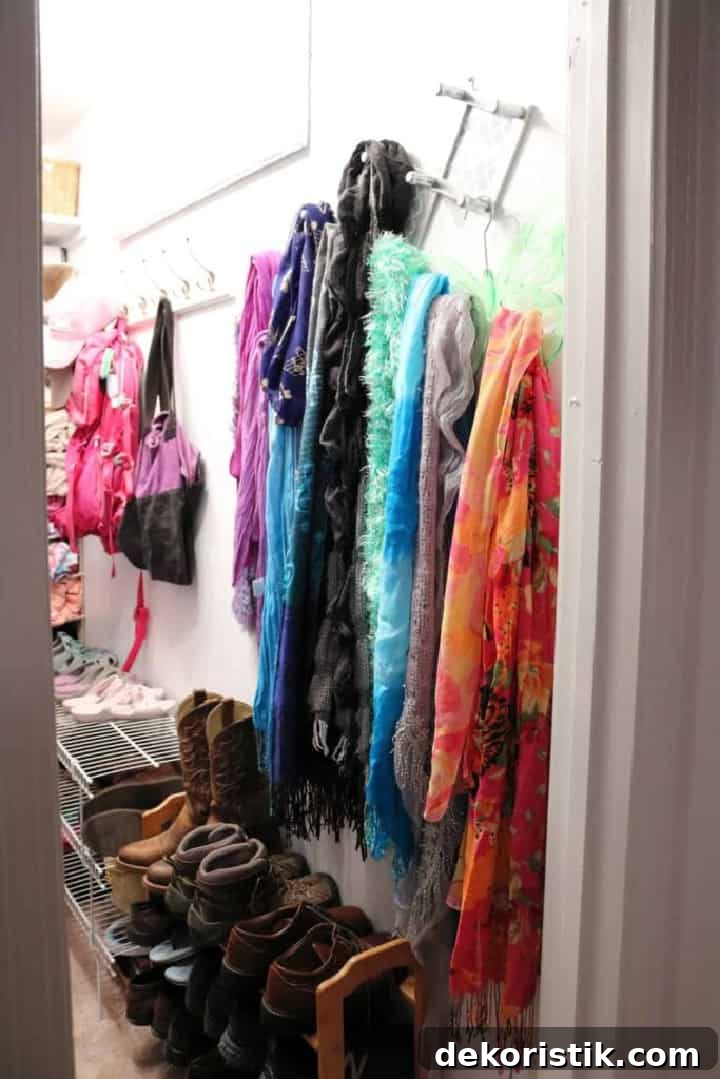
Options to consider include cascading hangers for pants, baskets or drawers for folded items, hooks for belts and scarves, hanging shelves for shoes or purses, and shelf dividers to keep stacks neat.
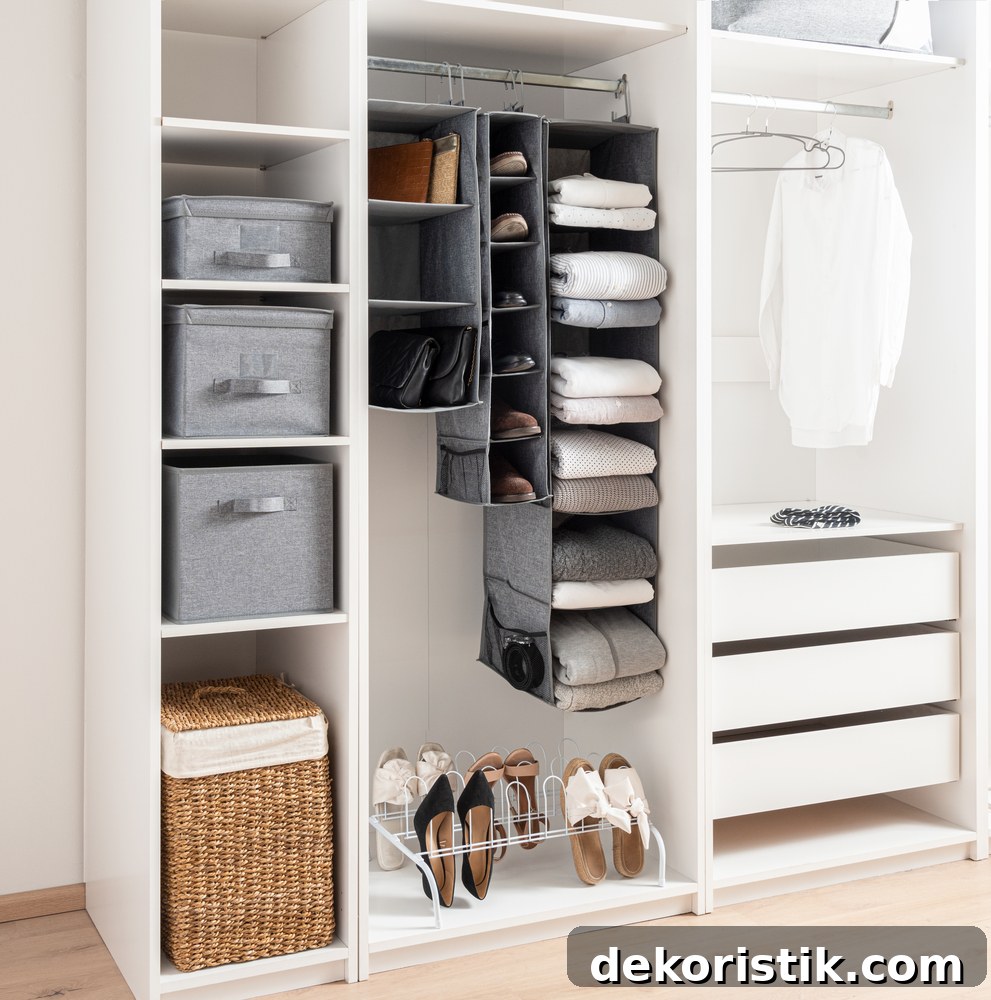
Utilize the entire space
Closets often have overlooked vertical space. Add a top shelf for infrequently used items. Create double hanging by installing a second rod below the existing one to nearly double hanging capacity for shorter items. Use the floor for shoe racks or low drawers, and consider a small dresser inside the closet if space allows—its drawers add valuable folded storage and the top provides a landing spot for accessories.
- Raise or add rods to create two tiers of hanging space.
- Add an extra shelf or two near the top for boxes and off-season gear.
- Cover inexpensive cardboard boxes with fabric or paper to create attractive, labeled storage.

Don’t waste dead closet space
Use the back of the closet door or narrow side walls for slim storage options: over-the-door pockets, hooks, hanging jewelry organizers or narrow shoe racks can all reclaim wasted real estate. If your closet has folding doors that block access, consider replacing them with a standard door or a curtain to gain a few inches and easier access.
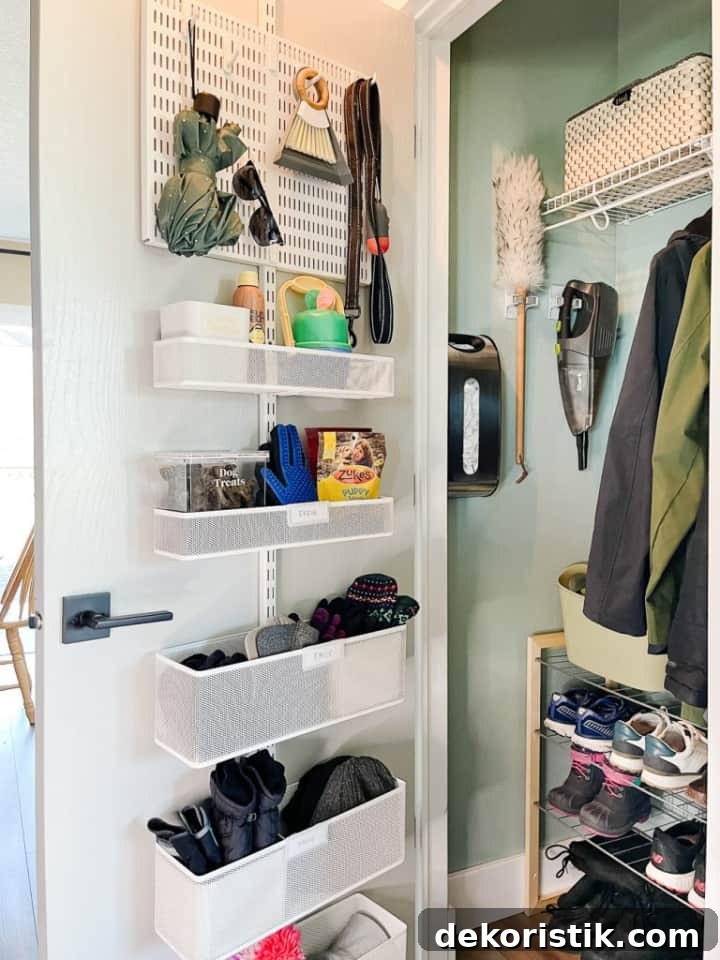
Shelves, narrow cabinets or a slim armoire can be added if space permits. For shoes stored in bins, attach a small photo to the front of each bin so you can quickly see what’s inside.
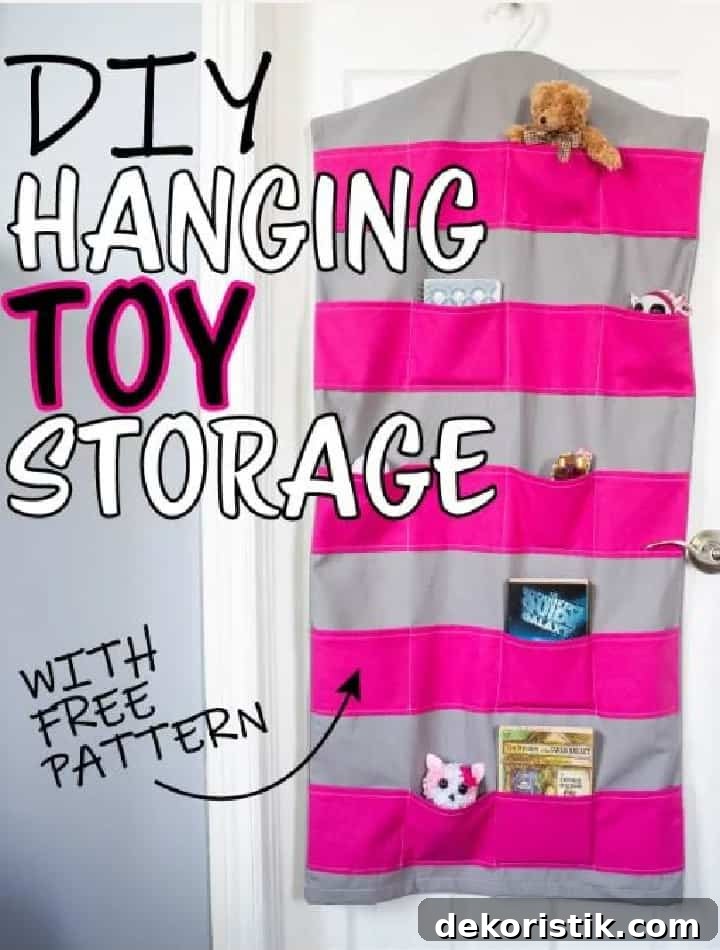
What if you still don’t have enough space?
If, after editing and organizing, you still lack space, try these options:
- Relocate items—store blazers or rarely used garments in a coat closet or another room.
- Add freestanding furniture like an armoire or repurpose an old entertainment cabinet with a hanging rod.
- Adopt space-saving folding methods for drawers to free room.
- Use suitcases to store off-season clothes and tuck them away on a high shelf or under a bed.
- Consider a capsule wardrobe—limit your closet to a curated set of interchangeable essentials.
- If you need a few inches, remove the door and hang a pretty curtain to open up the space visually and physically.
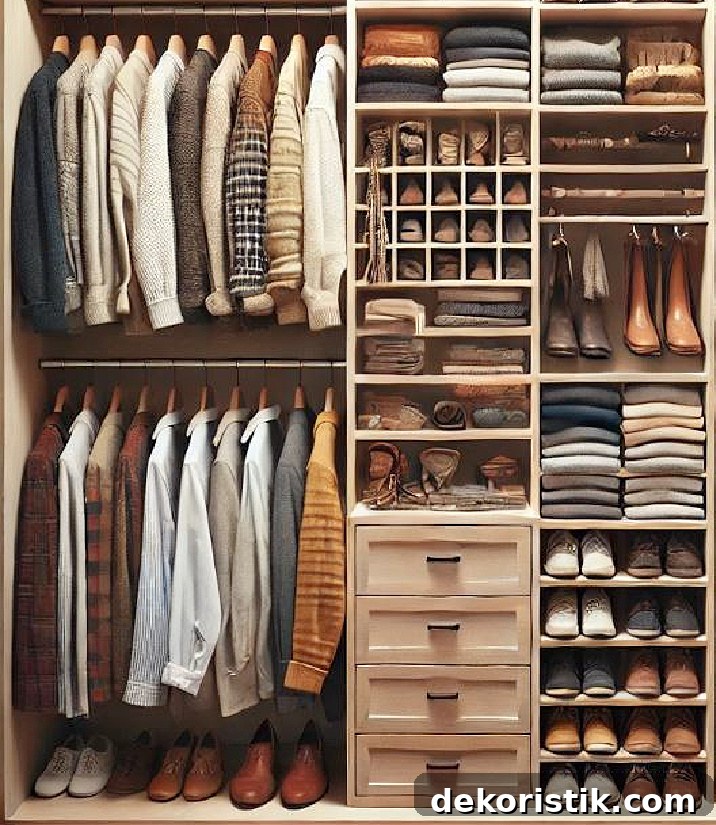
More tips
- Organize hanging clothes by type and color to make outfit selection faster and to keep the space tidy.
- Add an expandable accordion wall rack for ties, scarves and belts.
- If hanging space is only on one side, use the end wall for a narrow rod or vertical shelves.
- For children’s closets, lower drawers or labeled bins help kids find and put away clothing independently.
- Build simple shelves from scrap lumber if you are working on a tight budget—DIY shelving can be a cost-effective, custom solution.
Organizing a small closet takes effort, but with thoughtful purging, smart use of vertical space, and a clear plan, you can create a functional, attractive closet that makes daily life easier. Use what works for your routine and keep the system simple so it stays organized over time.