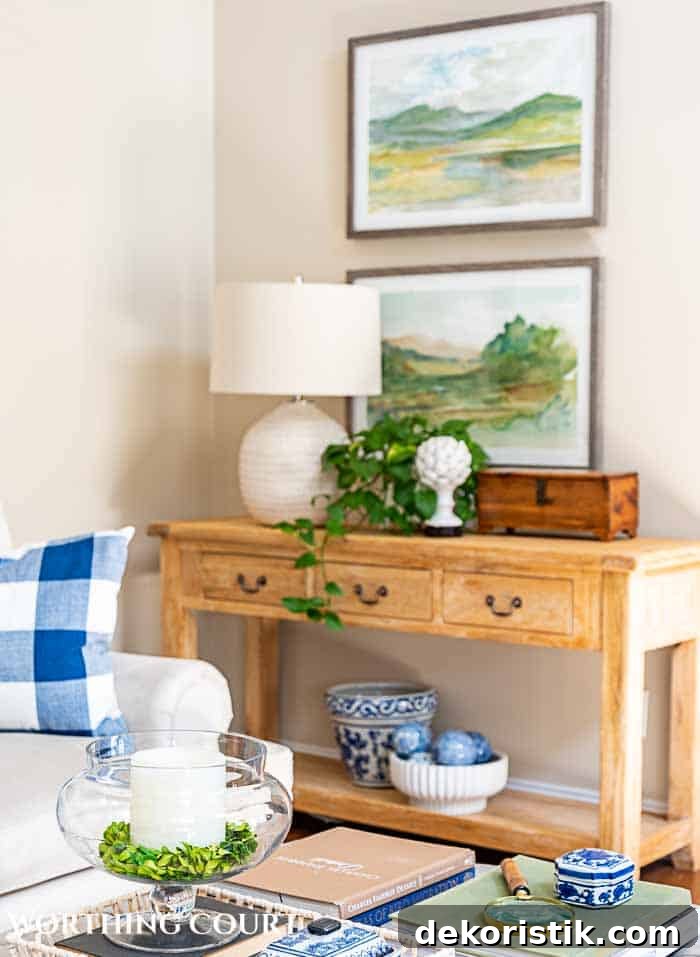
Are you looking for ways to freshen your home with personality and visual interest? Abstract art can be the perfect solution.
With bold color, expressive forms, and varied textures, abstract pieces instantly elevate a room. They pair surprisingly well with new traditional decor, adding modern energy without clashing with classic elements.
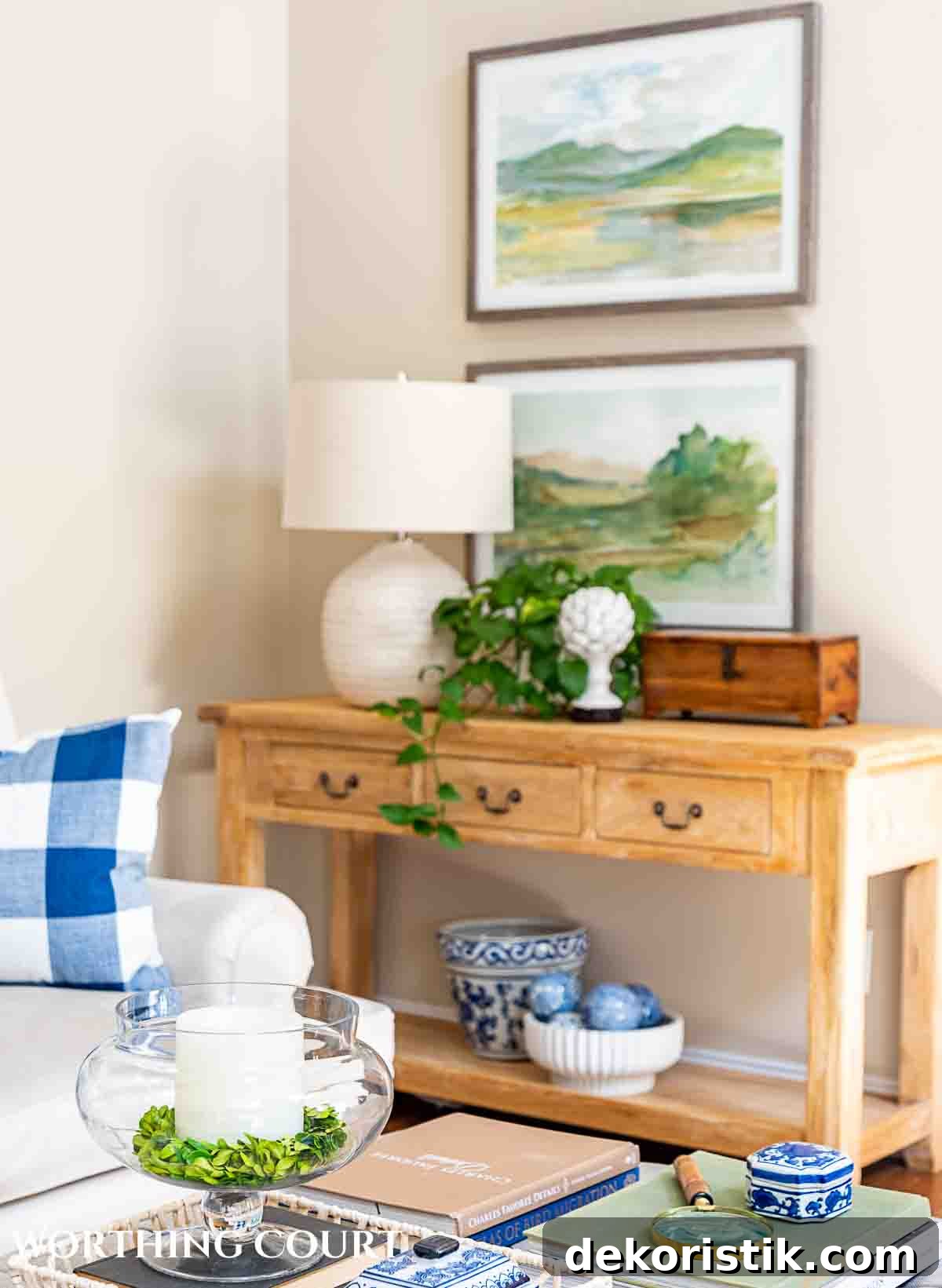
If you admire abstract art but feel unsure how to introduce it into your home, you’re not alone. Choices in style, scale, and placement can feel overwhelming at first. This guide offers practical, approachable tips so you can confidently integrate abstract art—whether you want a dramatic focal point in the living room or subtle accents throughout your home.
No matter your aesthetic—classic, modern, or a blend—abstract art can be adapted to suit your space. Read on for expert tips on selecting, hanging, and styling abstract pieces, plus ideas for mixing them seamlessly into updated traditional interiors.
What is abstract art?
Abstract art moves away from literal depictions of the physical world. Rather than portraying people, objects, or landscapes in a realistic way, it uses color, shape, line, and texture to create an emotional or visual response. The intention is often to evoke feeling or idea rather than to tell a specific story.
This flexibility makes abstract art highly adaptable: a single piece can be calm and meditative or bright and dynamic depending on its palette and composition.
Abstract works generally fall into two useful categories to consider when shopping.
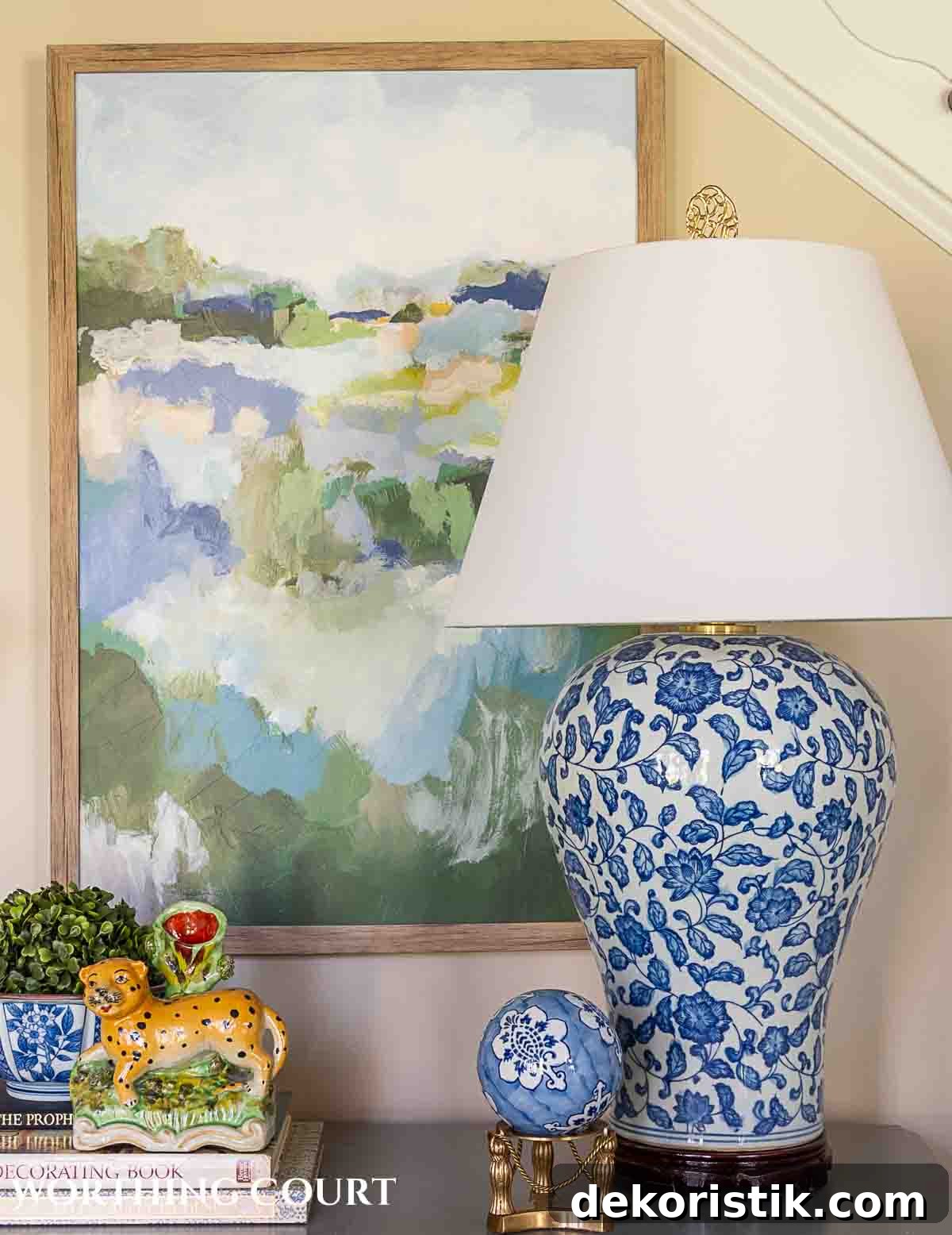
- Free-form abstract – Purely expressive work that emphasizes spontaneous shapes, brushstrokes, and color relationships. These pieces introduce movement and contemporary flair, making them an excellent contrast to traditional furnishings.
- Semi-abstract – Art that hints at real-world subjects—landscapes, florals, or figures—while simplifying or altering forms. Semi-abstract pieces bridge classic and modern tastes and can ease the transition to a more contemporary look.
Either style can refresh an updated traditional interior by providing visual contrast and a modern point of interest.
How should I hang art on the wall?
Hanging art well transforms how it reads in a room. Simple adjustments to height, spacing, and hardware make a big difference in how cohesive and intentional the piece appears.
Height Matters
A common guideline is to hang artwork so its center sits around eye level—roughly 57 inches from the floor to the center of the piece. When placing art above furniture, allow 6–8 inches between the top of the furniture and the bottom of the artwork to keep them visually connected.
If you’re creating a gallery wall, space frames about 2–3 inches apart to maintain balance and avoid a cluttered look. In rooms with tall ceilings or unusual layouts, adjust these rules so the art feels proportionate to the space.
Things to Consider
Think about the wall and surrounding elements when choosing size and placement.
- Blank walls – A single large abstract can make a powerful statement. Be careful with scale: too small and it feels lost, too large and it can overwhelm.
- Near windows or doors – Ensure the piece feels balanced with architectural features and other decor so it reads as part of the overall composition.
Choosing the Right Hardware
Select hanging hardware based on the artwork’s weight and the wall material. For heavy pieces, use anchors, screws, or mount to a stud. For lighter works, picture hooks, adhesive strips, or wire systems offer flexibility and easy adjustment.
These guidelines are helpful starting points, but trust your eye—art should feel naturally placed in your home.
DIY canvas art frame tutorial
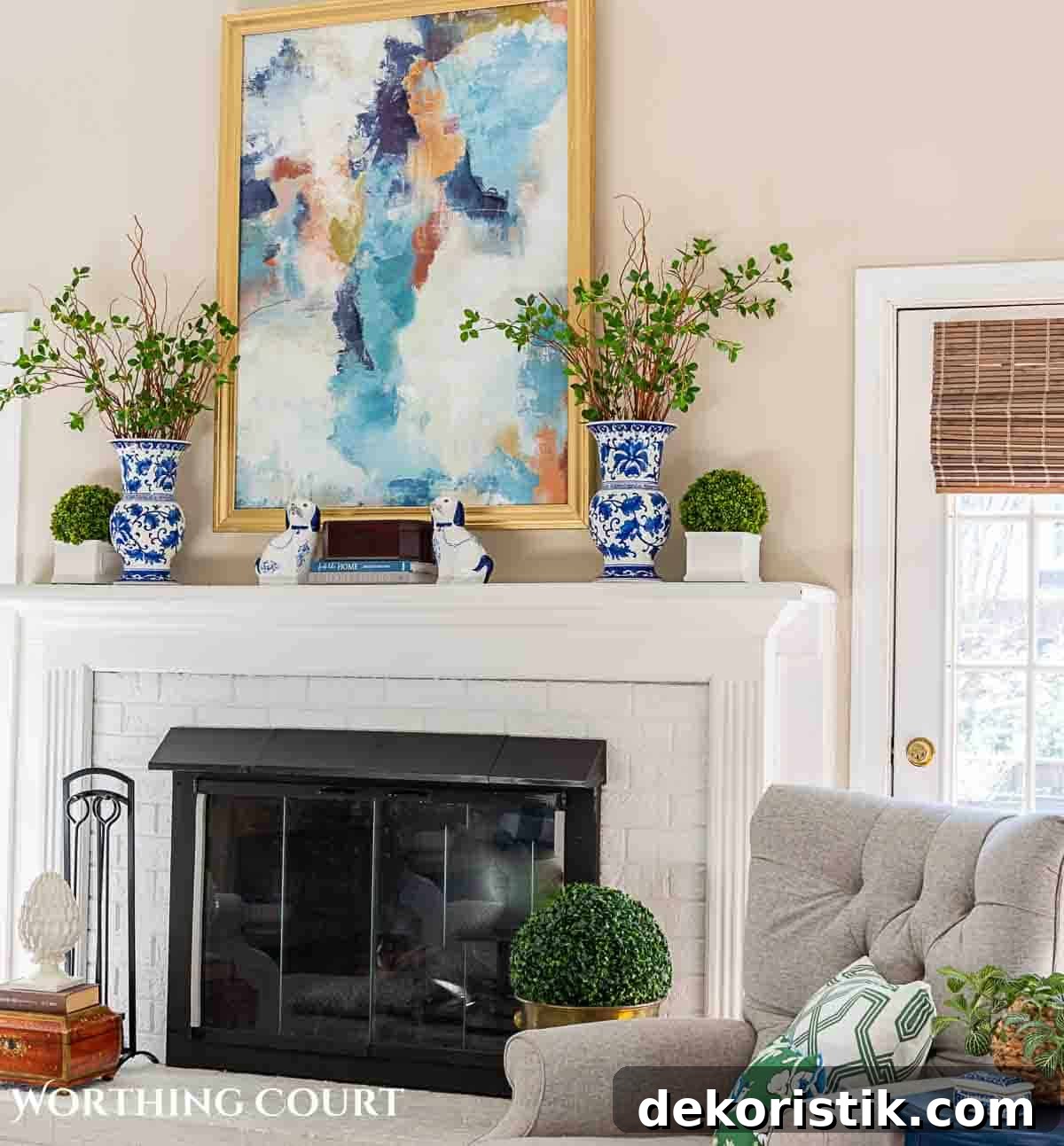
Why is abstract art so popular?
Abstract art has become widely embraced for several good reasons. It invites personal interpretation, creates emotional impact through color and texture, and can easily become a room’s focal point. Because it doesn’t rely on literal representation, abstract art blends with many decorating styles—from modern to traditional—while also sparking conversation and fresh perspectives on what art can be.
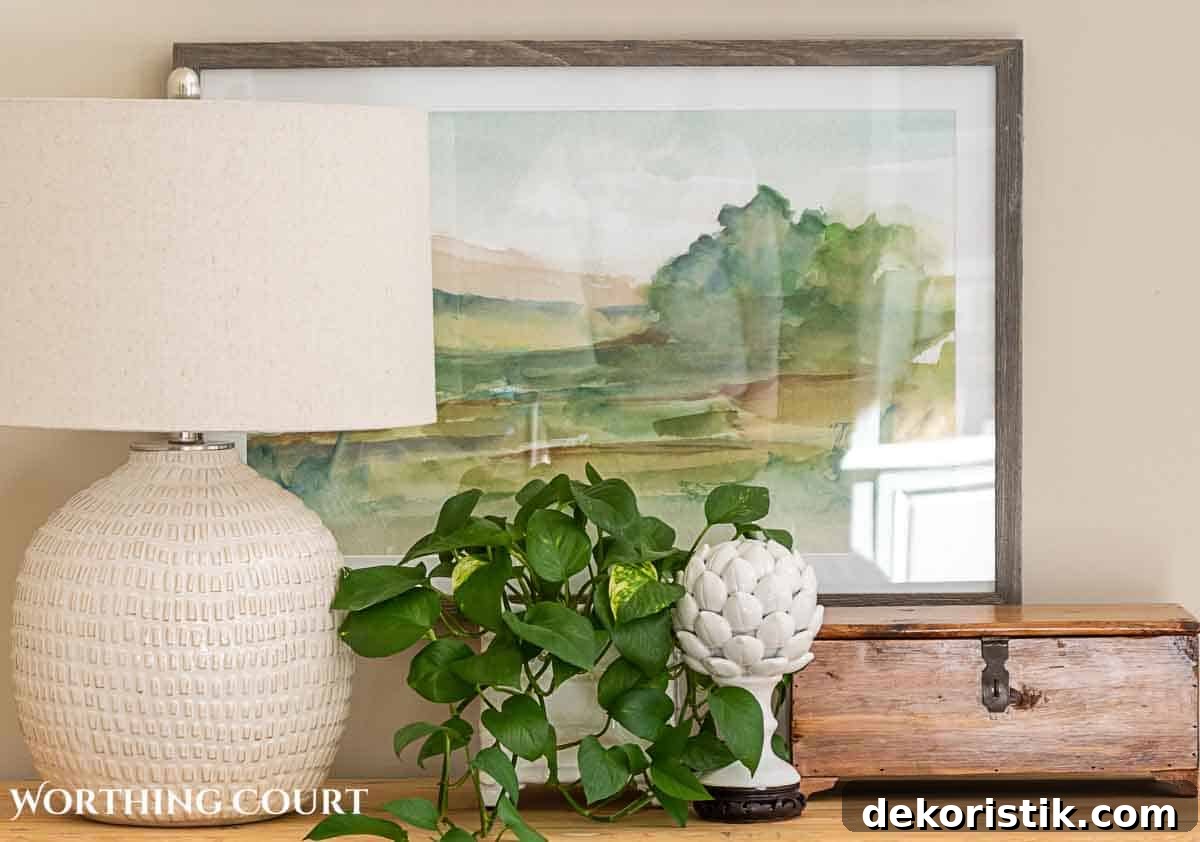
Abstract pieces offer a versatile way to express creativity and add individuality to any room, regardless of your overall decor approach.
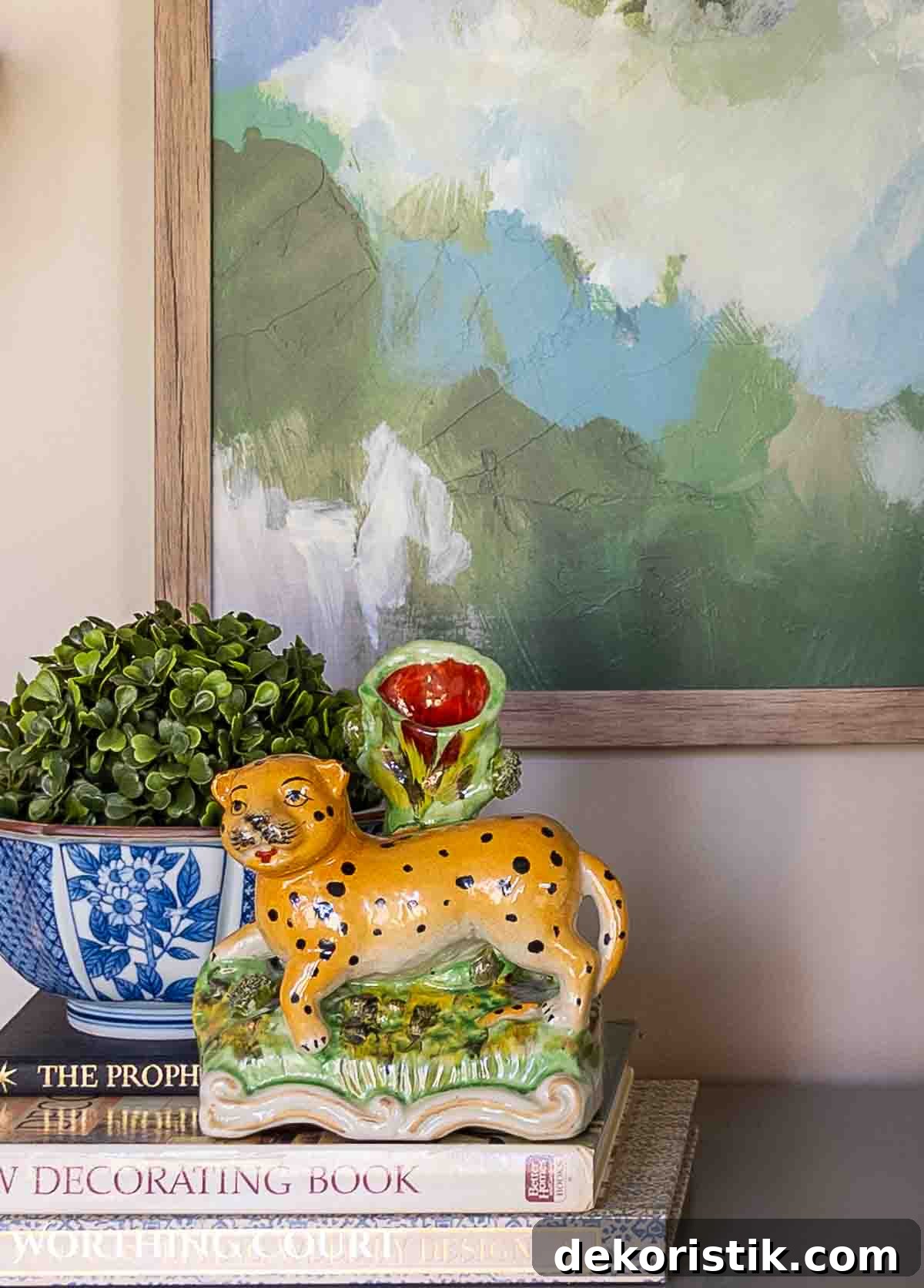
How to Choose the Right Abstract Art for Your Home
With countless styles, sizes, and colorways available, selecting the right abstract art comes down to scale, color, and compatibility with your decor.
Color and mood:
- For harmony, select colors already present in the room to create a cohesive look.
- To introduce contrast, choose bolder hues that stand out against your walls and furnishings.
- Use pastels for a calm atmosphere or richer tones to inject energy and drama.
Consider your decor style:
- Modern or minimalist interiors benefit from abstract work with clean lines and a restrained palette.
- Traditional or transitional rooms pair well with semi-abstract pieces that reference familiar motifs while remaining contemporary.
Don’t Be Afraid to Experiment
Abstract art is inherently playful. Try different placements, mix frames and unframed canvases, or layer multiple pieces until the composition feels right. Small changes—rotating a work, adjusting height, or grouping pieces—can dramatically improve how the art complements the room.
Trust your instincts. The goal is to create spaces that feel fresh and reflect your personality.
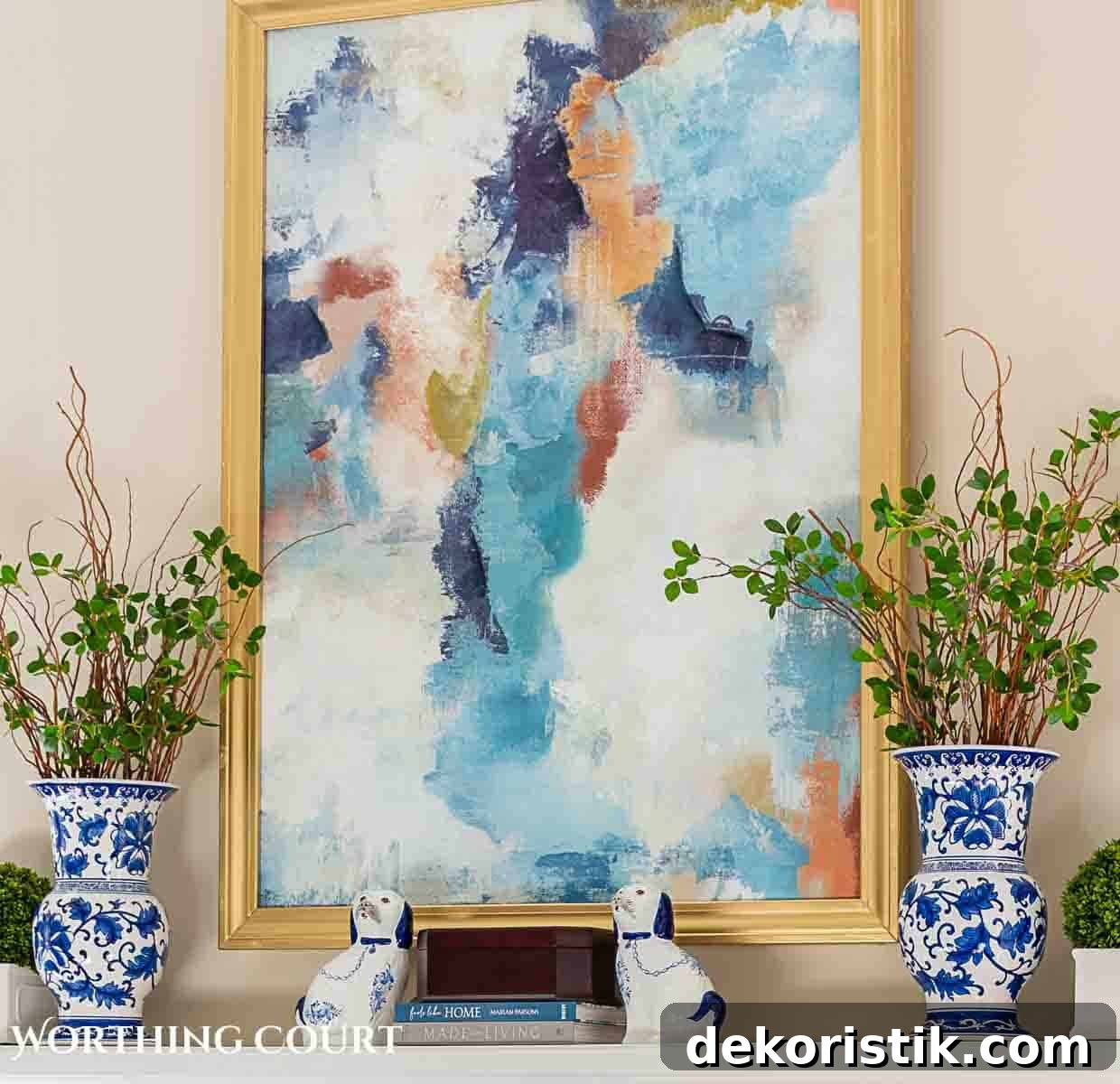
I’ve also curated a selection of affordable abstract pieces—some ready-to-hang canvases, others prints you can frame yourself. These options make it easy to add contemporary art without a large investment, and many of them work well layered with traditional decor elements.