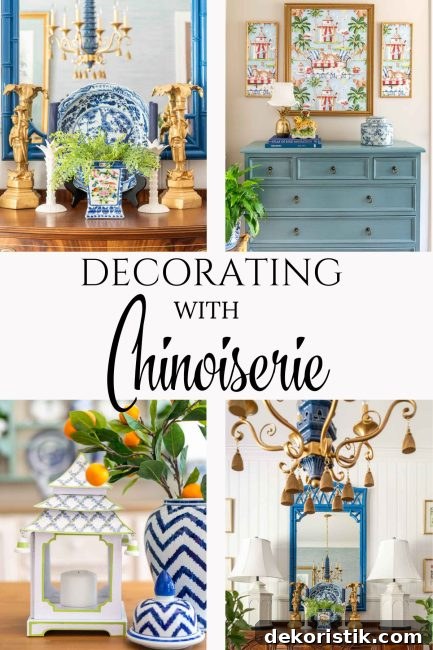
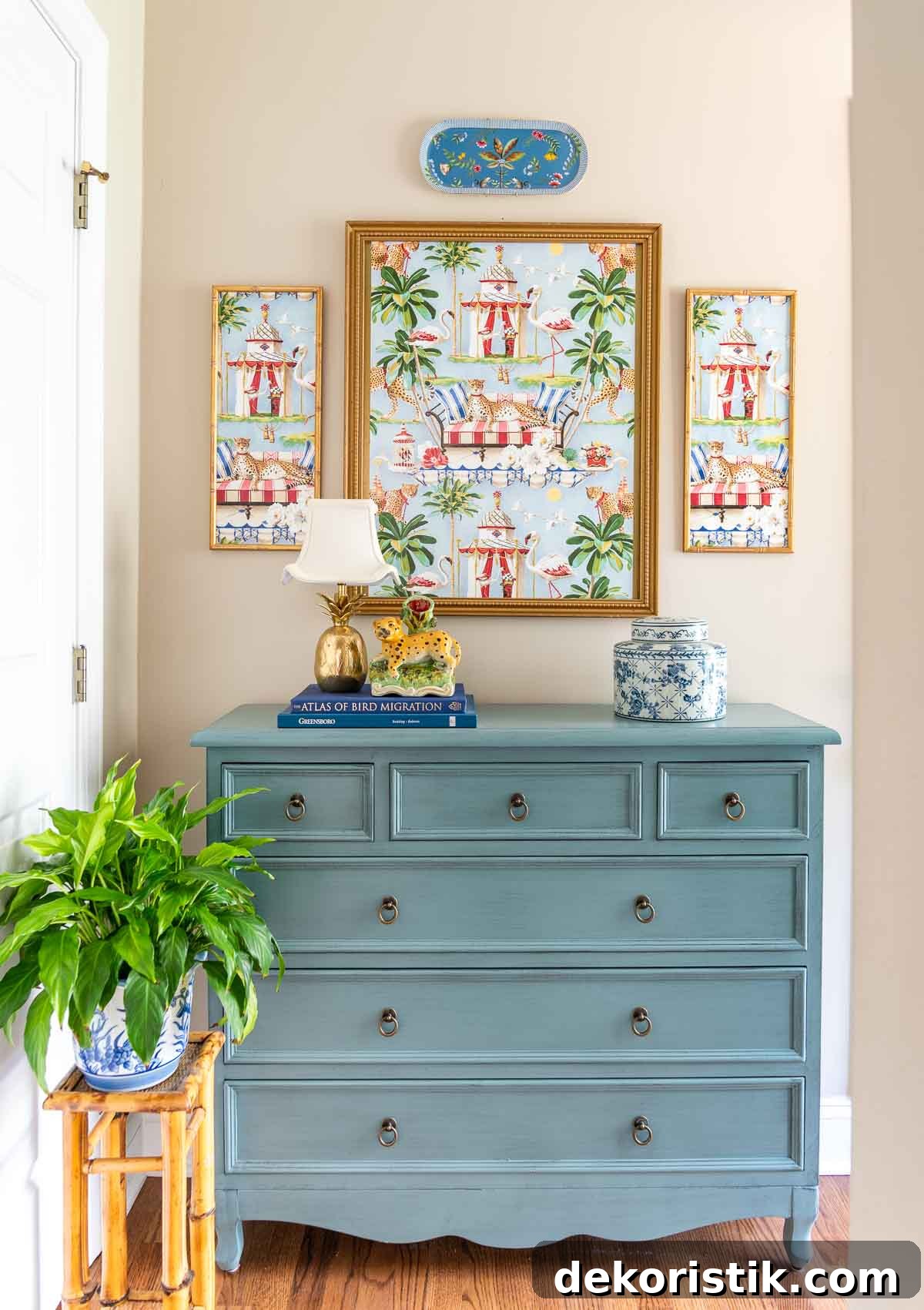
Chinoiserie is a decorative style with a long history, but it’s far from outdated. Whether you prefer traditional interiors or a more contemporary mix, chinoiserie brings storytelling patterns, refined details, and a sense of history to modern homes. Below is a clear guide to what chinoiserie is, why it’s still popular, and how to use it in your own decorating.
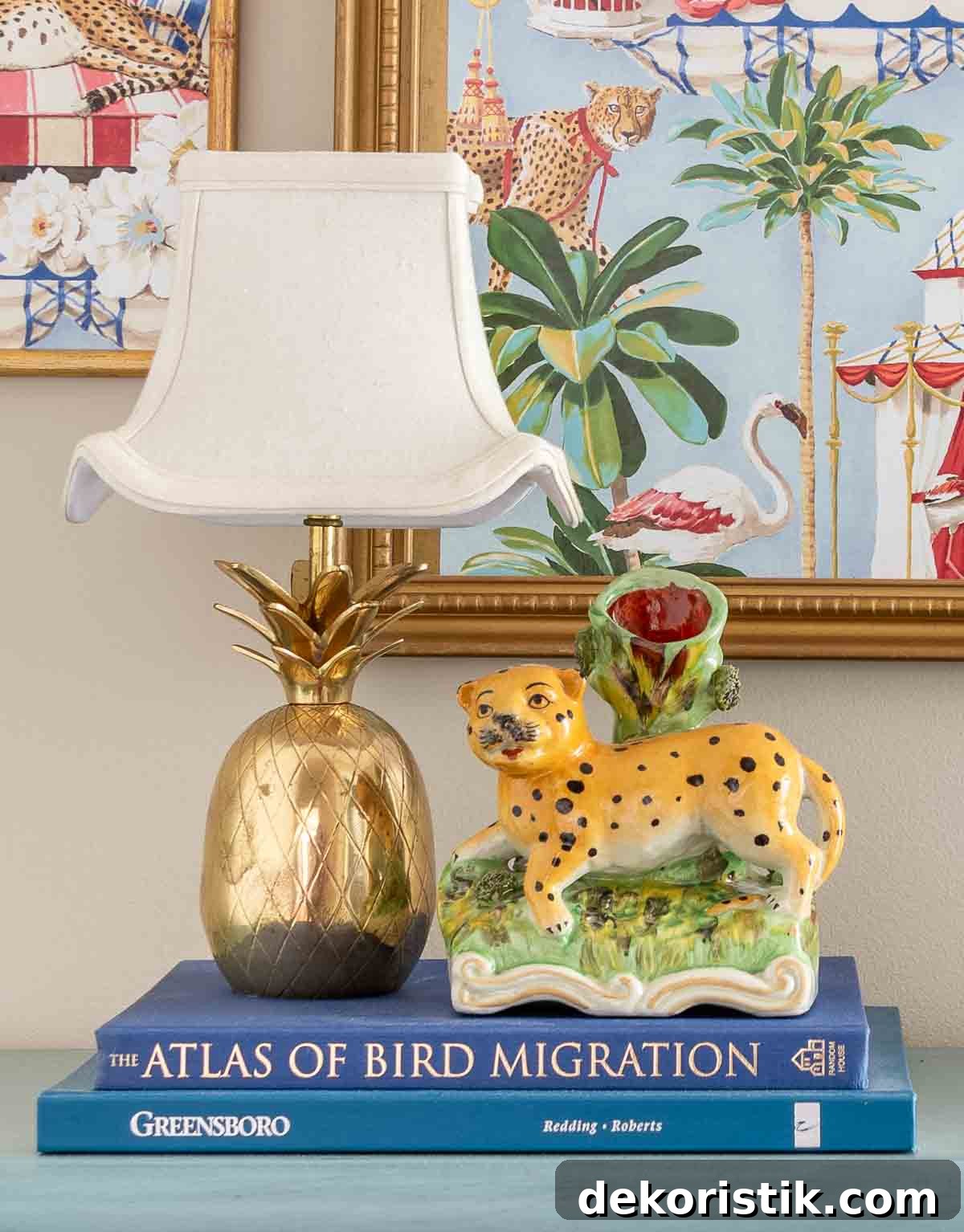
In recent years chinoiserie has enjoyed renewed attention. Designers and homeowners are adding these elegant motifs to rooms to create interiors that feel both curated and timeless.
If you’ve followed design trends, you may already appreciate the charm of chinoiserie. Its hand-painted scenes, floral patterns, and nature-inspired motifs add visual interest and a sophisticated layer to any space.
What is Chinoiserie Style?
The term “chinoiserie” comes from French and describes a European decorative style inspired by Asian—primarily Chinese—art and imagery. It grew from European imaginings of East Asian life, blending fantasy and ornamentation in ways that appealed to 17th- and 18th-century tastes.
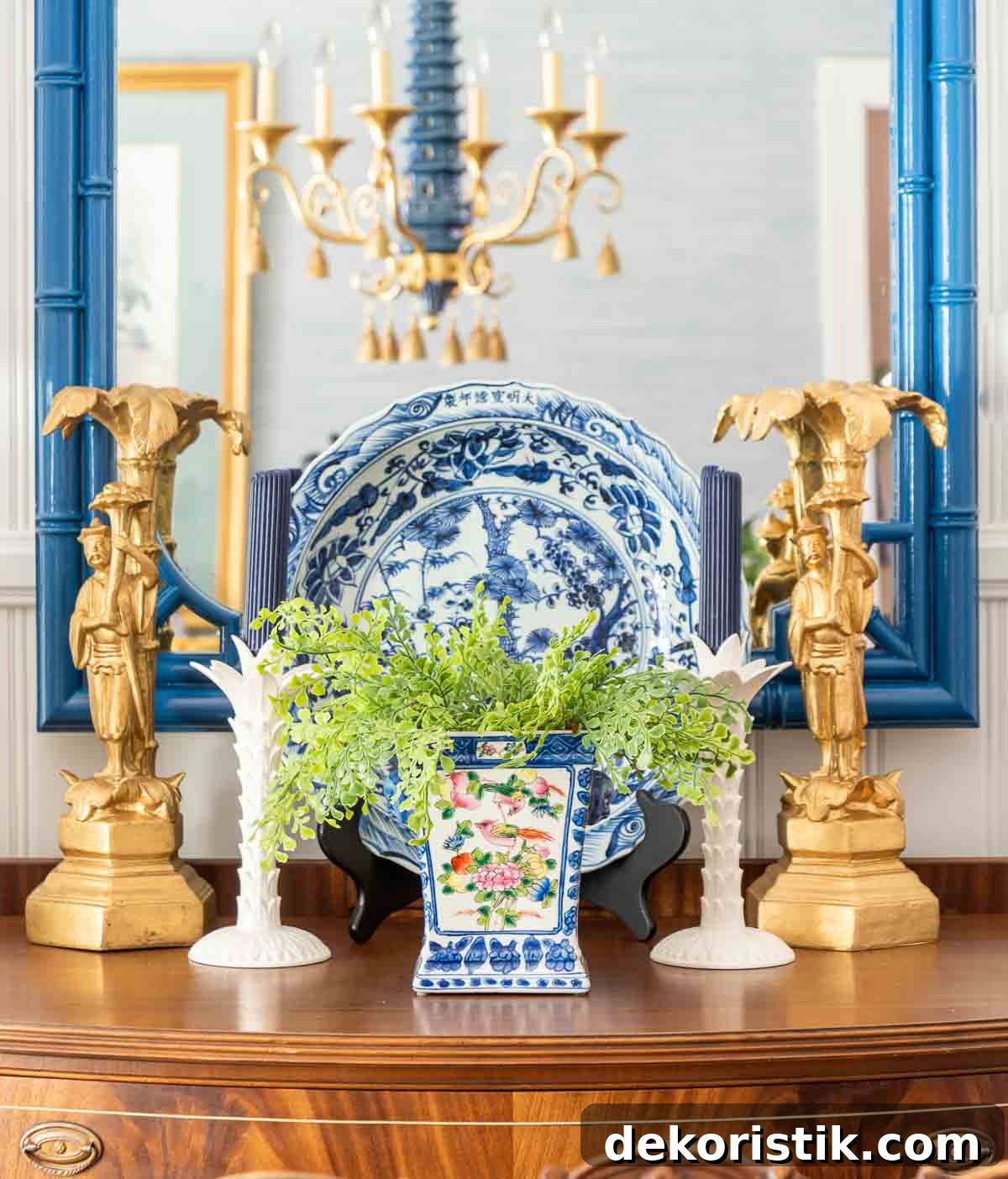
Although people often think of it as purely “Chinese,” chinoiserie is actually a European interpretation of Asian aesthetics. It became particularly fashionable among the aristocracy and upper classes, who prized it as a mark of wealth and cosmopolitan taste.
Common chinoiserie motifs include pagodas, exotic animals, stylized landscapes, and floral scenes. You’ll find them across wallpapers, ceramics, textiles, and furniture—each piece contributing to a narrative-rich environment.
Is Chinoiserie Still in Style?
Yes—chinoiserie remains relevant. Rather than fading into history, it’s enjoying a resurgence as a flexible, decorative approach that suits both classic and contemporary interiors. Homeowners and designers appreciate its ability to combine beauty and heritage while still adapting to modern tastes.
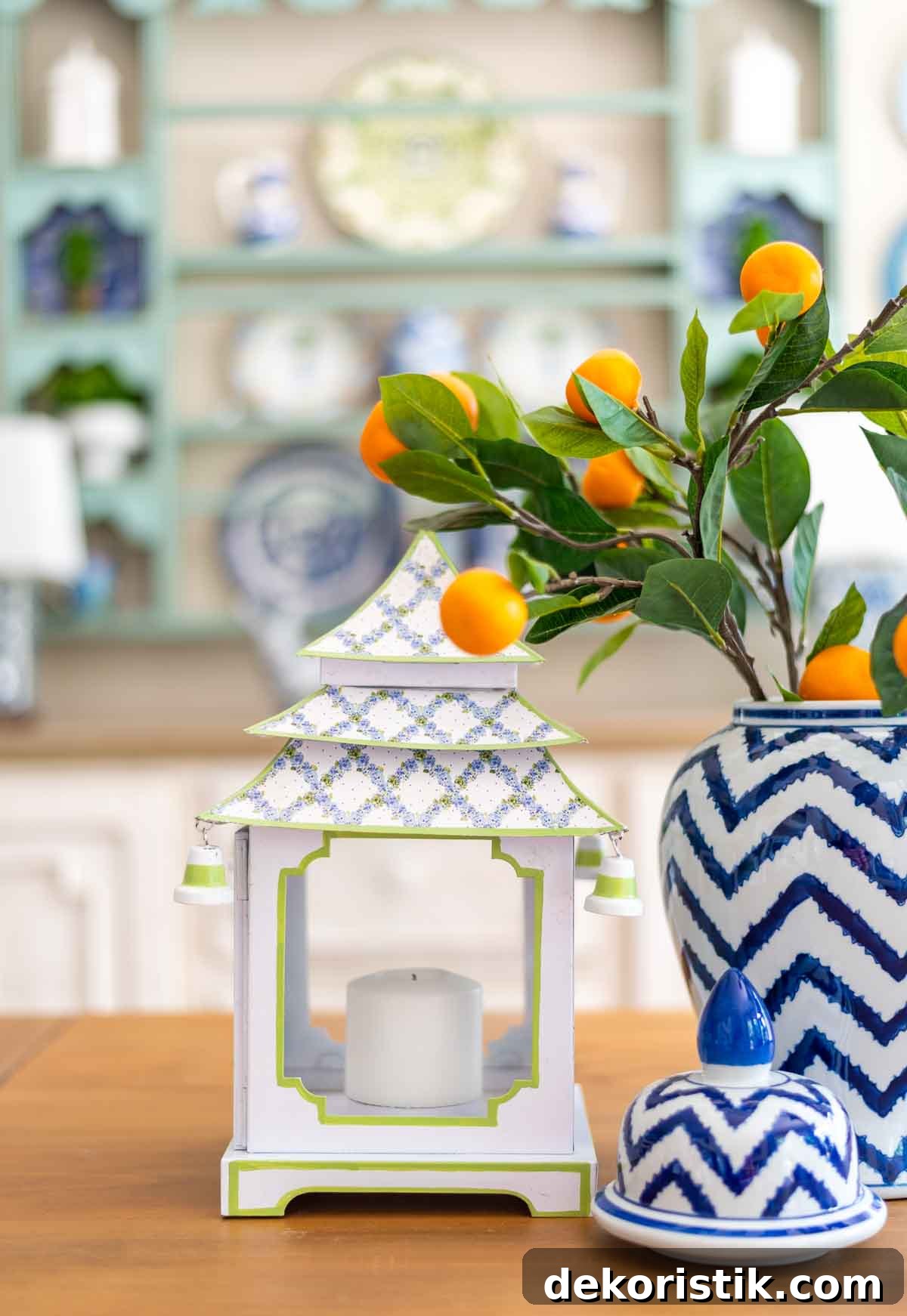
Chinoiserie works well as an accent language; it enhances a room without forcing it into a single, historical style. That versatility is a big reason it remains popular.
How to Decorate With Chinoiserie
Chinoiserie frequently appears on porcelain pieces—plates, vases, ginger jars, cachepots, and urns—along with lamps and decorative figurines. The trick is to use these pieces as accents rather than the room’s entire theme. A few well-placed items will elevate a space without overwhelming it.
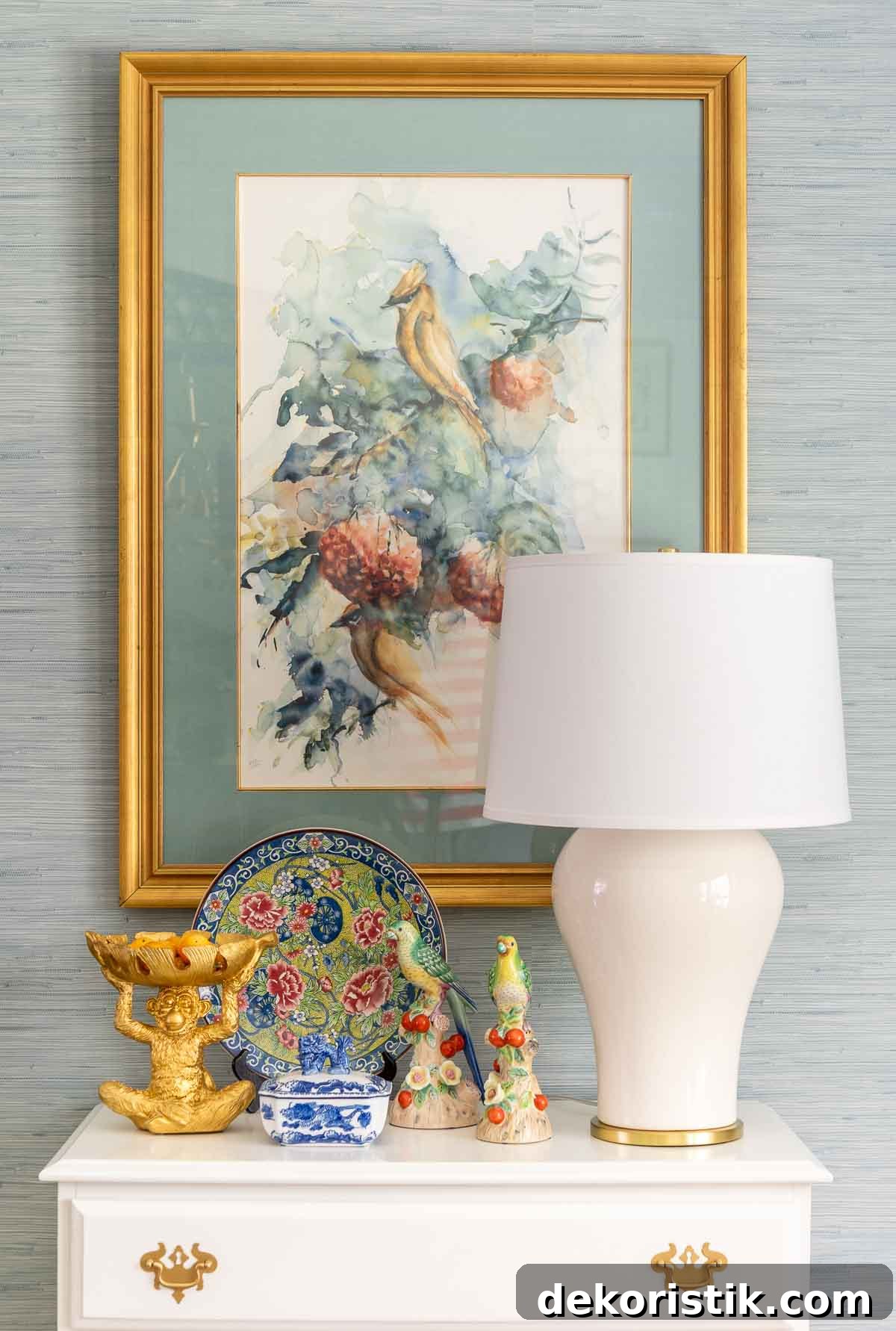
- Apply chinoiserie wallpaper as a focal wall in a dining room or bedroom.
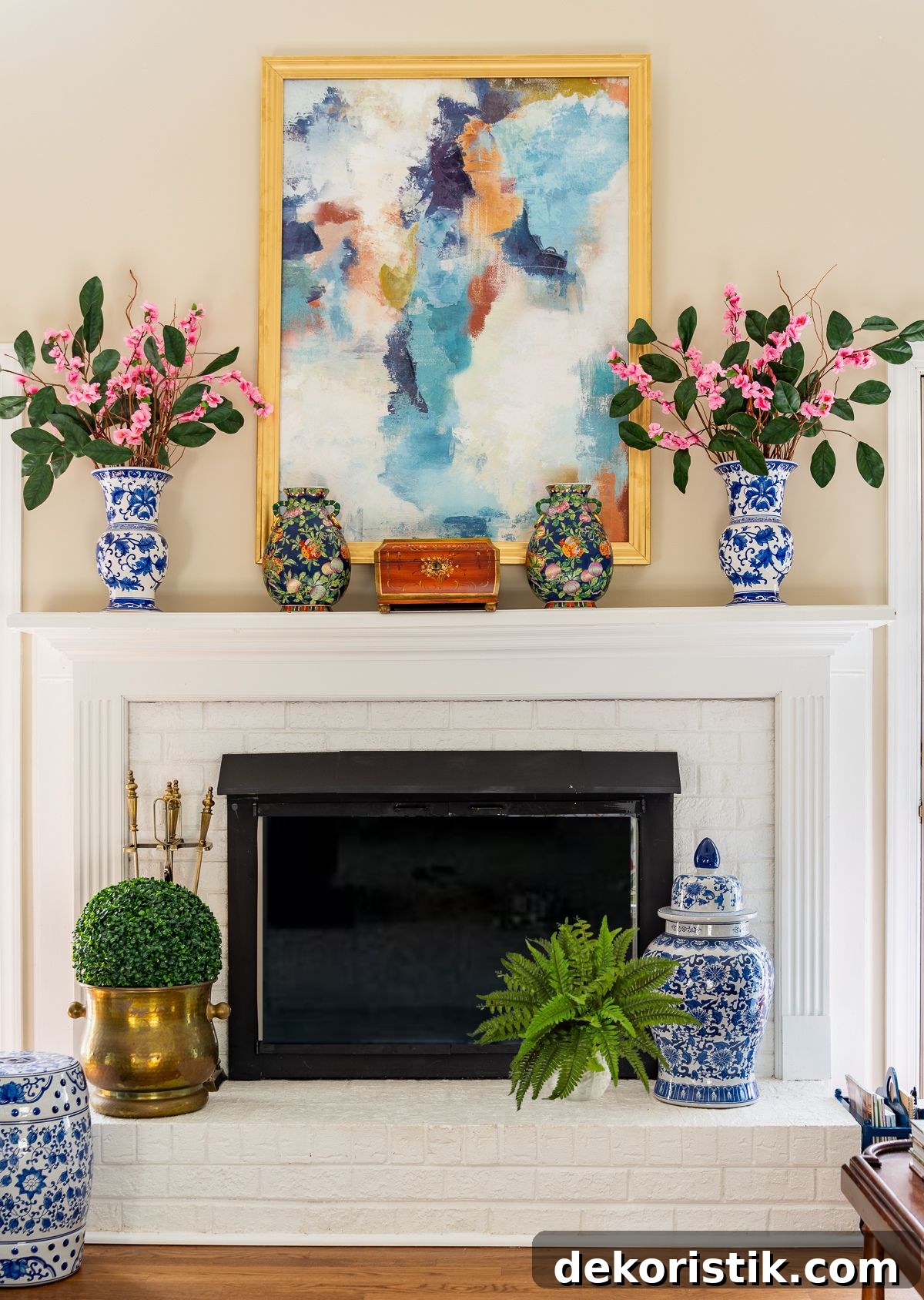
- Pair a set of foo dogs or guardian lions on a mantel for symmetry and impact.
- Use ginger jars for both storage and decoration—stylish and practical.
- Fill chinoiserie bowls with decorative orbs or greenery for a coffee table accent.
- Place an orchid in a chinoiserie cachepot for an elegant centerpiece.
- Opt for all-white chinoiserie pieces if you prefer a more neutral palette.
- Add a blue-and-white vase to a bookcase to punctuate a neutral shelf.
- Position a fern or plant in a chinoiserie planter on a hearth or console.
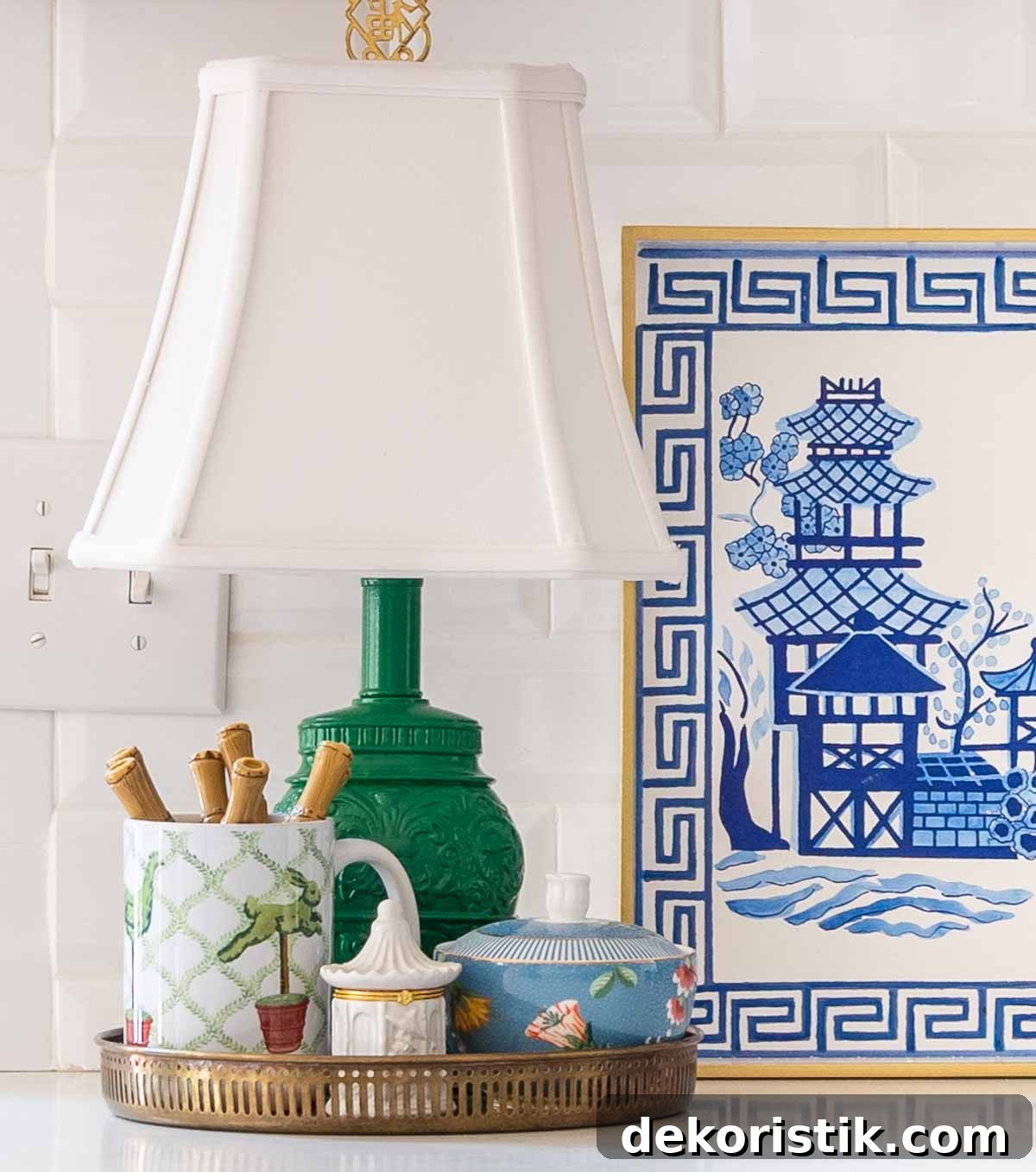
- Create vignettes by grouping smaller pieces on a tray to make a curated display.
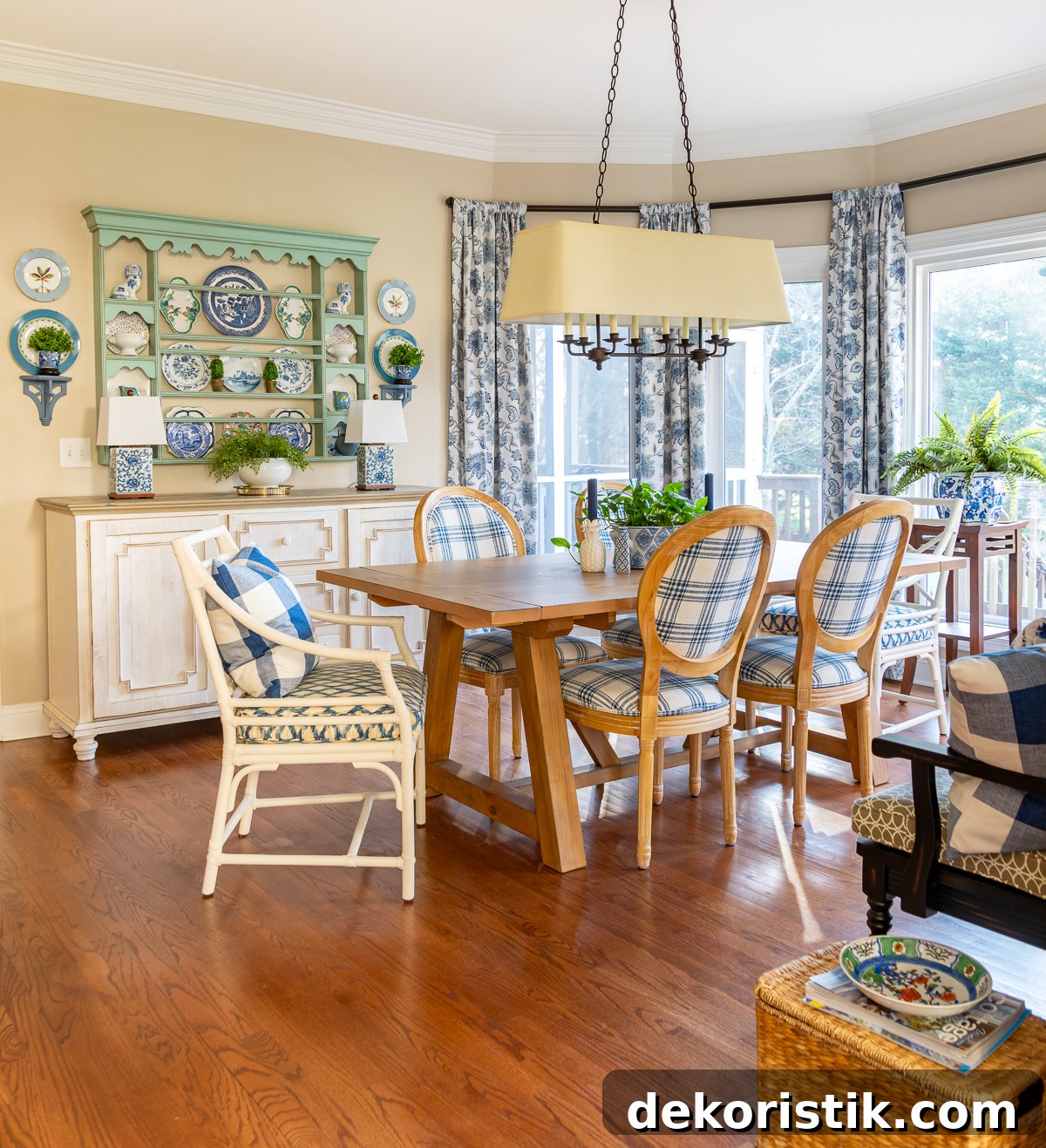
- Introduce faux bamboo frames or chinoiserie plates on a plate rack for subtle nods to the style.
Small practical touches work well. For example, a blue-and-white lidded ginger jar can store coffee pods on a counter while adding charm to your morning routine.
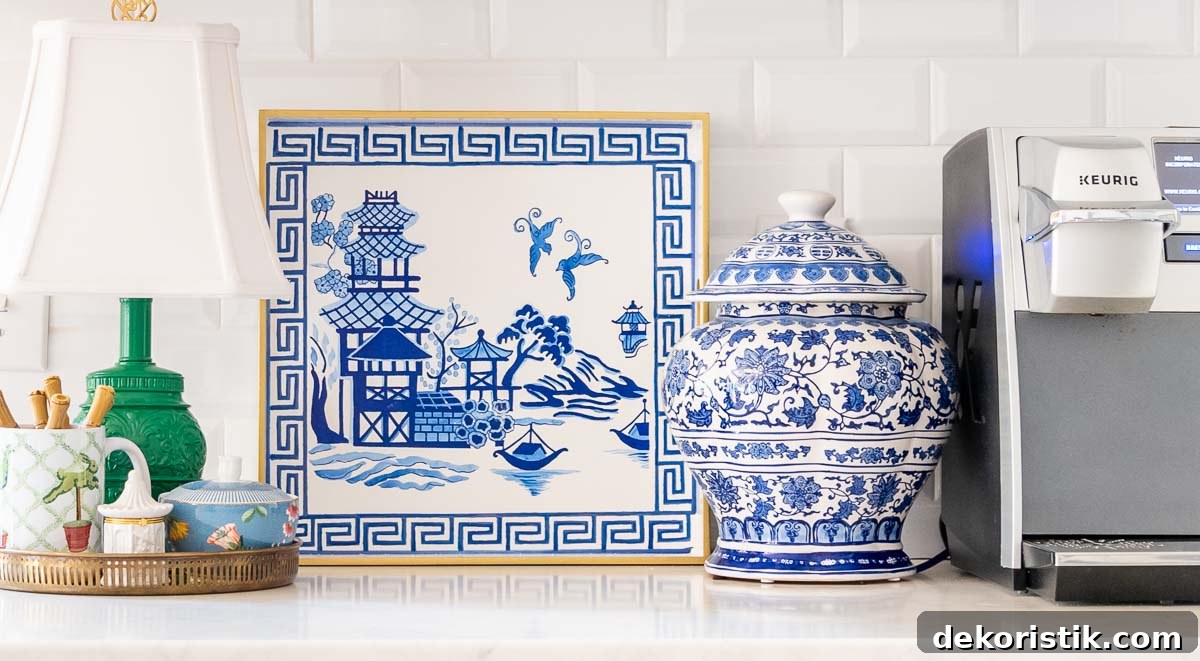
If you’re new to chinoiserie, start with accessories—pillows, lamps, or a single vase—and build from there. Balance and scale matter: a large cabinet should be the room’s focal point while surrounding details remain restrained so the look doesn’t feel crowded.
Don’t Take It Too Seriously
Chinoiserie can be playful. Contemporary designs often lean into whimsical depictions—stylized pagodas, monkeys, flamingos, or exotic animals on fabrics, wallpaper, and art. A small, whimsical piece can brighten a room and keep things from feeling overly formal.
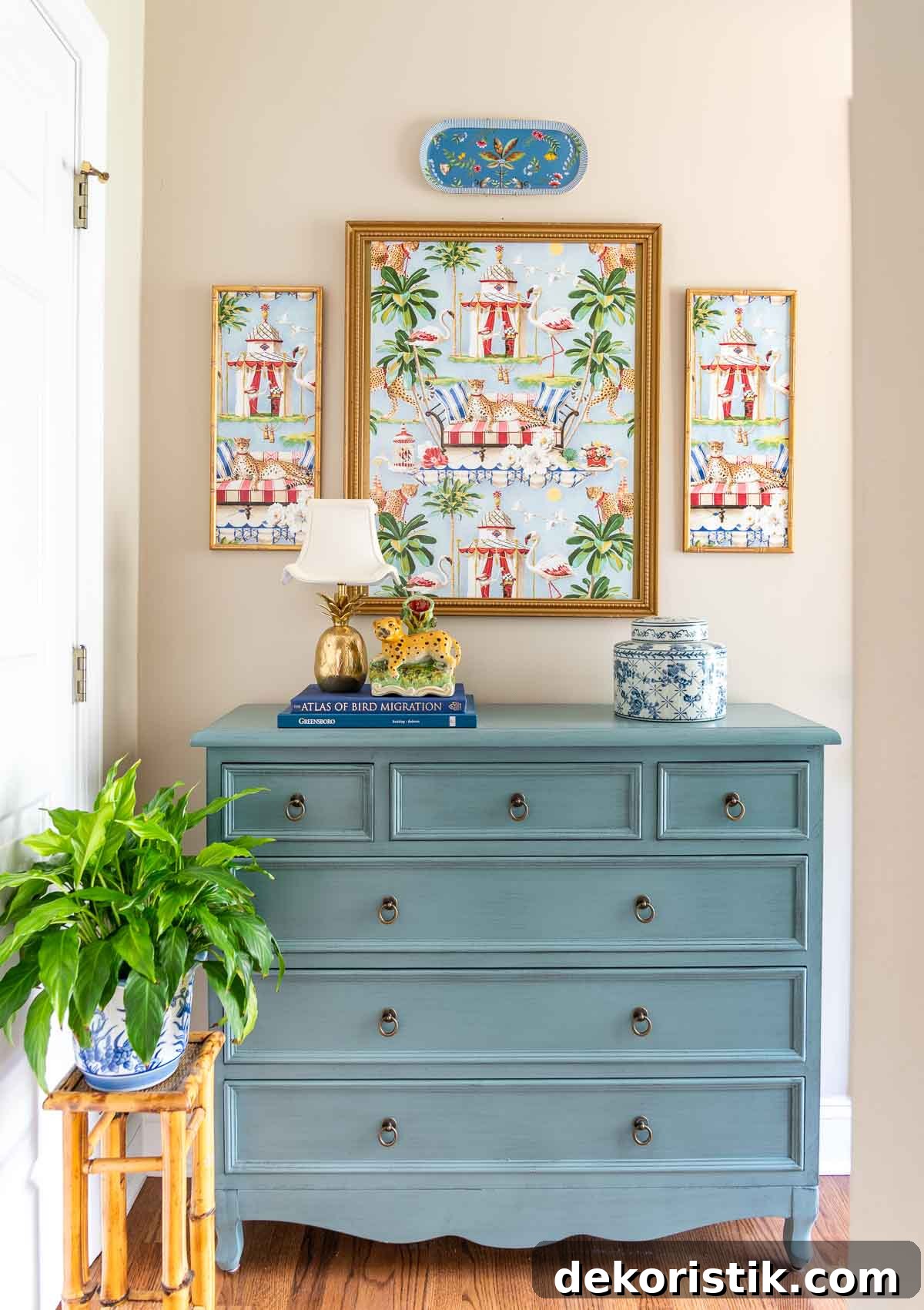
Are Chinoiserie Elements Always Blue and White?
Blue and white are the classic chinoiserie palette, but they aren’t the only options. You’ll find chinoiserie in vivid reds, soft pinks, and verdant greens. Choose colors that harmonize with the mood and palette of your room.
Chinoiserie Furniture
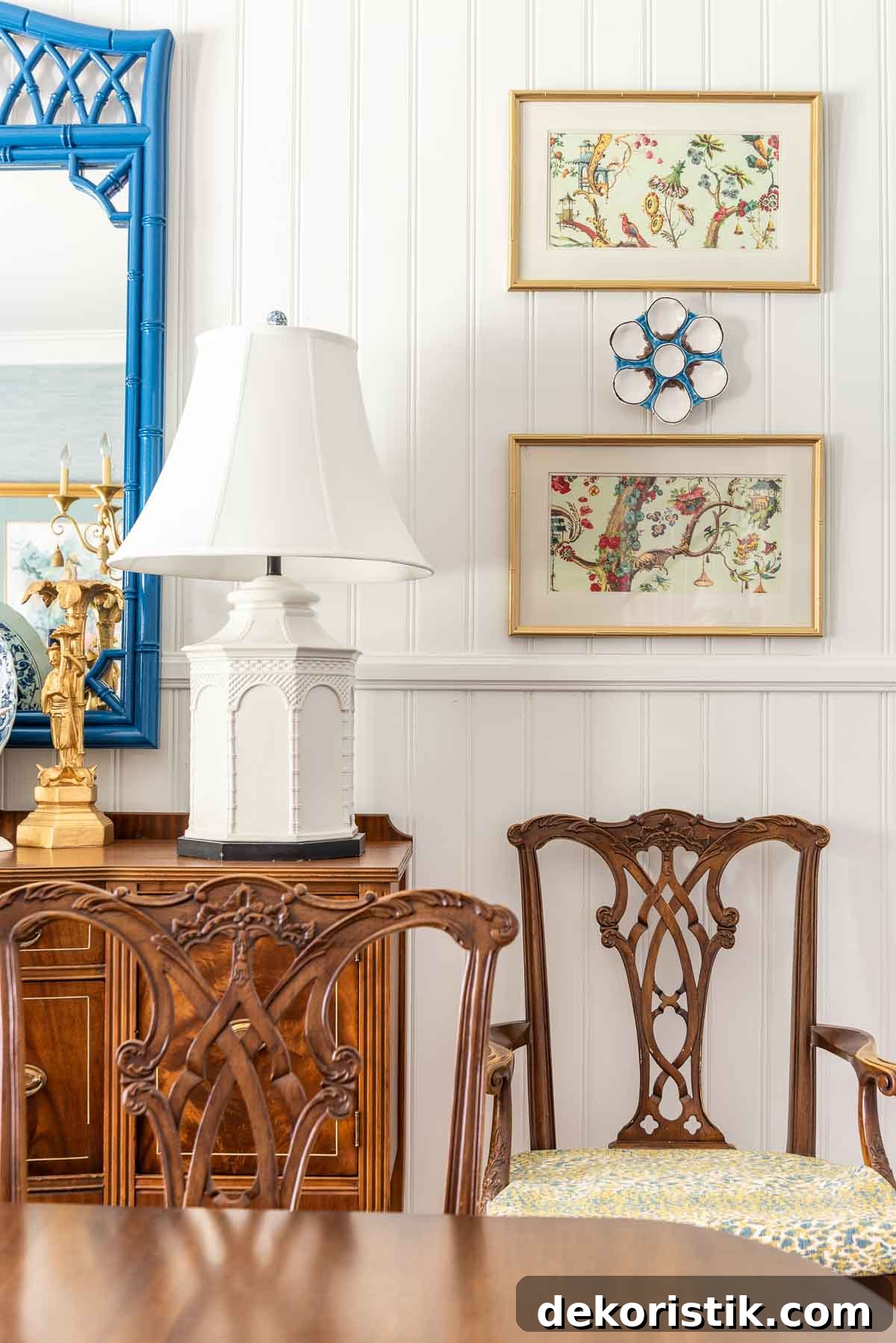
Chinoiserie furniture ranges from highly ornate lacquered antiques to simpler pieces with fretwork and lattice details. Faux bamboo furniture lacquered in bright, preppy colors has become popular, and Chinese Chippendale pieces with elaborate fretwork remain a classic choice.
Expect to see chinoiserie details on chairs, cabinets, mirrors, and tables—each offering craftsmanship that becomes a focal point in a room.
Where to Shop for Chinoiserie
There are many great sources for chinoiserie pieces. Consignment stores, estate sales, and thrift shops often yield unique finds. Online marketplaces like Etsy and eBay are convenient places to discover both vintage and new items.
Social media resellers and mainstream retailers have also expanded their offerings to meet growing interest, so check local stores and larger home decor chains for accessible pieces.
Seasons and Holidays
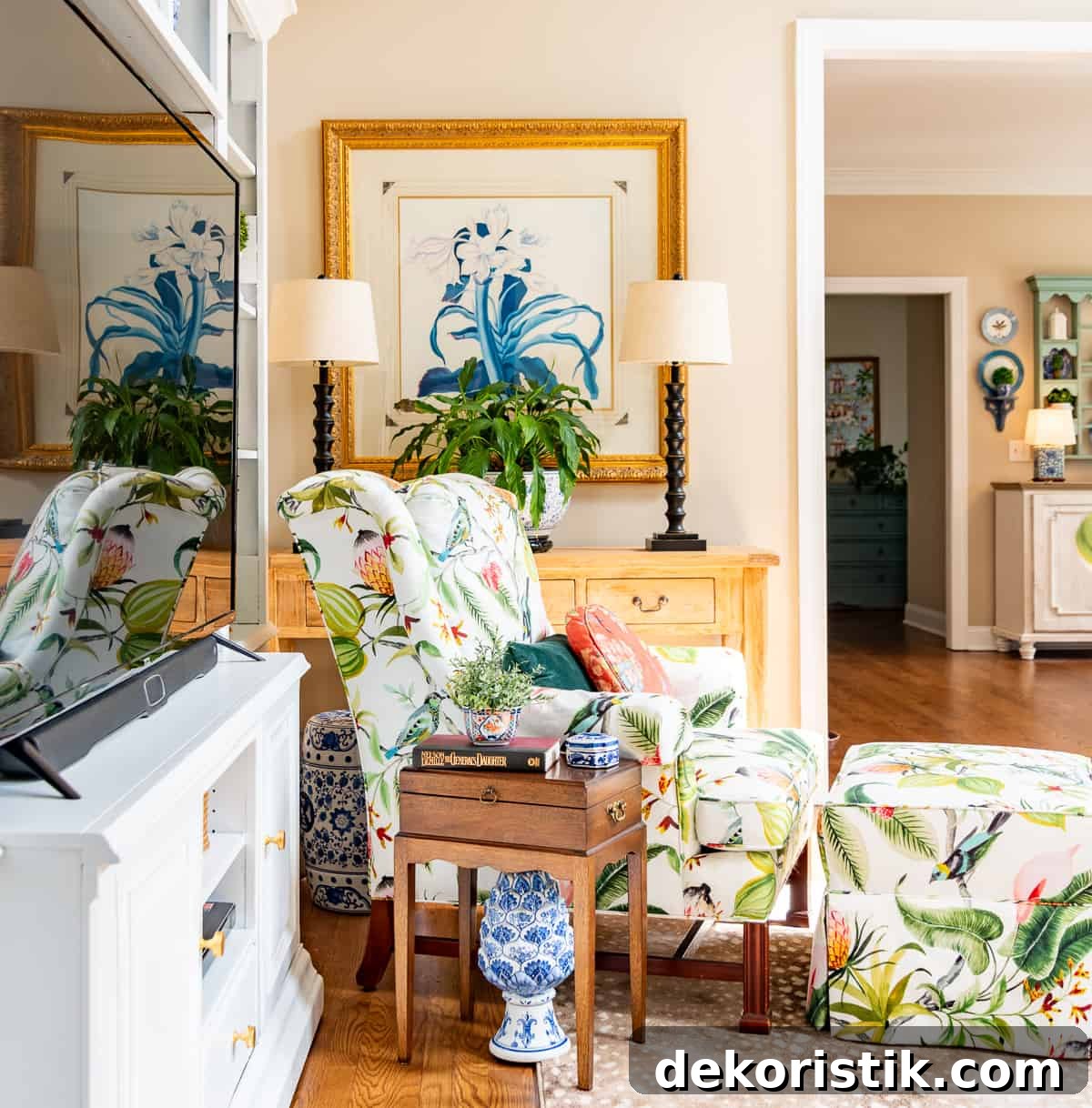
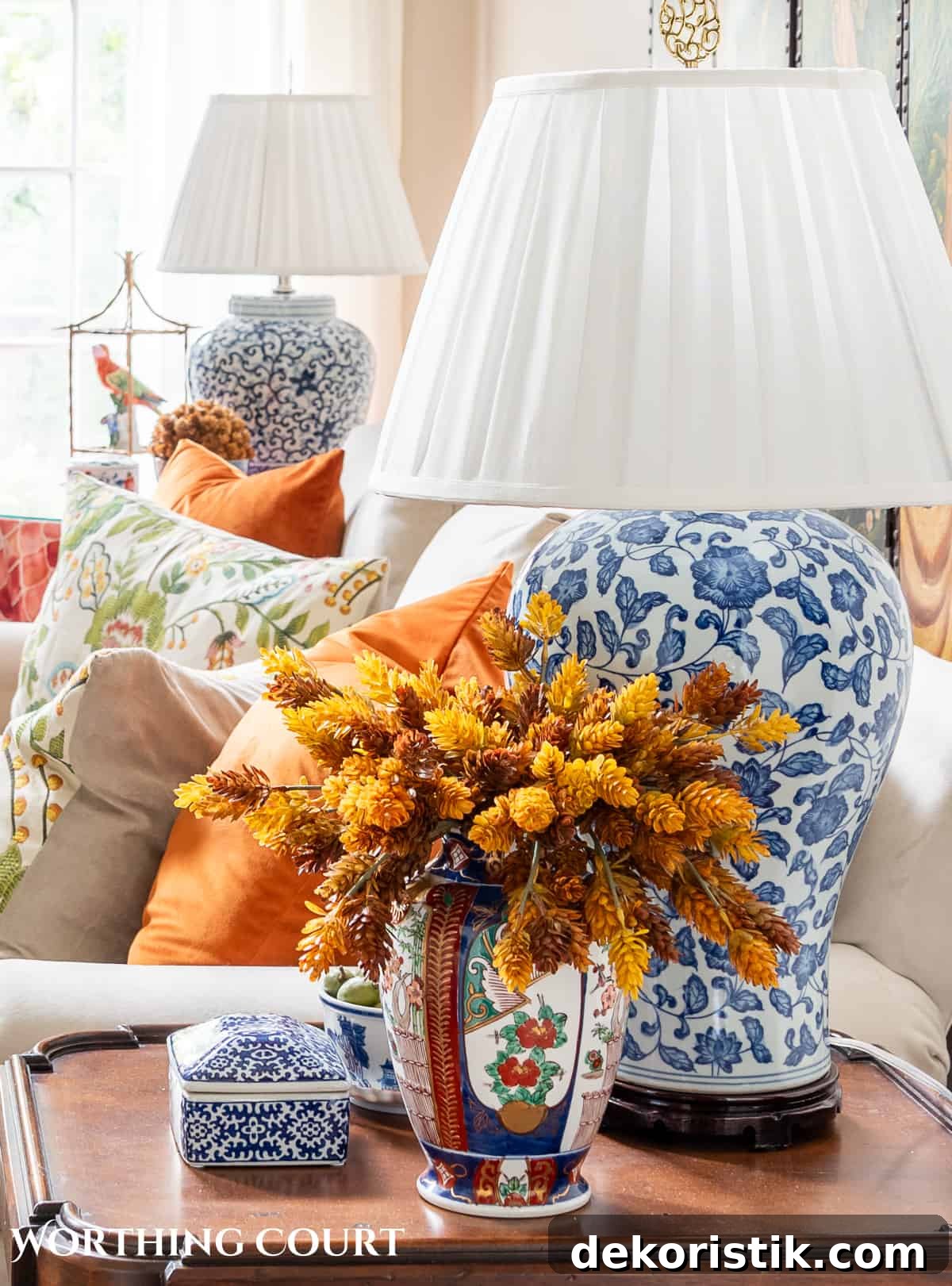
Chinoiserie adapts beautifully to seasonal decorating. Spring’s pastel palette complements chinoiserie florals and blues, while autumn’s oranges and rusts pair wonderfully with blue-and-white pieces.
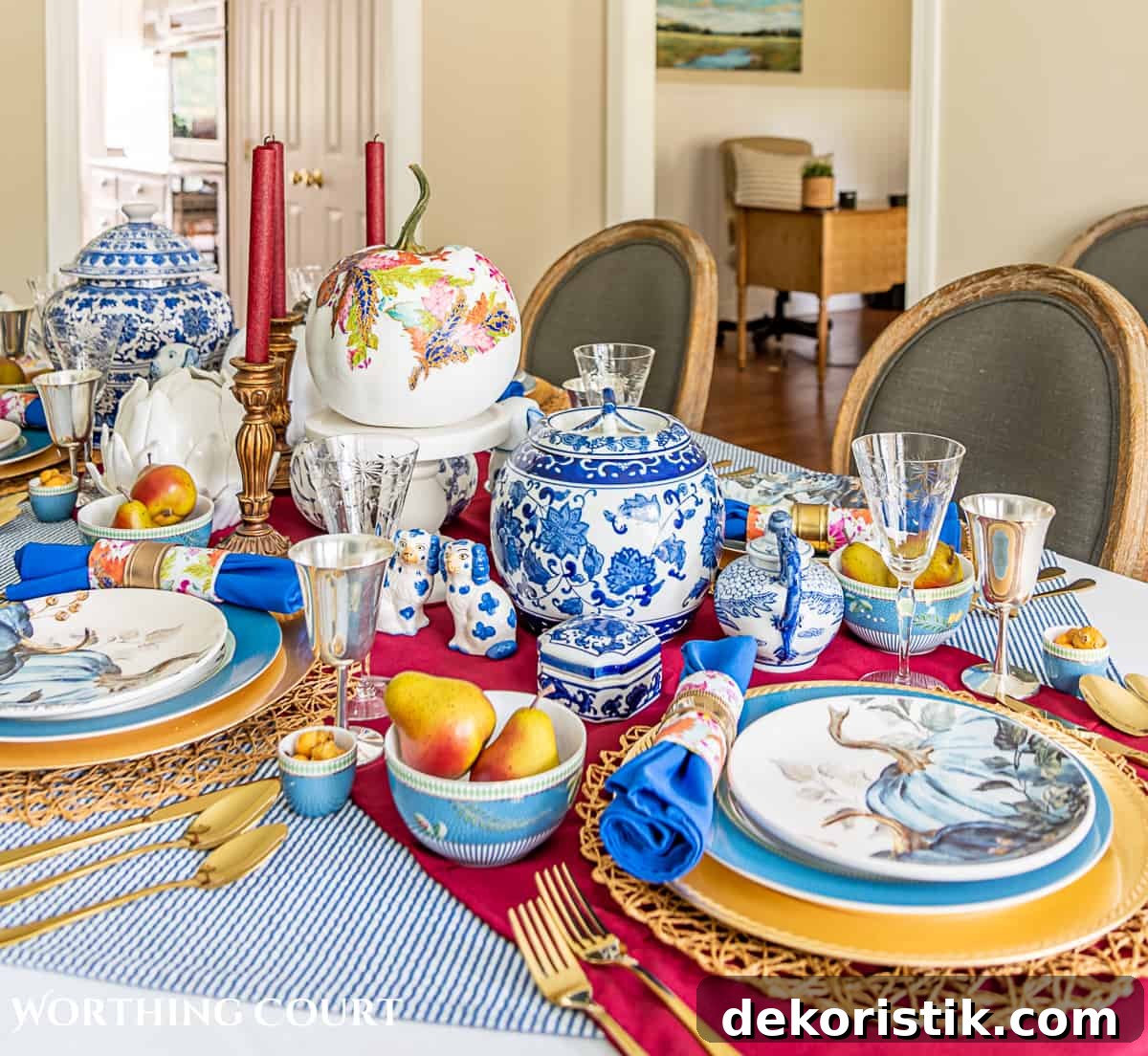
For Thanksgiving or fall gatherings, combine blue-and-white ceramics with deeper shades of burgundy or rust to create a warm, layered table setting.
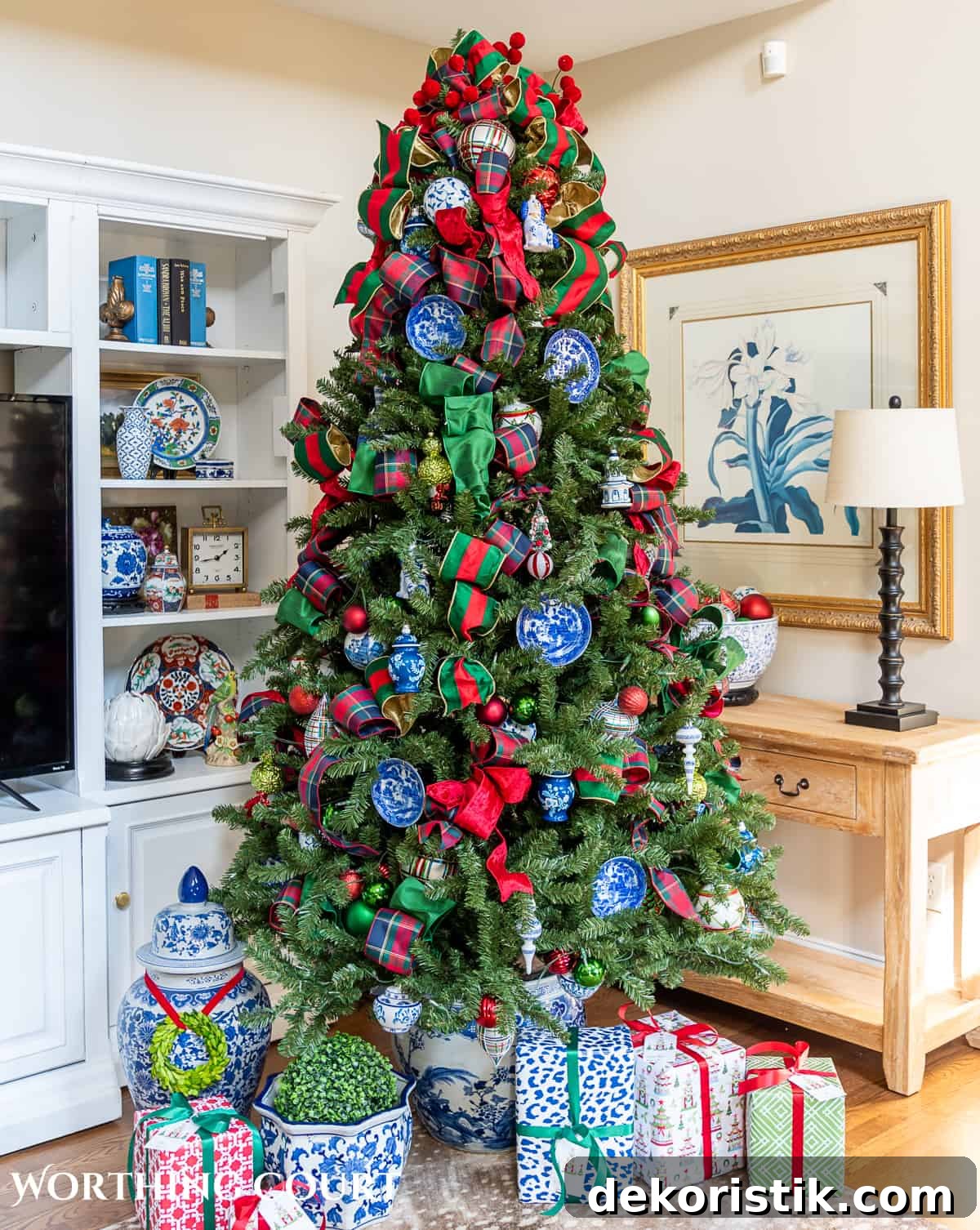
At Christmas, a tree planted in a large blue-and-white pot or small chinoiserie touches around the house can feel both festive and elegant. I’ve mixed these pieces throughout rooms for a cohesive holiday look.
In short, chinoiserie is a flexible and elegant way to introduce pattern, color, and narrative to your home. It pairs well with a wide range of styles and suits both small accents and larger statement pieces. Consider experimenting with a few accessories first, then expand as you find pieces that speak to your personal style.