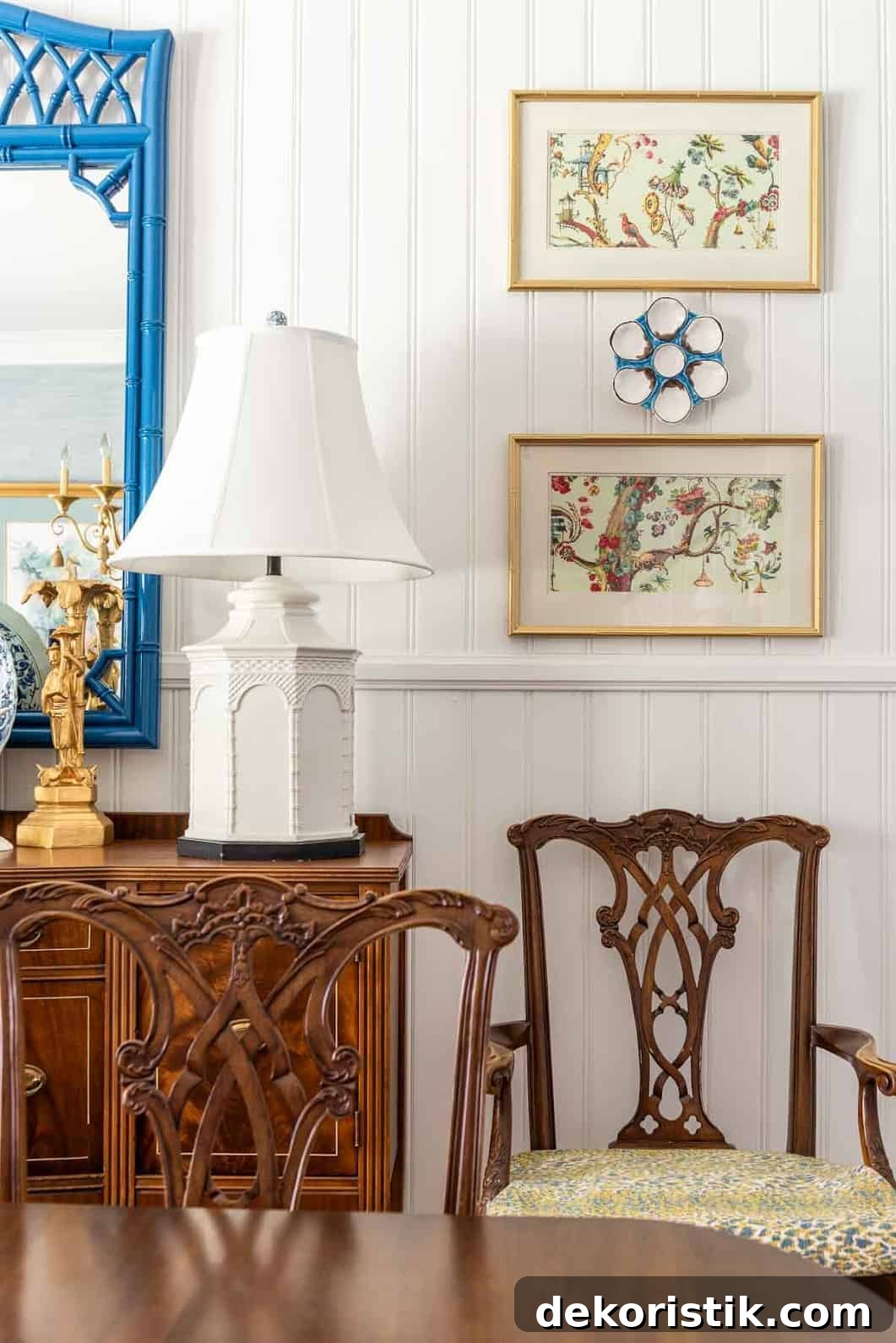
Wondering how high to hang artwork or mirrors? This clear, practical guide removes the guesswork and helps you place pieces so a room looks balanced and intentional every time.
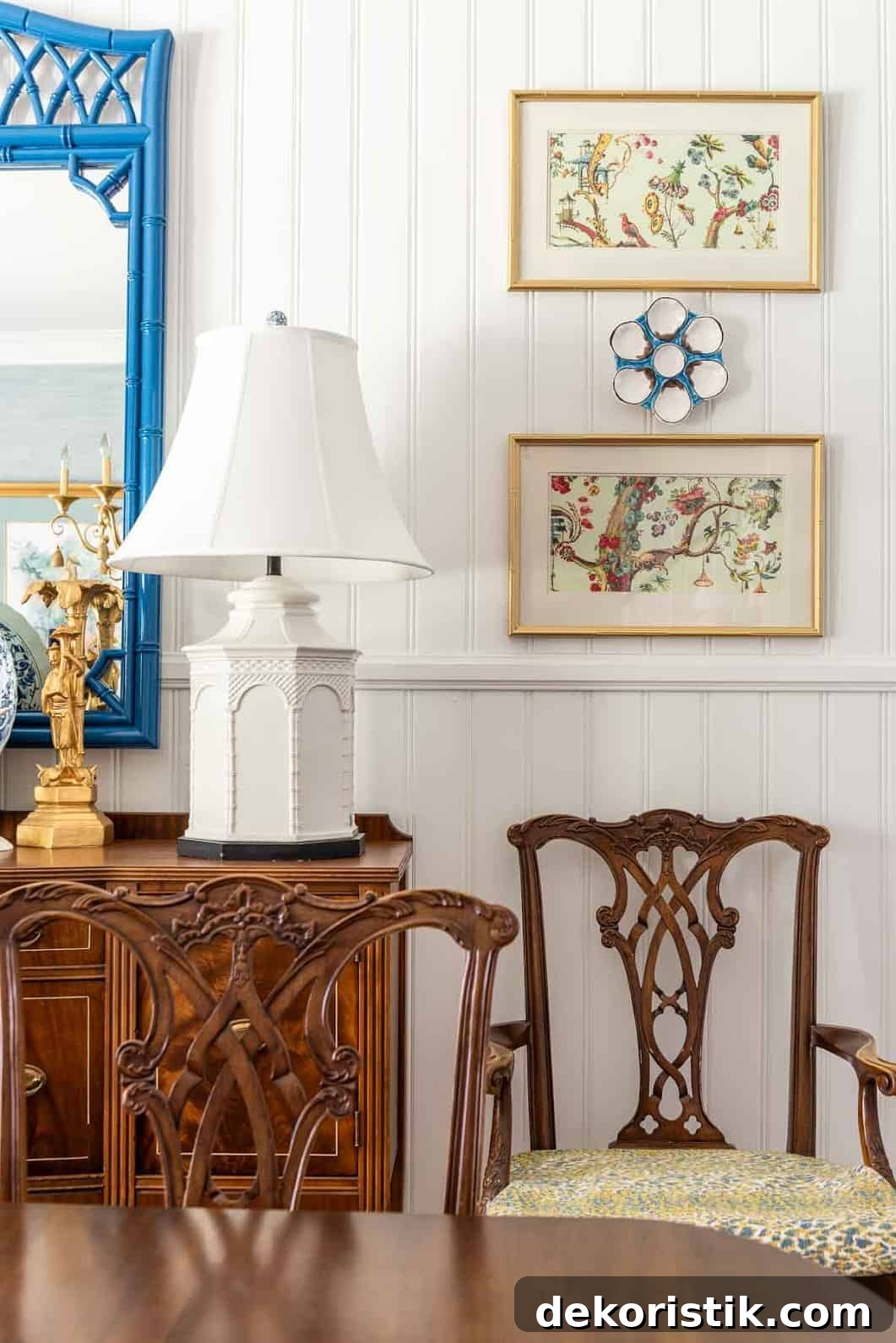
Hanging a picture or mirror can feel intimidating: should the center be at eye level, should it float above the sofa, or hug the mantel? Small shifts in height change how a room reads. Below are easy-to-follow rules and practical examples you can use for almost any wall, whether the piece stands alone or sits above furniture.
Before you pick up your hammer, grab a tape measure and a pencil. These simple tools and a few guidelines will help your walls look thoughtfully curated and balanced.
The Magic Number: Hang Your Art by Its Center
A reliable starting point used by galleries and decorators is to place the center of the artwork at about 57–60 inches from the floor. This range roughly corresponds to average eye level and creates a naturally comfortable viewing height in most homes.
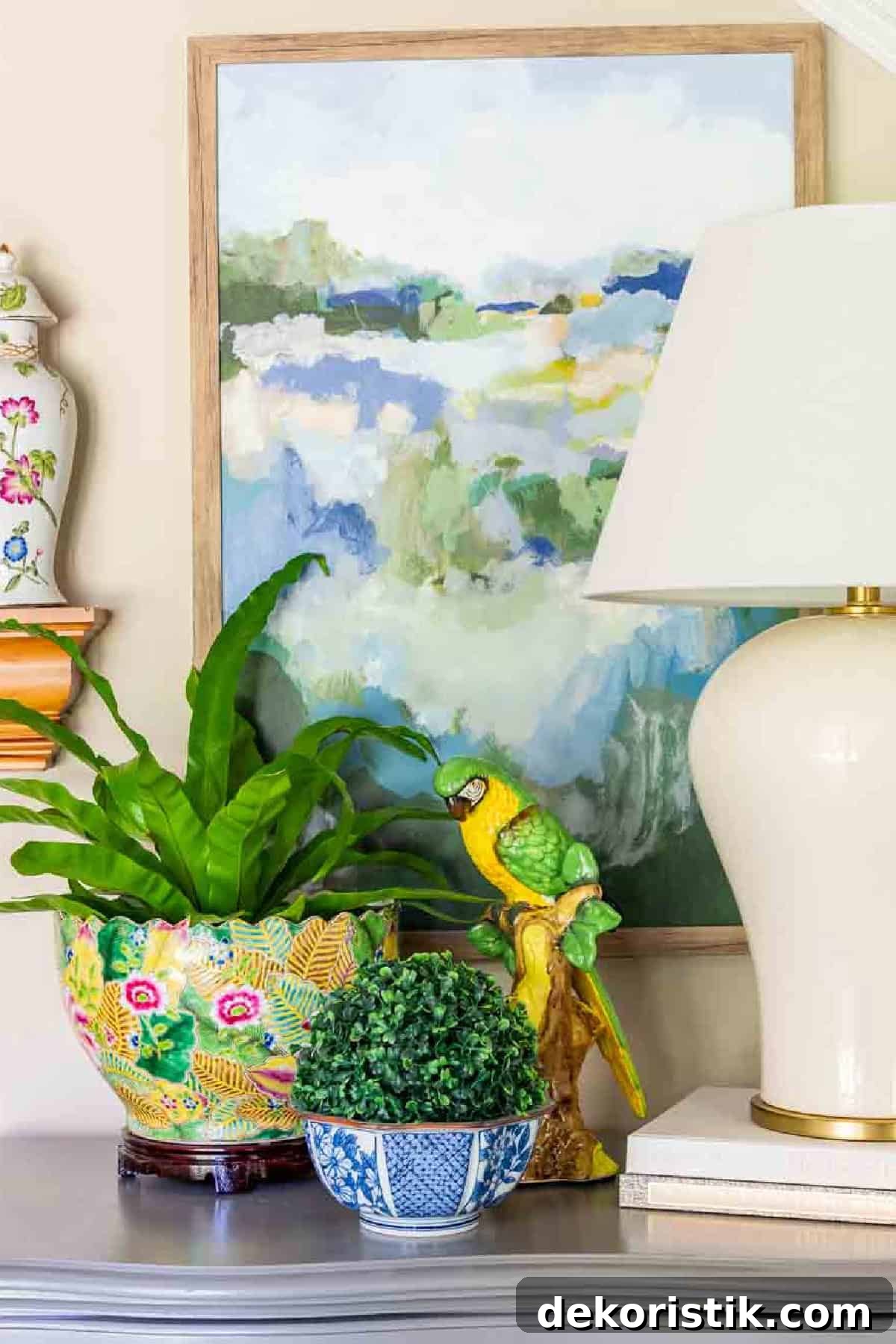
Tips for using the center rule effectively:
- Measure to the exact center of the frame or artwork, not the top or bottom.
- If your ceilings are tall, aim toward the upper end of the range (closer to 60 inches) so the piece doesn’t feel low in the room.
- For very large works, treat the entire composition as a single visual unit and center that unit at the same height.
This guideline gives a consistent, gallery-style look across rooms and helps art read naturally at eye level, whether hung in a hallway, entry, or above a console table.
Hanging Art or Mirrors Above Furniture or Mantels
When artwork or mirrors go above furniture, such as a sofa, bed, console, or mantel, the center rule is less useful on its own. Instead, work with the relationship between the piece and the furniture below it.
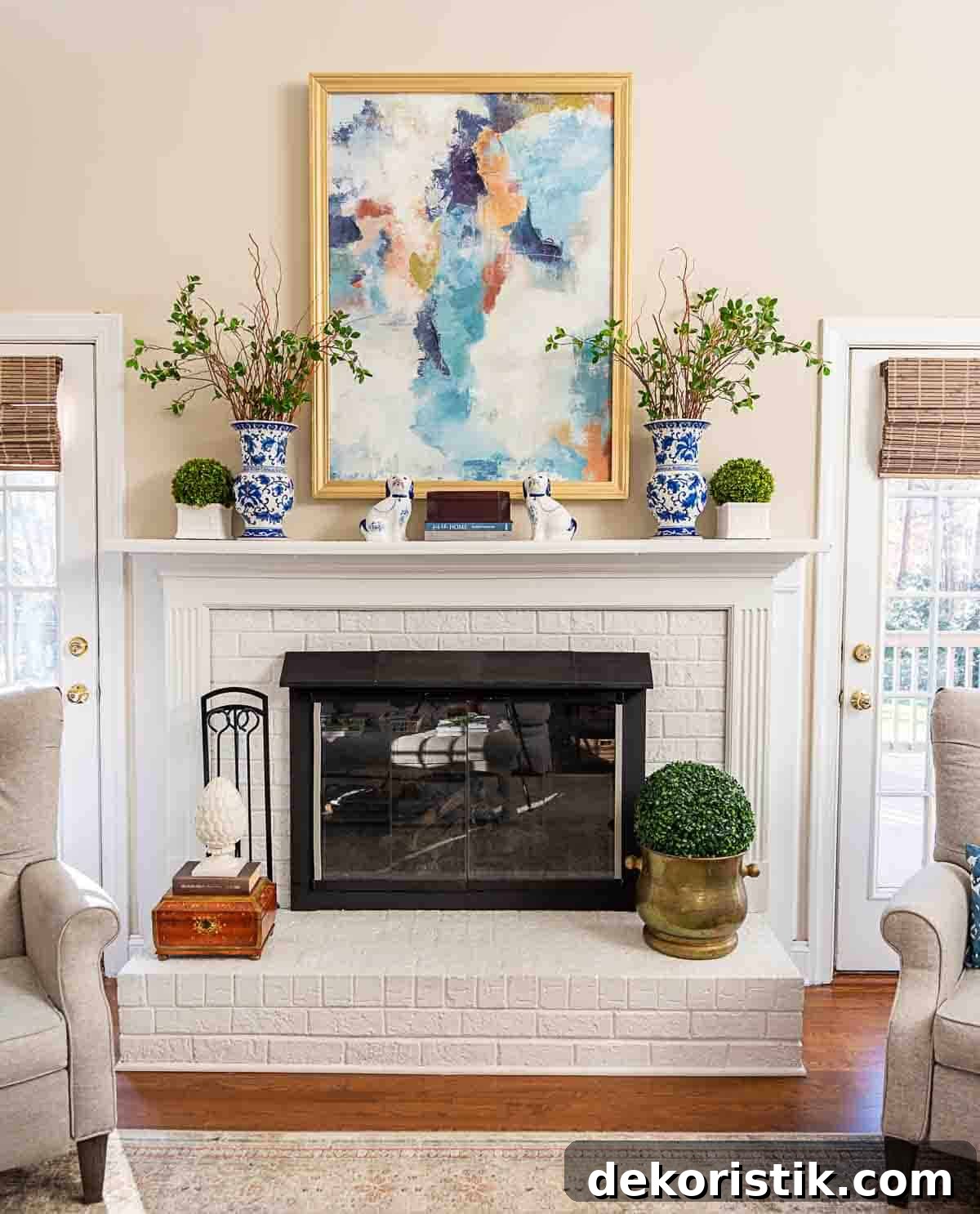
A practical rule: hang the bottom of the frame about 6–8 inches above the top of the furniture. This keeps the artwork connected to the piece below and prevents it from floating too high on the wall.
Consider proportion: a tiny frame six inches above a wide sofa will feel lost. For sofas and large dressers, choose a scale that visually anchors the furniture—either a single large piece or a well-balanced grouping.
Hanging Multiple Works of Art
When arranging multiple pieces, treat the collection as one unified visual element. That means you should determine the center of the whole grouping and position that center around 57 inches, or adjust for furniture underneath.
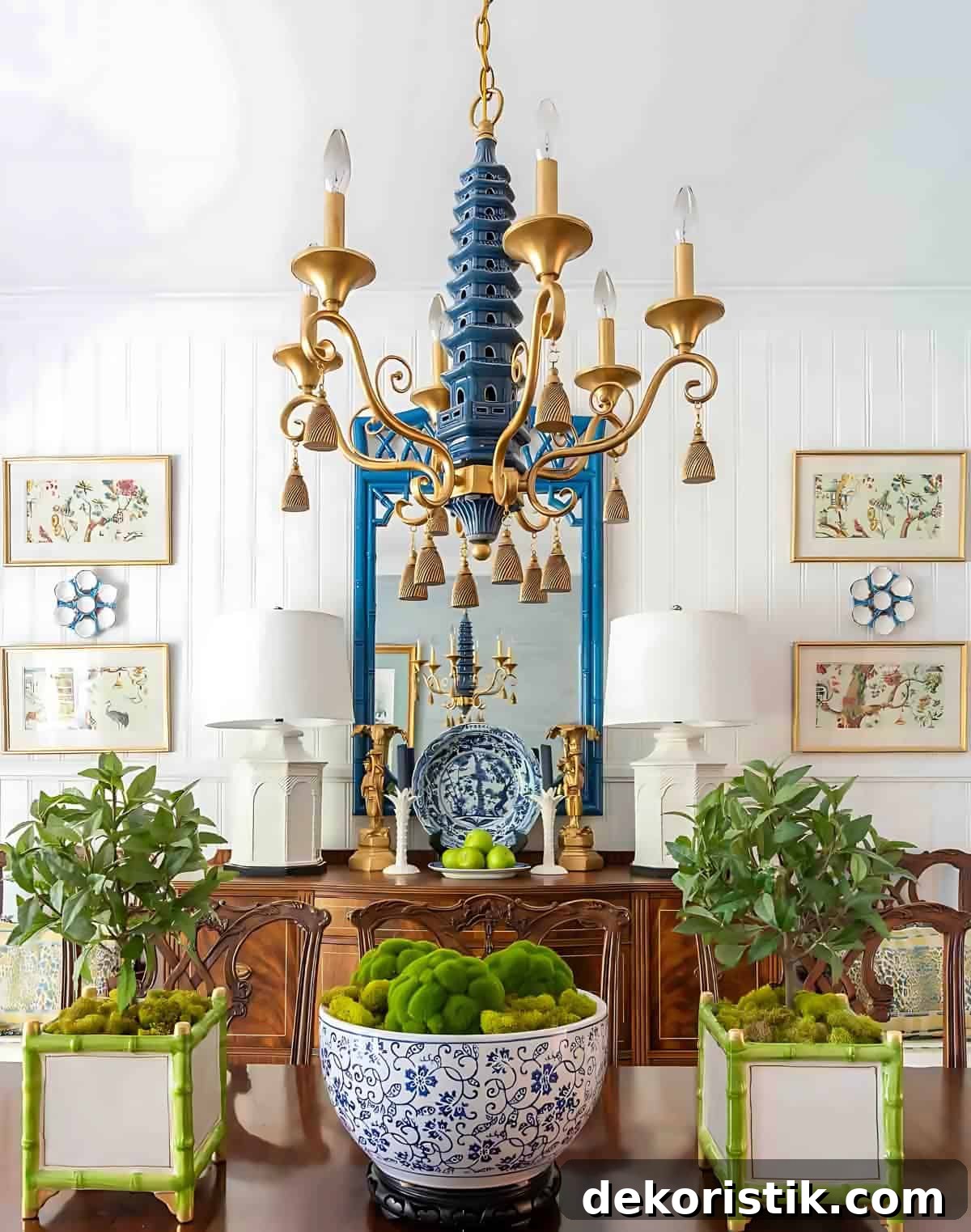
Helpful guidelines for gallery walls and groupings:
- Keep spacing consistent—typically 3–6 inches between frames depending on the room and scale.
- Lay the arrangement out on the floor first or use paper templates on the wall to preview placement.
- Anchor the grouping visually with larger or darker pieces instead of centering every small frame individually.
A well-planned grouping can transform a blank hallway or the space above a sofa into a focal point that feels purposeful and curated.
Don’t Forget About Scale
Scale is essential. When hanging over furniture, aim for artwork or mirrors to be roughly two-thirds the width of the piece beneath. If the art is too small, it will feel lost; if it’s too large, it can overpower the furniture and the room.
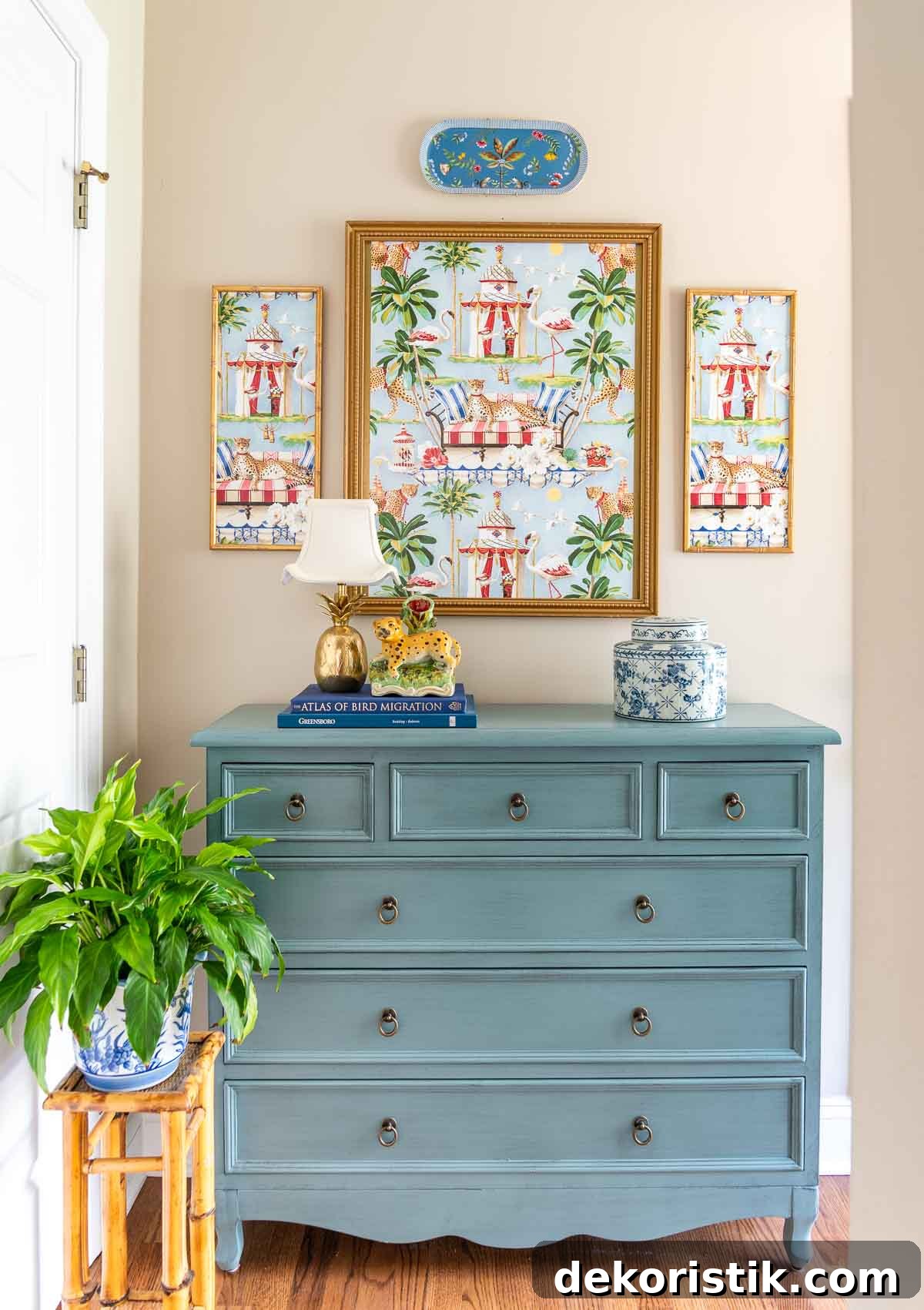
If you love a smaller piece, consider pairing it with other works, adding a substantial mat, or grouping it with mirrors and shelves to create the necessary visual weight.
Hanging a Mirror? Here’s What to Know
Mirrors follow the same height and spacing guidelines as art, but you should also think about what the mirror will reflect. A well-placed mirror can enhance light, show off a fixture, or frame a pleasing sightline.
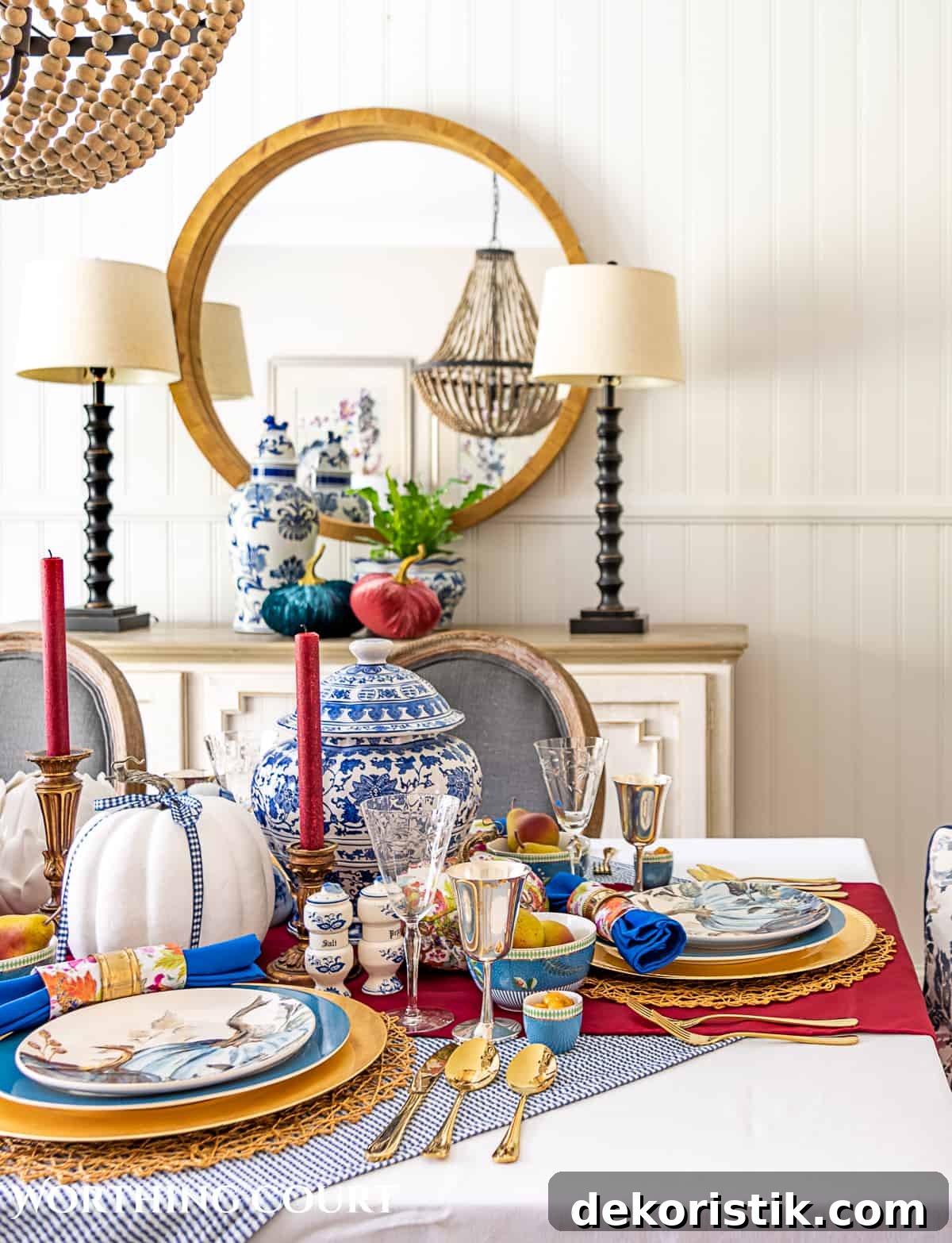
When hanging a mirror above a mantel, console, or vanity, center it and consider whether it will reflect attractive elements—a chandelier, a window with a view, or a curated artwork opposite the mirror. Avoid positioning a mirror so it reflects clutter.
Final checklist before you hang: measure twice, preview with paper templates or the floor layout, check sightlines from where people will stand or sit, and select appropriate hanging hardware for the weight of the piece.
Once you start using the 57–60 inch center guideline and adjust for furniture and scale, hanging artwork and mirrors becomes straightforward. With a little planning, your walls will look cohesive, balanced, and thoughtfully edited.
Grab your tape measure and start experimenting—your walls are a great place to showcase the pieces you love.