

Give your home a fresh, updated look without spending a dollar. These practical tips show how to “shop” your own house—rearranging, repurposing, and editing what you already own to create rooms that feel new and intentional.

You don’t need to run to a store to refresh your space. The best decorating ideas often live right under your own roof. Shopping your house is one of the most affordable, sustainable ways to update a room, and it’s surprisingly creative: a single swap or a new placement can transform how a space looks and functions.
There are many ways to get a designer look on a budget, and moving pieces between rooms is one of the easiest. When you learn to see your belongings with fresh eyes, even small changes—a different lamp here, a new arrangement there—can deliver a big visual payoff.
Start With a Clean Slate
Begin by clearing a room of small accessories, rugs, and tabletop items. Removing visual clutter helps you truly read the architecture and scale of the space, creating a blank canvas. Often simply clearing surfaces and floors will make the room feel larger and calmer.
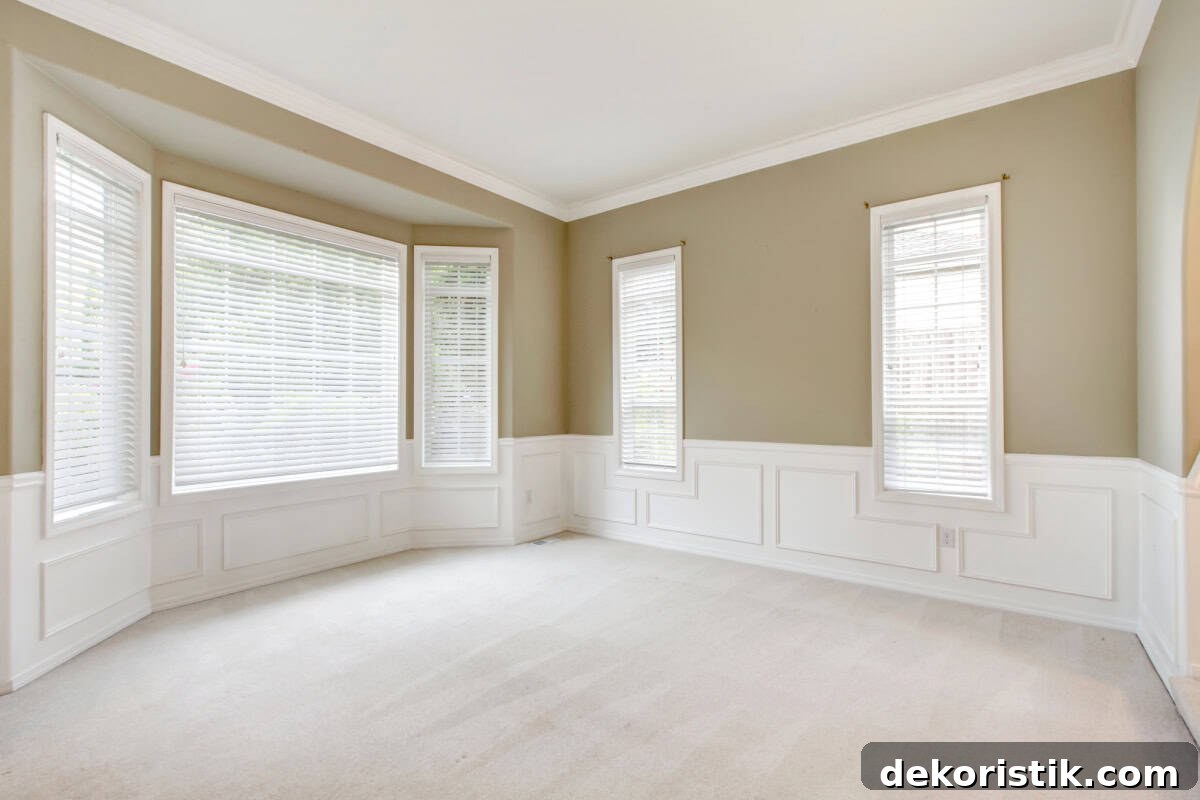
After clearing, resist the urge to put everything back. Add items in slowly and deliberately—keep only pieces you love or that serve a purpose. This selective approach creates a more polished, thoughtful look.
Move Furniture Around
Sometimes the simplest change is the most effective: rearrange the furniture. Float a sofa away from the wall, angle chairs to create conversation nooks, or swap larger pieces from another room. Changing layout alters traffic flow and can highlight architectural features you want to showcase.
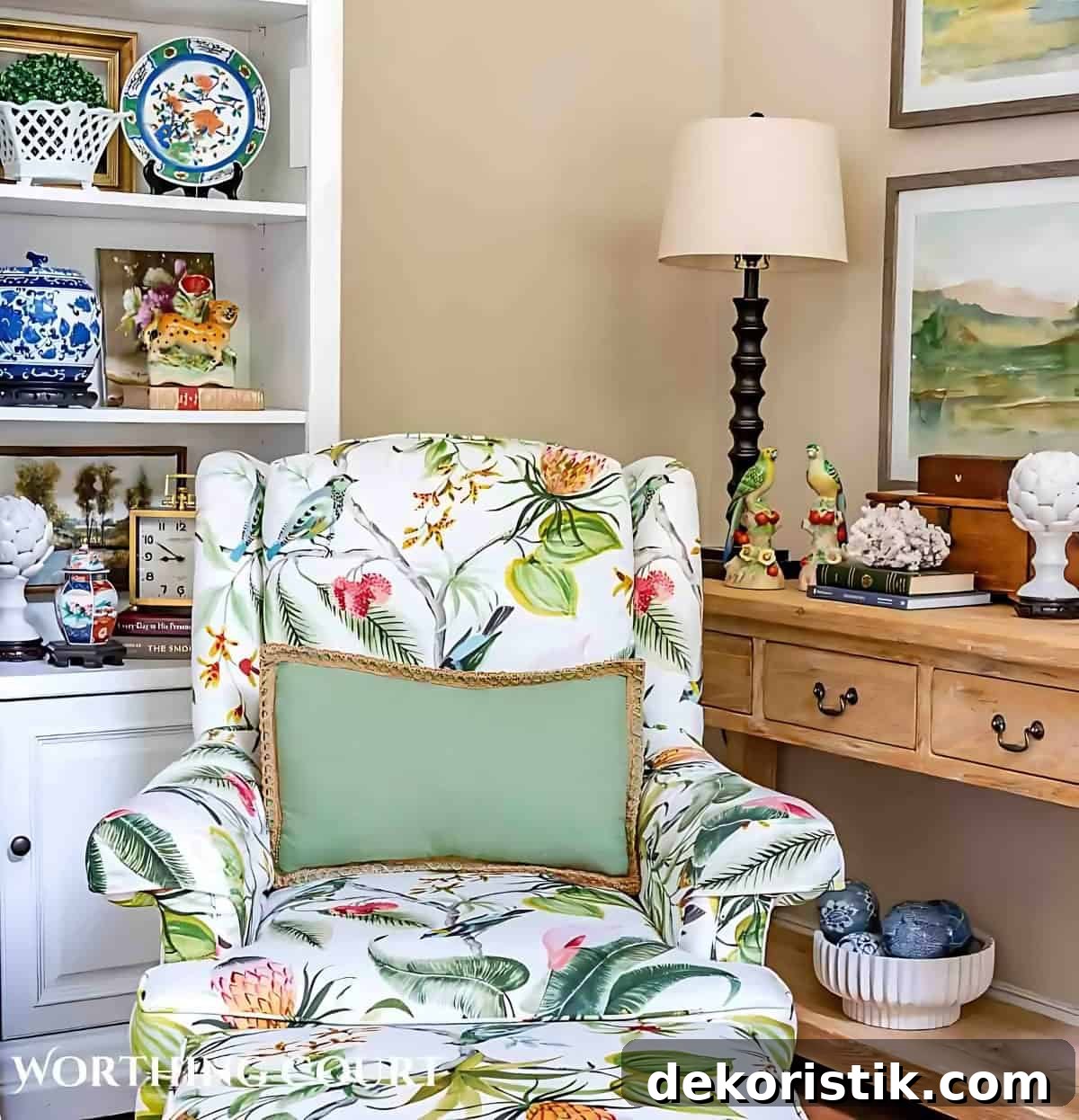
If your room lacks cohesion, focus on grouping furniture to form clear zones—conversation, reading, or media—so each area feels purposeful and comfortable.
Swap Accessories Between Rooms
Gather a basket and walk each room. You’ll be surprised how many useful items you can move to create impact elsewhere: lamps, vases, trays, framed art, and even small furniture pieces. Swapping accessories refreshes the look without any cost.
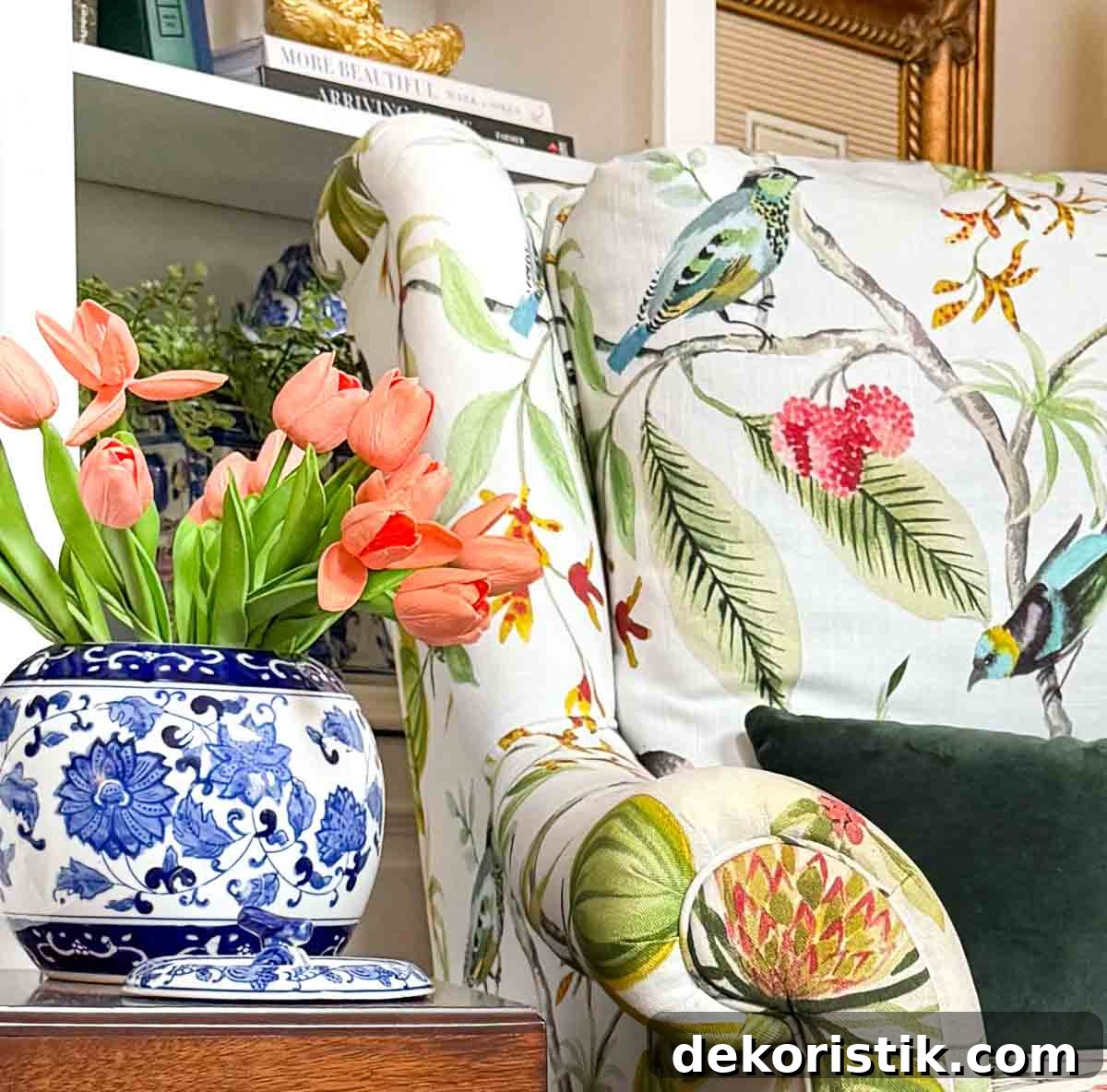
Consider creating a small “decor capsule”—a dedicated spot where you keep versatile decor staples you can rotate through rooms. A lamp from a bedroom can brighten an entryway; a mirror from the hallway can become a mantel focal point.
Layer In Textiles
Textiles are an instant mood changer. Throws, pillows, and rugs add color, pattern, and softness. Move pillows between rooms to shift a space’s palette, or use a throw as a casual table runner on a dining bench. Changing textiles is low-effort and high-impact.
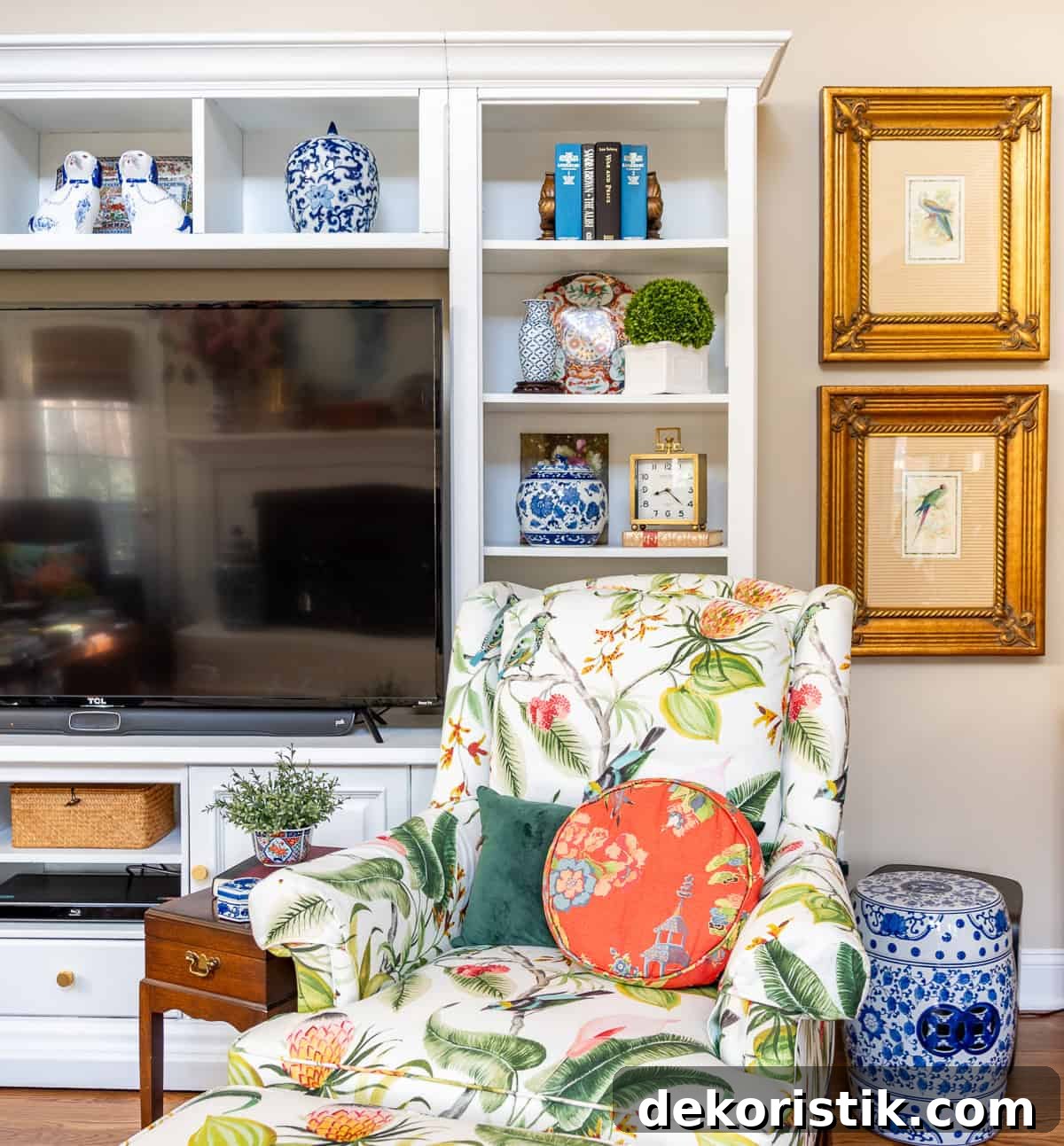
Mix textures—linen, wool, and woven materials—to add interest even with a limited color palette. Layering textiles instantly makes a room feel more inviting and finished.
Repurpose Everyday Items
Look at everyday objects differently. A pretty tray can be propped up as wall art; a cutting board makes a warm base for a kitchen vignette; a woven basket neatly corrals towels in a guest bathroom. Small shifts like these bring charm and personality to unexpected places.
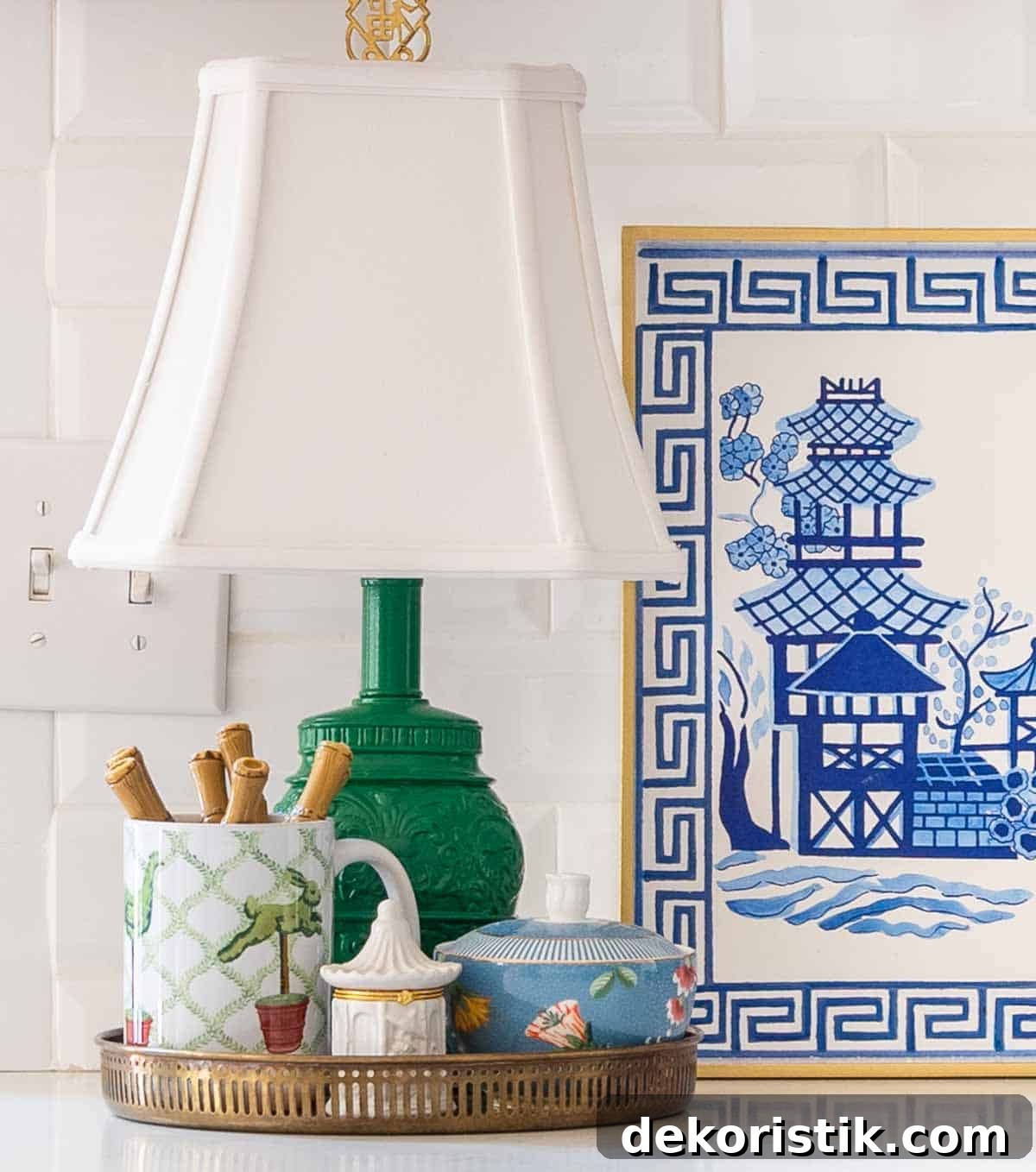
Even a stack of favorite books arranged with a small object can create a curated, layered look on a side table or console.
Edit and Simplify
Shopping your house often reveals items you no longer love. Use this as an opportunity to pare down. Edit collections, tidy closets, and remove pieces that don’t contribute to the room. Fewer, well-chosen items will make the space feel cleaner and more intentional.
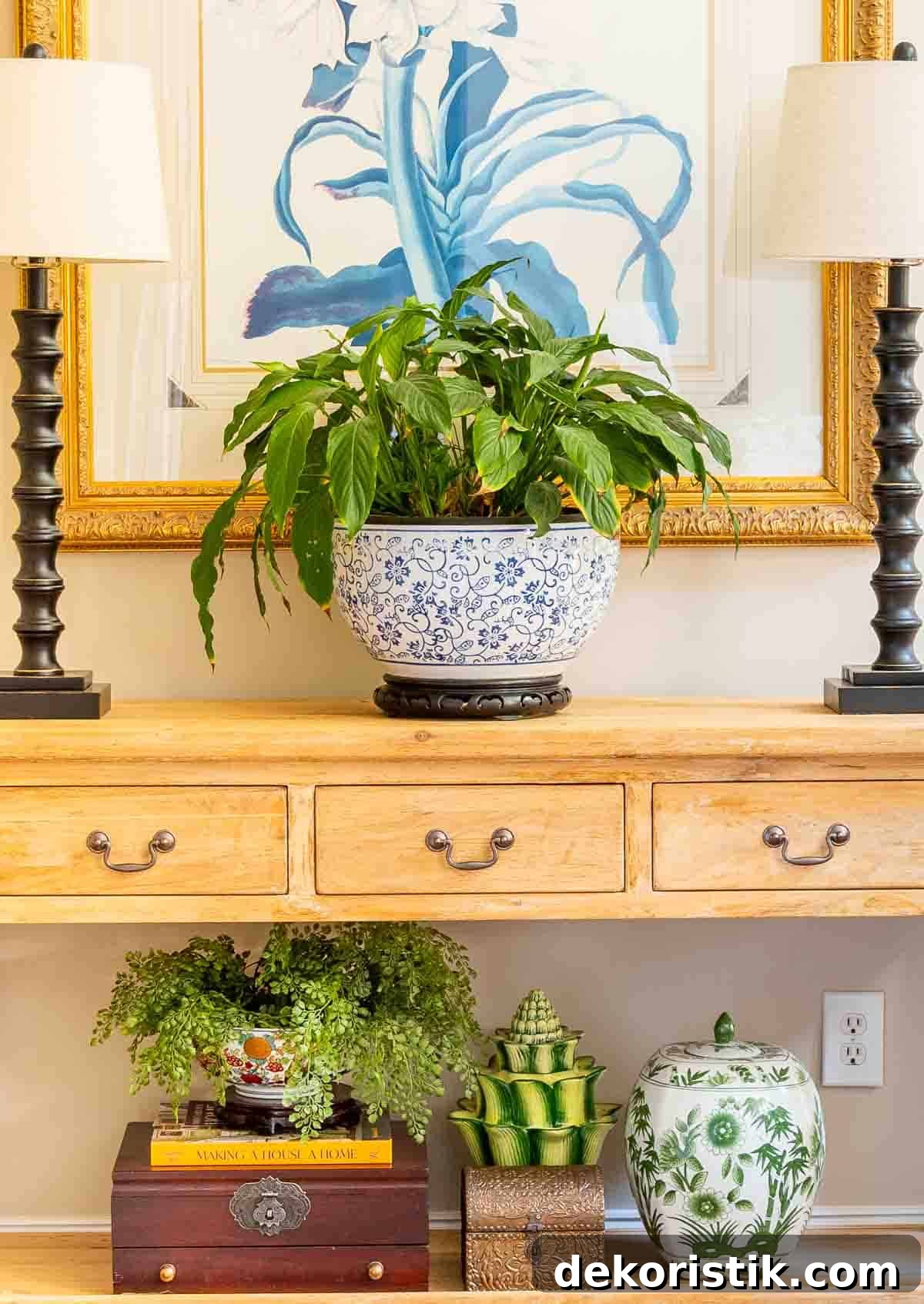
When you display fewer objects, each one has more visual weight. Aim for balance and breatheability rather than filling every surface.
Add in a Few Budget-Friendly Touches
If a room still needs a finishing touch, small, inexpensive purchases can help: pillow covers, a new lampshade, a bit of greenery, or a few candles. These are modest investments that complement what you already own and tie the look together.
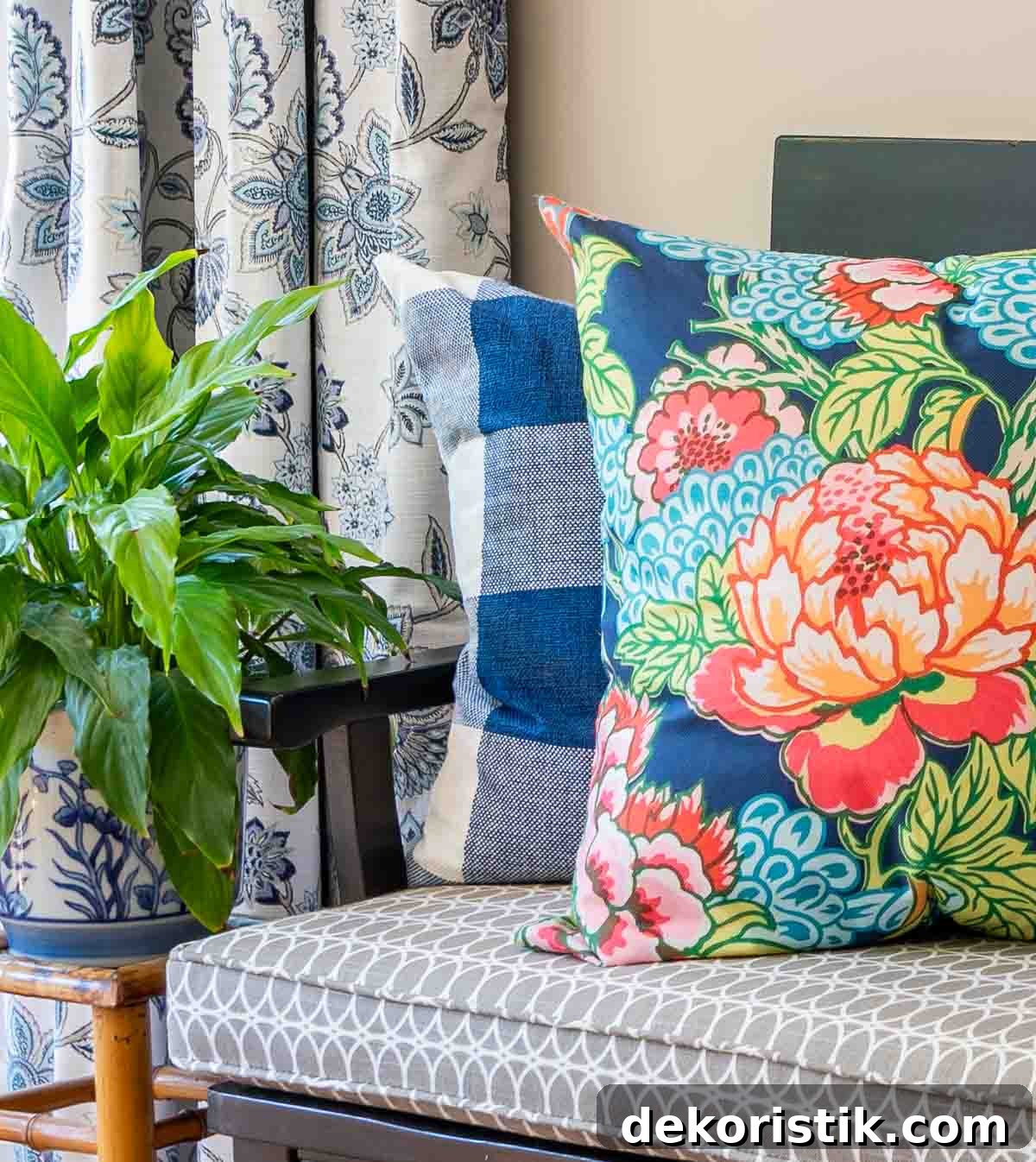
Shop deliberately: choose pieces that work with the colors and styles already in your home rather than starting a new trend. This keeps the look cohesive and timeless.
Step Back and Assess
When you think you’re finished, step back and take a photo. Viewing the room in a photograph often reveals imbalances or missing elements you don’t notice in person. Make small adjustments until the composition feels right and comfortable.
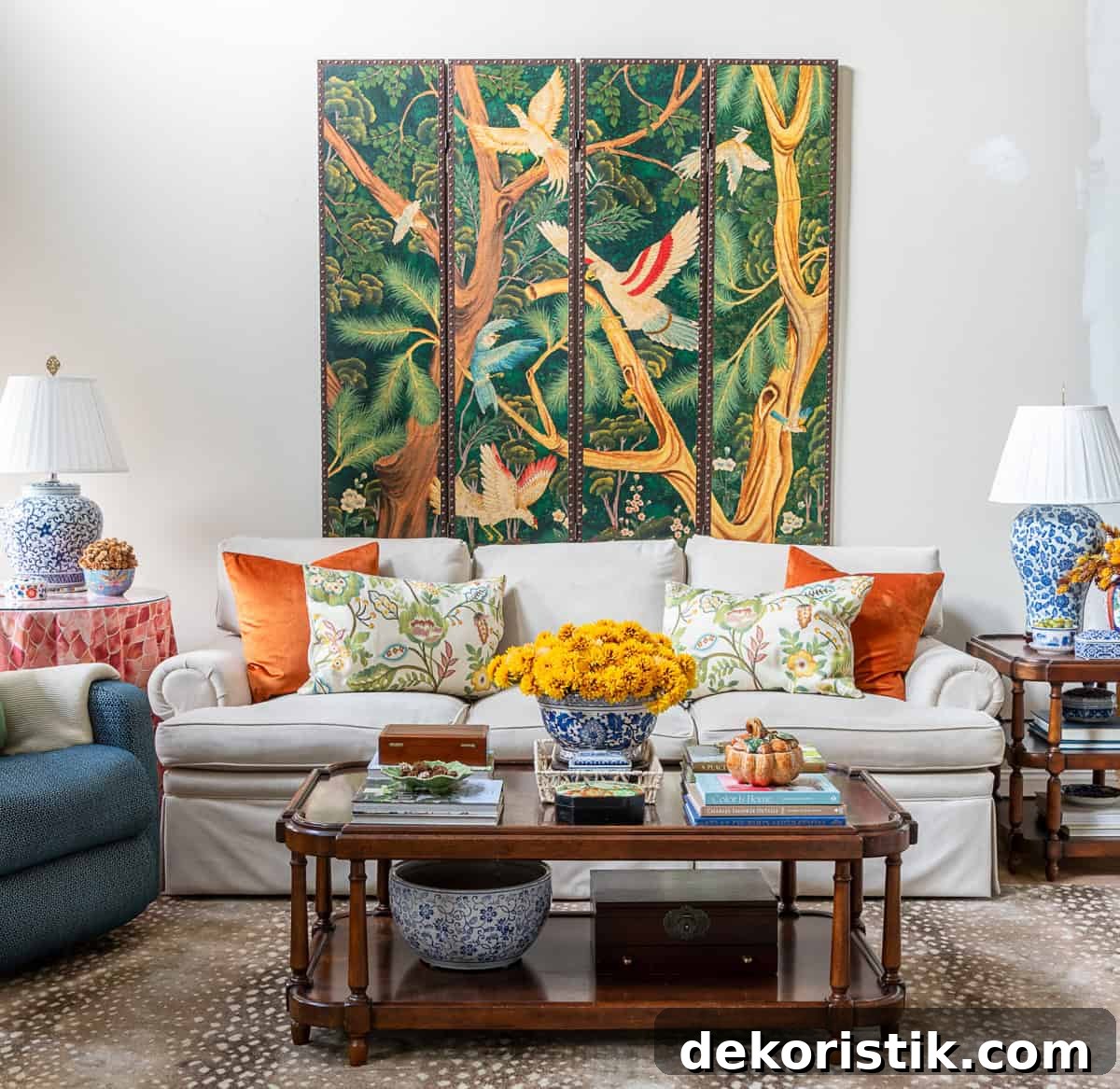
Refreshing your home doesn’t require a shopping trip. By using the items you already own, repurposing everyday objects, and editing with intention, you can create rooms that feel updated, personal, and thoughtfully styled—without leaving your front door.