
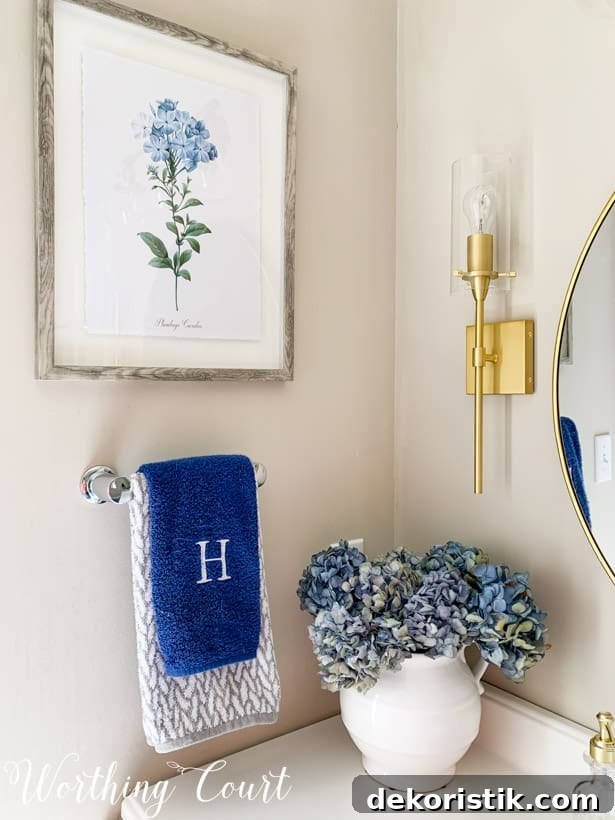
Despite current decor trends, your home should reflect who you are. Use these practical tips to create a space styled uniquely for you and your family.
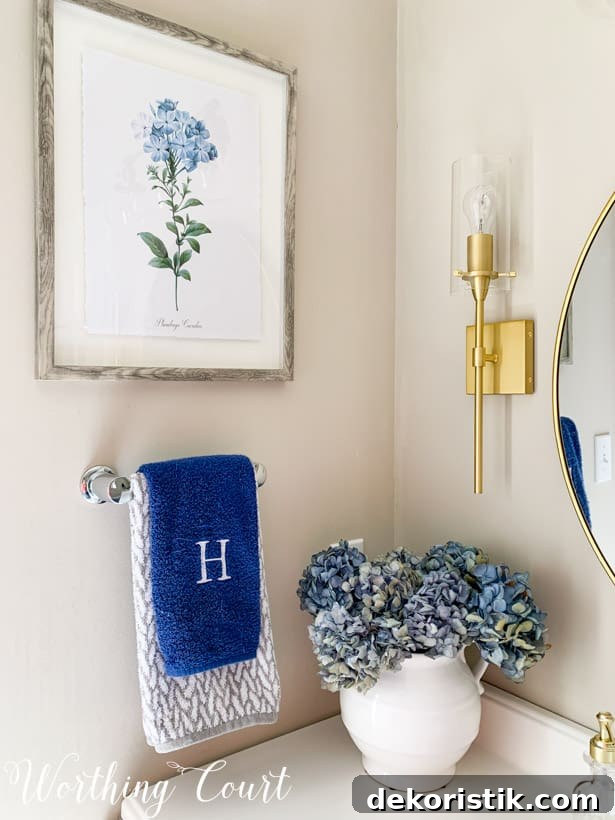
Decorating your home can be enjoyable, rewarding, and deeply satisfying. The best interiors aren’t dictated by fleeting trends but by the people who live in them. When your rooms reflect your tastes, routines, and priorities, the result feels authentic and welcoming.
Take Your Time
My first and most important piece of advice: slow down. If you want a room that looks like every catalog, you can furnish it quickly by buying whatever’s trending. But if you want a home that truly represents your personality, it takes patience.
Allow yourself the space to edit. Live in a room for a while, notice what’s missing or unnecessary, and add pieces deliberately, rather than filling the space all at once. Thoughtful layering over time results in a richer, more personal aesthetic.
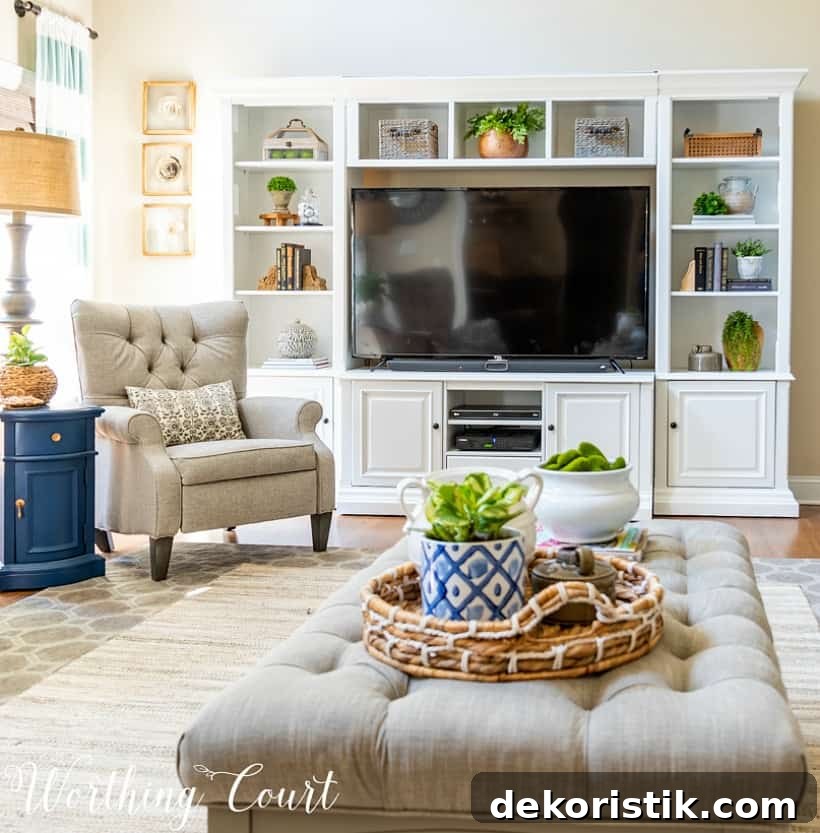
Replace Ordinary Light Fixtures
Lighting is an easy and impactful way to personalize a home. When we moved in, most fixtures were plain and generic. Over time I’ve replaced or updated them to match our style, and the effect has been dramatic.
Sometimes a fixture can be repurposed: a chandelier removed from one room became the focal point of another after a makeover. In other cases, swapping a basic flush mount for a pendant or a statement fixture transforms the mood of a hallway or dining area. Guests often notice and comment on these unexpected changes.
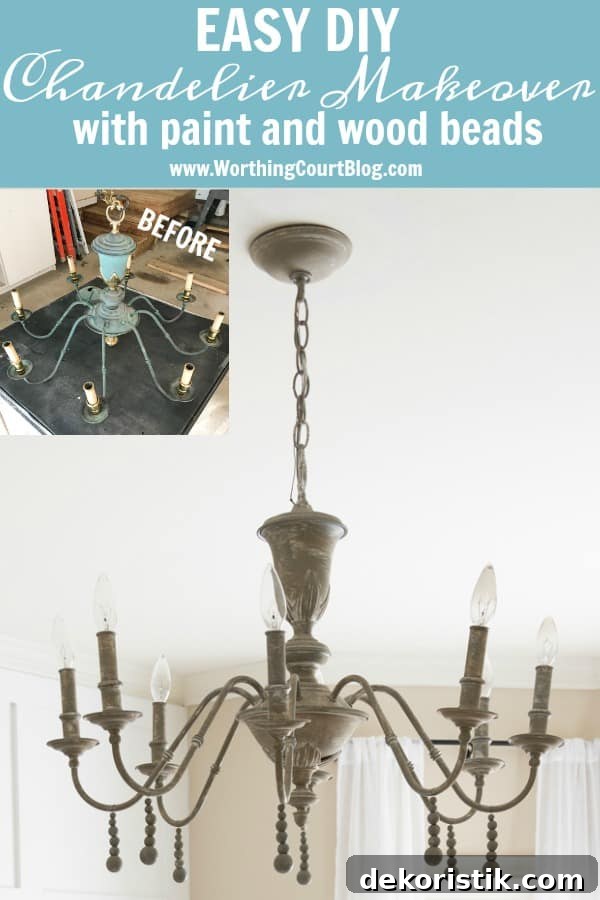
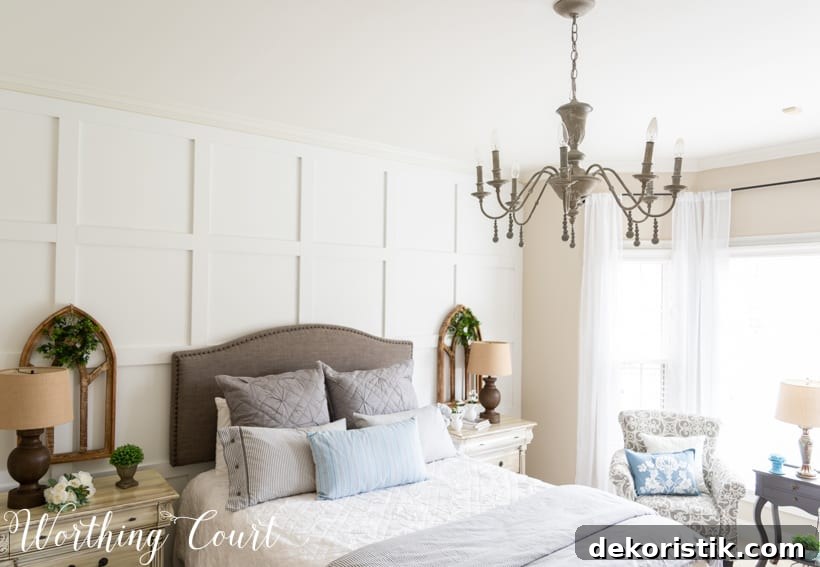
Consider scale, finish, and placement when choosing fixtures. A small pendant in a narrow hallway or a low, sculptural chandelier over a dining table can add character without overwhelming the space.
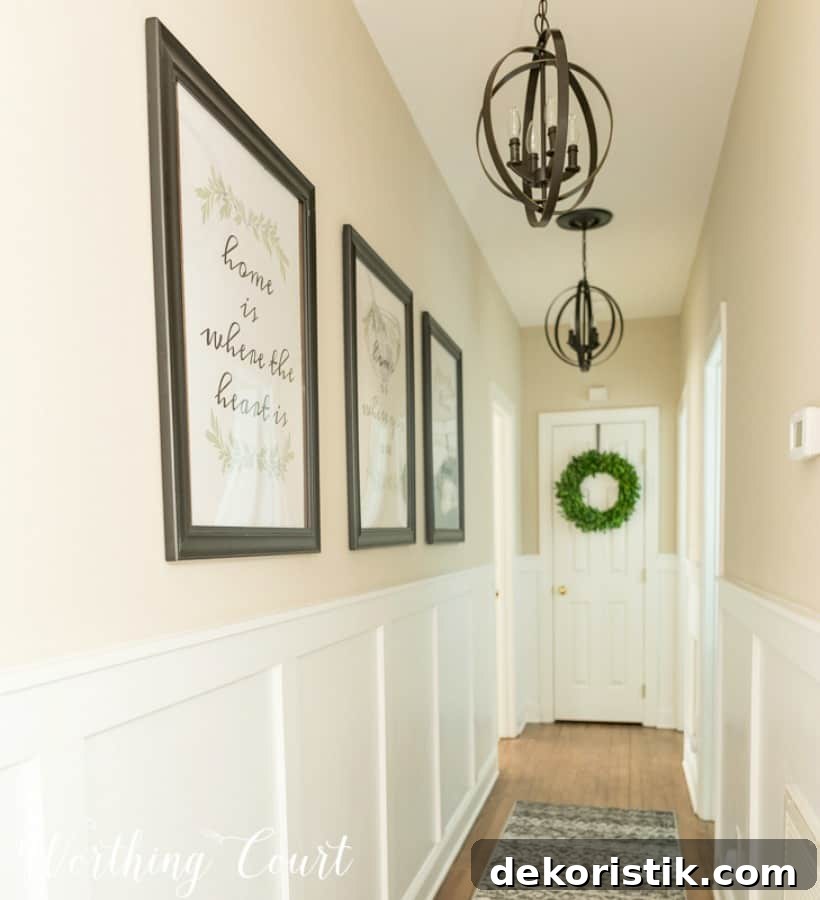
Add a Feature Wall
Feature walls are an affordable, high-impact way to add personality. Using simple lumber or cost-effective paneling creates texture and visual interest without a huge budget or a lot of skill.
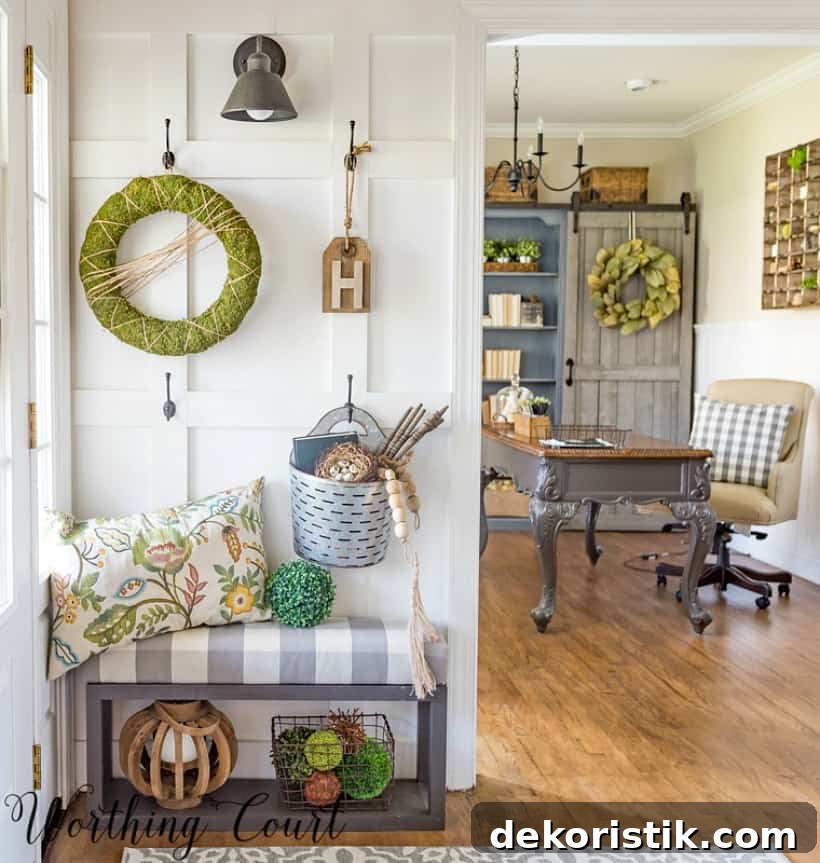
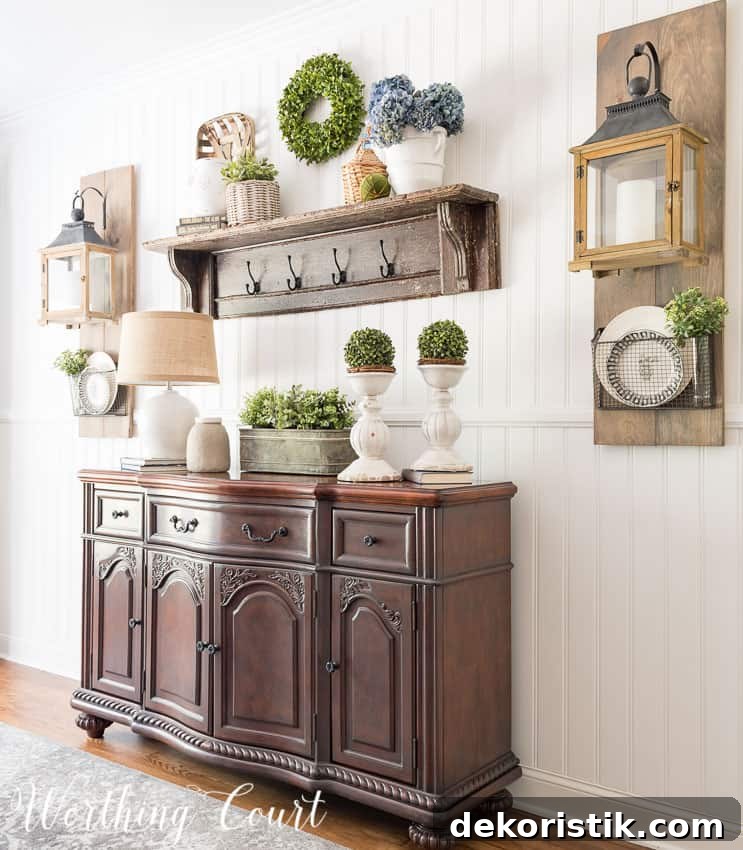
I’ve added feature walls to several rooms using approaches that suit each space: board and batten in the foyer creates brightness and structure; vertical planking adds warmth and rhythm to the dining room. For an easier installation, consider full panels rather than individual boards—this saves time and keeps costs down.
When choosing a wall to highlight, pick one that naturally draws the eye, such as the wall behind a console or the main wall in a dining area. A painted or textured feature wall can anchor furniture and accessories, making the entire room feel intentional.
Choose Colors That Make You Happy
Color has a huge influence on how a room feels. Pick hues that lift your mood and that are practical for everyday life. In the past, I lived with a distinctive warm gold on many walls, which looked beautiful but became limiting as my taste evolved.
When we moved, I painted the interior in a single neutral (Sherwin Williams Accessible Beige) and found that it simplified decorating. Neutrals provide a flexible backdrop for changing furniture, art, and textiles. That said, a consistent neutral palette is not required for everyone—bold colors or varied palettes can be just as personal if they suit your lifestyle.
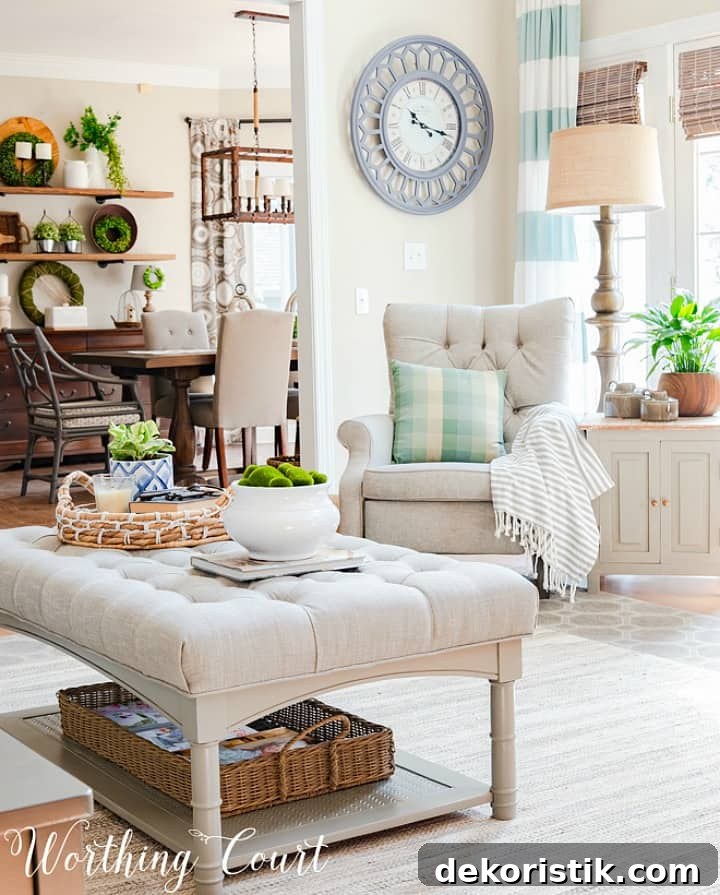
Create Spaces That Fit How You Live
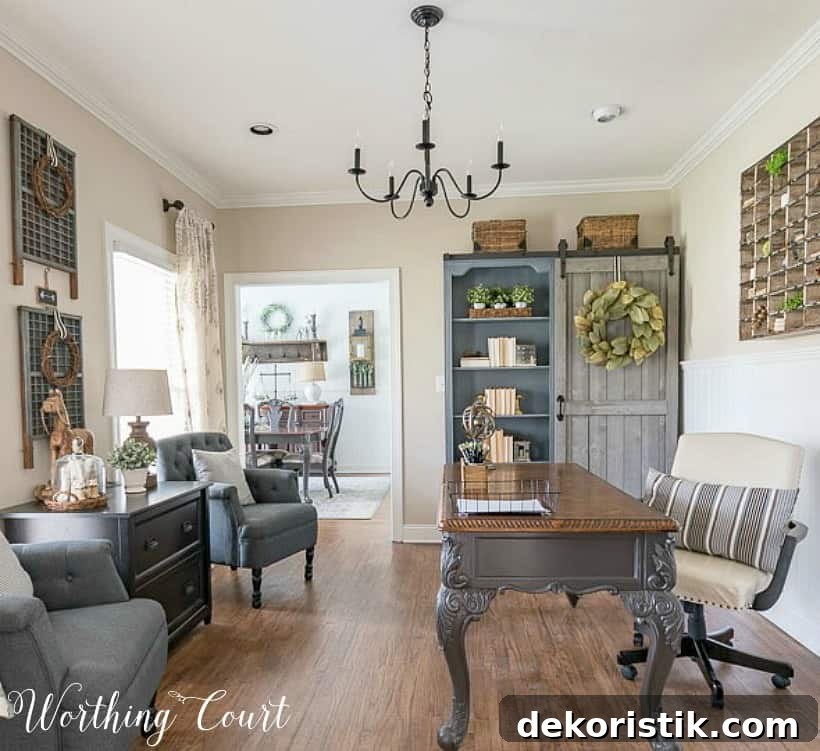
Design your home around your daily routines, not just conventional room labels. For example, our floor plan included a formal living room by the foyer, but we rarely used it. We needed a home office instead, so we repurposed that primary room to serve our everyday needs.
It can feel unconventional to have an office right when you enter the house, but the space works perfectly for our lifestyle. Make choices that support how your family actually uses the home—comfort, flow, and function are more important than tradition.
Small, intentional changes—lighting, a feature wall, a fresh paint palette, or reassigning a room—add up to a home that feels curated and personal. What unique touches have you added to make your home feel like yours?