Ever wondered what separates a professionally designed room from a well‑intentioned DIY effort? It usually comes down to a few reliable design principles that interior designers use to create polished, cohesive spaces. Read on for a clear, friendly guide to the seven essential principles of interior design and practical tips you can use right away.
Interior design can sometimes sound technical or intimidating, but at its core it’s about decisions that make a space feel intentional and comfortable. These seven principles will help you think like a pro when planning, shopping, or rearranging your rooms—no costly consultation required.
This post is part of the Simply Decorating series, a practical collection of tutorials written for the DIY decorator who wants to create a home that reflects their taste and lifestyle. If you’re starting from scratch, consider reviewing earlier chapters in the series for foundations like how to begin decorating a room and how to create a mood board.
Start with a Mood Board and Take Your Time
A mood board is one of the most useful tools you can create. It collects colors, textures, furniture photos, and inspirational images so you can see how elements work together before you buy. Treat it like a fun puzzle rather than a chore. Let the design evolve—rushed choices often lead to regret, while small, intentional decisions build confidence and cohesion.
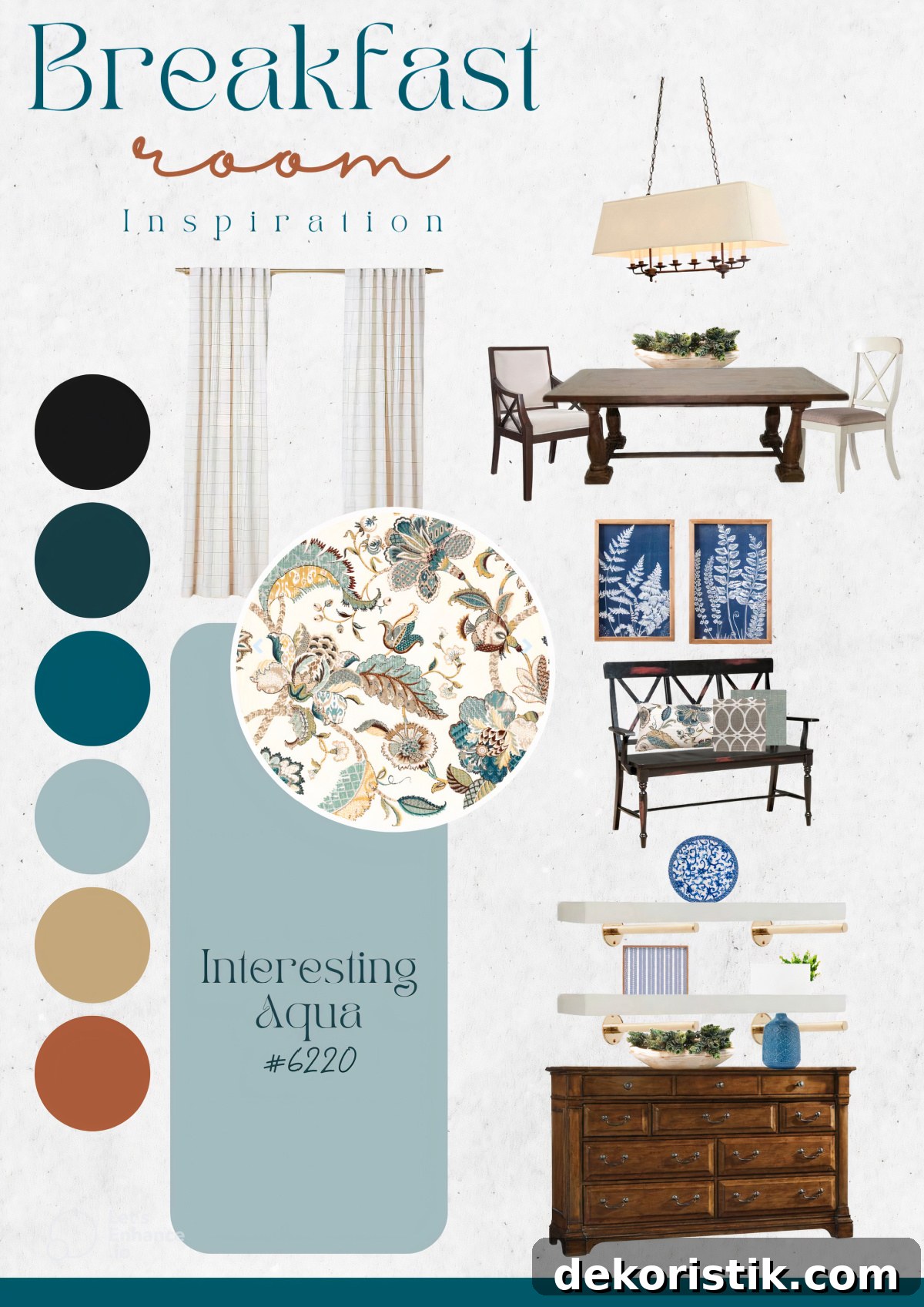
Unity and Balance
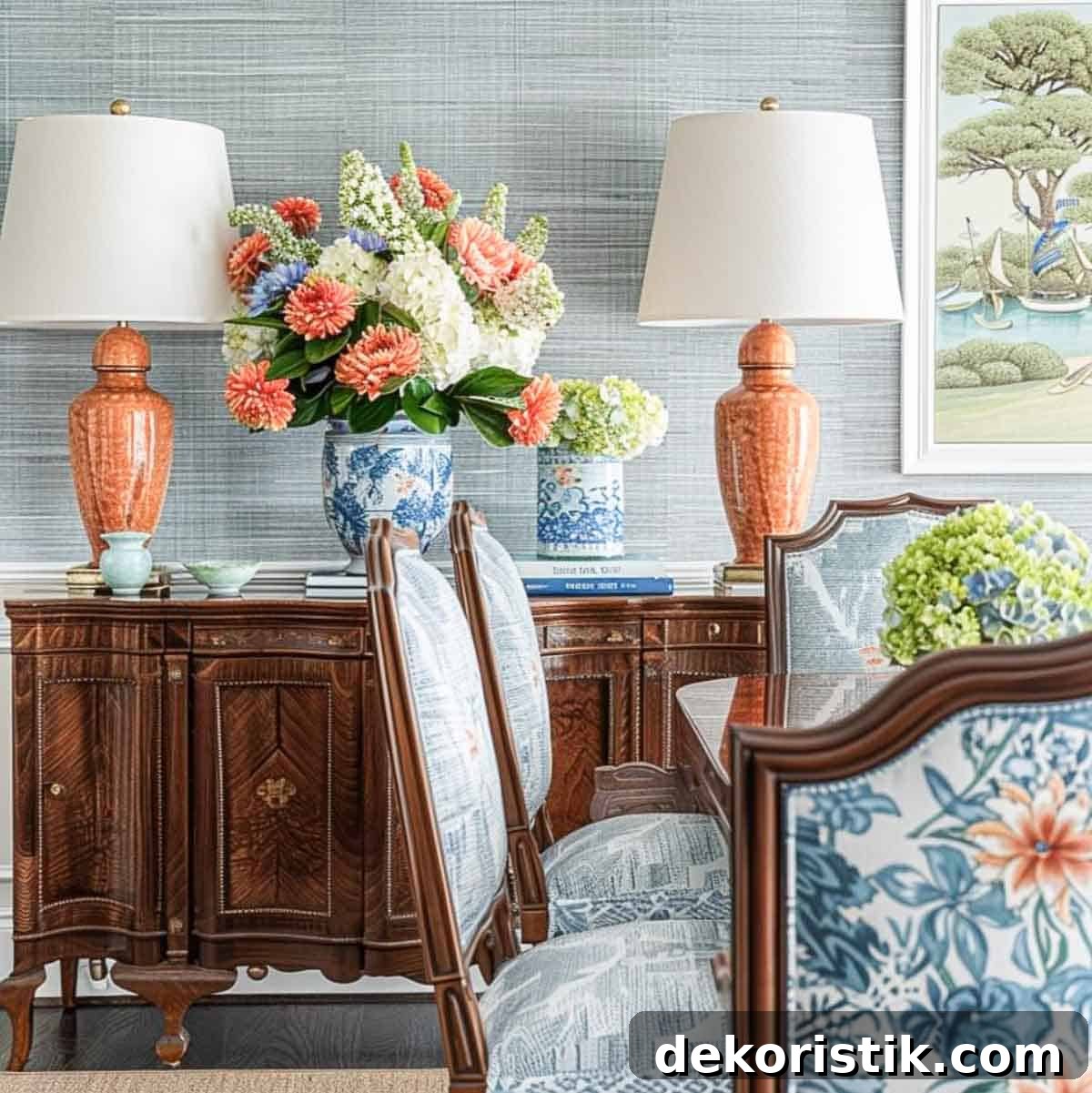
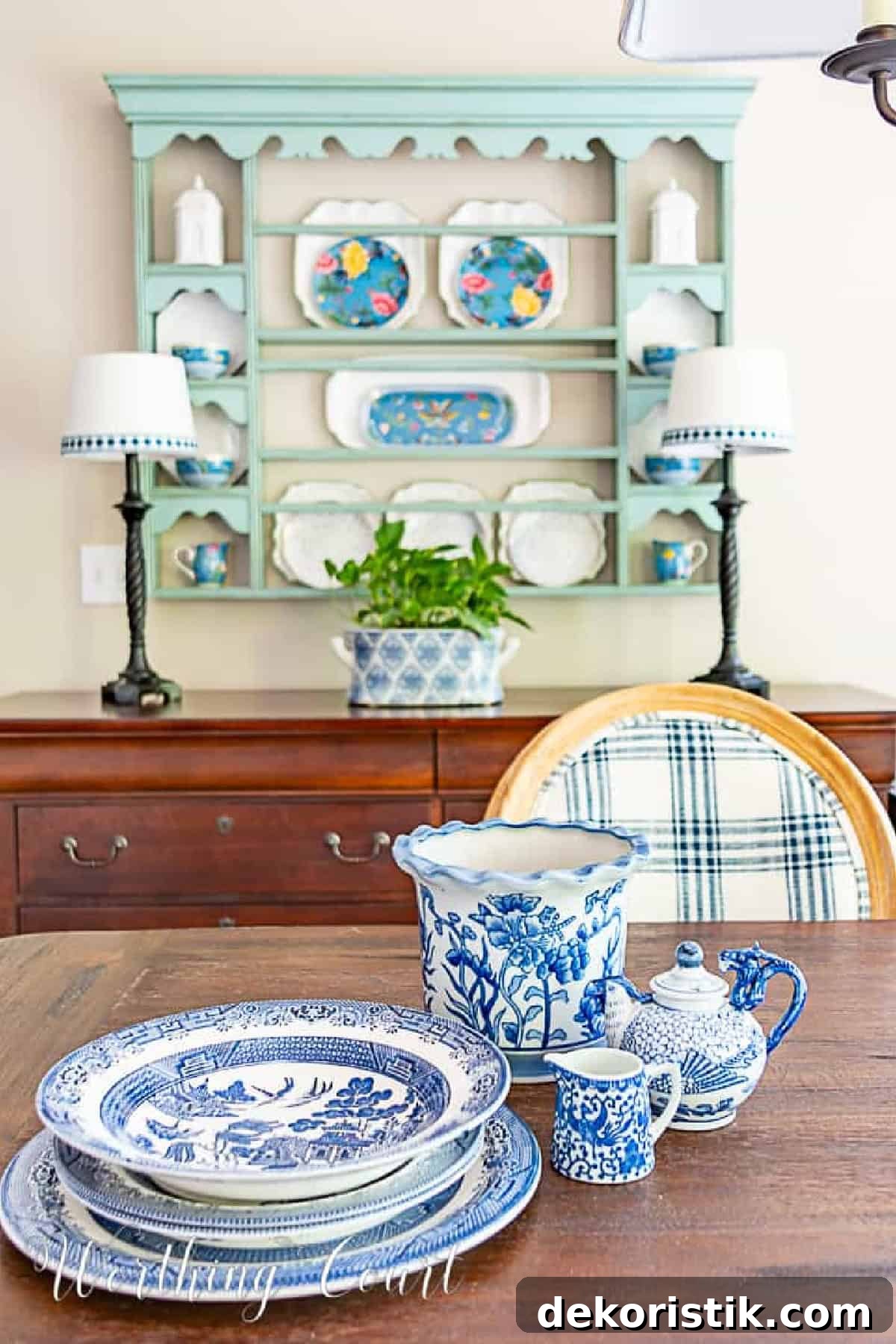
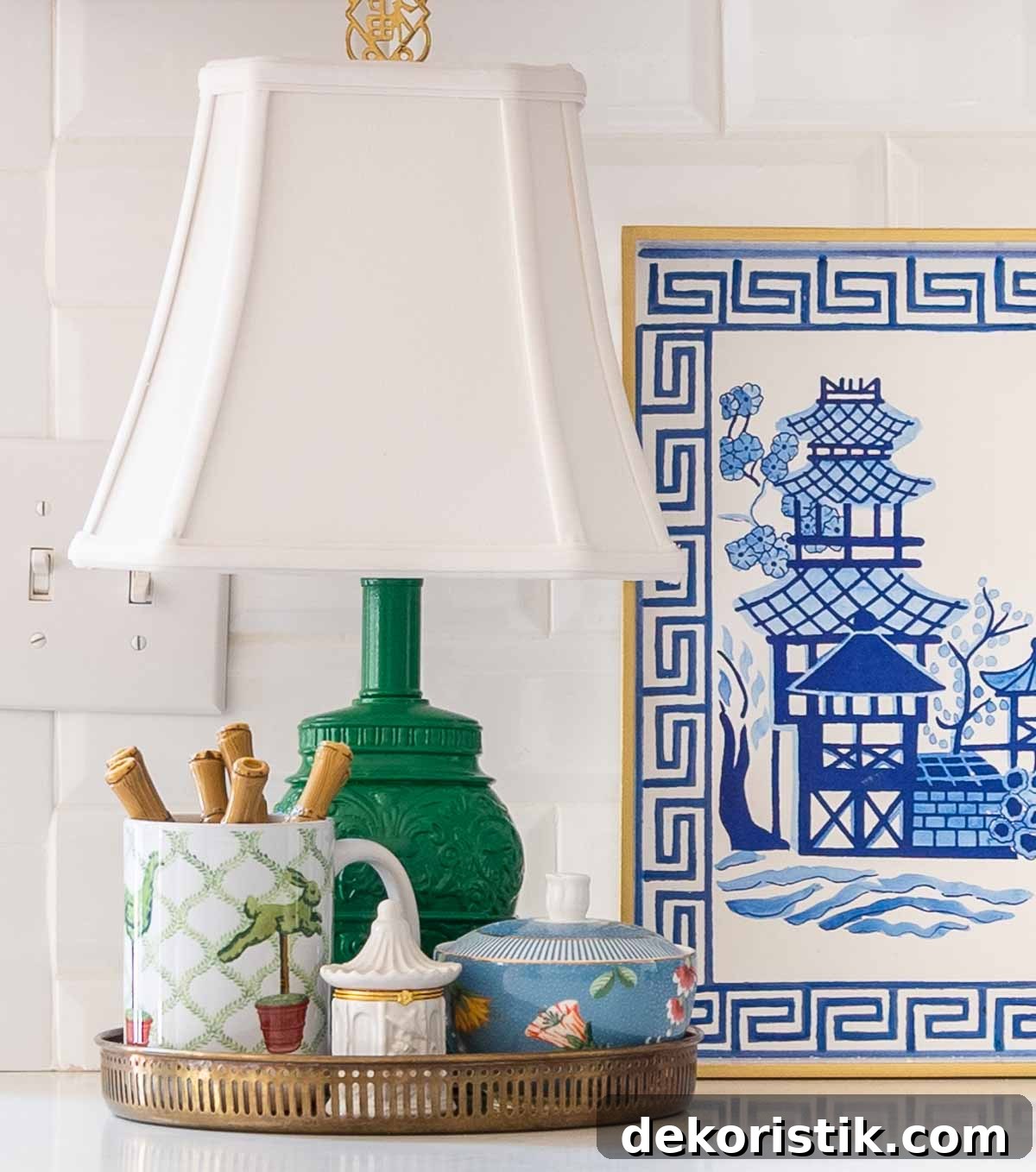
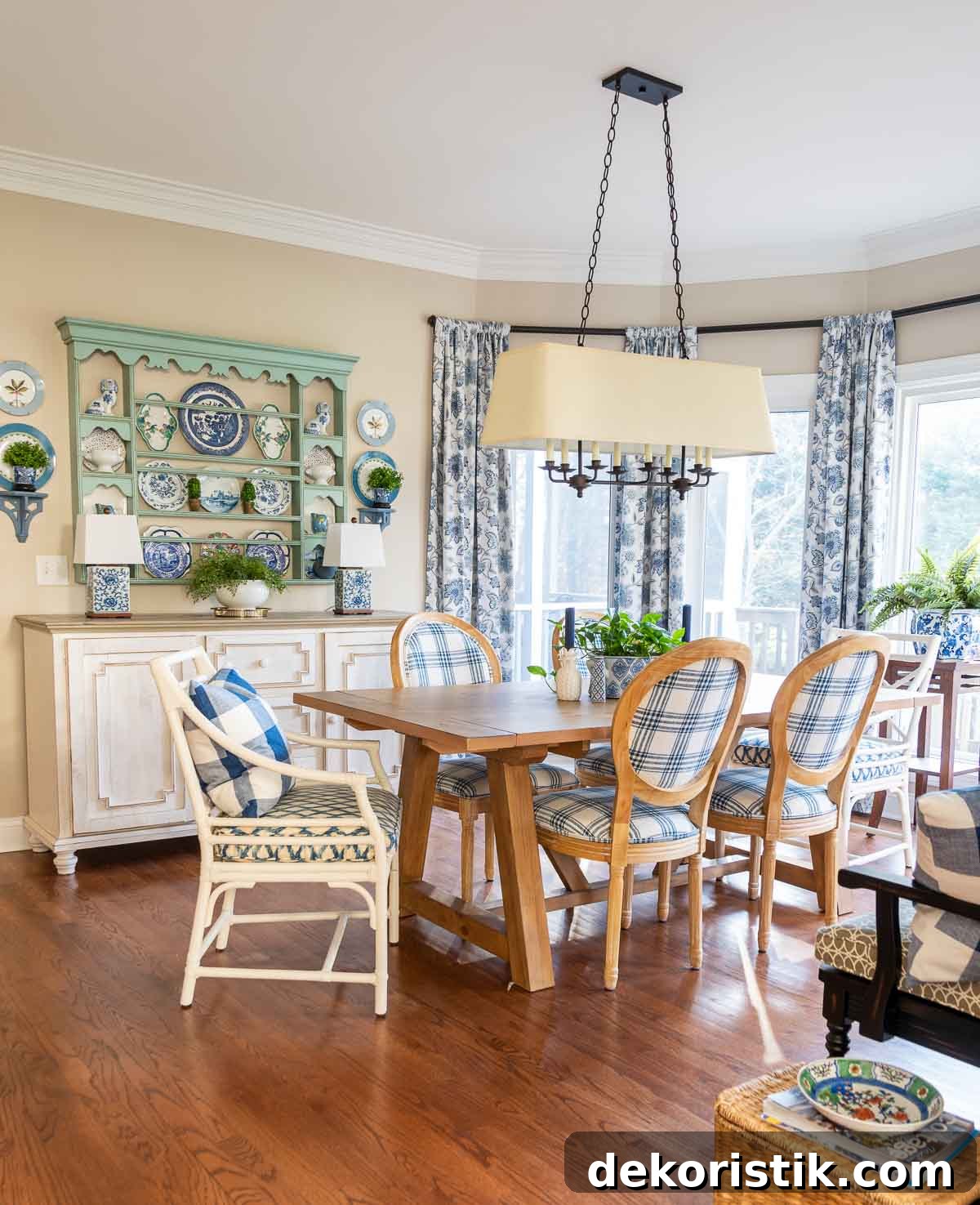
Unity and balance are about creating a harmonious look through repetition and thoughtful choices so rooms feel related without being identical. Achieve this by repeating a consistent color palette, using similar materials and finishes, and echoing patterns in different rooms. For example, a neutral base of beiges and whites across a home can be enlivened by using blue accents in the living room and soft greens in the bedroom—each room retains its character but still feels part of a whole.
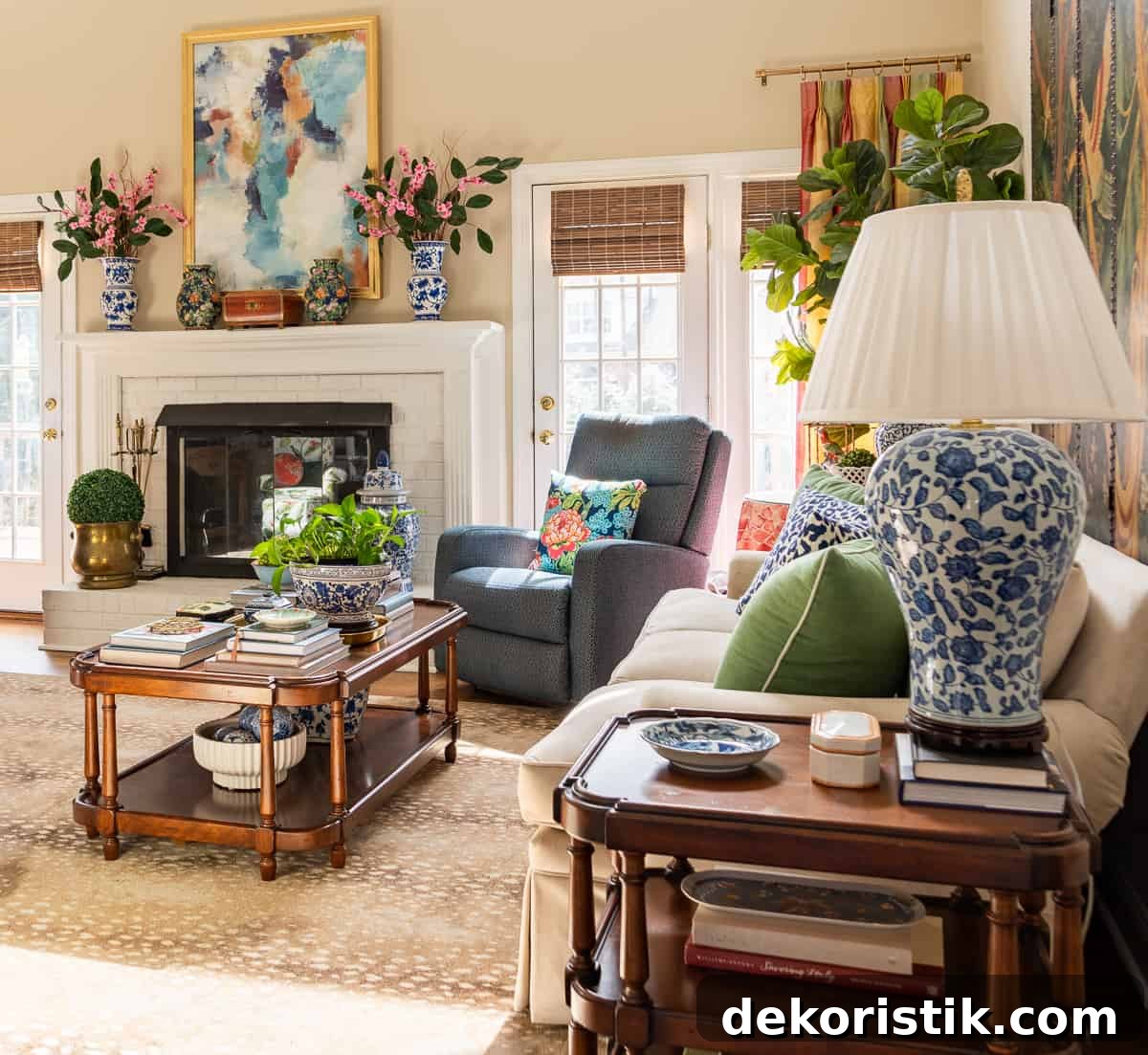
Emphasis
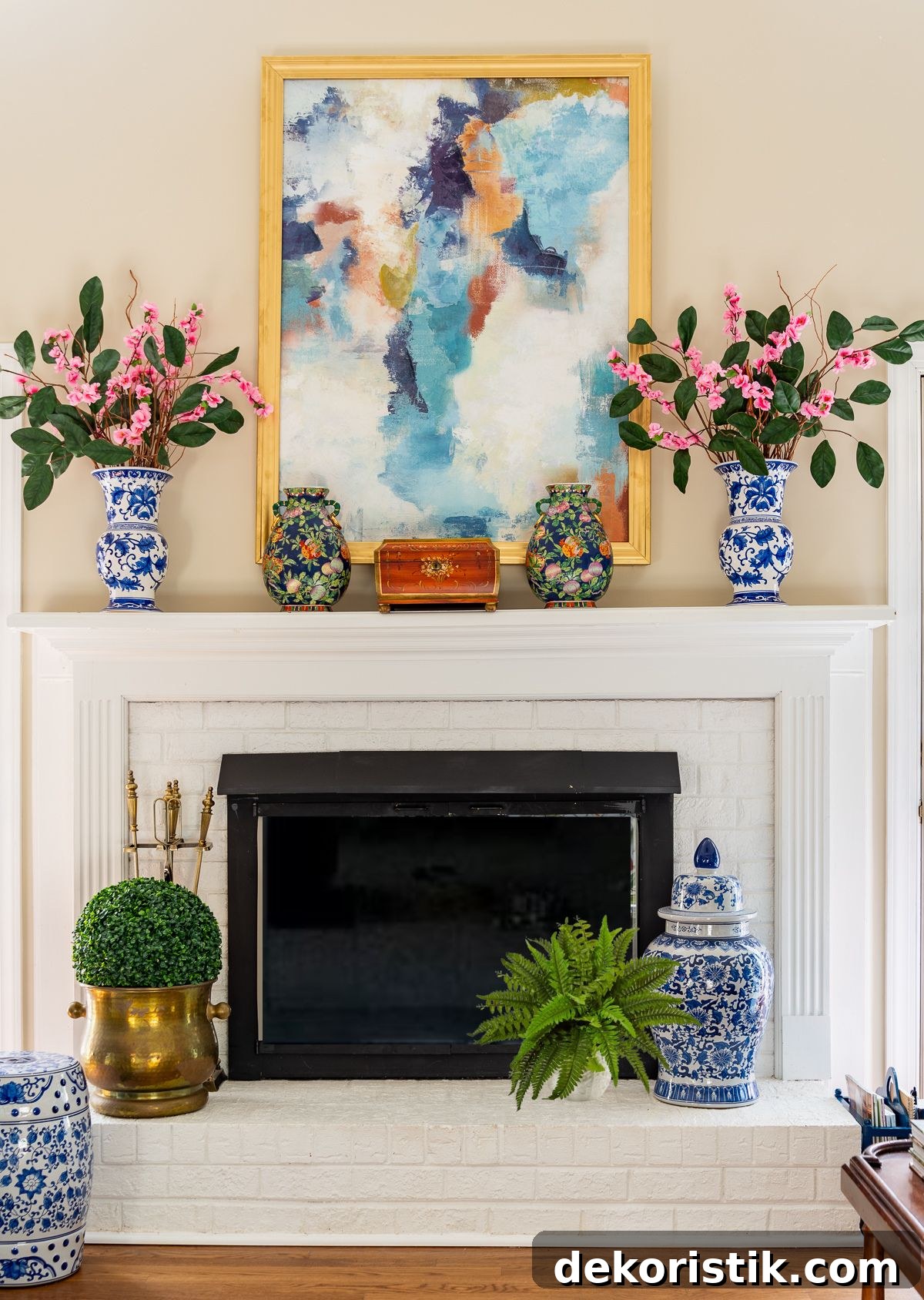
Every room benefits from a focal point—the single element that catches the eye first. Emphasis can be a dramatic chandelier, a bold piece of artwork, an upholstered sofa in a striking color, or a unique architectural feature. Keep surrounding elements more subdued so the focal point has room to breathe and truly anchor the space.
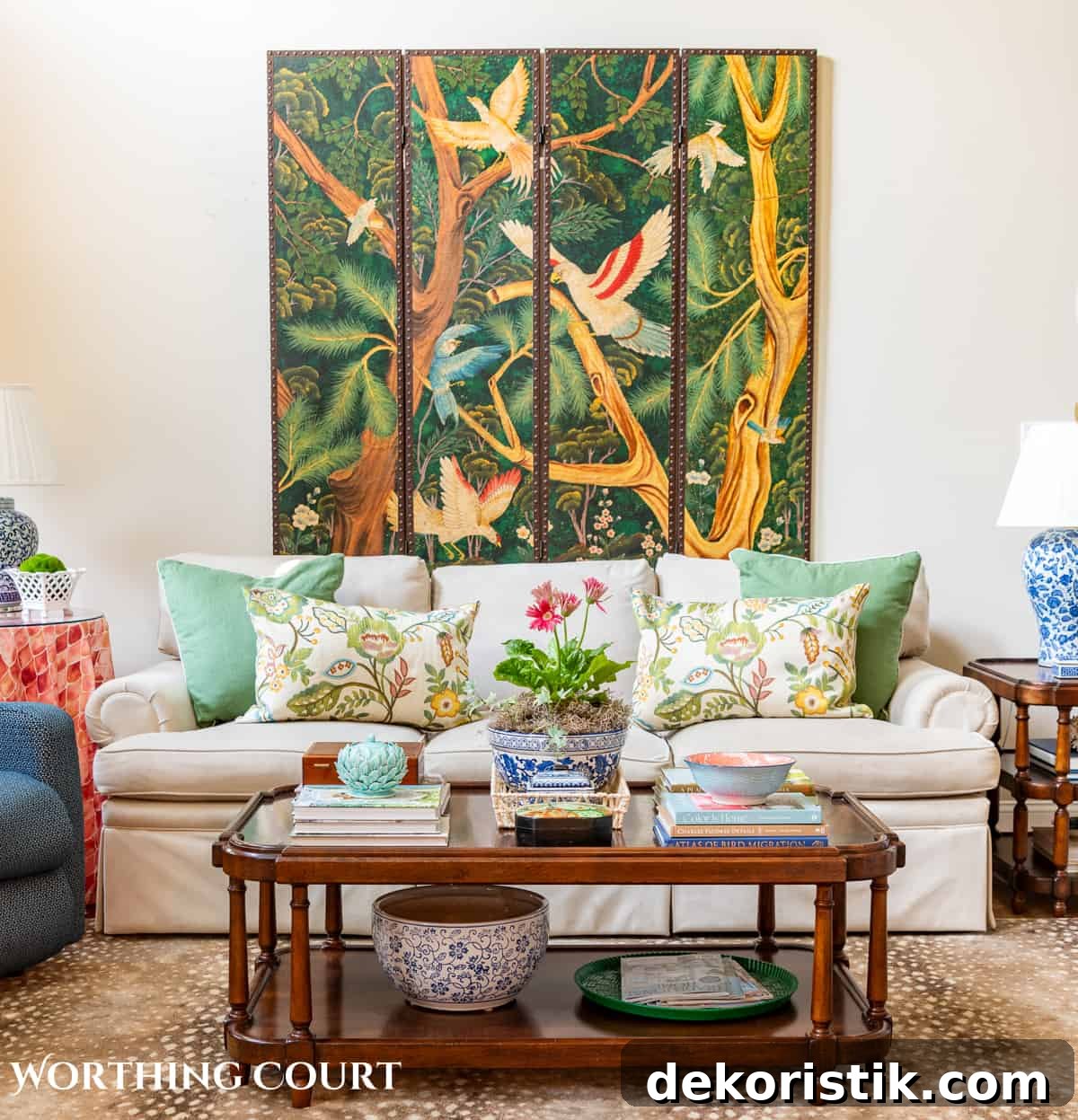
Contrast
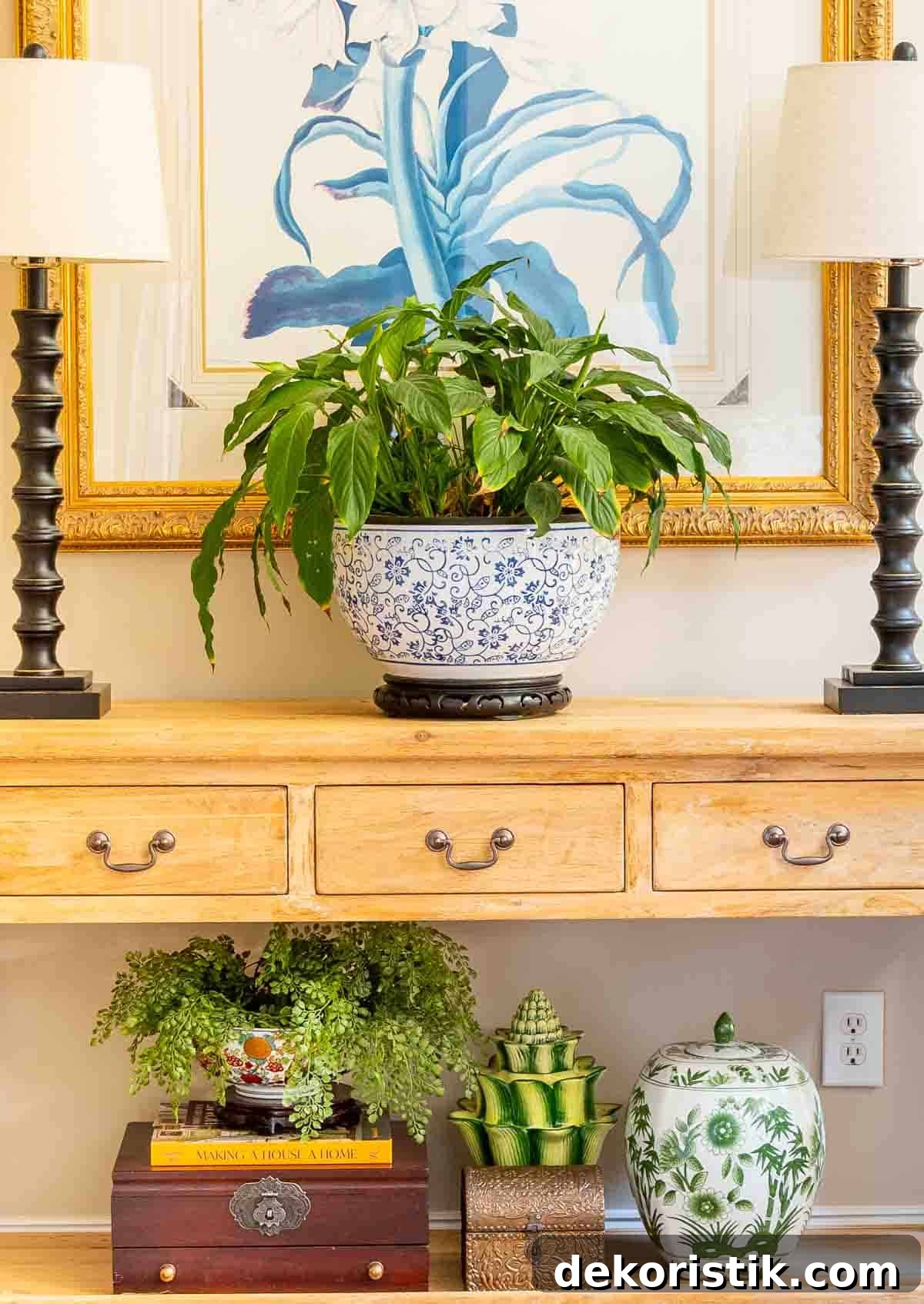
Contrast brings depth and interest. Without it, spaces can feel flat. Use contrast by pairing light and dark colors, mixing textures—like velvet against smooth paint—combining organic and geometric shapes, or introducing shiny metal accents alongside matte wood. Thoughtful contrast makes layers of your room readable and visually stimulating.
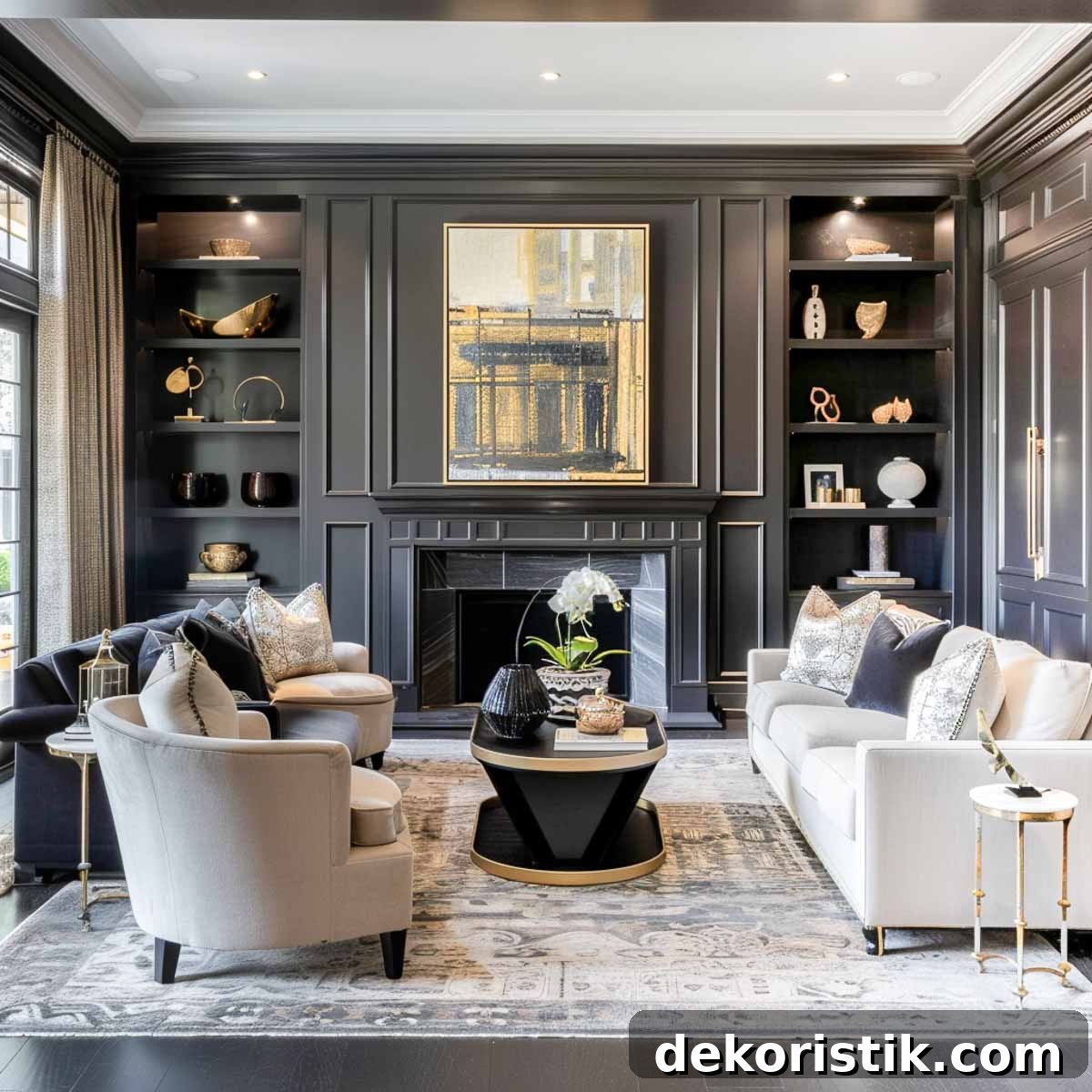
Examples of contrast: a navy accent wall paired with white bedding and pale furniture, or a plush velvet headboard set against a smooth painted wall with metal lamps on wooden nightstands. The balance of opposites gives a room energy and harmony.
Design Rhythm, Repetition & Movement
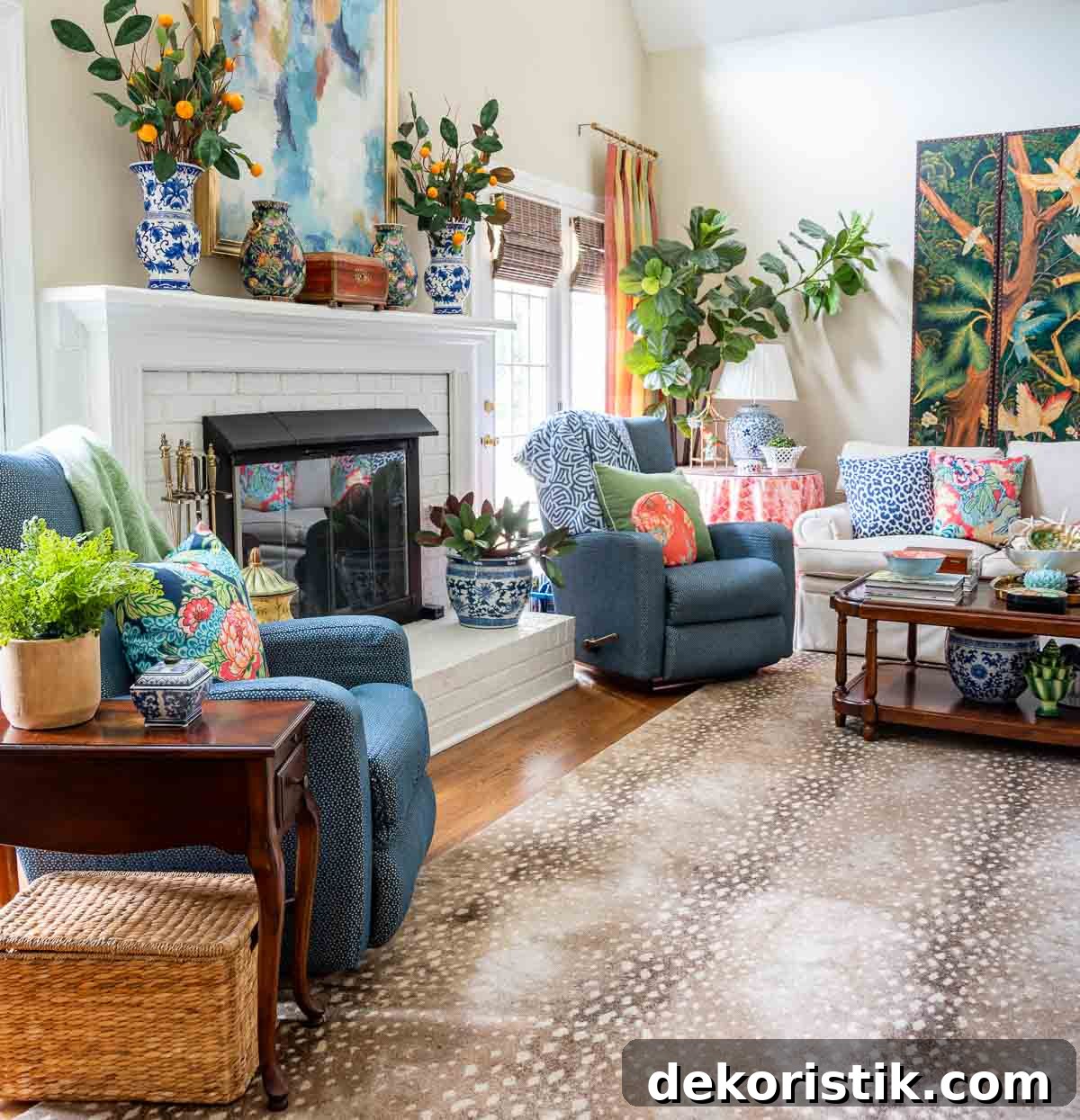
Rhythm in design helps the eye move smoothly through a room; repetition strengthens the scheme by echoing colors, shapes, or patterns; movement is the visual path you create. Use a patterned rug to set a rhythm, repeat the rug’s colors in cushions and artwork, and place an accent chair or lighting to guide the eye from one vignette to the next. This choreography makes a space feel intentional and lively.
Scale and Proportion
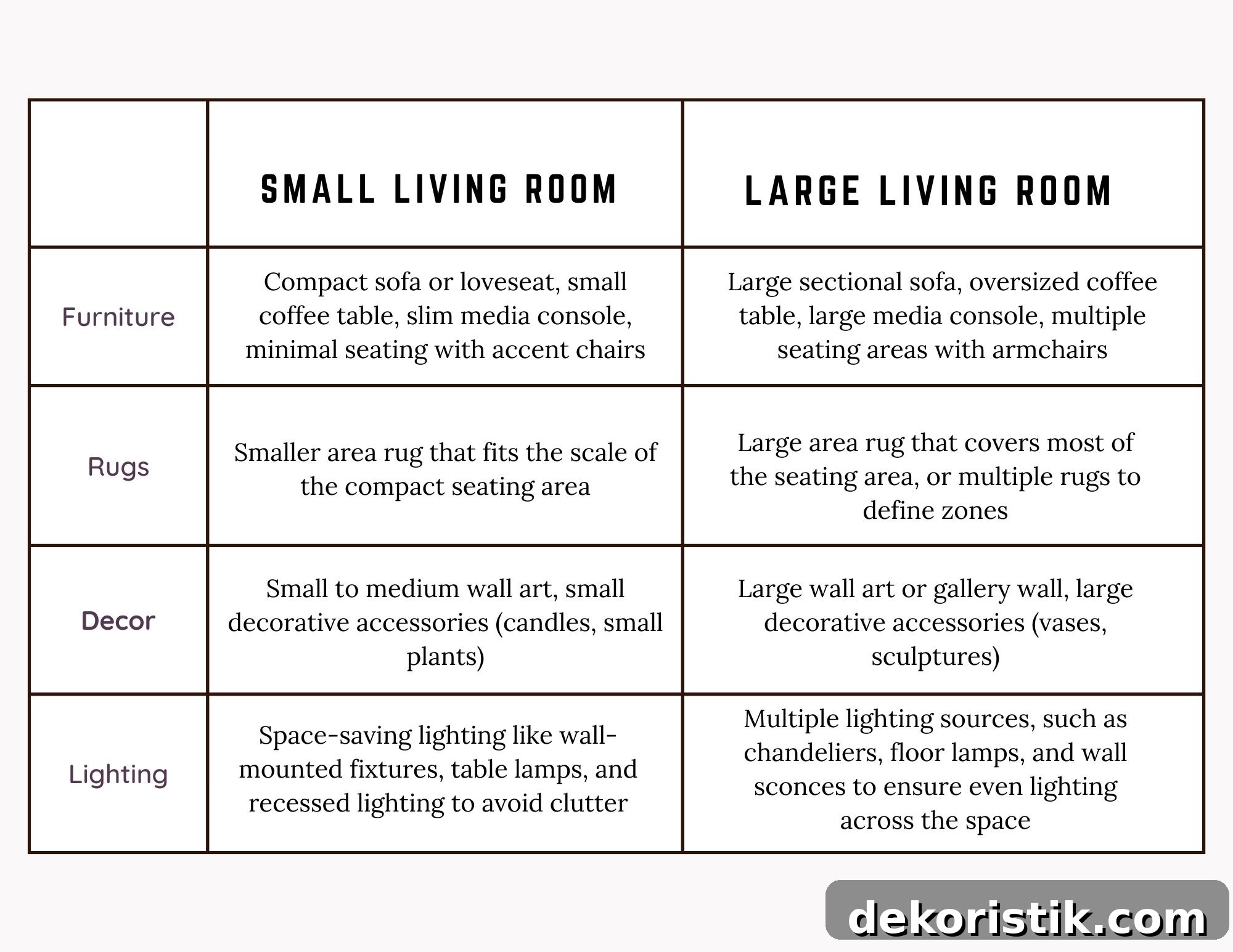
Scale and proportion are related but different. Scale refers to how a piece of furniture relates to the size of the room; proportion is the size relationship between elements within the room. Too-small furniture in a large room looks lost; oversized pieces in a small room feel overwhelming. Measure, visualize, and consider the negative space around objects so each element fits comfortably within the whole.
Negative Space
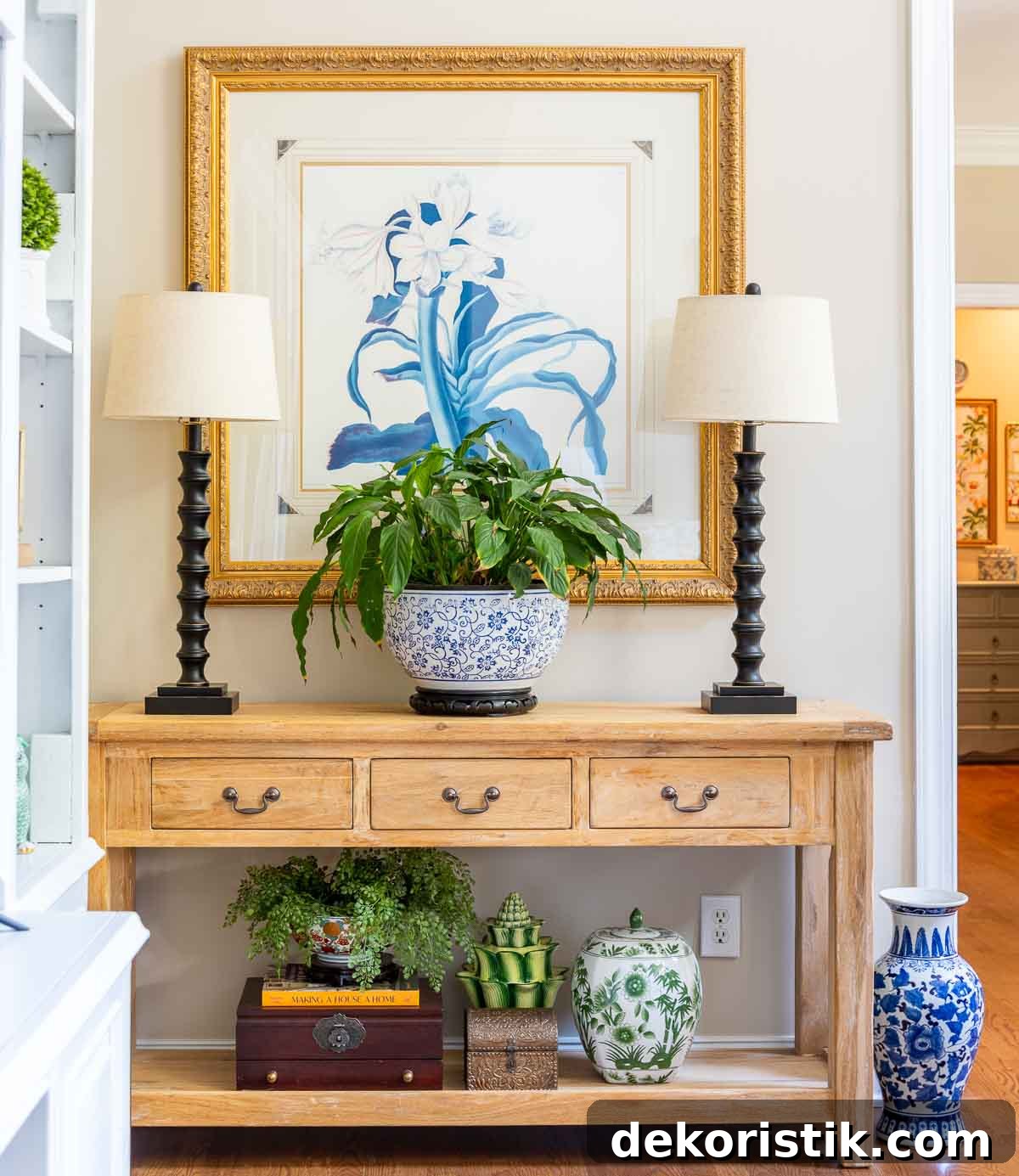
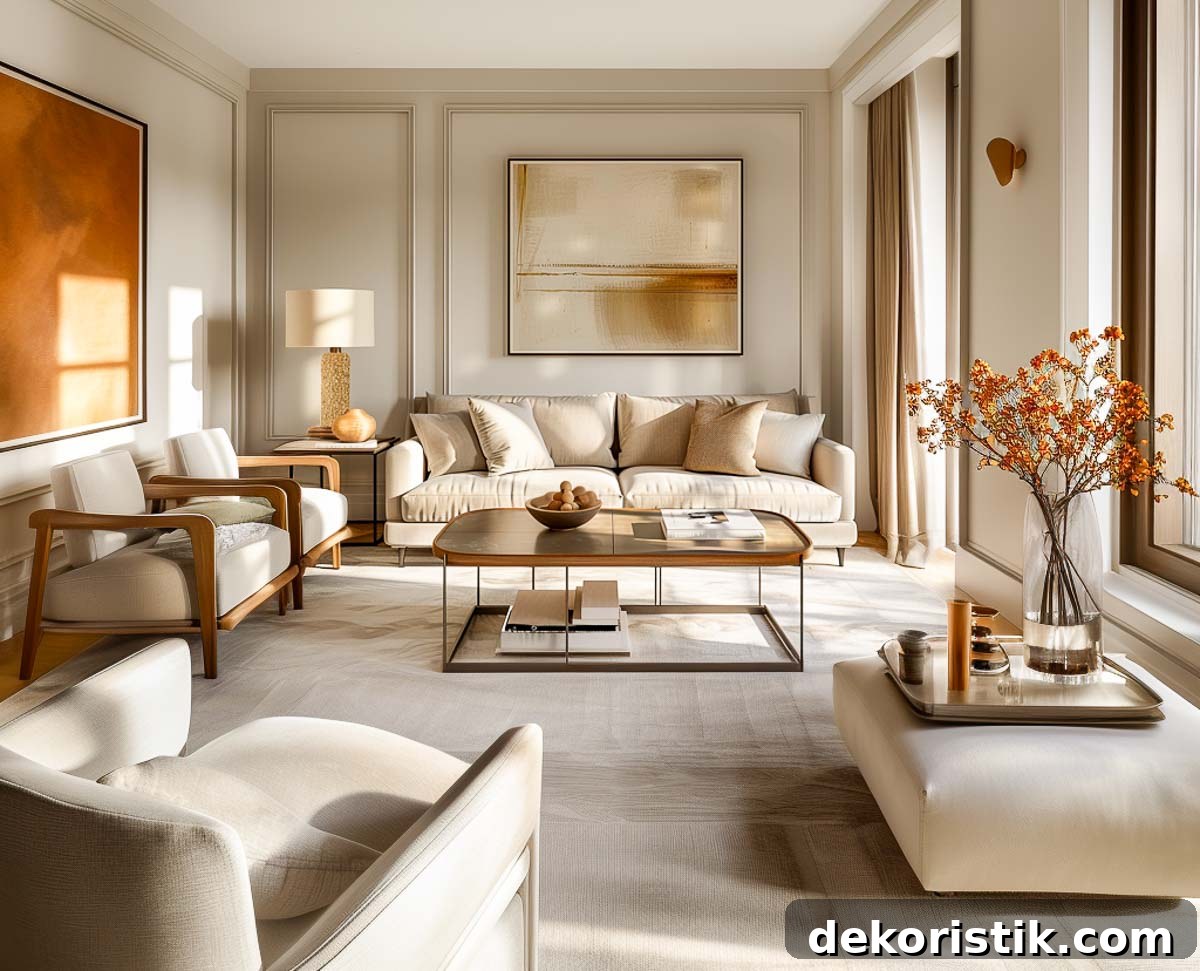
Negative space—the empty areas around and between objects—is as important as the objects themselves. Giving furniture and decorative pieces room to breathe prevents a cluttered look and highlights the items you want to showcase. Especially in small rooms, leaving some walls and floor areas intentionally bare can make the space feel larger and more elegant.
Details
Details are the finishing touches that elevate a room: trim and molding, hardware like drawer pulls and door knobs, the right paint sheen, window treatments, floor transitions, and thoughtful ceiling or staircase details. These choices don’t have to be expensive, but selecting quality finishes and consistent styles makes a space read as curated and complete.
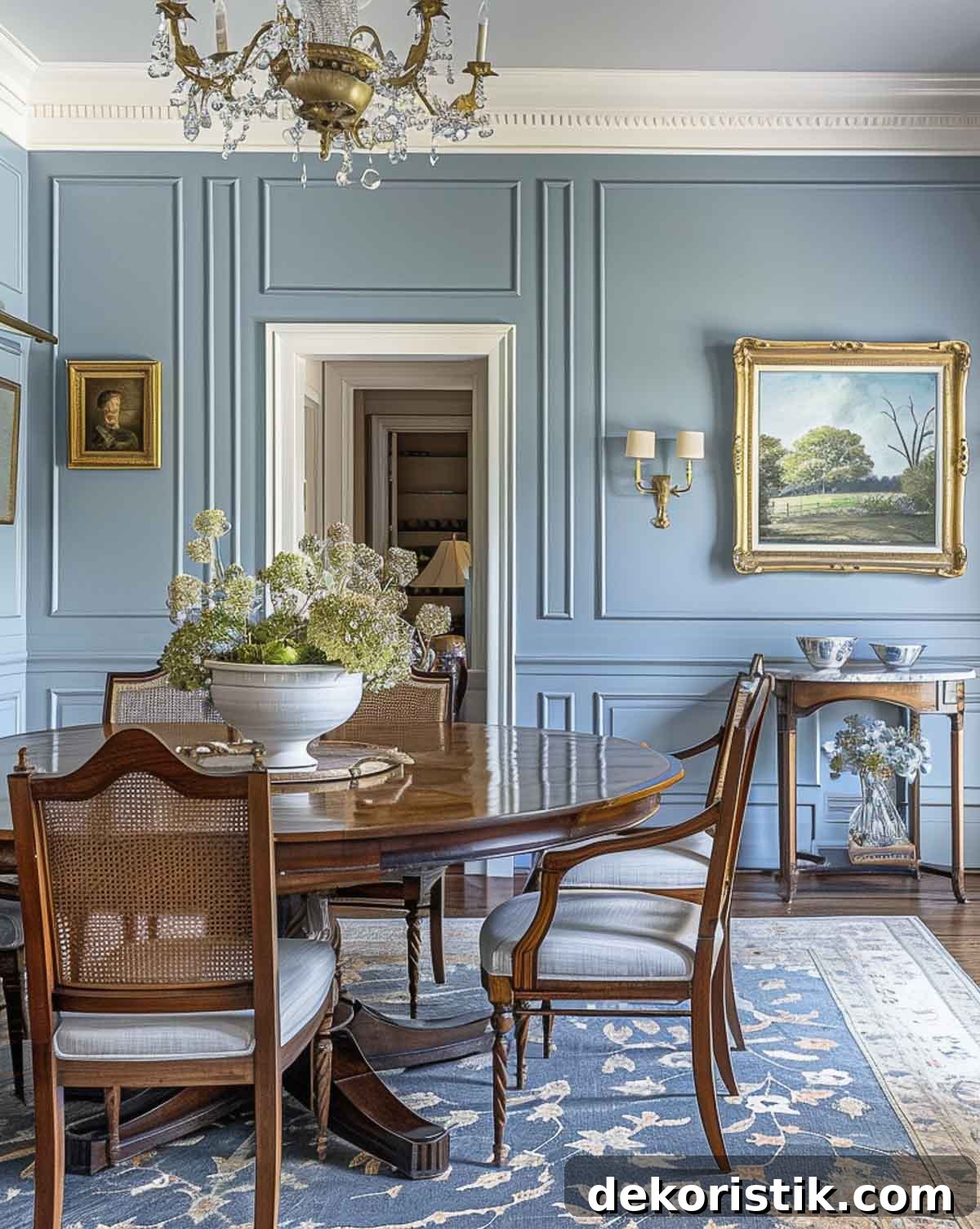
Consider details such as trim style, cabinet hardware, paint finish, window treatments, flooring choices, ceiling treatments, and door styles. These elements may seem small but they define the character of a room and create a consistent, intentional aesthetic.
Together, these seven principles—unity and balance, emphasis, contrast, rhythm and movement, scale and proportion, negative space, and details—form the framework that designers use to create beautiful, functional spaces. Use them as a checklist when planning a room, and you’ll find your decorating decisions become clearer and more confident.
Remember: design rules are a guide, not a restriction. The best rooms reflect the people who live in them, so mix these principles with your personal taste and practical needs. Happy decorating!
Next in the Simply Decorating series: how to get a cohesive look when you decorate. To follow the series, sign up for email updates or save inspiration images for later reference.
-

How to Fix a Room That Feels Off
-
How to Mix Decorating Styles to Keep Your Home From Looking Boring
-
How to Decorate by Shopping Your Own House
-
The Do’s and Don’ts of Home Decorating: Basic Tips for Getting It Right
-
The Secret to Layering Accessories Like a Pro
-
Where to Start When Decorating a Room