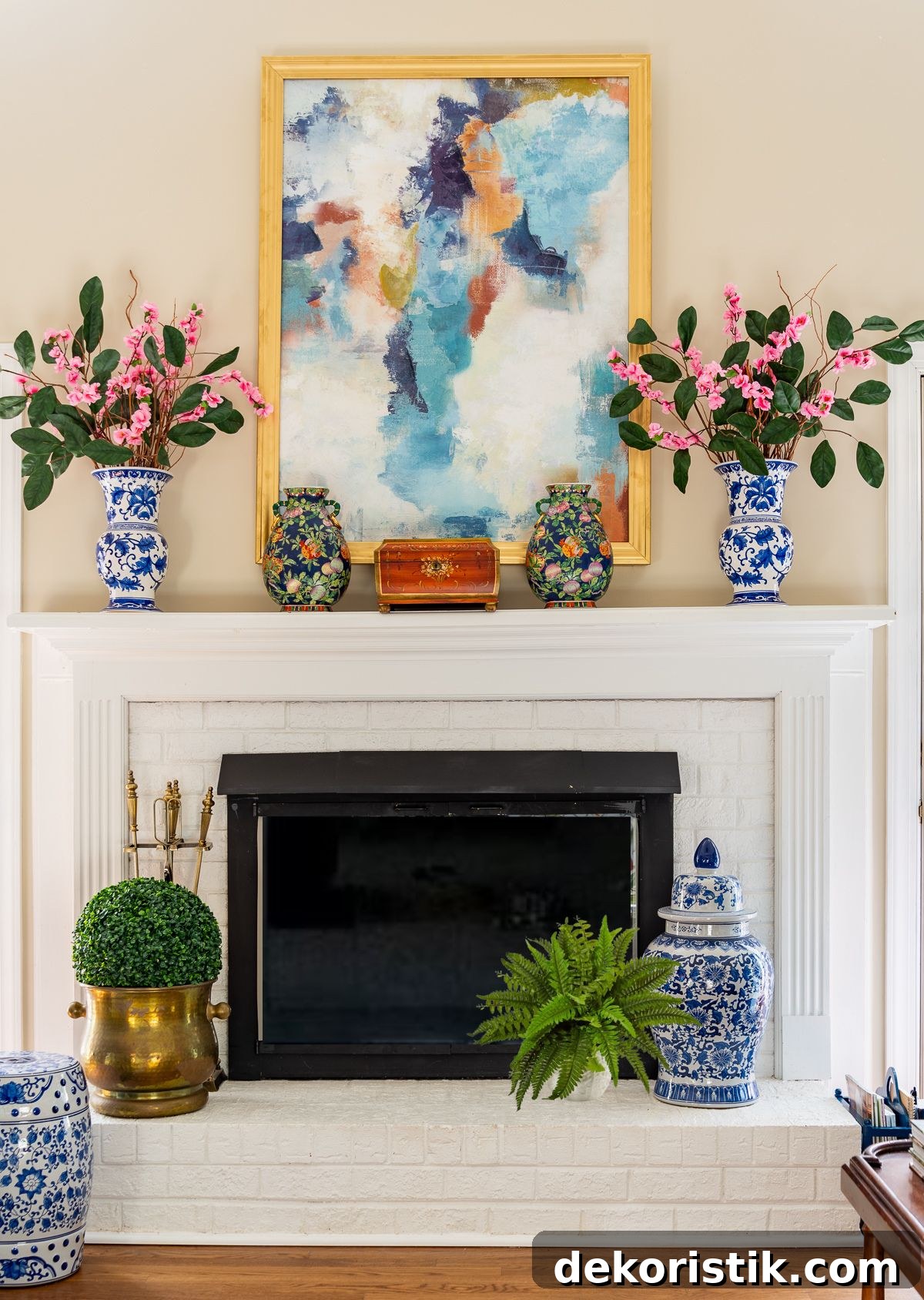
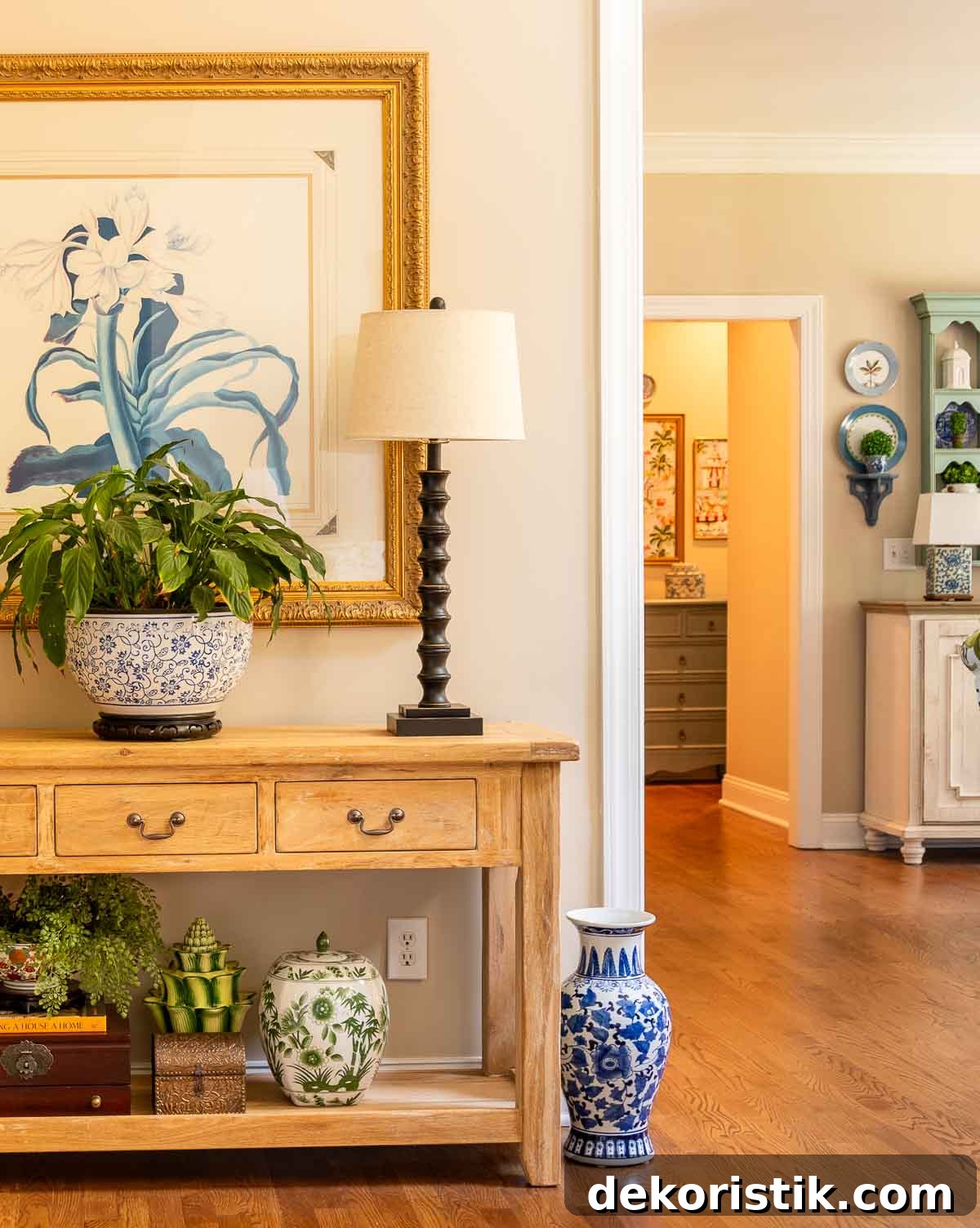
Creating a cohesive look in your home makes it feel more polished, welcoming, and thoughtfully designed. The tips below will help you bring together colors, furniture, patterns, and finishes so each room feels intentionally styled and connected to the rest of the house.
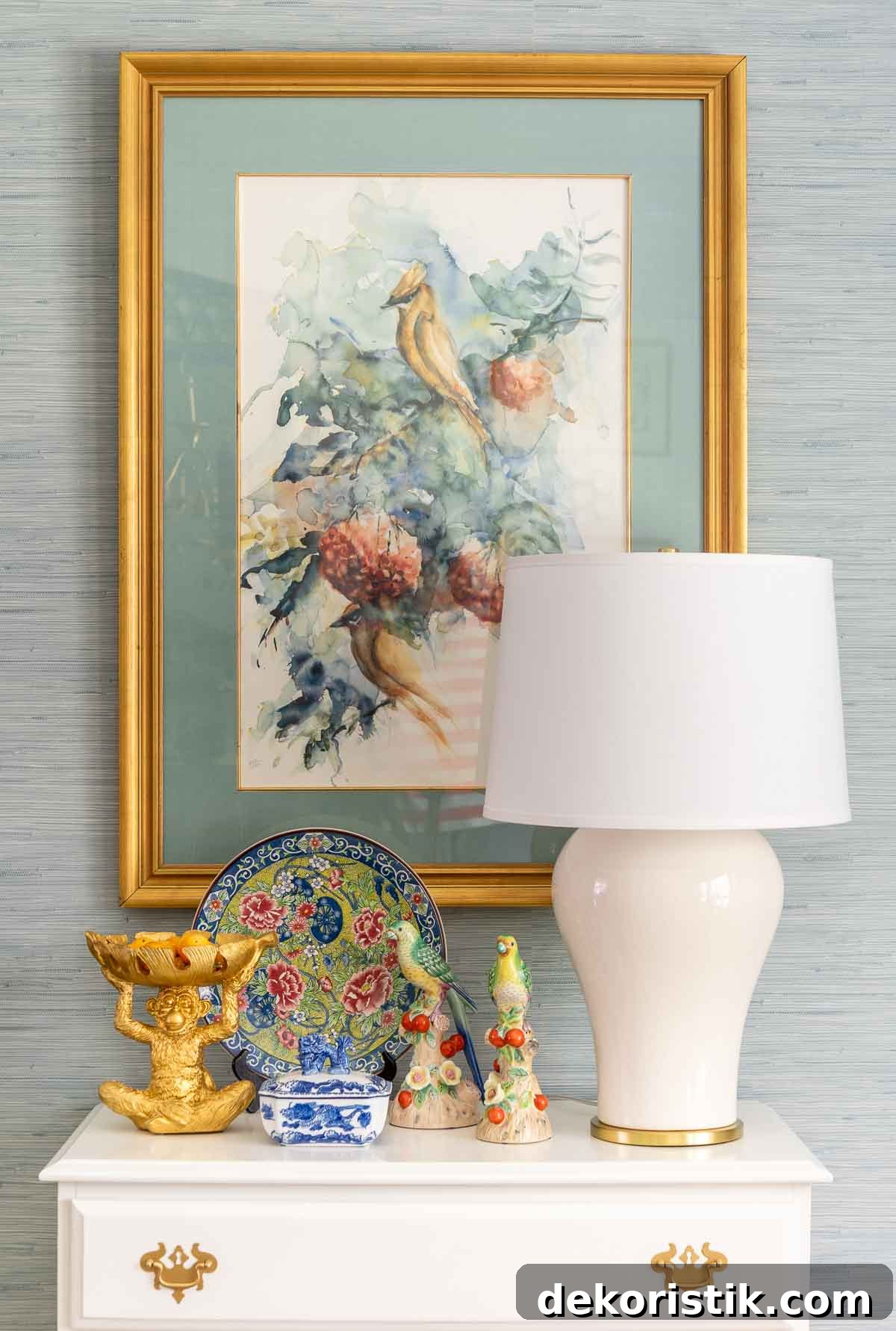
Are you planning to redecorate a room, or have you finished a refresh only to feel that something is off? Often each piece is attractive on its own, but the overall room lacks harmony or doesn’t flow with adjacent spaces. A coordinated room not only looks inviting but also communicates a clear aesthetic and purpose.
This guide is part of the Simply Decorating Series, a free resource that breaks down design choices into practical, actionable steps for the DIY decorator. If you haven’t already, start with the basics in chapter one, How to Decorate a Room – Where To Start, before moving on to these ideas.
Establish a unified theme
A strong, consistent theme is the foundation of a cohesive home. Choose a style that truly reflects your taste—whether modern, traditional, farmhouse, coastal, or a tasteful blend—and use it as the primary filter for every design decision. Let one inspiring item guide the rest of the room: an artwork, a rug, a fabric, or a treasured piece of furniture.
Pay attention to the architecture of your home. A coastal palette and breezy textiles suit a beach house, while a classic Victorian or Colonial home calls for furnishings and finishes that honor its architectural character. If you love contrasts, blend styles subtly—pair traditional woodwork with a few modern accents rather than forcing a completely different aesthetic that feels out of place.
Remember: unity doesn’t mean everything matches exactly. Aim for harmony—each item should complement the others and reinforce your chosen theme.
Limit your color palette
A limited, consistent color palette prevents visual clutter and creates calm. Choose a dominant color plus two or three complementary hues and repeat them throughout the room and adjacent spaces.
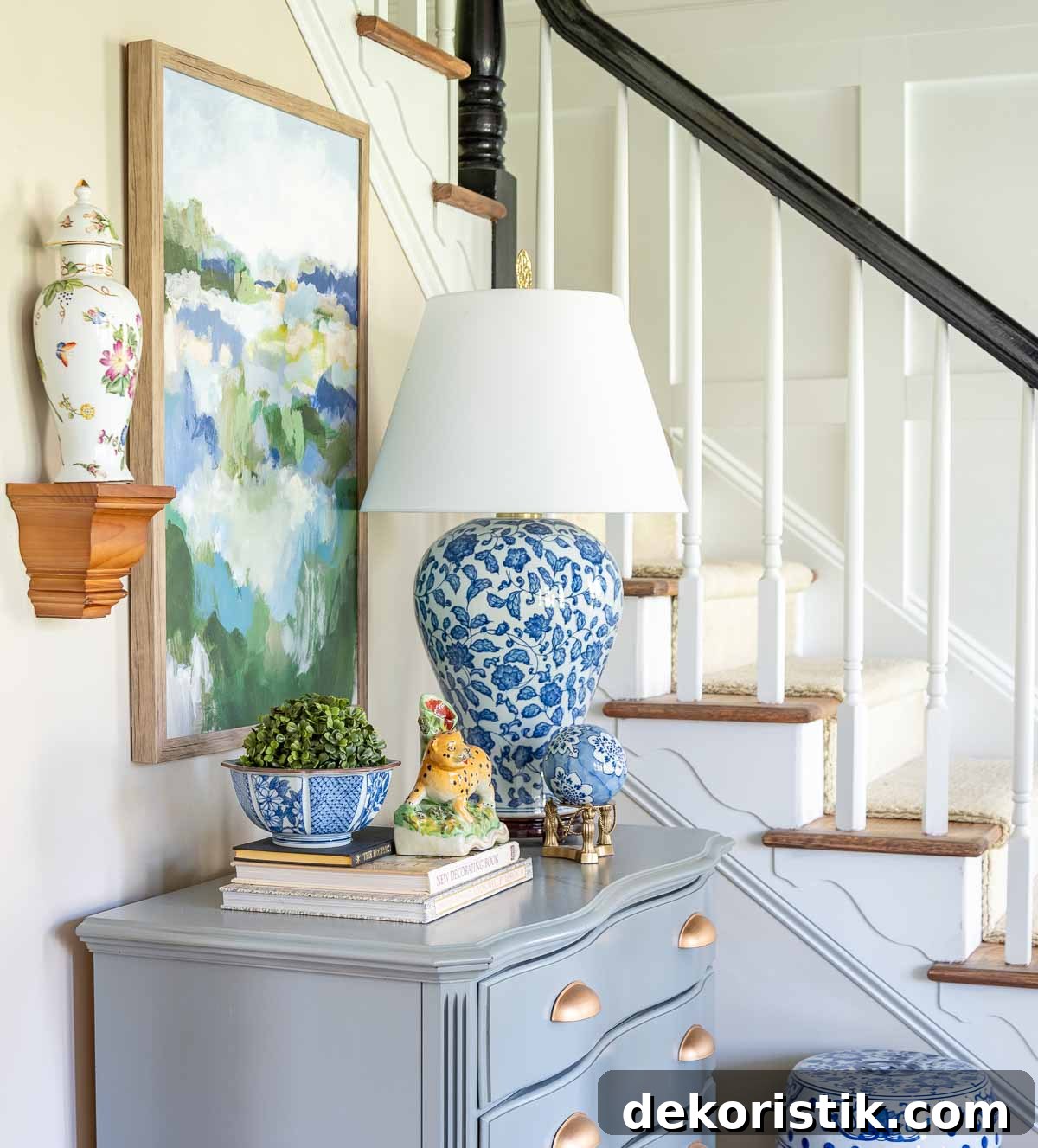
Use the 60–30–10 rule to distribute color: 60% dominant (walls or large furniture), 30% secondary (upholstery or rugs), and 10% accent (accessories, art, or pillows). Consistent color repetition ties pieces together and makes the room feel cohesive at a glance.
Repeat patterns and textures
Patterns and textures add depth, but they should support your overall theme. A modern room benefits from geometric patterns and sleek materials, while a rustic space favors natural textures like wood, linen, and stone.
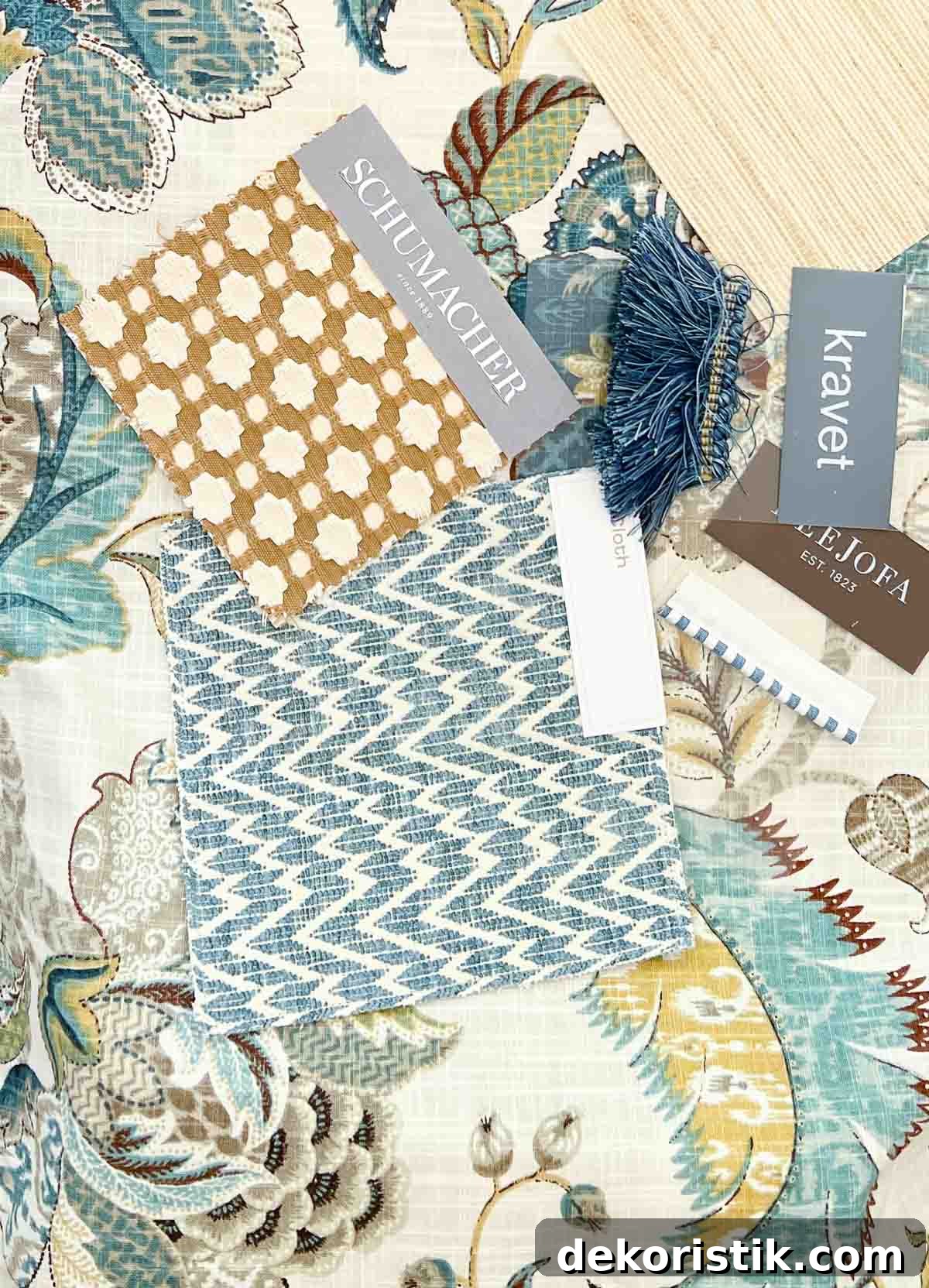
Avoid mixing too many conflicting motifs. If you choose a bold pattern for cushions, echo that pattern subtly in a rug or drapery, or balance it with solids in complementary colors. Repeating a pattern or texture across fabrics and finishes helps unify disparate elements and reduces visual noise.
Coordinate furniture styles
Mixing furniture styles can add personality, but the primary pieces should speak the same design language. Choose sofas, tables, and storage that share similar lines, finishes, or materials, then introduce one or two accent pieces to create interest without chaos.
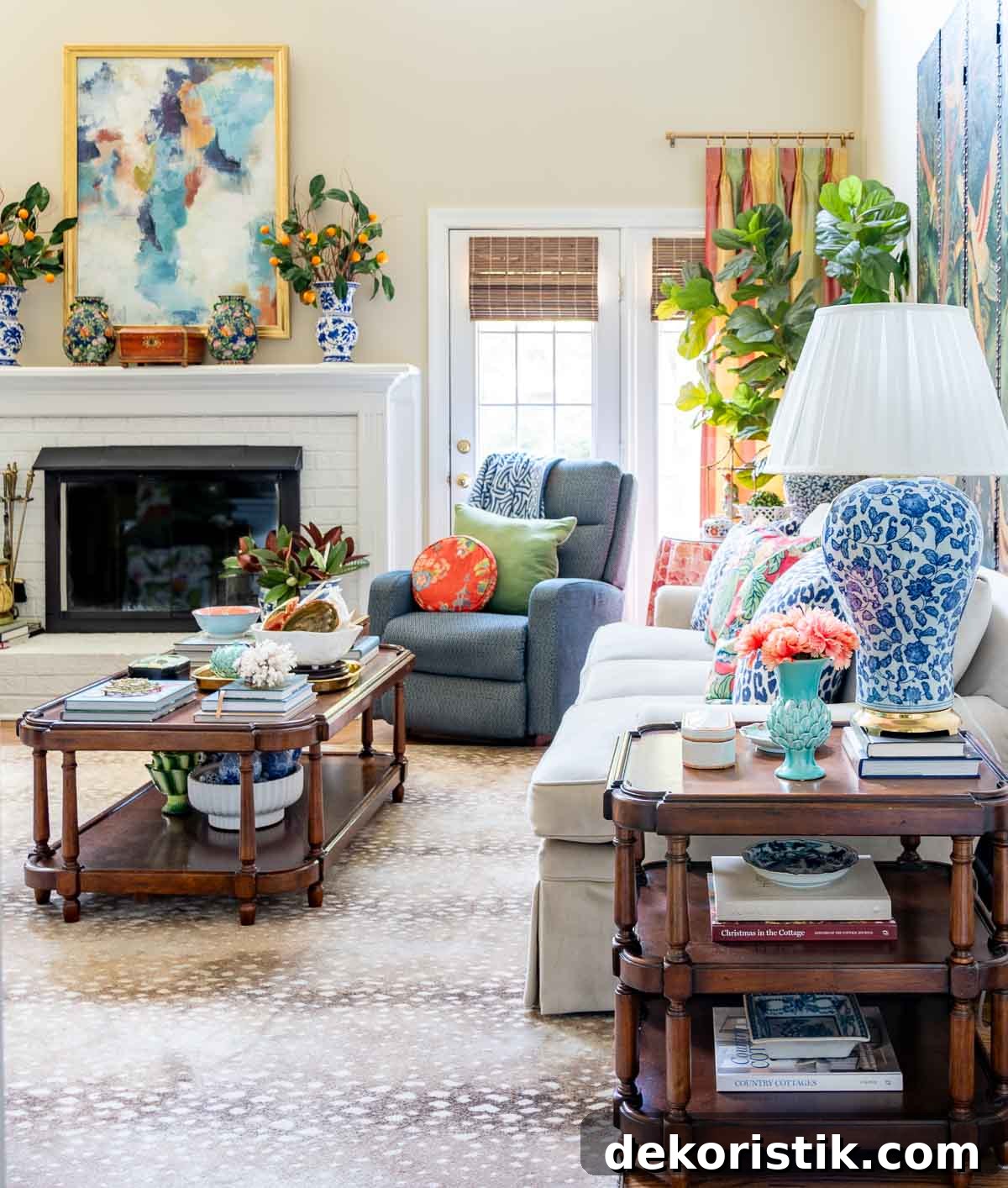
You can add drama by introducing a contrasting item—a sleek modern chair in a traditional room, for example—which creates visual tension and makes the space feel curated rather than accidental. Use contrast sparingly and thoughtfully.
Create seamless transitions
Cohesion is most successful when it extends beyond a single room. Carry colors, motifs, or textures from one space into the next to create a fluid, harmonious home rather than a series of disjointed rooms.
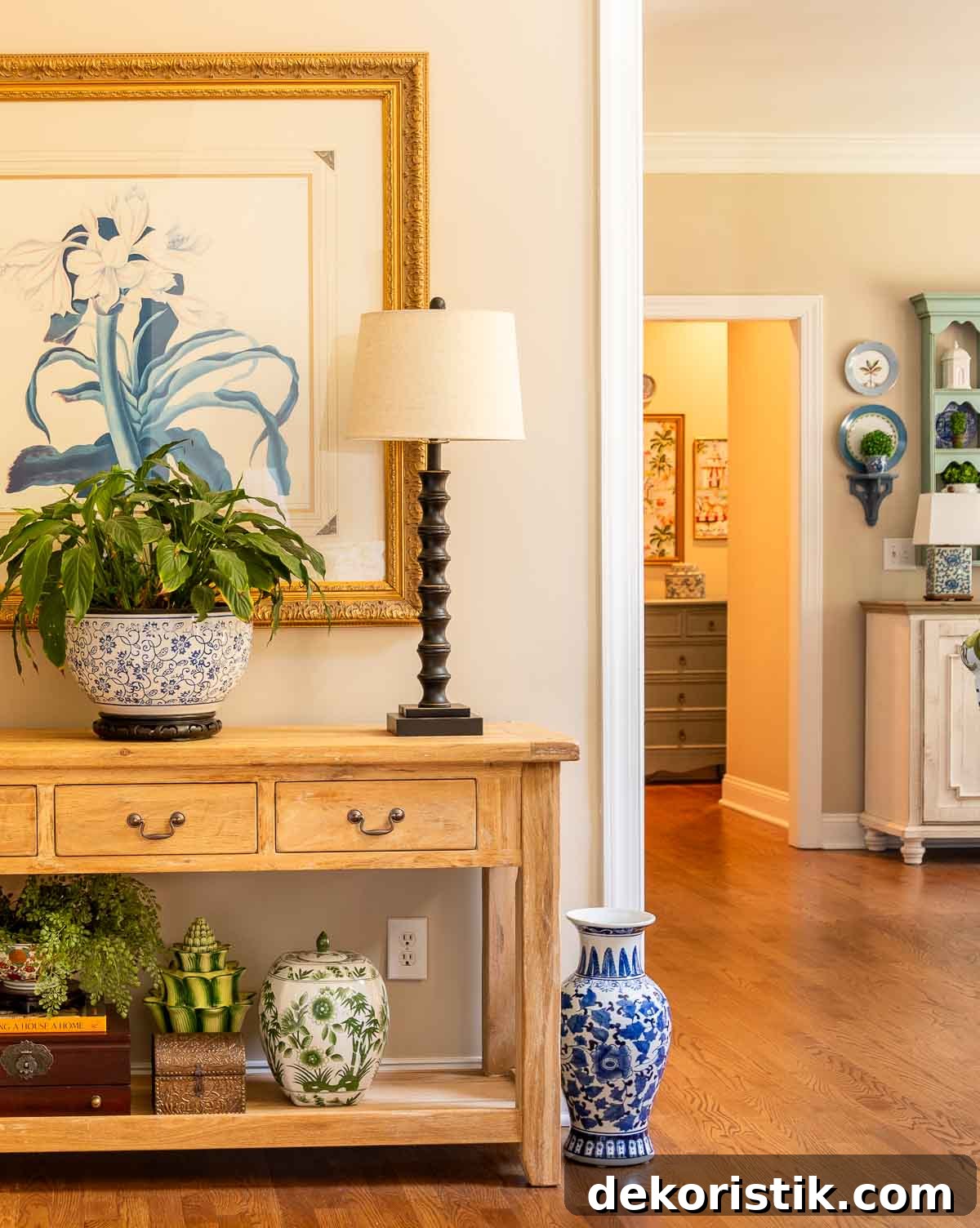
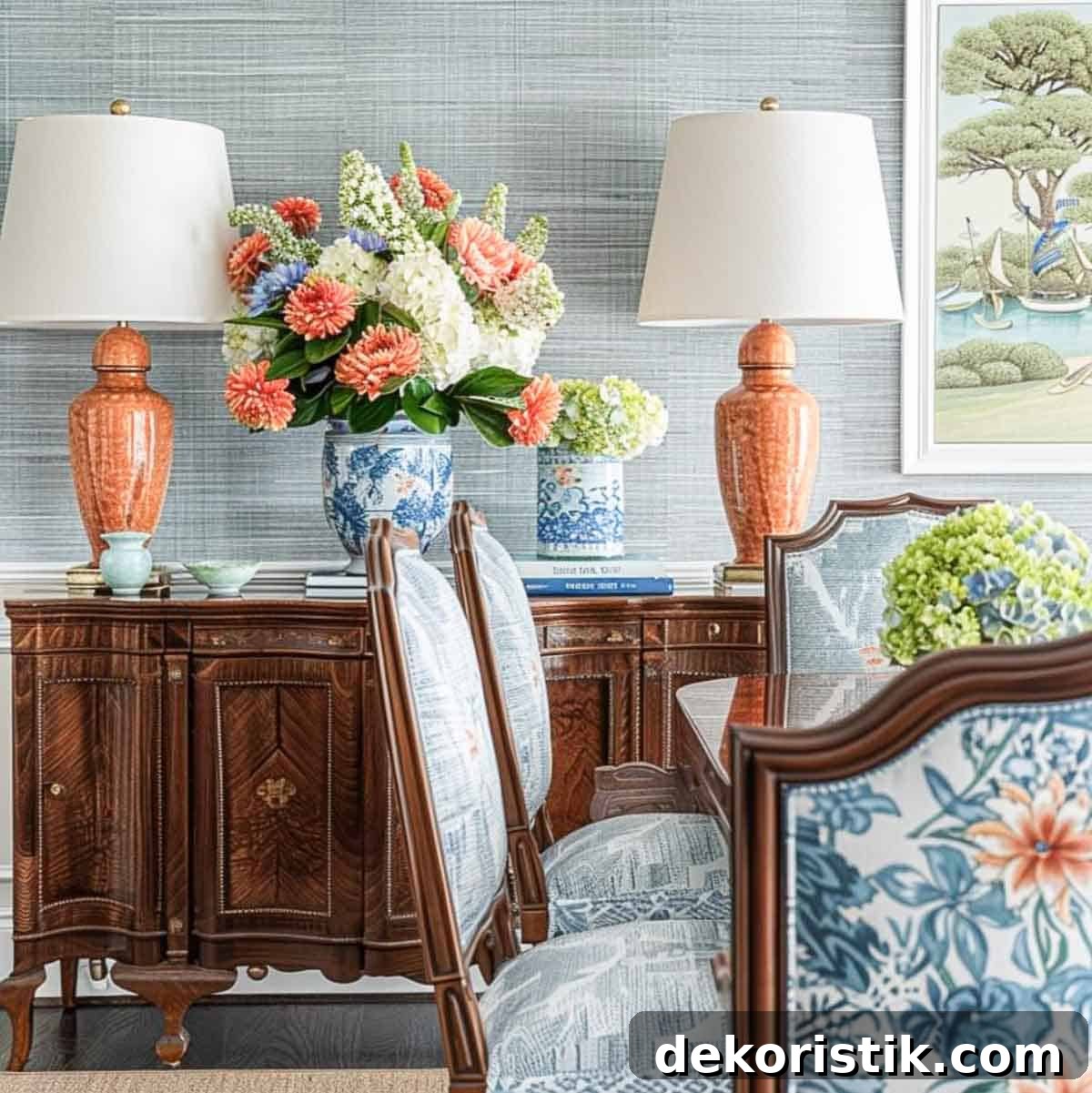
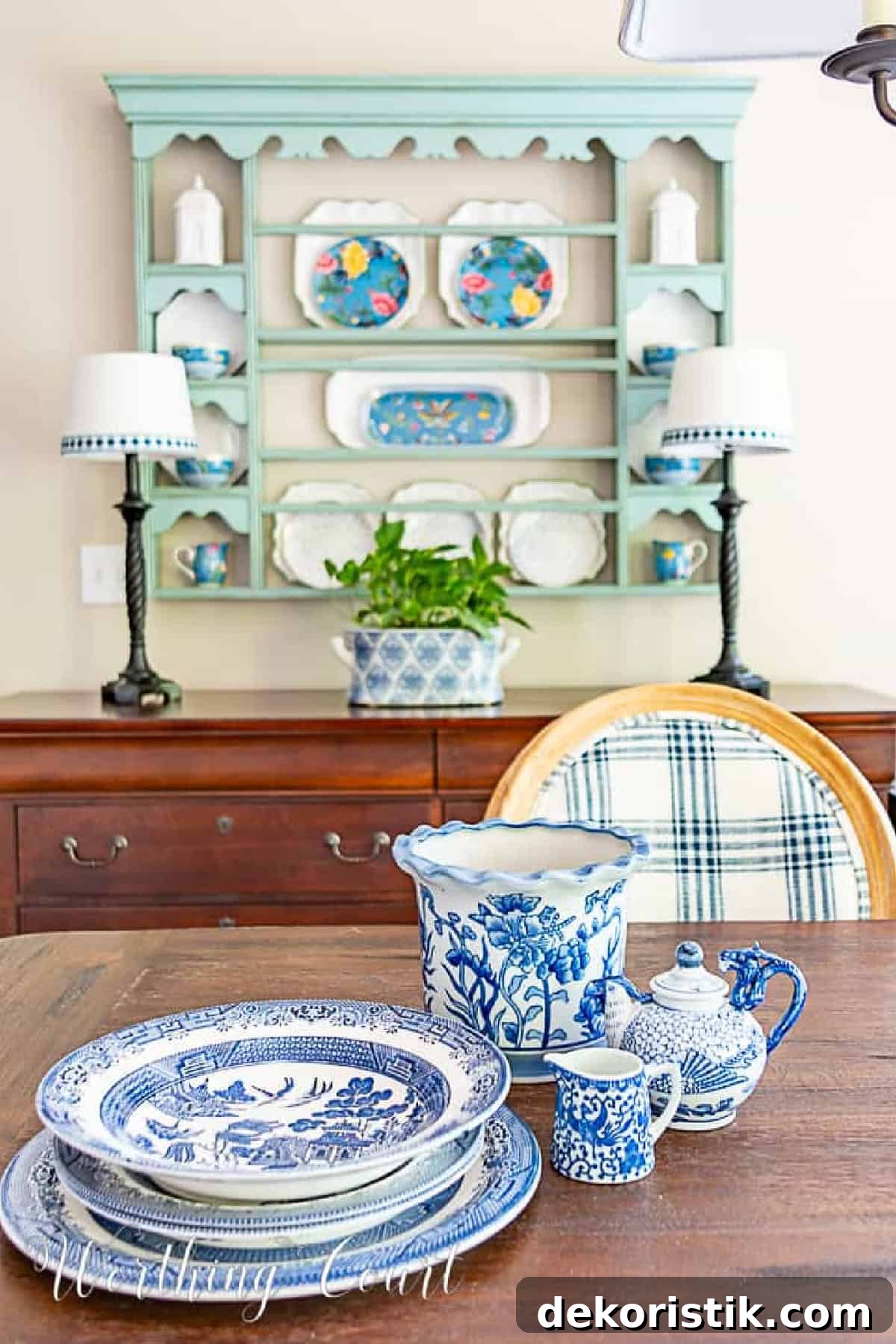
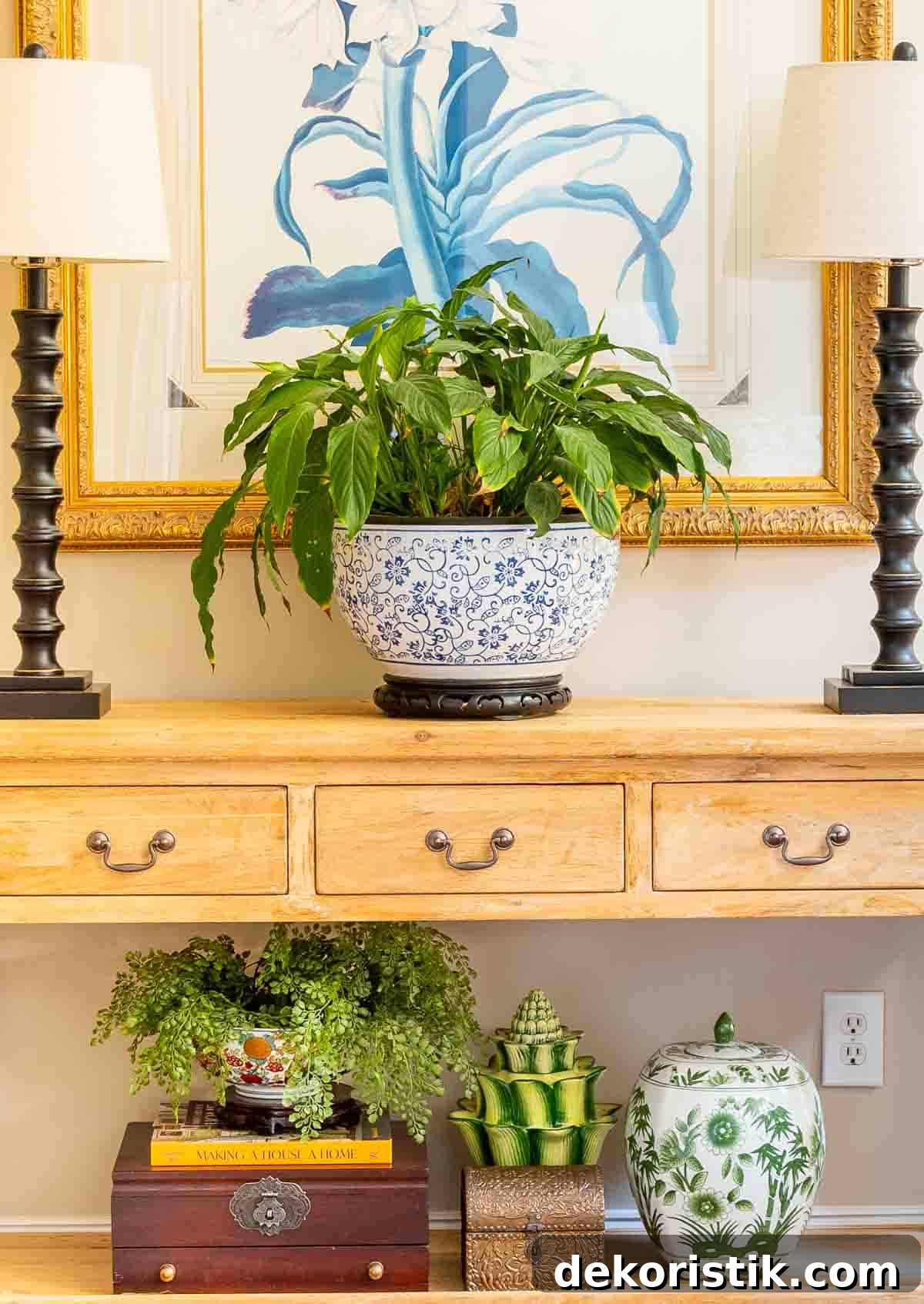
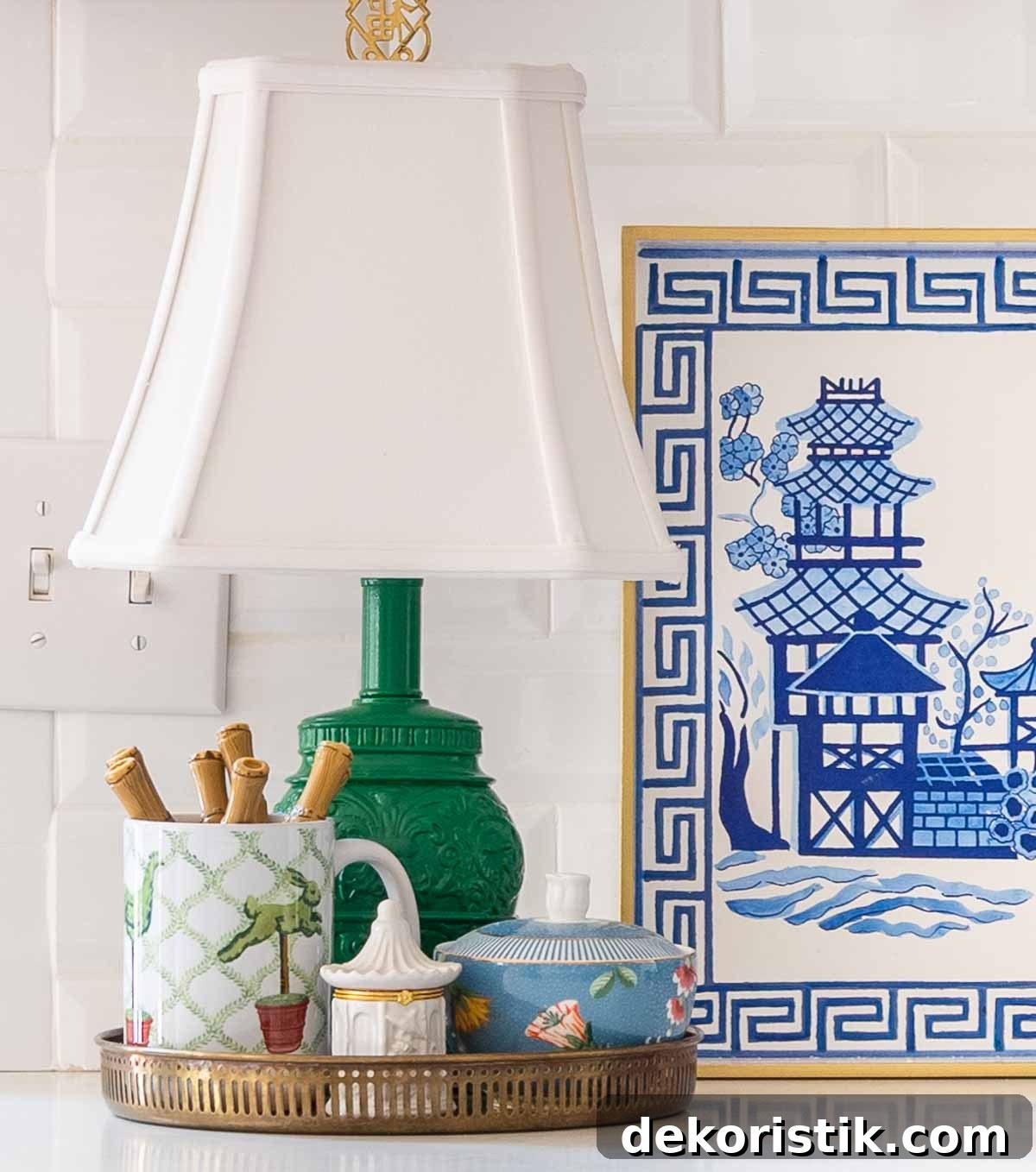
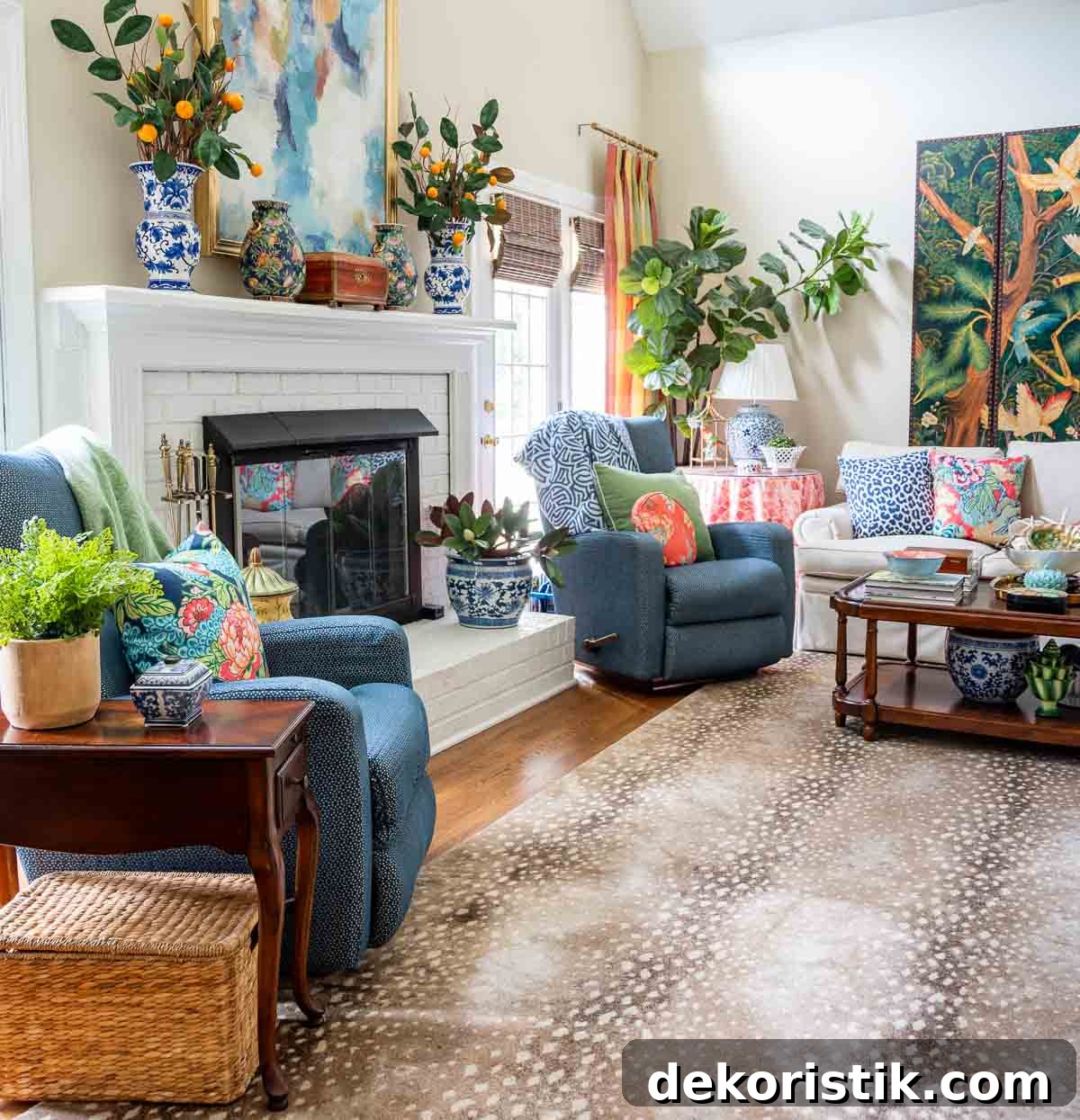
For example, a traditional home might use shades of blue and green with coral accents throughout the living room, kitchen, dining room, and bedrooms. Keep the core palette consistent while adjusting emphasis from room to room—use more coral in a dining room centerpiece, but rely on blue and green in textiles and upholstery elsewhere.
You might not get it right the first time
That’s entirely normal. Decorating is a process of trial and error—even professional designers refine their plans as they go. Treat decorating as iterative: live with choices, test swaps, and return items that don’t work. Keeping receipts and tags for a short time can save time and money when something needs to be changed.
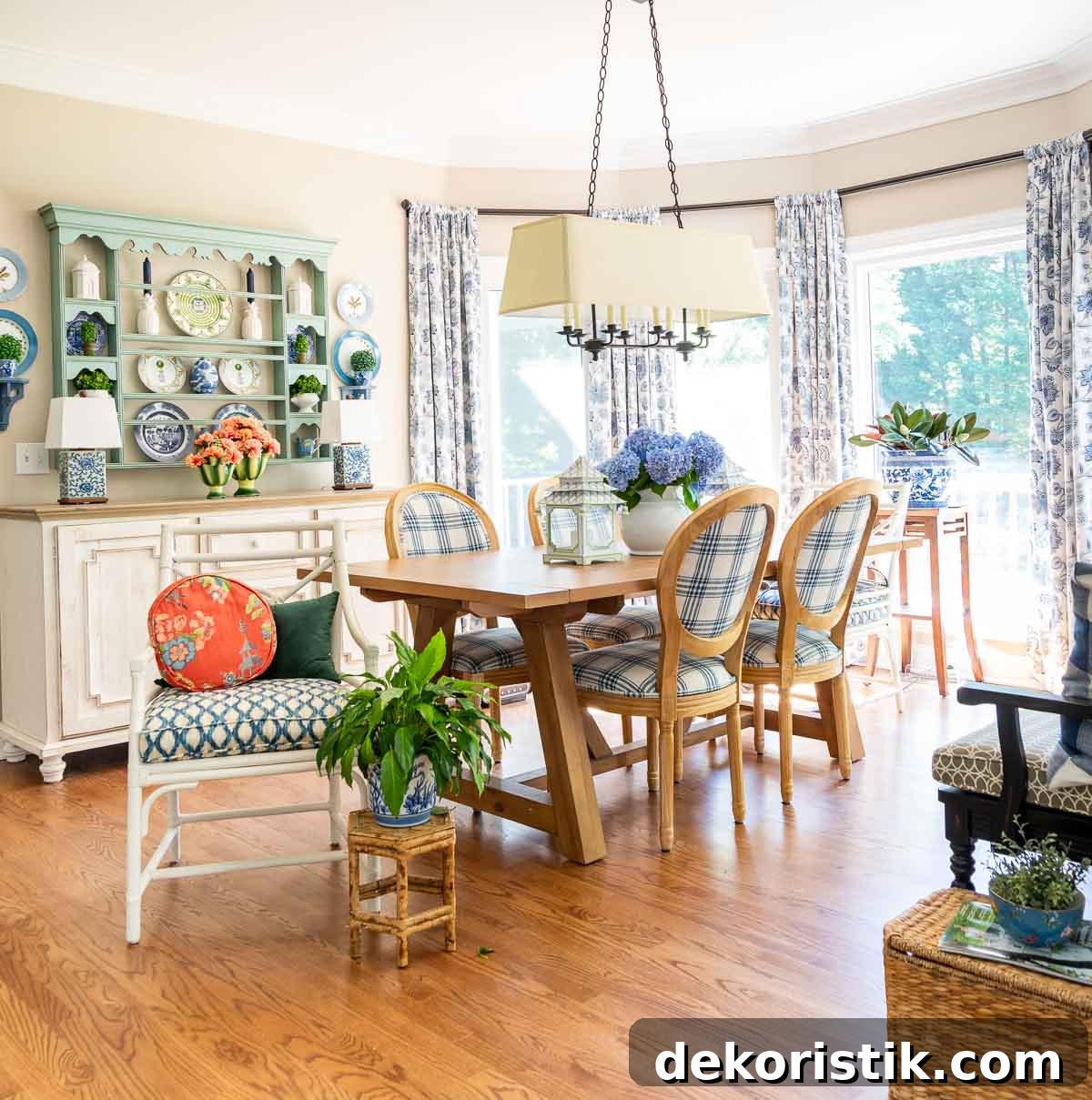
Achieving a cohesive home comes down to deliberate choices: a clear theme, a restrained palette, repeated patterns and textures, and furniture that complements rather than competes. These details are what transform a house into a home with a polished, intentional look. Happy decorating!
Next in the Simply Decorating series: choosing an interior color scheme. To follow along with the series, sign up for my emails.
-
How to Fix a Room That Feels Off
-
How to Mix Decorating Styles to Keep Your Home From Looking Boring
-
How to Decorate by Shopping Your Own House
-
The Do’s and Don’ts of Home Decorating: Basic Tips for Getting It Right
-
The Secret to Layering Accessories Like a Pro
-
Where to Start When Decorating a Room