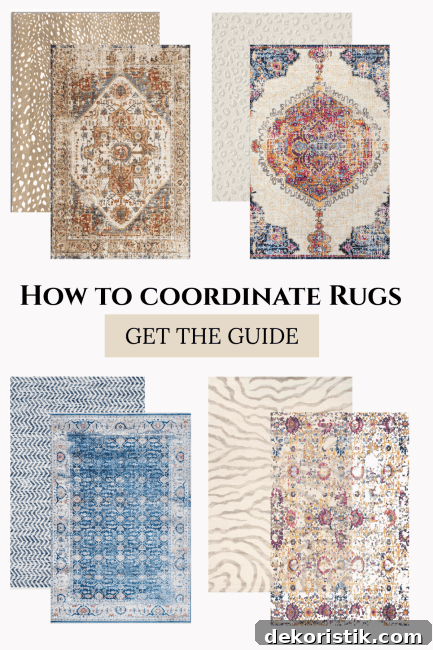
Welcome to a practical, easy-to-follow guide for coordinating area rugs in adjoining rooms and open floor plans. If you’ve ever worried that using multiple rugs will make your home look chaotic or mismatched, this guide will help you mix patterns, colors, textures, and sizes so your spaces flow together beautifully.
Below you’ll find fresh rug combinations and straightforward tips to select styles that complement one another. Whether you prefer bold patterns, soft neutrals, or natural-fiber textures like sisal and jute, these ideas will help you create a cohesive, polished look.
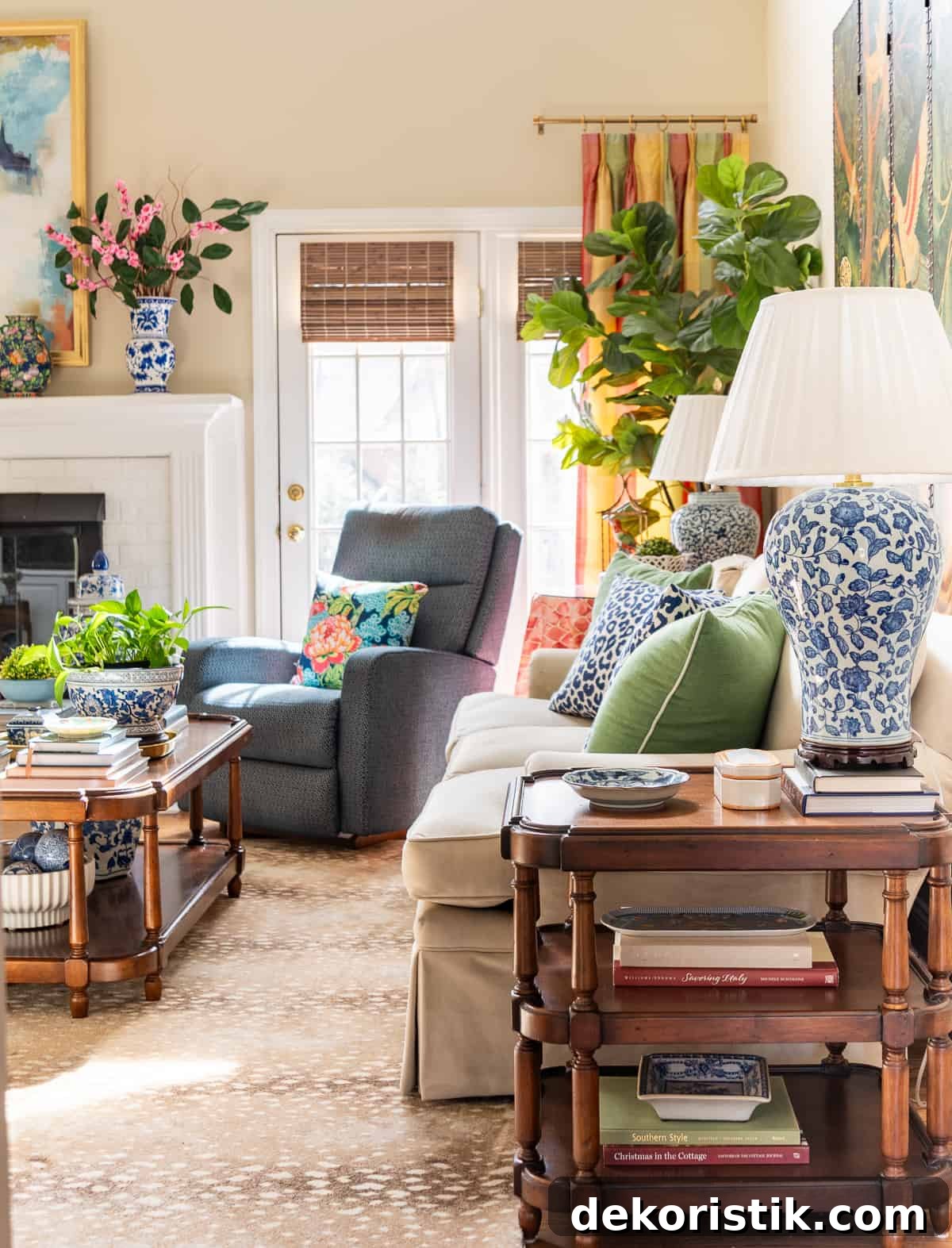
Over the years I’ve written about many decorating dilemmas and shared a full series on how to decorate your own home. Now as I redecorate our main living spaces, choosing rugs that coordinate across multiple rooms has become a new design challenge I’m tackling—and these are the solutions I’ve found most reliable.
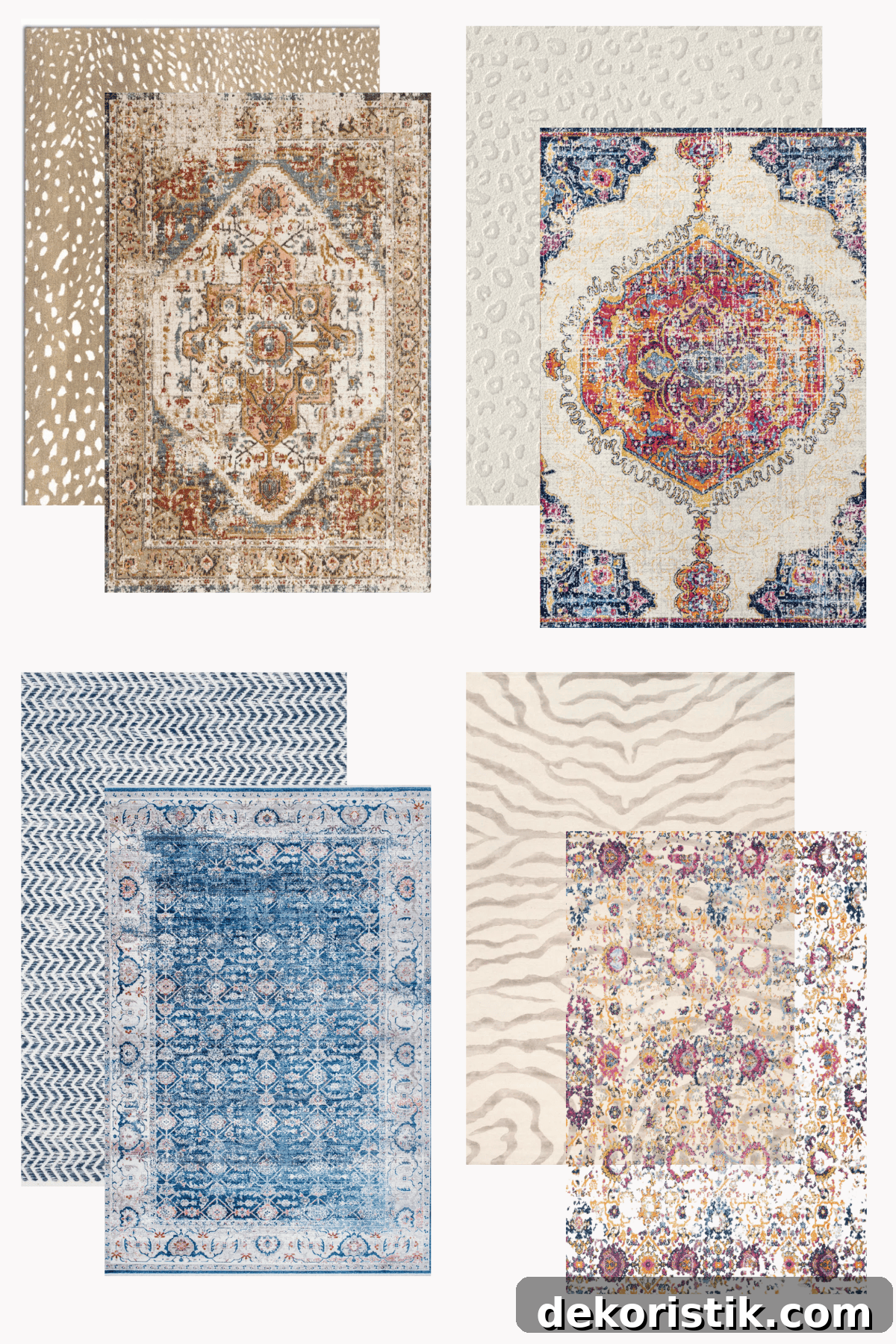
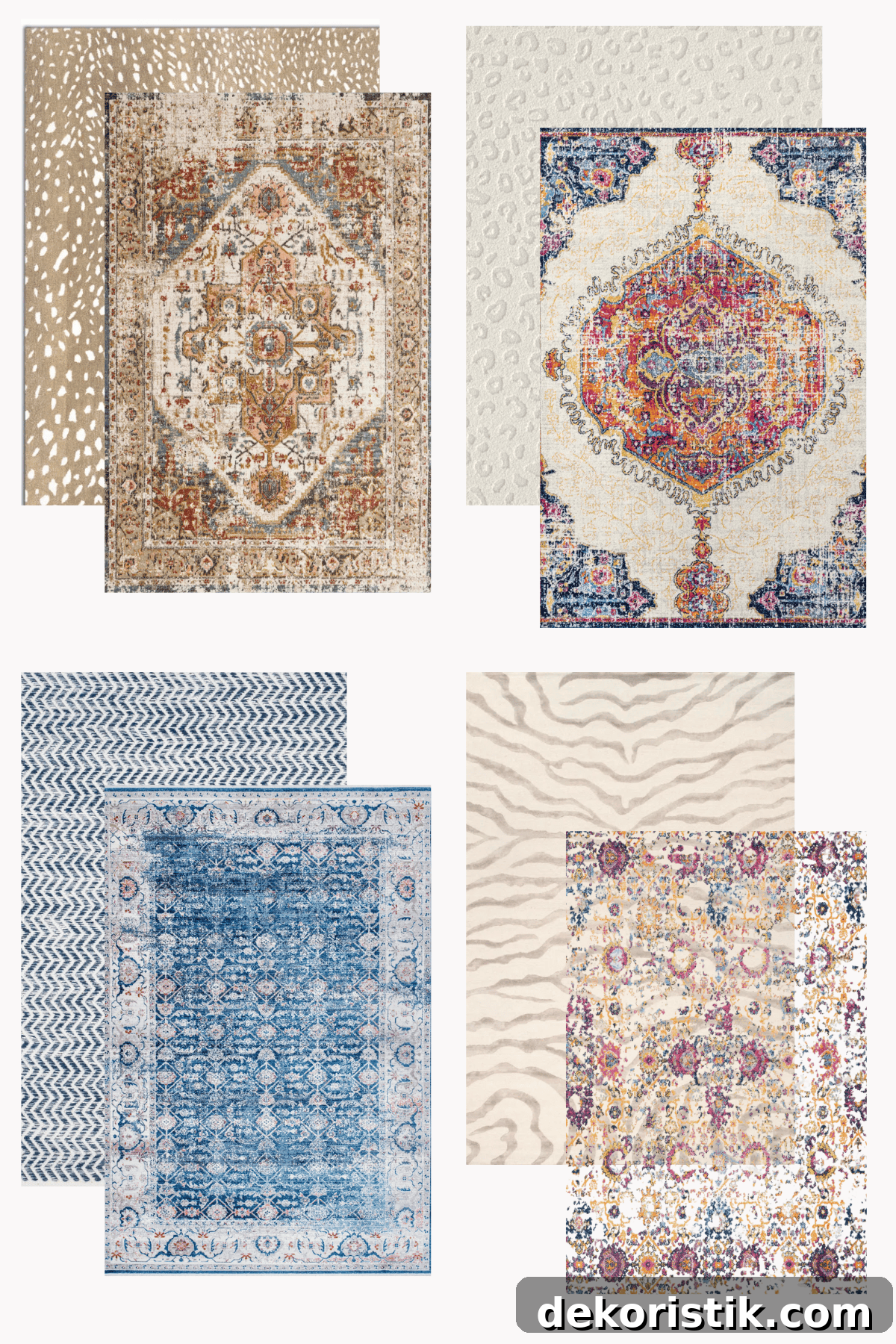
Note: Photos illustrate coordination ideas. If you find combinations you like, look for rugs with similar colors or textures to recreate the effect.
Defining Spaces in Open Floor Plans
Open-concept layouts are popular because they feel airy and connected, but they can be tricky to define visually. Area rugs are one of the most effective tools for creating distinct zones—living room, dining area, reading nook—while keeping the overall space unified.
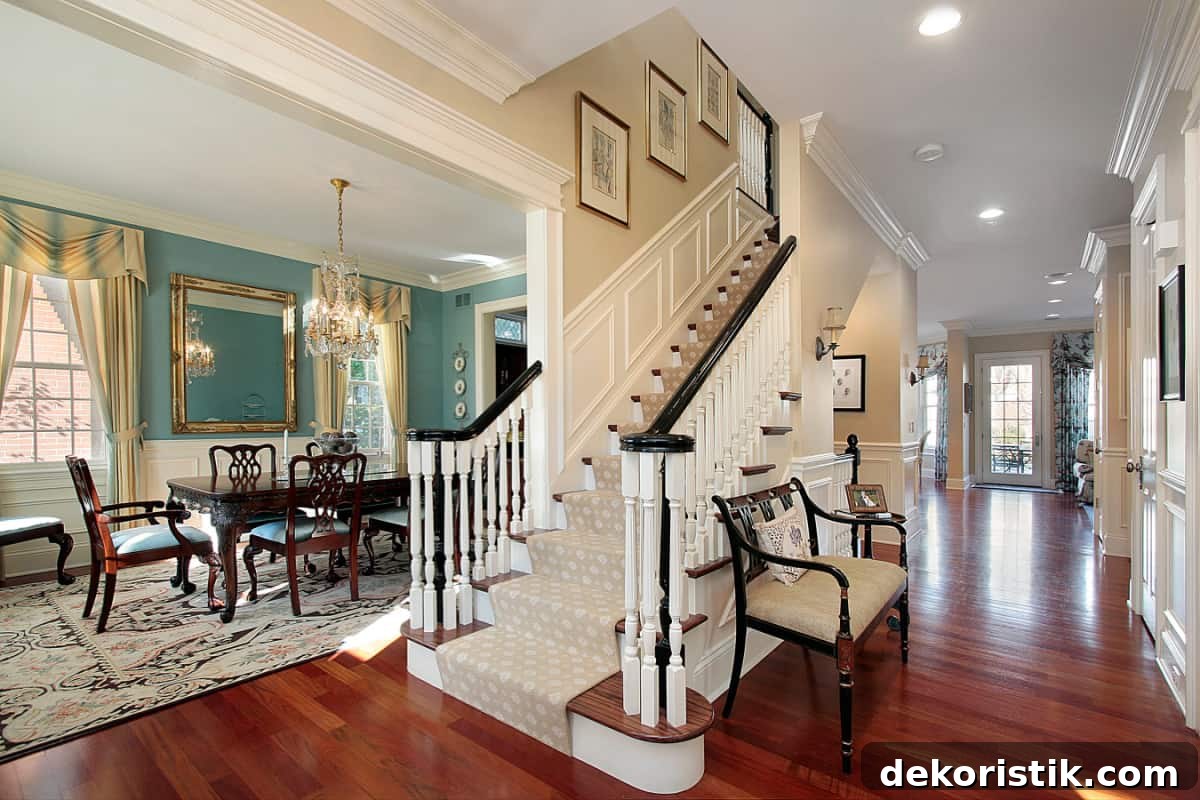
Begin by mapping the function of each zone and choosing rug shapes that suit the furniture and traffic flow. Round tables often look best on round rugs; sofas and seating groups usually suit rectangular or square rugs. Runners can echo larger rugs in hallways or in front of kitchen sinks for continuity.
TIP: In living areas, choose a rug large enough that at least the front two feet of the sofa and chairs rest on it. This anchors the furniture and visually unites the seating area.
Coordinating Rugs in Adjoining Rooms
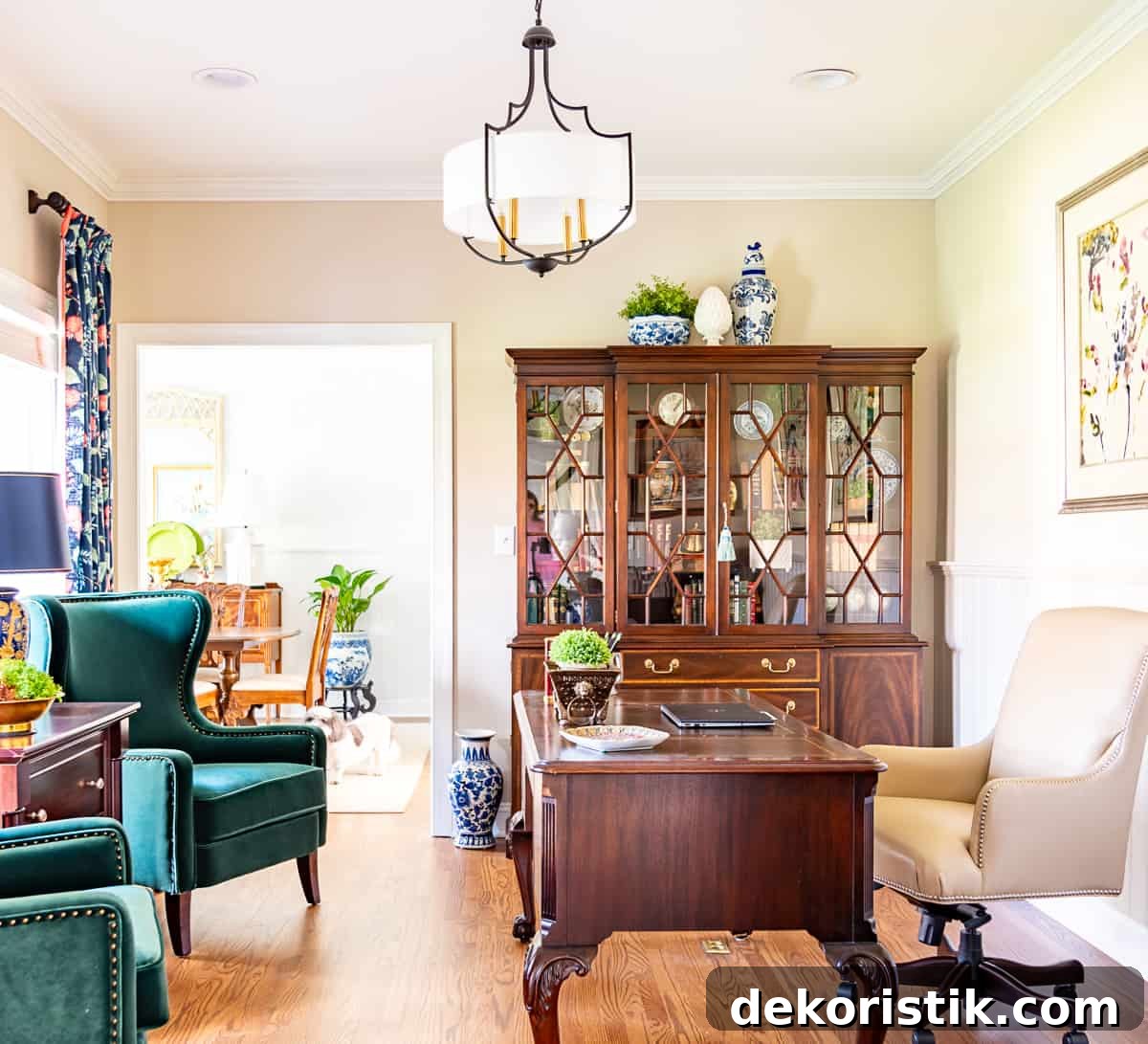
When rooms sit next to each other, two reliable strategies keep rugs harmonious: color relationships and pattern balance. Start by identifying the dominant color palette shared across the rooms, then select rugs that echo those tones without being identical.
For example, if the dining area has a geometric blue rug, choose a living-room rug that includes complementary blues in a different pattern or texture to connect the rooms while maintaining interest. Another approach is pairing a large-scale pattern in one room with a small-scale or solid rug in the adjacent space. Stripes and geometrics often play nicely together when scales differ.
TIP: You can use two patterned rugs together. Vary the pattern scale—one large and bold, the other small and subtle—and stick to the same or complementary color family.
Embrace Texture
Texture brings depth and warmth to a room and helps rugs coordinate even when their colors differ. Natural fibers like sisal and jute add an earthy, tactile layer that pairs well with both patterned and neutral rugs.
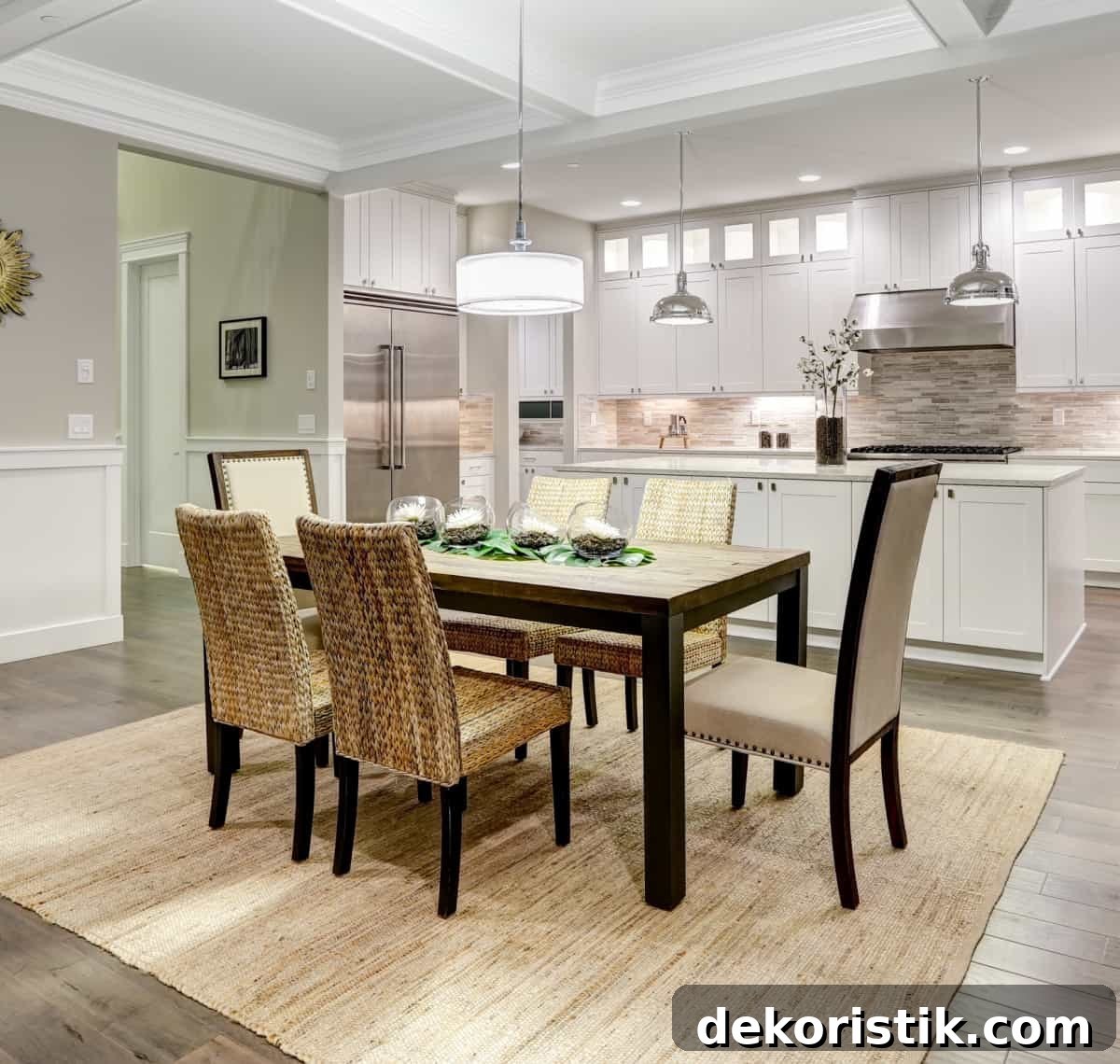
Layering a neutral jute base with a smaller, patterned rug on top creates immediate visual interest and a cozy, curated look. Wool rugs add plush texture and longevity if you prefer a softer underfoot feel; they wear well and maintain their appearance for years. Tone-on-tone rugs with subtle woven patterns or varied pile heights can also suggest texture without strong contrast.
Layer Rugs for Depth and Dimension
Layering rugs is a stylish way to combine several looks while defining a space. Start with a larger neutral or natural-fiber rug as the foundation, then place a smaller, more colorful or patterned rug on top.
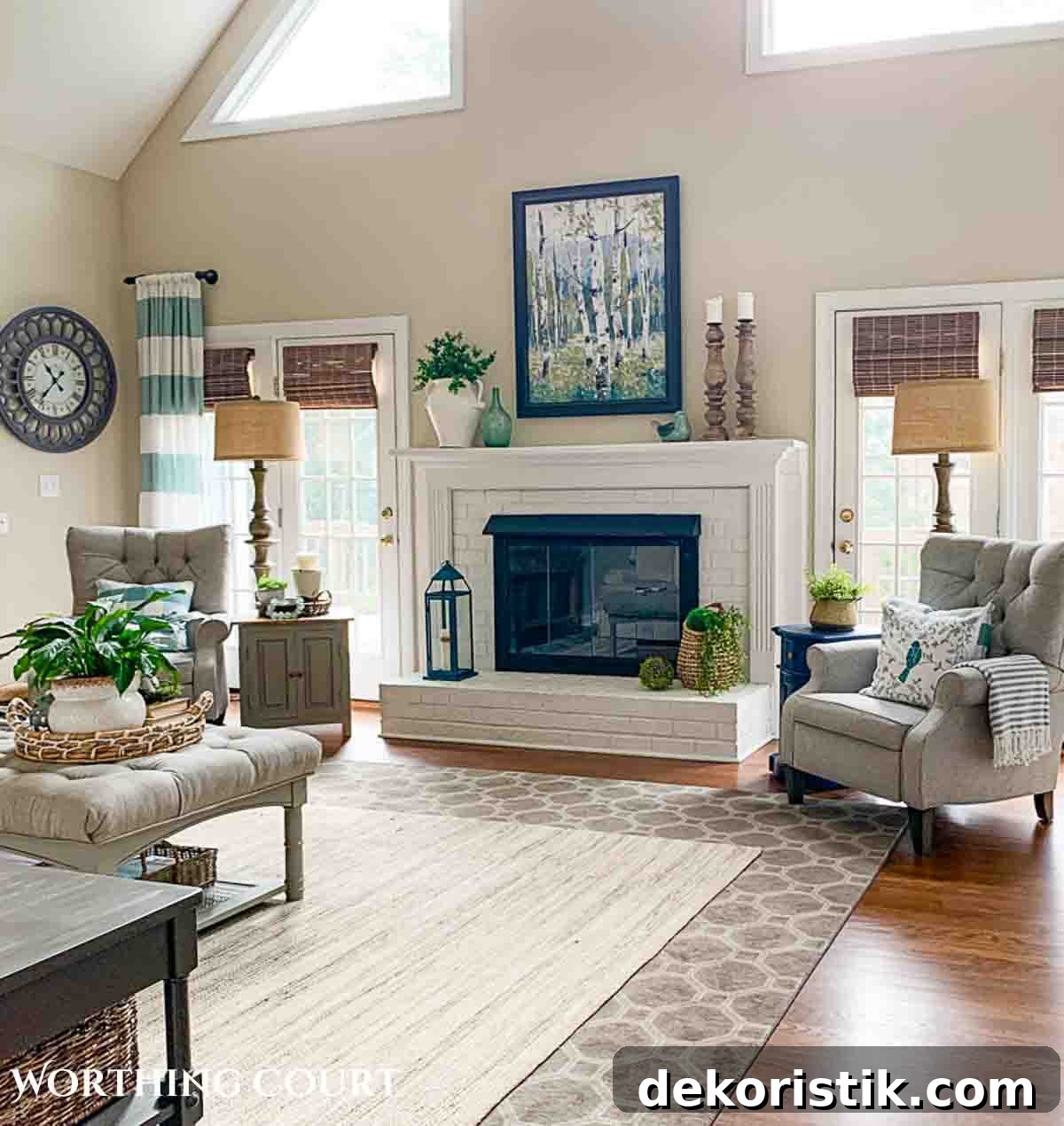
This technique works well in living rooms and bedrooms and instantly adds the feeling that a room has evolved over time. Use layers to combine textures, introduce accent colors, or balance scale between adjoining rooms.
TIP: Layering rugs adds coziness and personality—think of it as curating pieces rather than following strict rules.
Coordinating Neutrals for a Timeless Look
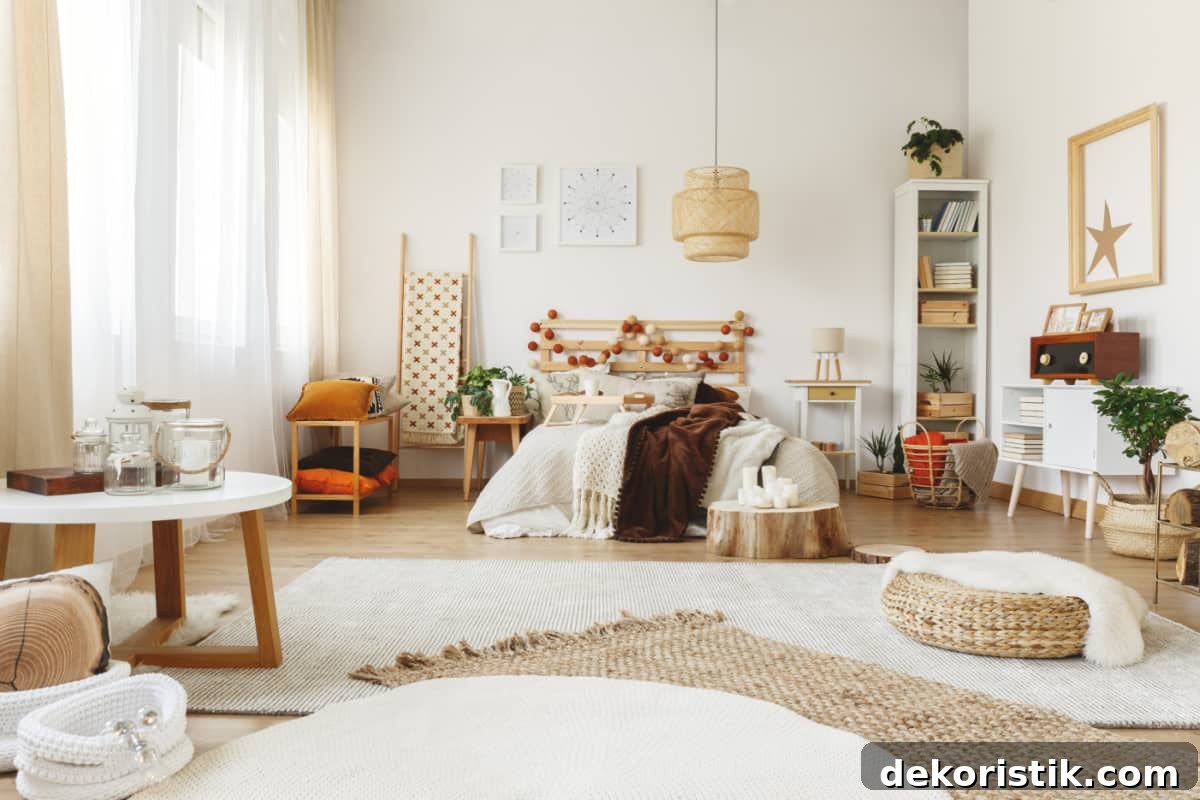
Neutral rugs—ivory, cream, beige, soft gray—offer a versatile foundation that ties different rooms together without competing with decor. Mix neutrals in varying tones, textures, and subtle patterns to maintain visual interest while preserving an overall calm, cohesive atmosphere.
TIP: Choosing neutral colors for large elements (rugs, sofas, walls) creates a timeless backdrop that adapts as your style evolves.
Harmonizing Colors and Patterns
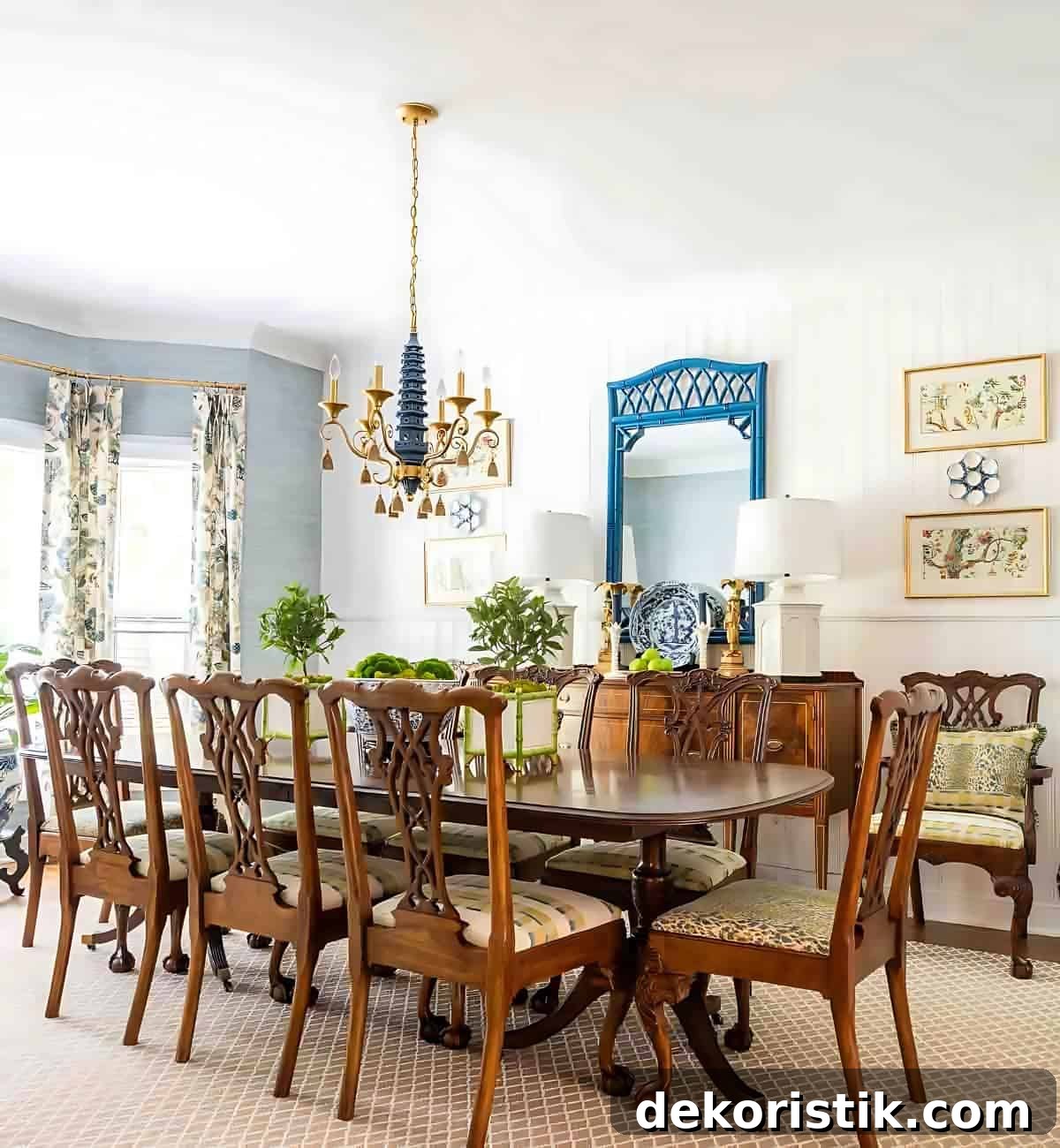
Rugs don’t need to match exactly to feel coordinated. Use rugs in complementary shades or repeat a key color across multiple rugs to create flow. Mix different pattern scales—large on one rug, smaller on another—or keep the same pattern in different sizes to unify spaces without monotony.
Warm earth tones can coexist with cool grays and vibrant accents if you repeat at least one shared hue across rugs. The shared color becomes the subtle thread that ties the rooms together.
Matching Rugs for a Unified Look
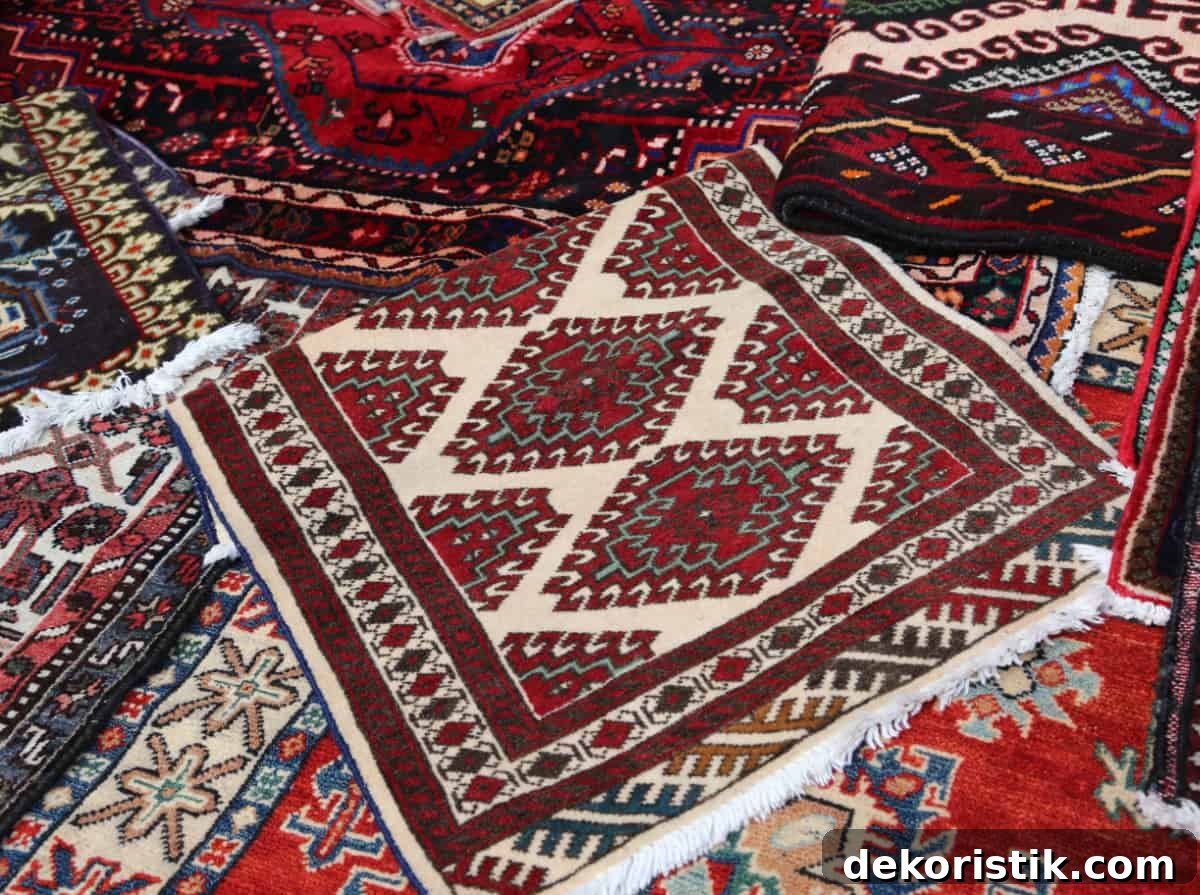
For absolute continuity, use rugs in matching colors or even identical patterns repeated in different sizes. This is a simple, no-fail way to maintain visual continuity across an open plan. To avoid monotony, vary shapes and scale while keeping the same palette.
In Summary
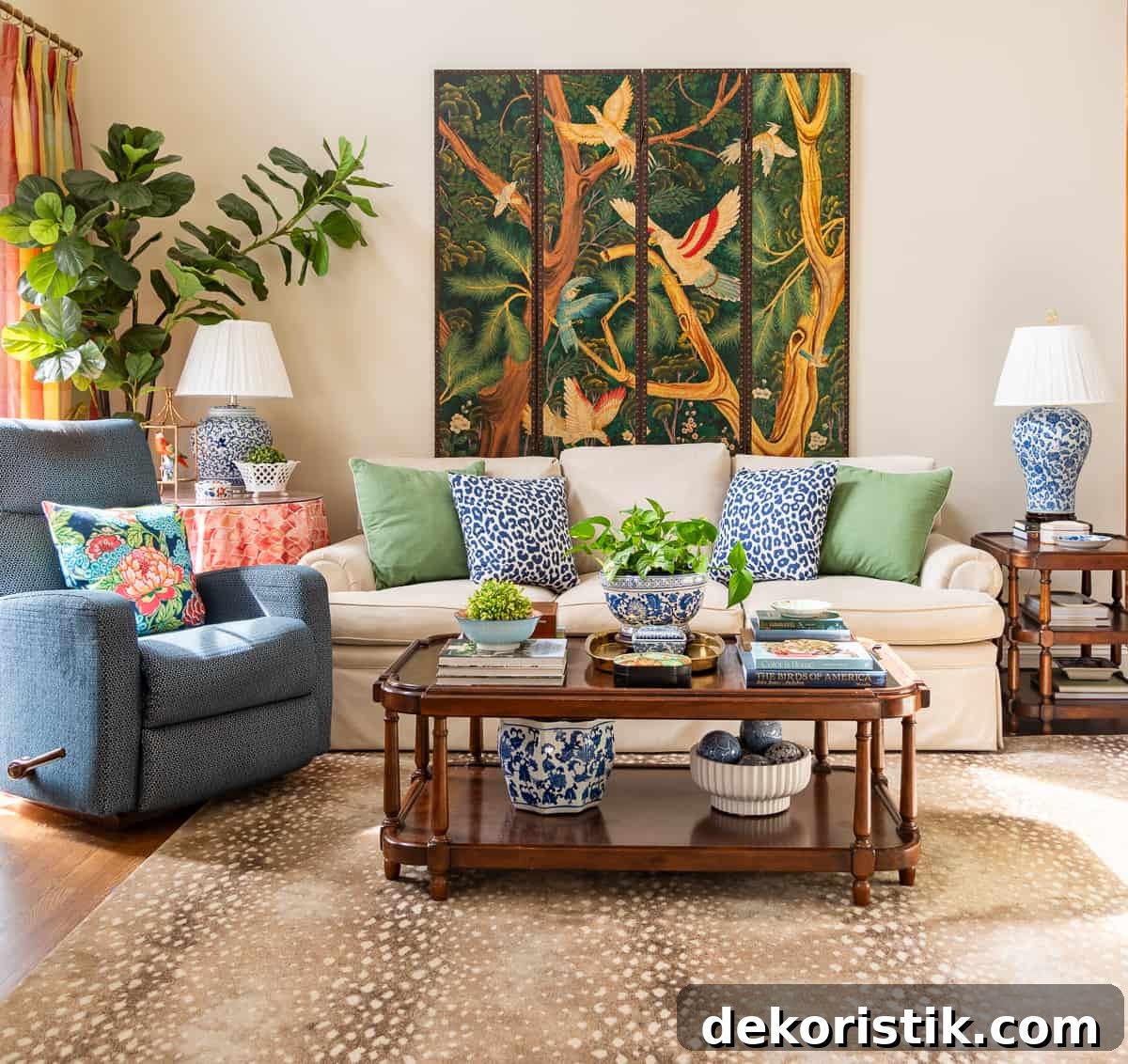
Creating harmony with multiple rugs comes down to three main choices: color relationships, pattern scale, and texture. Identify the overall style of your home—modern, traditional, bohemian—and select rugs that support that look. Repeat key colors across rooms, use pattern scale to balance visual weight, and add texture through natural fibers or layered piles for depth.
Whether you’re defining zones in an open floor plan, coordinating rugs between connected rooms, or layering pieces for dimension, these strategies will help you craft a comfortable, cohesive home that reflects your personal style.
Check Out These Rug Combo Ideas
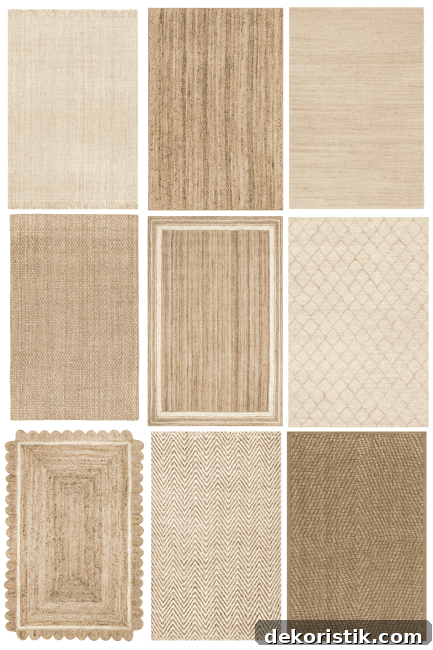
Natural Fiber Rugs
Chunky jute with tassels, braided jute, hand-woven jute blends, checker-weave seagrass, braided jute with a border, and tile-woven jute are excellent neutral foundations that layer beautifully with patterned accent rugs.
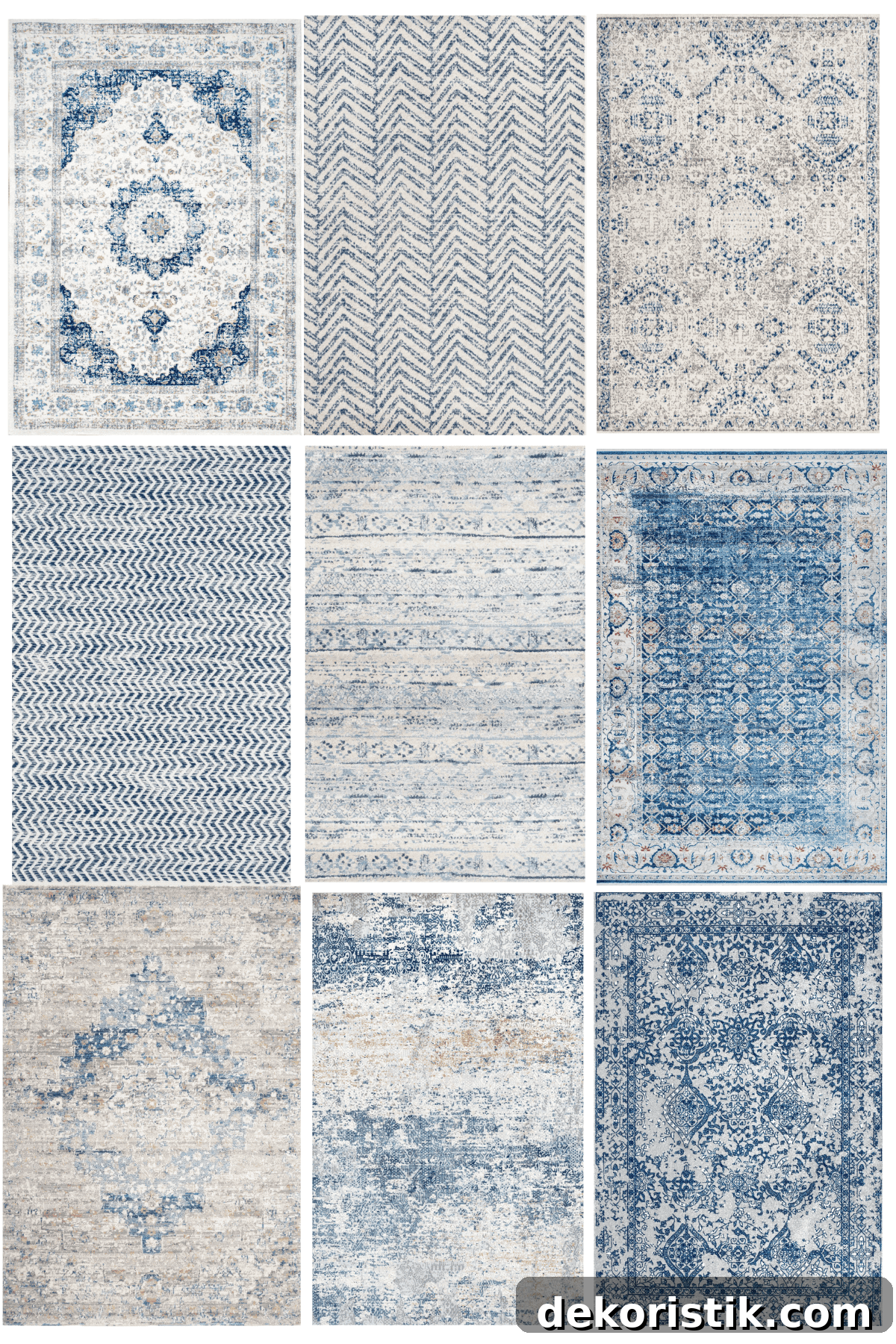
Blue and White with Cream
Distressed Persian styles, antique chevrons, honeycomb or geometric motifs, coastal handwoven looks, vintage Moroccan fades, and floral ornament rugs all pair well when anchored by cream or pale blue accents.
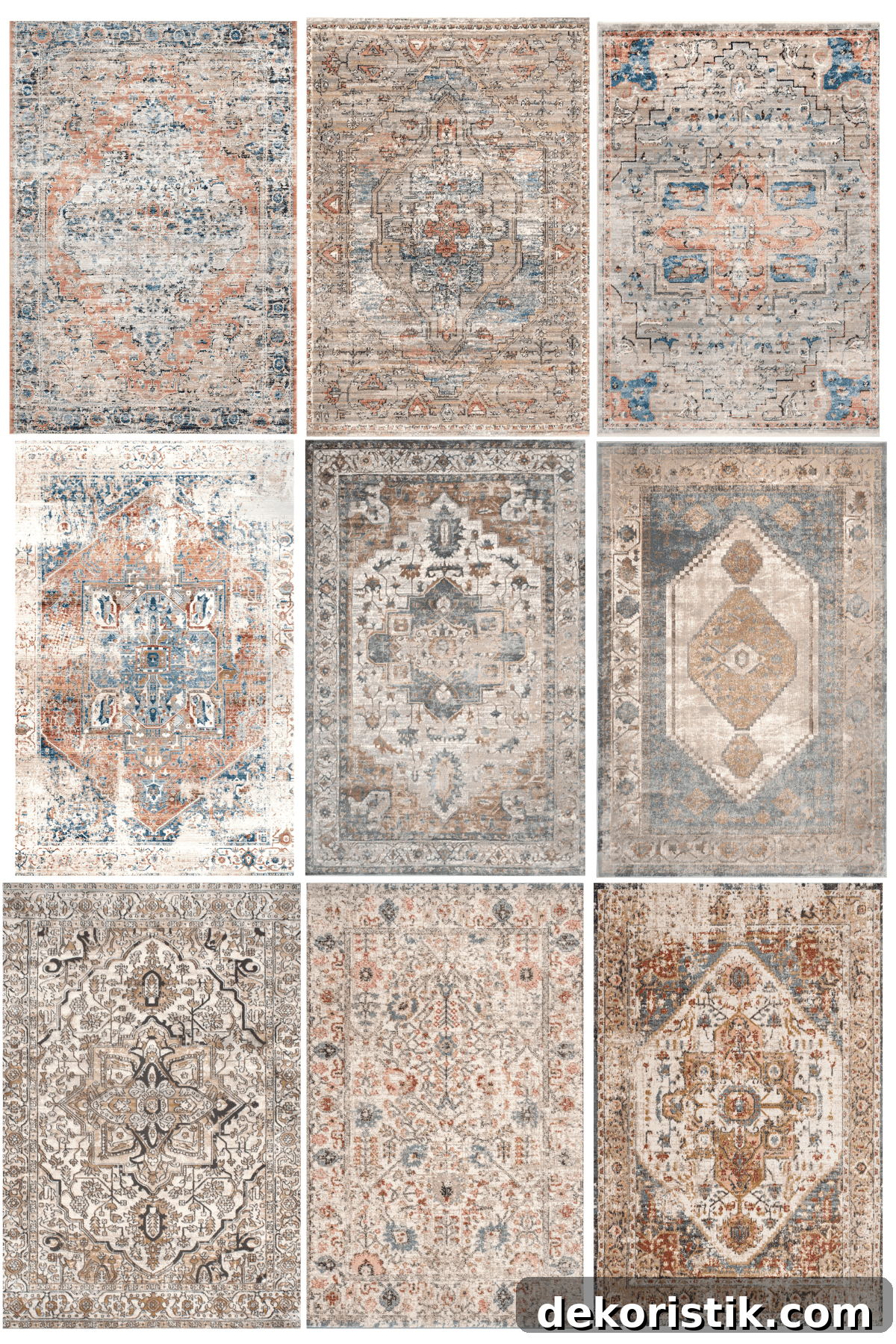
Ivory and Gray with Tan
Soft medallions, shaded motifs, faded vintage looks, and bordered or collage-style rugs in ivory, gray, and tan create a refined neutral palette that reads cohesive across rooms.
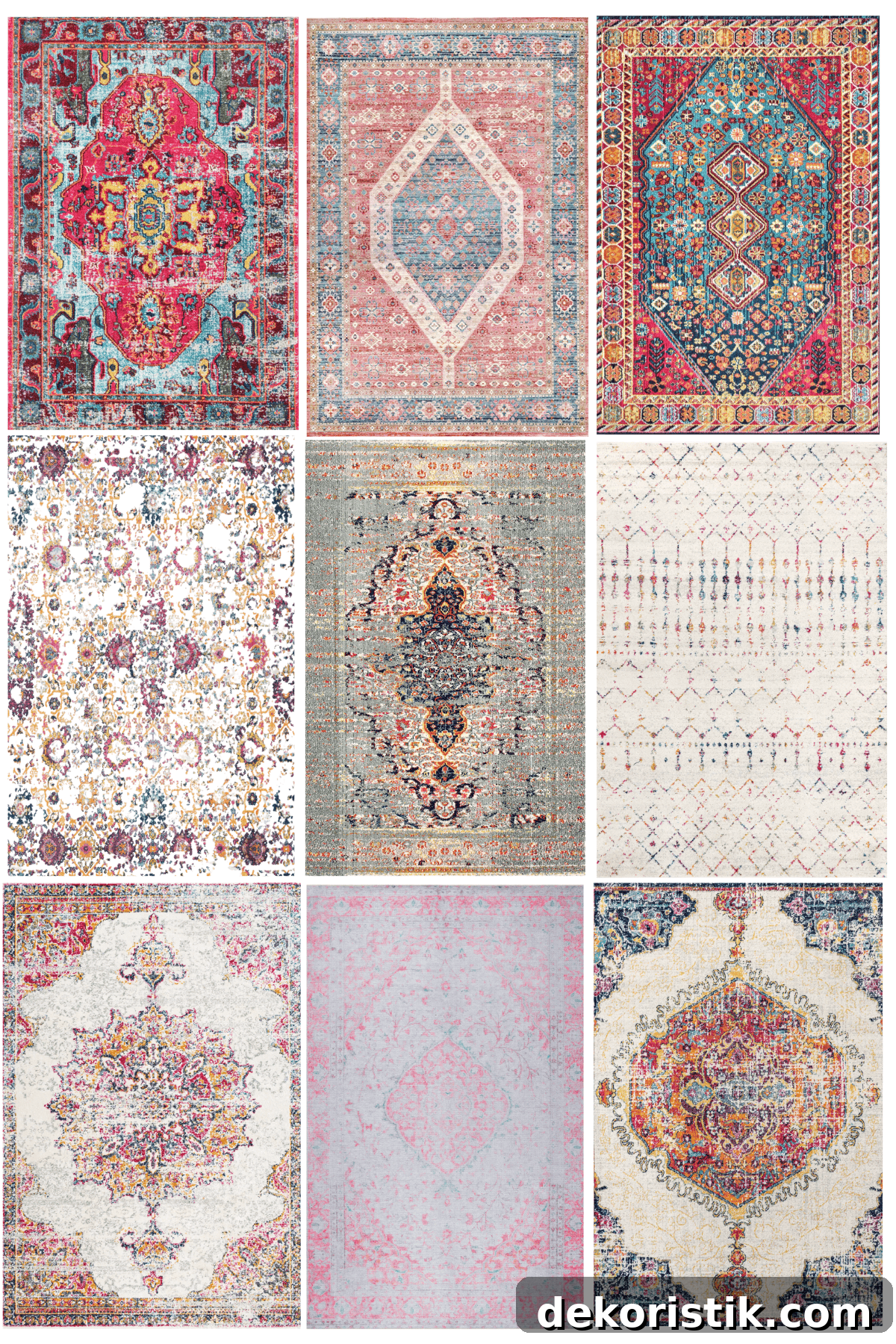
Multi-Colored and Vibrant
If you prefer energetic spaces, combine multi-mosaic rugs, vibrant medallions, floral or peony motifs, and Moroccan trellis patterns. Repeat one or two colors across adjoining rugs to keep the look intentional.
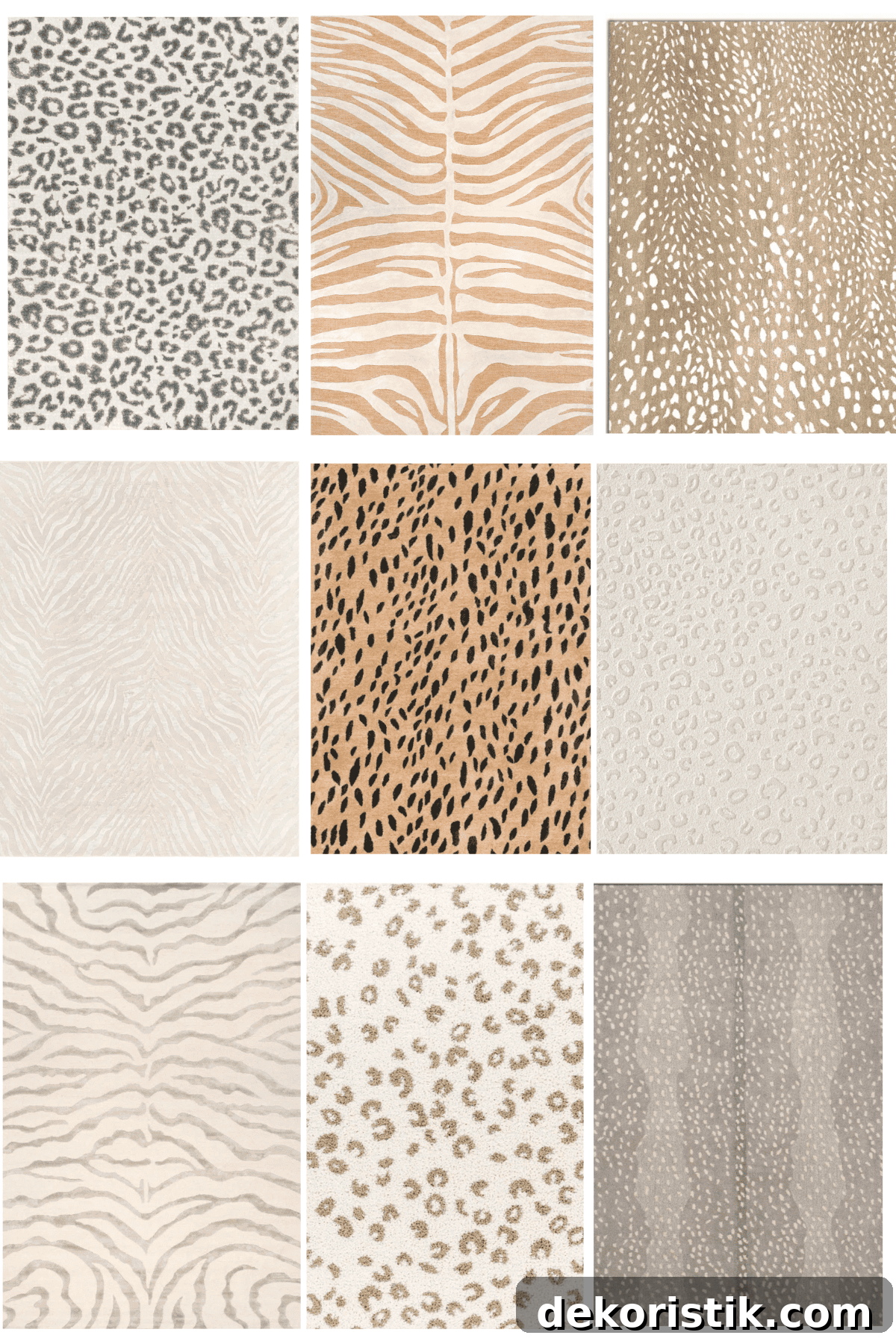
Animal Print
Leopard, zebra, and other animal-print rugs can be used as bold accents. Pair them with neutral foundations or repeat complementary colors in nearby rugs so the prints feel curated rather than chaotic.
The possibilities are wide-ranging. Each rug reflects your personality and style—don’t be afraid to break so-called rules. Use color repetition, pattern scale, and texture to create a coordinated, inviting home you love.