
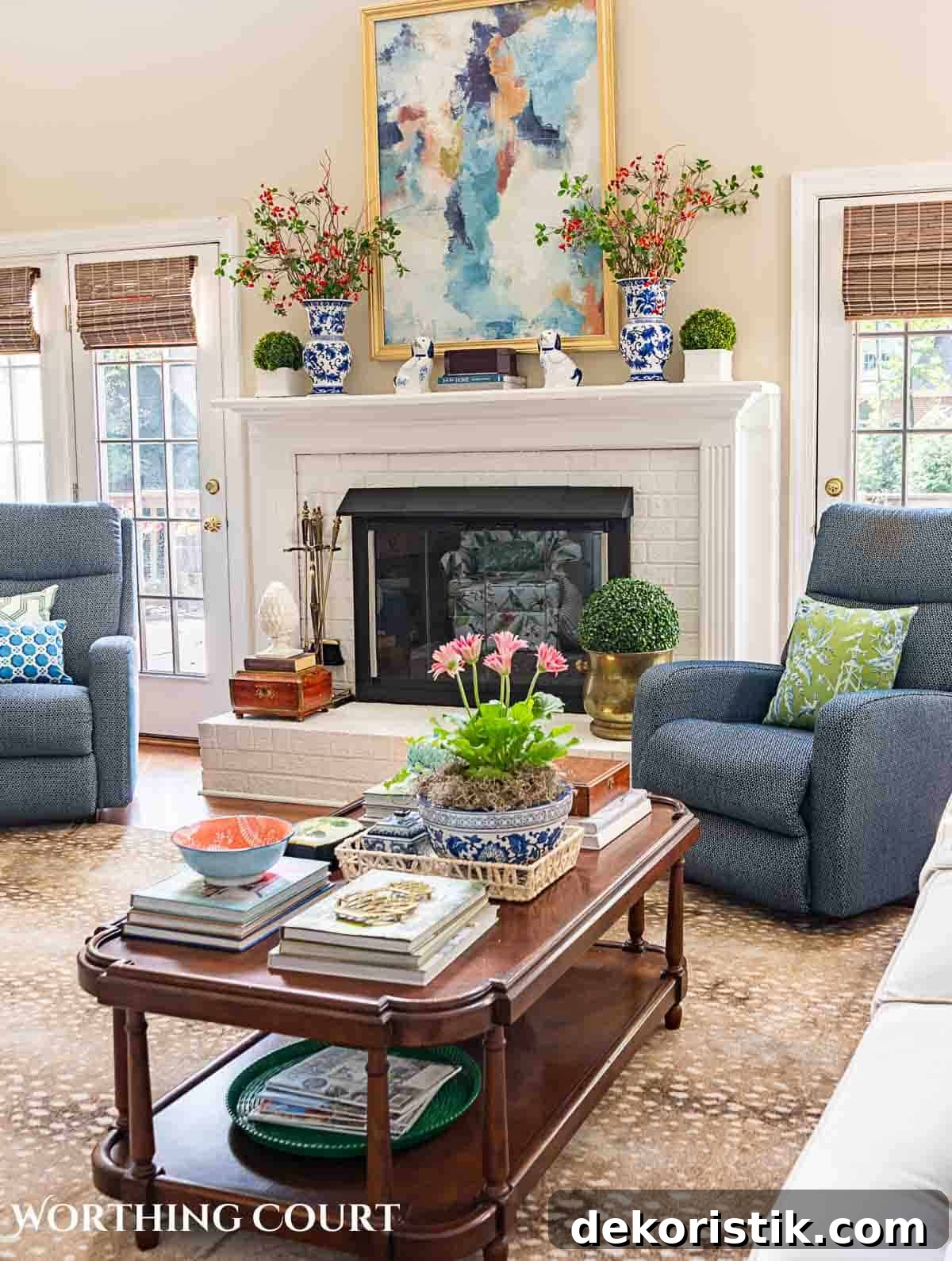
Beige walls work with virtually any decor and create a warm, inviting atmosphere. Because of its adaptability, beige is a popular and reliable choice for home interiors.
If you’re debating between beige and white—or trying to find the ideal beige shade for your rooms—understanding how beige behaves in different lights and with different furnishings will help you choose confidently.
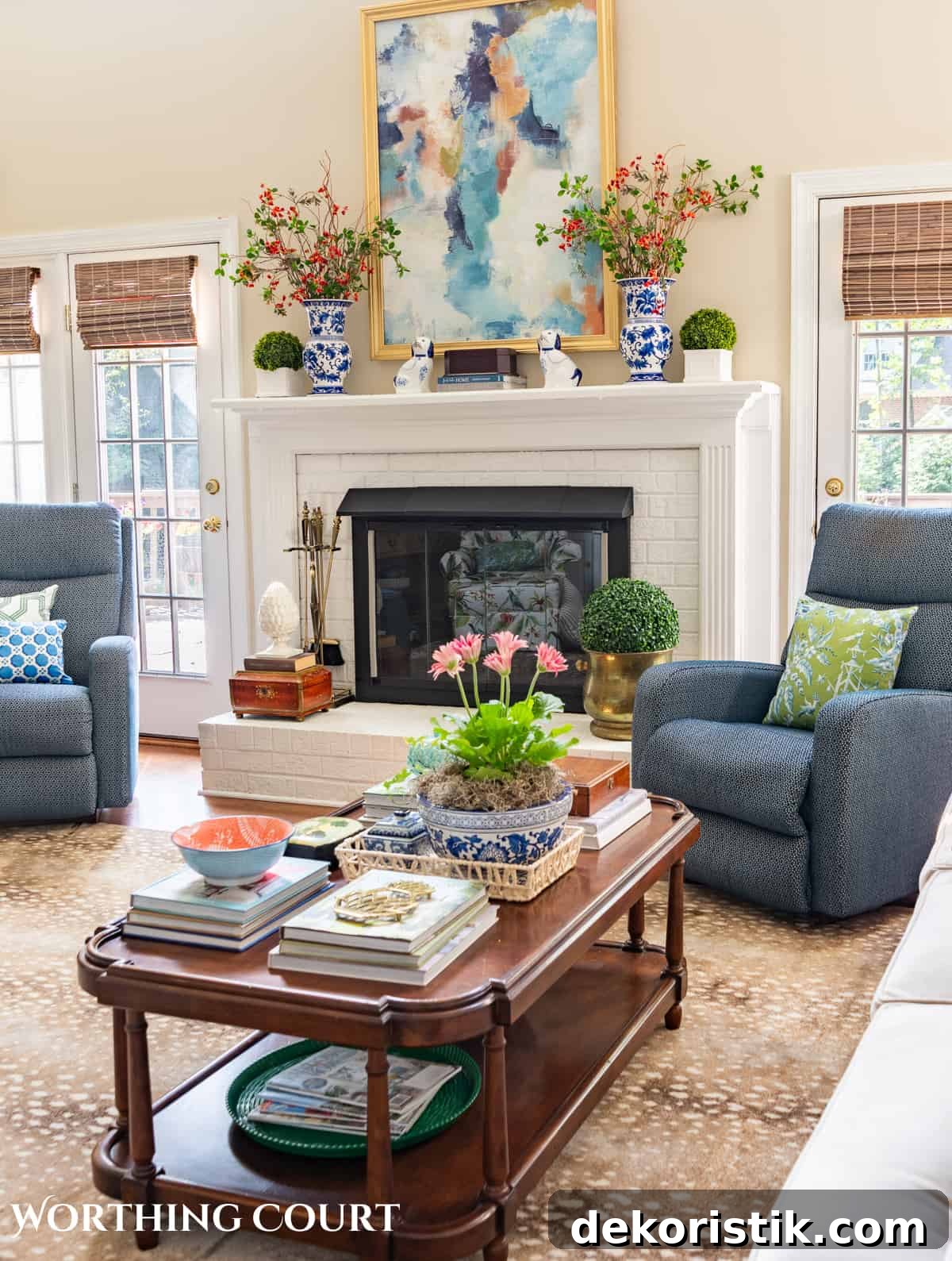
When selecting paint, people often default to white, beige, or a bolder color. Over the years I’ve tried many options, and I repeatedly return to beige. It’s easily the most versatile wall color I’ve used: warm without being dull, neutral without feeling cold.
If you’re planning a repaint, consider beige for its timeless appeal and practical benefits. Before dismissing it as boring, read on to see why beige is often the best choice—especially if you’re searching for the best color for living room walls.
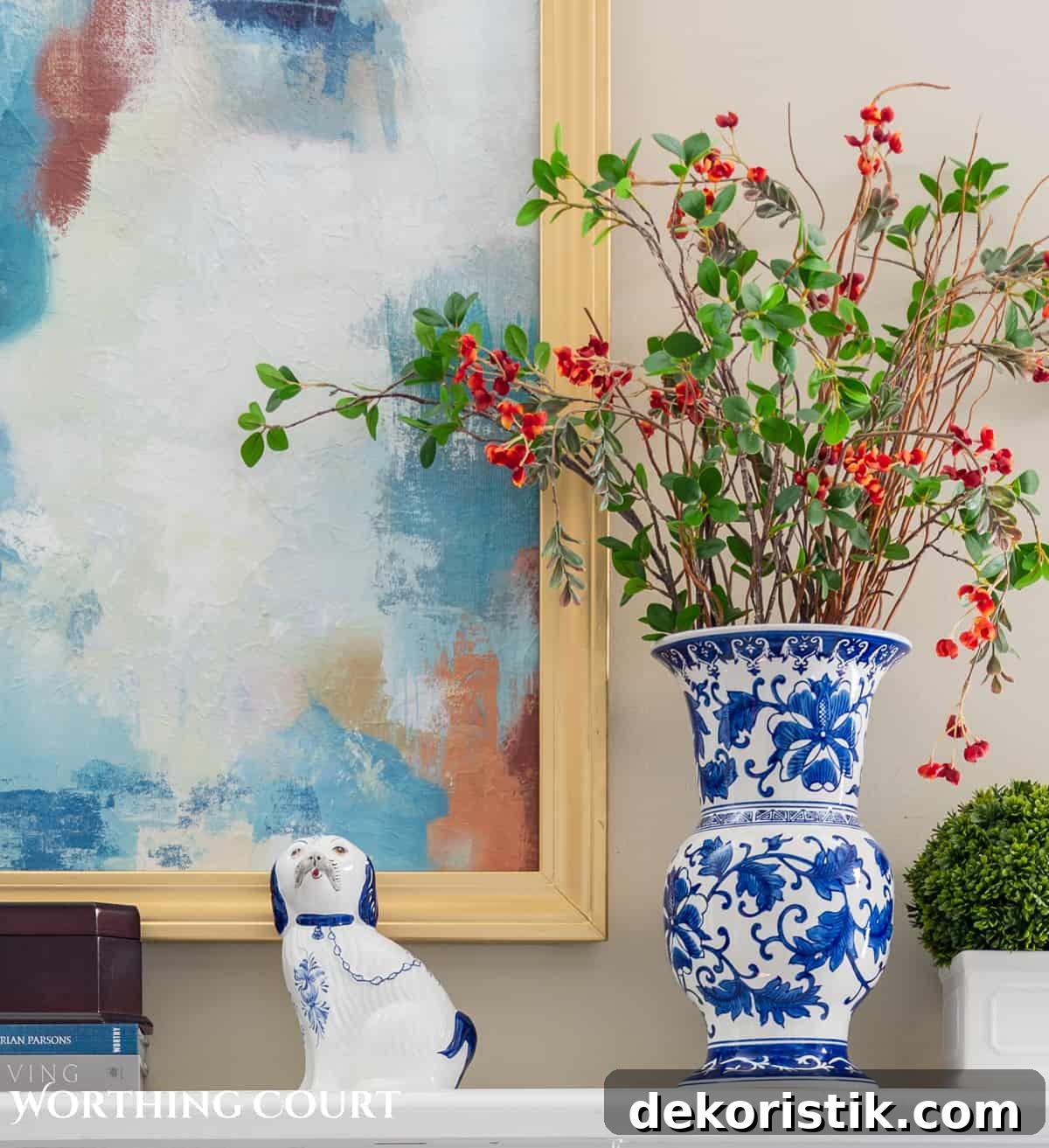
Why Beige Walls Work In Any Room
Beige introduces warmth and balance. Stark white can feel too clinical, while intense colors can dominate a space. Beige provides a soft, comforting backdrop that supports furnishings and accents without competing with them.
Beige Adds Warmth Without Overpowering
Beige creates a cozy, welcoming atmosphere in ways white sometimes cannot. It keeps rooms feeling light and open while adding a subtle layer of warmth—ideal for bedrooms, dining rooms, living rooms, or any space where a neutral base is desired.
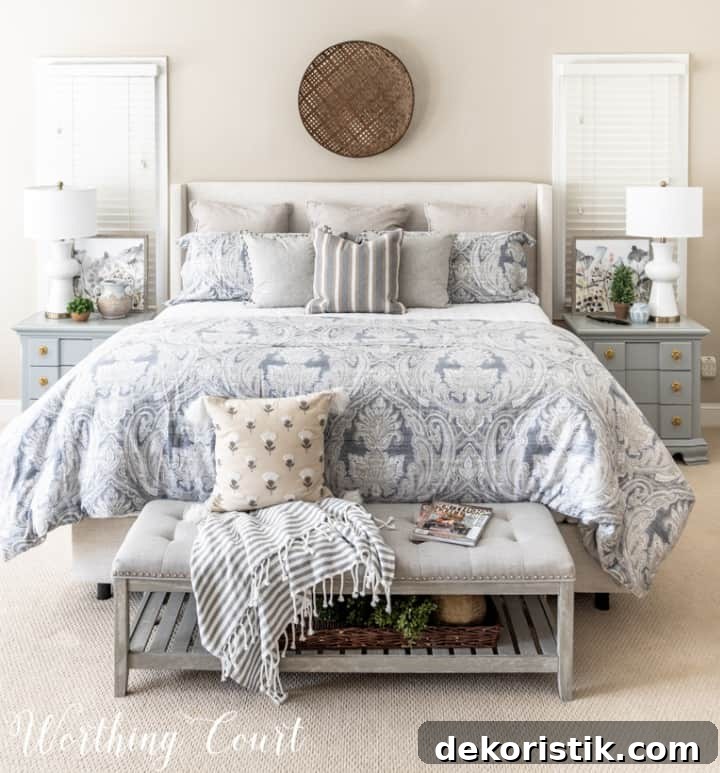
It’s Versatile For Every Decor Style
Whether your style leans modern, farmhouse, traditional, or eclectic, beige paint adapts. It pairs naturally with wood, metal finishes, and almost any accent color, so you can refresh accessories and furnishings without repainting.
It Reflects Light Without Feeling Harsh
One of beige’s strengths is its ability to reflect both natural and artificial light while maintaining a soft, breathable feel. In rooms with limited natural light, a warm beige can make the space feel brighter and more inviting compared with stark white.
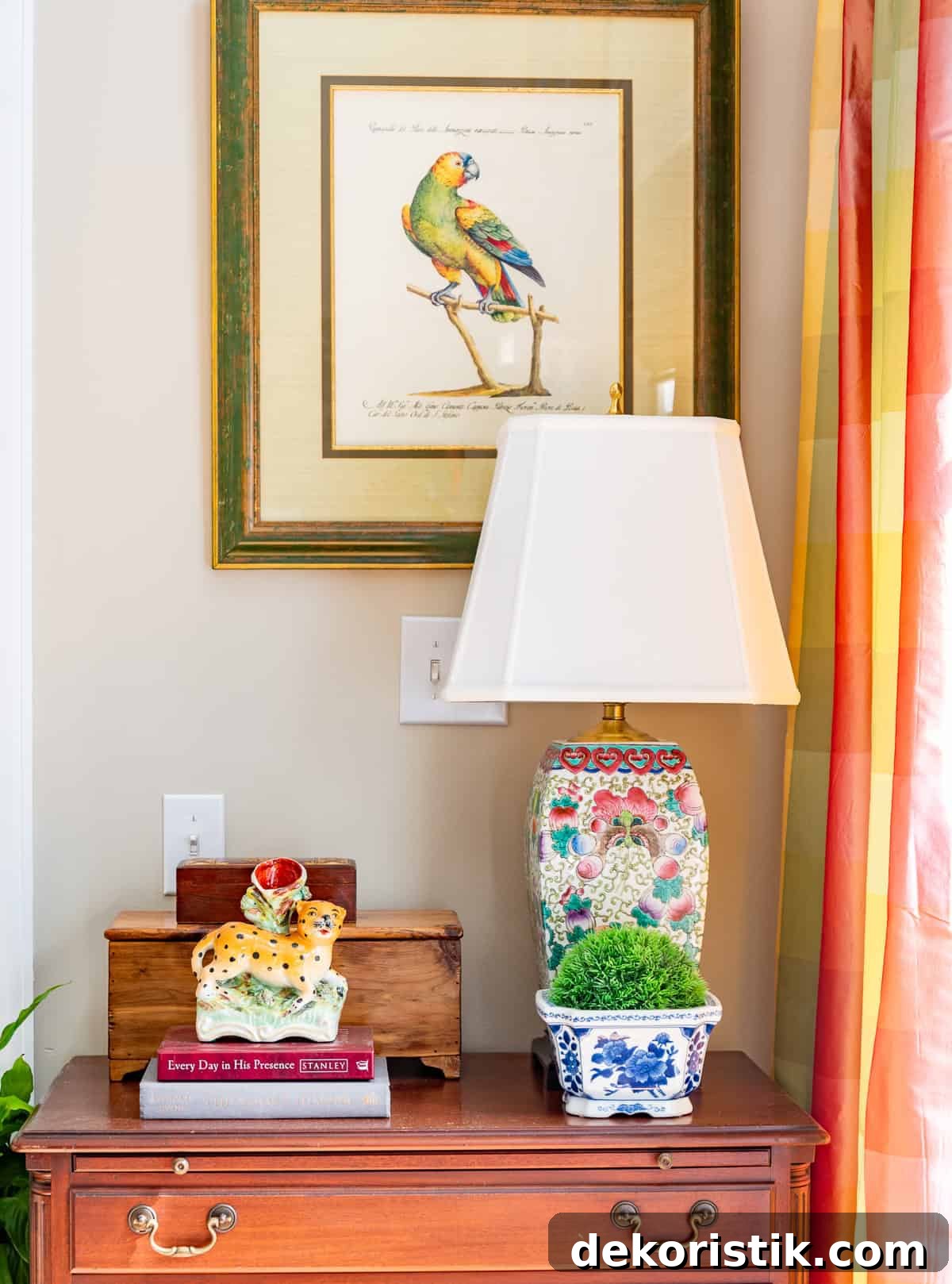
Beige vs White Walls: Which One Is Better For Your Home?
Both beige and white are neutral, but they create distinct moods. Beige leans toward warmth and coziness; white emphasizes brightness and contrast. Consider how you use the room and the feeling you want to achieve.
| Feature | Beige Walls | White Walls |
| Warmth | Soft, cozy, inviting | Can feel stark or clinical |
| Versatility | Pairs with warm and cool tones | Ideal for minimalist or modern schemes |
| Lighting | Reflects light gently, avoids harsh glare | Brightens strongly—can be intense in direct sun |
| Best For | Traditional, transitional, cozy interiors | Bright, airy, high-contrast modern interiors |
In short, choose beige for warmth and adaptability; choose white for a crisp, high-contrast look.
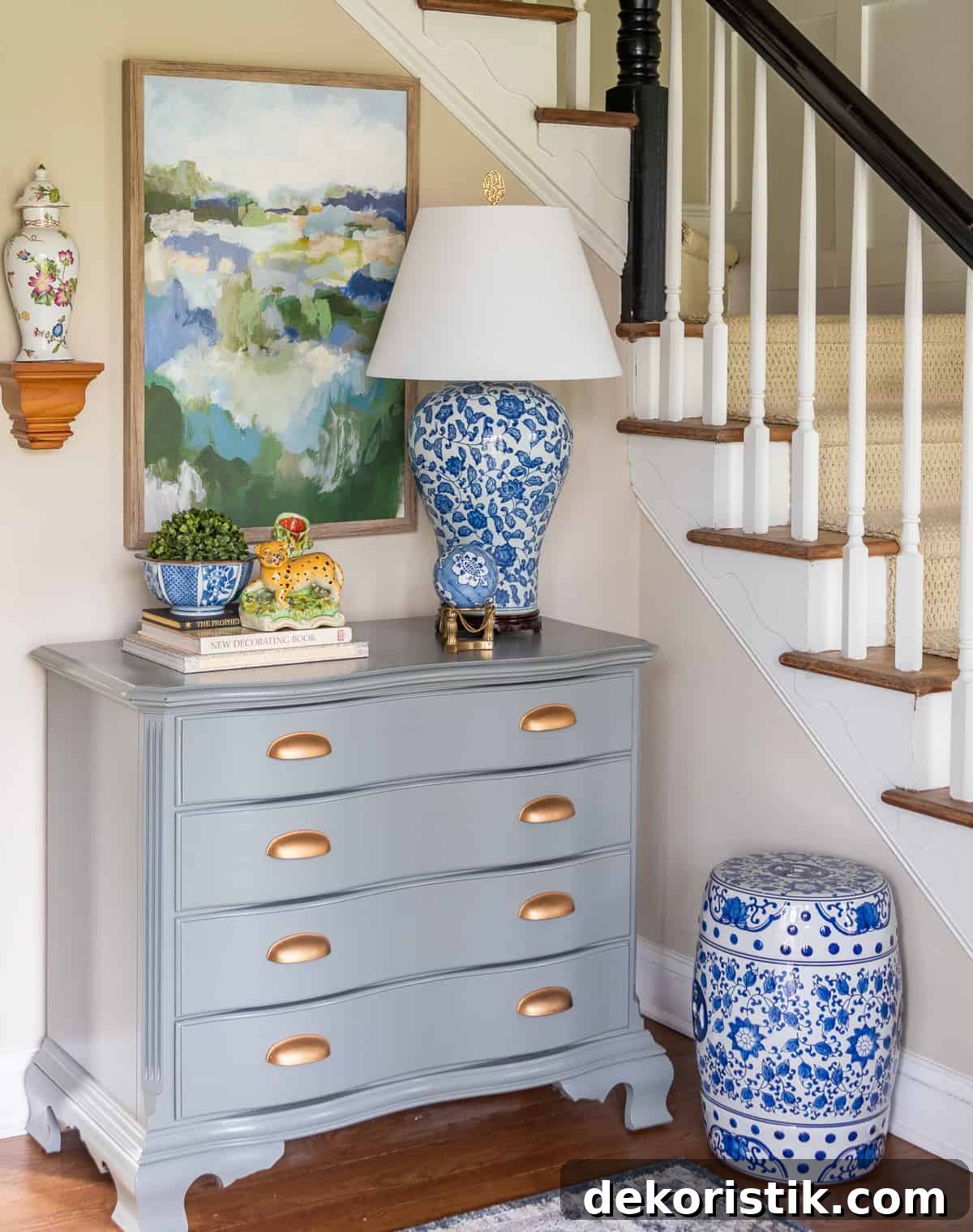
How To Choose The Best Beige Wall Color For Your Home
Not all beige paints are the same. Some have warm undertones, others read cool, and some are neutral enough to work well in many settings. The right choice depends on lighting and existing decor.
Identify the Undertones
Beige can carry yellow, pink, gray, or green undertones. Identifying these subtle hues is essential:
- Compare samples against pure white to spot undertones.
- Test swatches on different walls and observe them at various times of day.
- Match undertones to your furnishings—warm beige complements wood tones; cooler beige works well with gray and black pieces.
Test Paint Swatches On Your Walls Before Committing
Always test large swatches in the room where you’ll use the paint. Check how the color shifts in morning, afternoon, and evening light, and view it under the artificial lighting you plan to use. Also compare swatches next to floors, trim, and furniture to confirm harmony.
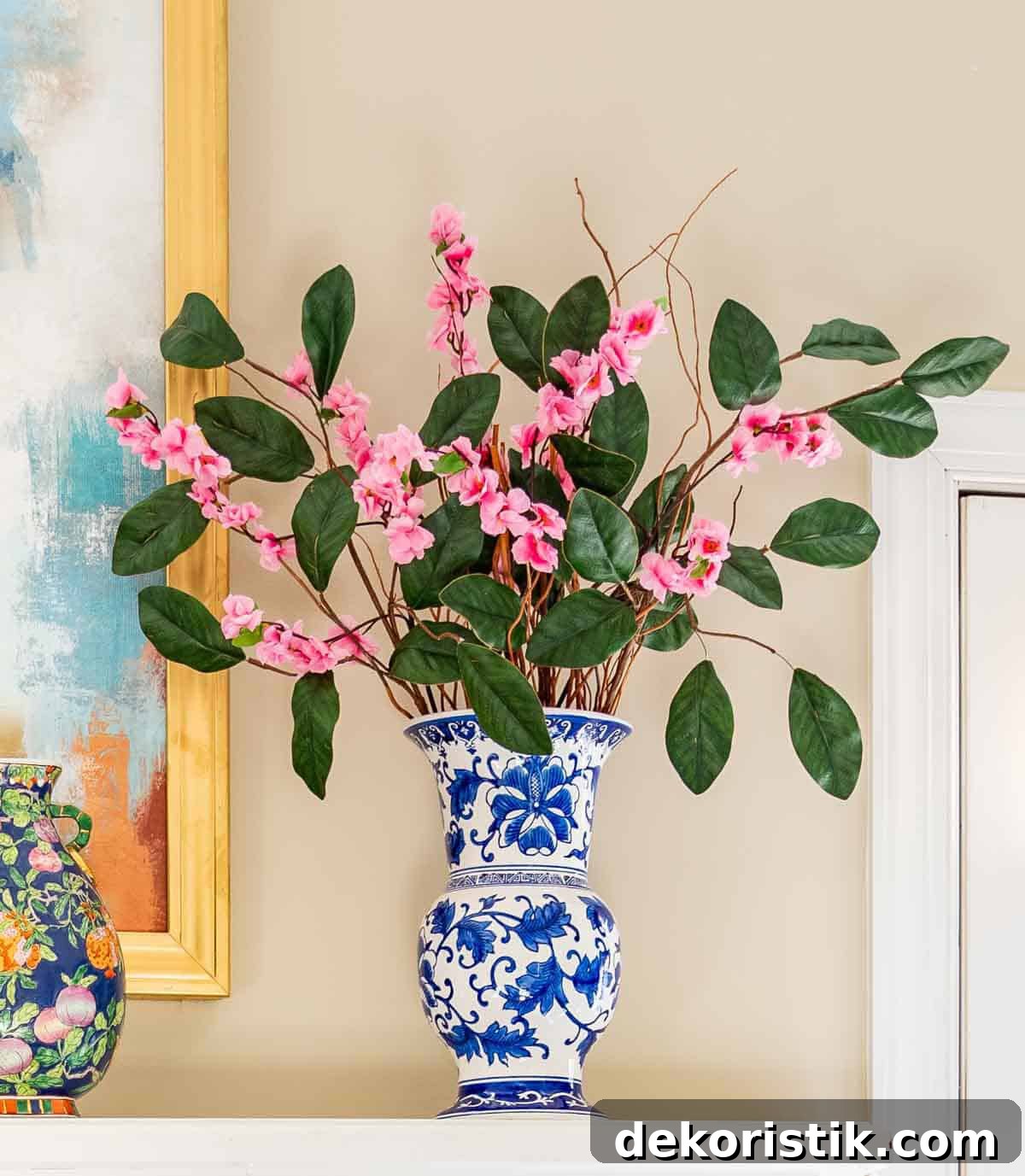
A Note About Gray
If you already own gray furniture, consider greige—beige with gray undertones. Greige creates a seamless transition between warm and cool elements and keeps gray furnishings feeling intentional rather than mismatched. In my own home, a greige-like beige tied together gray sofas and chairs and has remained a versatile backdrop through many decor updates.
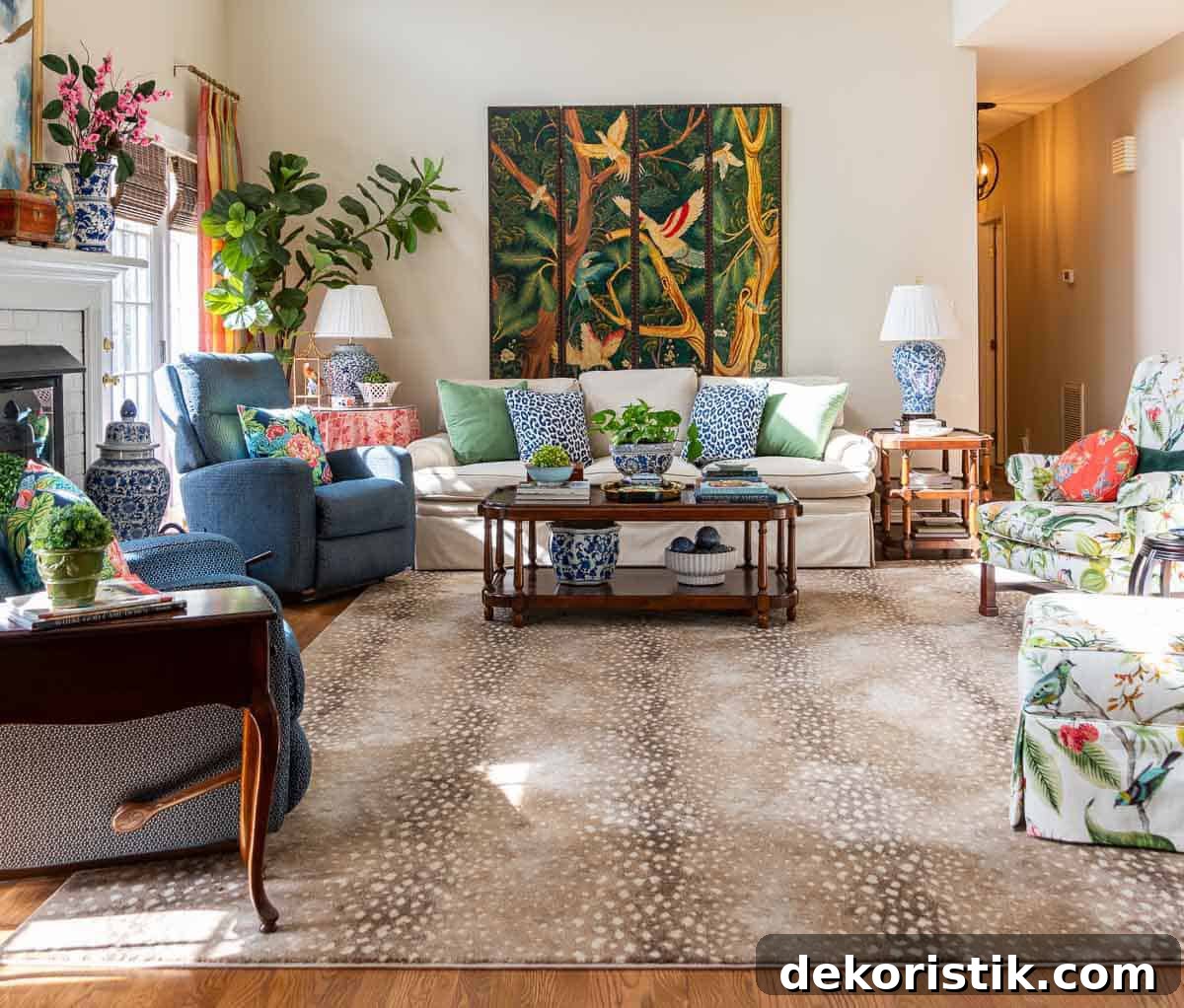
Best Beige Paint Colors
If you want a reliable, everyday beige, many designers and homeowners recommend certain tried-and-true shades. My personal favorite is a neutral warm beige that reads consistently across different rooms and lighting conditions.
If you prefer a subtler effect, ask the paint store to mix your chosen shade at reduced intensity (for example, 50%) to achieve a softer, near-white look that still retains beige’s warmth.
Popular beige and greige options to consider include:
- Sherwin Williams: Accessible Beige, Natural Linen
- Benjamin Moore: Shaker Beige, Tapestry Beige
- Behr: Blank Canvas, Swiss Coffee
- Farrow & Ball: Ammonite, Skimming Stone
This is a selection of commonly recommended shades rather than a comprehensive list. The best way to find your perfect beige is to test swatches in your home.
Beige is not merely background color—it’s the understated foundation that brings warmth, cohesion, and timeless style to your rooms. If you’ve been undecided, give beige a try: it’s a simple change that can make your home feel instantly more welcoming and polished.