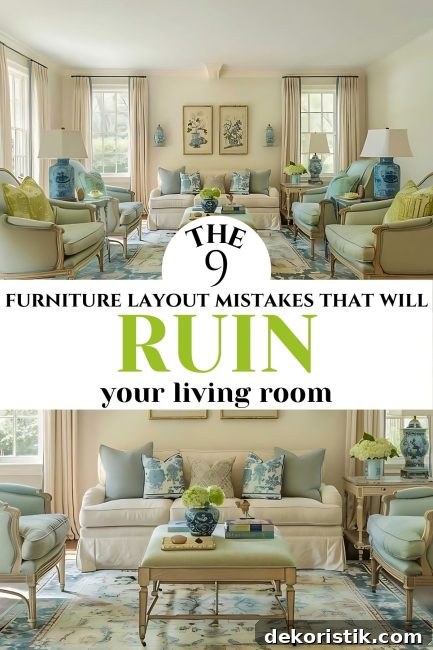
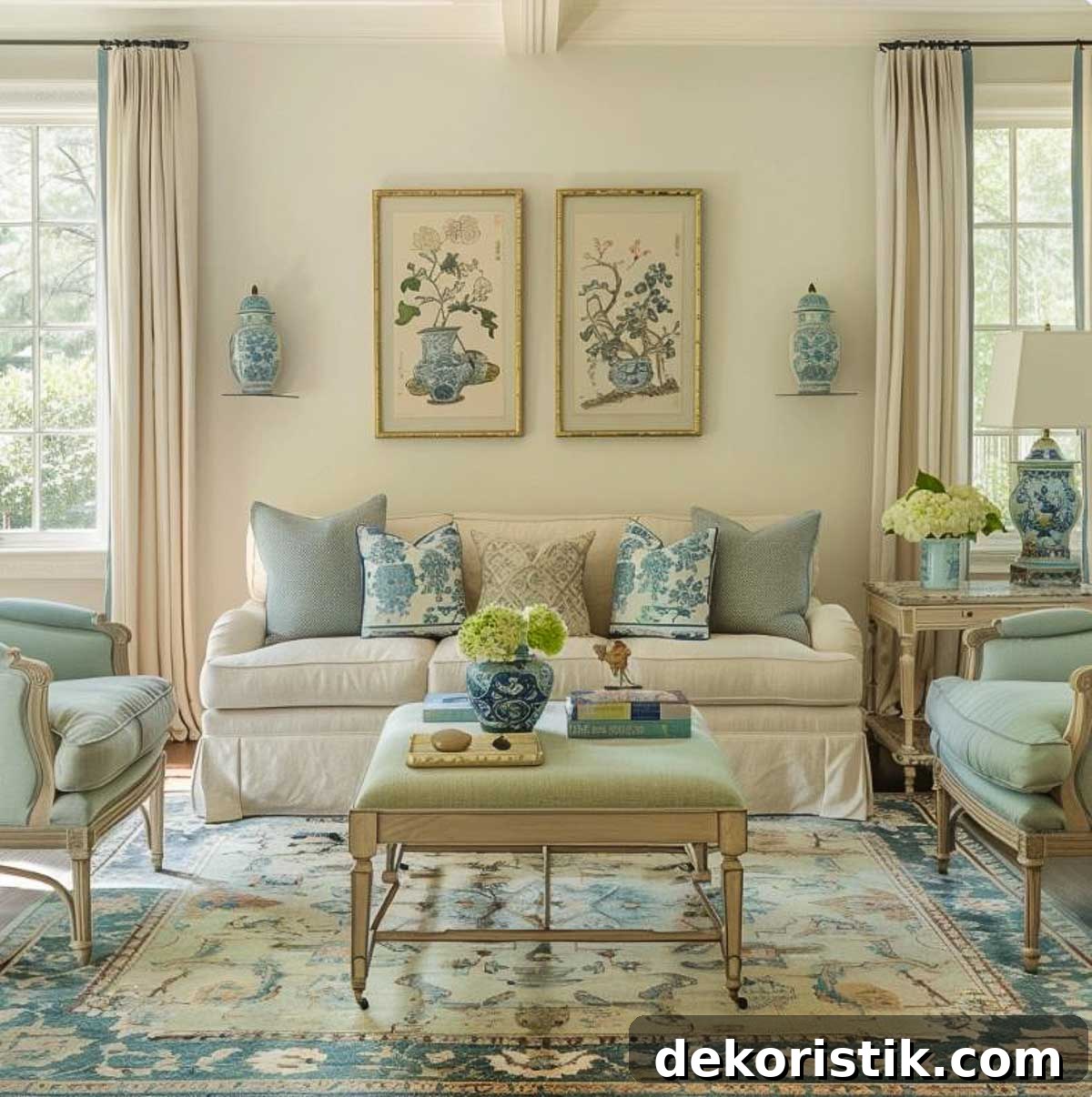
Avoid these nine common living room layout mistakes to make sure your space feels welcoming, looks polished, and works well for daily life and entertaining.
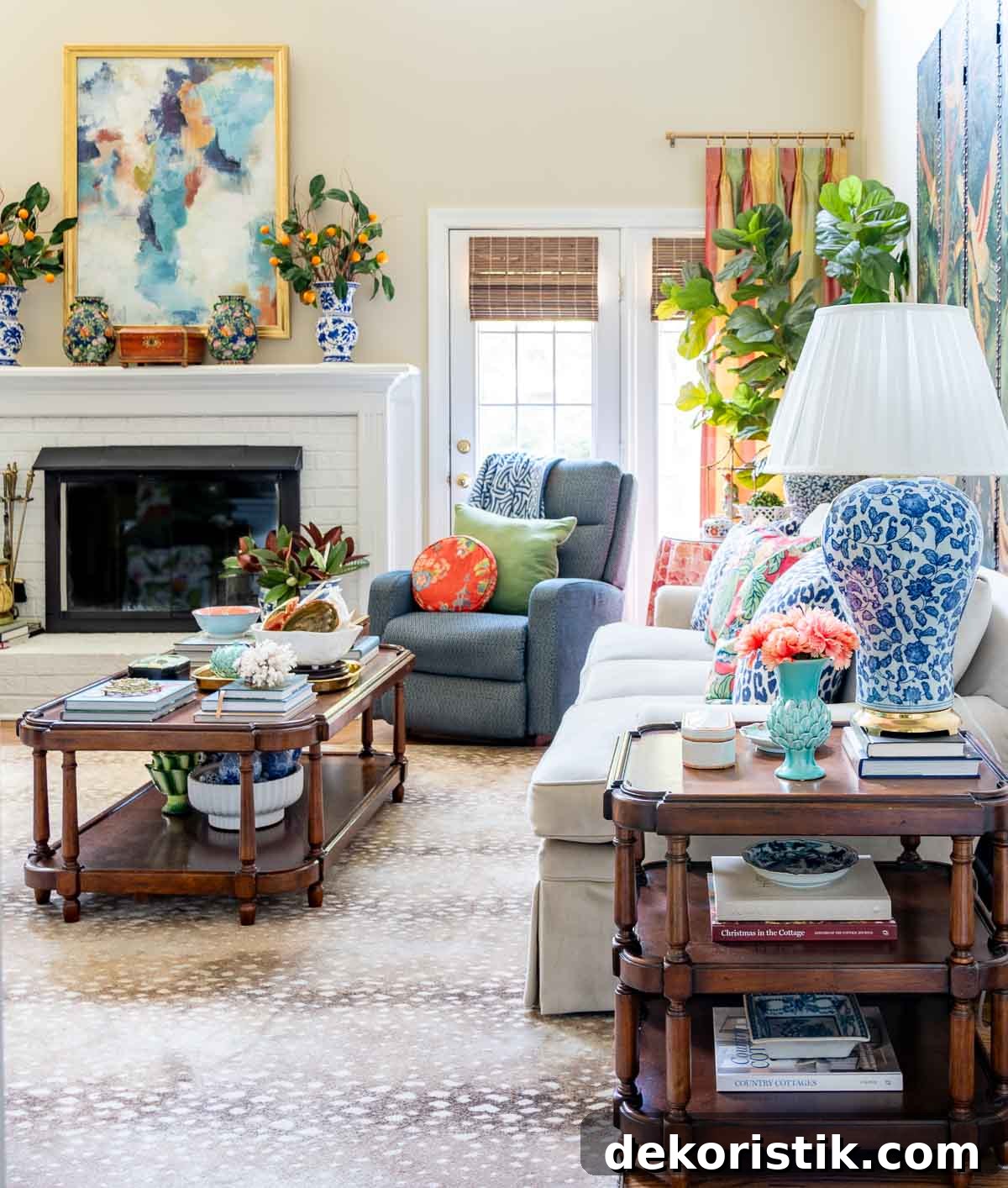
Designing a living room often feels like solving a puzzle. The right layout creates comfort and flow, while common missteps can make even a beautiful room awkward to use. Below are nine pitfalls to avoid, with practical alternatives to help you get the best living room layout for your home.
Pushing All Furniture Against the Walls
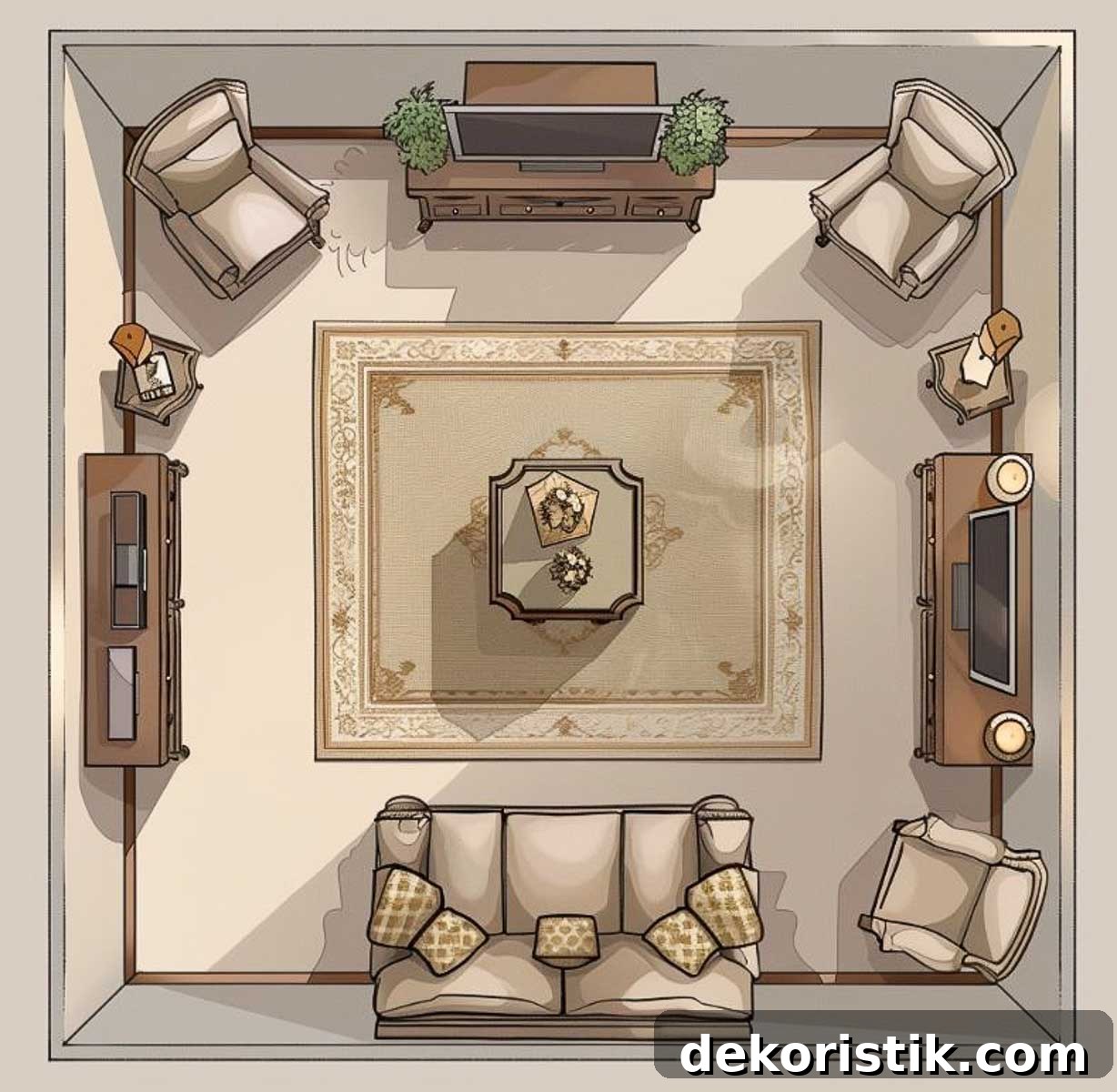
It’s tempting to place every piece of furniture against the walls to “open up” the center, but this usually makes the room feel cold and disconnected. When seating is spread along the perimeter, conversation becomes difficult and the room loses intimacy.
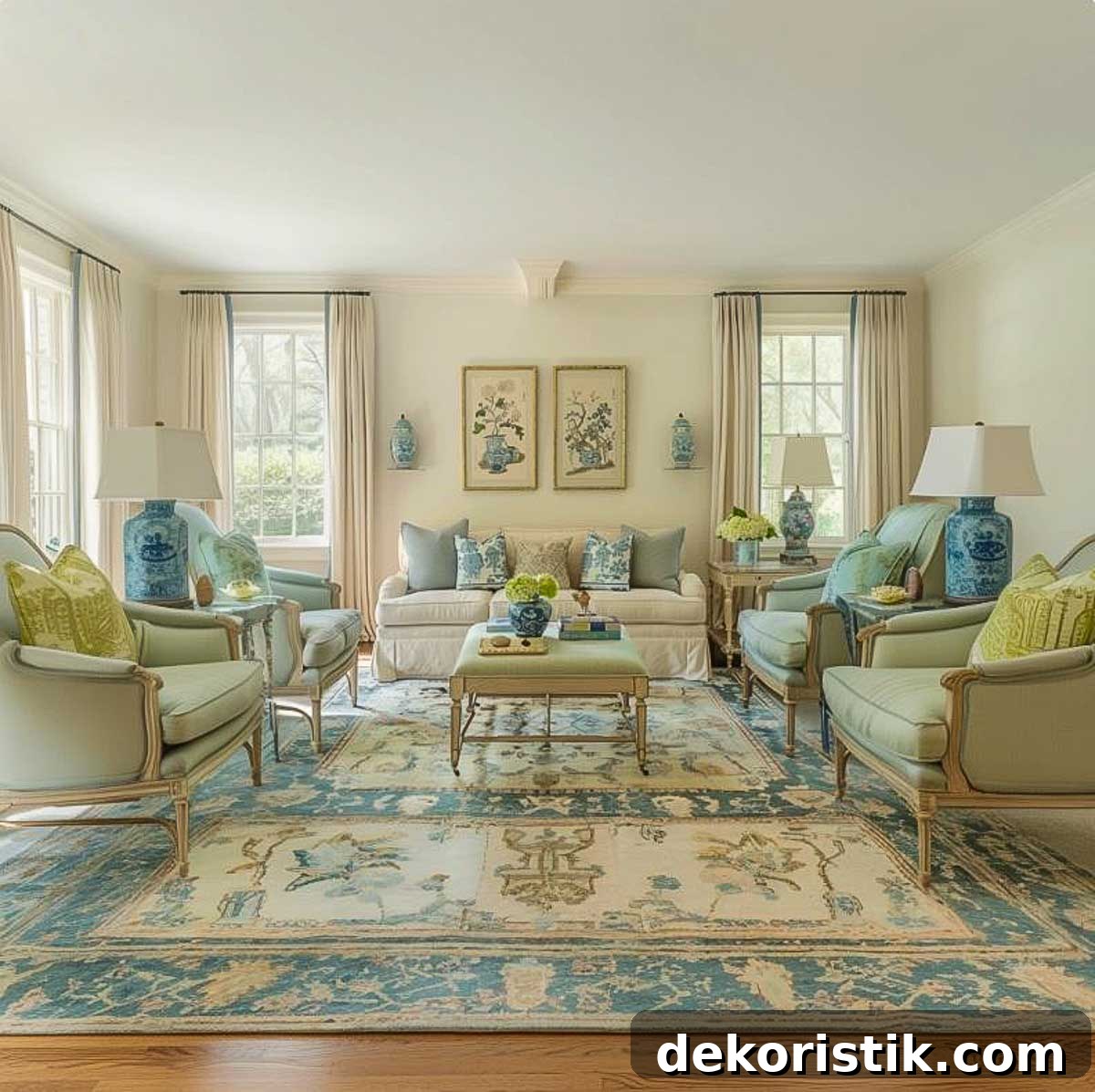
Instead, try floating your sofa and chairs away from the walls and define the seating area with an area rug. Grouping furniture creates a natural gathering zone, improves circulation, and makes the space feel cozier without sacrificing openness.
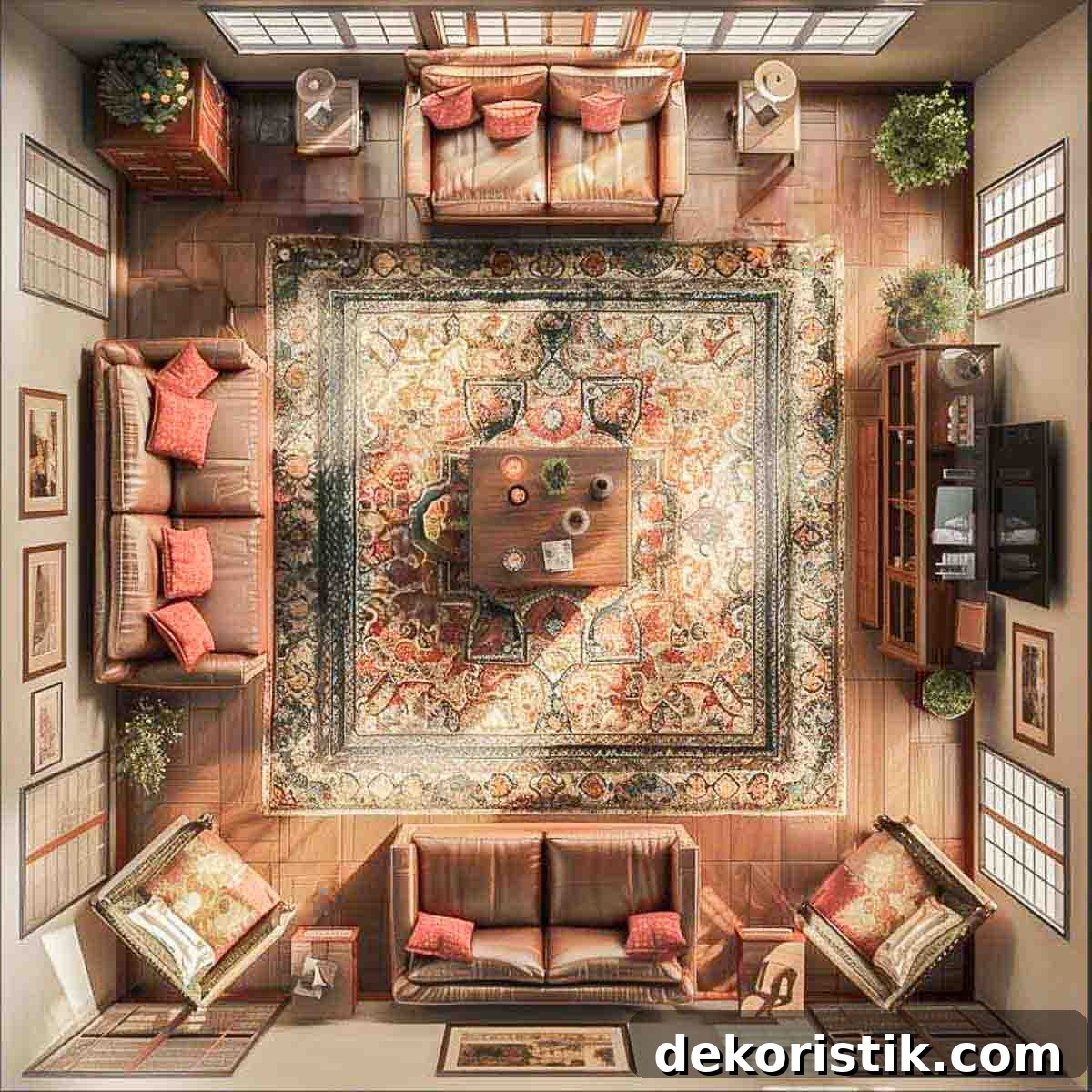
Ignoring Traffic Flow
A well-arranged living room provides clear paths so people can move naturally between entrances, doors, and other rooms. Blocking walkways with oversized furniture or tight seating arrangements forces awkward detours and creates frustration.
Plan routes first: leave at least 24–30 inches for main walkways and a bit more for high-traffic paths. If a layout feels cramped, pull chairs back slightly or switch to slimmer pieces to clear circulation routes.

Overlooking the Focal Point
Every living room benefits from a focal point—fireplace, TV, large window, or a statement piece of art. If furniture ignores that focal point, the space will feel visually confused and unbalanced.
Identify the primary focal point in your room and arrange seating to emphasize it. If there are multiple focal elements, choose one primary focus and allow the others to complement rather than compete.
Choosing the Wrong Size Rug
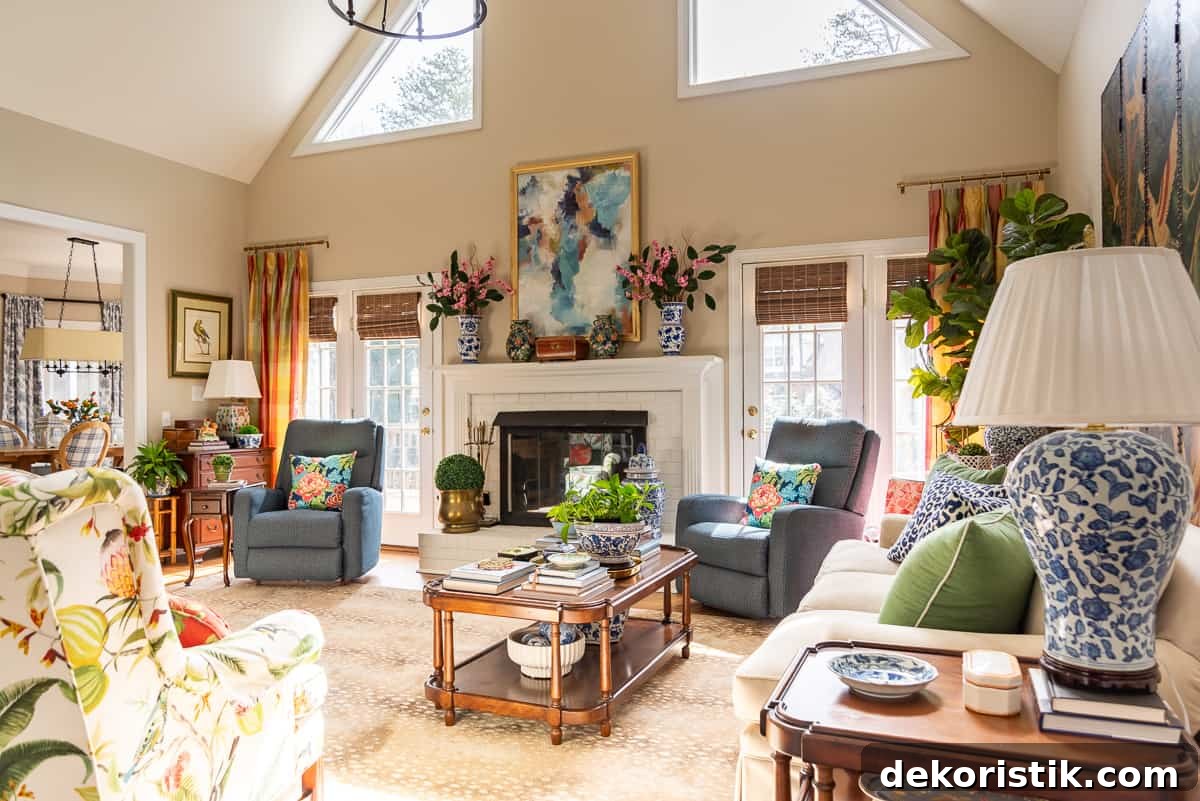
A rug that’s too small will make a seating area look scattered and unfinished. It’s common to downsize to save money, but the wrong rug undermines layout and scale.
Aim to have at least the front legs of sofas and larger chairs resting on the rug. In open-floor plans, a larger rug that defines the entire seating zone brings cohesion and anchors the furniture visually.
Poor Lighting Plan
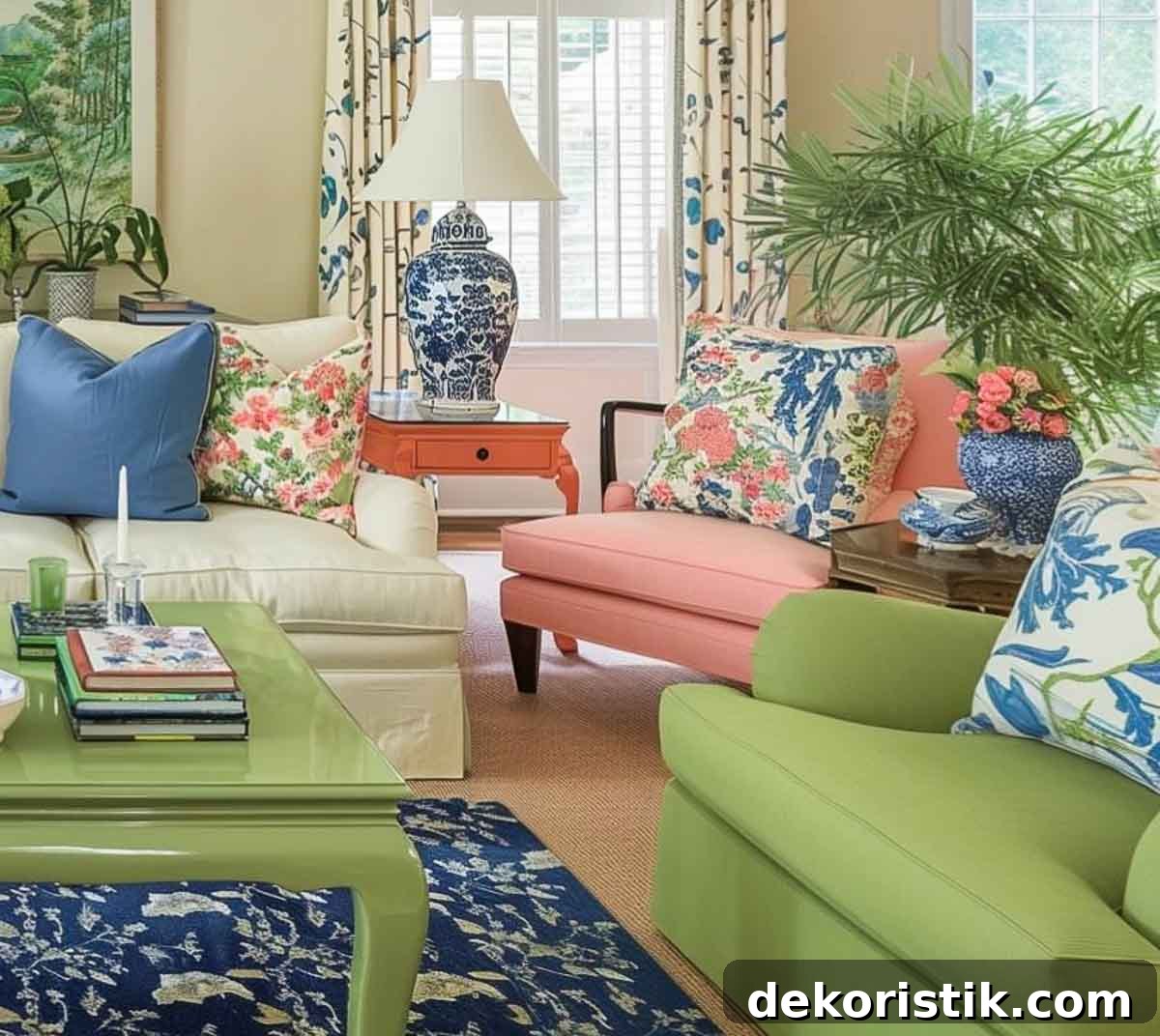
One overhead light rarely delivers the warmth and flexibility a living room needs. Relying on a single fixture can create glare and leave corners in shadow.
Layer lighting with a mix of ambient, task, and accent sources: table lamps, floor lamps, wall sconces, and dimmable overheads. This approach improves function—reading, watching TV, entertaining—and enhances the room’s mood.
Too Much or Too Little Furniture
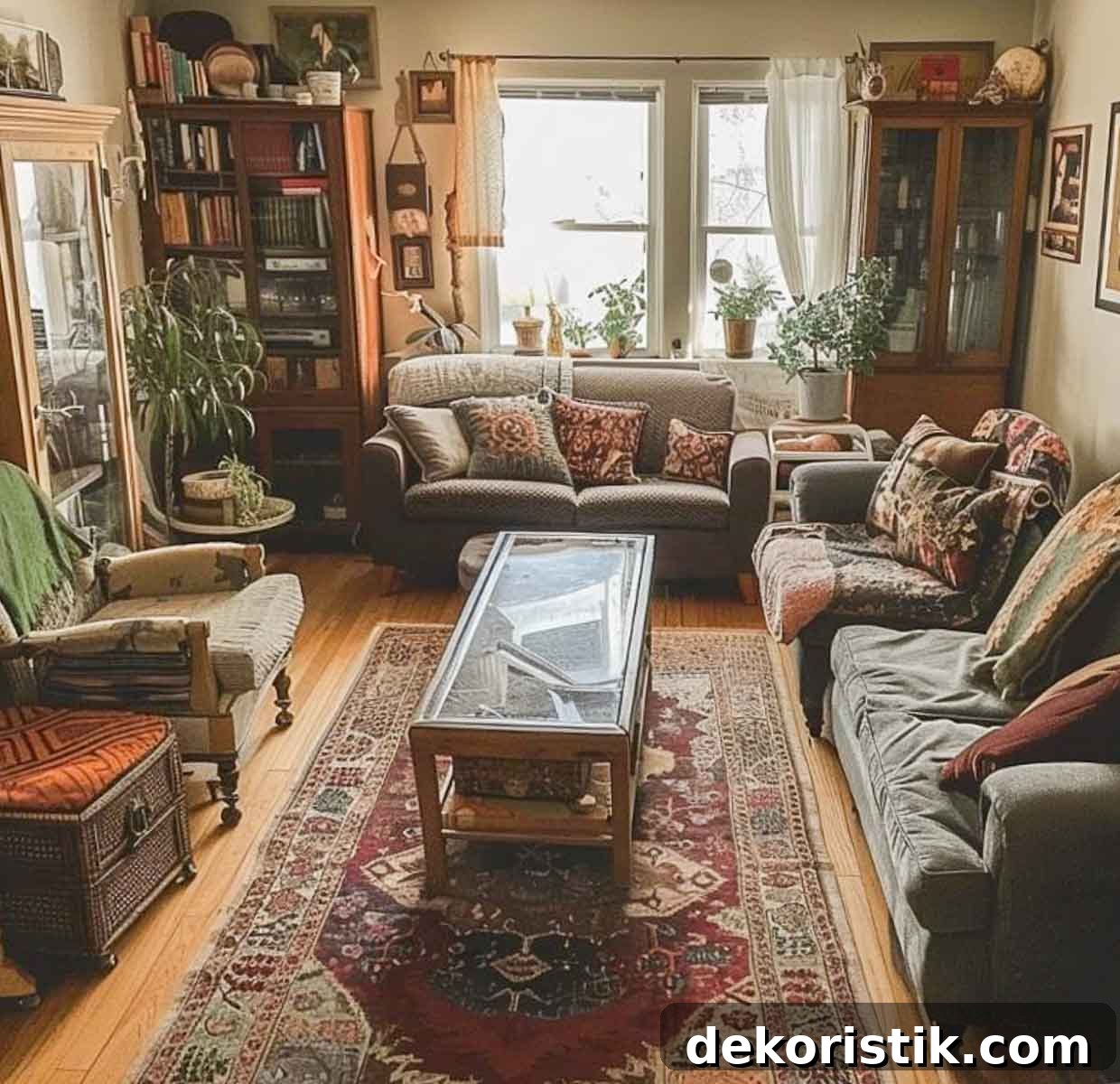
Balance is key. Overfilling a room makes it feel cramped; underfurnishing leaves it cold and impersonal. Choose pieces that suit the room’s scale and your lifestyle.
In small spaces, select multifunctional furniture—storage ottomans, slim-profile sofas, and nesting tables. In larger rooms, avoid tiny pieces that get lost; instead use a substantial sofa, a pair of well-scaled chairs, and a larger coffee table to create an inviting arrangement.
Not Balancing the Visual Weight of Furniture
Visual weight describes how heavy a piece looks based on its size, color, and form. Placing a large, bulky sofa on one side and only delicate furniture on the other creates imbalance.
Distribute weight by mixing sizes and shapes—pair a heavy sofa with a pair of substantial chairs or a large sideboard. Use tall elements, like a bookcase or a floor lamp, to counterbalance other tall pieces and maintain visual equilibrium.
Not Considering Functionality
A room can be beautiful but useless if it doesn’t fit how you live. Consider daily activities: TV habits, entertaining needs, work-from-home use, or kid-friendly spaces.
Arrange seating for conversation, viewing angles, and access to surfaces. Add convenient storage and side tables where you need them. The best layouts blend style with practical use for your household.
Neglecting Personal Style
Trends are fleeting. Your living room should reflect your personal taste so you feel at home every day. Prioritize pieces and colors you love rather than following every trend.
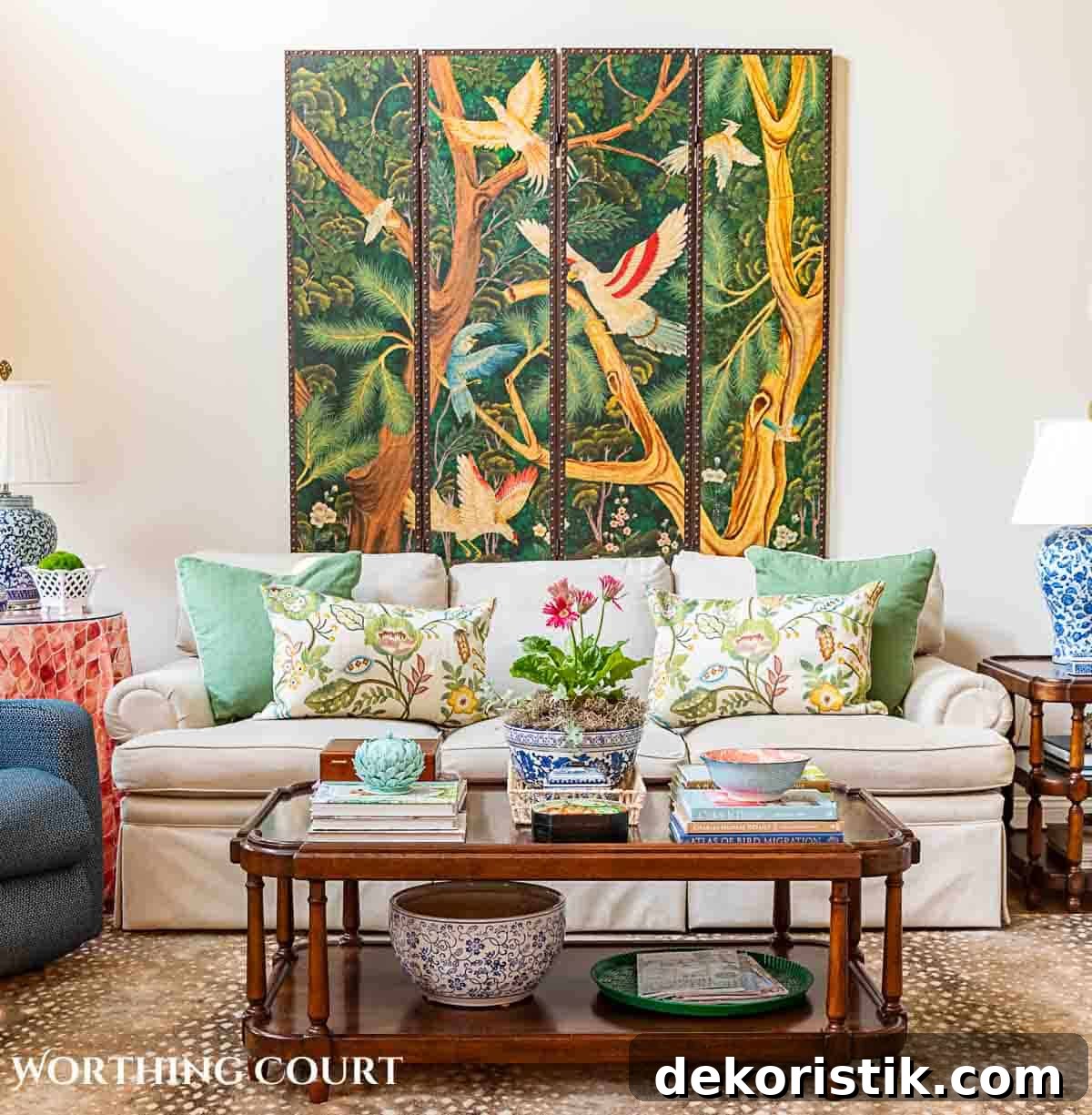
If you want to try a trend, do it in accessories—pillows, throws, or artwork—so you can update the look without a major investment. Timeless choices combined with small seasonal accents yield a room that’s both current and authentically yours.
Avoiding these common layout mistakes will help you design a living room that looks cohesive, feels comfortable, and suits how you live. Focus on scale, flow, lighting, and personal style to create a space that welcomes you and your guests.