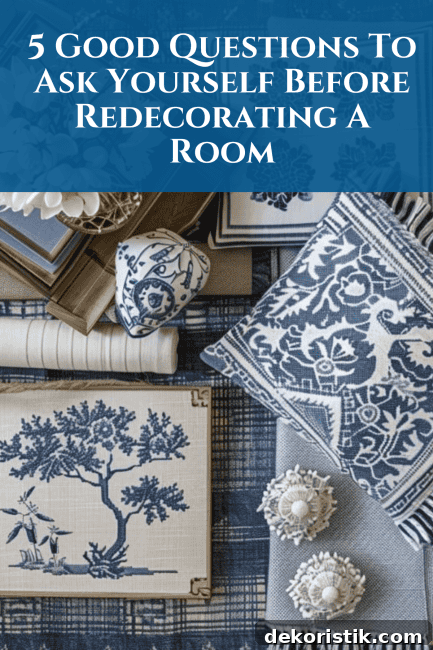
Thinking about redecorating? Before you move furniture or buy new accessories, ask yourself these five practical questions to decide whether a refresh is really necessary—and what kind of update will make the most impact.
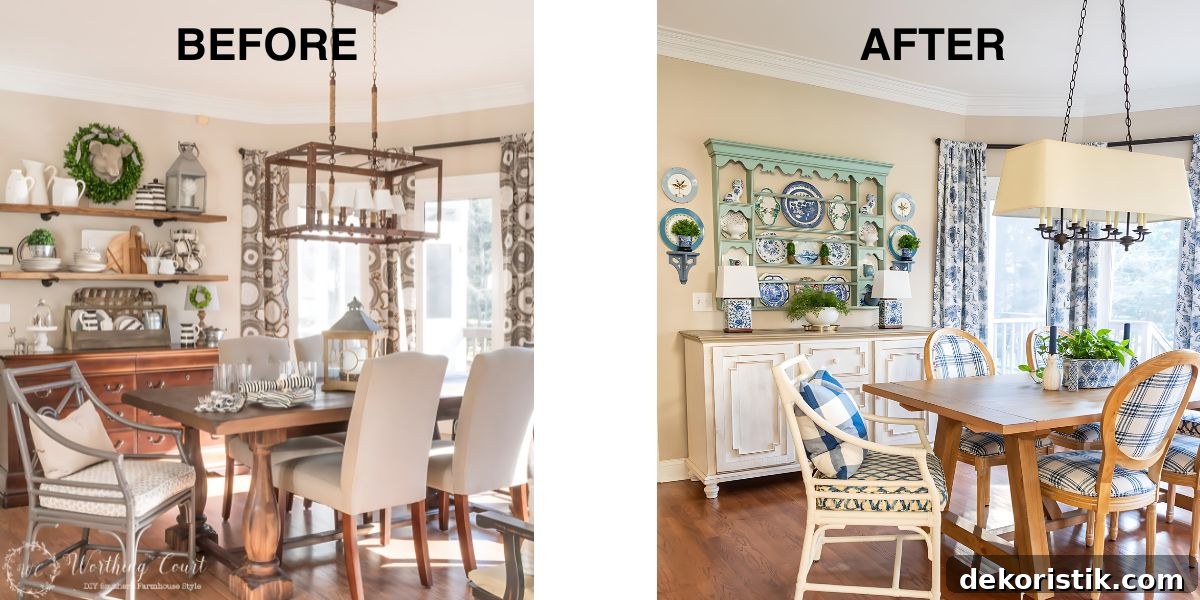
You may already know your decorating style and have a checklist for pulling a room together, but choosing when to redecorate is a different question. Trends change quickly, and constantly chasing the latest look can be expensive and exhausting. Instead of jumping in, take a moment to evaluate why you want to change the space and whether the change will improve your daily life.
Some designers suggest redecorating on a fixed schedule, like every seven years, but that’s not a rule. The right time to refresh a room depends on how you use it, how it makes you feel, and whether small adjustments could satisfy you without a major overhaul.
#1 Am I still happy with this room?
If a room leaves you feeling uneasy, bored, or just not at home, that’s a reliable signal that a change could help. You don’t need to reinvent the entire space—sometimes a few thoughtful edits can restore your enjoyment and make the room feel refreshed.
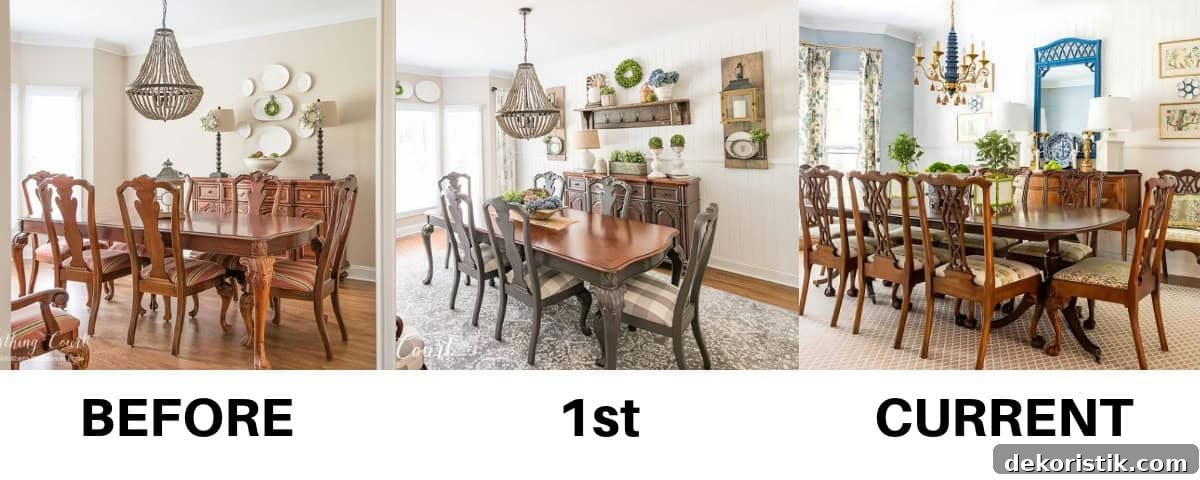
Changes can range from a full redesign to a simple swap of textiles or accessories. The important thing is that the update improves how you experience the room.
#2 Does this room still fit my lifestyle and daily needs?
A beautiful room is valuable, but only if it works for how you live. If the layout or function no longer matches your routine, a redesign can add usefulness as well as style. For example, an underused formal living room might be better repurposed as a home office, a reading nook, or a playroom depending on your household priorities.
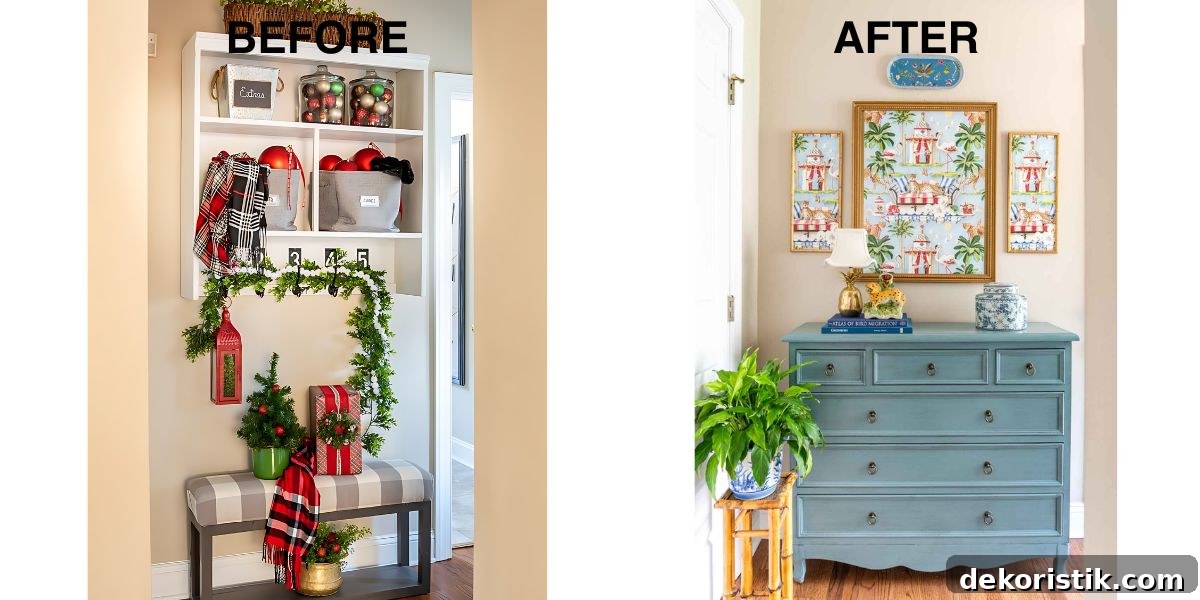
#3 Why do I want to redecorate?
Ask whether your urge to redecorate comes from genuine dissatisfaction or from external influence. Social media and decor blogs are designed to inspire—and to show frequent room changes. If you find yourself wanting a makeover simply because you’ve been scrolling, pause and consider whether the change would truly improve your daily life.
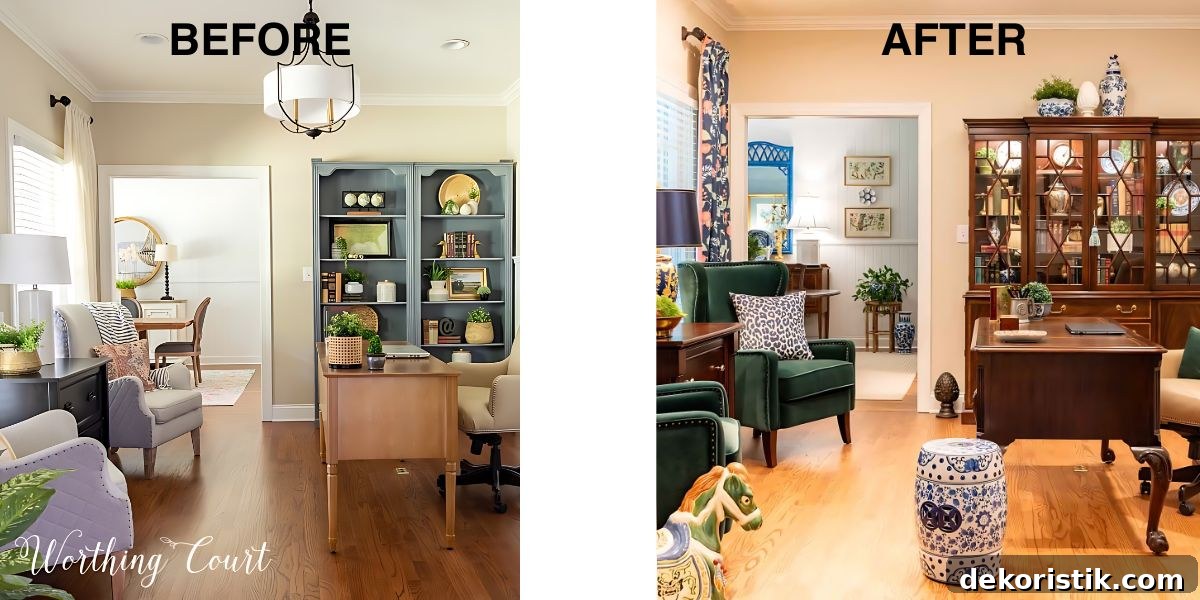
It’s fine to be inspired, but meaningful updates start with your needs and tastes, not trends alone.
#4 Could small changes satisfy me?
Before committing to a major project, try inexpensive, low-effort swaps that often deliver a surprisingly fresh feel:
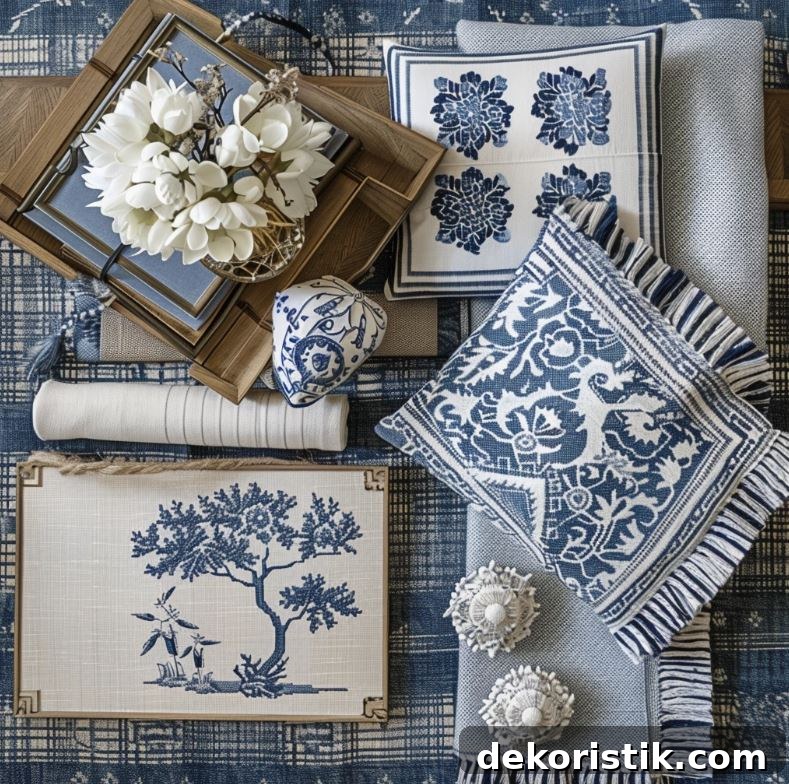
- Introduce new fabrics through pillows, throws, or curtains.
- Replace or rotate artwork and accessories for a different mood.
- Swap lamps or change lightbulbs for warmer or cooler light.
- Add or change an area rug to redefine the space.
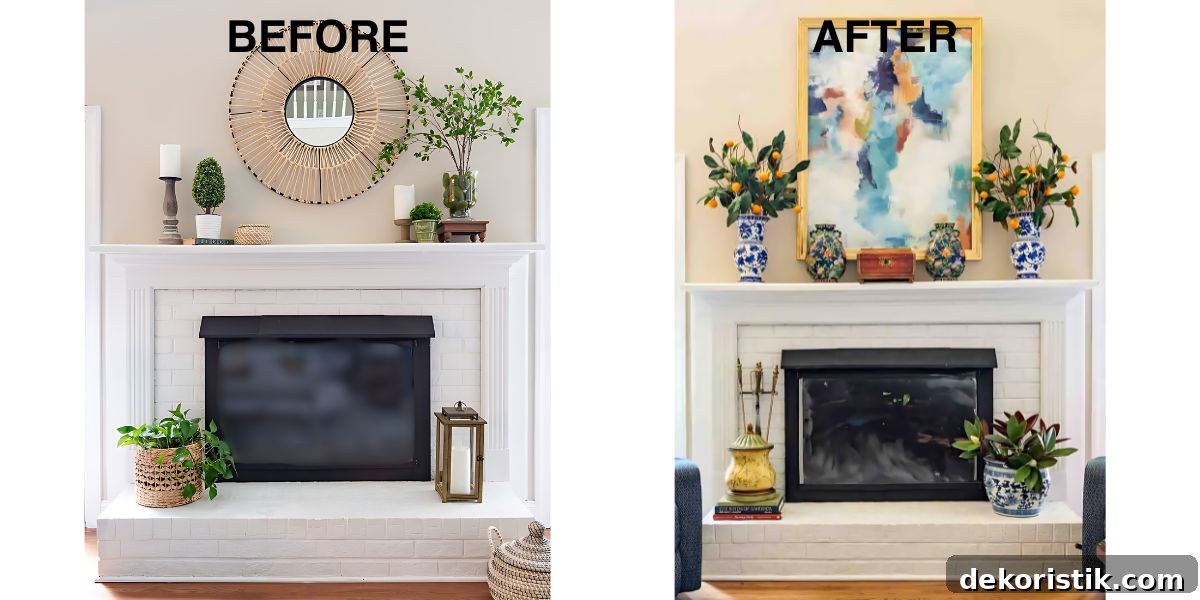
Layering rugs over wall-to-wall carpet, rotating decor you already own, or experimenting with placement can bring a new perspective without a full renovation. If these smaller updates satisfy you, they’re a budget-friendly alternative to a complete makeover.
#5 Do I have the budget for redecorating right now?
Practical considerations matter. If you decide a full redesign is needed, set a realistic budget before you begin. Prioritize what will make the most difference—functional changes, better lighting, comfortable furniture—and plan purchases to avoid overspending.

If the timing isn’t right financially, revisit question #4. Small, staged updates can improve your space now and keep you content until you can invest in a bigger transformation.
Redecorating should be purposeful: thoughtful planning helps ensure your time, energy, and money result in a room that looks great and supports how you live. By asking these five questions, you’ll better understand how often to refresh your spaces and which changes will truly matter.
Whether you want a complete makeover or just seasonal tweaks, step back and assess your goals before you start. Let your home evolve intentionally so it brings you comfort, beauty, and everyday function—and if you’re not ready to redecorate yet, that’s perfectly fine too.