
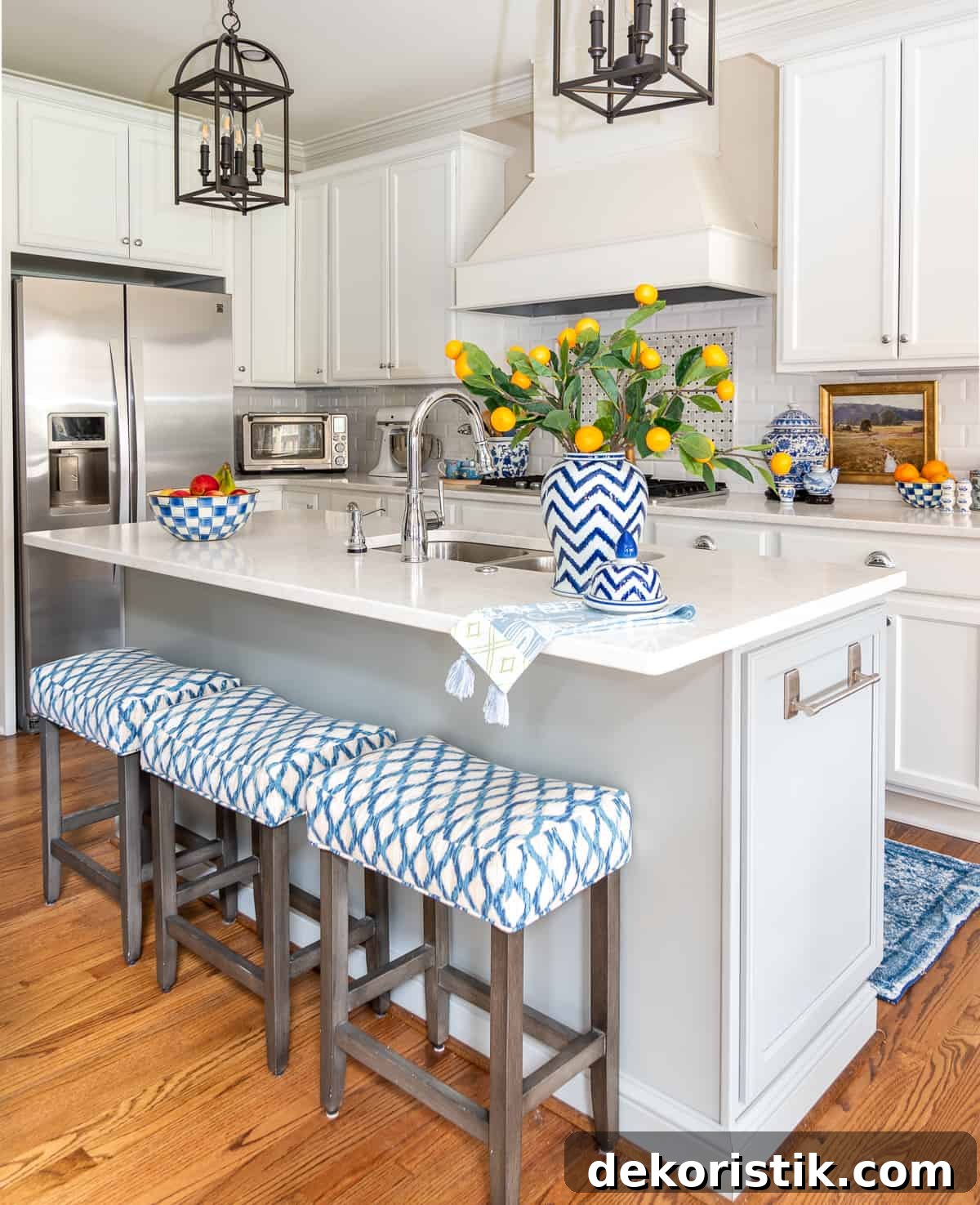
Being organized can simplify your life and make daily routines much more efficient, but common organizing mistakes often leave people frustrated and overwhelmed. If you’re feeling the post-holiday urge to sort everything out, avoid these pitfalls so your organizing session ends in calm, not chaos.
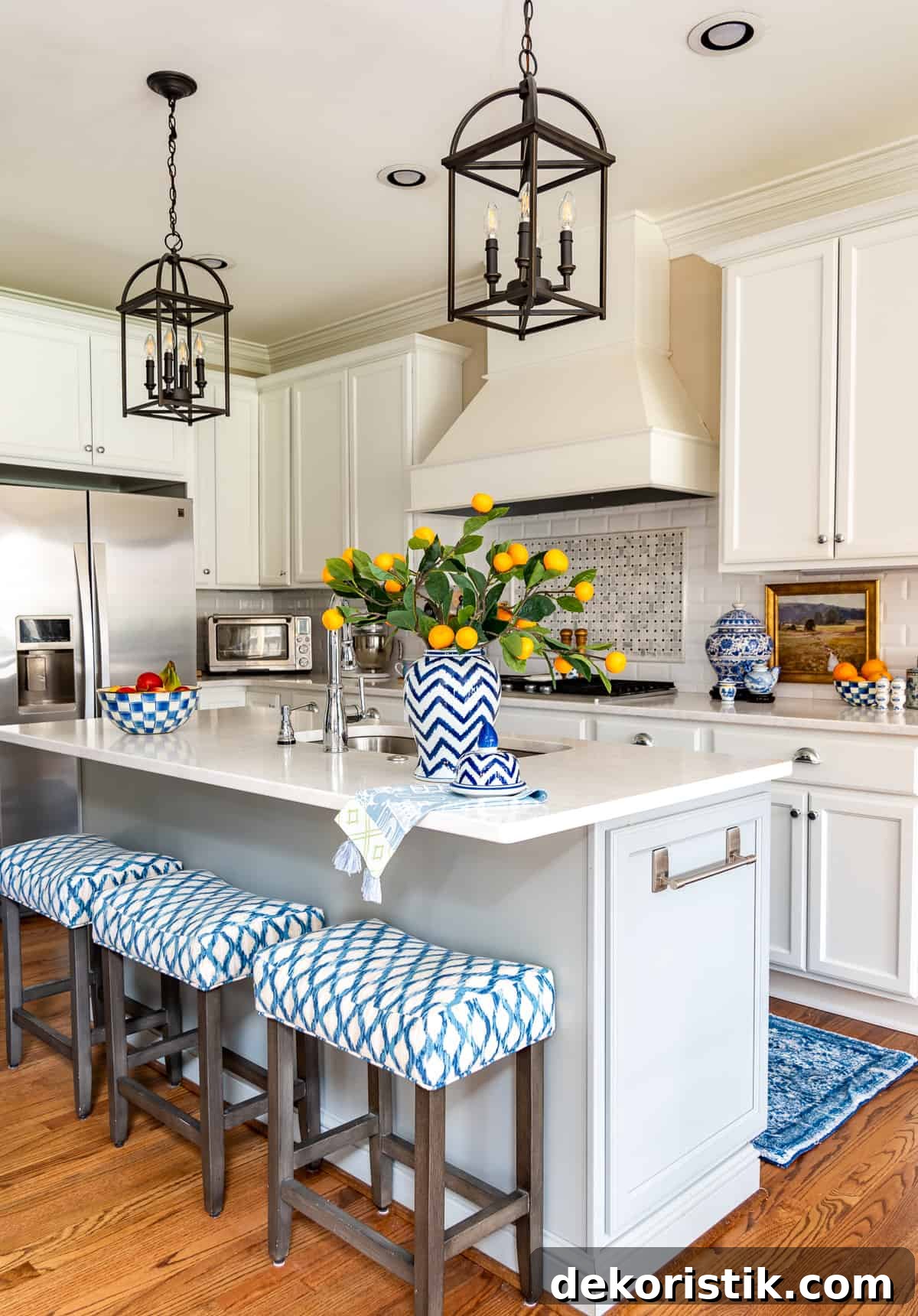
Sound familiar? You’ve packed away holiday decorations and suddenly want to organize every shelf, drawer, and closet. Sometimes cleared surfaces make us crave a fresh start; other times we realize we’ve been cramming wrapping paper and holiday bits into an overstuffed closet for years.
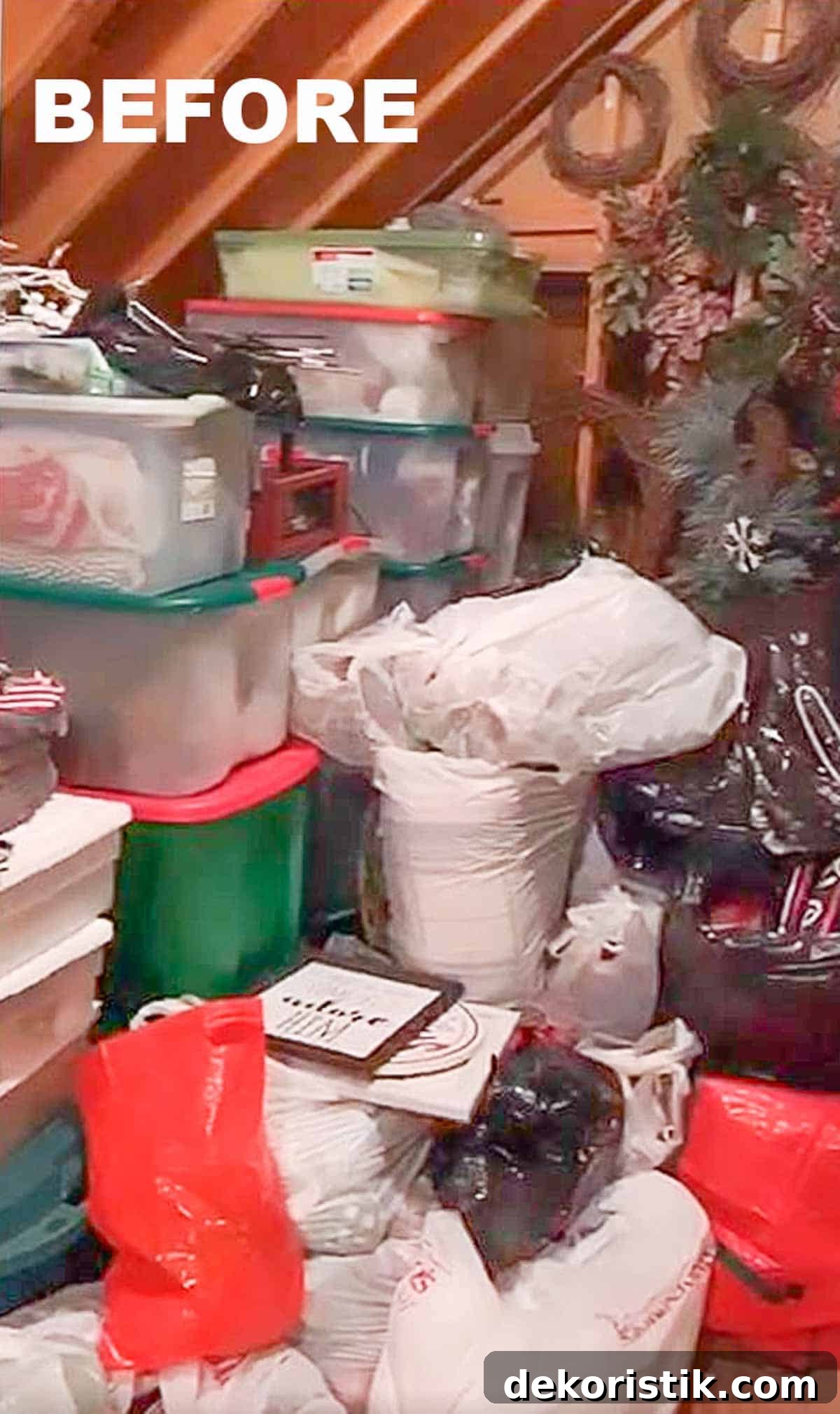
Whatever your motivation, that organizing itch can become a headache if you rush in without a plan. Before you buy a stack of containers or throw everything into random bins, read these practical tips so your project sticks—and your space stays tidy.
Not Decluttering Before You Begin
Organizing is not the same as decluttering. If you tuck unused or broken items into neat piles or pretty containers without first removing what you don’t need, you’ve simply rearranged the clutter. Start by sorting your items into keep, donate, sell, and recycle/trash piles. Be honest: those half-working holiday lights or cracked ornaments you’ve kept “just in case” probably don’t deserve space in your refreshed home.
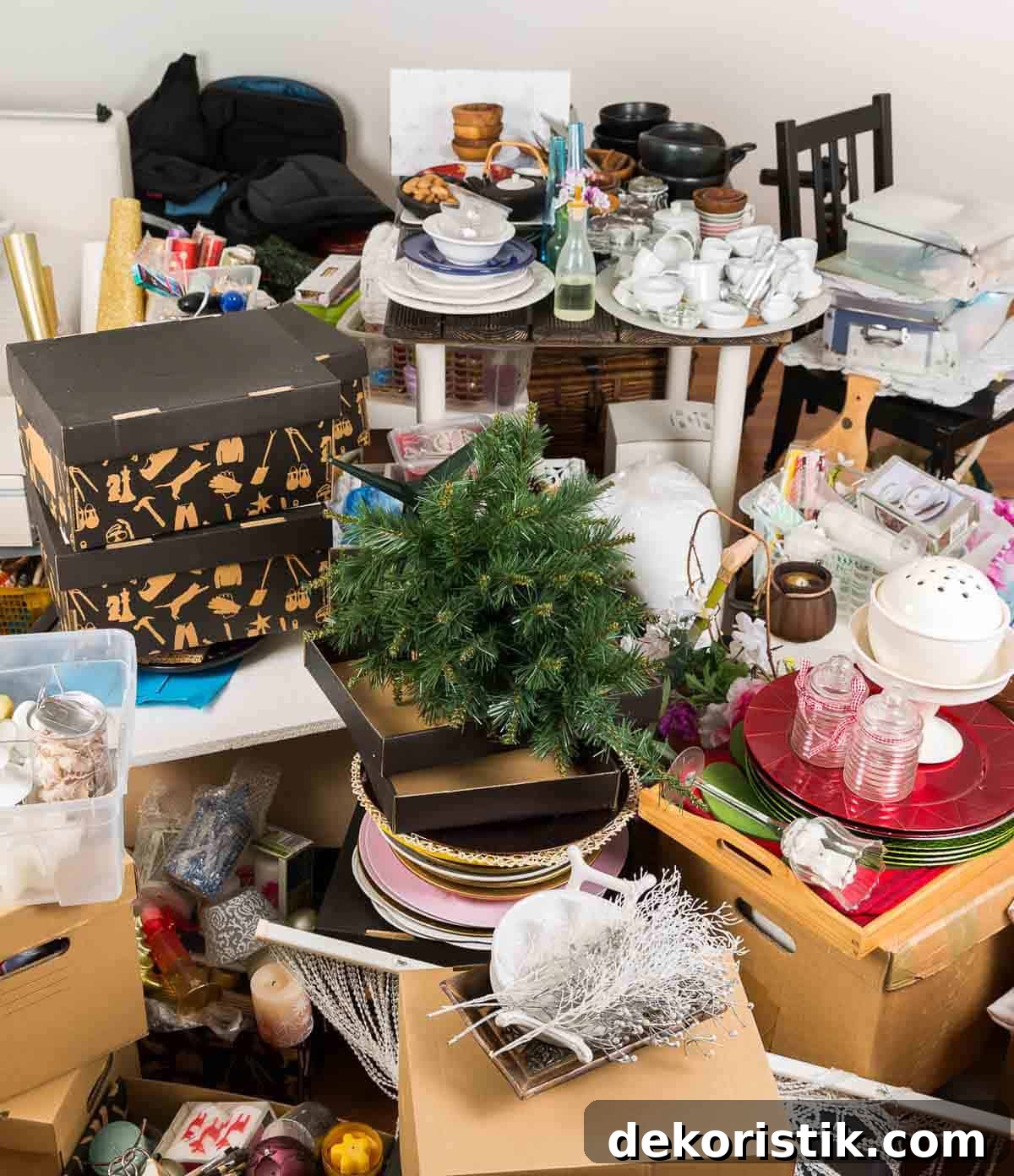
Buying Storage Supplies Prematurely
Shiny new bins and baskets are tempting, but buying storage before you know what you need usually creates problems. First declutter, then measure shelves, drawers, and closets so you understand the space you’re working with. After that, take inventory of the remaining items so you purchase the right sizes and styles of containers rather than a mismatched pile that doesn’t fit anywhere.
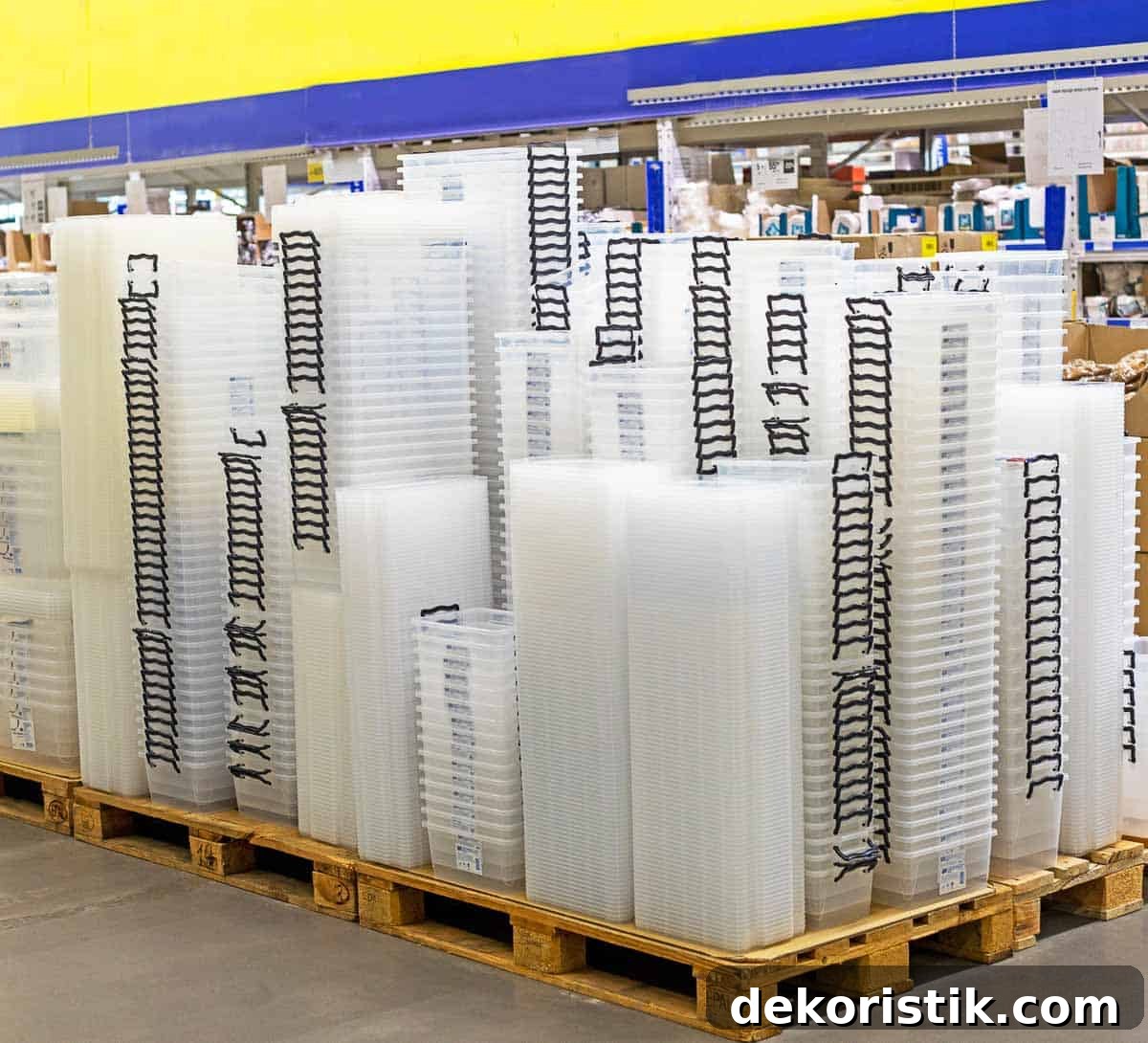
Buying Containers at Random
Not all containers perform the same. Cheap bins can crack, lids can warp, and irregular sizes waste space. Choose quality containers that match your needs and your space. Clear containers are excellent for visibility, fabric bins are great for soft items, and stackable solutions maximize vertical space.
Not Using Labels
Labels are a simple habit that pays off. They help everyone in the household know where items belong and reduce the chance of small storage areas turning into mixed-up junk drawers. Use clear, readable labels on boxes, shelves, and bins so you and your family can maintain the system.
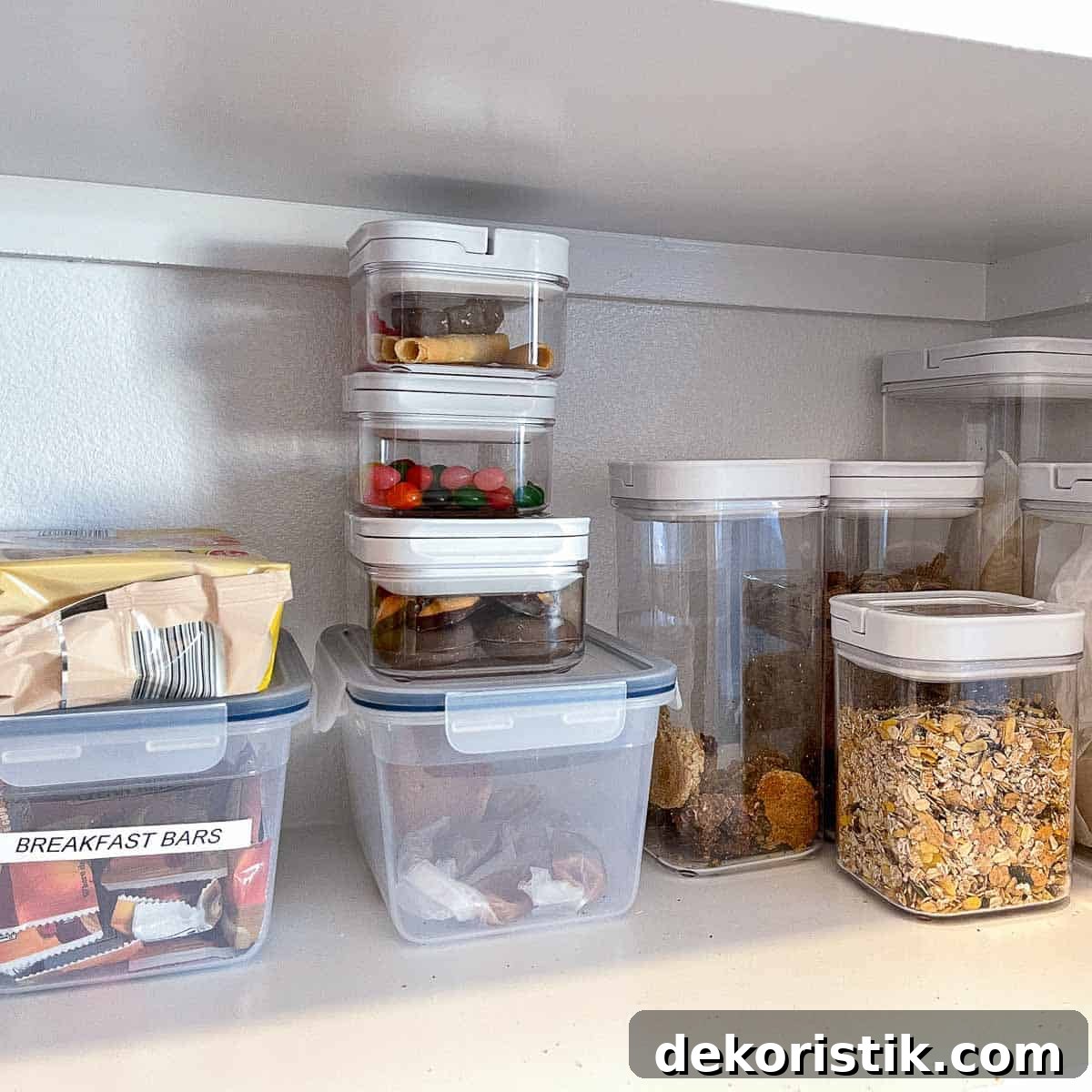
Overfilling Spaces with Containers
Packing every shelf and corner with containers might seem thorough, but it often creates clutter rather than clarity. The objective is to make a functional, maintainable system—not to prove how many bins you can fit. Keep what you need and leave room for easy access and future items.

Not Creating Zones
Zones make sense of a space. Instead of lumping everything together, group similar items where they’re most useful. For example, keep gift wrap, cards, and tape together near a worktable; store baking supplies in the same pantry section; and keep cleaning supplies in one accessible area. When items have logical homes, finding and returning them becomes effortless.
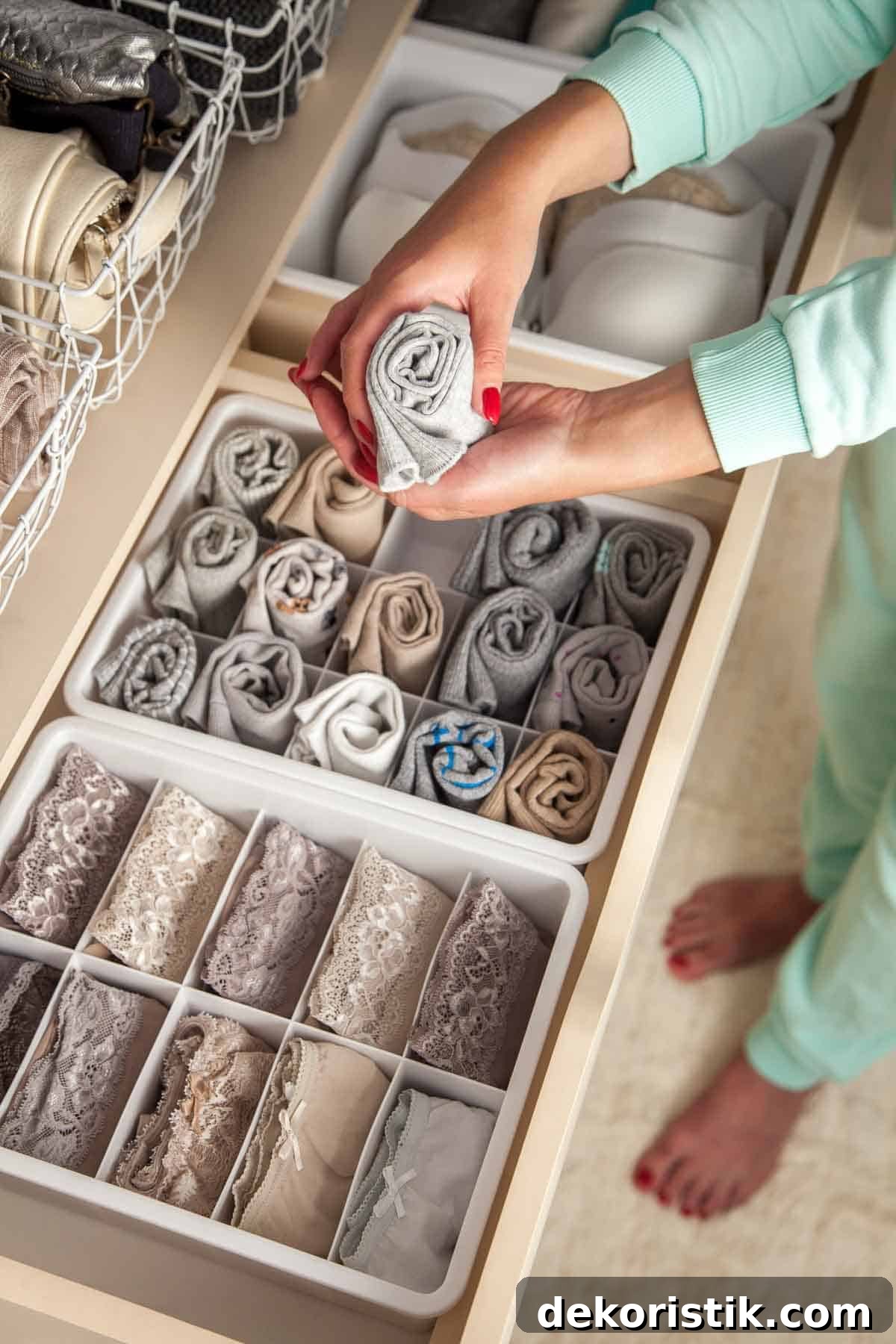
Not Having a Designated Space for Items
A place for everything—and everything in its place—is the foundational rule of lasting organization. Assign specific spots for frequently used items like scissors, tape, pot lids, or charging cords. When people know where things belong, items are less likely to wander and create clutter again.
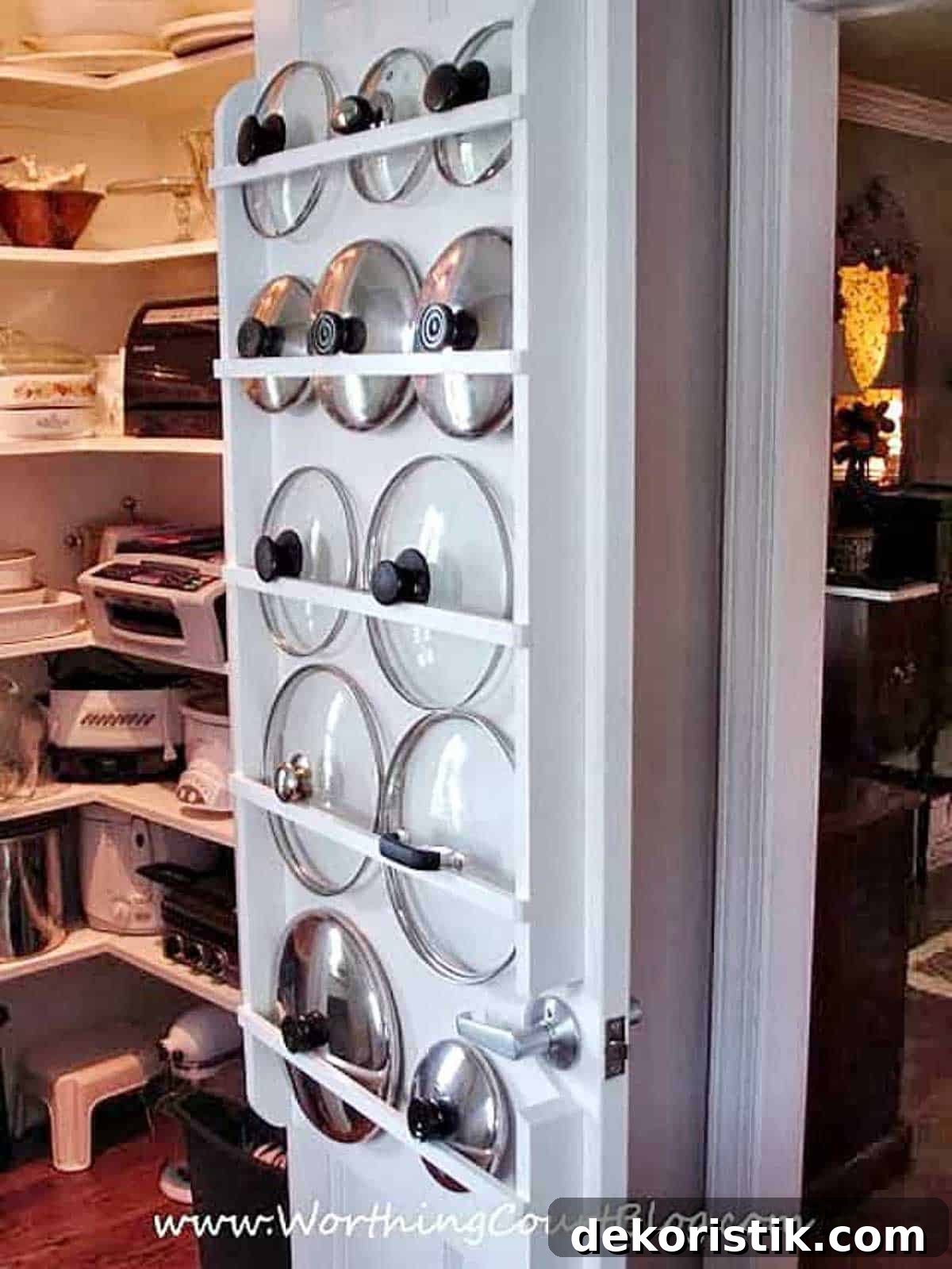
Not Customizing Your Approach
What works for someone else might not work for you. Tailor your organizing system to fit your habits, space, and budget. If you’re a visual person, clear bins and open shelving help. If you prefer hidden storage, choose attractive baskets and labeled drawers. Consider specialty solutions when needed—shoe organizers, drawer dividers, and vertical hangers can solve persistent problems.
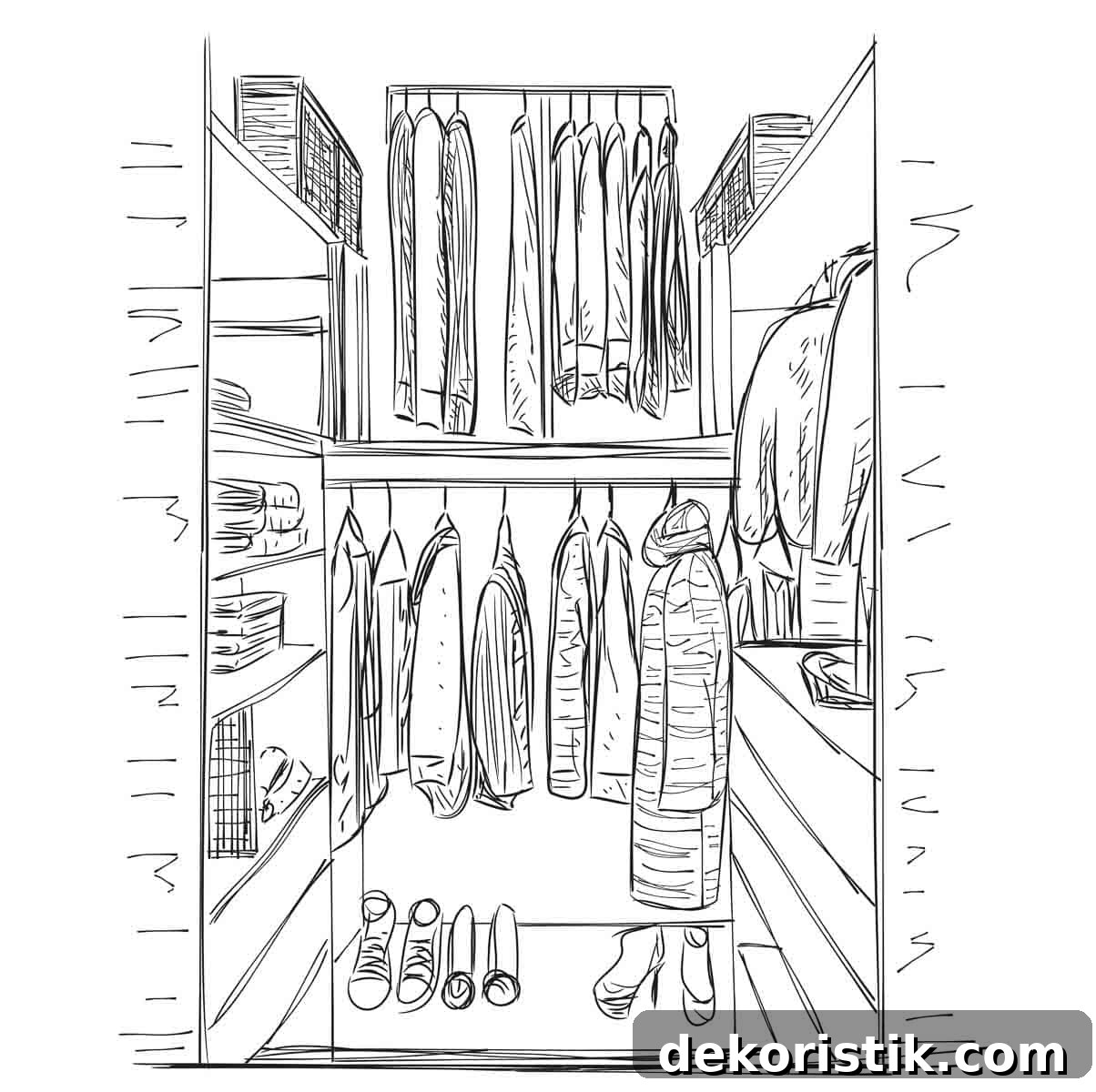
Trying to Organize Your Entire Home at Once
Taking on the whole house in one day is a fast path to burnout. Break projects into manageable tasks: start with a single drawer, a shelf, or one closet. Small victories build momentum and keep motivation high. You’ll avoid half-finished rooms and feel more accomplished as each area is completed.

Procrastinating Regular Organization Upkeep
Once you’ve organized, maintain it. A little daily or weekly upkeep prevents clutter from creeping back in and saves hours of redoing later. Spend a few minutes returning items to their homes, wiping surfaces, and re-evaluating problem spots so the system continues to work for you.
Bonus – Be Kind to Yourself!
Progress matters more than perfection. Even small, consistent steps toward tidiness add up over time. Don’t expect every corner to be perfect overnight—celebrate improvements and build habits that keep your home organized in the long run.
If you’d like more organizing ideas, consider focusing next on door-back storage solutions, small-closet layouts, and small-kitchen storage techniques. These targeted projects often yield big results with modest effort.