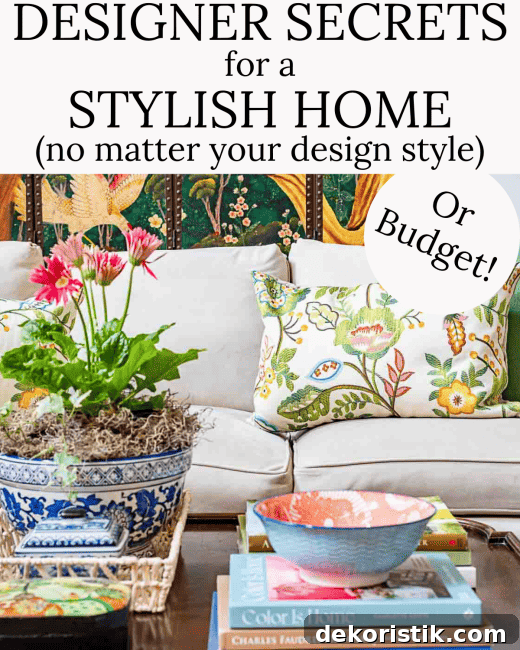
Discover practical designer secrets to keep your home looking stylish at any budget level. From clever, no-cost updates to low-cost DIY projects and smart investments in key pieces, these ideas will help you create a cohesive, inviting space without overspending.
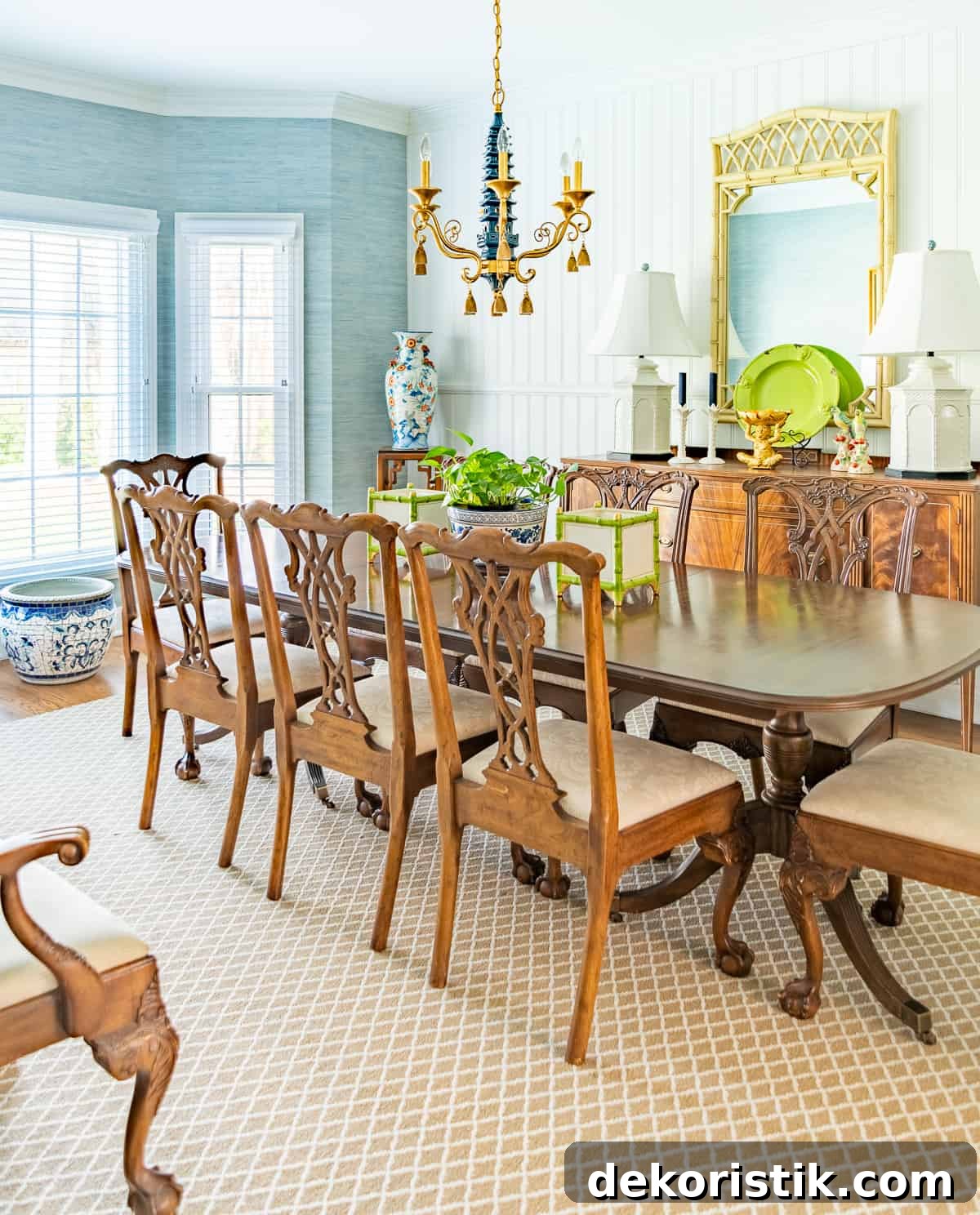
(How do you like my work-in-progress dining room?)
If you love decorating, you’re probably always hunting for fresh ideas to keep your rooms feeling polished and current. The good news is that creating a stylish home isn’t about spending more — it’s about making intentional choices. Interior designers work with all types of budgets and excel at stretching resources. Below are practical strategies designers use to keep homes looking curated and comfortable, whether you have no budget or are ready to invest a little.
Determine Your Decorating Style
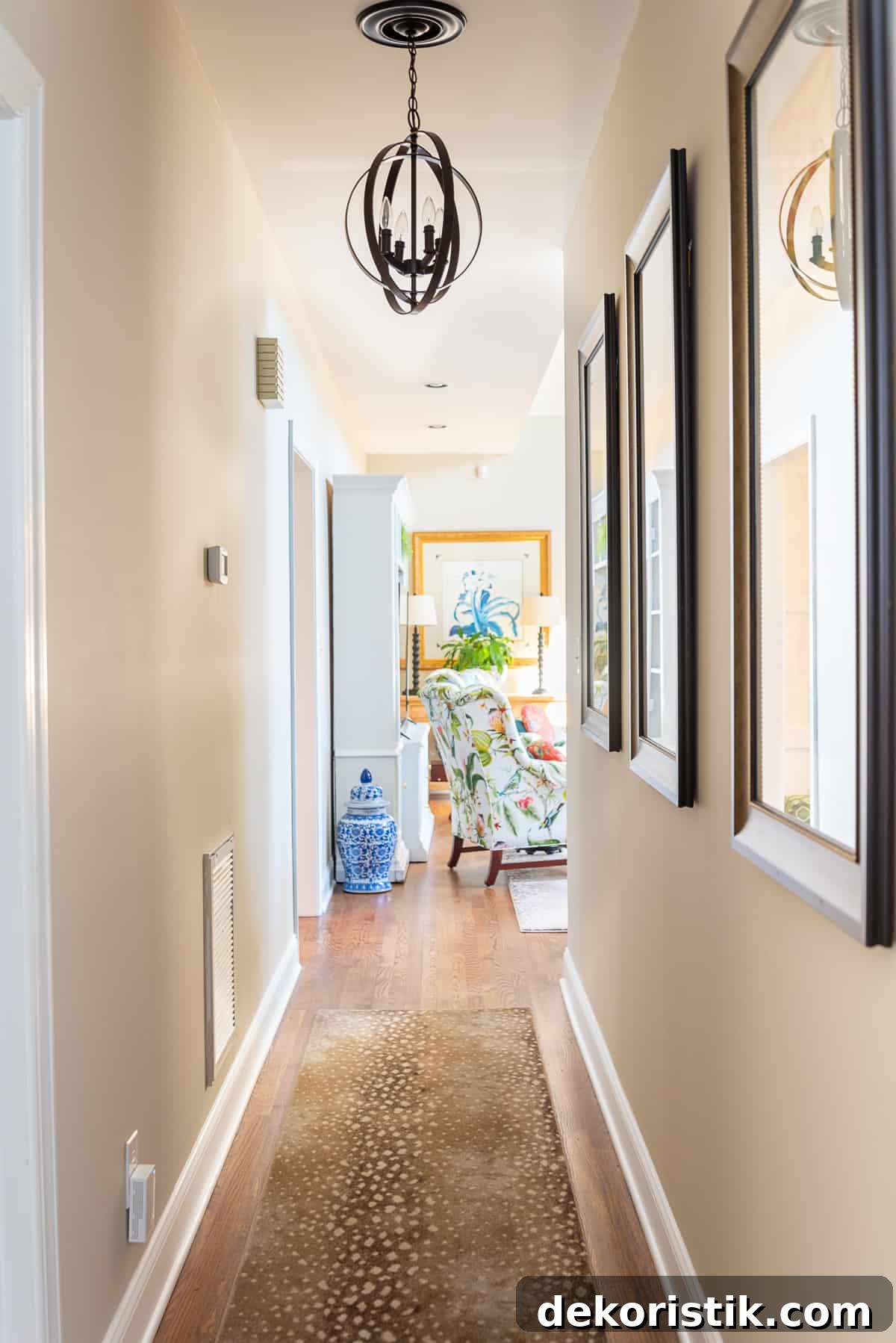
Before any decorating project, clarify your personal decorating style. It may be a single style or a layered mix, but knowing what appeals to you makes decision making far easier. When you can identify colors, patterns, and furniture shapes you love, you’ll create rooms that feel cohesive from one space to the next.
Defining your style also helps you personalize your home. Your choices will reflect your personality and create a space that feels authentically yours rather than a collection of random trends.
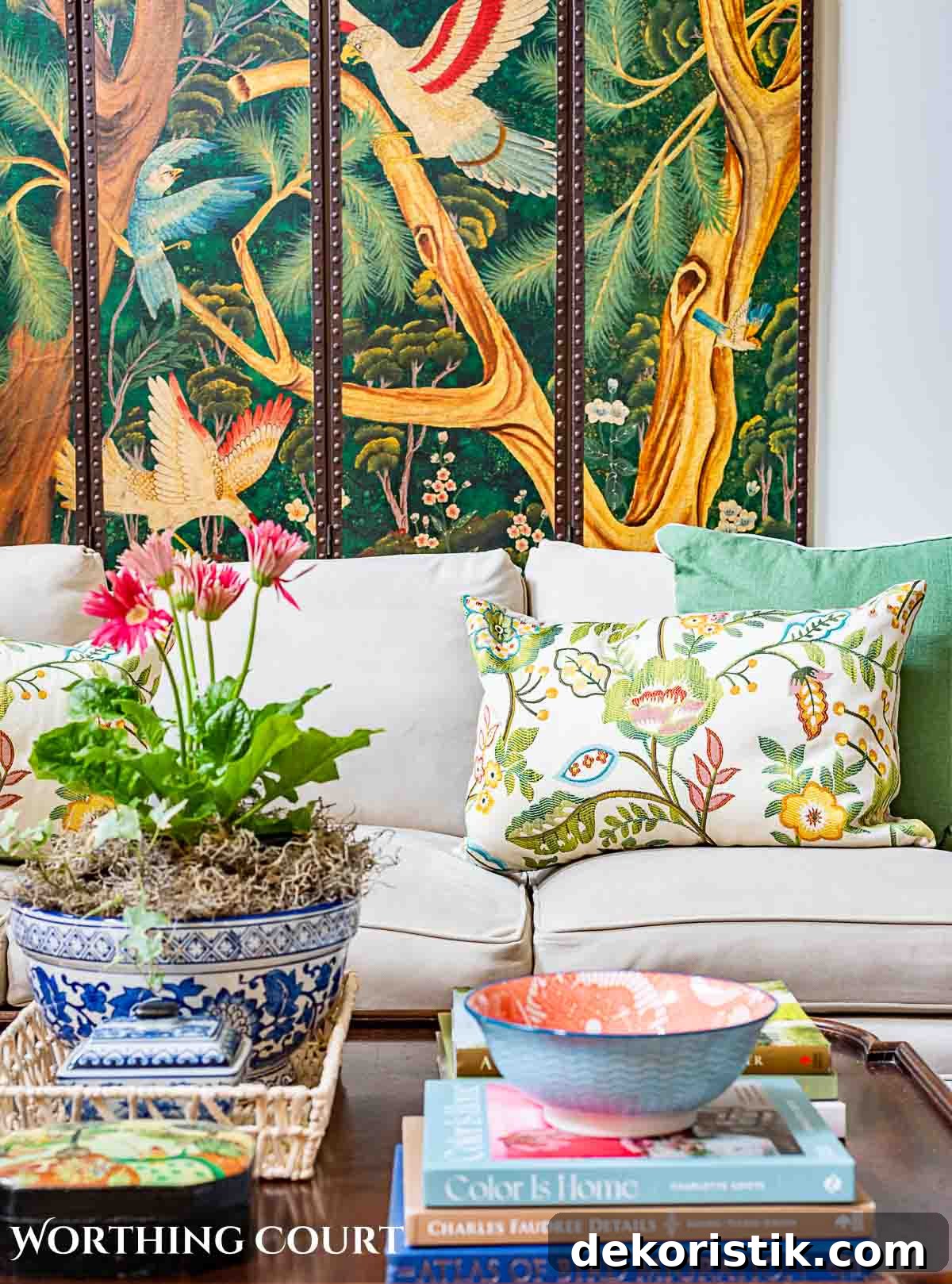
Keeping a Stylish Home for Free
You don’t need to buy anything to refresh a room. Designers rely on simple, zero-cost moves that deliver big impact:
- Rearrange furniture. Changing the layout can renew flow and reveal new focal points.
- Borrow from other rooms. Swap a rug, pillow, or lamp between rooms to instantly shift the mood.
- Host a decor swap. Trade pillows, artwork, or accessories with friends to refresh your mix without spending money.
- Shuffle accessories and lamps. Small changes in placement create the feeling of a new space.
- Use leftover paint. Turn a jar of leftover paint into an accent wall or give a tired piece of furniture a fresh coat.
- Clip greenery. Fresh branches, seasonal flowers, or foraged stems in a simple vase add life and texture.
- Declutter. Removing items can make rooms feel more open and allow the best pieces to shine.
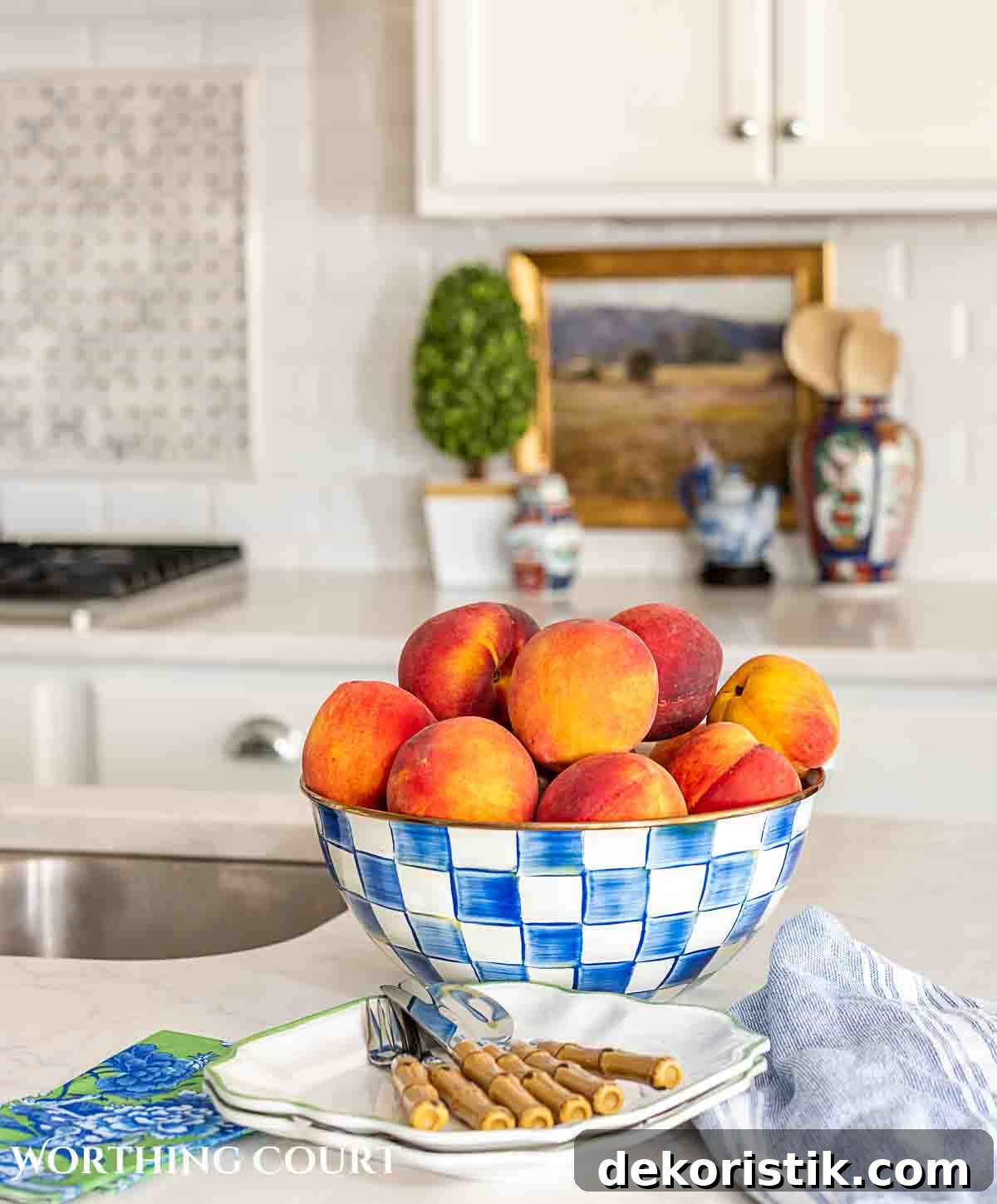
Having a Stylish Home on a Budget
With a modest budget, focus on inexpensive swaps and thrifted finds that lift the whole room. Look in thrift and consignment stores, garage sales, and online marketplaces for bargains on furniture, frames, and decorative objects.
Affordable updates that make a real difference:
- Switch pillow covers and throws. New covers are one of the fastest, lowest-cost ways to refresh seating and bring in seasonally relevant colors.
- Paint a room. Fresh paint transforms light, color, and atmosphere—often for the cost of a few cans and a weekend of work.
- Replace or update lamps. A fresh lamp can change scale and mood; check secondhand shops and discount home stores for great finds.
- Add greenery—real or faux—in attractive containers to bring texture and height to corners and mantels.
- Repurpose furniture and DIY. A painted chest, reupholstered chair, or a simple bench you build can be both economical and stylish.
- Play high-low. Mix a few standout investment pieces with budget-friendly finds to create a layered, curated look.
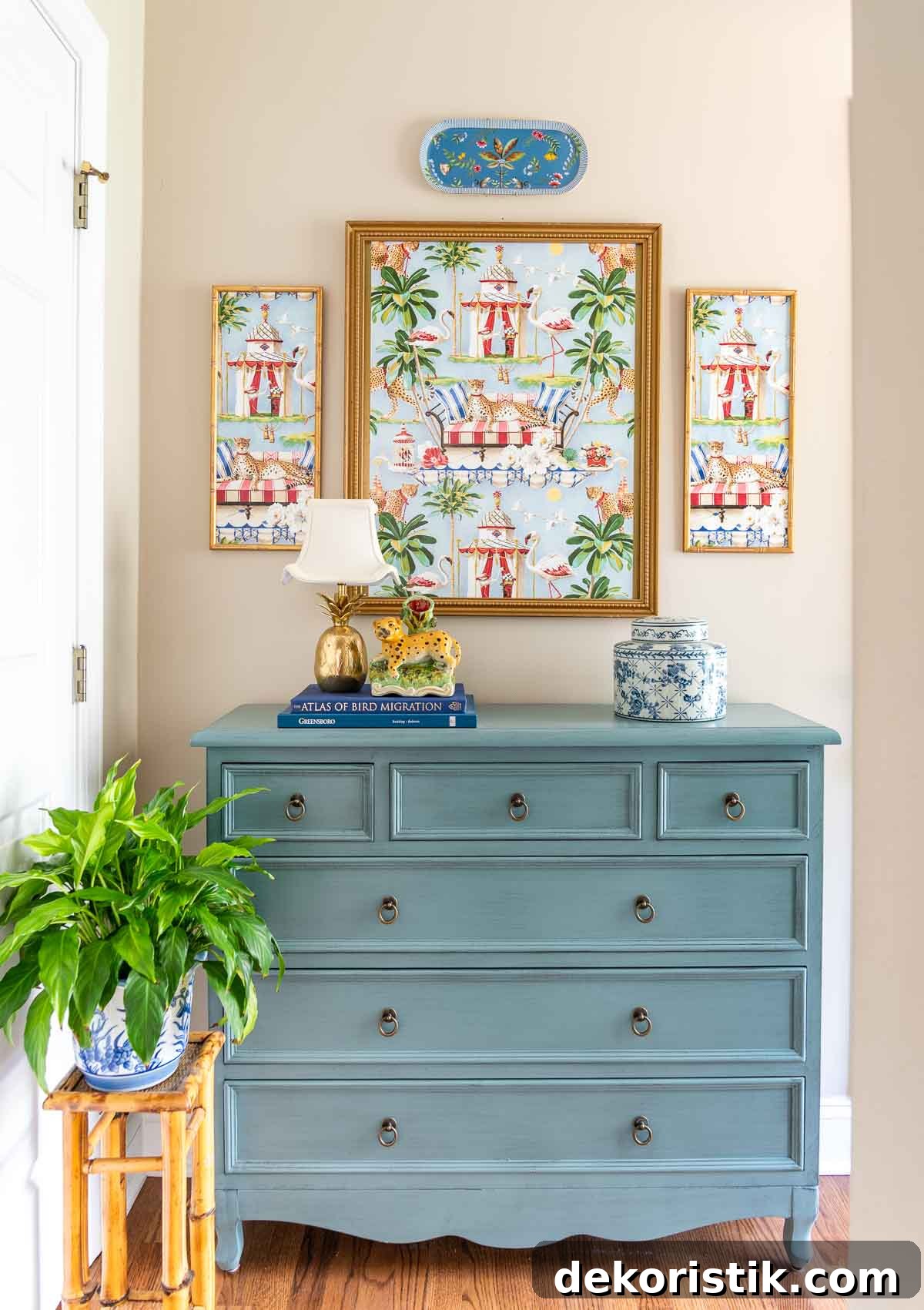
A helpful tip on pillows: size up your inserts slightly when buying new covers—using one or two sizes larger gives pillows a fuller, more tailored look. And when searching for bargains, keep an eye out for pieces with good bones: solid proportions, attractive scale, and surfaces you can refinish or reupholster.
If You Have More of a Budget
If your budget allows for selective upgrades, prioritize items that change the character of a room. Consider investing in:
- Statement lighting: a pendant, chandelier, or distinctive floor lamp instantly elevates a room.
- Quality accent seating: a well-made chair or small sofa in a standout fabric adds both comfort and style.
- Timeless rugs and artwork: these anchor a room and set the color palette for future choices.
- Updated finishes: new cabinet hardware, modern faucets, or refreshed lighting fixtures deliver high impact for relatively modest cost.
- Window treatments and bedding: well-made curtains or luxurious linens refine the look of bedrooms and living areas.
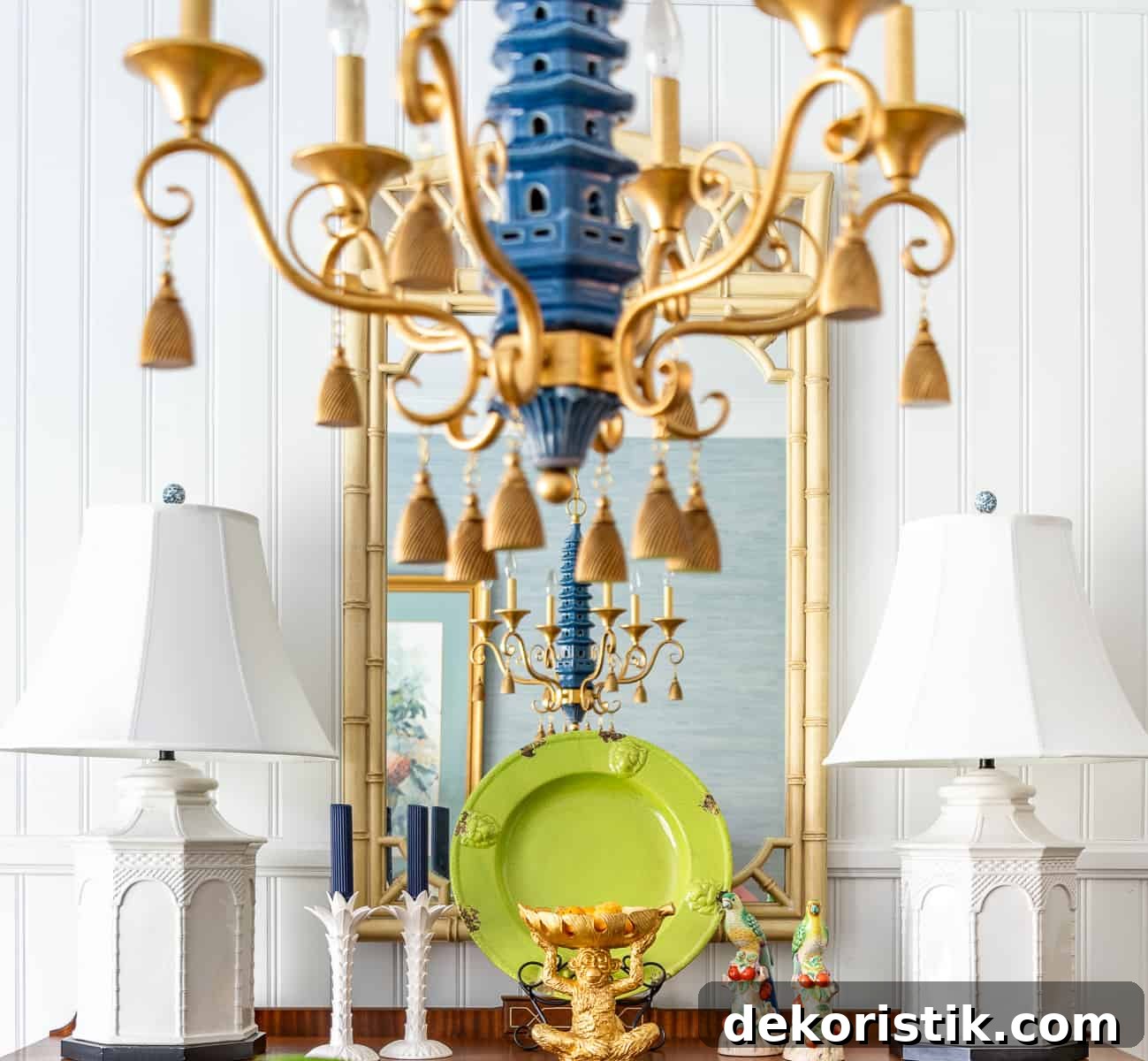
Small investments in texture and quality—thicker towels in bathrooms, heavier drapery in living rooms, or durable upholstery in high-traffic seating—pay off over time, keeping spaces feeling fresh and well cared for.
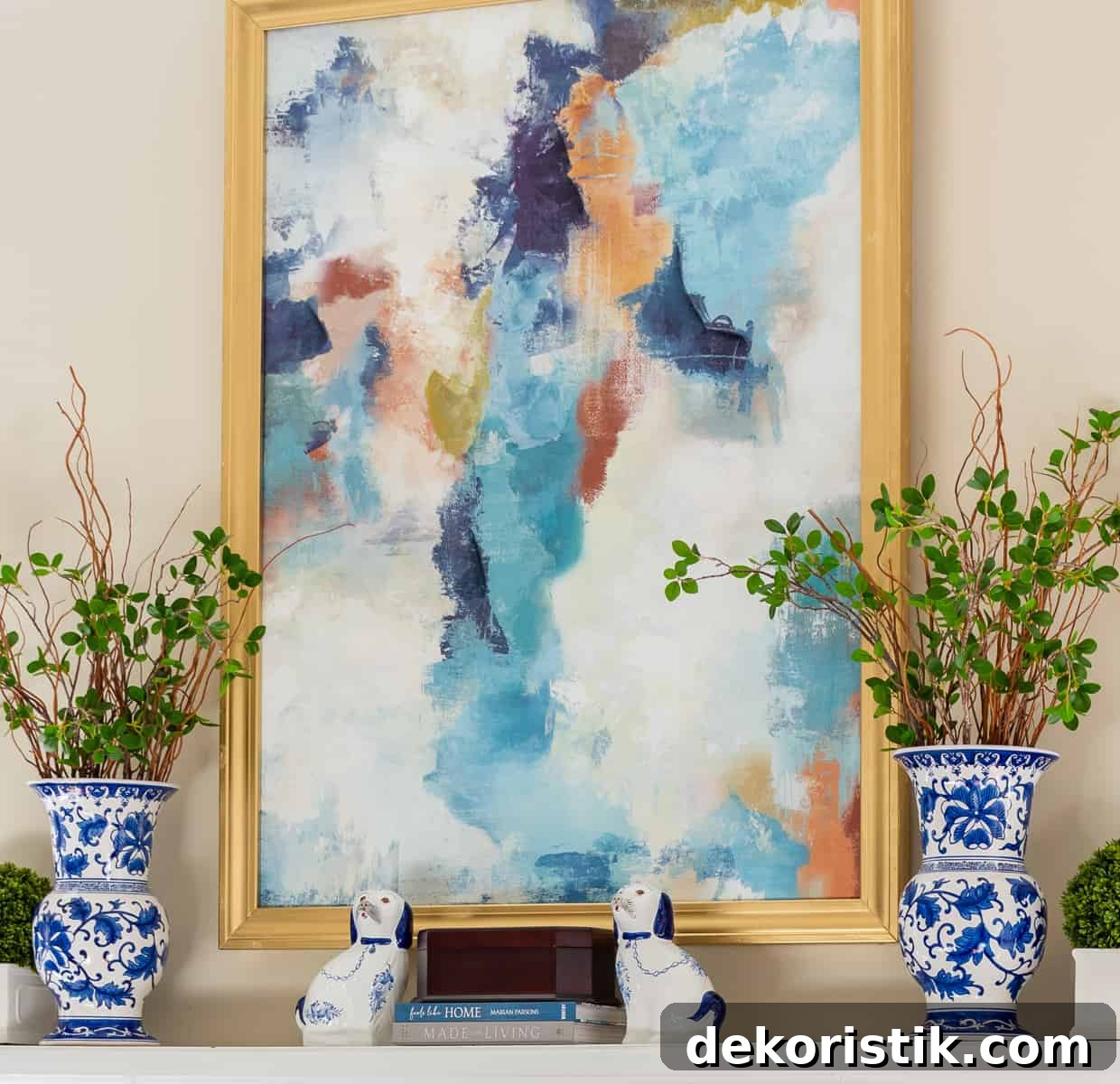
Whether you have no budget, a small budget, or more to spend, the most reliable route to a stylish home is thoughtful editing, layered textures, and a focus on a consistent style. Start with a clear sense of what you love, then use a mix of free updates, thrifty finds, DIY refreshes, and selective investments to build a home that looks intentional and feels welcoming.
Roll up your sleeves, experiment by moving things around, and enjoy the process of creating a space that reflects your taste. With these designer-inspired strategies, you can keep your home looking stylish and comfortable all year round.