
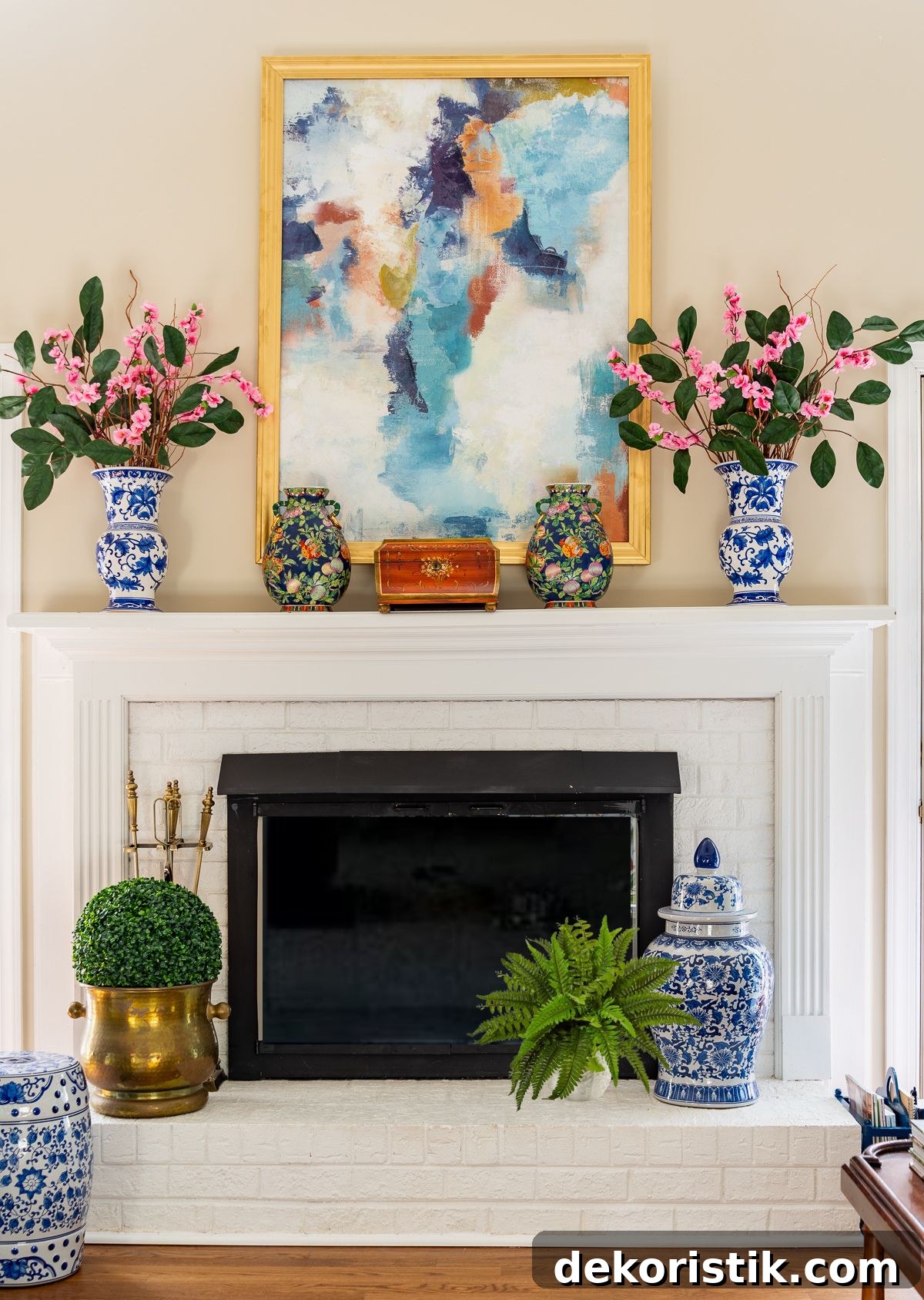
Wondering where to begin when decorating a room? This beginner-friendly guide walks you step by step through how to start decorating a room so you can create a space that looks great and functions well for everyday life.
Welcome to Simply Decorating — a practical decorating series created for anyone who wants a home that feels personal and lived-in. If you’ve asked yourself, “When decorating a room, where do I start?” or “How do I even begin to decorate a space?”, this guide will help you get organized and proceed with confidence.
This free DIY decorating resource removes the guesswork and gives you a clear path forward. You’ll learn how to turn your ideas into a cohesive plan that suits your home, your budget, and your lifestyle — without needing formal design training.
Think of Simply Decorating as a decorating roadmap filled with practical advice, easy-to-follow steps, and reliable tips used in real projects. Whether you’re refreshing one room or tackling a whole house, the same basic process applies and will help you avoid costly mistakes.
You don’t need a big budget to make a home feel warm and welcoming. What you do need is a clear starting point — an honest assessment of the space and a simple plan to move forward. That’s what this series delivers.

This series teaches the essential decisions you’ll face and shows how to make them with clarity. From choosing a color palette and furniture layout to selecting fabrics and finishing touches, you’ll become more decisive and purposeful about each choice.
We’ll cover a wide range of topics — from styling shelves to planning lighting — so you can tackle real, everyday decorating challenges. Be sure to sign up to receive my emails so you won’t miss new posts and practical how-tos as they’re published.
Today we start at the beginning: the steps to take before you pick up a paintbrush or buy new furniture. Taking these preparatory steps saves time, money, and frustration later on.
How to decorate a room – the beginning
A simple, repeatable process makes decorating manageable. Before you shop, decide, or paint, develop a clear understanding of the room and a vision for what you want to achieve. The following steps are the foundation of every successful room makeover.
Start by assessing the room and listing what works and what doesn’t. A clear assessment prevents impulse purchases and helps you prioritize fixes that improve daily use.
Key steps to take before you buy anything:
• Assess the Current Space: Walk through the room and note strengths and problem areas. Consider circulation, focal points, and how natural light affects the space throughout the day.
• Set Goals and Identify Needs: Decide how the room will be used now and in the future. Do you need extra seating, storage, or a flexible layout for multi-use rooms like a dining room that also serves as an office?
An easy way to organize decisions is with a simple spreadsheet: list priorities, items to buy, measurements, and estimated costs. This keeps the project on track and on budget.

• Identify the Mood: Pick two or three words that describe the feeling you want — for example, calm and cozy; bright and energetic; or warm and layered. These words guide color, texture, and accessory choices.
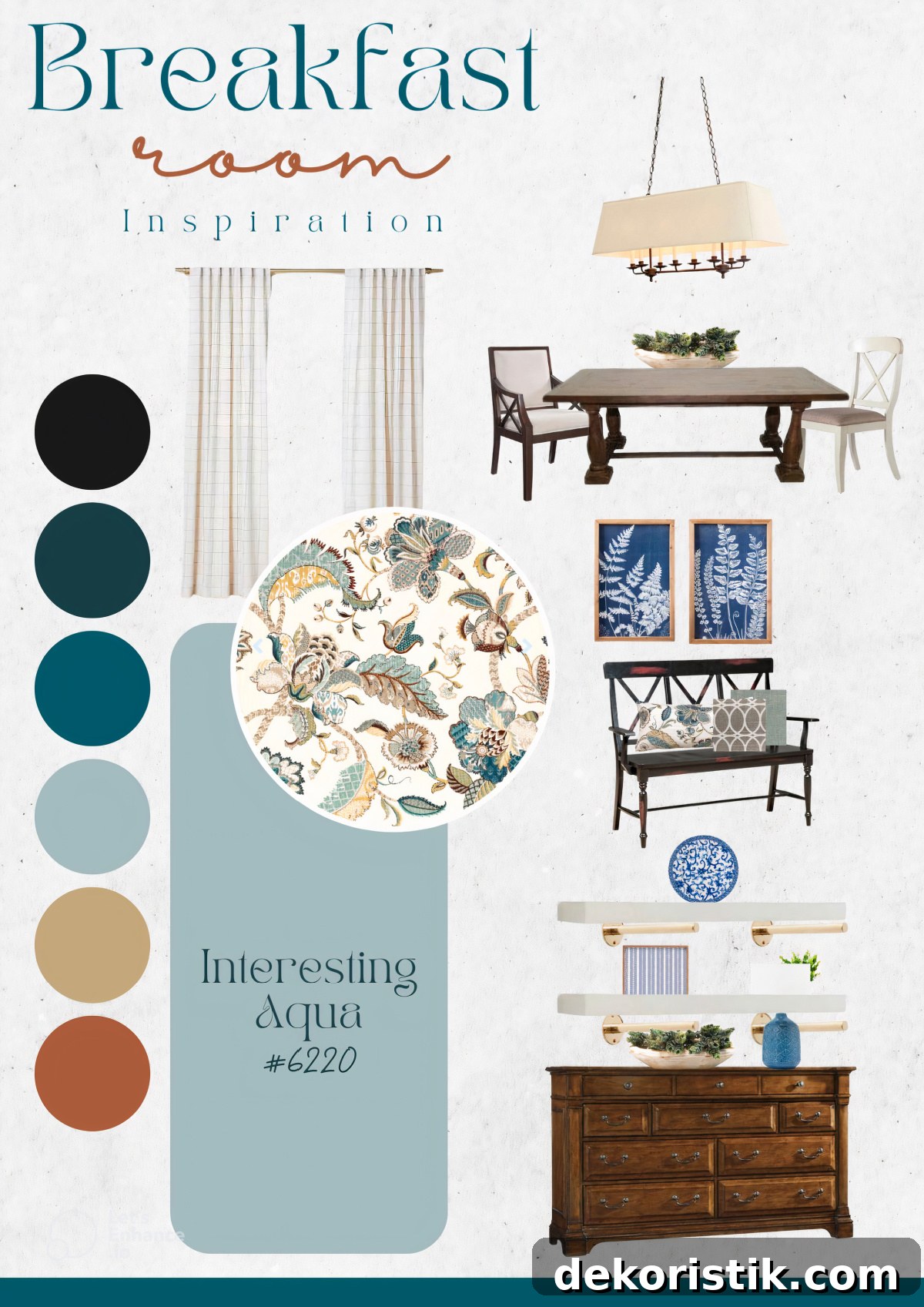
• Gather Inspiration: Build a mood board from photos, magazine clippings, or saved images online to clarify colors, finishes, and layouts you prefer.
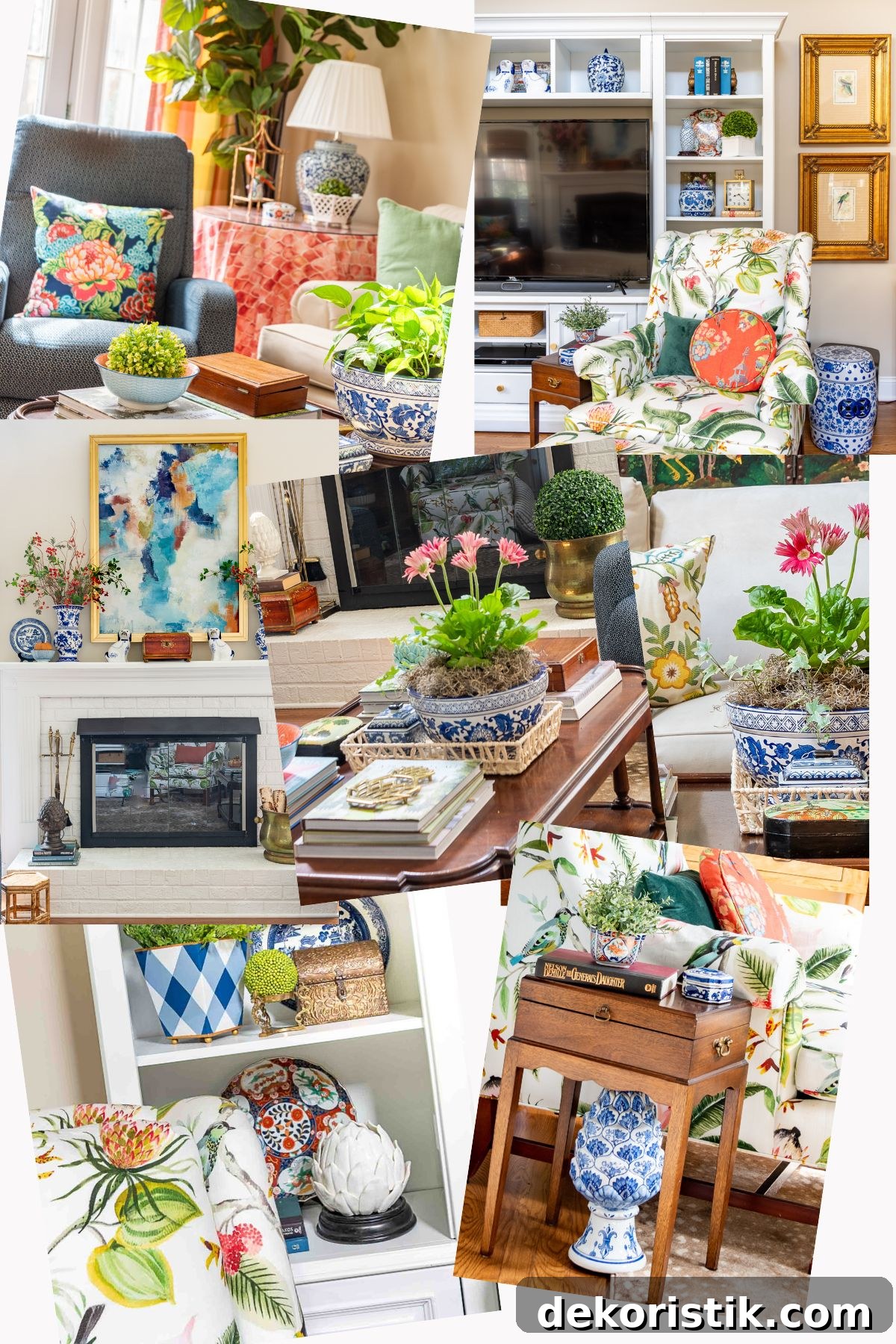
• Make a Wish List: Brainstorm every element you might want — furniture, rugs, lighting, artwork, and accessories. Prioritize that list based on need and impact.
• Measure the Space: Accurate measurements are critical. Measure walls, windows, doorways, and ceiling height, then measure existing pieces you plan to keep.
• Set a Budget: Determine how much you’ll spend and include DIY supplies like paint and tools. Allow a buffer of roughly 20% for unexpected costs and track spending in your spreadsheet so you stay in control.

Before you begin, be aware of common missteps so you can avoid them and keep your project on track.
Mistakes to avoid
• Ignoring Functionality: A room should look good and serve your needs. Prioritize usability over looks alone.
• Overlooking a Lighting Plan: Plan layered lighting — ambient, task, and accent — to suit different activities and create mood.
• Underestimating Costs: Research current prices and include labor or specialty items so your budget is realistic.
• Rushing the Process: Thoughtful planning prevents regrets. Take time to live with ideas and test small changes first.
• Following Trends Blindly: Trends are useful for inspiration, but build a room with lasting elements that reflect your taste.
Now it’s your turn. With these steps, you can approach decorating with clarity and confidence. Each decision you make moves you closer to a beautiful, comfortable room that supports the way you live. You’ve got this!
Chapter 2 in the Simply Decorating series: A Quiz to Find Your Personal Home Decor Style
-
How to Fix a Room That Feels Off
-
How to Mix Decorating Styles to Keep Your Home From Looking Boring
-
How to Decorate by Shopping Your Own House
-
The Do’s and Don’ts of Home Decorating: Basic Tips for Getting It Right
-
The Secret to Layering Accessories Like a Pro
-
Where to Start When Decorating a Room