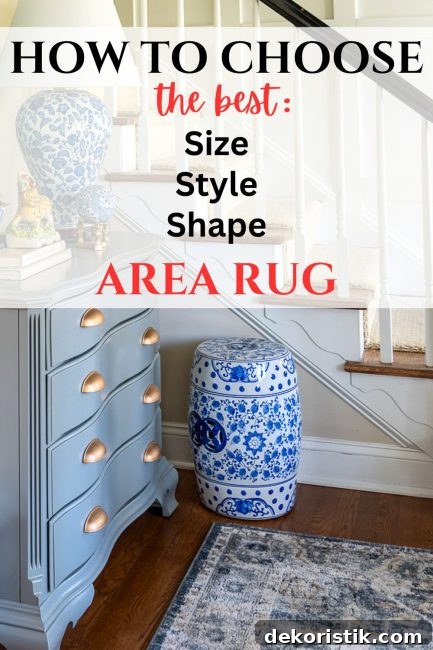
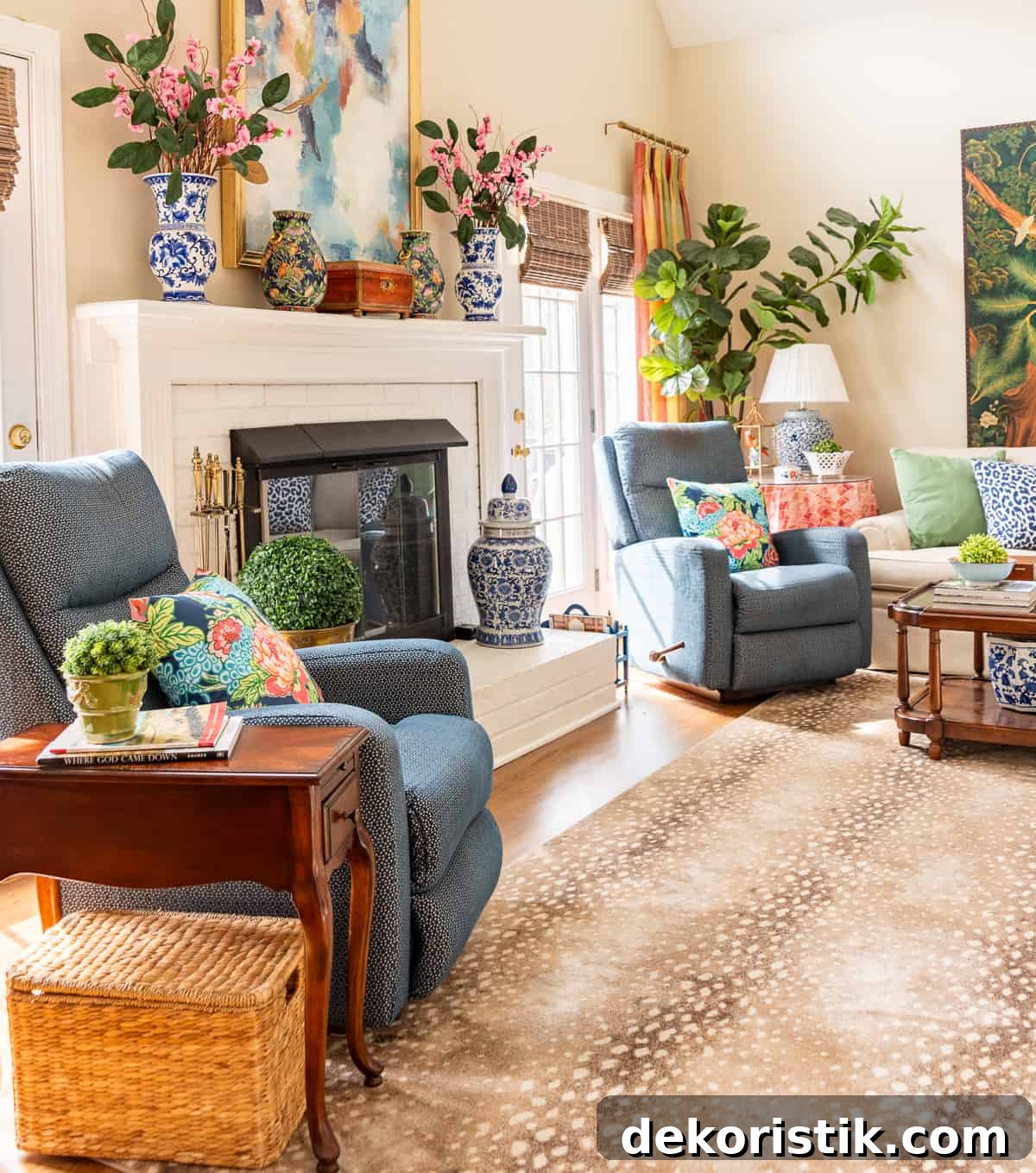
Choosing an area rug can feel overwhelming. It’s more than selecting a size, material, or pattern—your rug affects comfort, acoustics, and the overall balance of a room. This guide collects practical tips to help you find the right rug for every space in your home.
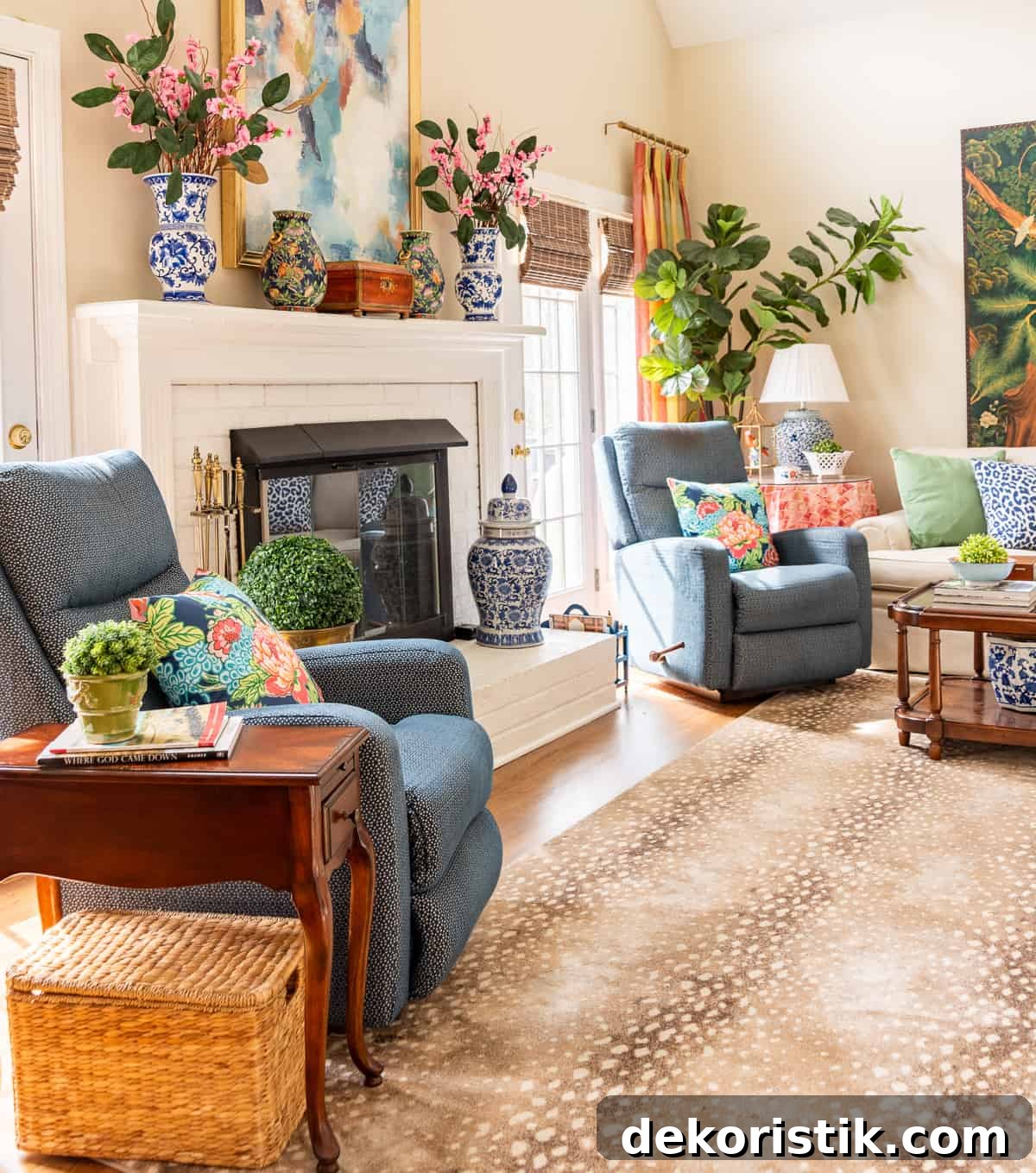
Rug shopping can be frustrating, but it doesn’t have to be. With a little planning—knowing where the rug will go, how the space is used, and what materials suit your needs—you’ll make confident choices that improve both form and function.
Before buying an area rug
Start by thinking about the room and how it’s used. Consider traffic patterns, furniture layouts, and daily activities. A rug for a family living room will have different priorities than one for a guest bedroom or an outdoor porch.
Ask practical questions before you shop:
- Will the rug face heavy foot traffic or frequent spills? High-traffic areas need durable, stain-resistant fibers.
- Do you have pets or young children? That affects material and pile choices.
- Does a door swing over the rug? Low-pile rugs are necessary where door clearance is tight.
- Are there allergy concerns? Natural fibers like wool, cotton, or jute typically off-gas less than certain synthetics.
- Is the room equipped with underfloor heating? Verify that the rug and backing are compatible.
- Do you need slip resistance for safety? Many rooms benefit from a non-slip rug pad or a low-slip backing.
- Will the rug be in direct sunlight? Choose a colorfast option to resist fading.
Choosing the area rug size and shape
Think of a rug as the frame for your room: it should highlight and unify the furniture, not compete with it. The right size and shape anchor the layout and create visual balance.
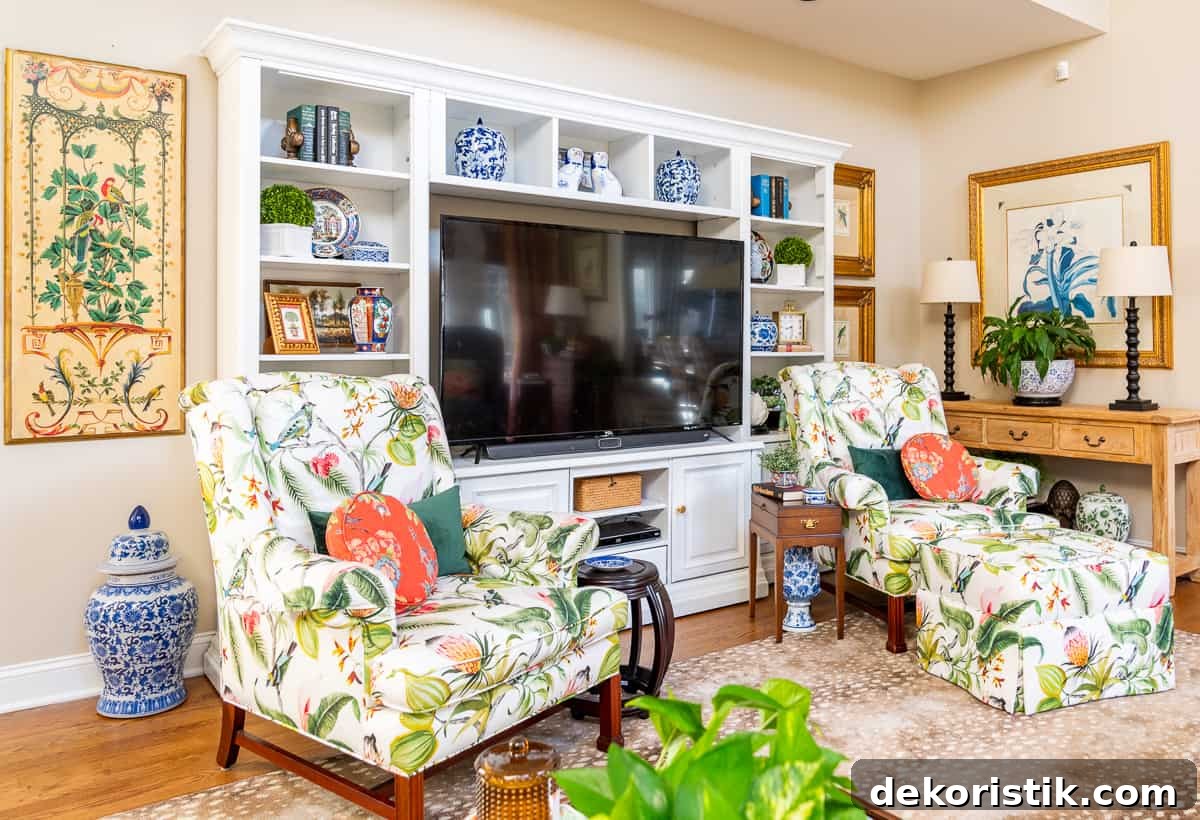
A rug that’s too small will look lost under furniture; a rug that’s too large can overwhelm the room. Aim for proportion: leave a margin of visible flooring around the rug so the space reads as intentional.
Living Room
If the sofa sits against the wall, the rug should at minimum accommodate the front legs of the sofa and any adjacent chairs. For a seating area that floats away from walls, place the rug so all furniture legs rest on it—the front and back legs if possible—creating a cohesive cluster.
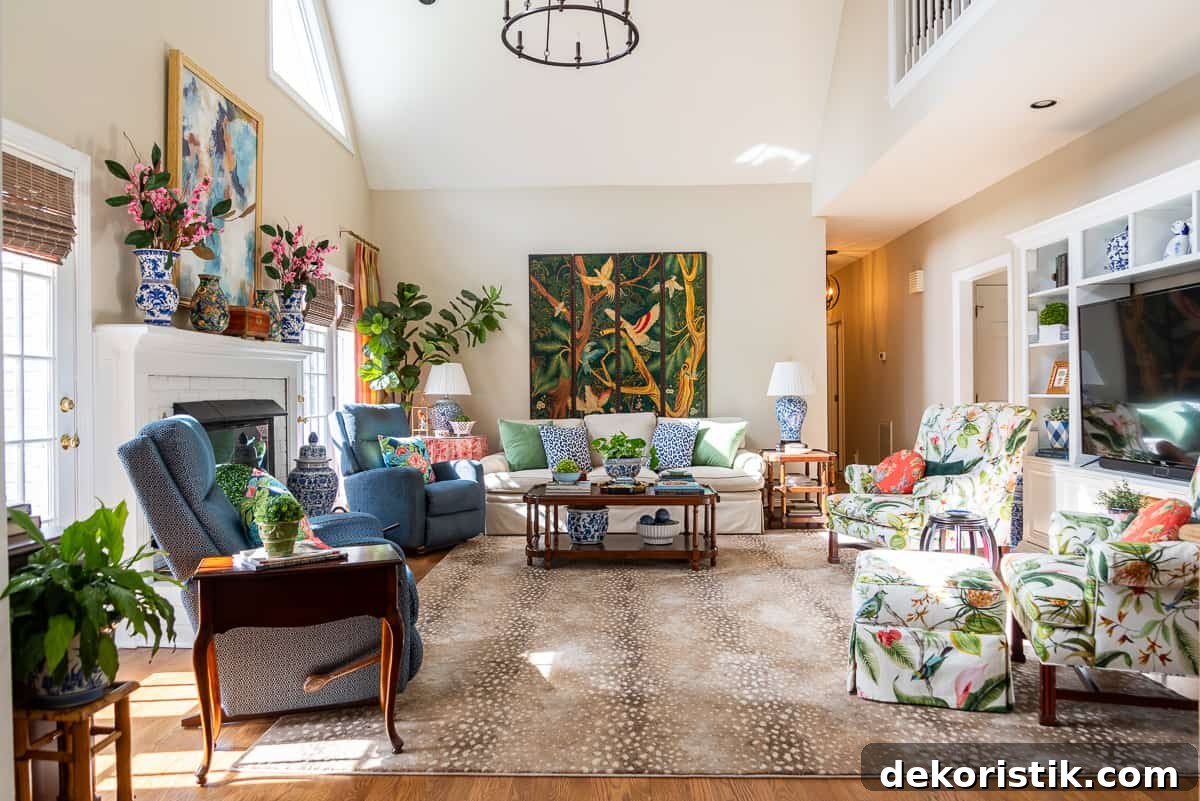
Wool is often the best choice for living rooms: soft, resilient, and naturally resistant to dirt and stains. If your budget is limited, consider high-quality synthetic alternatives that mimic wool’s durability at a lower price.
Dining Room
Use the dining table size as your guide: the rug should extend at least 24 inches beyond the table on all sides so chairs remain on the rug when pulled out. This prevents chair legs from catching on the edge and keeps the area feeling unified.
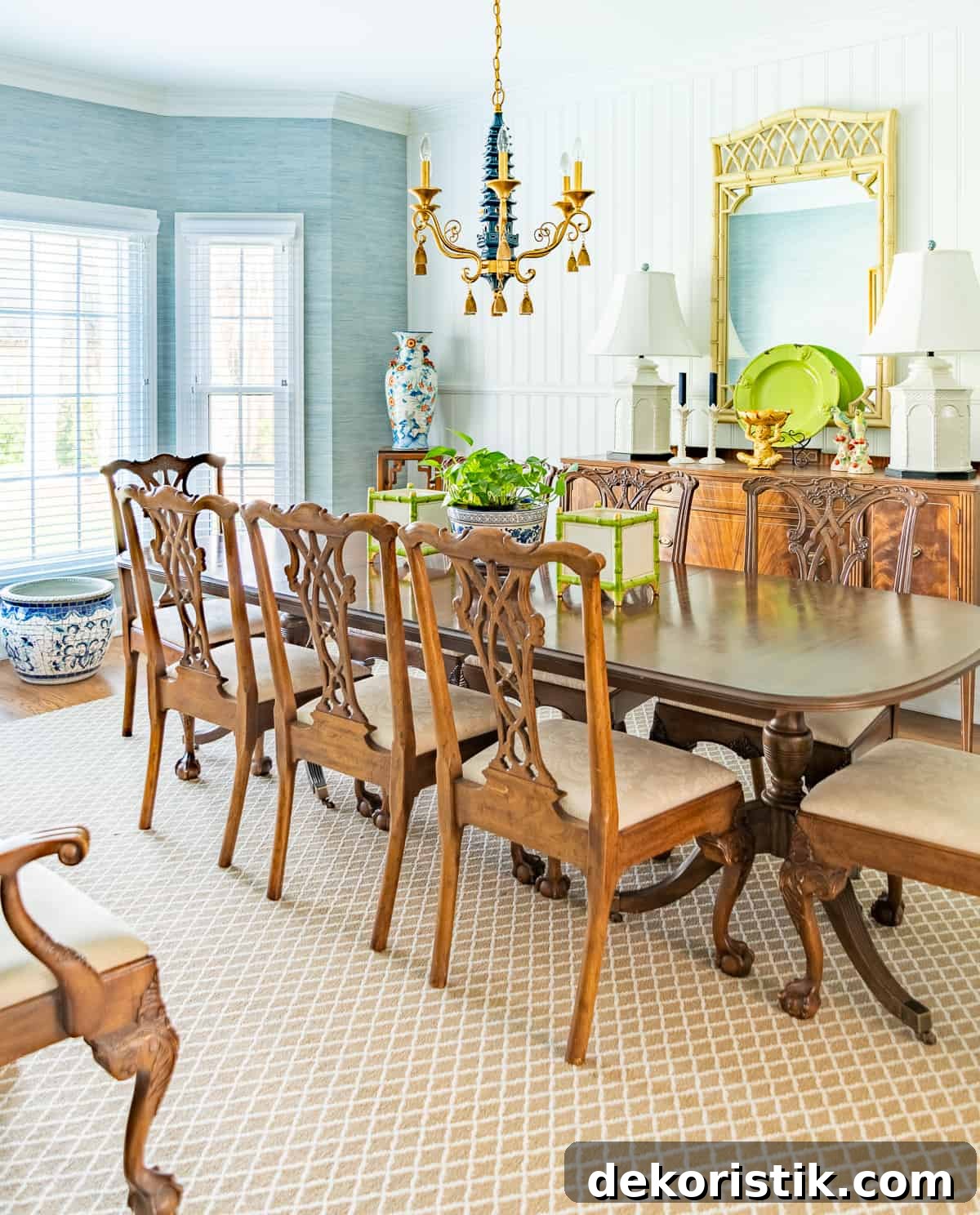
For dining rooms choose easy-to-clean materials. Flatweave or low-pile rugs in wool or polypropylene perform well—wool repels stains naturally, while polypropylene is extremely stain-resistant and simple to wipe clean.
Bedroom
In larger bedrooms, place a large rug under the bed and nightstands, allowing several feet of rug around the sides and foot for a luxurious feel. If budget or space is limited, a rug placed under the lower two-thirds of the bed or two runners alongside the bed are both attractive options.

Wool is ideal for bedroom comfort and warmth. Cotton rugs are another budget-friendly option and layer nicely over carpet if you want extra texture.
Kitchen and Entryway
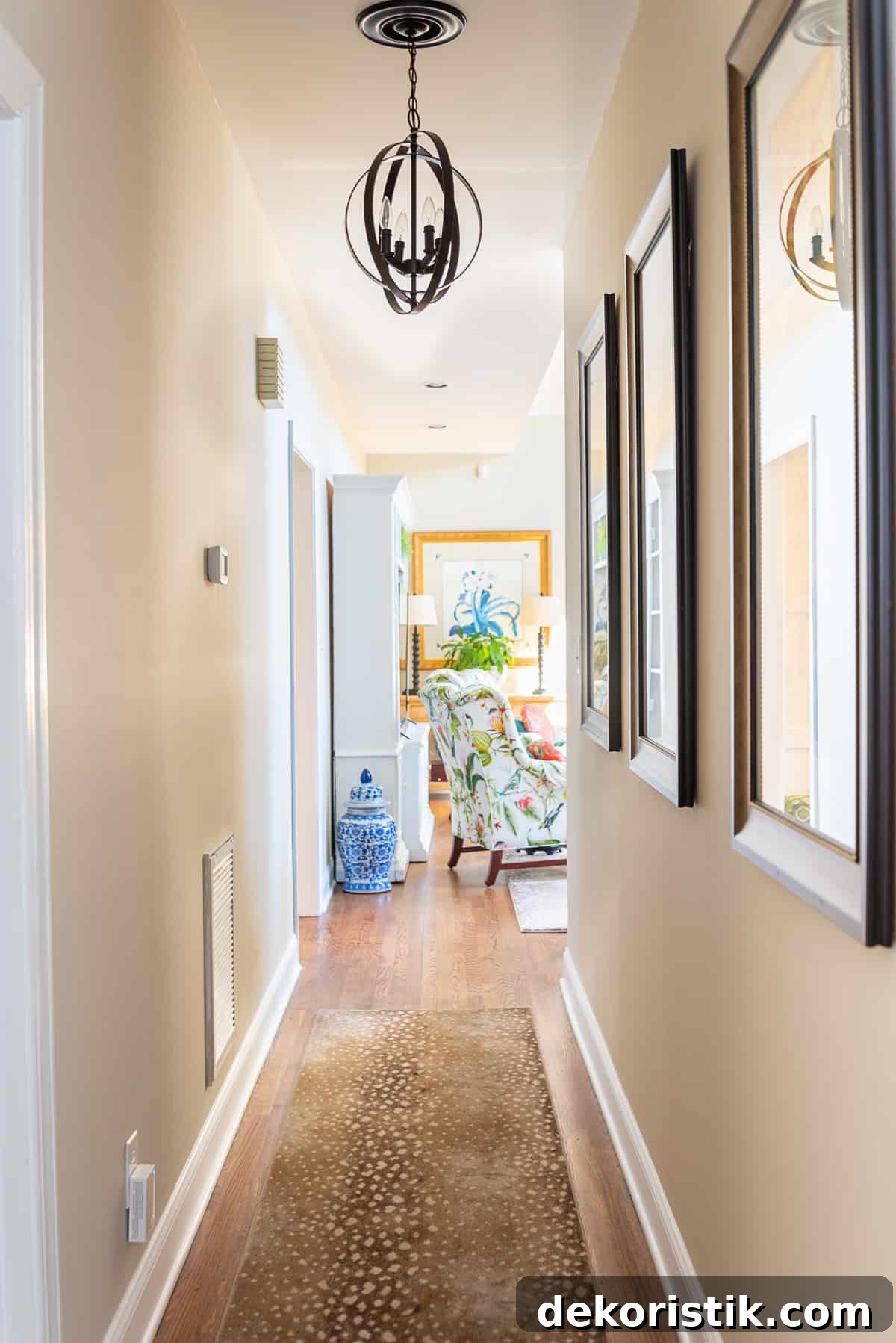
Kitchens and entryways benefit from runners and small rugs—common sizes include 2′ x 3′, 3′ x 5′, or narrow runners like 2.5′ x 8′. These zones are often high-traffic and spill-prone, so choose durable, low-pile, patterned rugs that hide wear and are easy to clean.
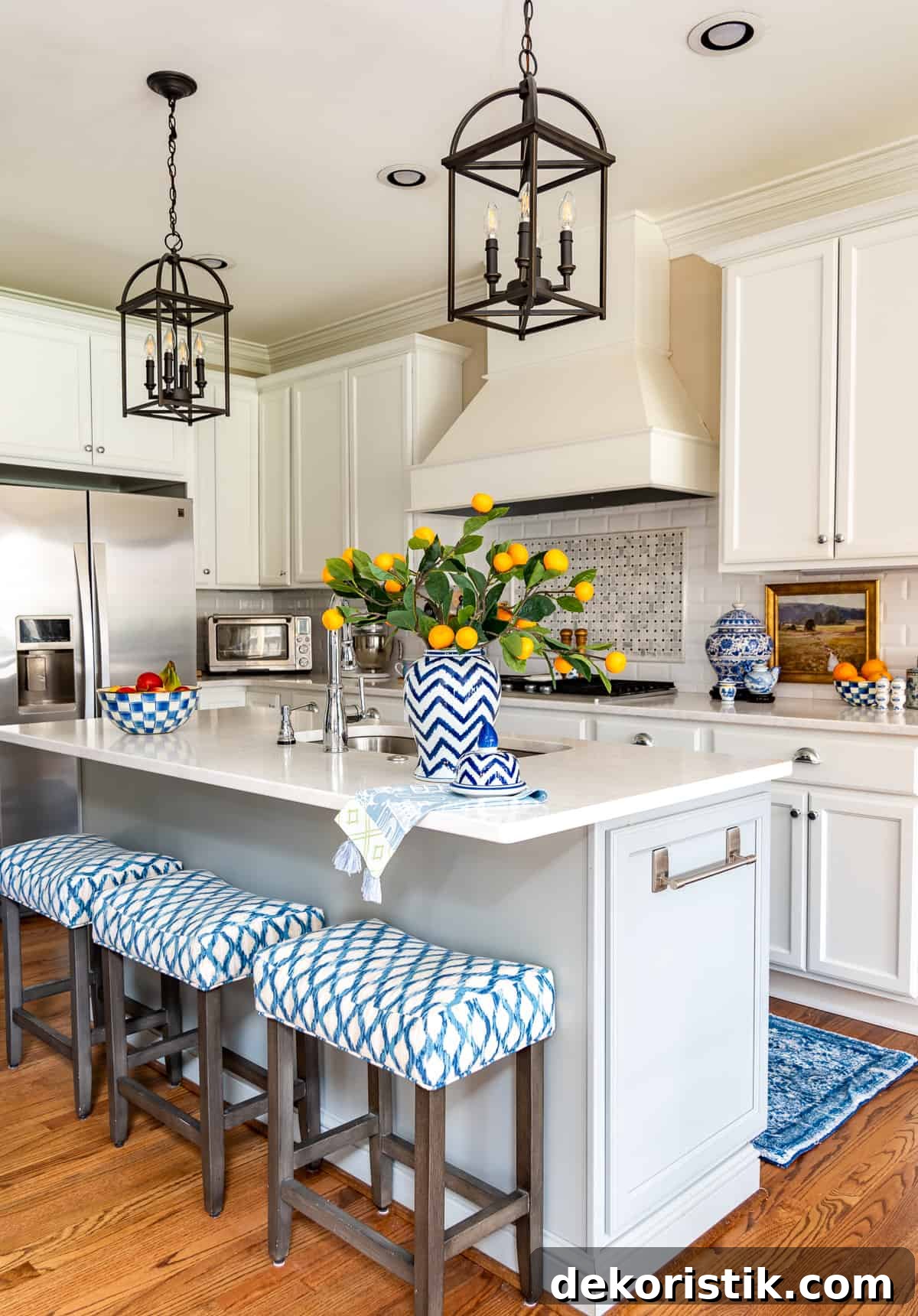
Synthetic fibers like polypropylene or nylon are excellent here because they handle moisture, stains, and heavy foot traffic with minimal fuss.
Outdoor Areas
Outdoor rugs should be sized to define seating areas; typically the rug ends 12–24 inches from the perimeter to create a framed look. Choose weatherproof, UV-resistant flatweaves that drain and dry quickly.
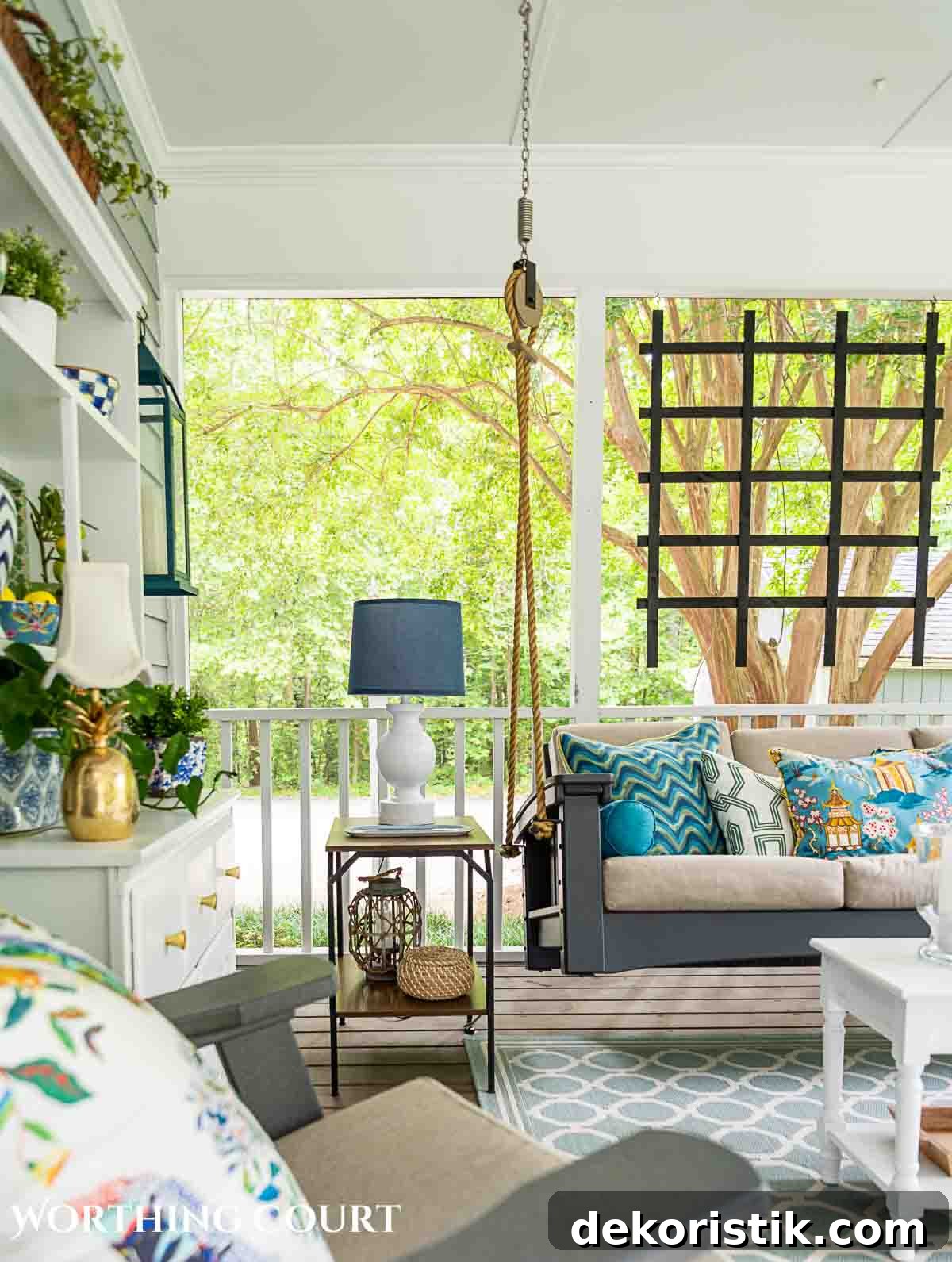
Polypropylene is the top outdoor choice because it resists water, fading, and mildew while remaining easy to clean.
How to Measure for an Area Rug
Measure the room and visualize the rug by marking its corners with painter’s tape. A simple rule: subtract 1–2 feet from each room dimension to find a balanced rug size that leaves a border of flooring visible.
Common sizes by room:
- Living room: 8′ x 10′, 9′ x 12′, 10′ x 14′ (mid to high pile).
- Dining room: 9′ x 12′, 10′ x 14′, or 8′ round (flatweave to low pile).
- Bedroom: 8′ x 10′, 9′ x 12′, or rugs for each side such as 2′ x 6′ or 4′ x 6′ (mid to high pile).
- Kitchens and entryways: 2.5′ x 8′ runners, 2′ x 3′, 3′ x 5′, or 6′ x 9′ (low pile, patterned).
- Outdoor: 8′ x 10′, 9′ x 12′, 10′ x 14′ (UV-resistant flatweave).
Choosing the style of your area rug
Select a rug style that fits your lifestyle and overall design aesthetic. In open floor plans or adjoining rooms, coordinate colors and patterns so adjacent rugs complement each other rather than compete.

Style options include:
- Traditional: Persian, Oriental, and Moroccan patterns add depth and history. Wool is common here.
- Contemporary: Modern motifs, geometrics, and minimalist palettes suit sleek interiors.
- Natural: Jute, sisal, leather, and cowhide bring texture and earthy warmth.
- Bohemian: Shag, Kilim, Dhurrie, and Ikat rugs deliver eclectic color and personality.
How to care and clean for an area rug
Plan for maintenance before you buy. Different fibers require different care, and routine attention will lengthen a rug’s life.
- Synthetics: Easy to clean—vacuum, spot-clean, or steam-clean as needed. They can show surface dirt but often resist stains.
- Wool: Naturally water- and stain-resistant due to lanolin; blot spills immediately and gently treat with mild soap and water. Avoid aggressive scrubbing.
- Cotton and Silk: More delicate; professional cleaning is recommended to avoid damage and deep-set stains.
Do you need a rug pad?
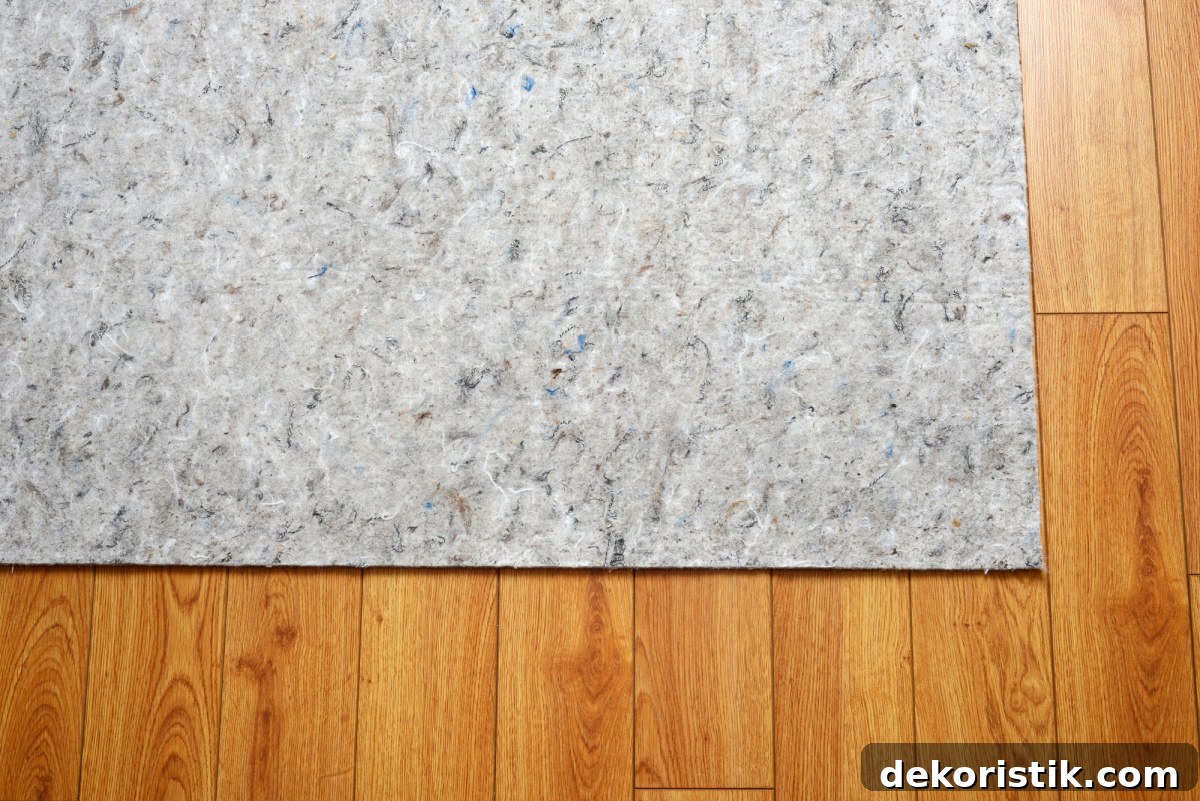
Yes. A rug pad prevents slipping, reduces bunching, cushions footsteps, and protects both the rug and the floor from wear and dents. Choose a non-slip, high-grip pad for kitchens and entryways; opt for a cushioned pad in living rooms and bedrooms for extra comfort.
TIP: Use painter’s tape to mark the rug’s edges on the floor to visualize placement before you buy.
Area rug don’ts
Avoid common mistakes that undermine a rug’s impact:
- Don’t choose a rug that’s too small for the room—small rugs in large spaces create a disjointed look.
- Don’t skimp on coverage under dining tables; chairs should remain on the rug when pulled out.
- Don’t forget to check door clearance to ensure doors open freely over the rug.
- Don’t pick colors or patterns that clash with your existing decor—coordinate tones and scale.
- Don’t neglect maintenance—regular cleaning prevents premature wear.
With these guidelines, choosing the right area rug should be more straightforward. Measure carefully, consider how you’ll use and care for the rug, and select materials and styles that fit your lifestyle. The right rug will anchor your room, enhance comfort, and bring your design together for years of enjoyment.