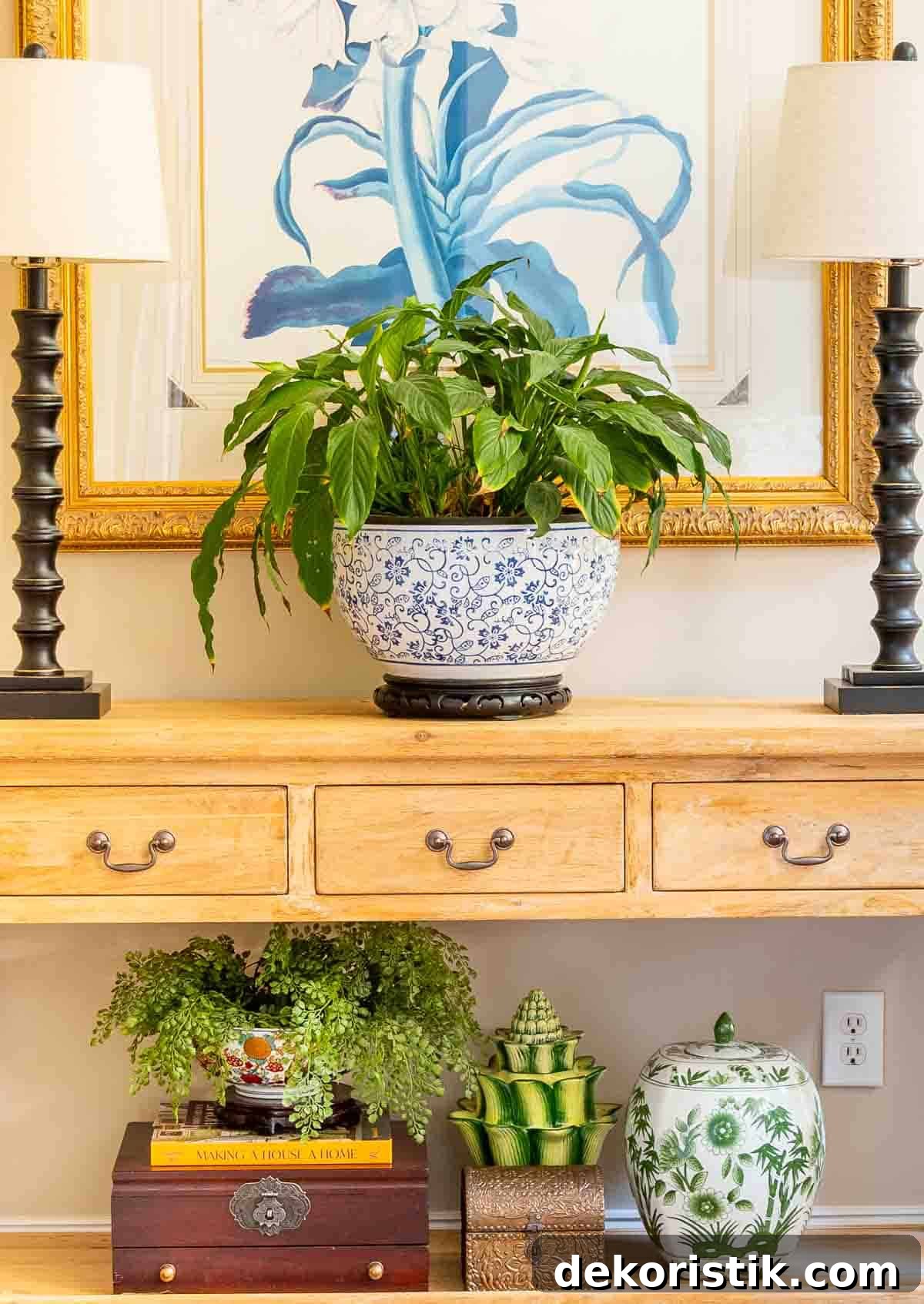
Avoid common decorating mistakes with these practical do’s and don’ts for home decorating—clear, usable tips that will help every room look and and feel its best.
Updating a room or redecorating your home can feel overwhelming. It’s not always obvious what to tackle first, how pieces will work together, or whether a misstep will cost time and money. The good news: decorating doesn’t have to be intimidating. You don’t need perfection—just a thoughtful approach that makes your space comfortable, functional, and reflective of who you are.
Use these essential do’s and don’ts to begin with confidence, avoid common errors, and create rooms that feel intentional and welcoming.
Do: Begin with a Plan
Before you buy anything, step back and clarify the room’s purpose. Will it be for relaxing, entertaining, working, or a combination? List the must-haves—storage, seating for a certain number of people, a workspace, or a media area. Collect inspiration from images and jot down the elements you want to include. Creating a simple mood board helps you visualize colors, finishes, and furnishings and keeps purchases aligned with a cohesive vision.
Starting with a plan makes decisions faster and saves money by preventing impulse buys that don’t fit the overall design.
Don’t: Skip Measuring
Falling in love with a piece that “should” work is a common trap. One of the biggest decorating missteps is choosing furniture or decor that simply doesn’t fit the space—too tall, too wide, too deep, or too small. Even small size mismatches can make a room feel off-balance.

Measure wall height and width, floor area, door swings, and window widths for drapery. Use painter’s tape to outline large pieces on the floor so you can see exactly how they’ll fit. That simple step prevents costly mistakes and ensures traffic flow and scale are right.
Do: Create a Functional Layout
Resist the impulse to push every piece against the walls. Think about how people will move through and use the space. Arrange seating to encourage conversation and orient furniture toward focal points, such as a fireplace or television. Create zones for different activities: a reading nook, a media area, and an entry landing, for example.
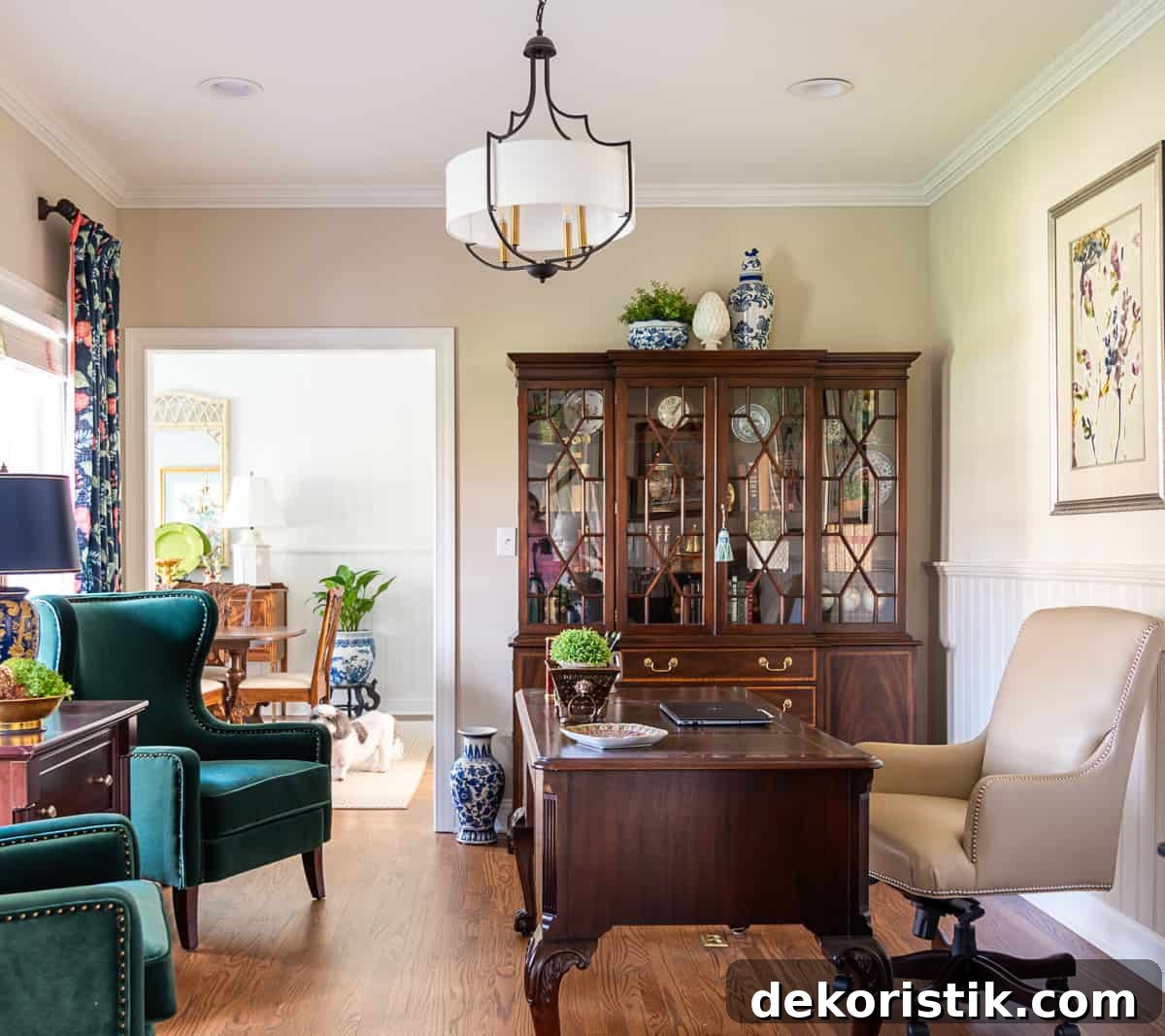
A well-thought-out layout makes a home feel balanced, cozy, and functional. If your room has more than one focal point, plan how each area will complement the others so the space reads as a single, cohesive design.
Don’t: Forget to Add Texture
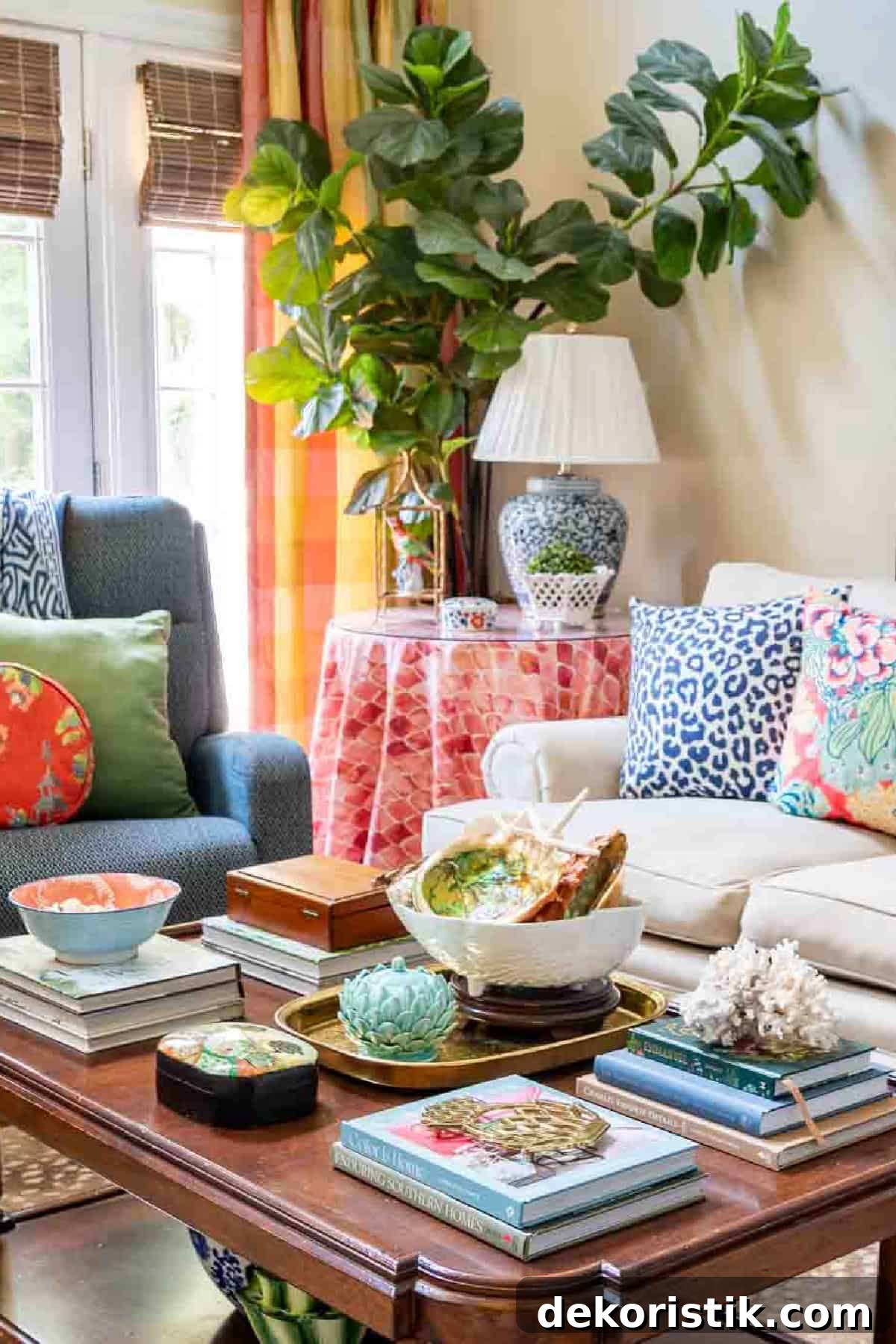
Even a beautiful color palette can feel flat without texture. Mix materials—cotton, linen, velvet, leather, wood, metal, natural woven fibers, and glass—to bring depth and interest. Texture gives rooms a tactile richness that photographs often miss.
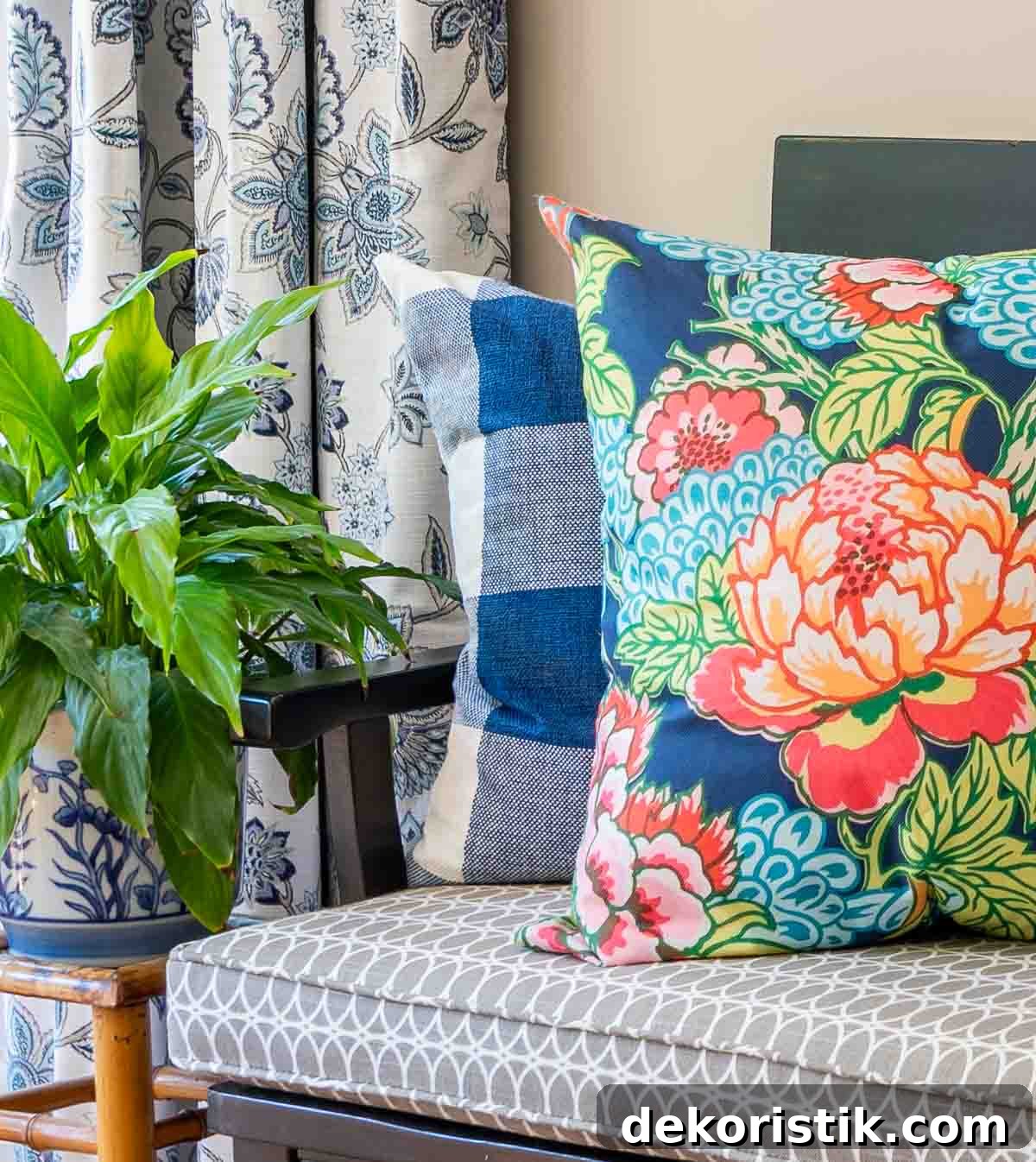
Add texture with throw pillows, a cozy rug, woven baskets, layered bedding, and live or faux greenery. These elements make a room feel more inviting and thoughtfully layered.
Do: Layer Your Lighting
Relying only on overhead lighting often results in a harsh, uninviting atmosphere. The most comfortable rooms use layered lighting—overhead fixtures, table and floor lamps, wall sconces, and accent lights—to create mood and functionality.
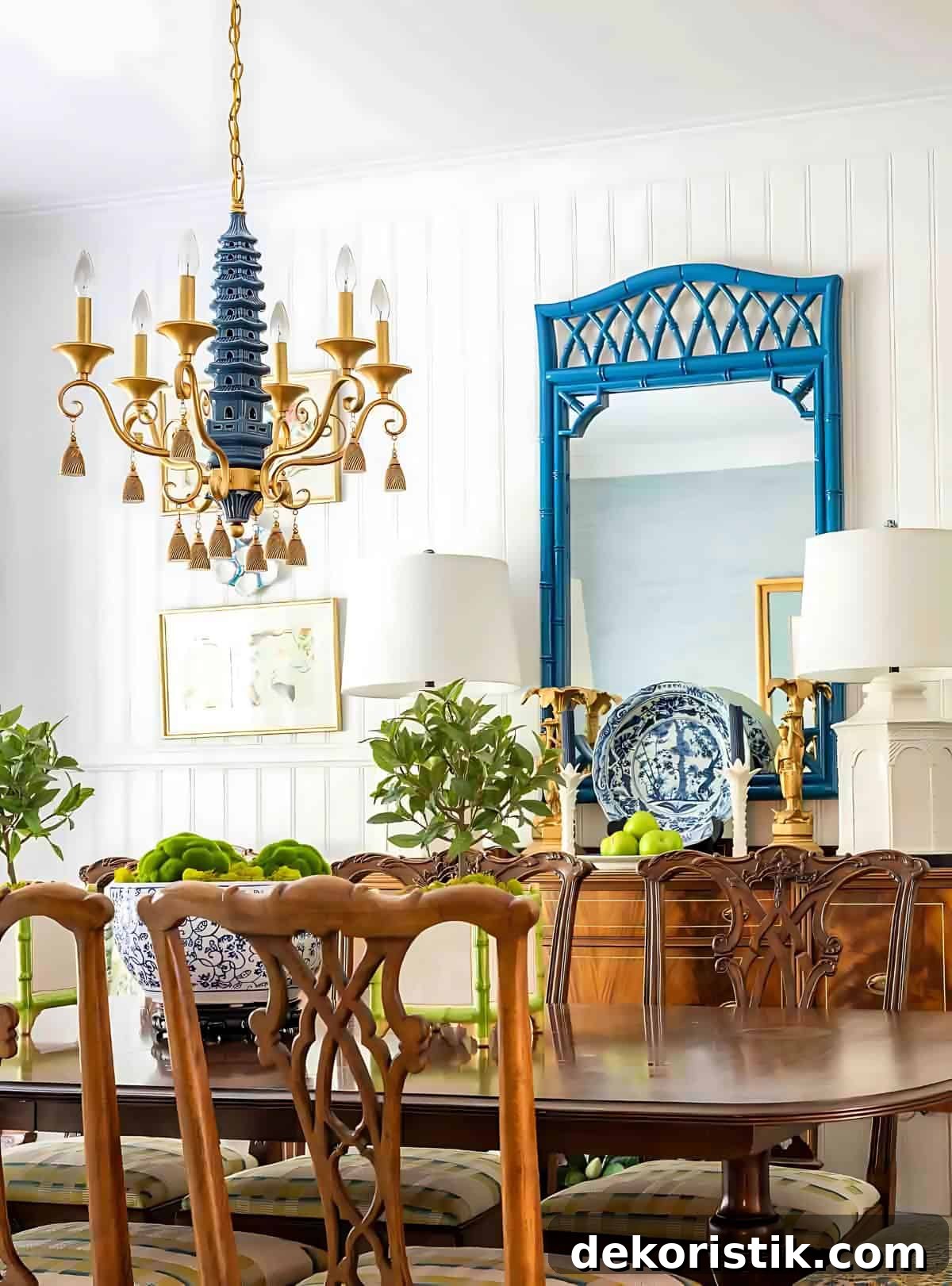
Use dimmers and place lights at different heights to add flexibility. Proper lighting transforms a room—especially in the evening—making finishes look richer and seating areas more inviting.
Don’t: Hang Artwork Too High
Artwork and mirrors positioned too high can disrupt a room’s sense of scale. A helpful guideline is to hang the center of the piece at roughly eye level—about 57–60 inches from the floor in most homes. This keeps artwork visually connected to the furniture and the people using the space.
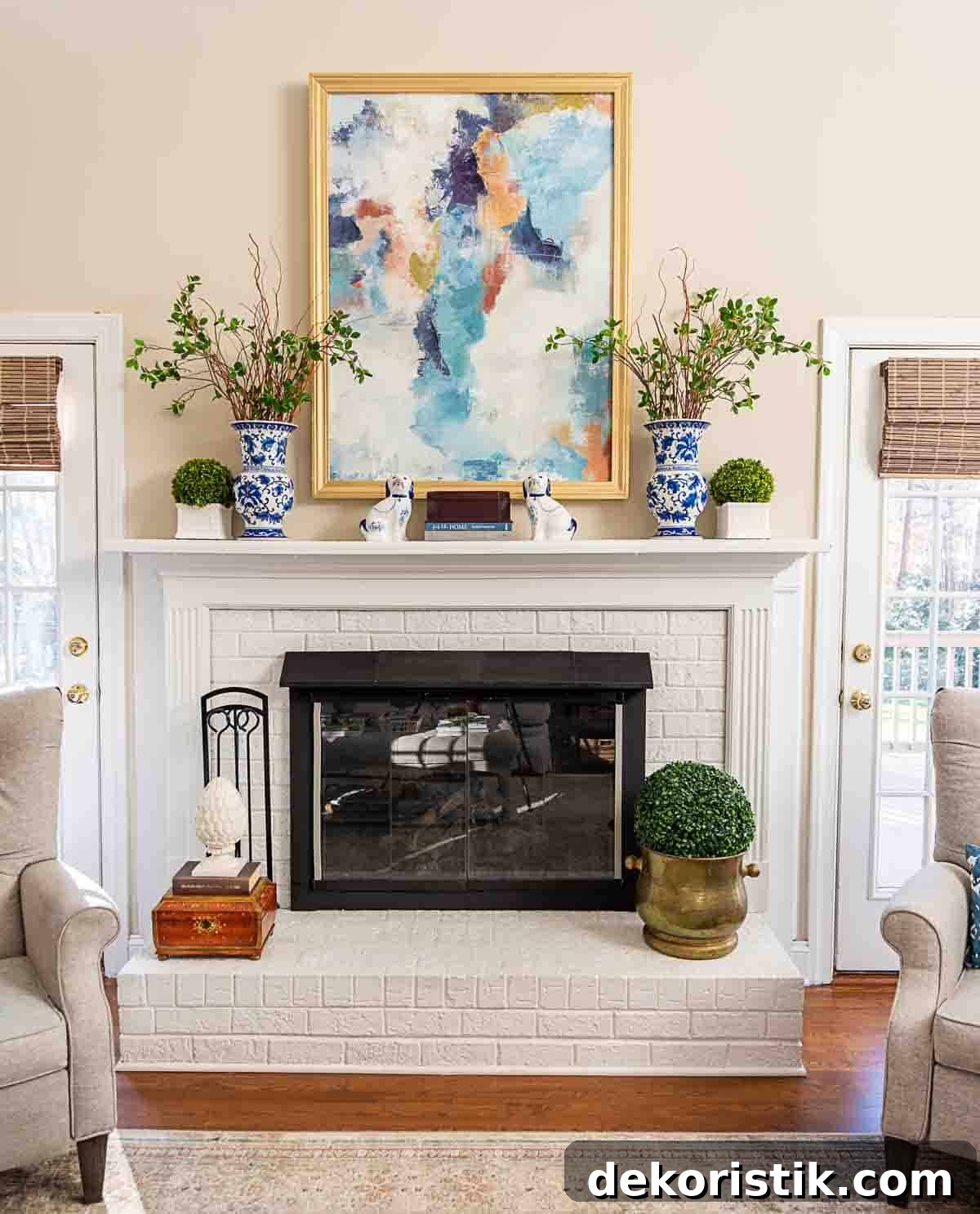
Adjust placement for seating areas, stairways, and high ceilings, but keep the overall balance between art and furniture in mind.
Do: Add Something Personal
Rooms that feel most memorable include meaningful items: framed family photos, inherited pieces, travel finds, or handcrafted objects. Personal items give a space character and tell a story about who lives there.
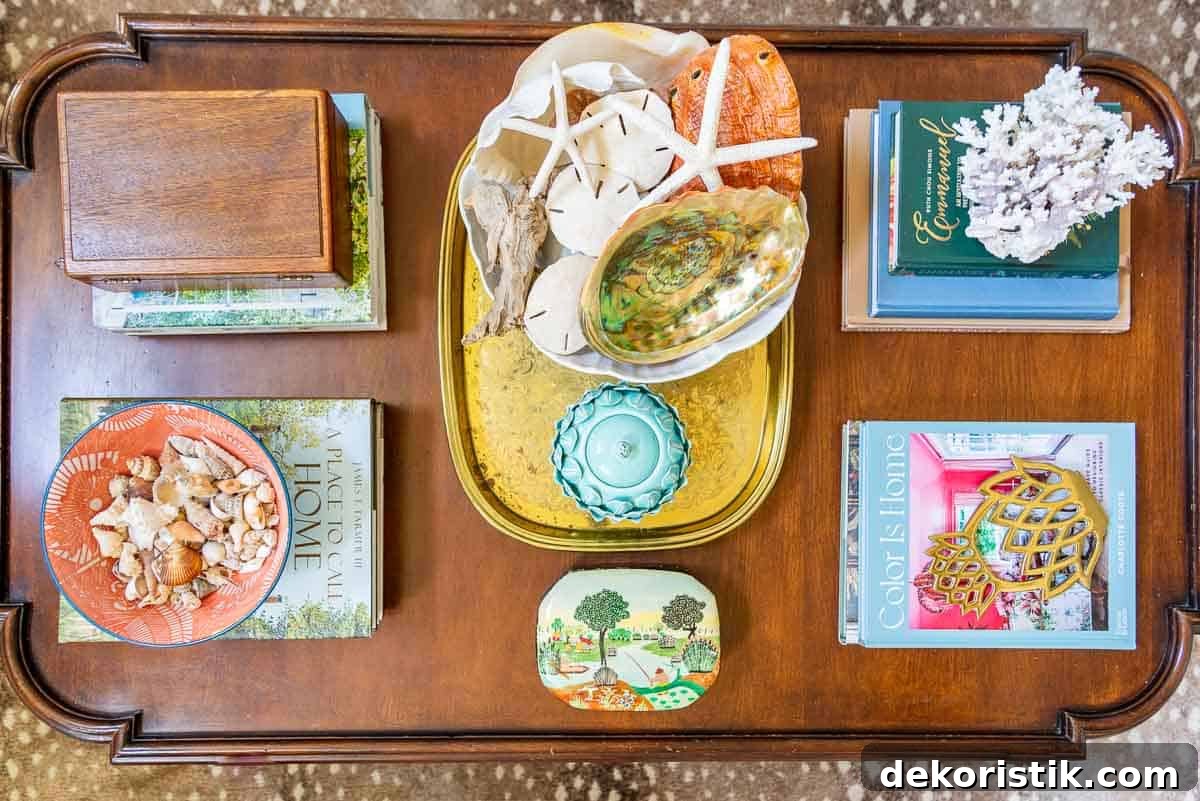
They don’t have to be large or costly—small, curated touches can make your home feel warm, collected, and uniquely yours.
Don’t: Decorate for Trends
Trends can be fun, but leaning on them too heavily can date your home quickly. Focus on timeless principles—balance, proportion, comfort, and quality—while incorporating trend pieces sparingly. Invest in classic basics you love, and update smaller accents as tastes evolve.
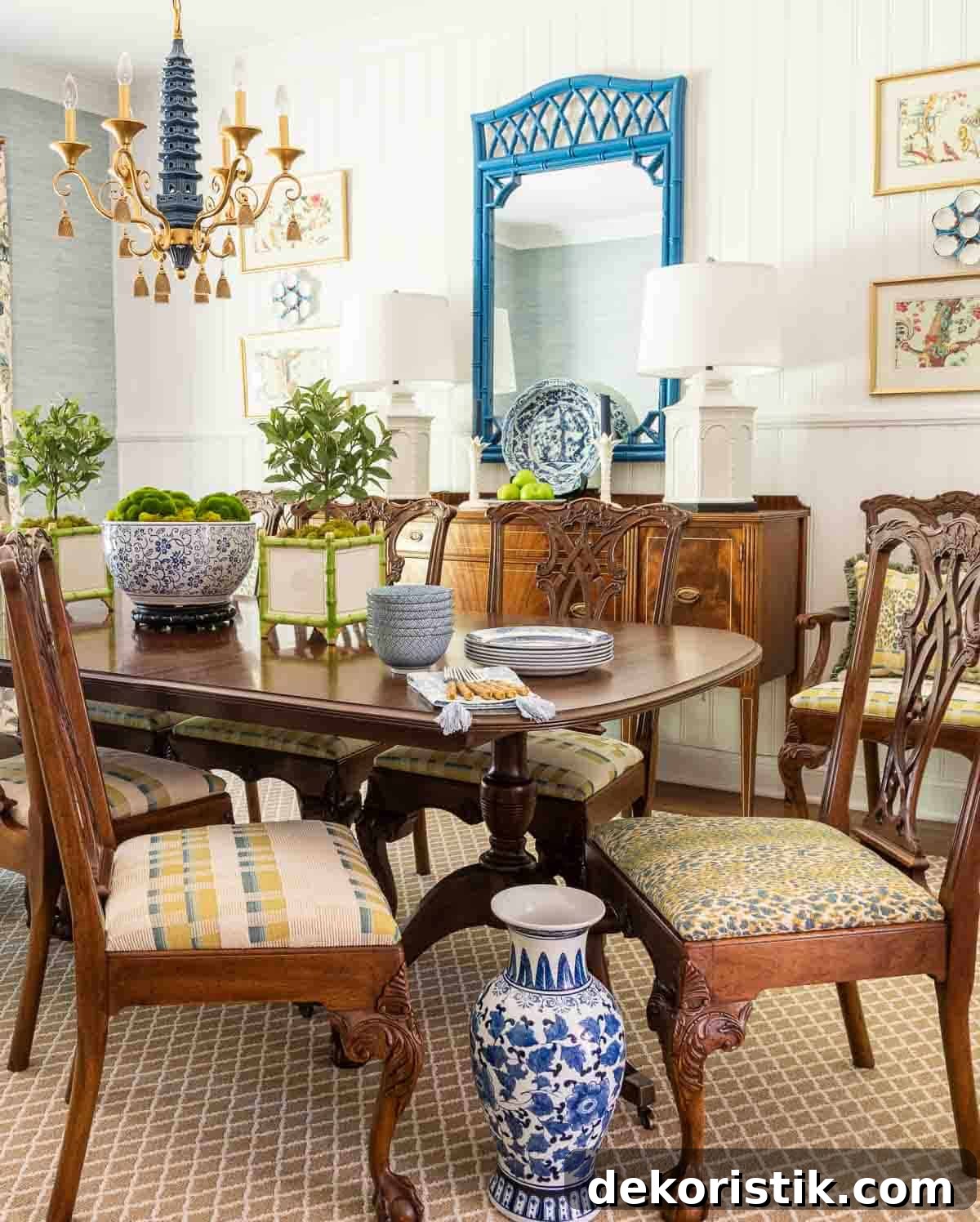
Decorating isn’t about perfection—it’s about creating a home that reflects who you are. Whether you’re starting from scratch or refreshing a long-lived room, keep these do’s and don’ts in mind. Move step by step, trust your instincts, and let your personality shine through. You’ve got this!