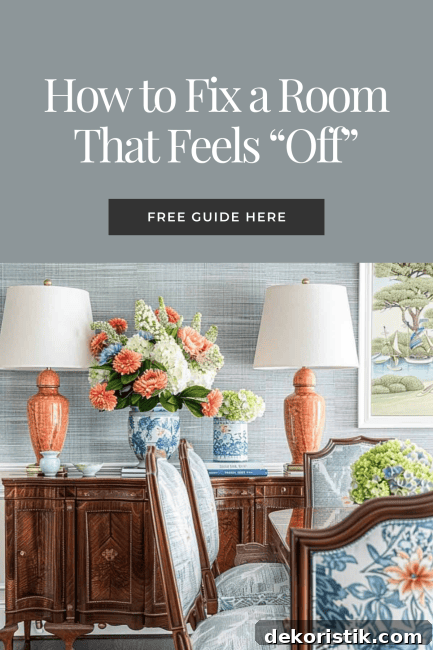
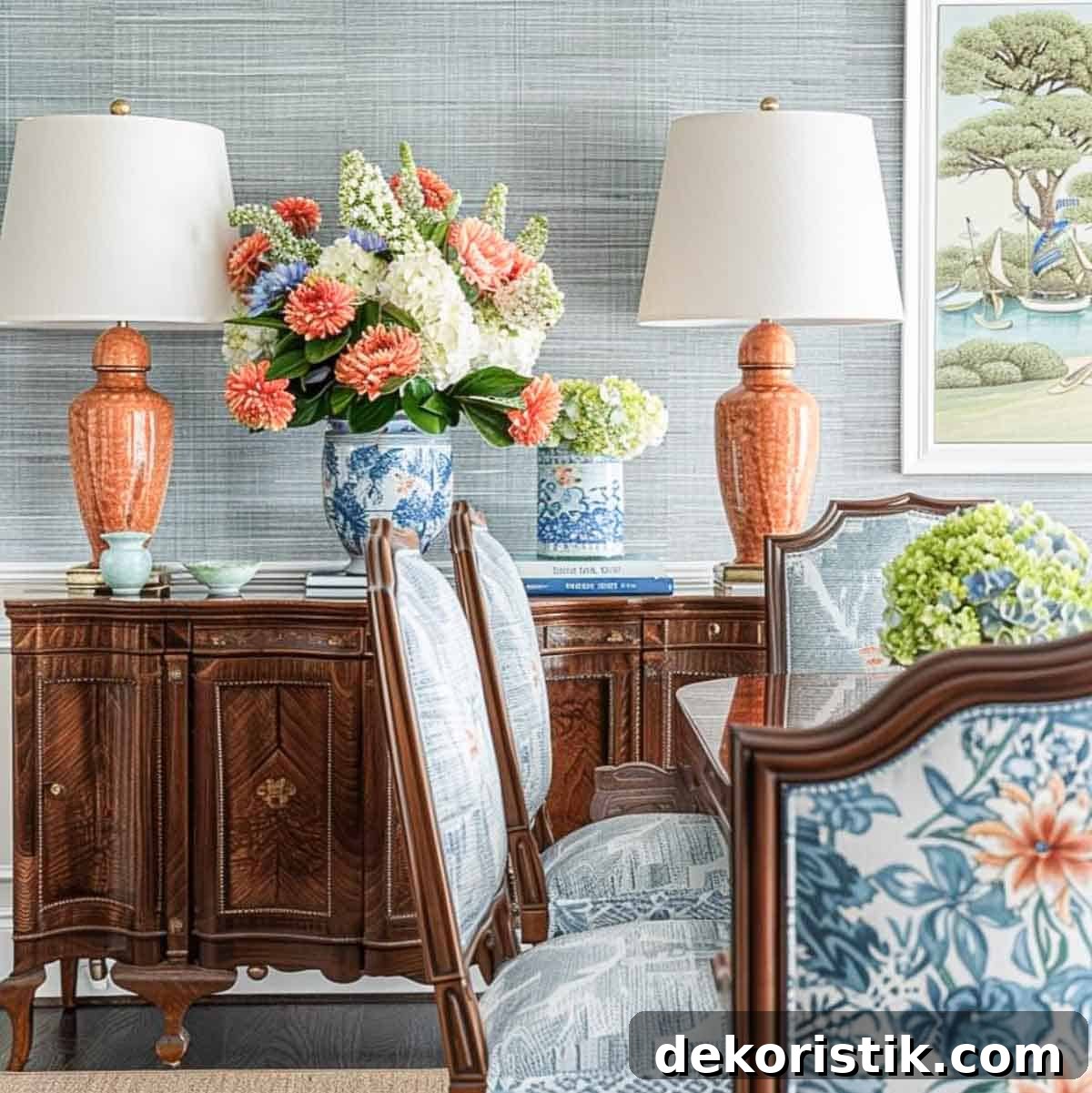
Does your room feel “off” the moment you walk in, even though the color, furniture, and accessories all seem fine? That unsettled feeling is common—and usually fixable. The problem often comes down to a few core design elements: layout, scale, color, lighting, and layering. Use the simple checks and small adjustments below to make a space feel intentional, balanced, and welcoming.
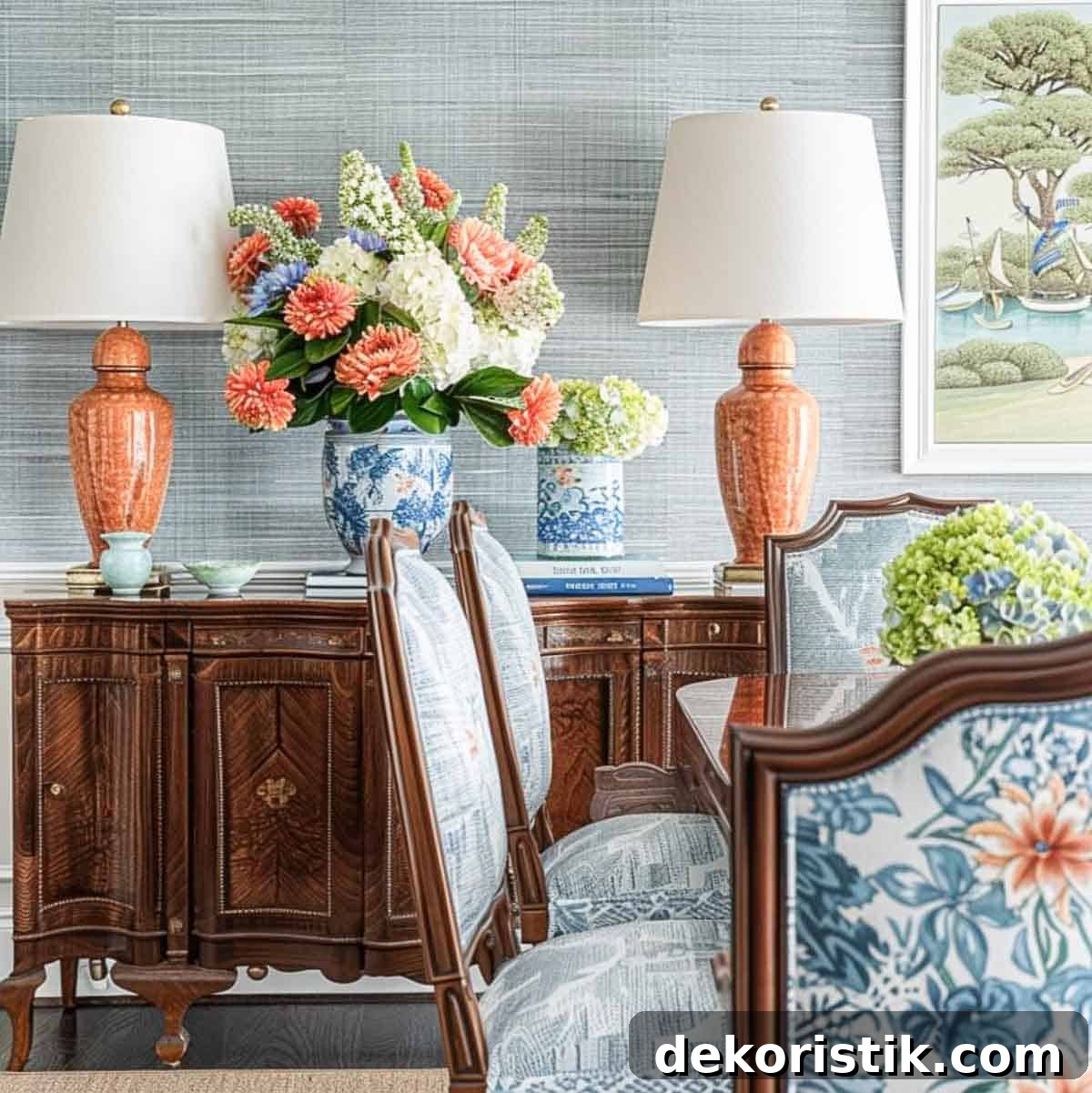
Sometimes everything in a room is attractive on its own, but together it lacks harmony. Start by diagnosing what feels out of place, then choose one or two changes to test. Small shifts can have a surprisingly big impact.
Step Back and Look at the Layout
Furniture arrangement is one of the first places to check. When pieces are crammed against walls, spaced awkwardly, or not oriented toward a clear focal point, the room can feel imbalanced and uninviting. Good layout supports conversation and movement and gives the space purpose.
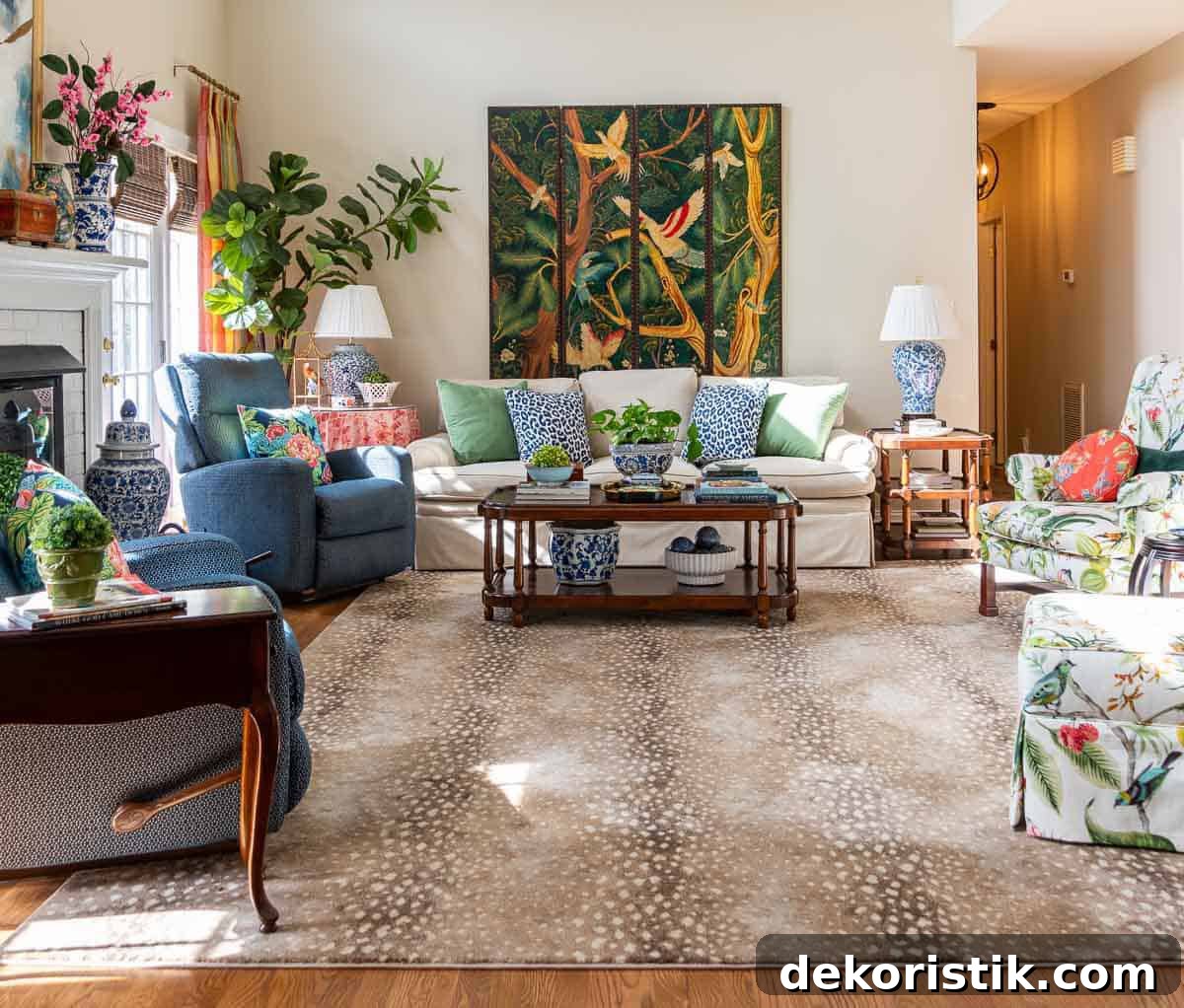
Try moving one or two larger pieces to test a new flow. Pulling furniture away from the walls to create a cozy seating cluster often solves the problem. Floating a sofa, angling chairs toward one another, or centering seating around a fireplace or media wall can completely change how the room feels.
Check Scale and Proportion
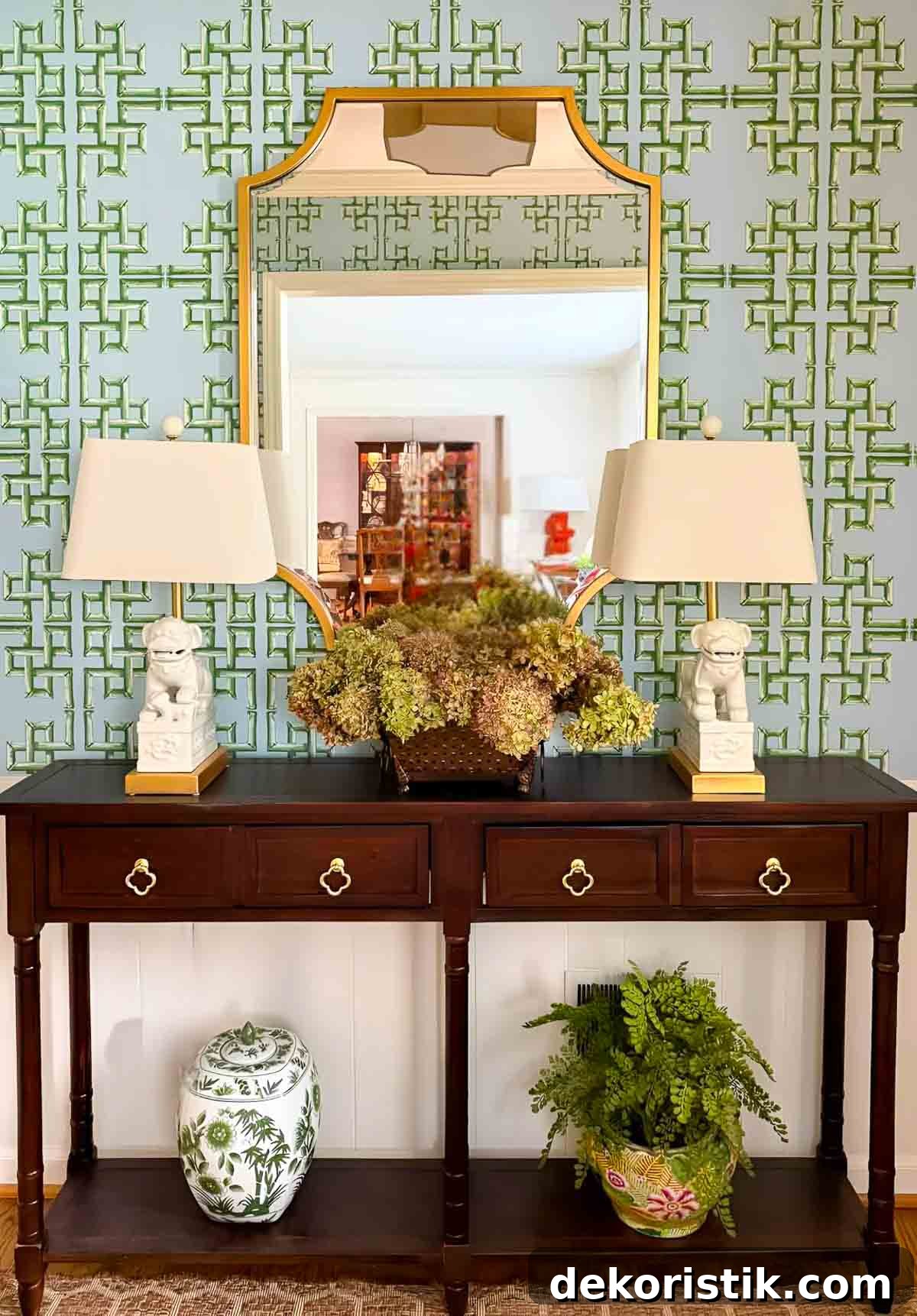
If pieces are the wrong size for the room, the whole space can feel “off.” Rugs that are too small, lamps that lack presence, or artwork hung at the wrong height all disrupt visual harmony. Scale and proportion are basic design principles that help a room feel balanced and comfortable.
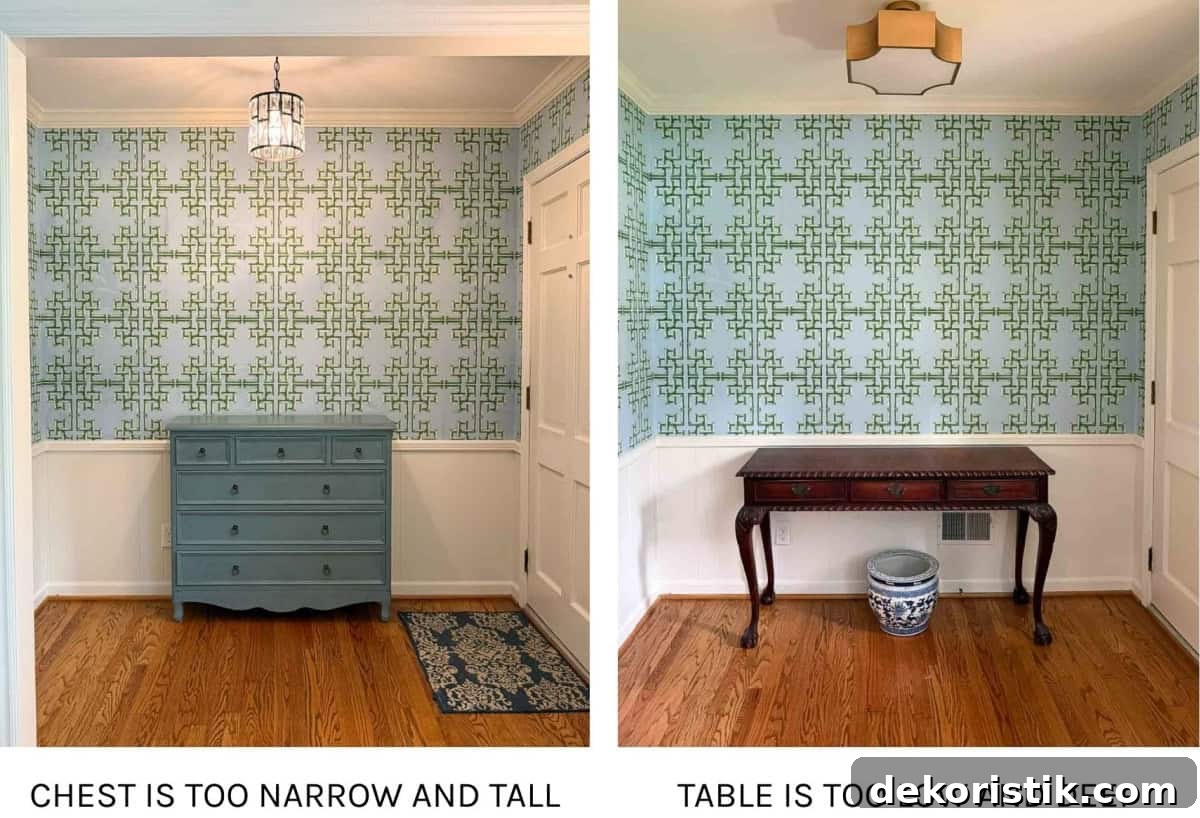
Use a few practical rules: choose a rug that anchors your seating area; pick table lamps with enough bulk to balance a side table; hang art so the center sits roughly at eye level. Don’t be afraid to “shop your house”—swap lamps, side tables, or accessories between rooms until the scale feels right. Small adjustments to size and proportion can dramatically improve the overall look.
Pay Attention to Color Balance
A great color palette can still feel off if one shade dominates too much. A room that’s only neutrals may feel flat; a room with too much bold color can seem overwhelming. The 60-30-10 rule is a helpful guide: 60% primary color, 30% secondary, and 10% accent. This simple ratio keeps a palette cohesive without feeling predictable.
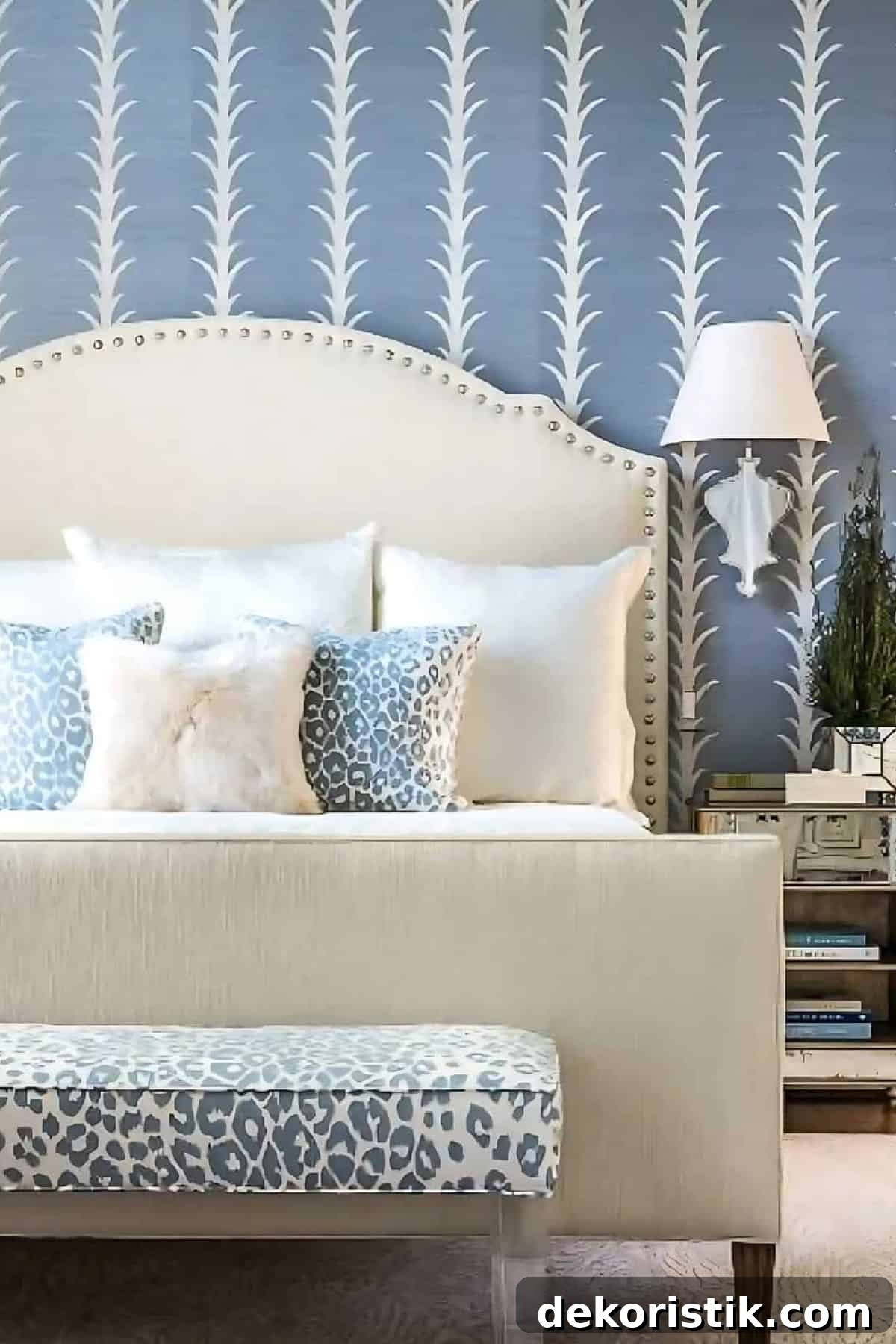
If you’re unsure about which shades to pair, start with the largest surfaces—walls, major upholstery—then add secondary colors through rugs and larger accents. Add the 10% accent color with pillows, art, or a single standout accessory to energize the space. Often a few contrasting accents are all that’s needed to liven a room that feels too neutral.
Add Layers for Warmth and Depth
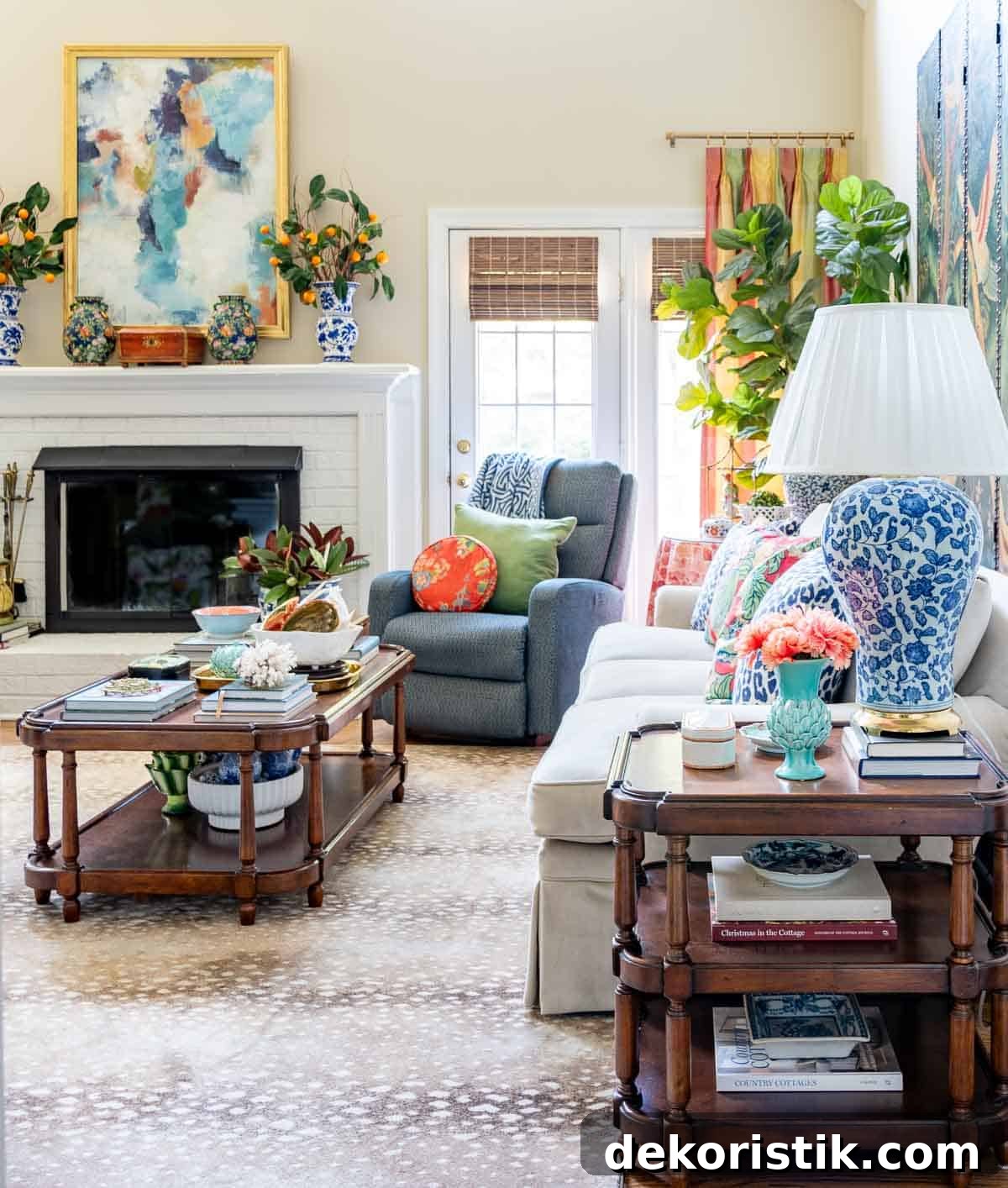
Rooms that feel bare are usually missing layers: curtains, pillows, throws, rugs, and thoughtfully placed accessories give a space personality and comfort. Layering isn’t about cluttering a room—it’s about mixing textures, patterns, and finishes with intention so the room feels complete.
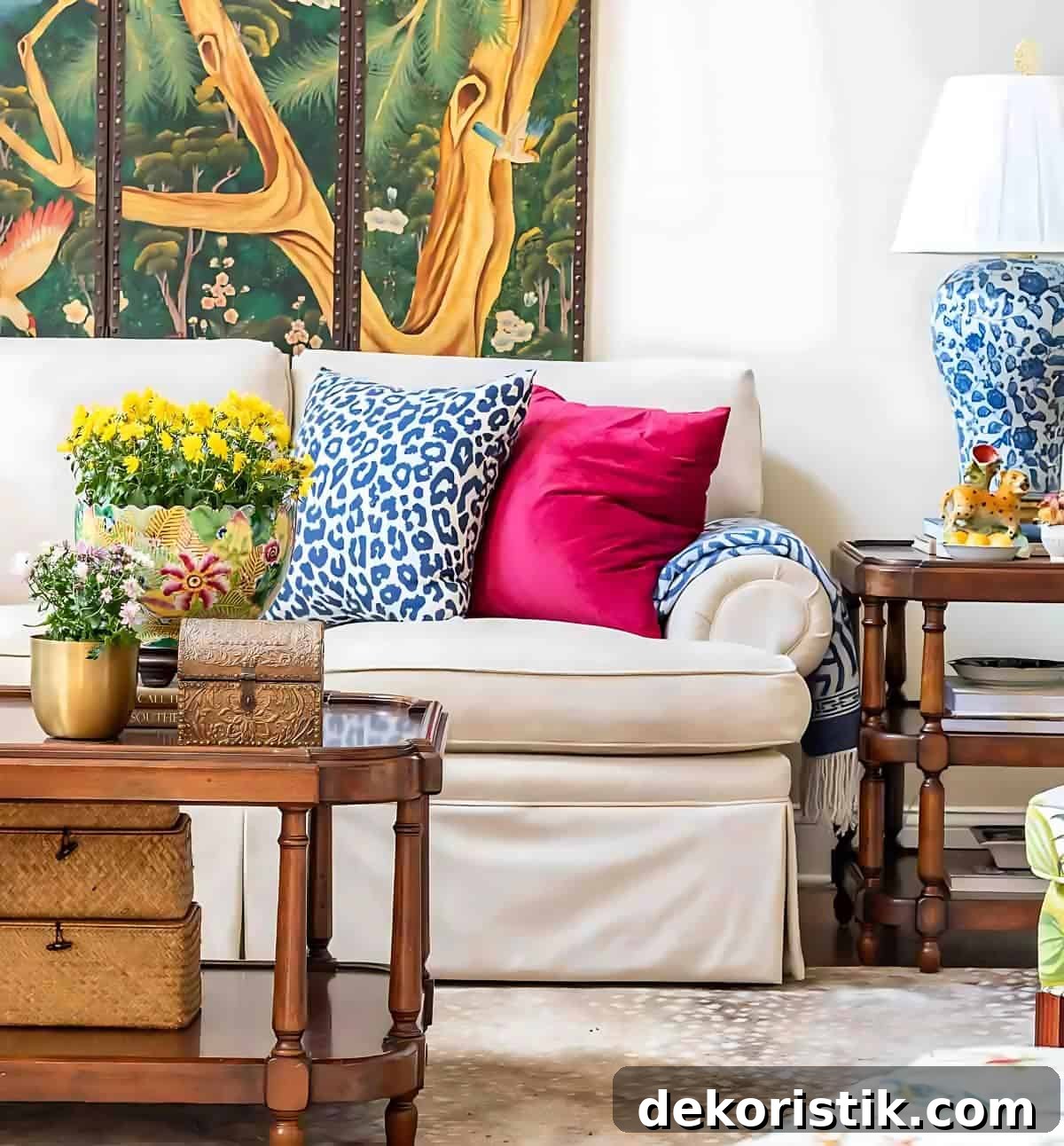
Start with textiles: add a throw or a set of pillows in complementary textures and patterns. Mix hard, smooth surfaces like glass or leather with softer elements such as woven baskets, linen, or a textured rug. Use trays, books, and small accessories in layered groupings to add interest without clutter. A layered room looks finished and invites you to stay a while.
Consider the Lighting
Lighting is often overlooked, but it dramatically affects how a room feels. A room that’s too dim or lit only by a single overhead fixture will feel flat or unfinished. Aim for multiple sources of light—overhead, task, and accent—to create a warm, flexible environment.
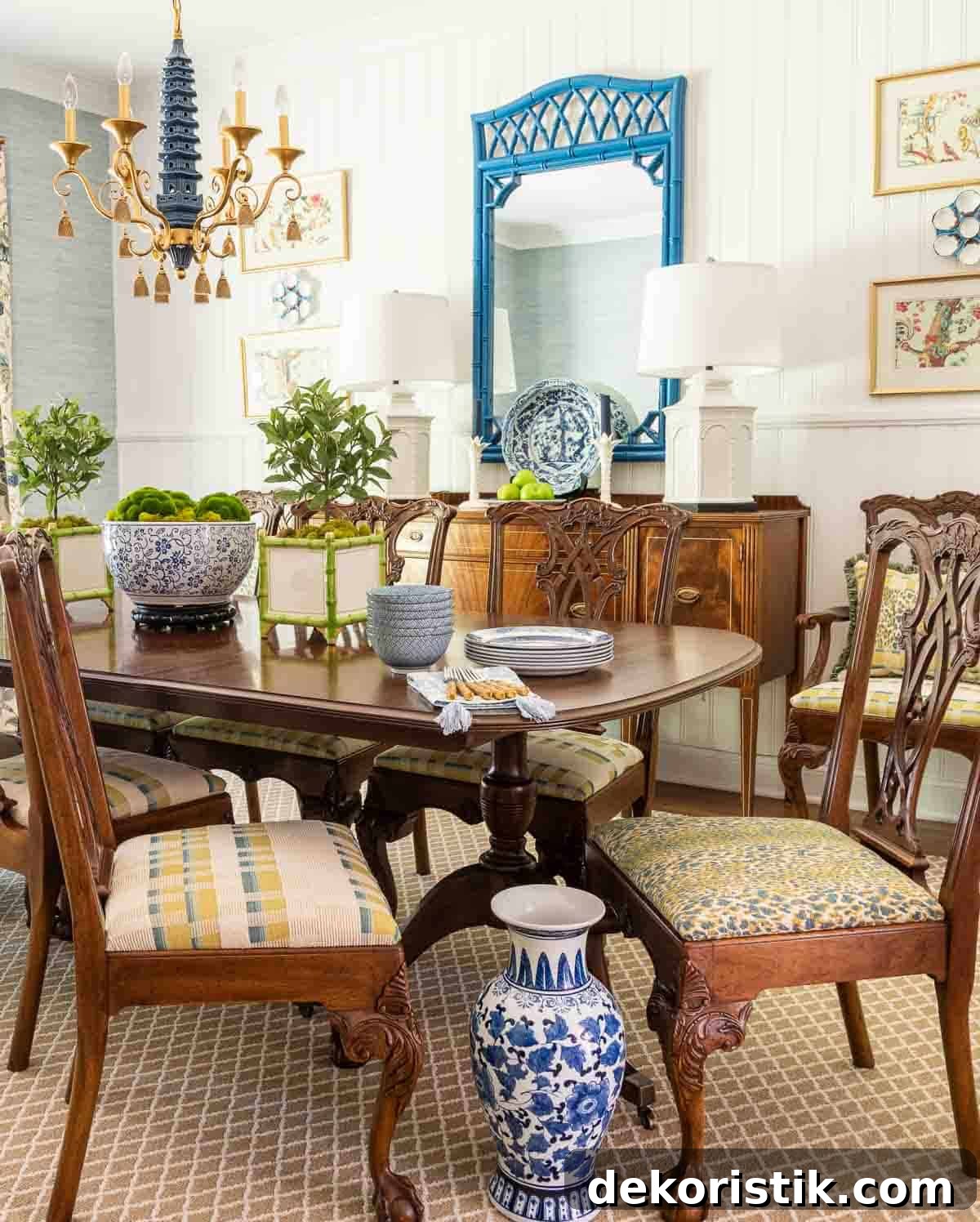
Table lamps are an easy way to add both function and ambiance, but choose a size that fits the table and the room. Combine lamps on end tables with a floor lamp next to a reading chair and consider wall sconces where appropriate. Layered lighting makes a space feel cozy and usable throughout the day and evening.
Edit and Simplify
Sometimes a room feels wrong because there’s too much competing for attention—too many accessories, too many styles, or too many pieces of furniture. Thoughtful editing can help the room breathe.
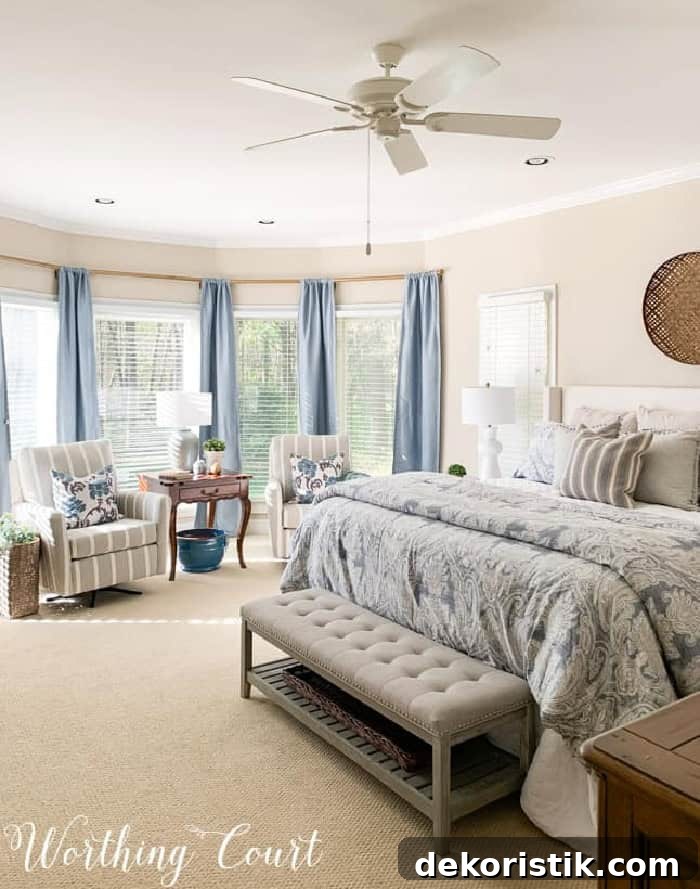
Try removing a few items and live with the space for a few days—often you’ll notice it looks clearer and more balanced. Reuse pieces from other rooms instead of overfilling this one. Editing with intention usually results in a lighter, brighter room that feels curated rather than crowded.
Trust Your Gut
Design rules are useful guides, but your home should reflect what you enjoy and how you live. If something feels off, follow your instincts: change the color, move or remove a piece of furniture, or edit accessories until the room feels right to you. Small, deliberate adjustments are usually all that’s needed to turn a space from unsettled to comfortable.
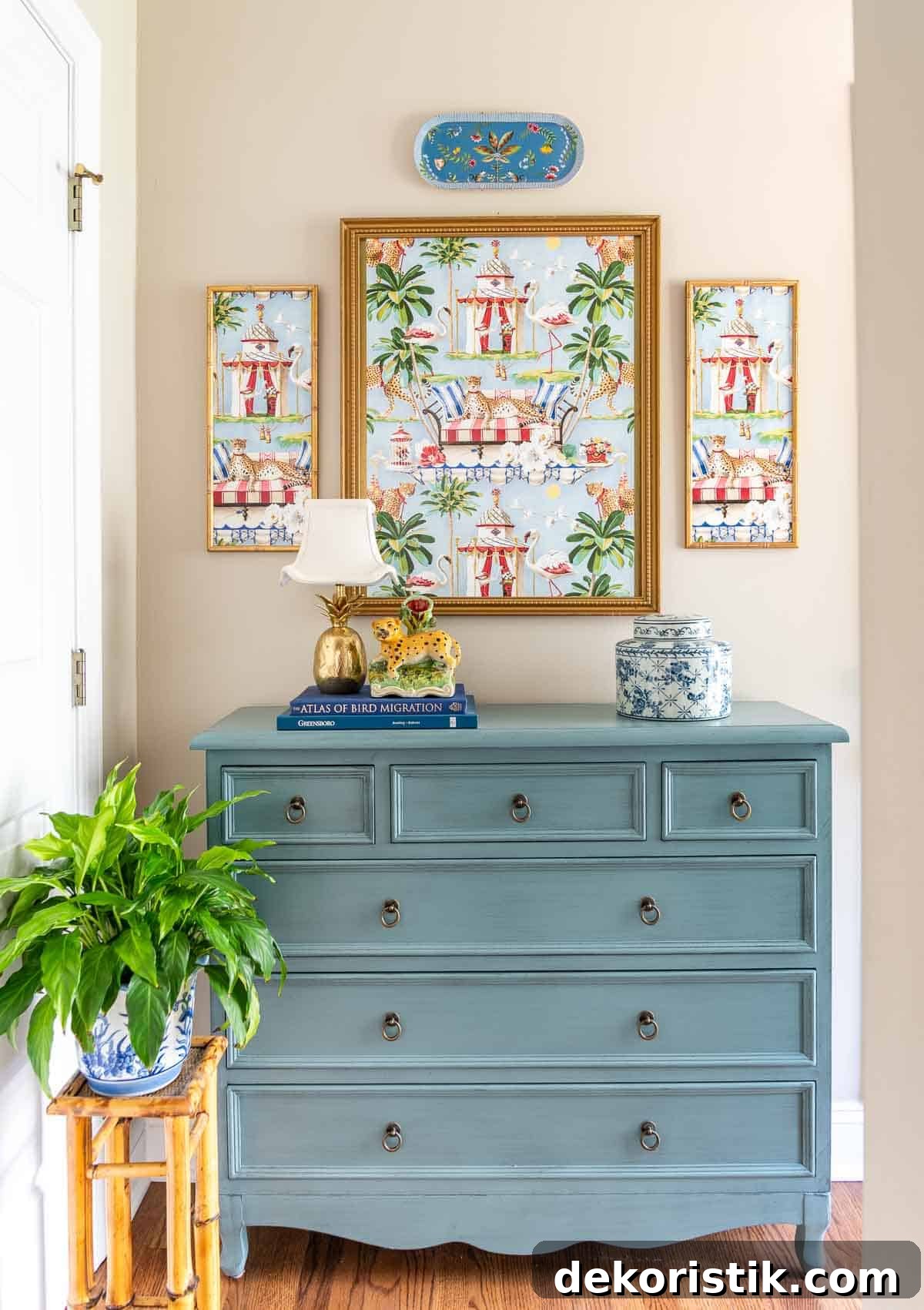
Use these checkpoints—layout, scale, color, layers, lighting, and editing—as a checklist when a room isn’t working. One or two purposeful changes will often restore balance and make the space feel intentional, welcoming, and truly yours.