

Protect your favorite porch décor from rain and humidity with practical, easy-to-follow tips on how to weatherproof outdoor decorations.

I’m often asked how I keep indoor-style lamps, furniture, and accessories looking good on my screen porch even when the weather turns. Here’s a little secret: not everything I use out there is made specifically for outdoor use. Over time I’ve learned dependable techniques that help protect indoor pieces from moisture, humidity, and wind, especially in a screened porch where weather still sneaks in.
If you’re wondering how to weatherproof outdoor decorations or want simple screen porch rain-protection ideas, these practical methods will help you enjoy a beautifully styled space without constant worry about the elements.
INDOOR FURNITURE
When I bring indoor furniture onto the porch, I rely on two main strategies: finishing the surfaces for protection and being deliberate about placement.
Finish with exterior paint, stain, or sealer: I wouldn’t put an unprotected indoor piece outside unless I first treated it with products intended for exterior use. That typically means painting or staining with exterior-grade paint or stain and, when appropriate, applying an exterior polyurethane sealer. For wooden pieces I often seal less visible areas as well — the bottoms, backs, and even the interiors of drawers when humidity is high — because painting or sealing every surface helps limit moisture absorption and warping over time.
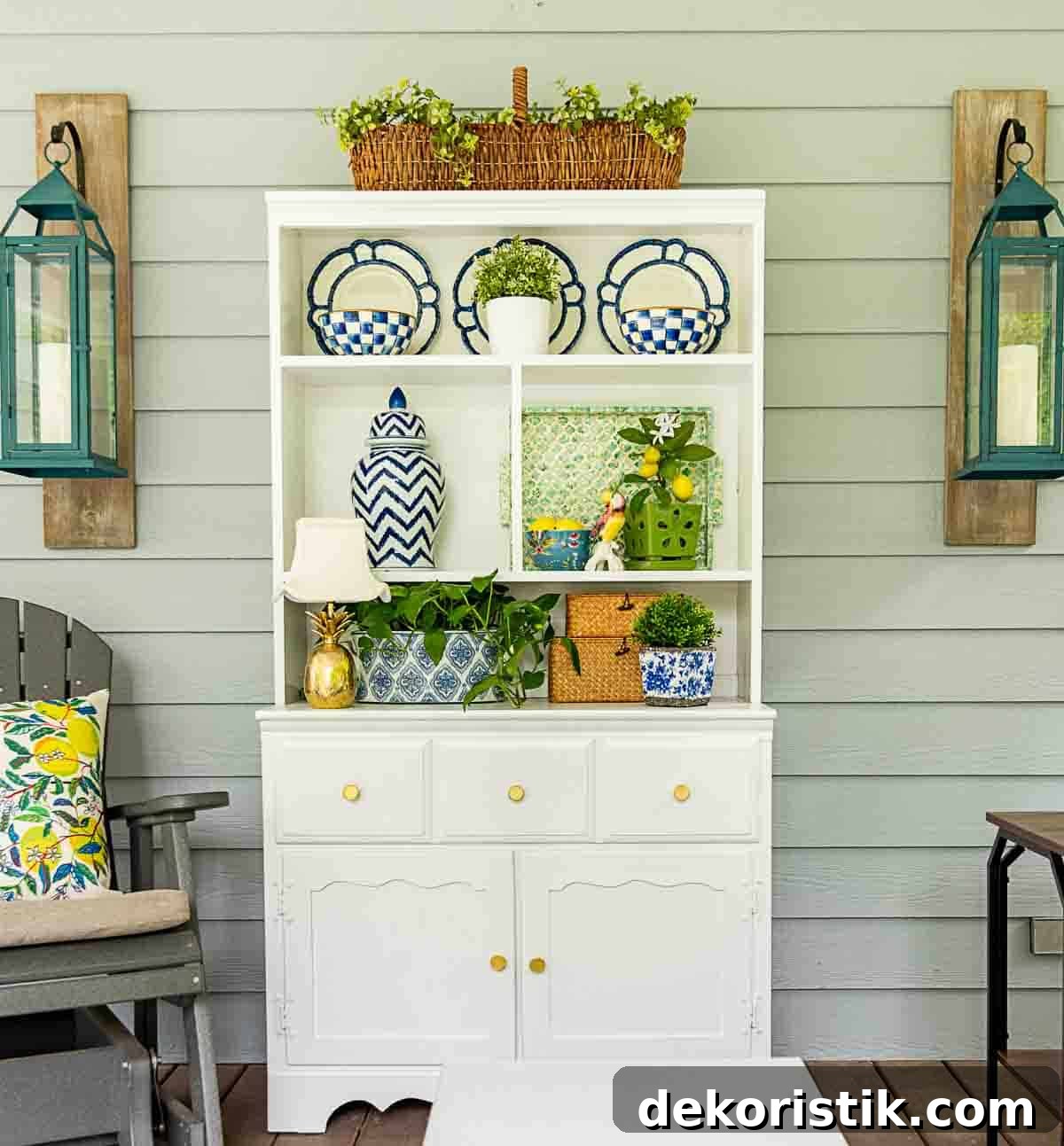
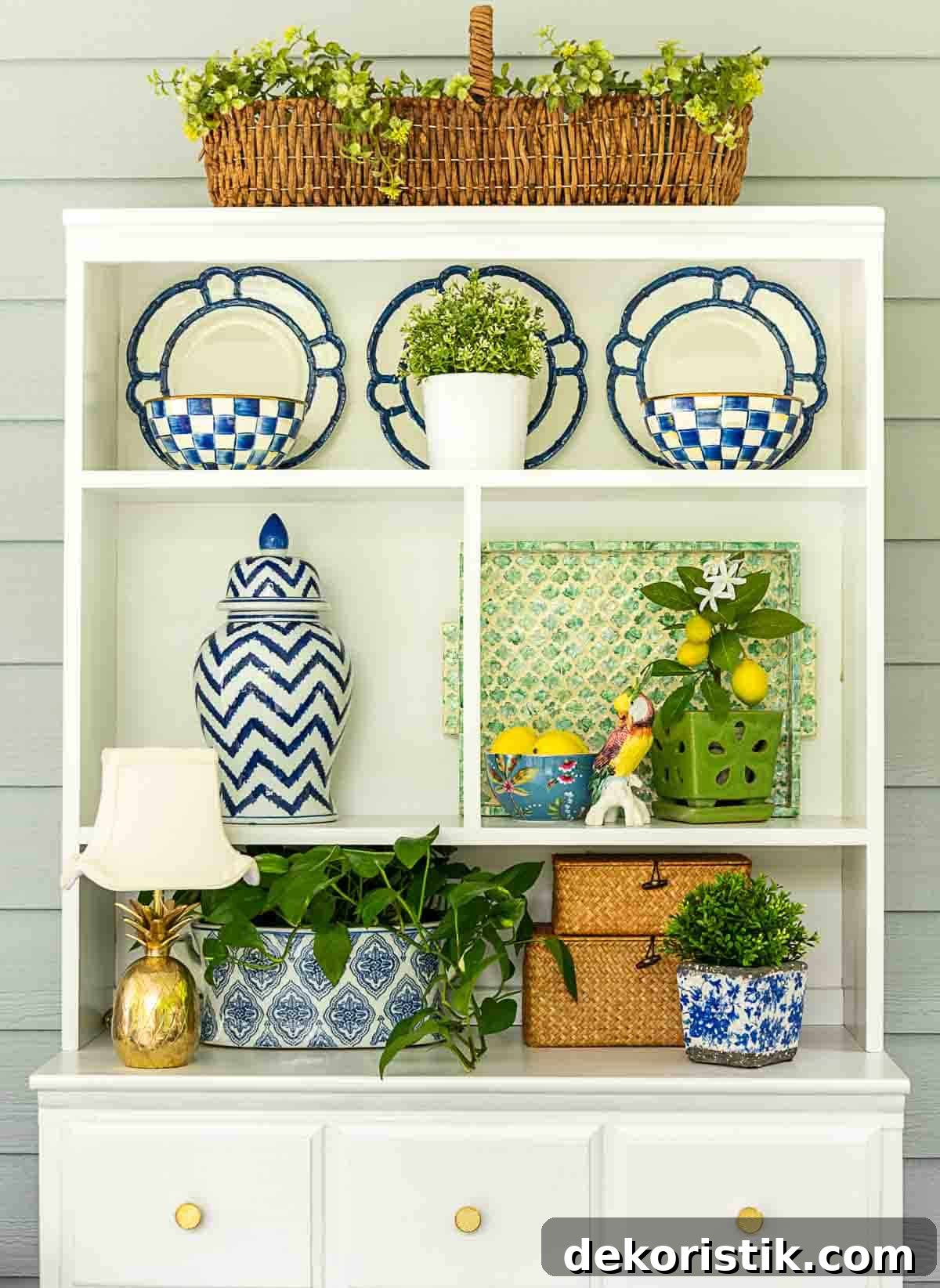
Choose placement carefully: Even well-finished furniture does better when it’s sheltered. I place indoor pieces where they’ll avoid direct rain and prolonged sun exposure. For example, a small chest on my screen porch is actually the lower half of an old dining-room buffet; it sits against the back wall where it’s shielded from most weather (short of a tropical storm). I painted it with two coats of Sherwin Williams Duration Exterior Latex in Extra White and finished it with exterior polyurethane to further protect the wood.
LAMPS & ANYTHING ELECTRICAL
I love the warm glow of a lamp on the porch in the evenings. While outdoor-rated lamps exist and are the safest option when exposure to moisture is likely, they can be costly and less flexible for seasonal changes in décor.
My approach is practical: if I’m using an indoor lamp on the porch, I position it so it won’t get wet — for example, on a chest against the back wall where it’s protected from direct rain. If there’s any realistic chance water could reach the lamp or its wiring, choose a fixture rated for outdoor use. Water and electricity don’t mix, so always err on the side of safety. Use outdoor-rated cords, covers, and fixtures when needed and avoid exposing plugs and sockets to damp conditions.
ARTWORK
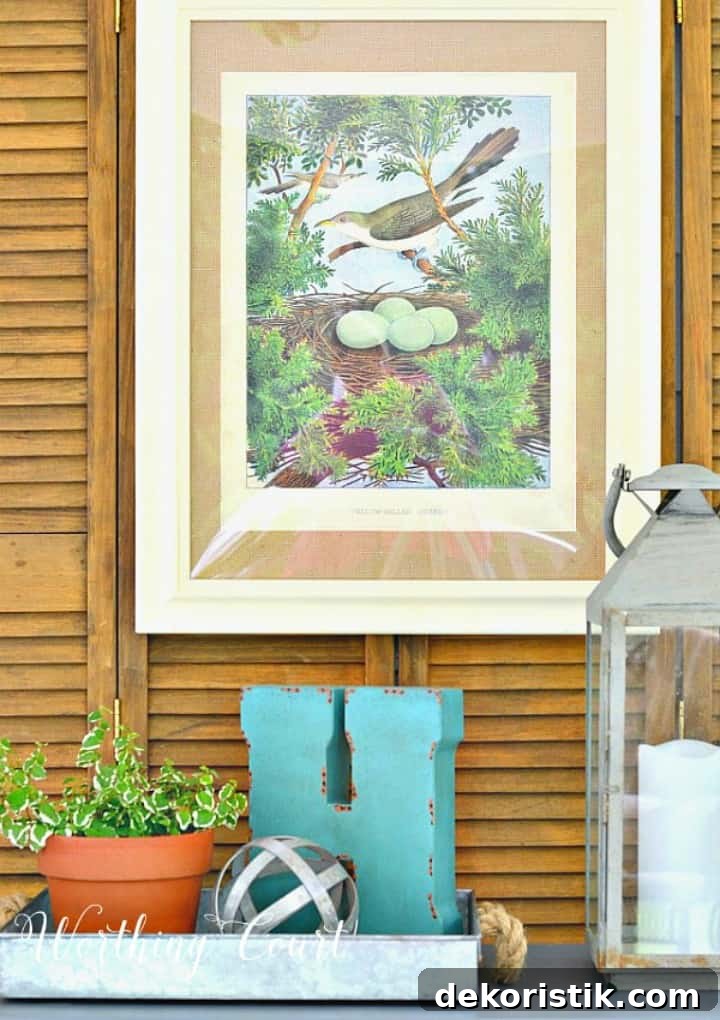
Paper and humidity do not get along — even if a print never touches water, a humid environment can make paper buckle or wrinkle. To prevent this, I have prints laminated at an office supply store, which seals the print between protective layers and keeps humidity from affecting it. If you prefer a DIY route, self-laminating sheets are available for small projects.
After lamination, paint the frame (if it’s wood or another paintable surface) with exterior paint or finish the frame with a sealer and hang it as you would indoor art. I’ve used this method for artwork on a wall exposed on a deck with very good results.
ACCESSORIES
Smaller decorative items are easy to protect with an outdoor-safe spray sealer. I typically use a matte finish so the protection is less obvious and the item still looks natural rather than glossy. Spray sealers work well on faux botanicals, wicker accents, wood pieces, ceramic items, and other non-fabric accessories to add a water-resistant layer.

INDOOR PILLOWS
I always buy outdoor-safe cushions for furniture that lives outside, but I also love the look of indoor throw pillows. To protect indoor-only pillows, I spray them with an outdoor fabric protector such as heavy-duty Scotchgard™. Apply several light coats and allow the fabric to dry between applications. This treatment helps repel moisture and light stains, but remember it doesn’t make a pillow fully waterproof — storing pillows or bringing them inside during wet weather is still the best practice.

A few final practical reminders: monitor wooden finishes and touch up paint or sealer as needed, store textiles and delicate accessories indoors during extended wet seasons, and always prioritize safety around electrical items. These small steps allow you to enjoy the comfort and style of indoor pieces on a covered porch while minimizing the risks from moisture and humidity.

If you have additional tips for protecting furniture, fabrics, and accessories from the elements, please share them in the comments — practical ideas from real people make any outdoor space easier to maintain and more enjoyable.