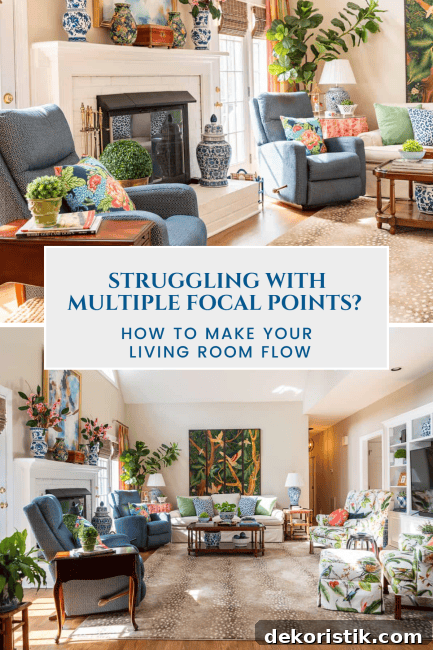
When your living room has more than one focal point, arranging furniture and decorating can feel like a puzzle. How do you approach this common challenge so the room feels balanced and intentional?
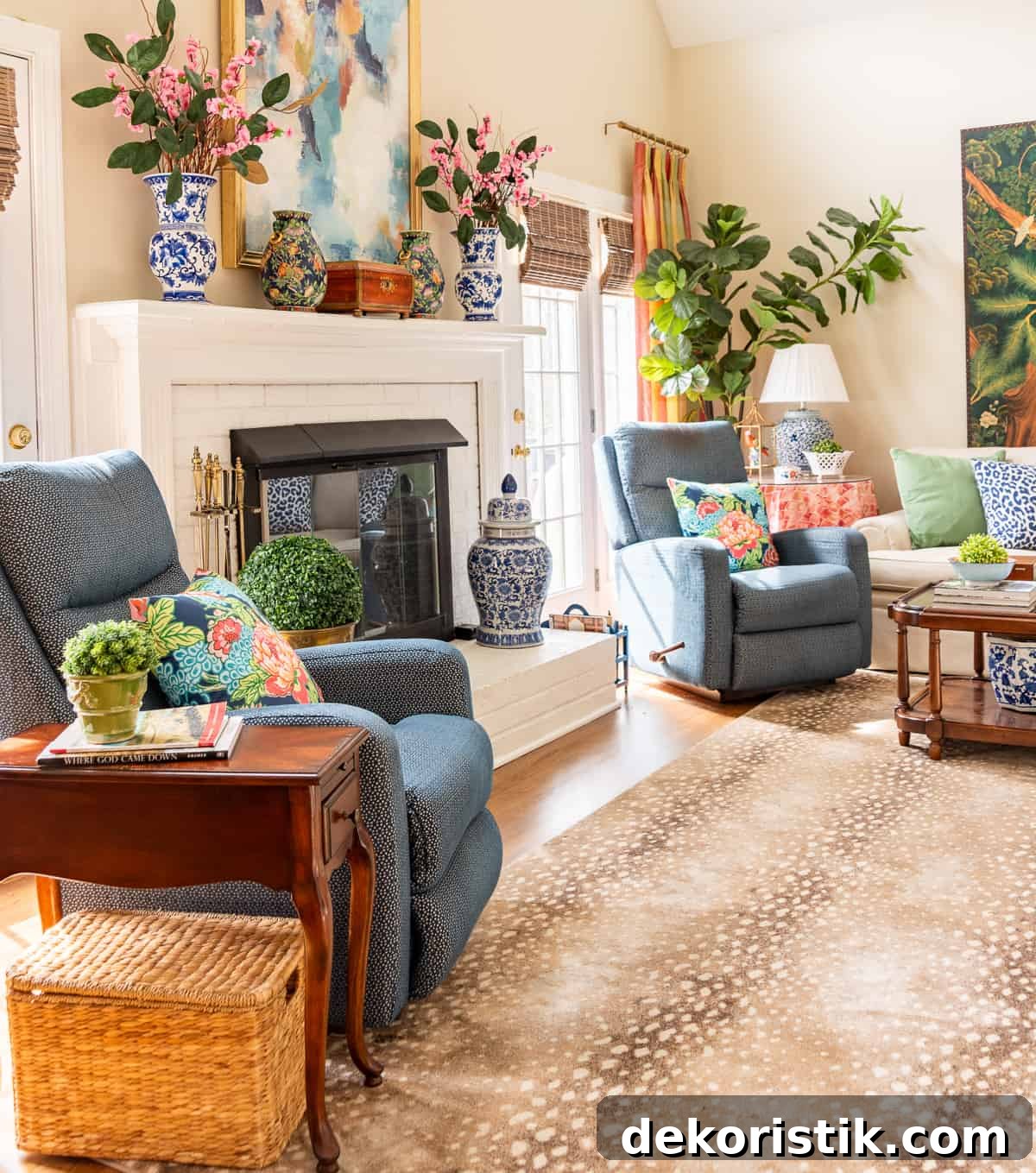
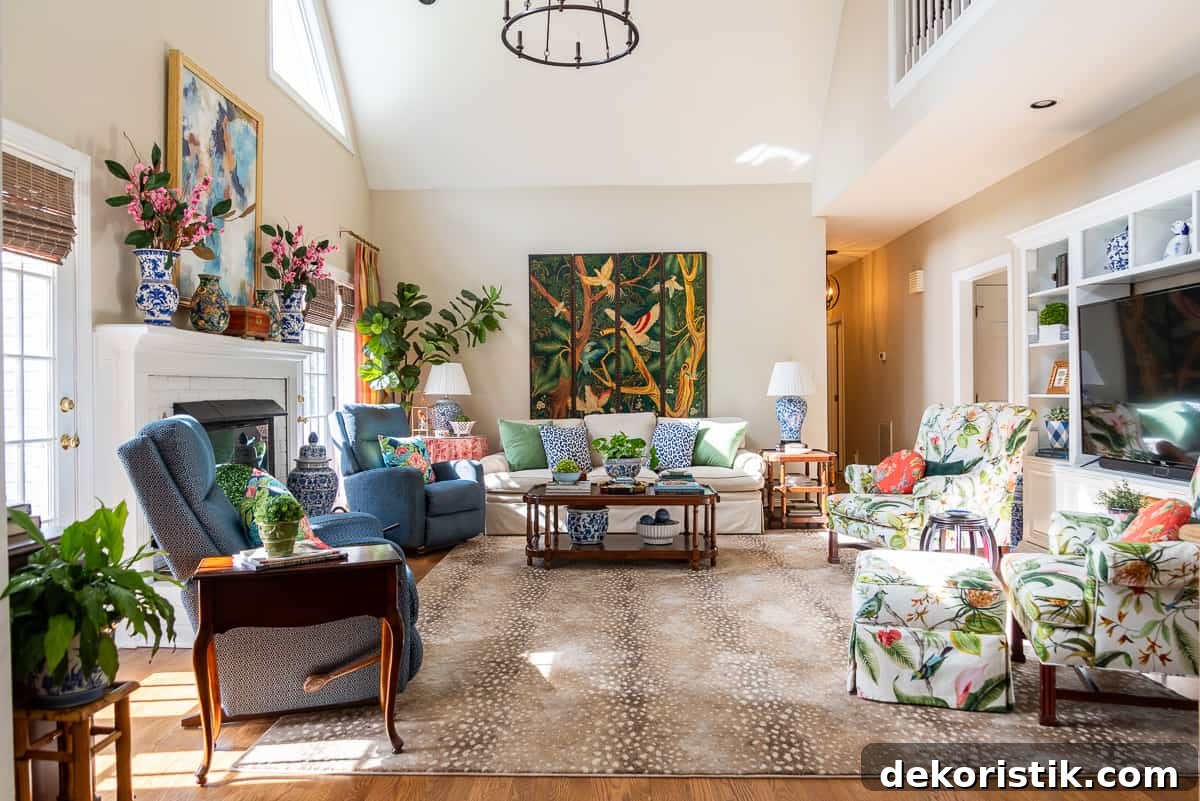
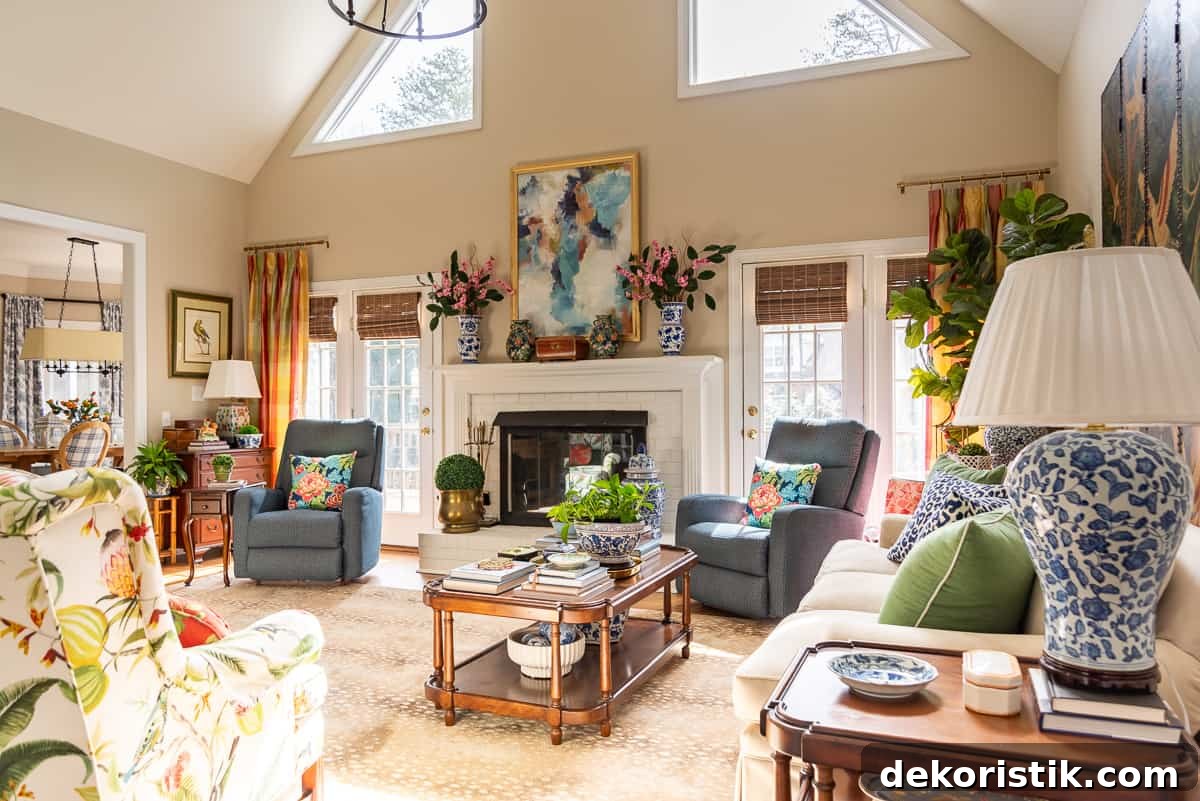
I know from experience—my living room has a fireplace and French doors on one side and a large entertainment center on the opposite side. Balancing both sides has been a real design challenge, but with a few principles it becomes manageable.
Welcome to chapter 5 of the Simply Decorating Series, a free resource created for the DIY decorator who wants practical, actionable guidance to make a home that reflects their taste and needs. If you’re starting the series, begin with chapter 1, How to Decorate a Room – Where To Start.
Let’s look at practical, designer-approved ways to handle the decorating dilemma of multiple focal points so your living room flows and feels cohesive.
In any living room, one focal point should quietly hold primary attention, while secondary features can still have presence without competing. In open-concept spaces it’s common to have a focal point at one end of the room and a secondary focal point at the other; the trick is to balance them.
How to find the focal point in your living room?
Finding the main focal point is simple: scan the room and notice what your eye is naturally drawn to first. It might be a large picture window, French doors framing a view, a prominent fireplace, or a striking piece of furniture. Those elements act as anchors for the space, and the rest of the room should support them.
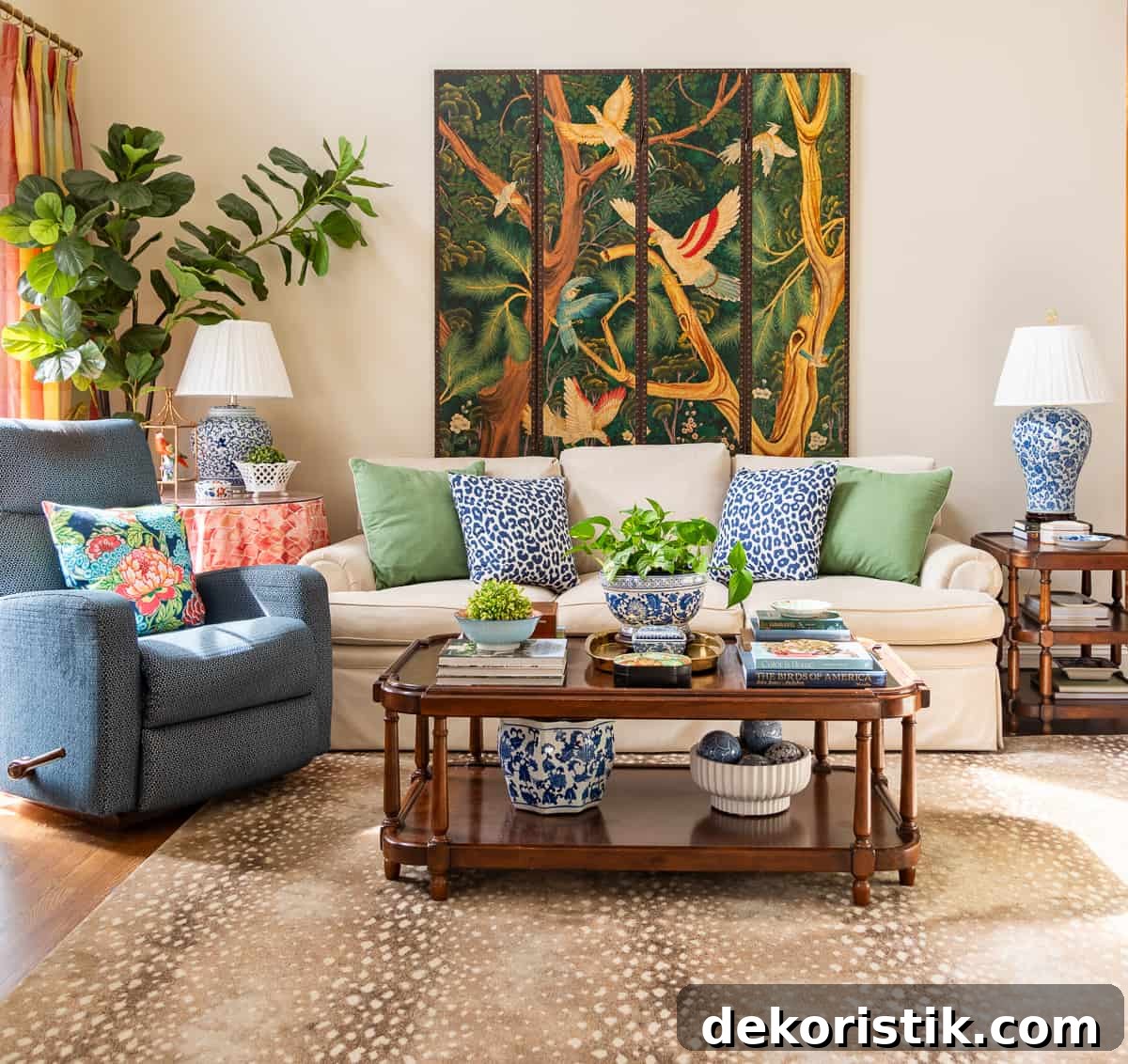
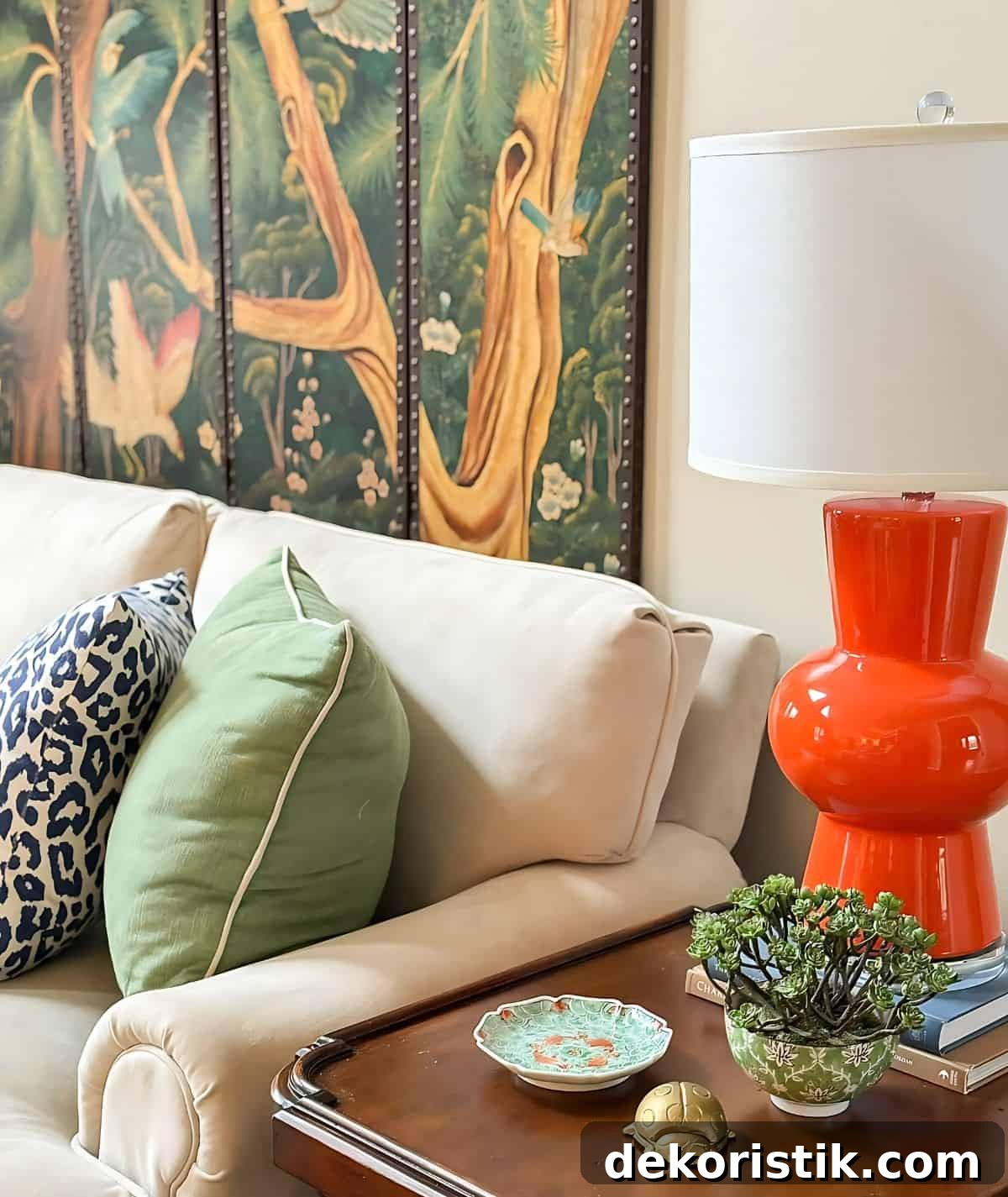
Secondary focal points—an accent wall, an architectural niche, or a bold entertainment center—can complicate furniture arrangement, especially when they sit on opposite walls. You may even have a third focal interest depending on sightlines, such as a decorative screen behind a sofa.
Designer strategies for two focal points
With two focal points, the goal is to balance visual interest so one doesn’t dominate. Below are proven strategies to create a harmonious living room with multiple focal areas.
Balance visual weight
Balancing visual weight is essential. Think of the room as a stage where each element has a role—arrange furniture so both focal points remain important without overwhelming each other. Placement, scale, and the size of decorative pieces all influence how heavy a focal point feels.
Size and scale
If one focal point is larger or more commanding—such as a big entertainment center—balance it by increasing the visual presence of the other focal point. Add larger decorative elements to a mantel, introduce a taller plant or lamp near a window, or use art and mirror groupings to anchor a less dominant side.
Symmetry and asymmetry
You can use symmetry or asymmetry depending on the room’s layout. A symmetrical arrangement (two identical sofas facing each other with a coffee table between) directs attention and feels formal. An asymmetrical layout (a sectional facing one focal point, a chair angled toward the other) creates a more relaxed, dynamic balance while still prioritizing one feature.
Color and texture play
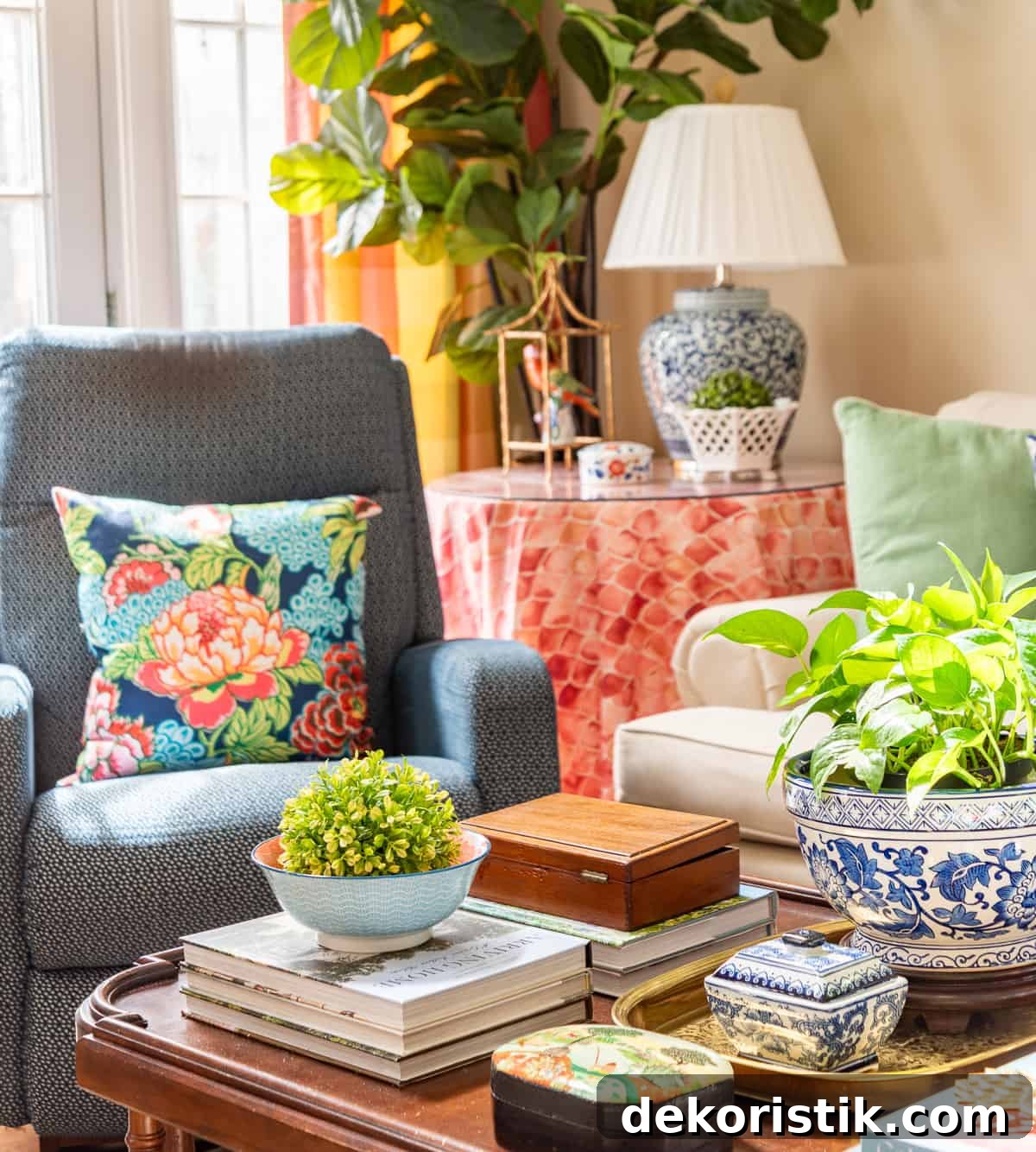
Colors and textures connect focal areas visually. If one area is colorful or richly textured, echo those hues or materials in the opposite focal zone. Use fabrics, rugs, artworks, or accessories with similar tones or textures to create cohesion across the room.
Lighting as a balancing tool
Lighting helps guide attention. Use accent lights to illuminate art or architectural features and enhance natural light with well-chosen window treatments. Layered lighting—overhead, task, and accent—creates a balanced, inviting atmosphere that highlights both focal points when needed.
Decorative elements
Rugs, cushions, plants, and artwork distribute visual interest and help bridge focal areas. These smaller pieces can tie the room together and ensure neither focal point feels isolated.
The use of negative space
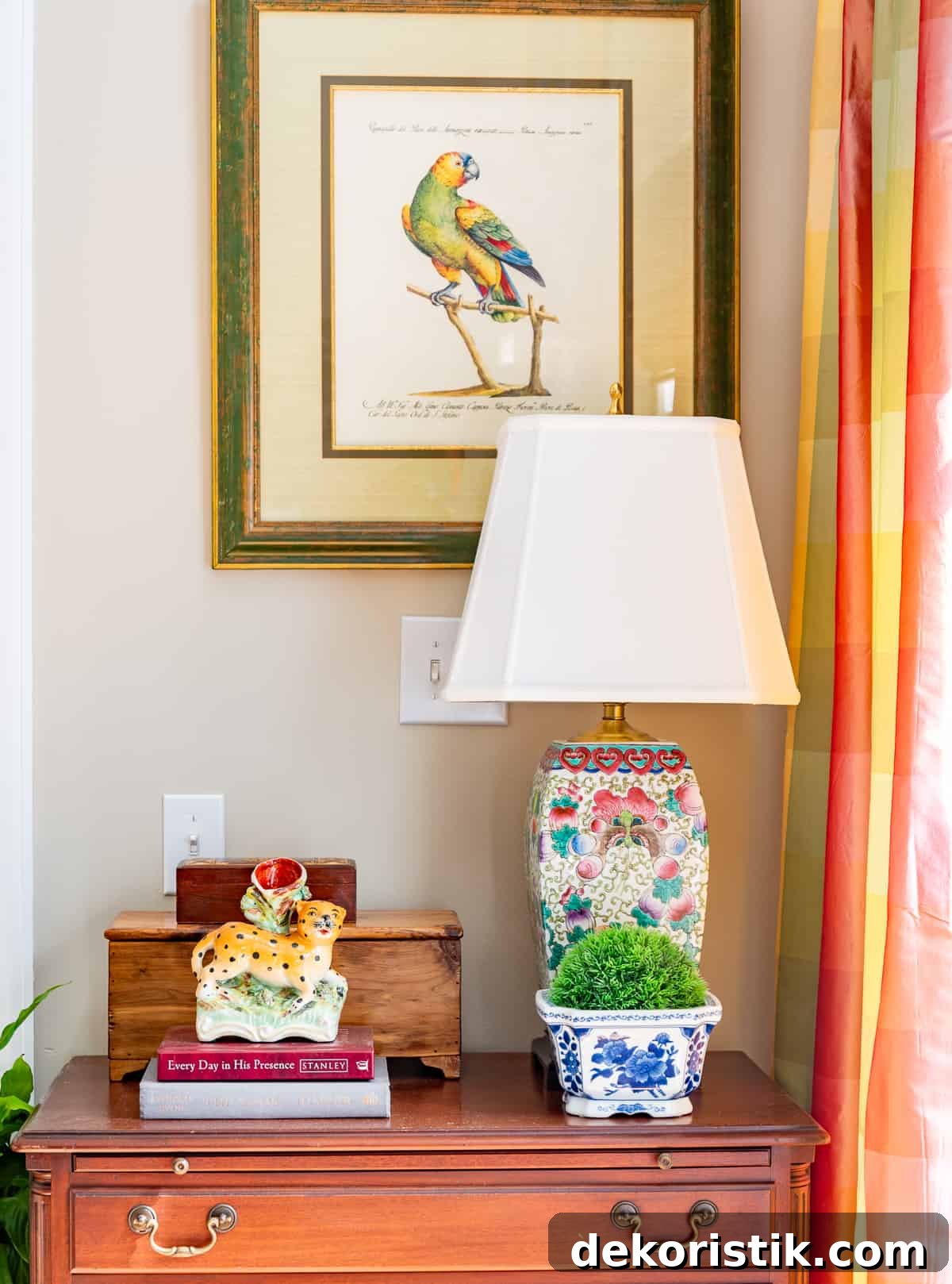
Negative space—the deliberate empty areas around furniture and decor—matters more than you might think. If every surface and wall is filled, the room becomes a visual shouting match where nothing can be appreciated. Leaving breathing room allows each focal point to be seen and gives the space a calmer, more open feel.
Negative space isn’t always bare walls; it can be the spacing between pieces, a clear area around a coffee table, or thoughtful placement of art so elements don’t crowd each other. Used well, it makes the room feel larger and more restful while letting each focal point shine.
Attention to rhythm and repetition
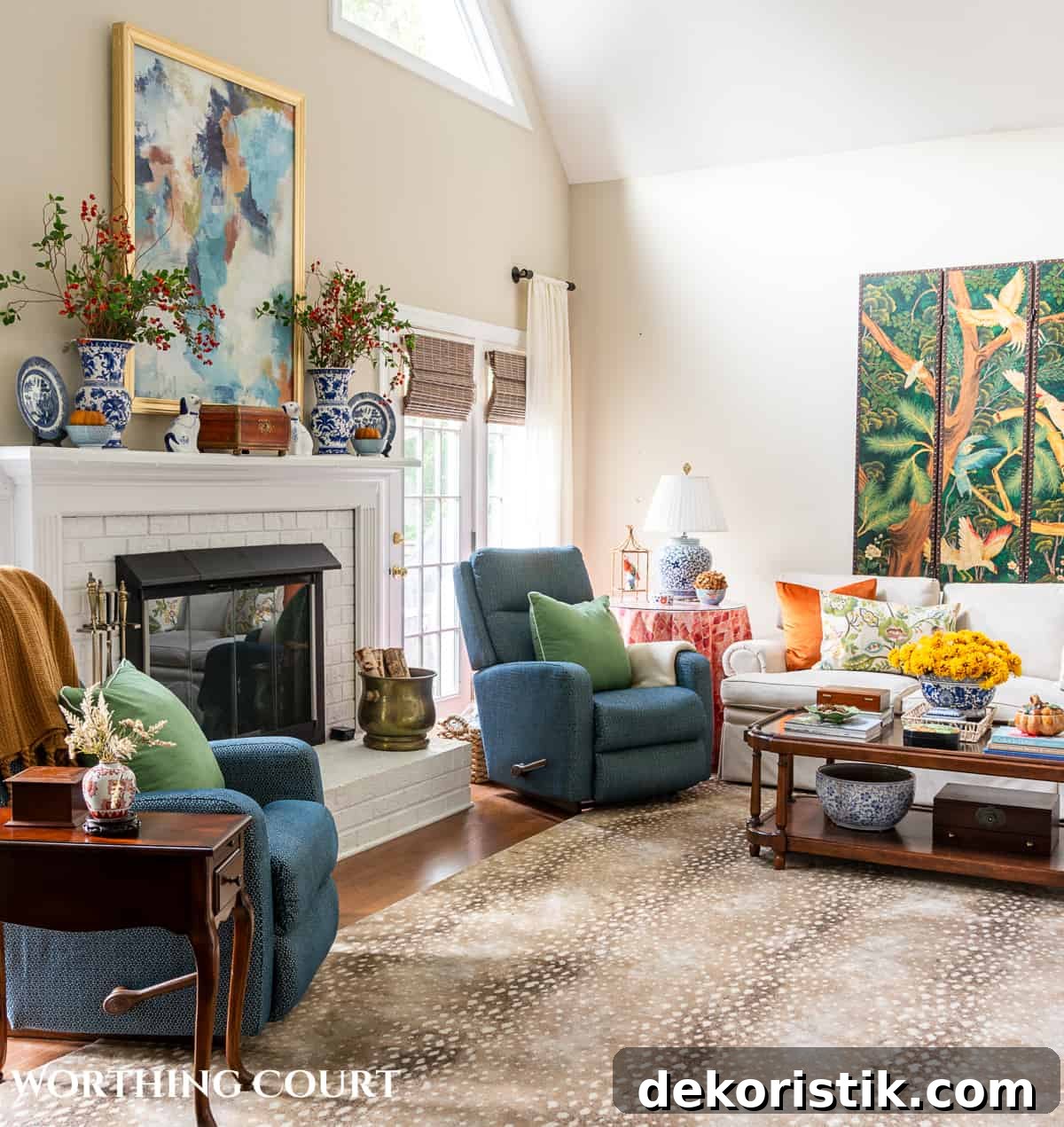
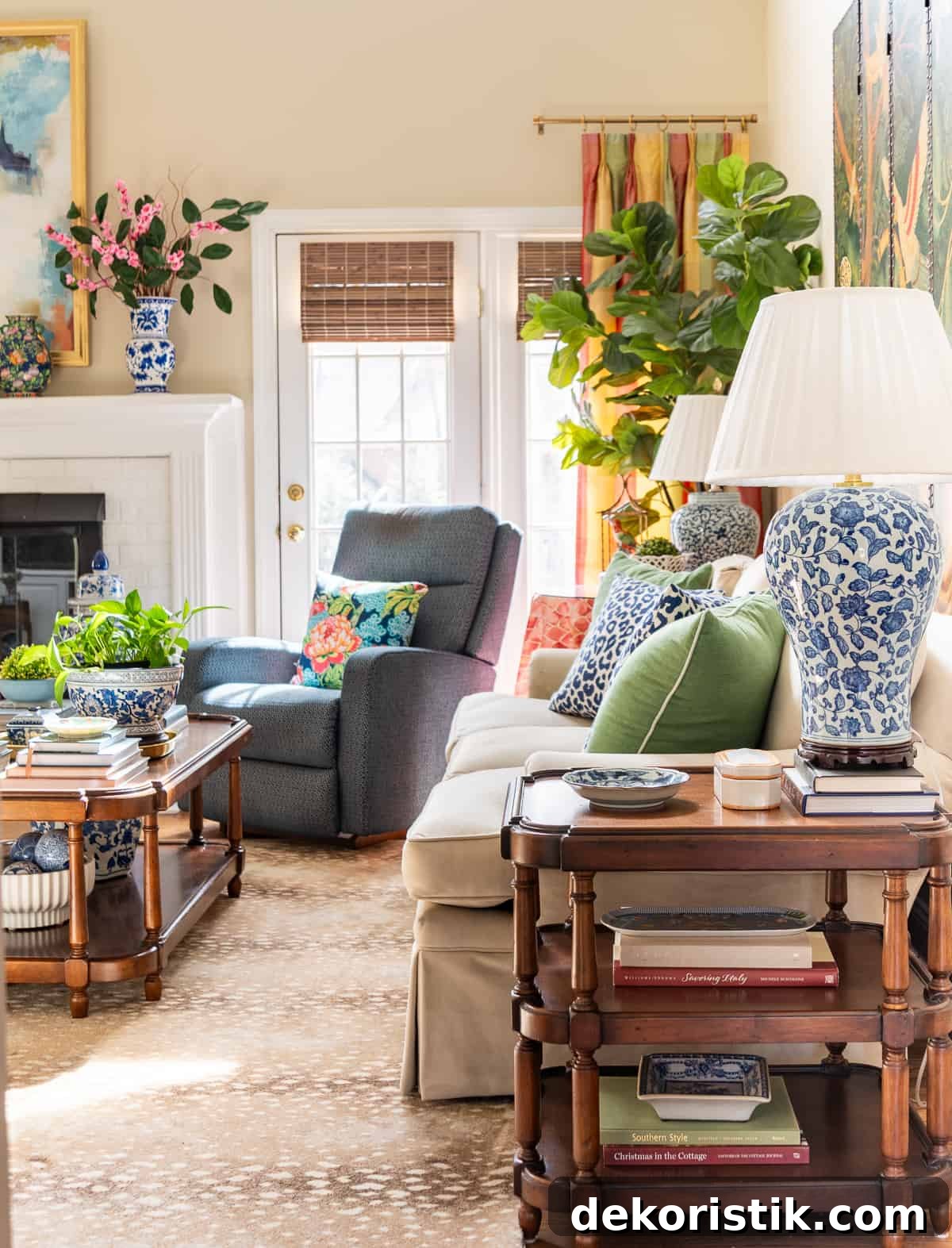
Rhythm in design is like the beat in music: it guides the eye and creates cohesion. Repeat colors, shapes, or textures between focal areas to create a visual link. For example, echo a sofa color with throw pillows near the window, or repeat a circular motif from a mirror in a coffee table or rug. Repetition provides harmony without making the room feel overly matchy.
Strategic contrast and variety
Contrast and variety energize a room. Pairing different styles, textures, or colors at each focal point can highlight their differences in a complementary way. For instance, the sleek look of a modern TV area can sit beside the warm, rustic textures of a fireplace. That contrast adds depth and interest while letting each feature remain distinct and compelling.
Mixing variety—different shapes, sizes, and finishes—keeps the eye moving and makes the room feel thoughtfully curated rather than uniform.
How to make a focal point in a living room without a fireplace
If your home or apartment lacks an obvious focal point—no fireplace, no dramatic window, no architectural detail—you can create one. A window can become a focal feature with attractive treatments or by framing a view, while an accent wall painted in a bold color, covered with wallpaper, or given board-and-batten detailing can anchor the space.
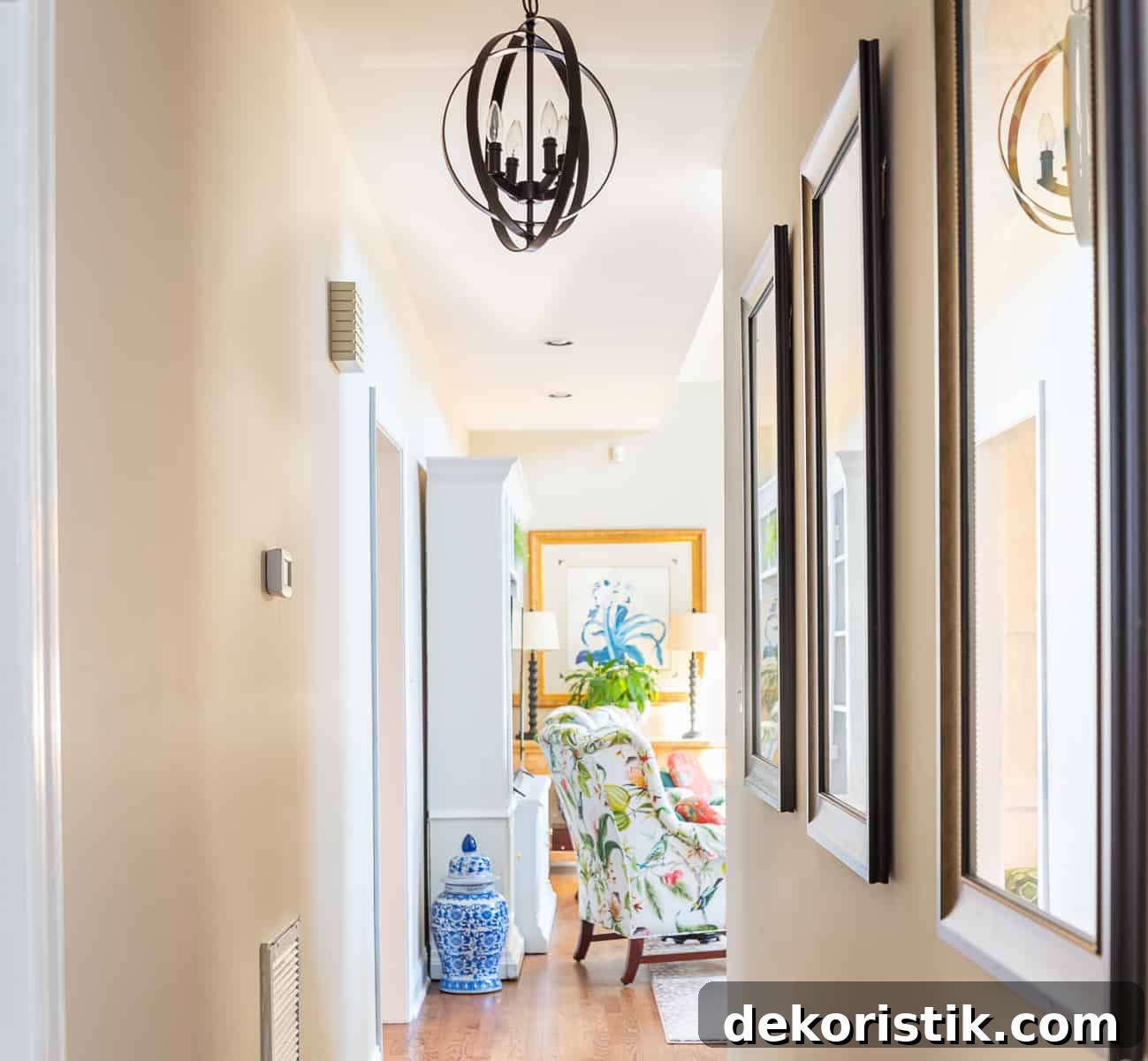
Large artwork or a gallery wall can command attention and set the room’s tone. Statement lighting—a chandelier, a distinctive floor lamp, or layered pendants—can also act as a focal feature and add warmth.
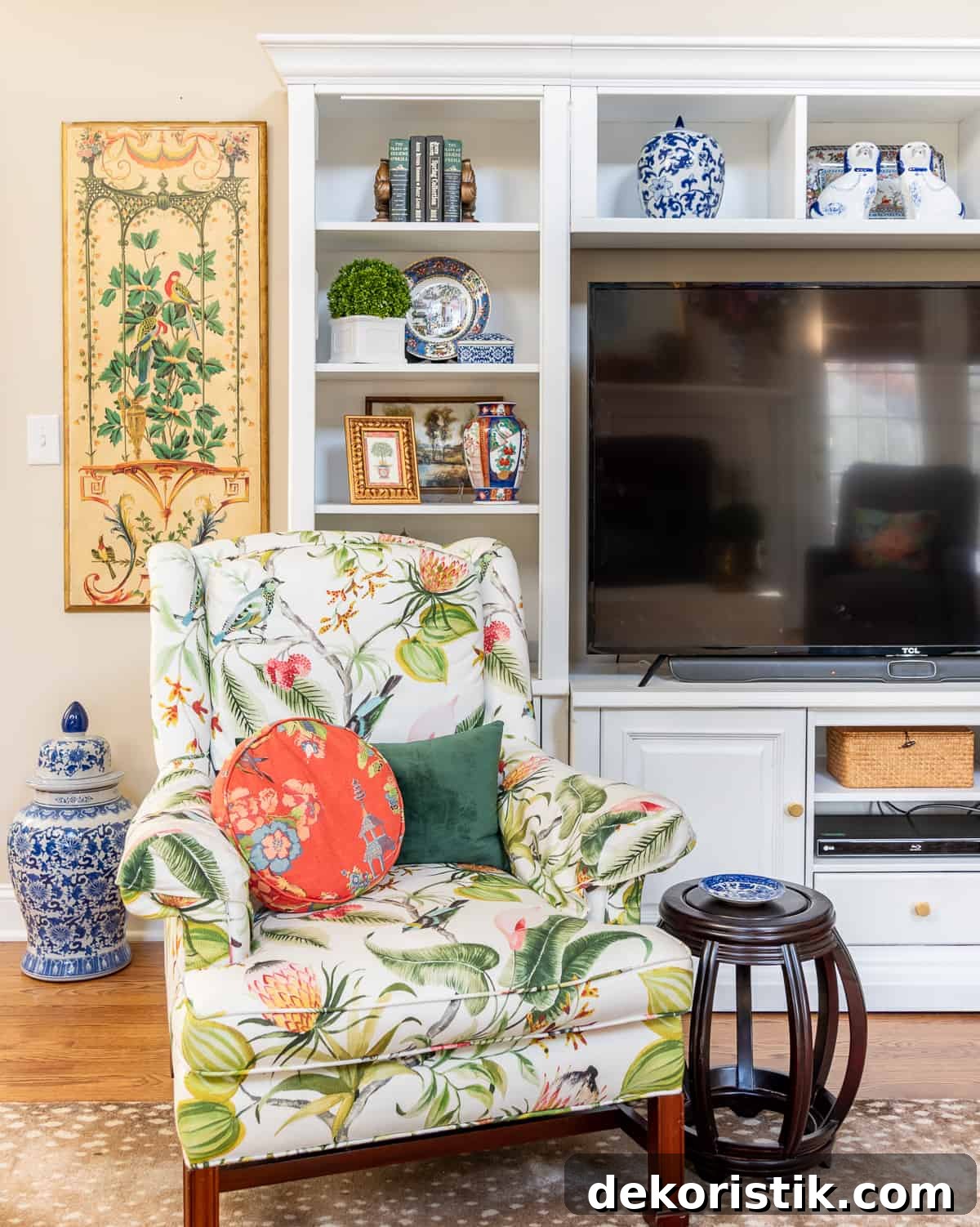
A well-styled bookcase becomes more than storage when curated with books, plants, and meaningful objects. A comfy reading nook with a plush chair, side table, and lamp can turn a corner into a focused, inviting spot. Or choose a standout piece of furniture—an oversized sofa or an eye-catching cabinet—and arrange the room around it to create a natural focal area.
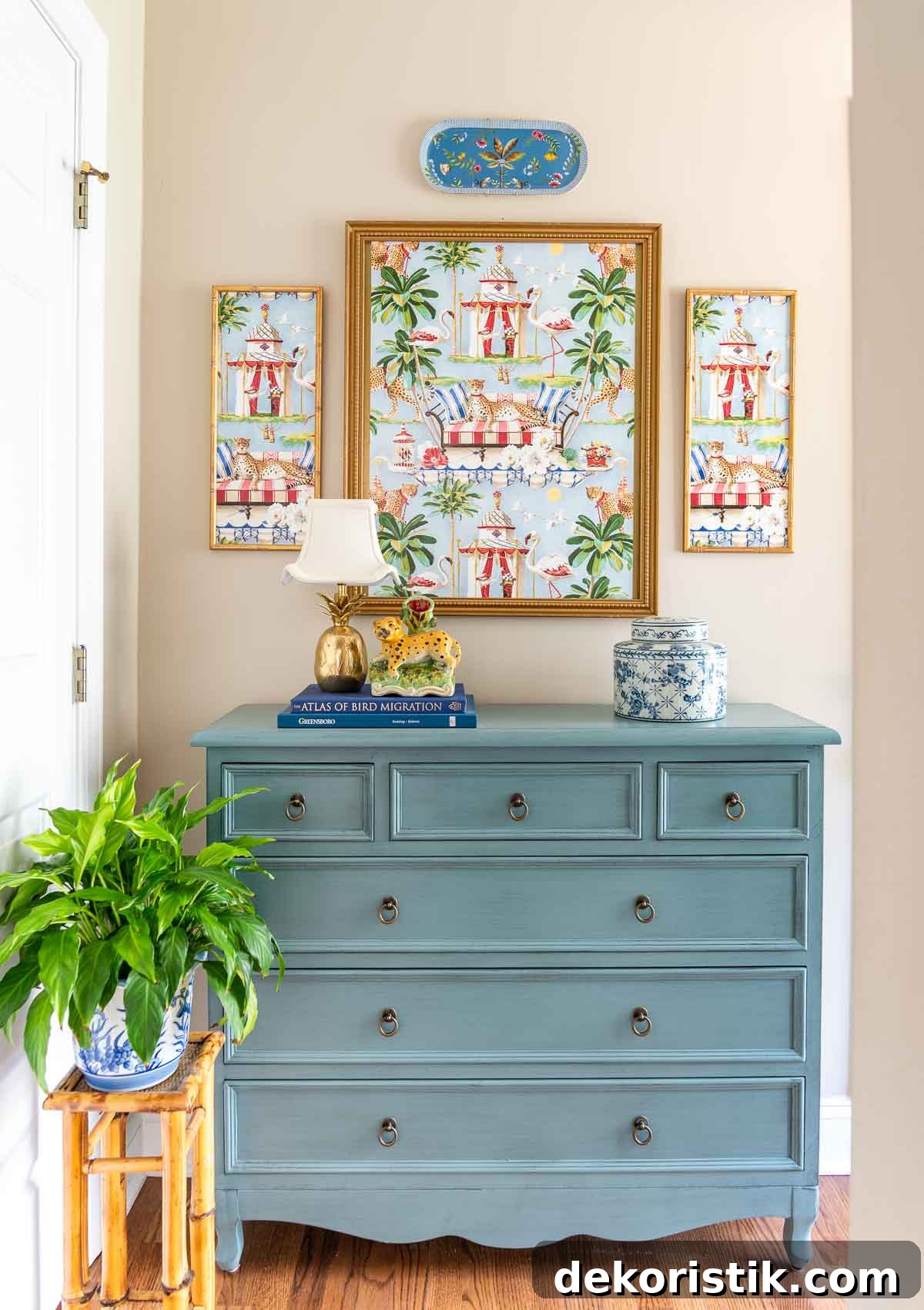
Without a fireplace you have a blank slate—use design elements to craft a focal point that reflects your personality and lifestyle. Whether the room is small or large, the aim is the same: create a comfortable space that feels balanced and like home.
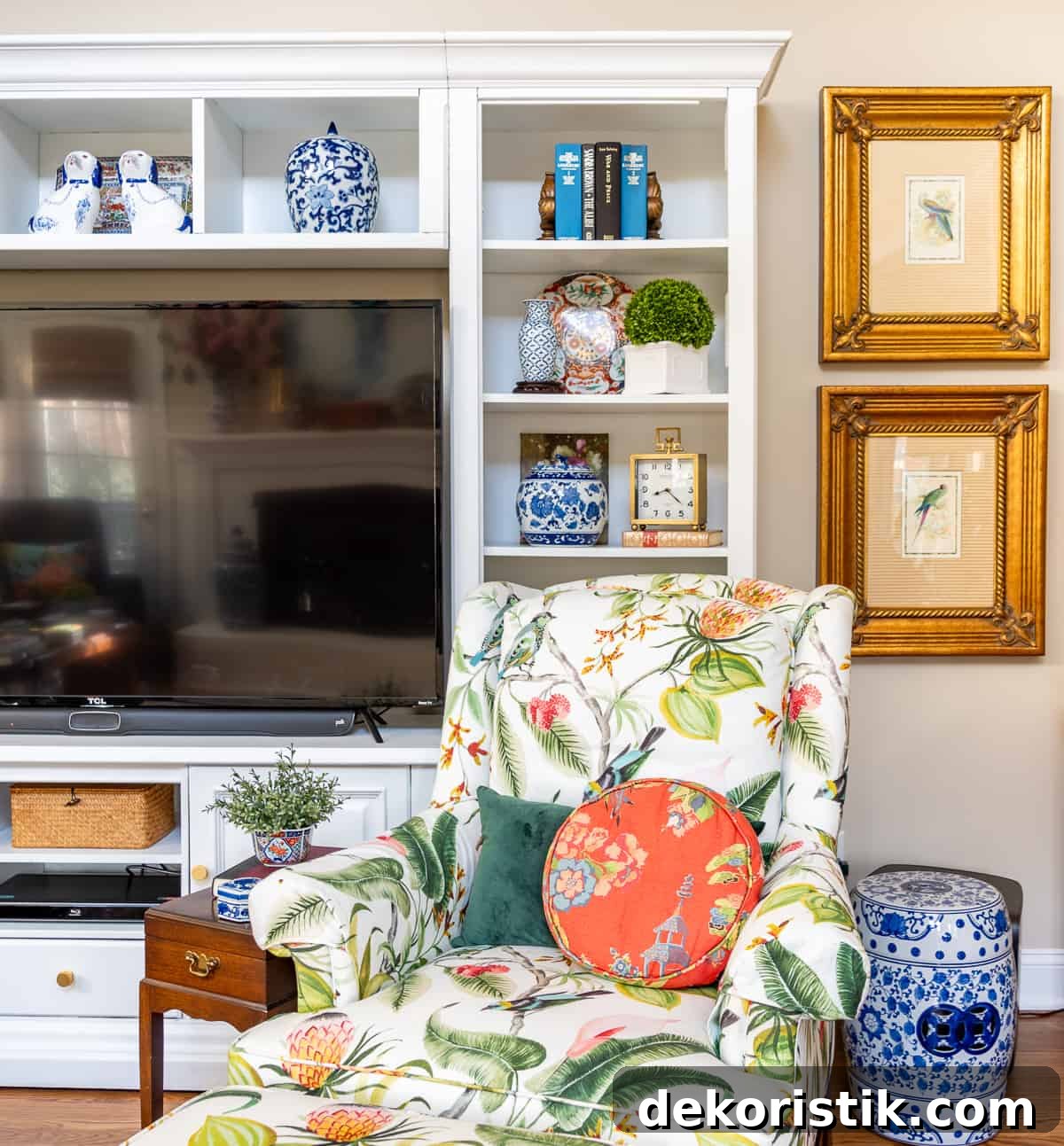
Next in the Simply Decorating series: how to layer decor when you decorate and why it’s important.
To follow the Simply Decorating Series, sign up for email updates from the author.