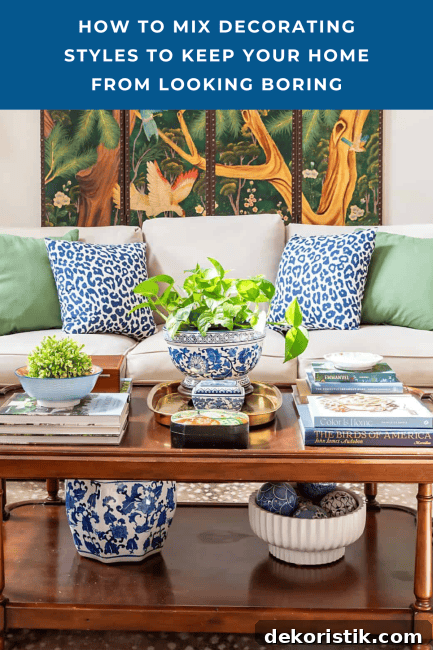
Learn how to mix decorating styles with confidence. These straightforward tips will help you create a home that feels collected, layered, and anything but predictable.
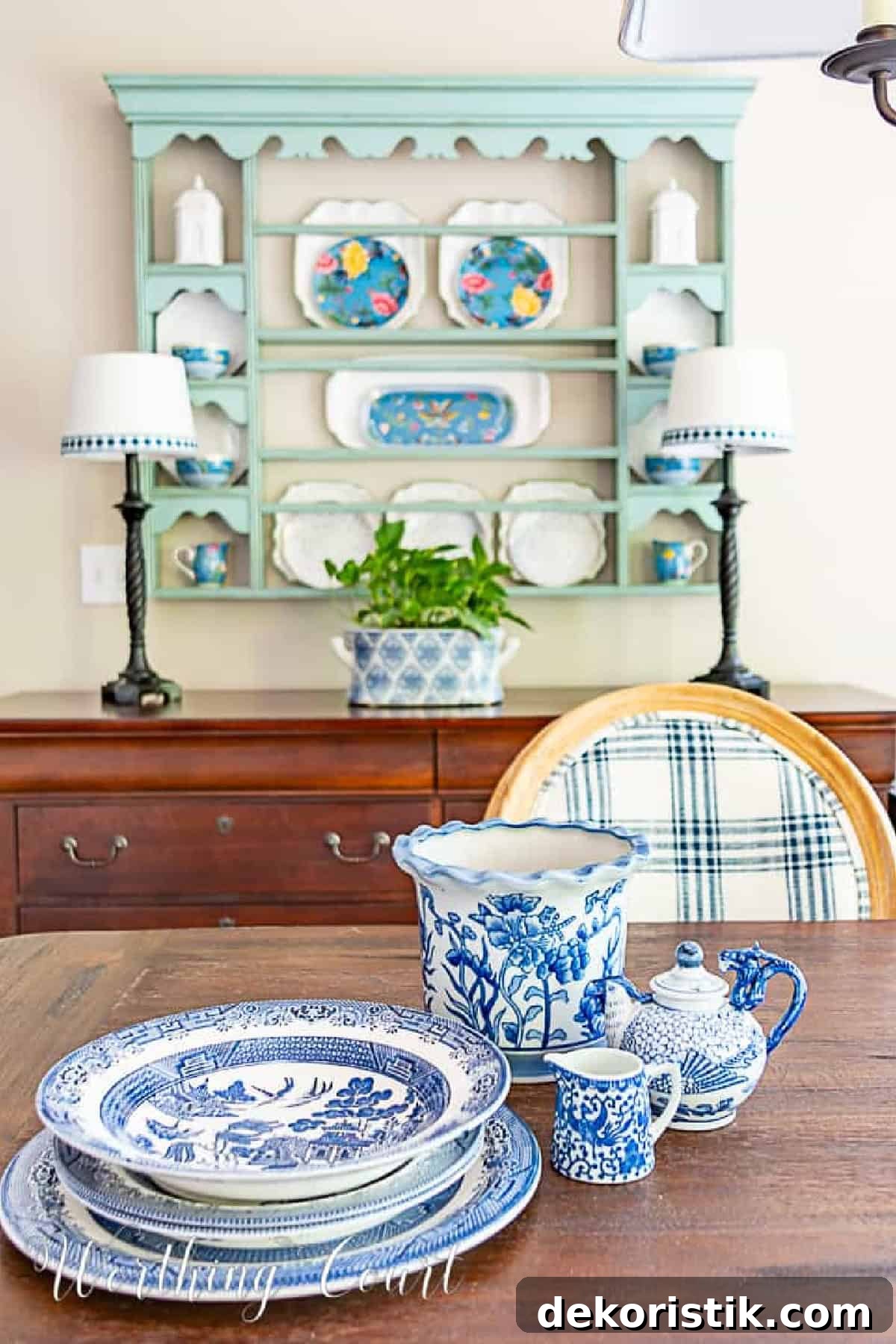
If you want your rooms to feel dynamic rather than flat, try mixing decorating styles. A well-curated space rarely looks like everything came from the same store or the same era. Combining modern and traditional pieces, farmhouse with coastal, or vintage finds alongside new purchases adds depth, warmth, and personality.
If the idea of mixing styles feels overwhelming, you’re not alone. With a few simple guidelines, you can achieve a pulled-together home that looks as if it was collected over time—even if you put it together quickly.
These practical tips will help you combine the pieces you love into a cohesive, interesting space that reflects your taste without feeling chaotic.
Start With a Neutral Foundation
Begin with a neutral base so you can layer different styles without the room feeling busy. Walls, large furniture pieces, and flooring in versatile tones like white, beige, or soft gray give you a blank canvas. From there you can add contrast and personality with accents.
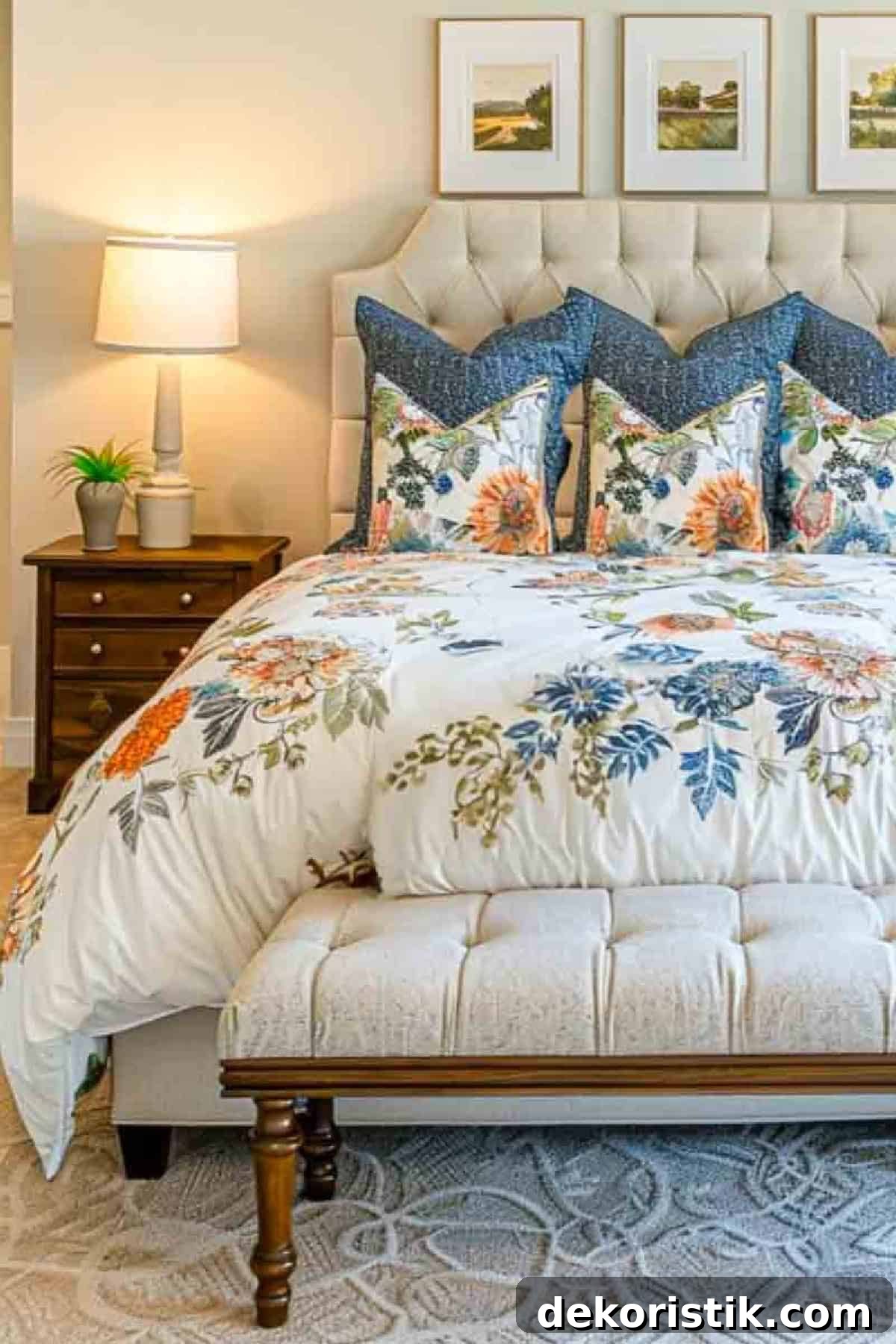
Neutral bases make it easy to introduce elements from different aesthetics—a rustic wood coffee table, a modern lamp, a vintage rug—without the space feeling mismatched. If you love bold color, use it first in smaller accessories like a throw pillow, artwork, or a decorative vase. This allows you to experiment with color without a big commitment.
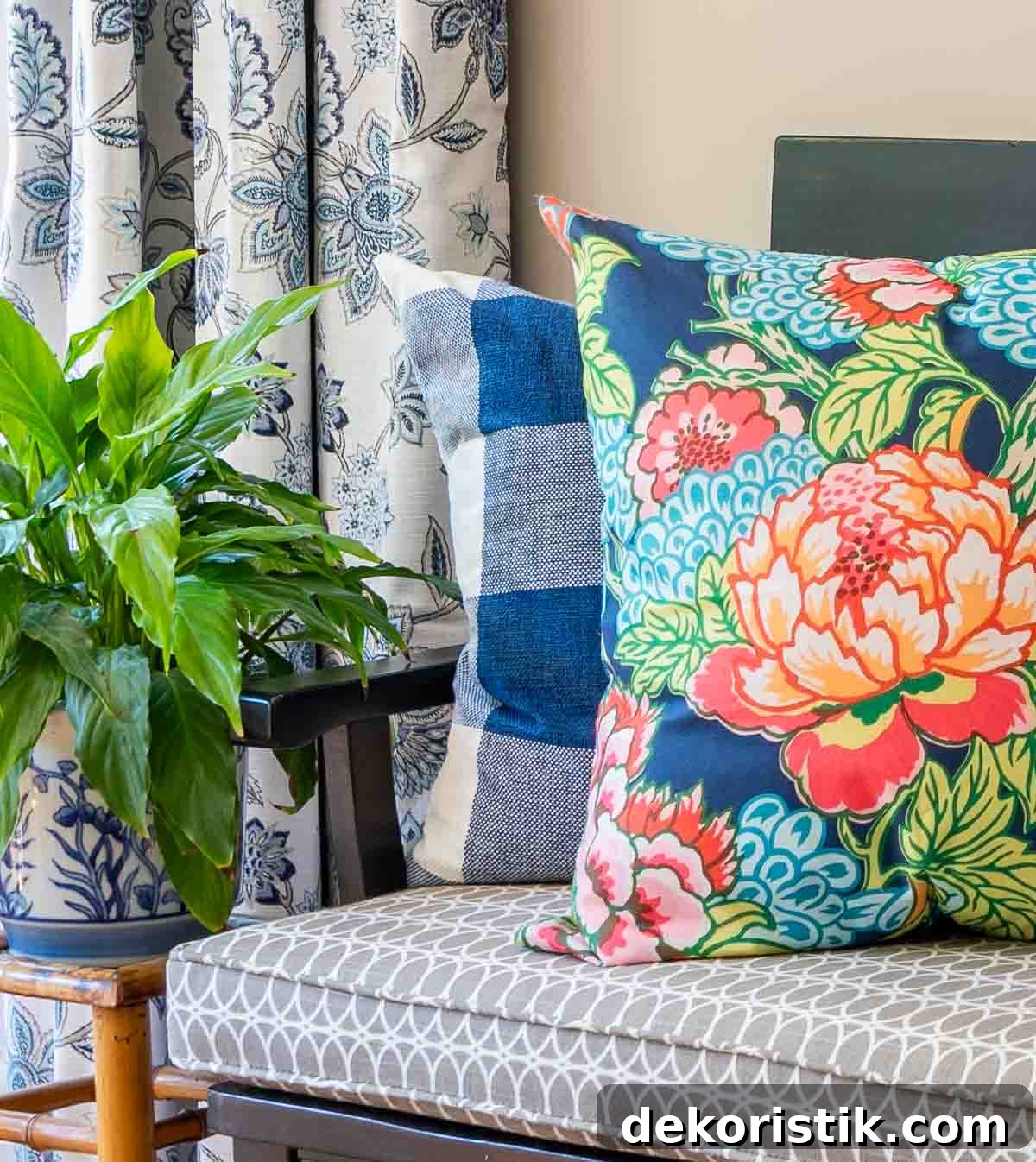
Starting with neutral furniture also simplifies seasonal updates. Swapping pillow covers or adding a textured throw can refresh a room instantly, so you don’t need to replace major pieces to change the look.
Make Use of Repetition
Repetition is a key strategy for harmonizing mixed styles. Repeating materials, finishes, colors, or shapes throughout a room creates visual connections that make disparate pieces feel intentional.
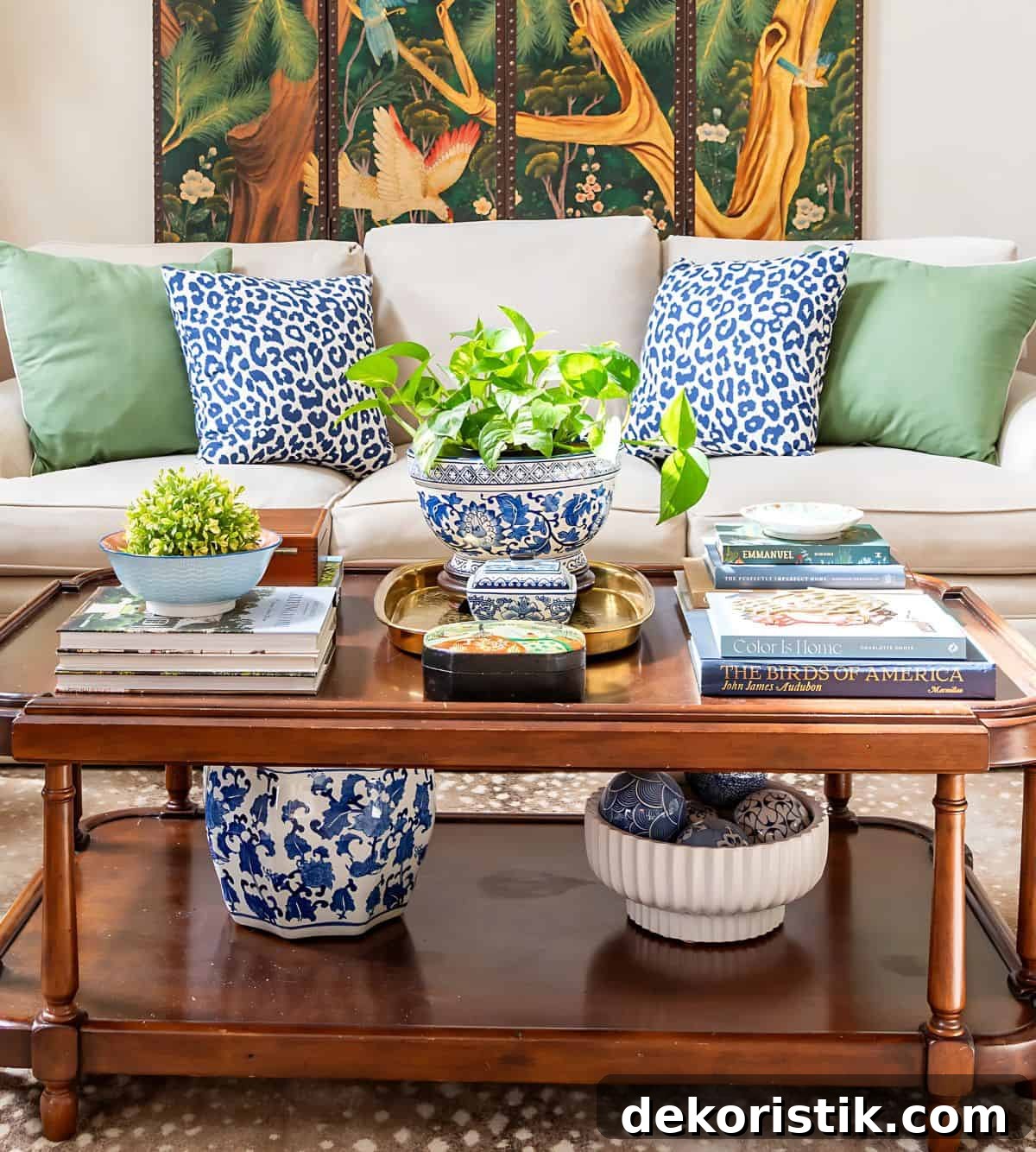
For example, if you add a brass mirror in the entry, echo brass in lighting or cabinet hardware elsewhere. If you choose a warm distressed wood side table, repeat that wood tone in a frame or decorative bowl. Even repeating shapes—round mirrors with a circular light fixture or a round coffee table—helps create balance.
This strategy works especially well in open floor plans where multiple areas are visible at once; repeating finishes, colors, and textures keeps the whole space feeling unified while allowing each zone to have its own character.
Blend Old and New
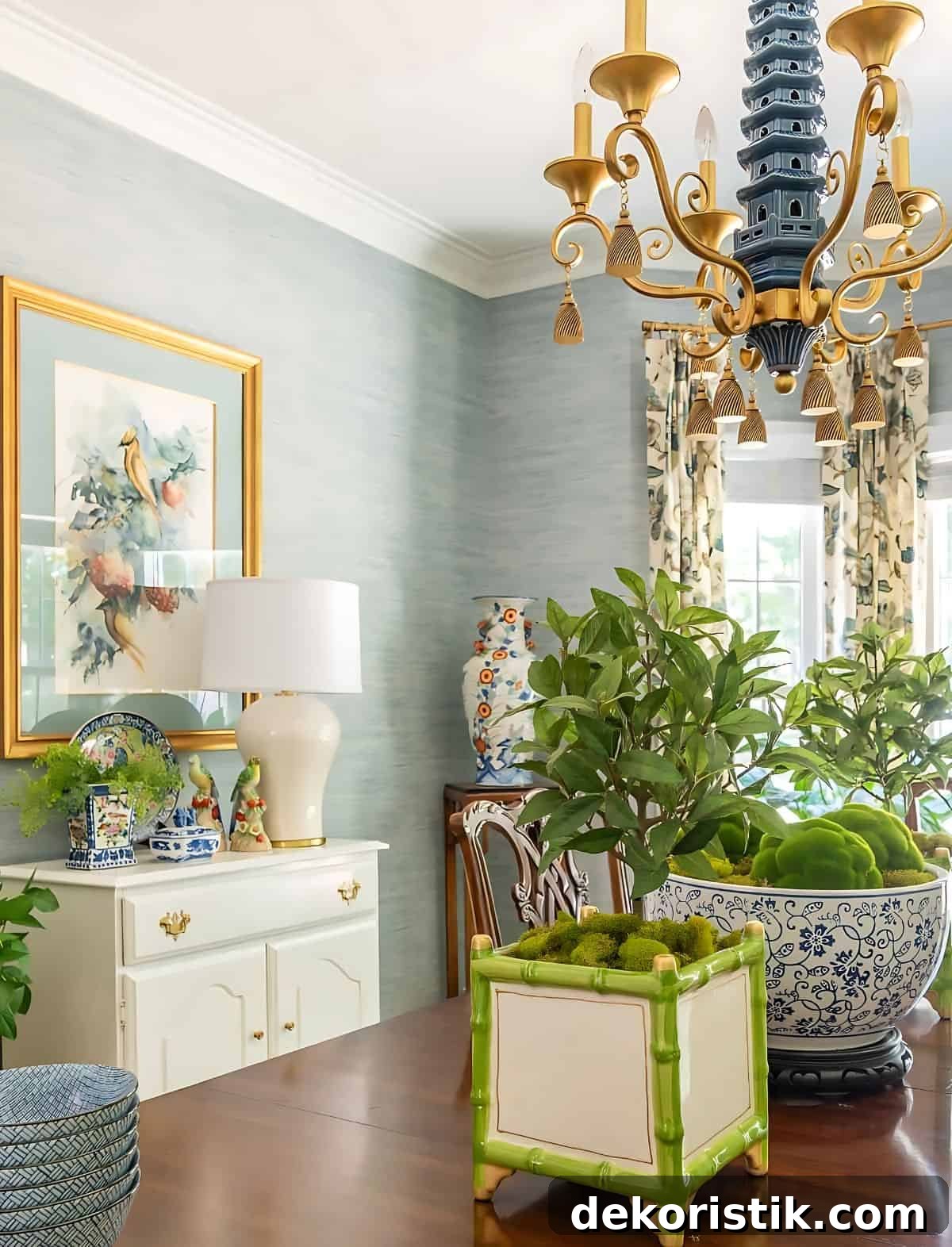
Mixing pieces from different periods is an easy way to give your home character. Pair a contemporary sofa with an antique side table, or place vintage art in a modern kitchen. The contrast prevents a room from feeling like everything was bought at once and helps create a collected look.
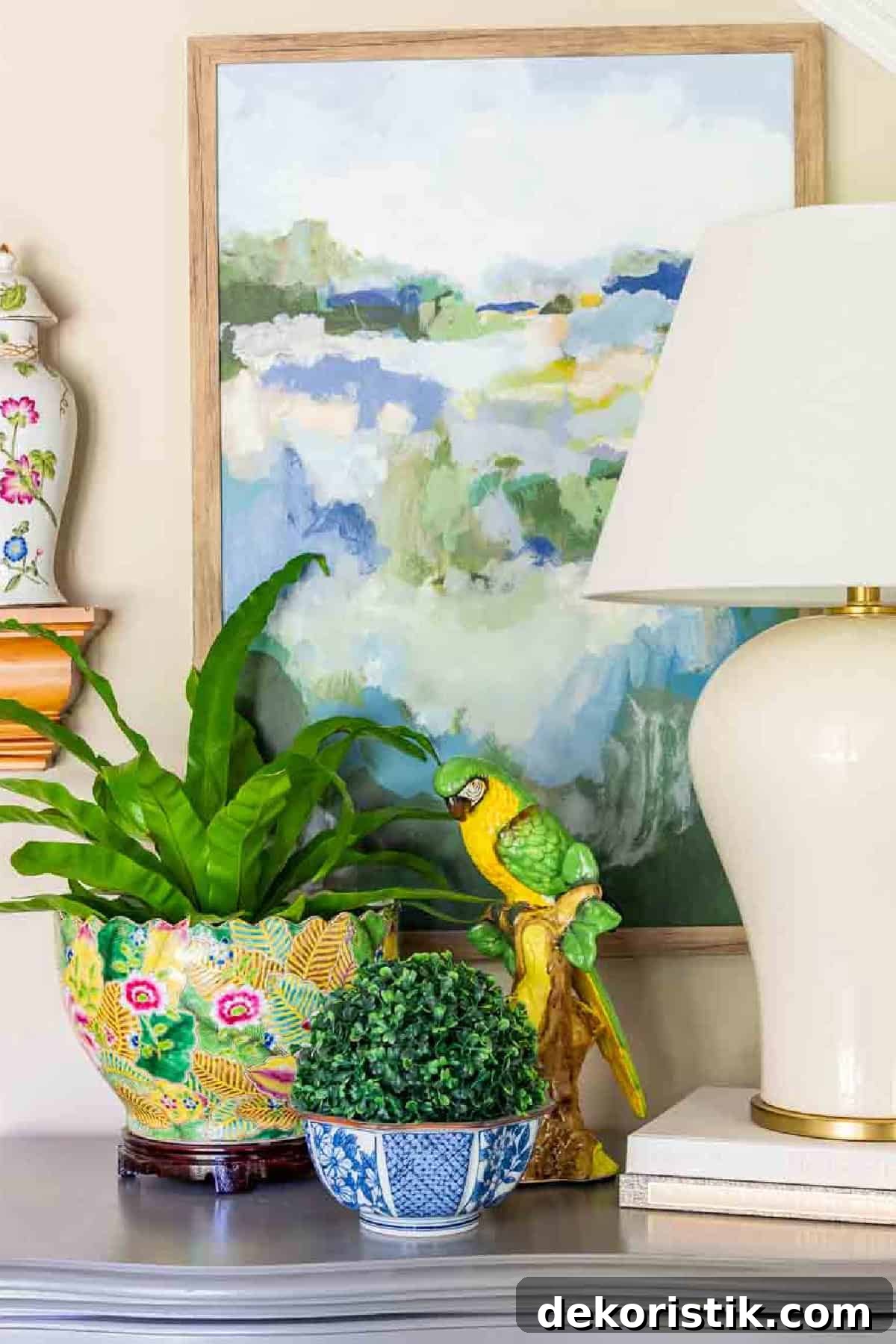
Blending old and new also allows you to display sentimental items without looking dated. An heirloom dresser, for example, will feel fresh topped with a sleek lamp. Shopping secondhand stores and flea markets is a great way to find unique pieces that add charm and personality, and it’s often more affordable than buying everything new.
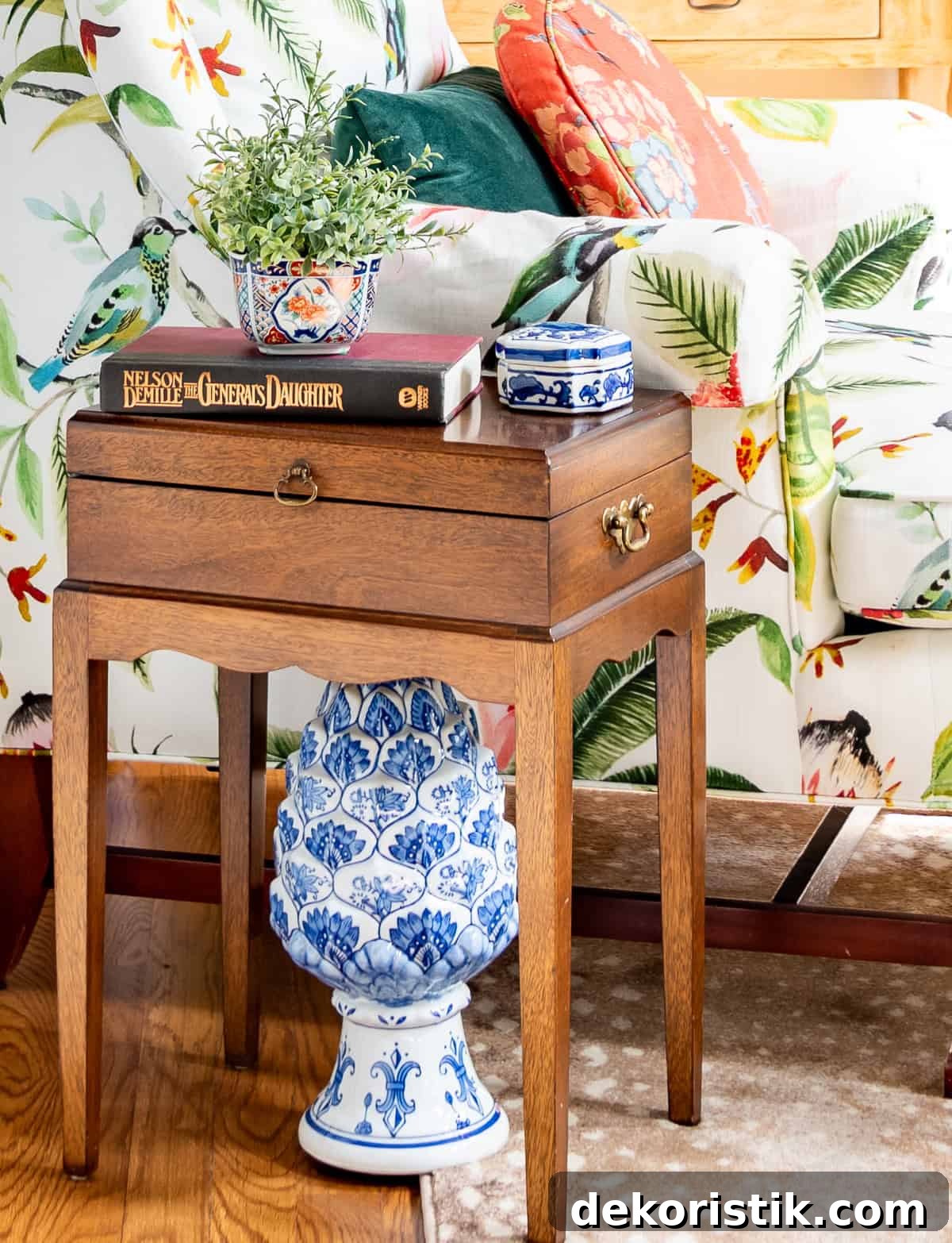
Start small: introduce a single vintage accessory into a modern room, or place a contemporary piece among older furniture, and build gradually. Over time, these choices create a layered, lived-in feel that tells your story.
Choose a Consistent Color Palette
A consistent color palette will tie together pieces from different styles. Select two or three main colors and repeat them across the space—use a base color for walls or large furniture, and layer complementary accents through cushions, throws, artwork, and smaller décor.
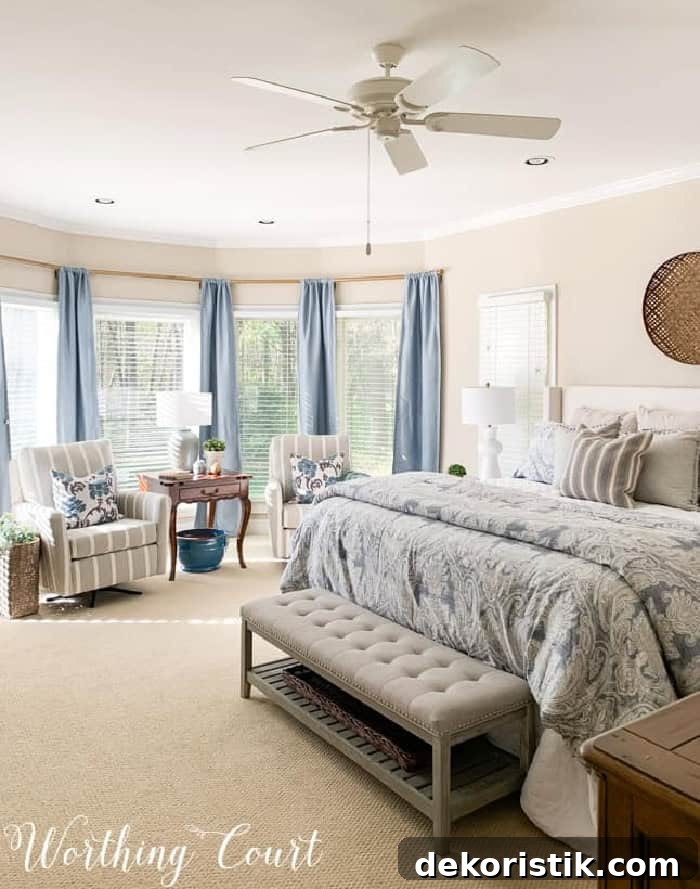
Pulling colors from a favorite fabric, rug, or artwork is an easy way to create a cohesive palette. This method is particularly effective where rooms flow together because it creates unity without forcing every space to match exactly.
Add Texture and Pattern
Texture and pattern are essential when combining styles—they add depth, warmth, and visual interest. Use woven baskets, chunky knit throws, linen curtains, and natural wood finishes to soften a room with sleek lines or modern furniture.
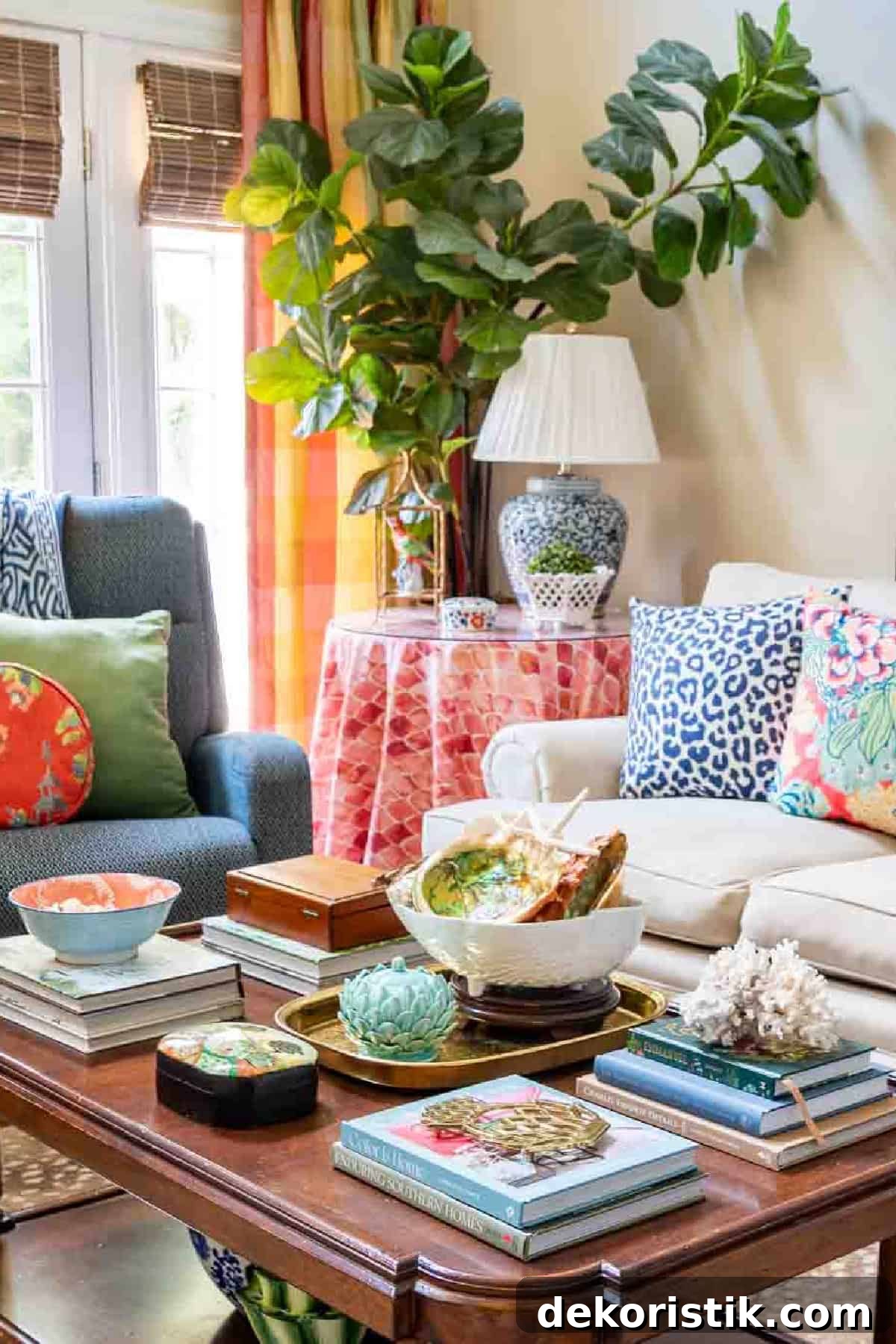
Introduce pattern through pillows, rugs, or wallpaper to create movement and break up solid blocks of color. Whether you choose subtle or bold patterns depends on your comfort level, but either approach can enliven a mixed-style room.
Know When to Edit
Editing is as important as adding. Too many competing patterns, finishes, or furniture styles can make a room feel cluttered. Step back and evaluate the space as a whole: sometimes removing a single item will restore balance more effectively than adding more pieces.
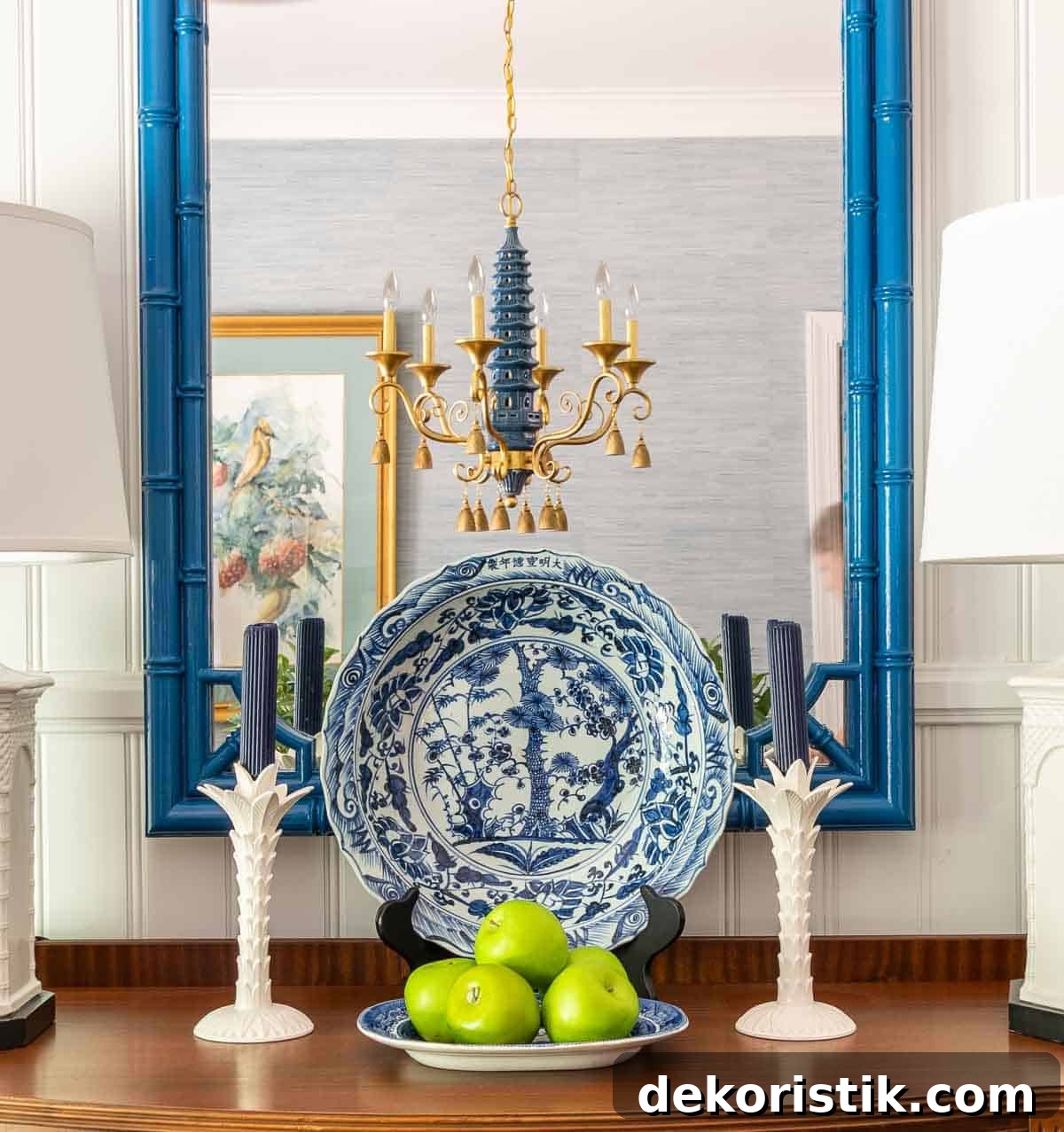
If editing feels daunting, tackle one area at a time—style a tabletop, a bookshelf, or a single vignette until it looks right. These small adjustments accumulate into a home that feels personal, comfortable, and thoughtfully assembled.
Mixing decorating styles is about balance: start with a neutral foundation, repeat elements for cohesion, blend old and new thoughtfully, choose a consistent color palette, layer texture and pattern, and edit ruthlessly when needed. Follow these principles, and you’ll have rooms that are inviting, polished, and distinctly yours.
More Simply Decorating Tips
- How to Fix a Room That Feels Off
- How to Mix Decorating Styles to Keep Your Home From Looking Boring
- How to Decorate by Shopping Your Own House
- The Do’s and Don’ts of Home Decorating: Basic Tips for Getting It Right
- The Secret to Layering Accessories Like a Pro
- Where to Start When Decorating a Room