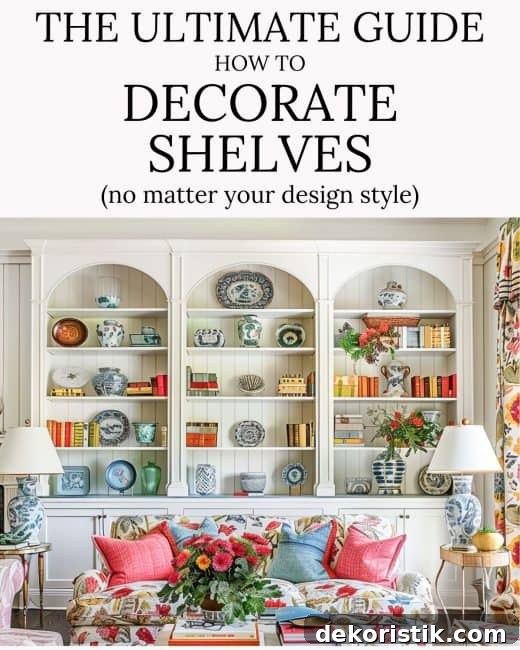
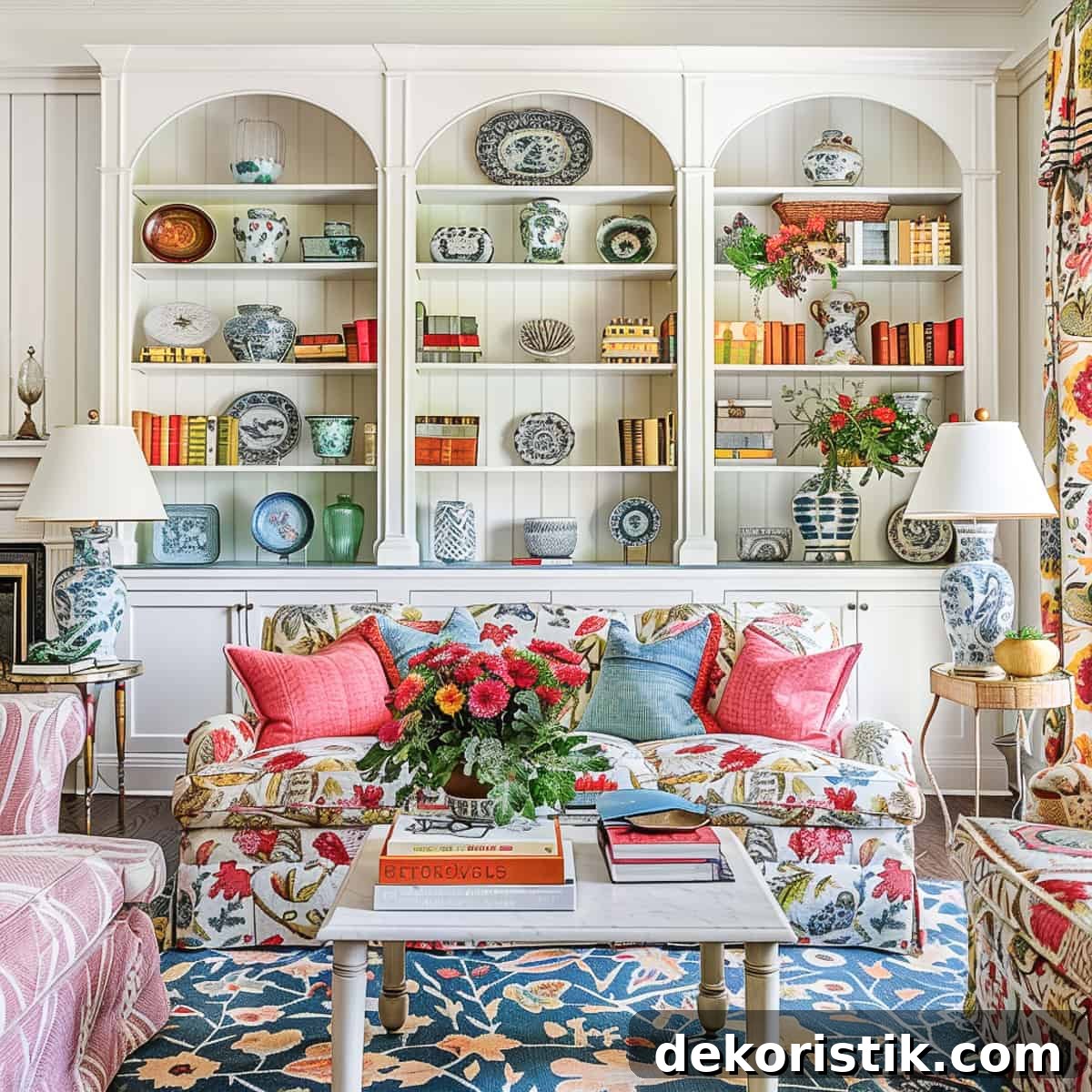
A practical shelf decor guide that will take shelf styling from intimidating to polished and stylish.
Do you freeze up at the thought of styling shelves? If making a shelf look intentional feels challenging, this guide will help. Whether you prefer bold color and pattern or a calm neutral palette, these practical tips will help you create shelf displays that look considered and cohesive.
Interior designers often emphasize layering small details. No matter how beautiful the larger pieces in a room are, the final impact depends on the thoughtful placement of smaller elements—and shelves are a perfect place to apply that attention to detail.
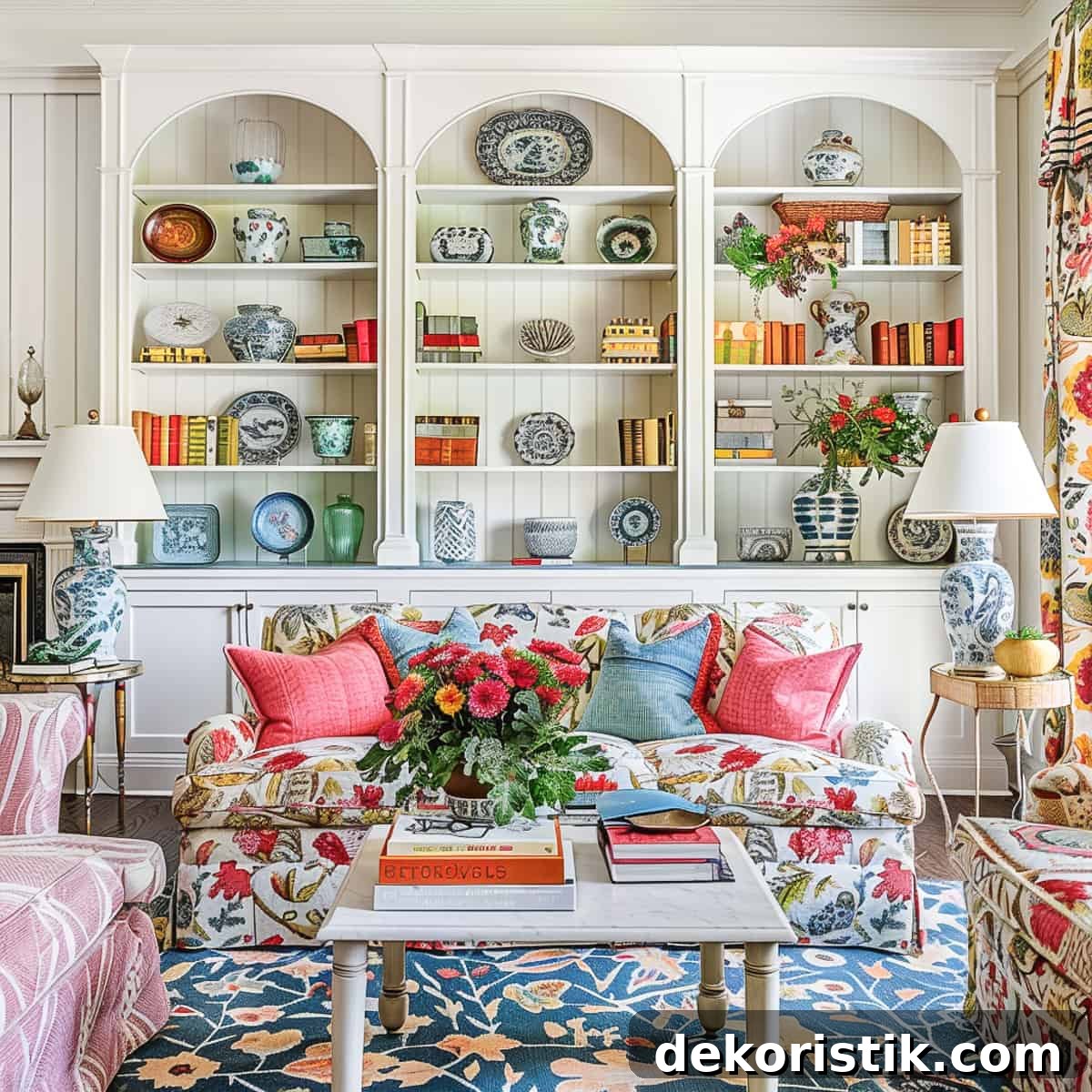
Designers may seem like they have secret shortcuts, but the techniques they use are straightforward and repeatable. With simple rules and a little experimentation, you can style shelves that look polished and personal.
This step-by-step approach works for bookcases, wall shelves, built-ins, and open shelving alike. Take your time, experiment with arrangements, and step back often to evaluate the overall effect.
Scroll down to find a printable checklist to guide you through the process.
What Looks Good on a Shelf?
Creating an attractive shelf display is more than placing random objects; it’s about balance, rhythm, and personality. Expect the process to take some time—great styling usually does. Be patient, allow yourself to try different combinations, and edit as you go.
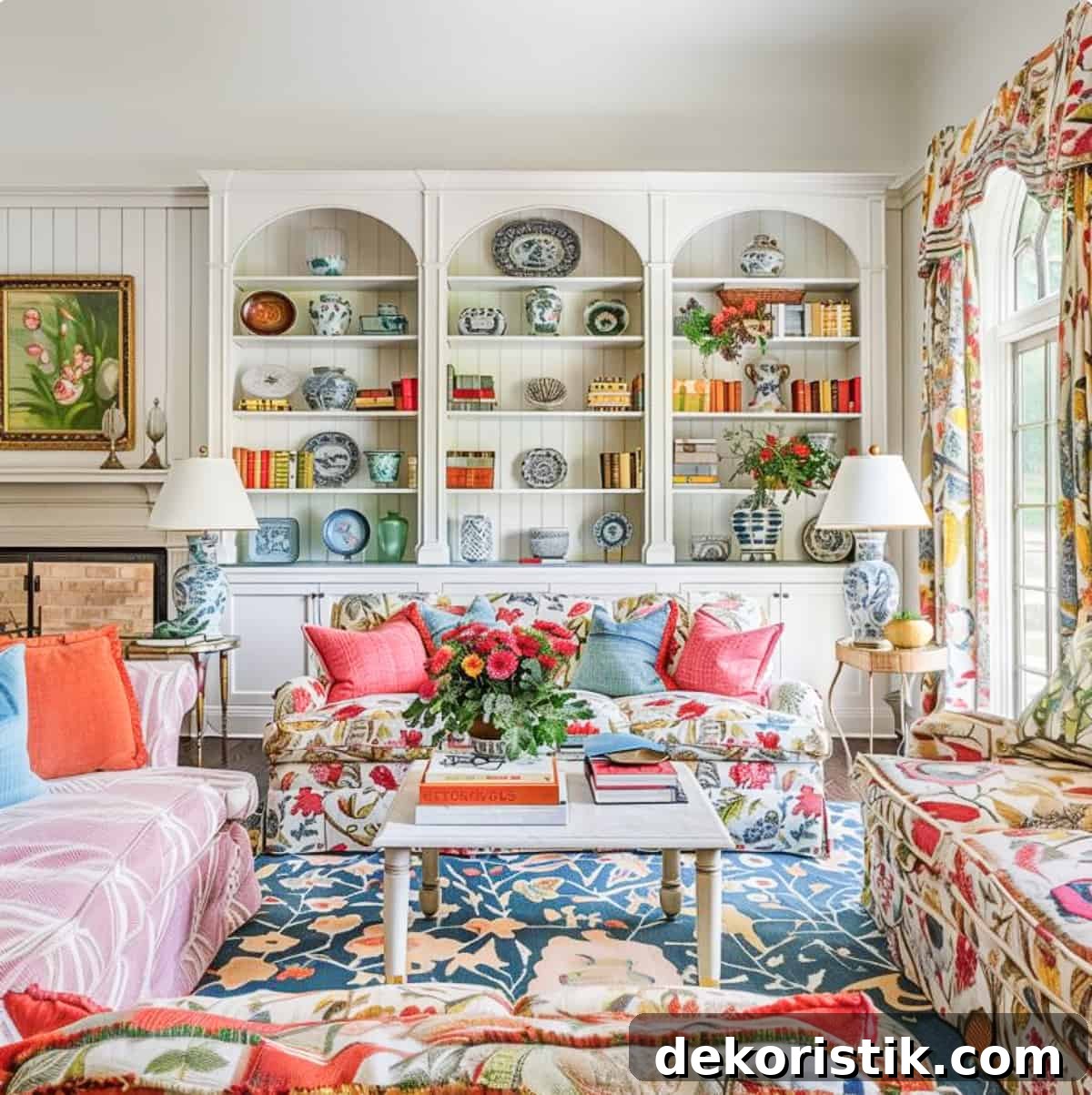
Give yourself permission to live with an arrangement for a few days, then refine it. Learning to curate shelves sharpens your eye and builds confidence in your style decisions.
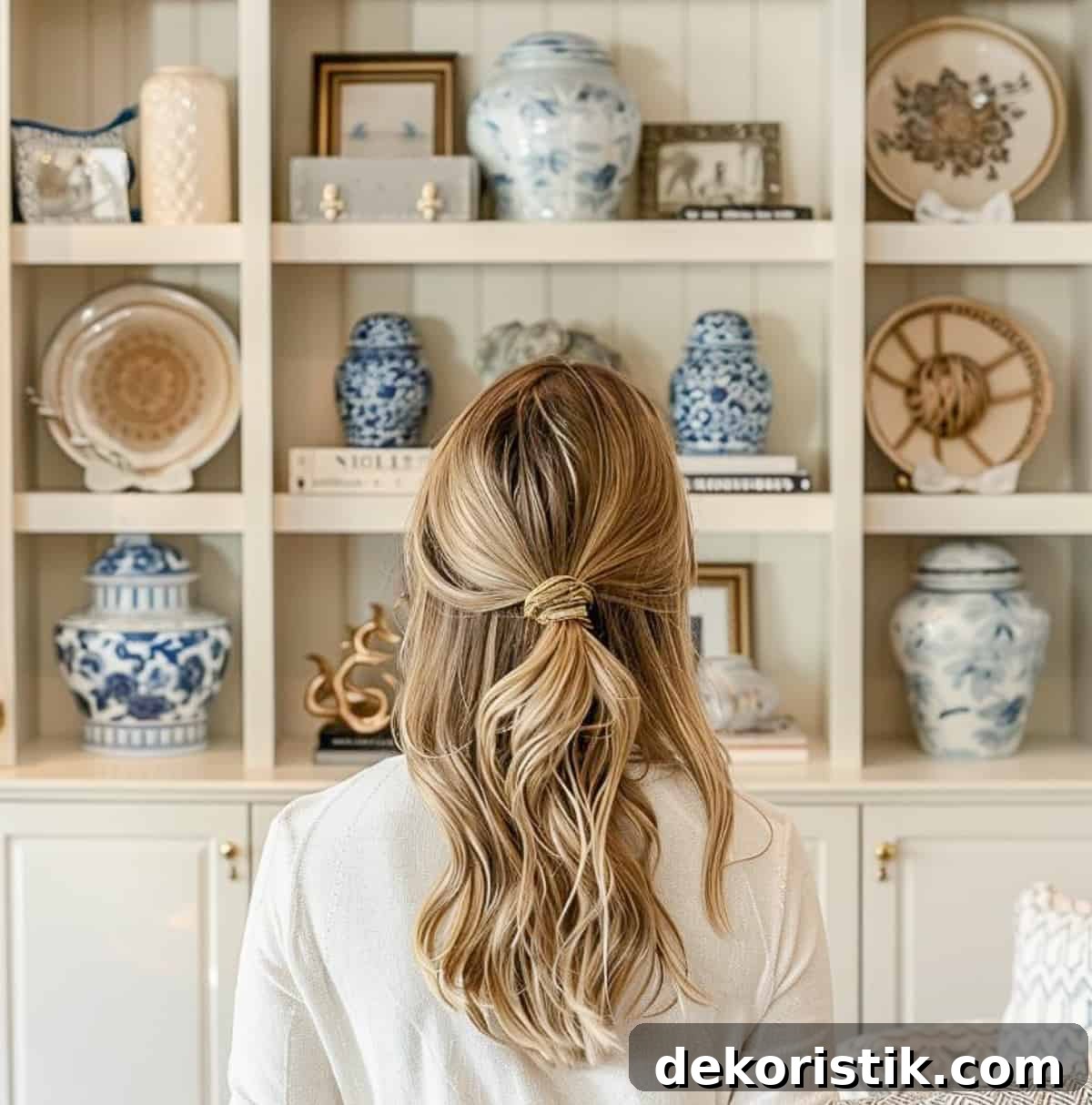
Ready to begin? These practical steps will help you create balanced, stylish shelf displays.
Start With a Clean Slate
Begin by removing everything from the shelves and giving them a good dusting. Clearing the space removes old visual habits and lets you reimagine the shelving without distraction. A blank shelf is the best starting point for a fresh, intentional design.
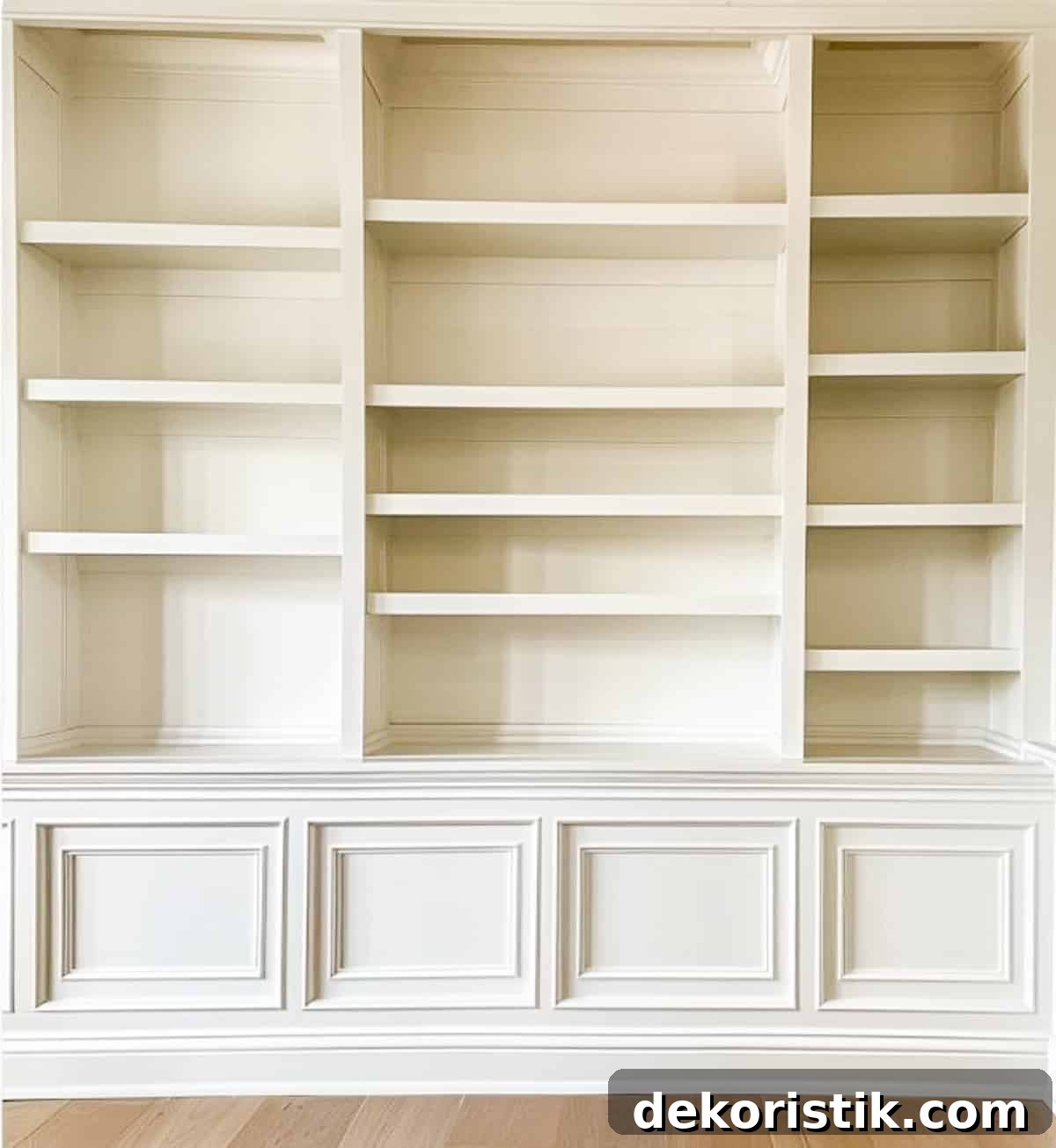
Have an Overall Look in Mind
Before you place a single object, decide on an overall direction. Collect visual inspiration and pick a color palette and general vibe—cozy and rustic, minimal and modern, or updated traditional. Limiting the number of colors and materials will help the display feel cohesive rather than cluttered.
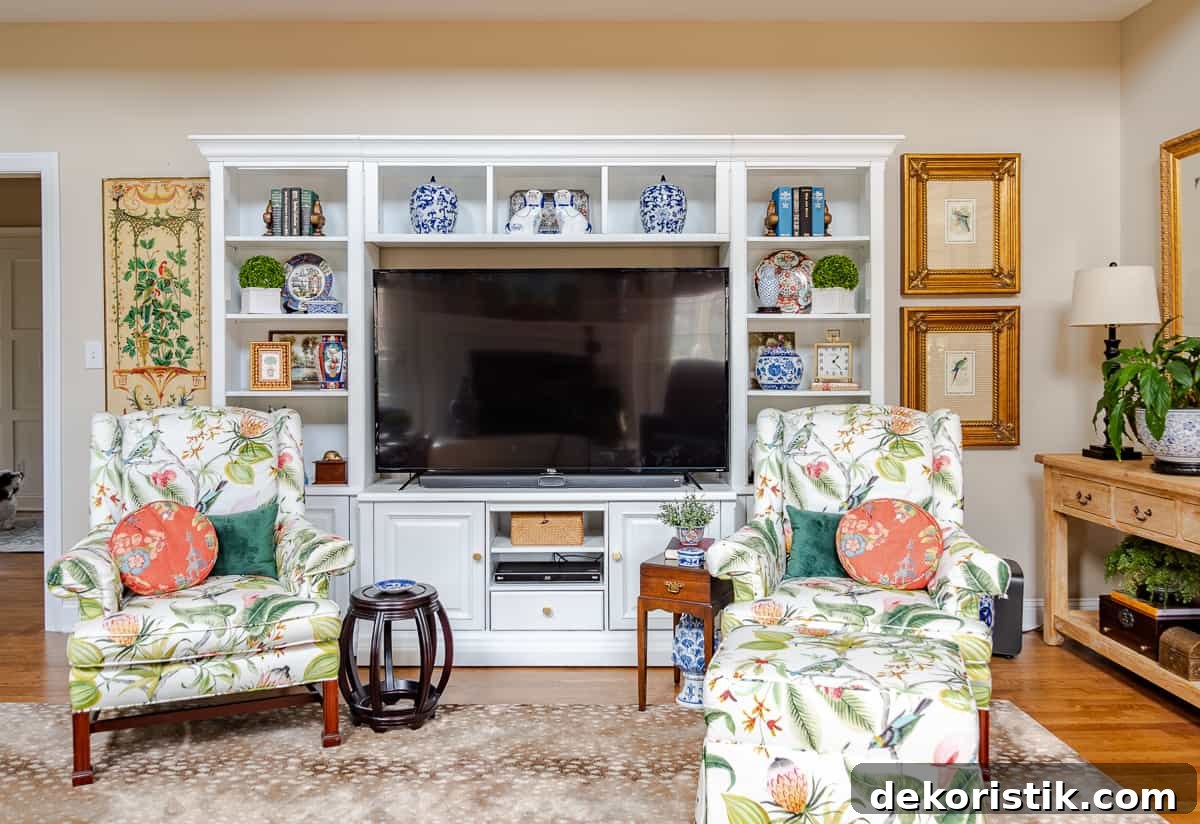
If a style feels out of reach, find a photo you like and recreate its core elements—colors, shapes, and textures—to guide your own arrangement. This is an easy way to achieve a similar effect with items you already own or can source affordably.
Group Your Shelf Decor Items Together
Gather a selection of items before you begin placing them. Some will be essential, others optional. Laying everything out helps you see combinations and decide what to use and what to leave out.
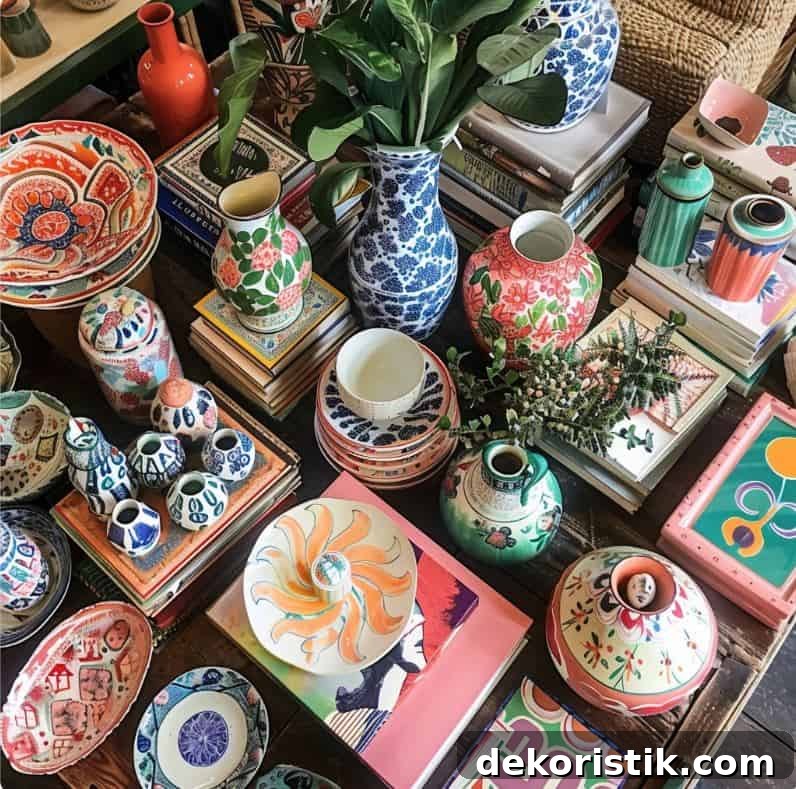
Items to consider:
- Personal pieces that bring you joy or hold special meaning—these make the display uniquely yours.
- Books: stack or line them up; their spines add color and they work well as risers for smaller objects.
- Plants or greenery: add life and soft texture. Faux plants can be an excellent choice where light is limited.
- Picture frames and small artwork: use them to introduce personality and layered depth—lean small canvases or frames at the back of a shelf.
- Vases, bowls, and decorative objects: choose statement pieces and subtle accents that support your palette.
- Candles and holders: they add warmth; pick finishes that suit your overall style.
- Storage boxes and baskets: functional pieces that also tame clutter and add texture.
- Unique or collected objects: travel finds, vintage pieces, and unexpected elements create interest.
TIP: Corral several small items on a tray or in a basket to avoid visual clutter and create tidy vignettes.
Place Larger Items First
Start each shelf by positioning one or two larger “anchor” pieces. These anchors set scale and provide a foundation for smaller supporting items. Avoid overfilling—leave breathing room so the eye can move between objects.
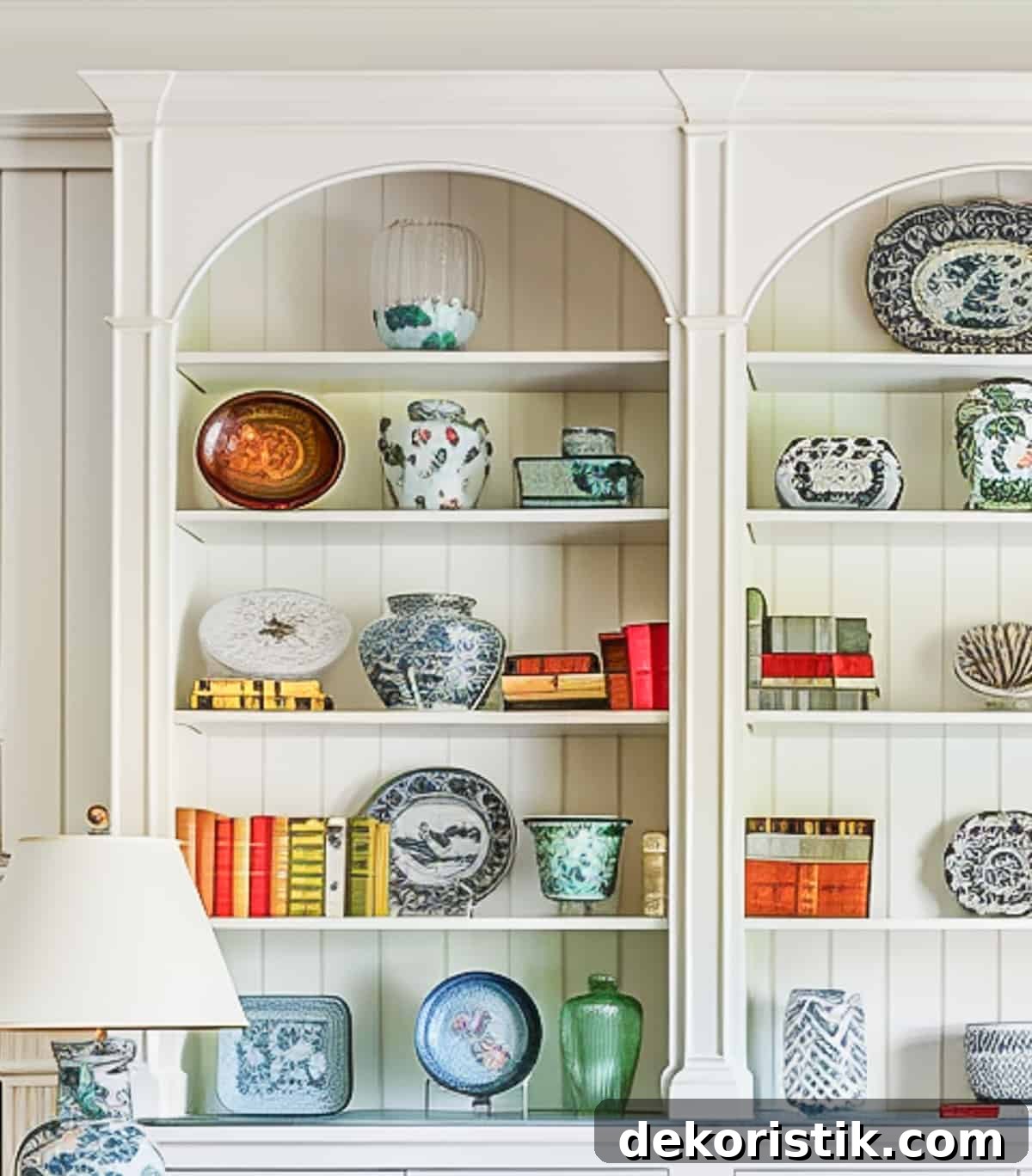
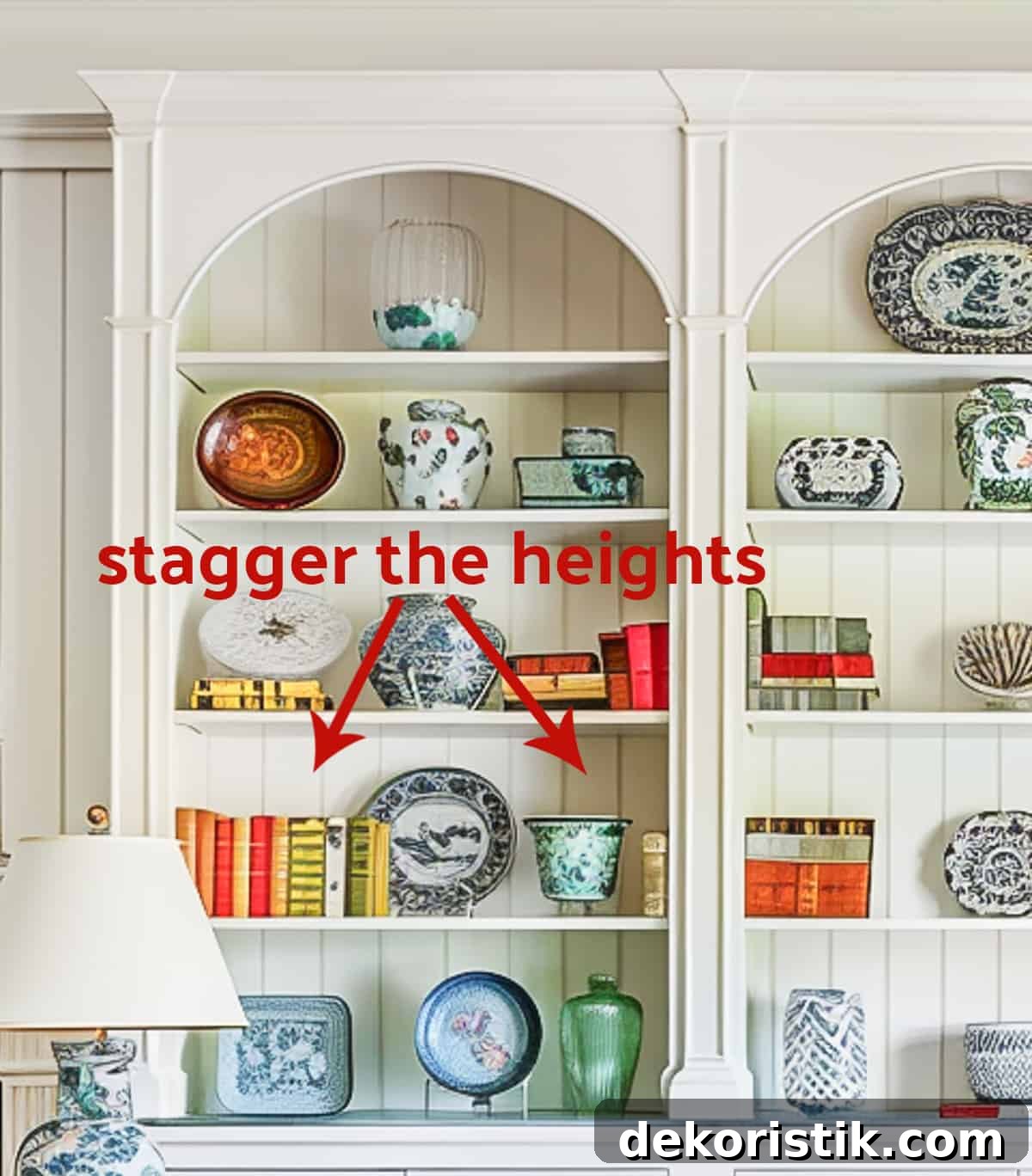
Vary Heights
Mix heights to create visual interest. If every item shares the same top line, the arrangement becomes static. Combine tall and short objects, stacked books, and layered artwork to create movement.
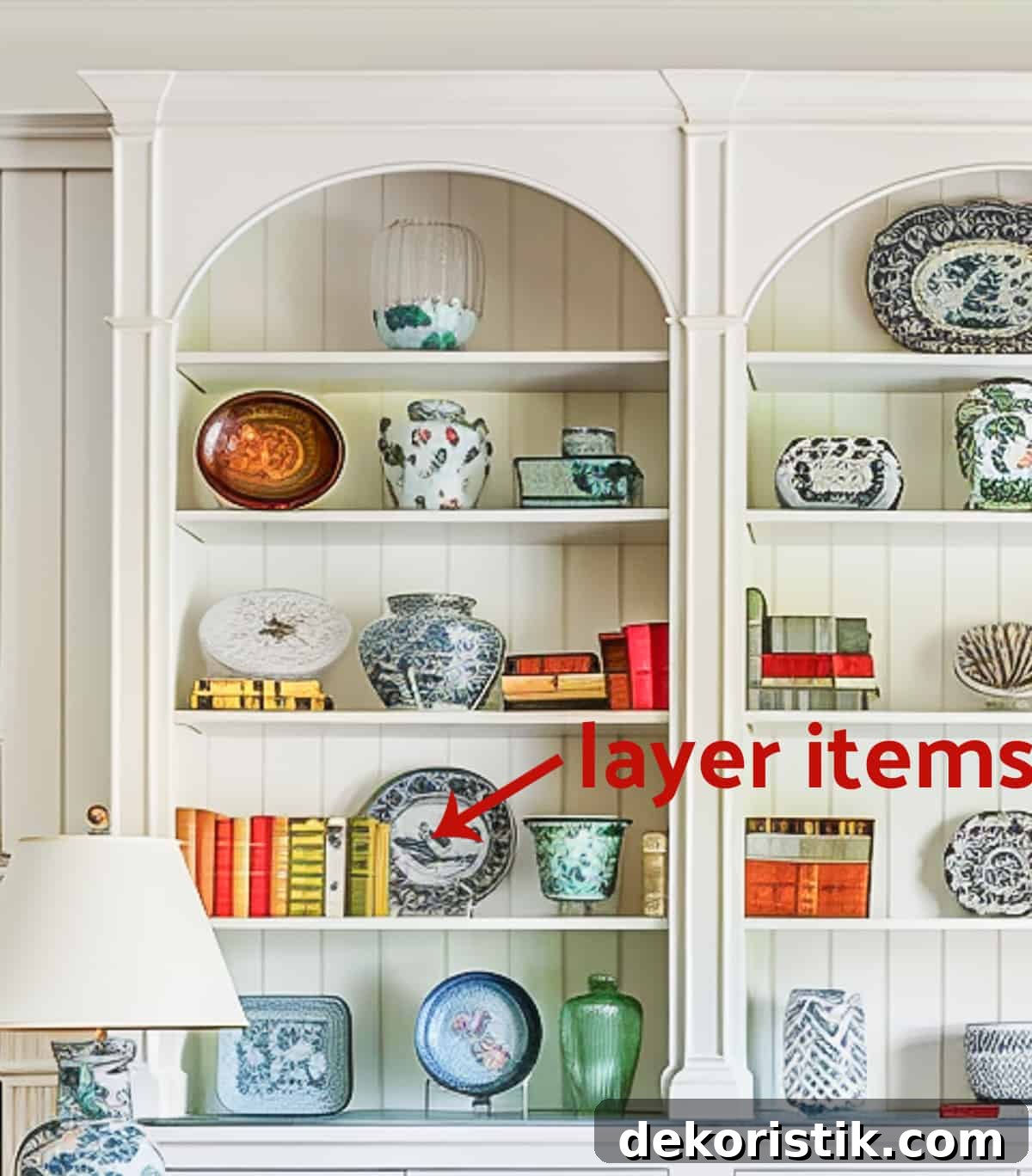
Layer Decor
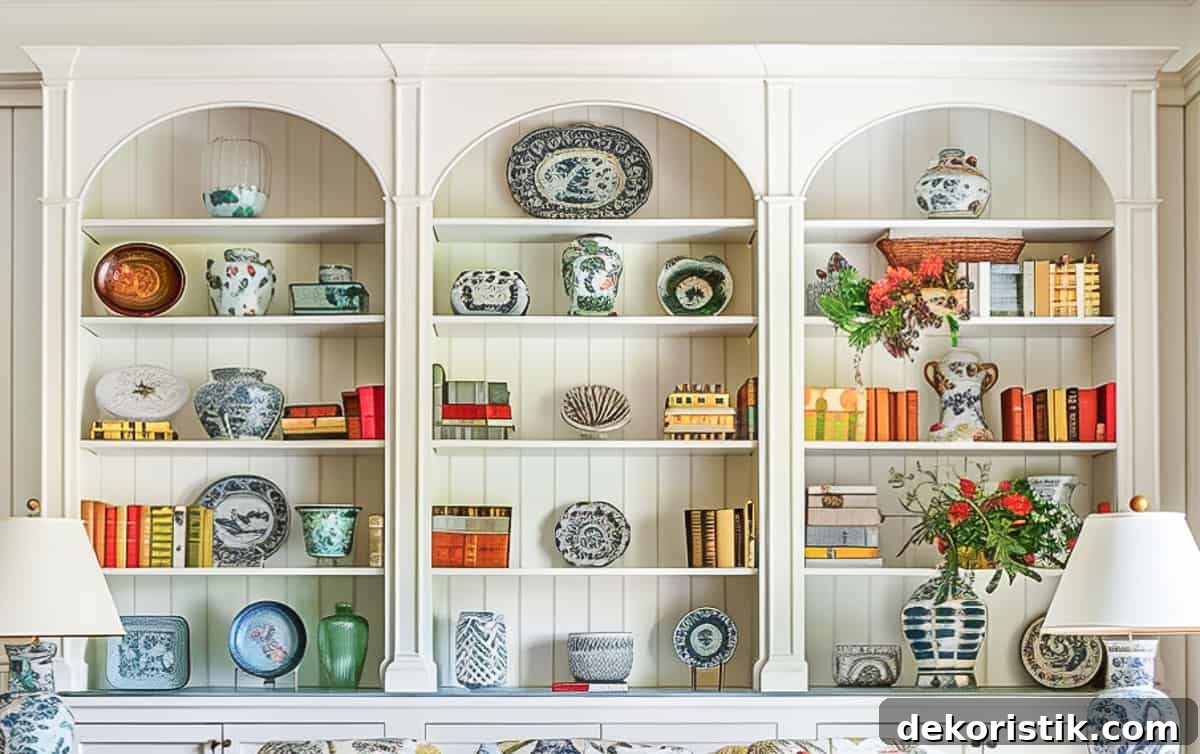
Place items in layers—from back to front—so larger pieces sit at the back and smaller objects fill the foreground. Layering adds depth and dimension; without it, a display can feel flat. Another effective trick is to use wallpaper or a painted back panel in a built-in unit to create a visual backdrop.
Pay Attention to Visual Weight
Balance the visual weight across shelves so one side doesn’t feel heavy while the other feels sparse. Think of each shelf in sections and distribute items to create an even sense of balance. Books, artwork, and decorative objects should feel harmonious together.
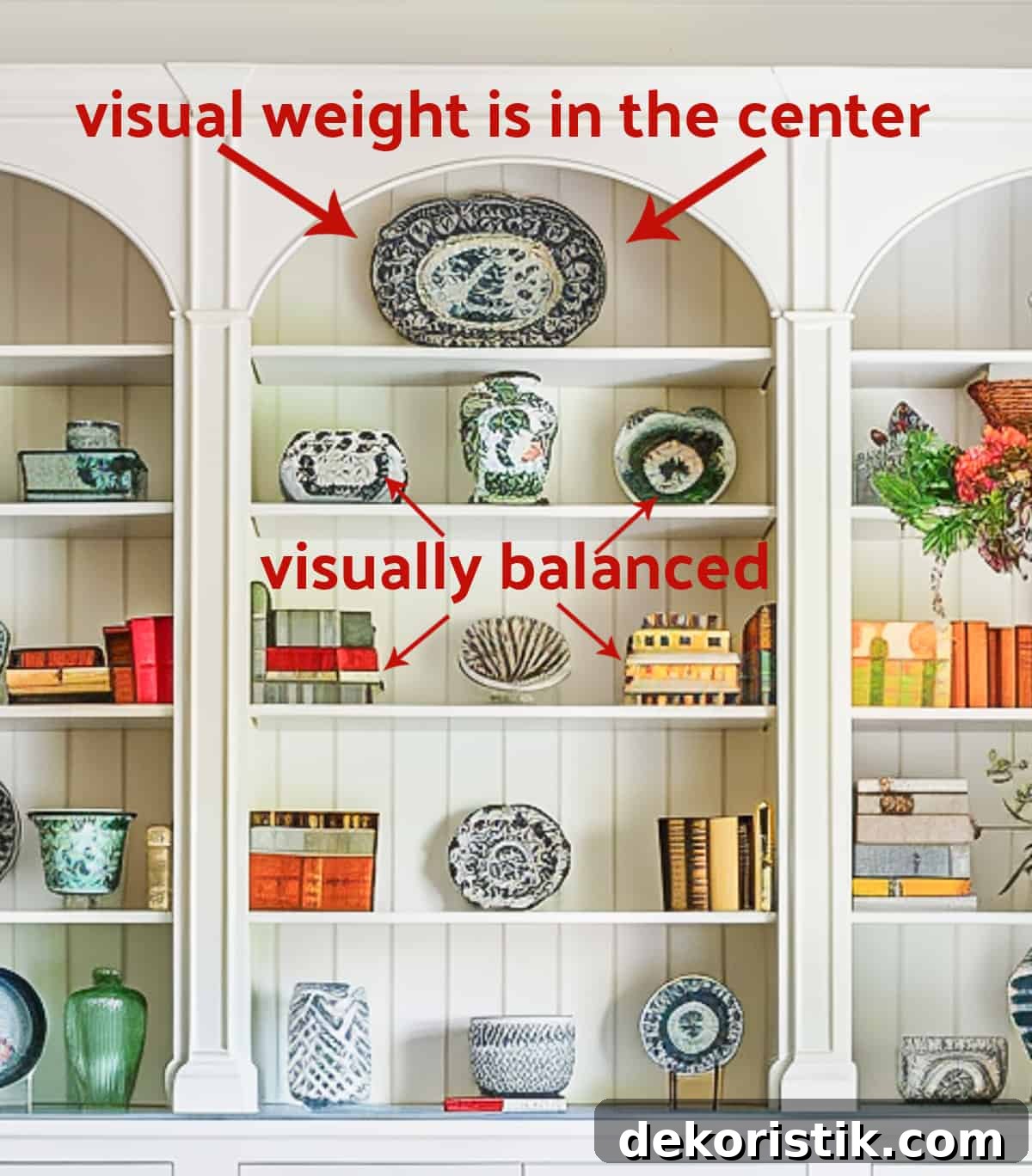
Use Odd Numbers and Visual Angles
Group objects in odd numbers—three is often the sweet spot—and arrange them to create visual angles. Odd-numbered groupings tend to feel more natural and dynamic than even-numbered arrangements. Angled placements and staggered heights help the eye travel through the vignette.
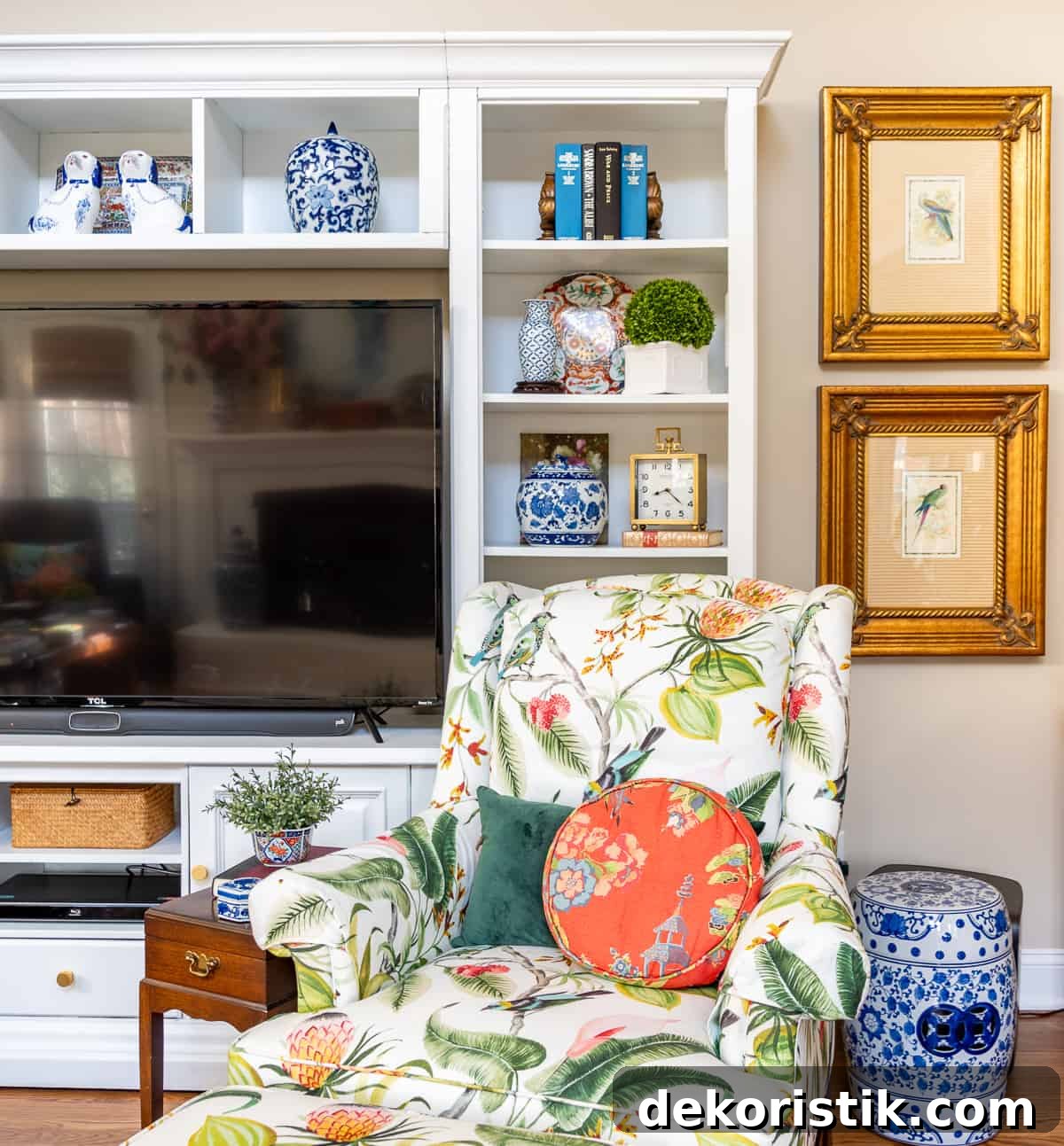
Make Sure to Add Texture
Break up hard lines with texture—baskets, woven trays, pottery, greenery, and books with cloth covers add tactile interest. Mixing textures prevents the shelf from feeling flat. If natural light is limited, high-quality faux greenery offers longevity and low maintenance.
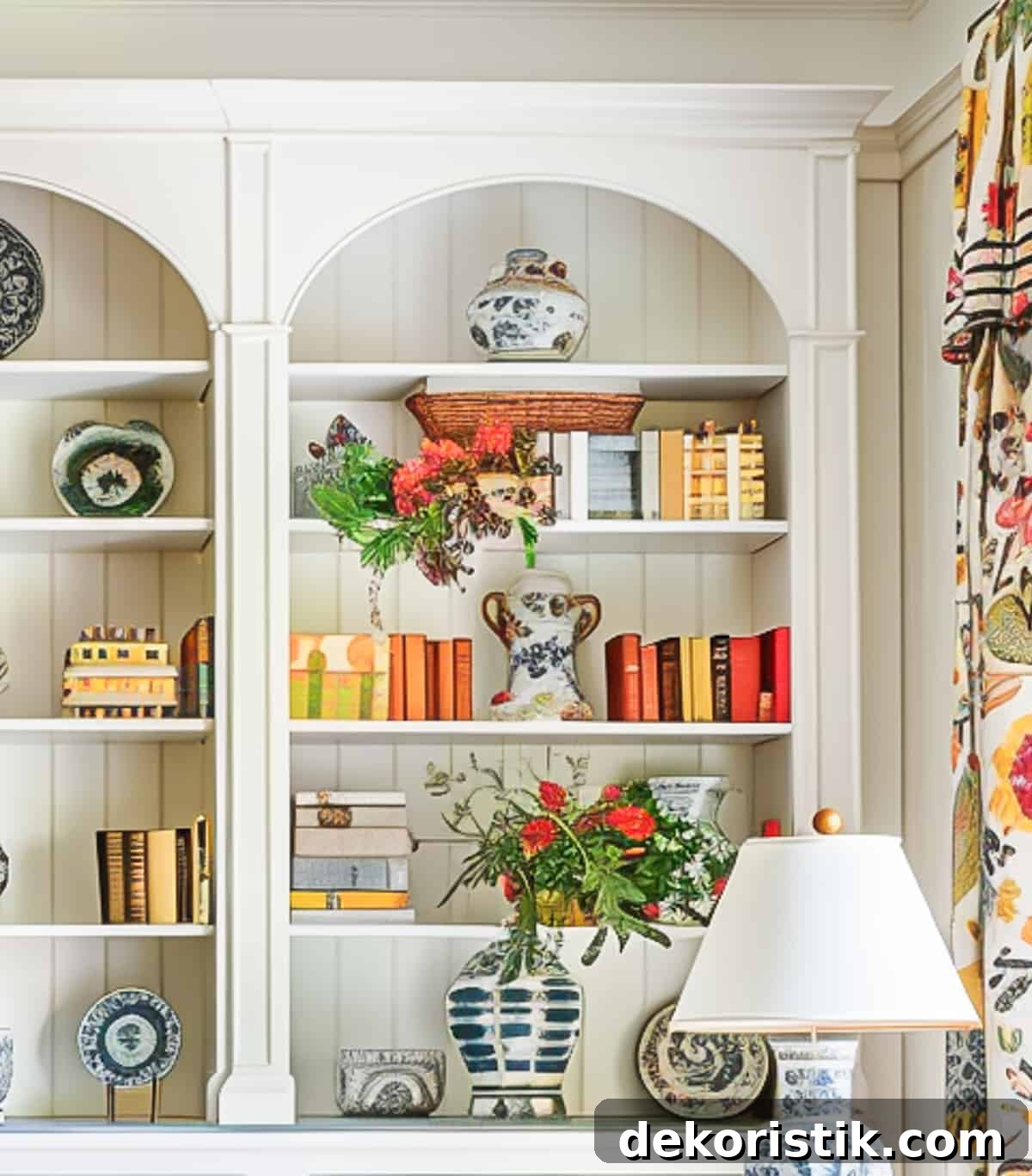
Create a Curated Look
A curated shelf looks intentional because each object was chosen with care. Resist the urge to rush; thoughtful selection and placement will produce a refined result. Edit ruthlessly—fewer, better-chosen pieces often read as more sophisticated than a crowded shelf.
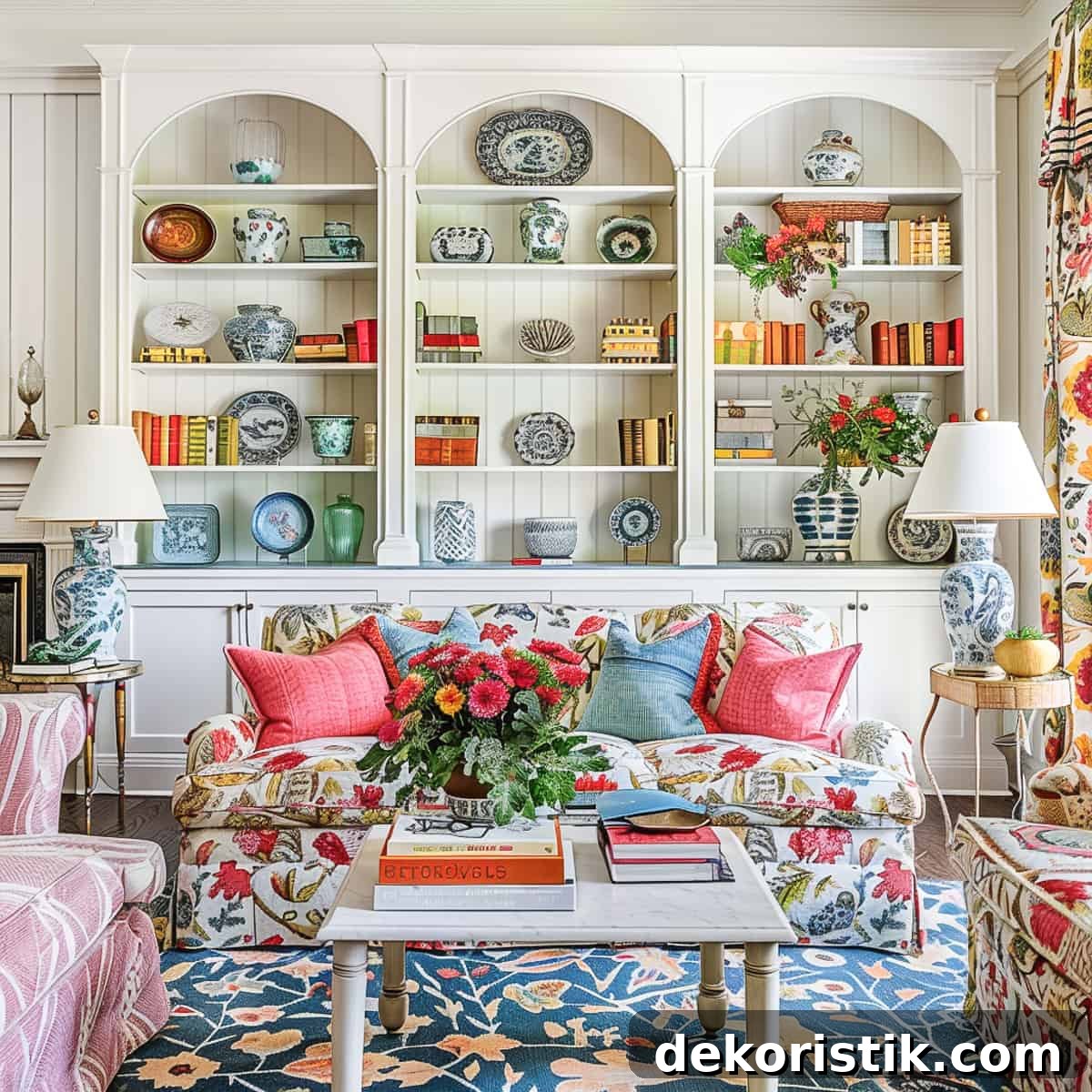
Don’t Dress Up Shelves by Overfilling
Negative space is essential. Overcrowded shelves become a visual blur; leaving breathing room around objects makes each piece stand out. Aim for balance between filled and empty space so the arrangement feels calm and intentional.
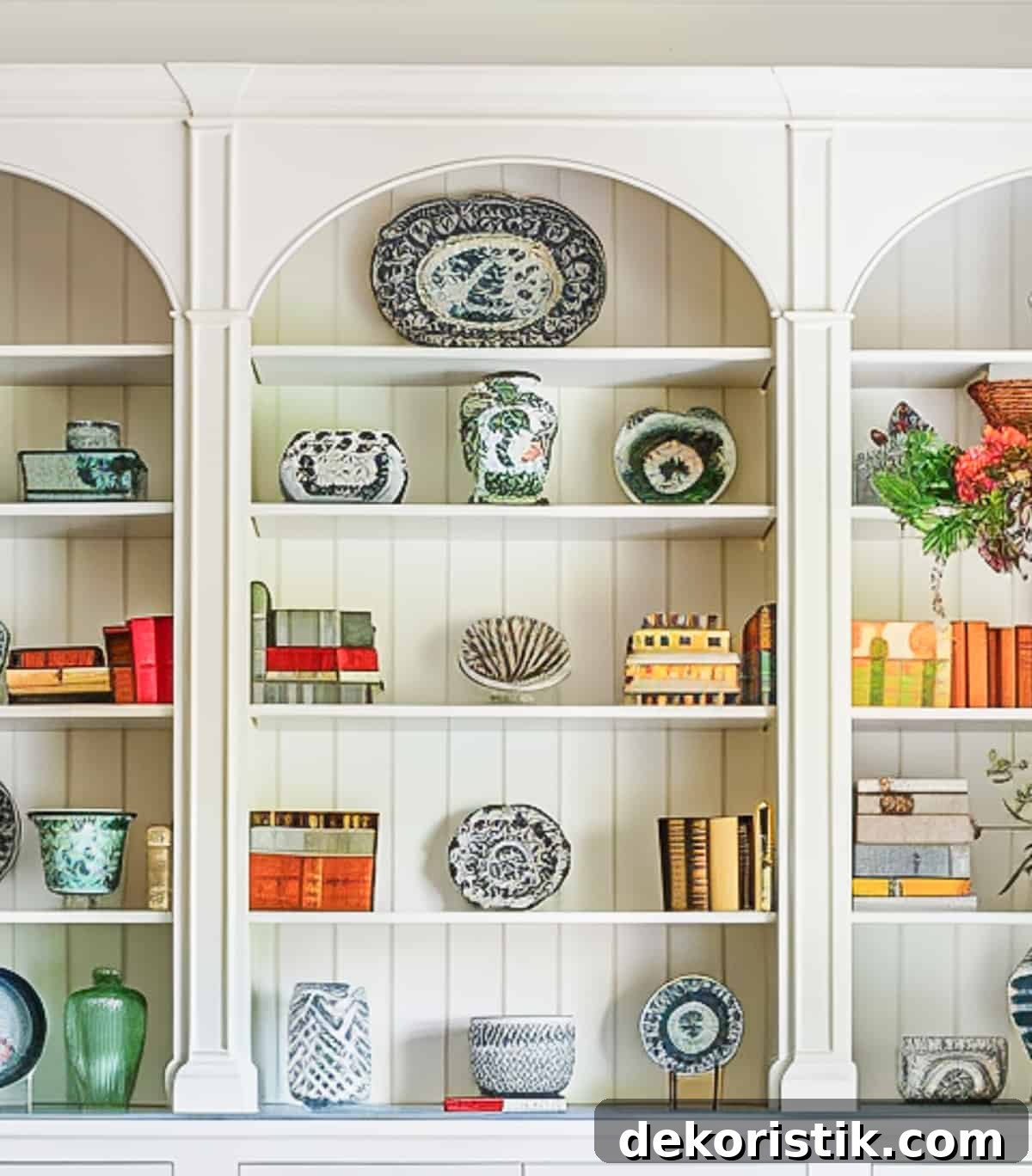
Always, Always Edit
Apply the same rule you use when dressing: take one thing away. After you finish styling, step back and remove at least one item. Editing creates clarity and prevents the display from feeling overworked. A quick photo on your phone can help you spot issues you might miss in person.
Use the Same Principles in Any Room
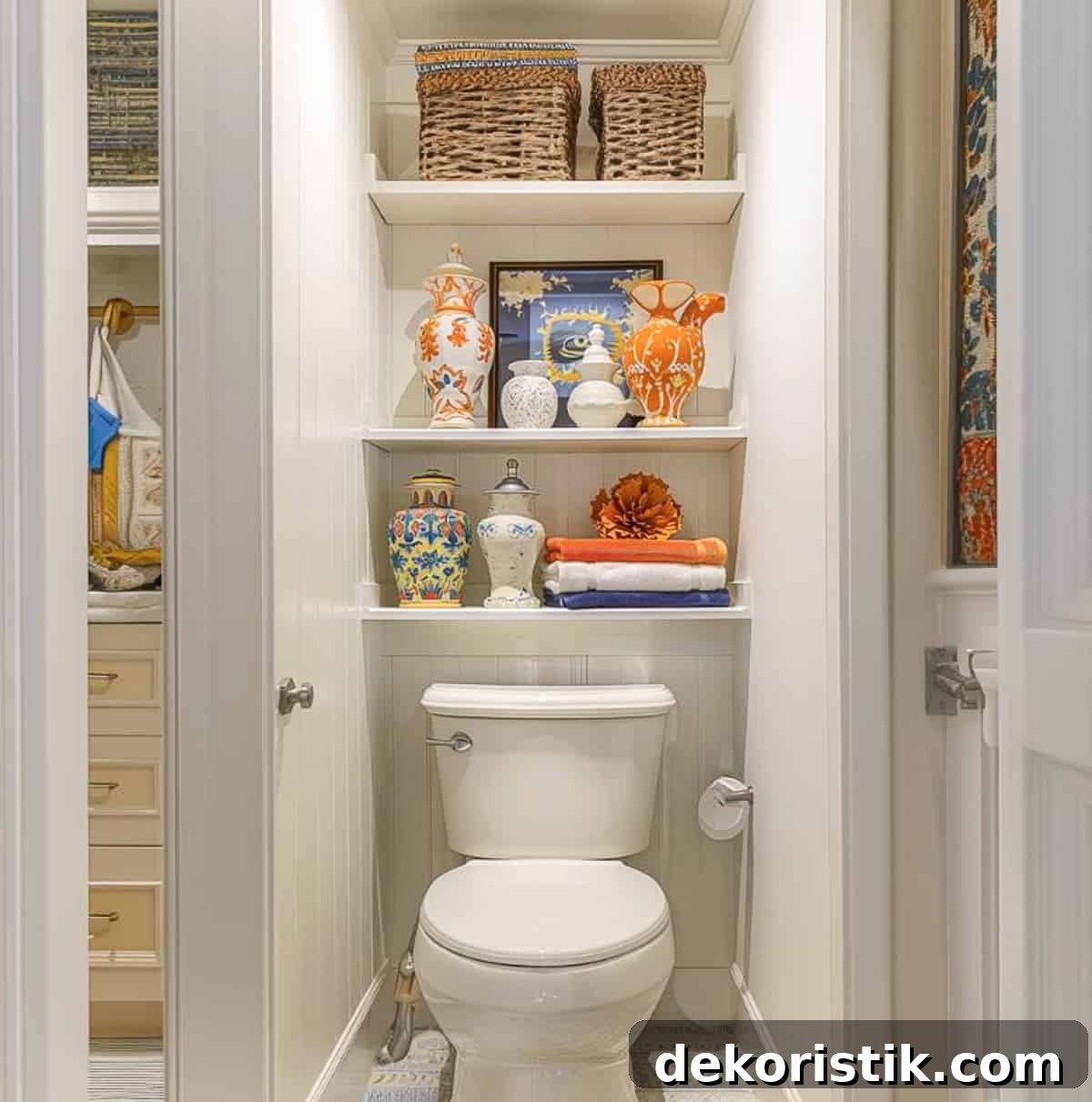
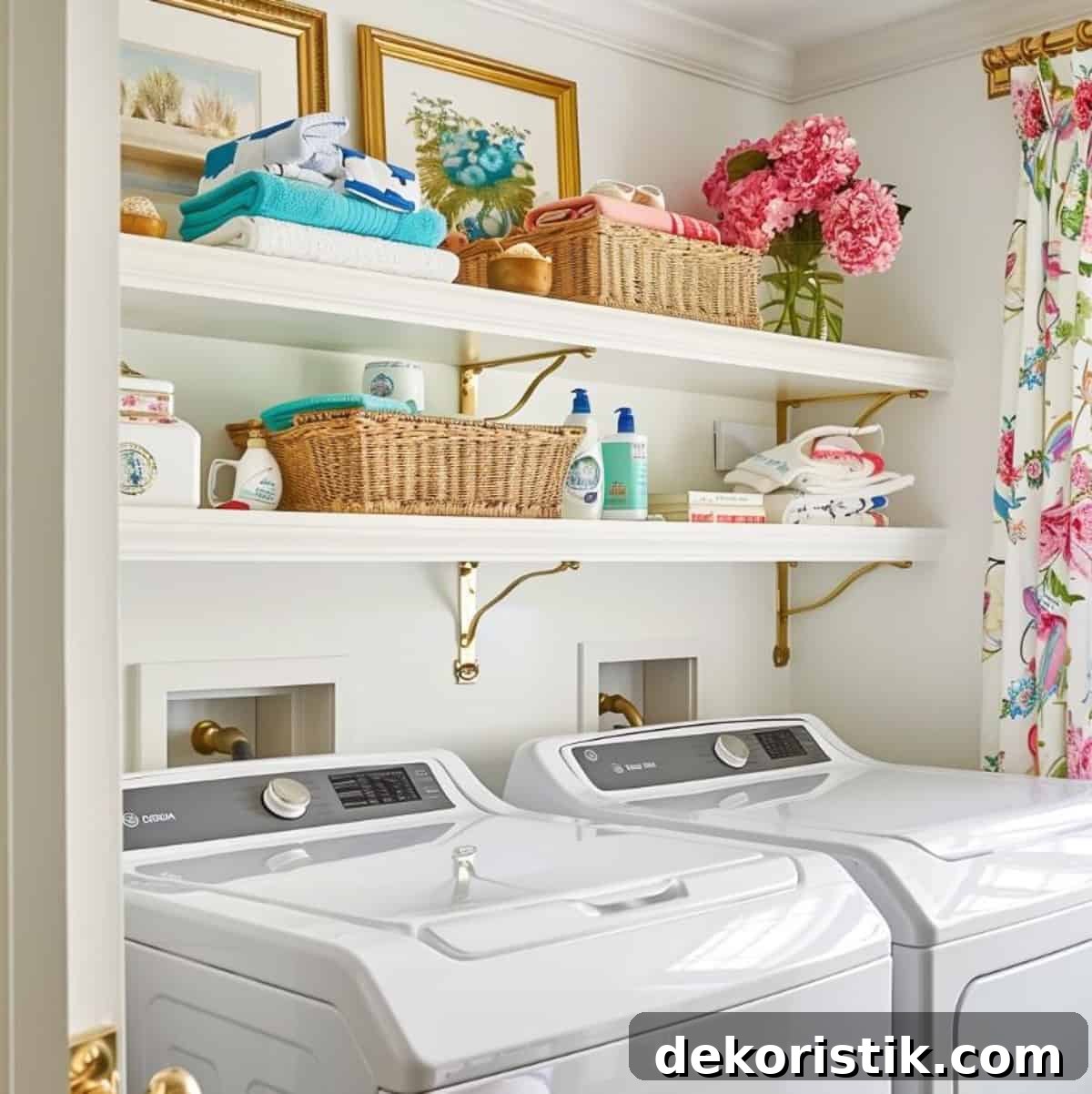
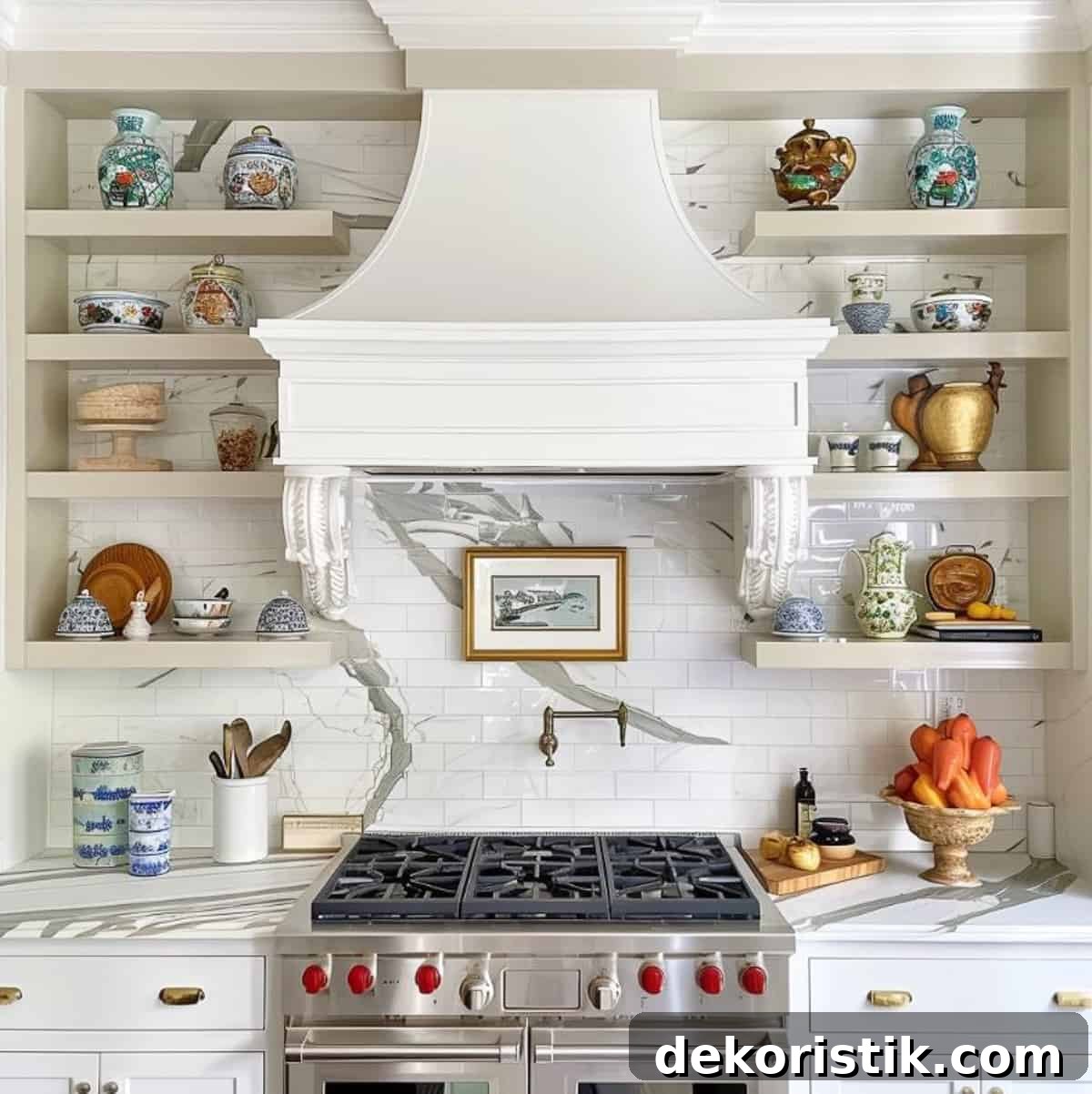
The rules for attractive shelf styling apply anywhere—bathrooms, laundry rooms, kitchens, and living areas. Adapt the scale and function of objects to the space: practical items in utility rooms, curated accessories in living spaces, and coordinated dishware or cookbooks in kitchens.
Bathroom Shelf Decor
Laundry Room Shelf
Open Shelving
Remember: styled shelves tell a story about who you are and how you live. Choose objects that reflect your experiences and arrange them with thoughtfulness, balancing beauty and utility. With a little attention and regular editing, your shelves will become a memorable and elegant focal point in your home.
Ready to style your shelves? Gather items, choose a palette, anchor with larger pieces, layer and vary heights, add texture, and edit until the arrangement feels right.