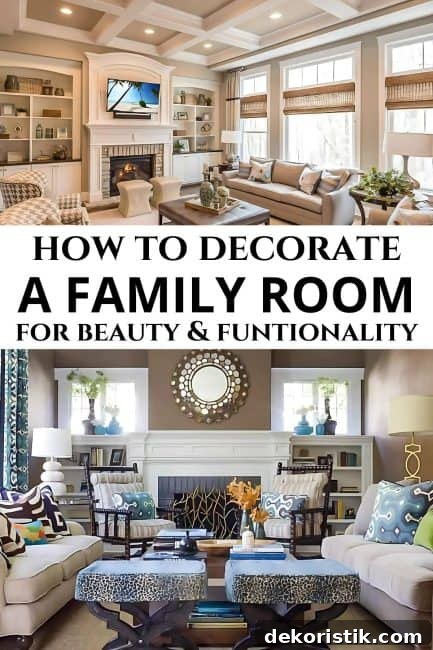
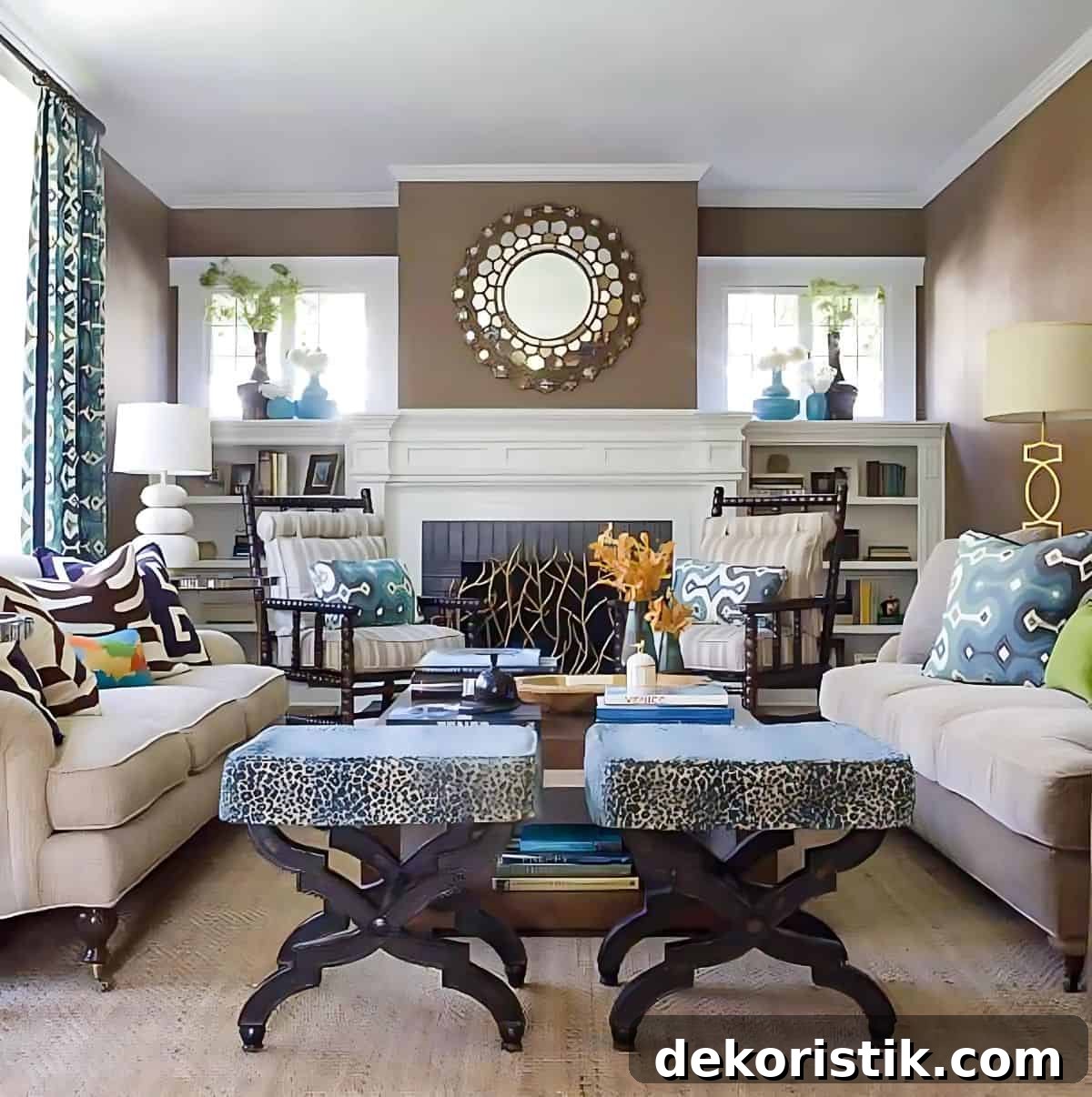
Essential tips for designing and decorating a beautiful family room that supports family time, entertainment, and everyday living while remaining stylish and functional.
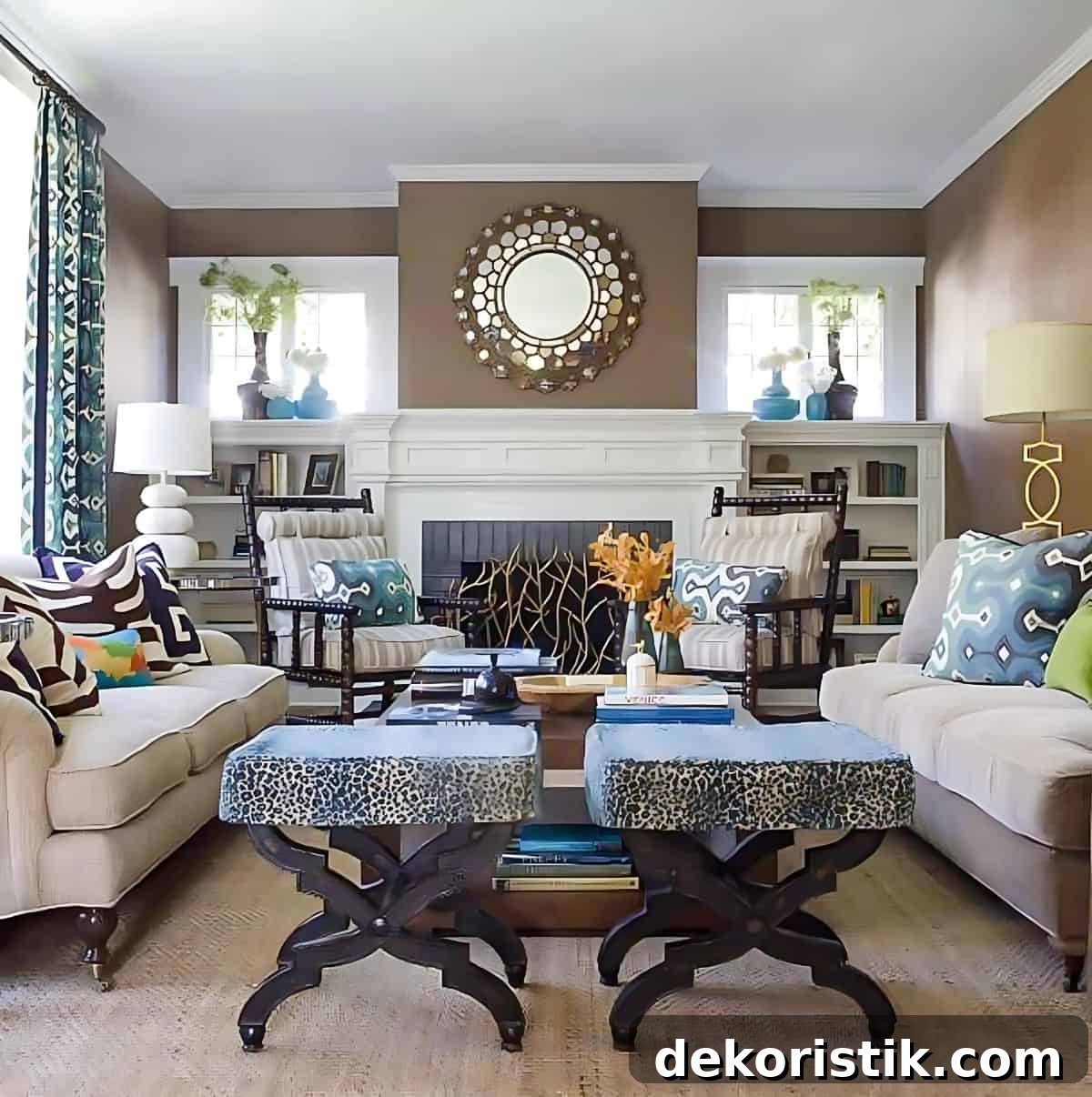
Ann Lowengart Interiors via Houzz
No matter your personal style, if you’re unsure where to begin, this family room guide offers simple, practical steps to help you make the most of the space you have.
You’ll find clear advice on everything from furniture placement to choosing decor that suits your family’s habits and needs.
This guide is meant to give you straightforward solutions so you can enjoy your family room rather than just use it.
Note: An Amazon affiliate link was used in the original post; please see the site’s disclosure for details.
Develop a space plan
Creating a space plan is the single most important step when designing any room. It goes beyond arranging furniture: it clarifies how the room must function for your household.
Consider how your family uses the space. Some common needs include a spot to watch television, an area for games and play, a place to grab snacks or casual meals, and possibly a small workspace.
Ask yourself these practical questions as you plan:
- How is the room used most of the time?
- How many people need comfortable seating at once?
- Do you need space for TV viewing, reading, games, or crafts?
- What is the main focal point of the room — the TV, fireplace, or a large window?
- How do people move through the room; what are the traffic patterns?
- What are your storage requirements?
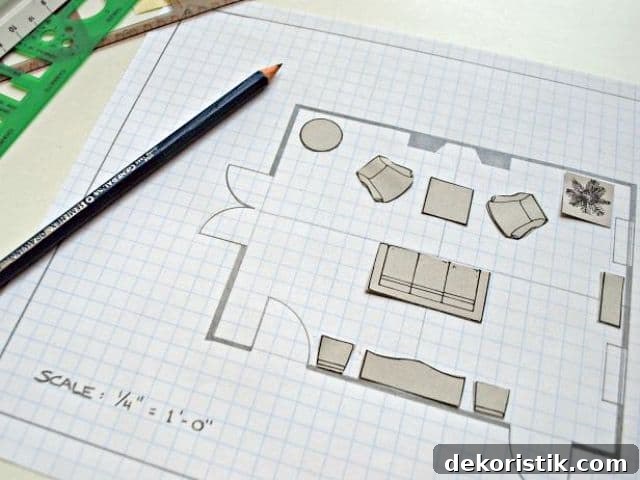
After answering these, sketch a furniture layout. A to-scale drawing on graph paper makes it easy to test arrangements and maintain proper clearances around doors and windows.
A simple plan will help you size the seating, choose a focal point, and keep traffic flowing. Be sure to include windows, doors, and circulation paths in your drawing.
Create zones
Modern family rooms often need to serve several purposes at once. Defining zones helps each activity feel intentional and keeps the room organized.
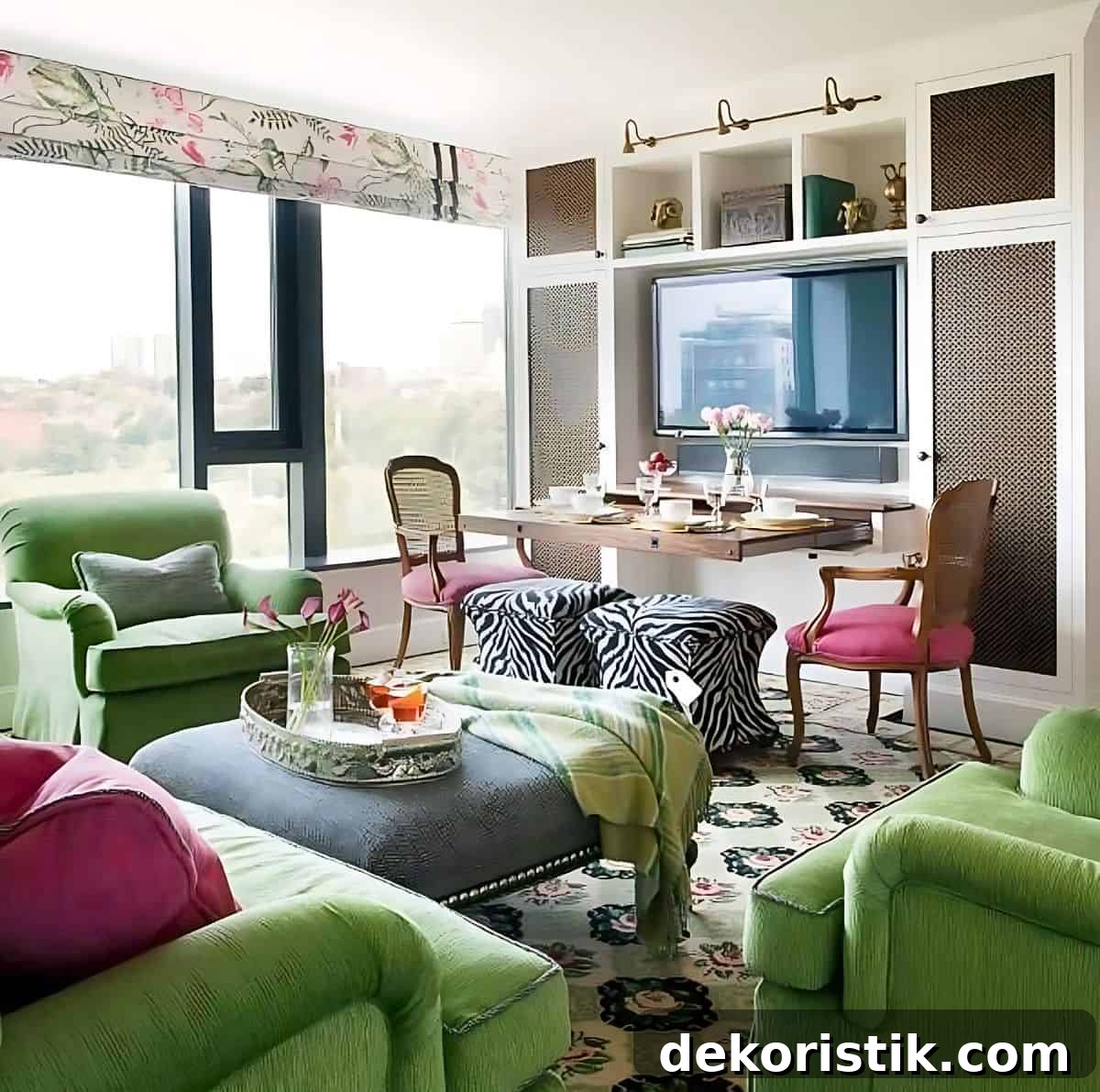
Use furniture placement to create natural separations: a sofa can back onto a play area, a console table can divide a TV zone from a workspace, and a small game table can occupy an underused corner.
Area rugs are another helpful tool—layering multiple rugs defines individual zones visually while adding texture and warmth.
Tips for selecting a sofa and chairs
With one exception, it’s best not to skimp on upholstered furniture. Higher-quality sofas and chairs hold up better over time and stay comfortable longer.
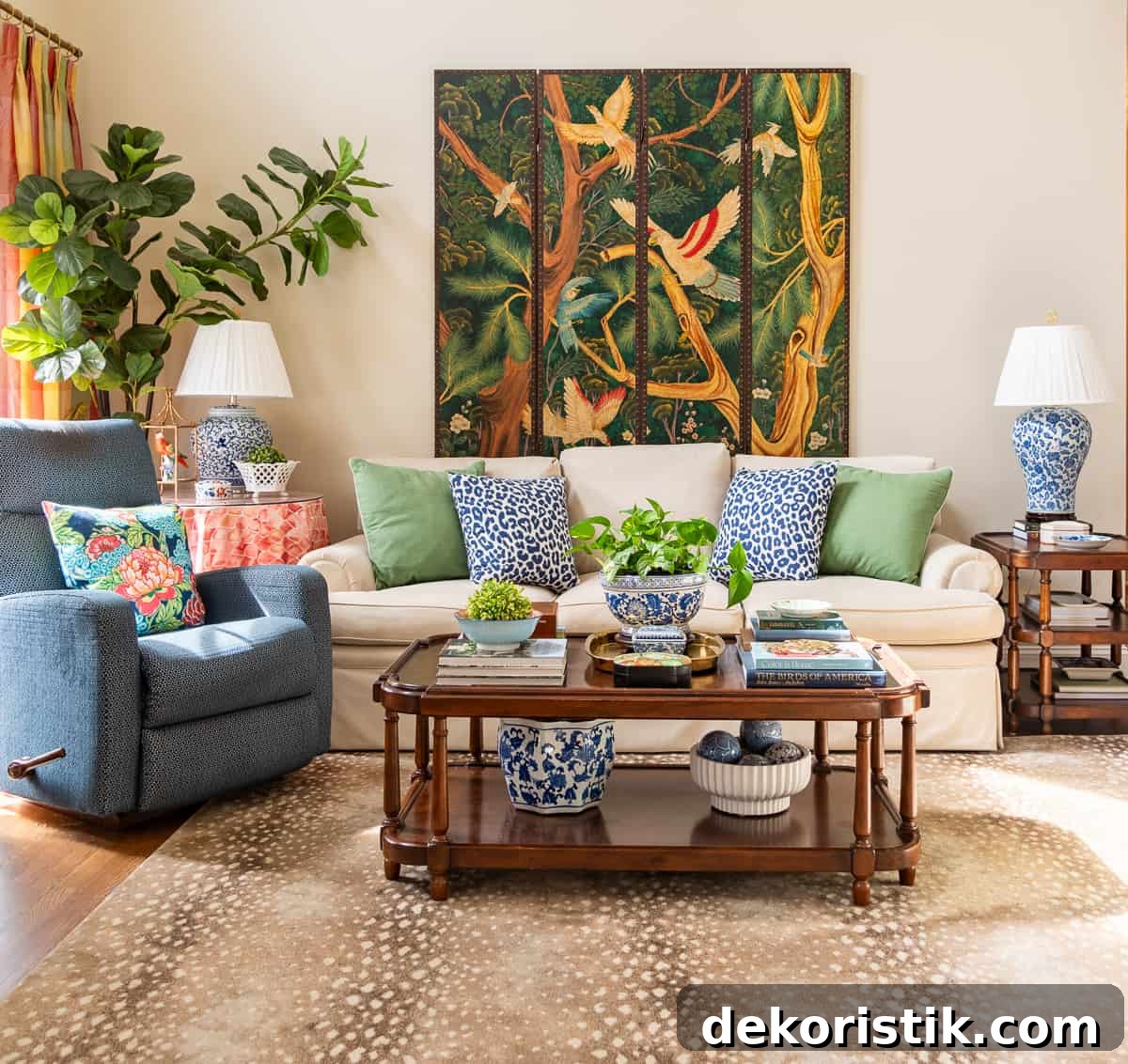
Inexpensive upholstered pieces that receive daily use will often sag and look worn quickly. Investing in a durable frame and quality cushions usually pays off, both for comfort and longevity.
If you have young children who may be hard on furniture, consider more affordable or easy-to-clean options with covers you can replace, then upgrade to higher-end pieces when the kids are older.
When choosing scale, make sure seating fits the room visually and allows for side tables and lamps so each spot can be functional for reading or relaxing.
Choosing a color scheme
Select colors that reflect the mood you want in the room. A cohesive palette keeps the space feeling pulled together.
- For a calm, relaxing room, start with neutrals—soft whites, warm beiges, or gentle grays—and add accents through pillows, rugs, and artwork.
- For a livelier feel, introduce bolder accent colors—deep blues, warm yellows, or rich reds—sparingly in textiles and accessories to avoid overwhelming the space.
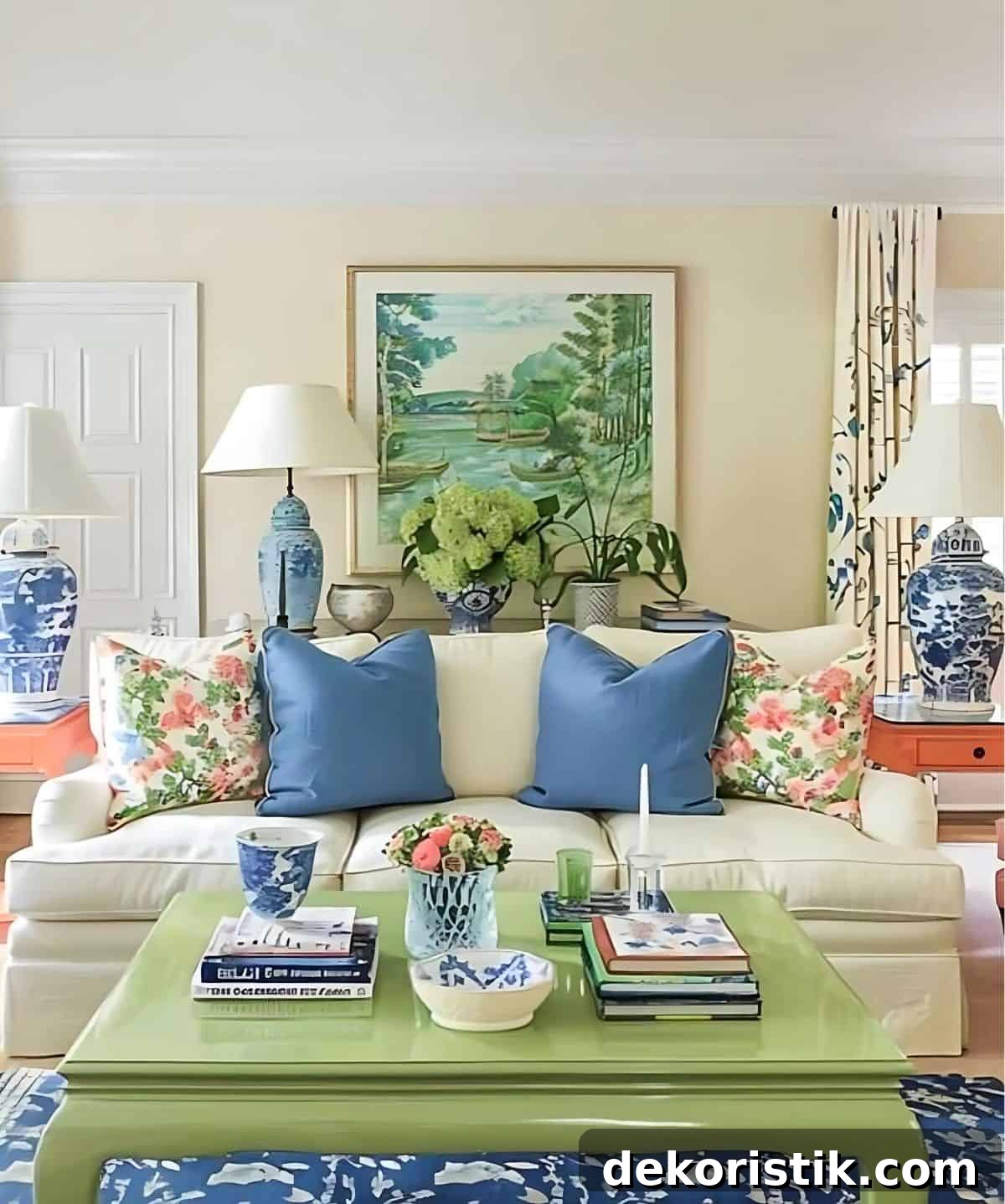
Pick one main color and one or two accent hues to repeat in furniture, fabrics, and accessories. Repetition helps tie different zones together for a harmonious look.
Good lighting is essential
Plan layered lighting—ambient, task, and accent—to make the room flexible, comfortable, and visually interesting.
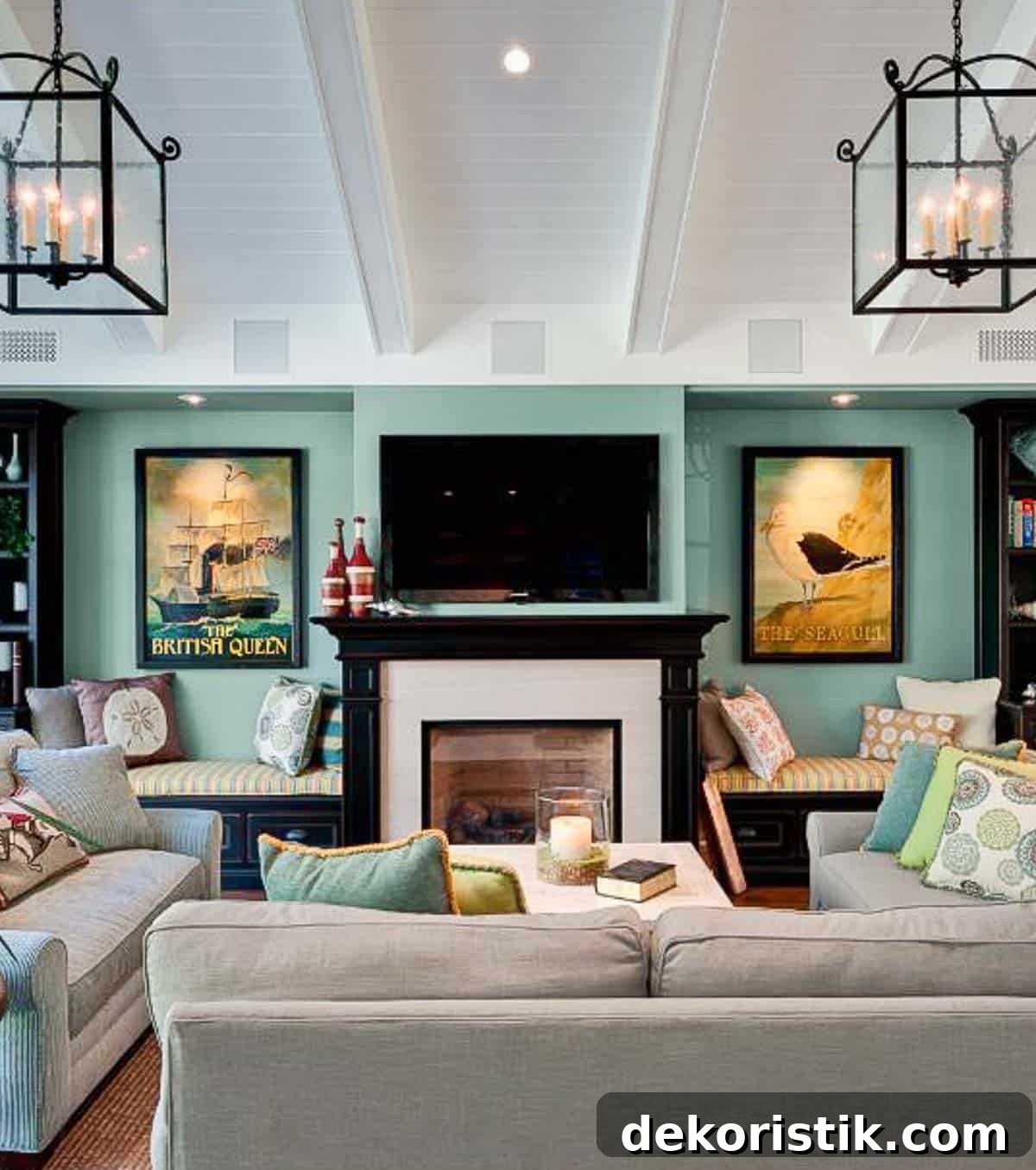
Adams + Beasley Associates via Houzz
Ambient lighting from an overhead fixture provides general illumination. Add task lighting—table lamps and floor lamps—near seating for reading and focused activities. Accent lighting, such as wall sconces or picture lights, highlights artwork or architectural features and adds depth.
Mixing these types of lighting creates a warm, adaptable environment that supports all the different ways your family uses the room.
Include storage solutions
Good storage keeps a family room looking tidy and makes daily life easier. Integrate storage so it’s both practical and attractive.
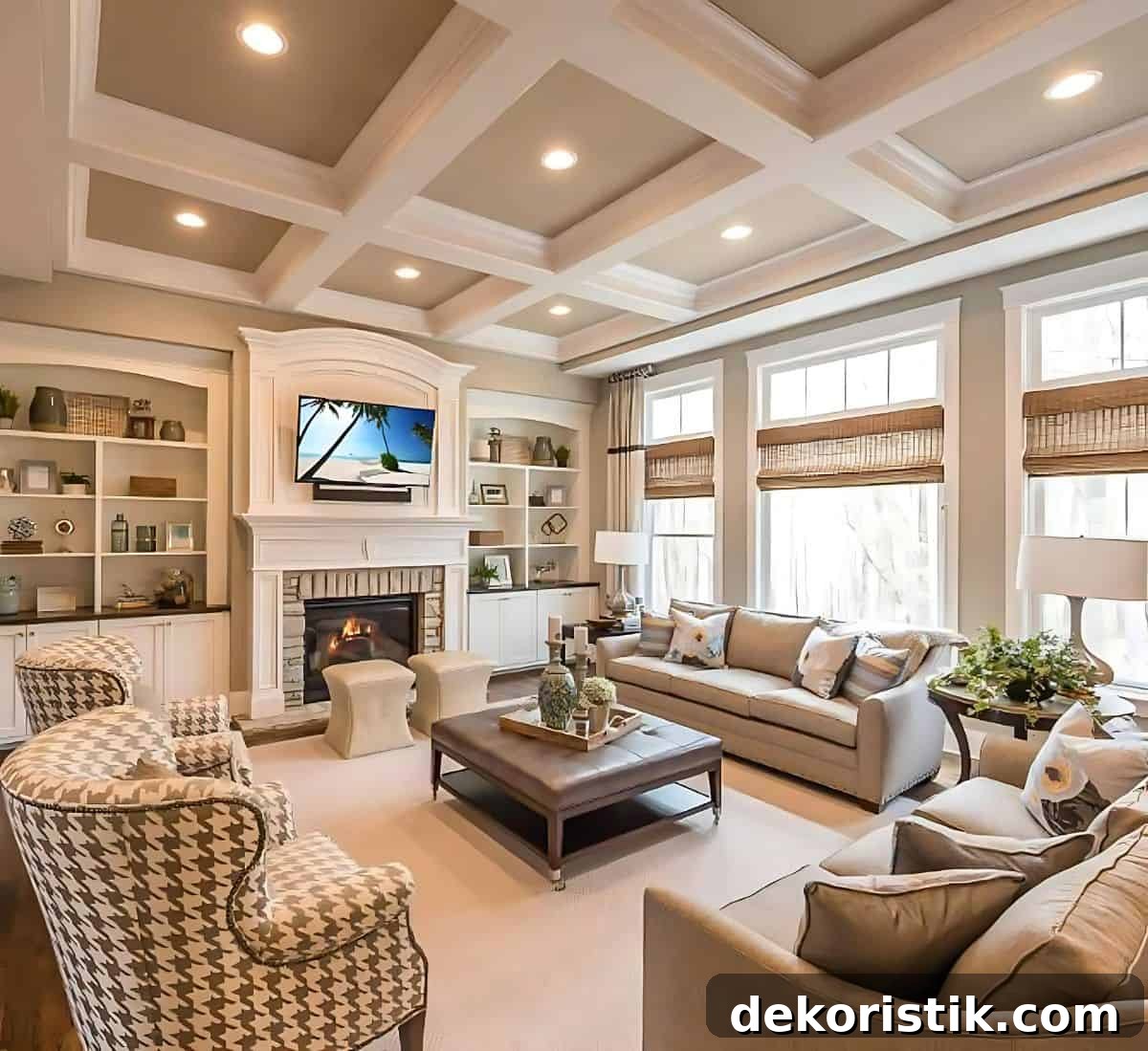
High Point Custom Homes LLC via Houzz
Look for multifunctional pieces: storage ottomans, coffee tables with drawers, and consoles for media equipment. Built-in or freestanding shelving organizes books, decor, and baskets for toys and blankets.
Stylish baskets and bins make quick cleanups easy and can be tucked neatly into open shelving. Even small items like a bowl on the coffee table can corral remotes and keep surfaces uncluttered.
Decorating a family room can feel manageable if you take it step by step. Start with a clear space plan, define functional zones, invest in comfortable seating appropriate to your lifestyle, choose a cohesive color palette, layer your lighting, and add practical storage. With thoughtful choices, your family room will become a welcoming, organized space that everyone can enjoy.