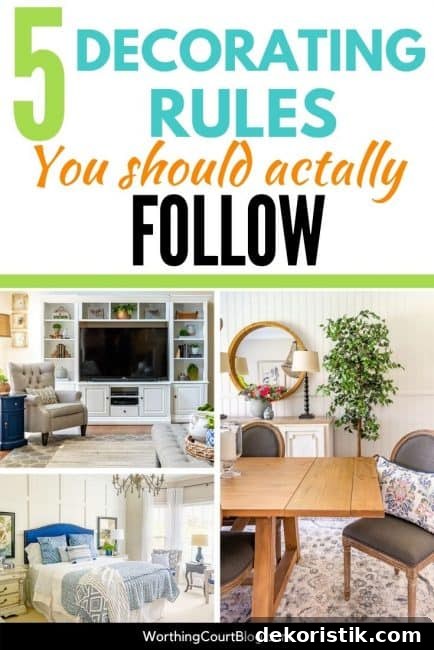
5 Decorating Rules Interior Designers Swear By for Your Home

Ready to transform your home? Here are five essential decorating rules recommended by interior designers to help you create spaces that look great and function well.
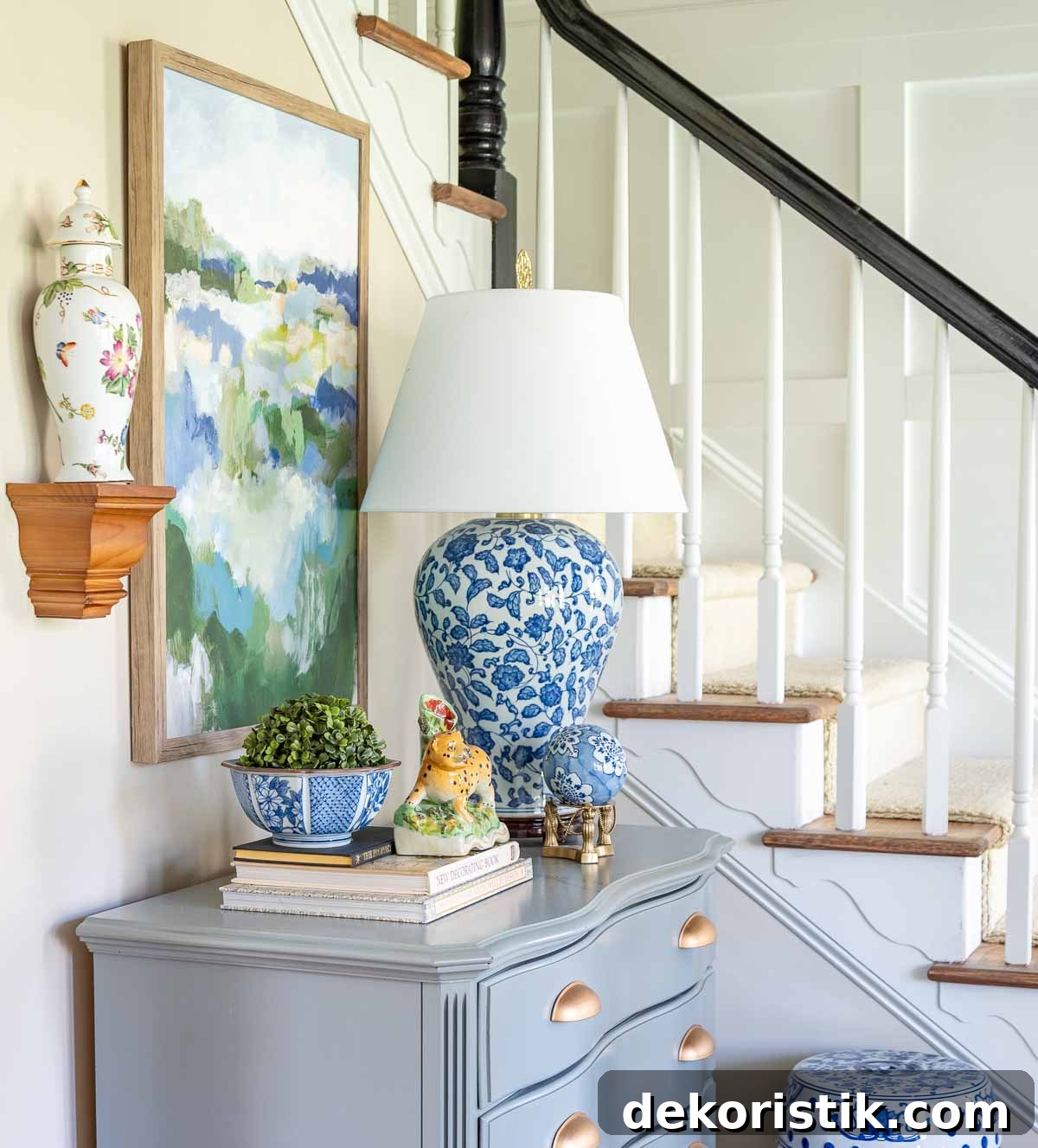
Good interior design does more than make a room pretty. It improves how you use and experience a space. Decorating rules exist to guide decisions that result in a home that’s both comfortable and visually pleasing—rules to inform, not to restrict.
A well-designed room combines aesthetics with function: balanced proportions, clear focal points, and a layout that supports how you move and live in the space. Below are five straightforward principles to follow, plus a reminder that personal taste always matters.
DECORATING RULE #1: THE RULE OF 3
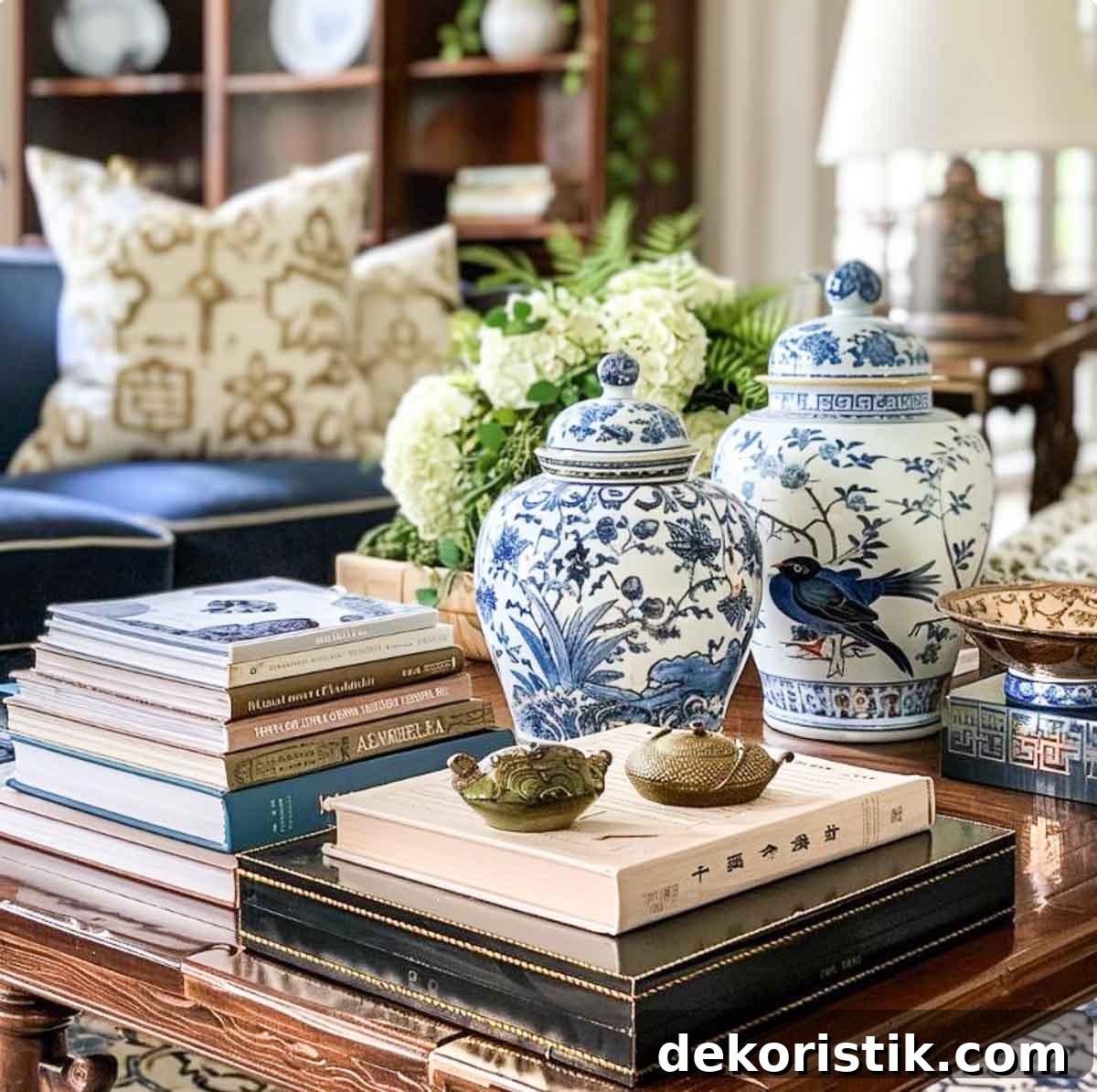
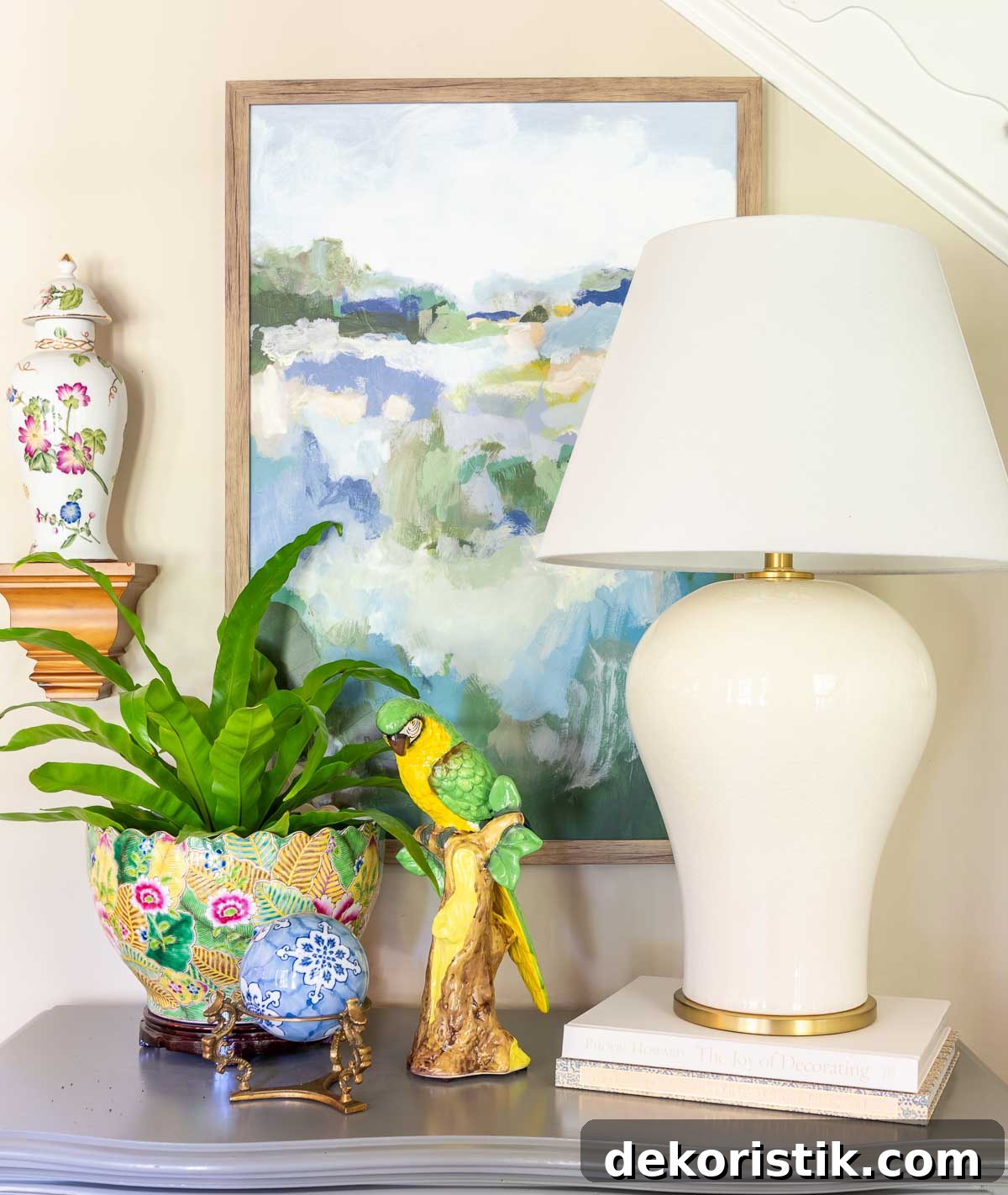
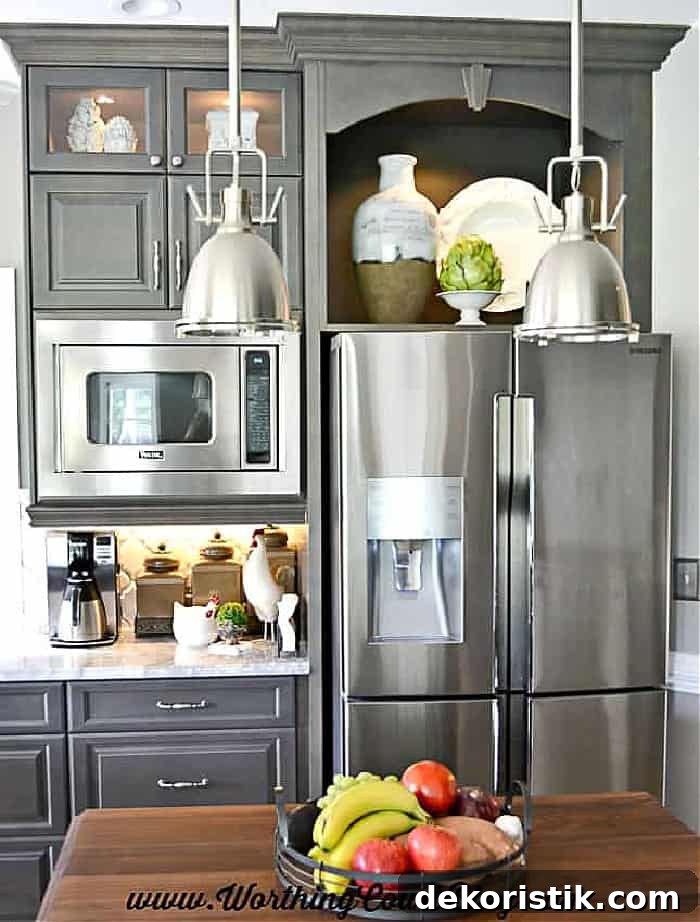
The rule of three—often called the rule of odds—is one of the most powerful principles in interior design. It applies across many aspects of a room: groupings of accessories, the number of patterns you use, the balance of colors, and even the layout of furniture. Odd-numbered groupings are generally more pleasing to the eye than even-numbered ones. Three is the most commonly used number, but five, seven, or nine can work depending on scale and arrangement.
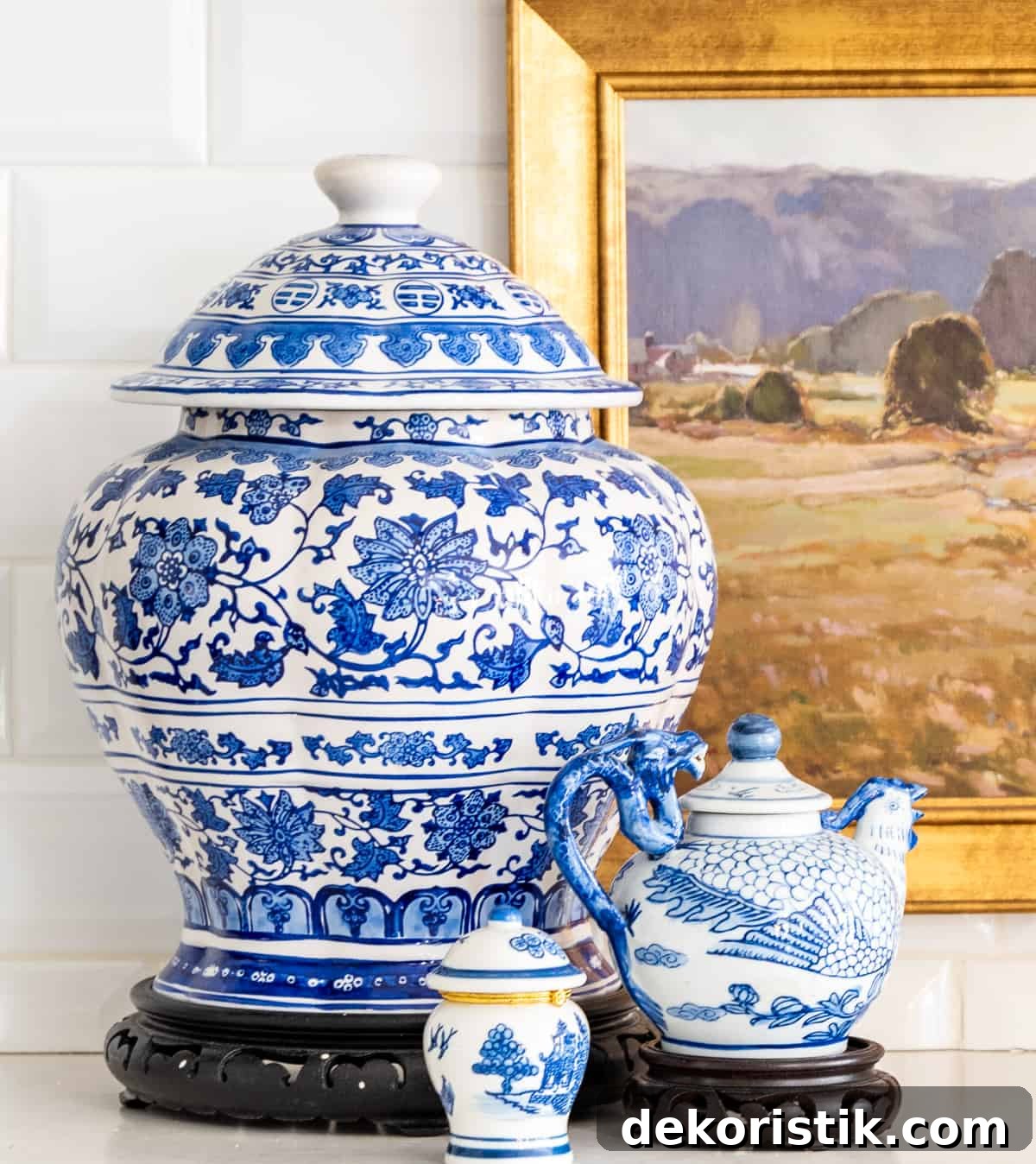
Try arranging objects on a coffee table or shelf in groups of three. The balance created by odd numbers helps the eye move naturally across a vignette; it feels intentional without being symmetrical or forced.
DECORATING RULE #2: BUILD A STRONG FOUNDATION
A solid foundation starts with thoughtful space planning. Good planning maximizes the room’s footprint, improves traffic flow, and ensures the layout supports how you actually use the space. Don’t assume a layout you love in pictures will work in your home—measure and plan first.
For example, two facing sofas and a central coffee table may look great in a magazine, but if that arrangement blocks walkways or interrupts circulation in your room, it’s not the right solution for your home.
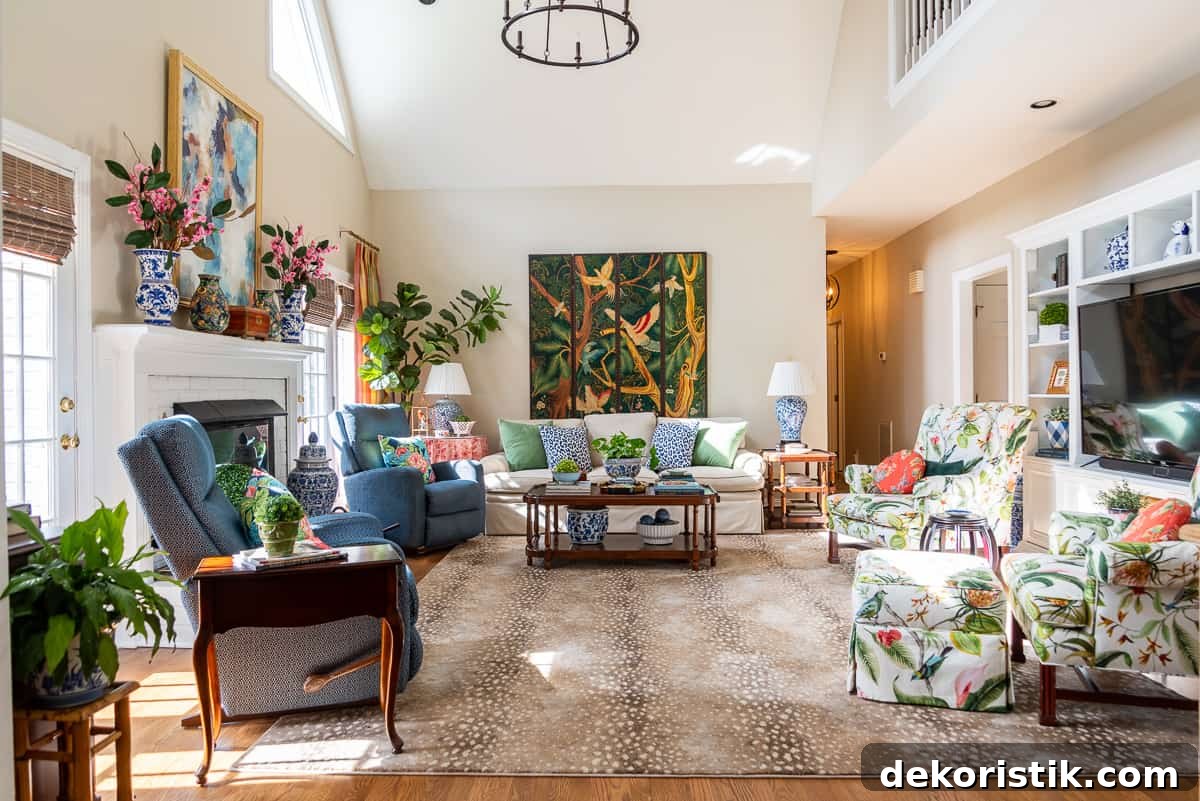
You can plan your layout in three practical ways without constantly moving heavy furniture:
Method 1: Draw the room to scale on graph paper and cut out scaled furniture pieces from cardboard. Move those pieces around until you find a layout that works.
Method 2: Use painter’s tape on the floor to mark the footprint of sofas, tables, and large pieces. This gives a real sense of how pieces will feel in the space and worked well for major remodels.
Method 3: Use free space-planning software to create a virtual layout. Digital tools let you test multiple configurations quickly and accurately.
DECORATING RULE #3: FIND YOUR ROOM’S FOCAL POINT
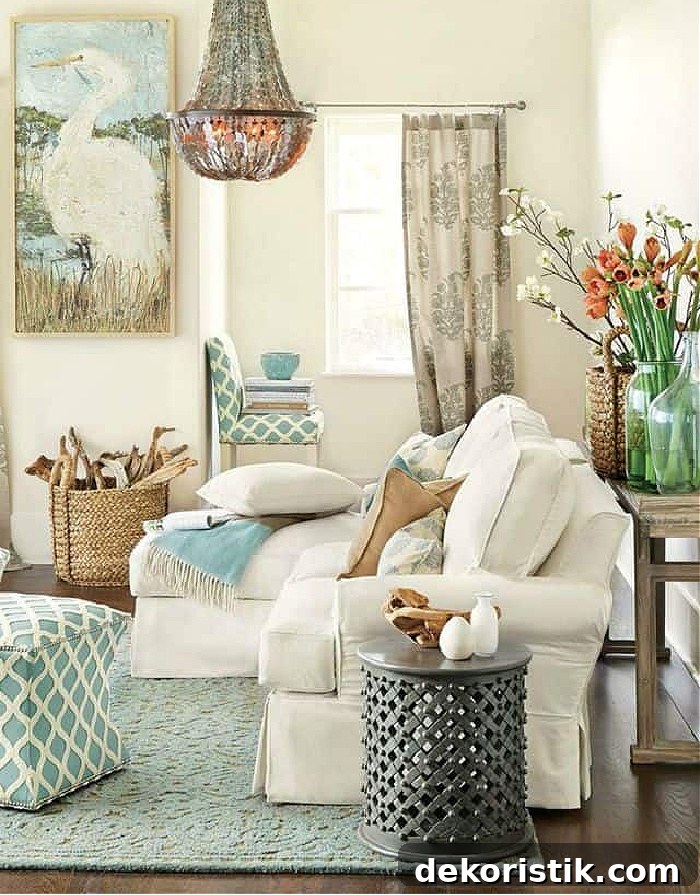
Identify the focal point before you finalize your layout. A focal point is something your eye is naturally drawn to when you enter the room: a fireplace, a large window, a prominent piece of furniture, or an architectural feature. Your furniture and accessories should relate to—and enhance—this focal point.
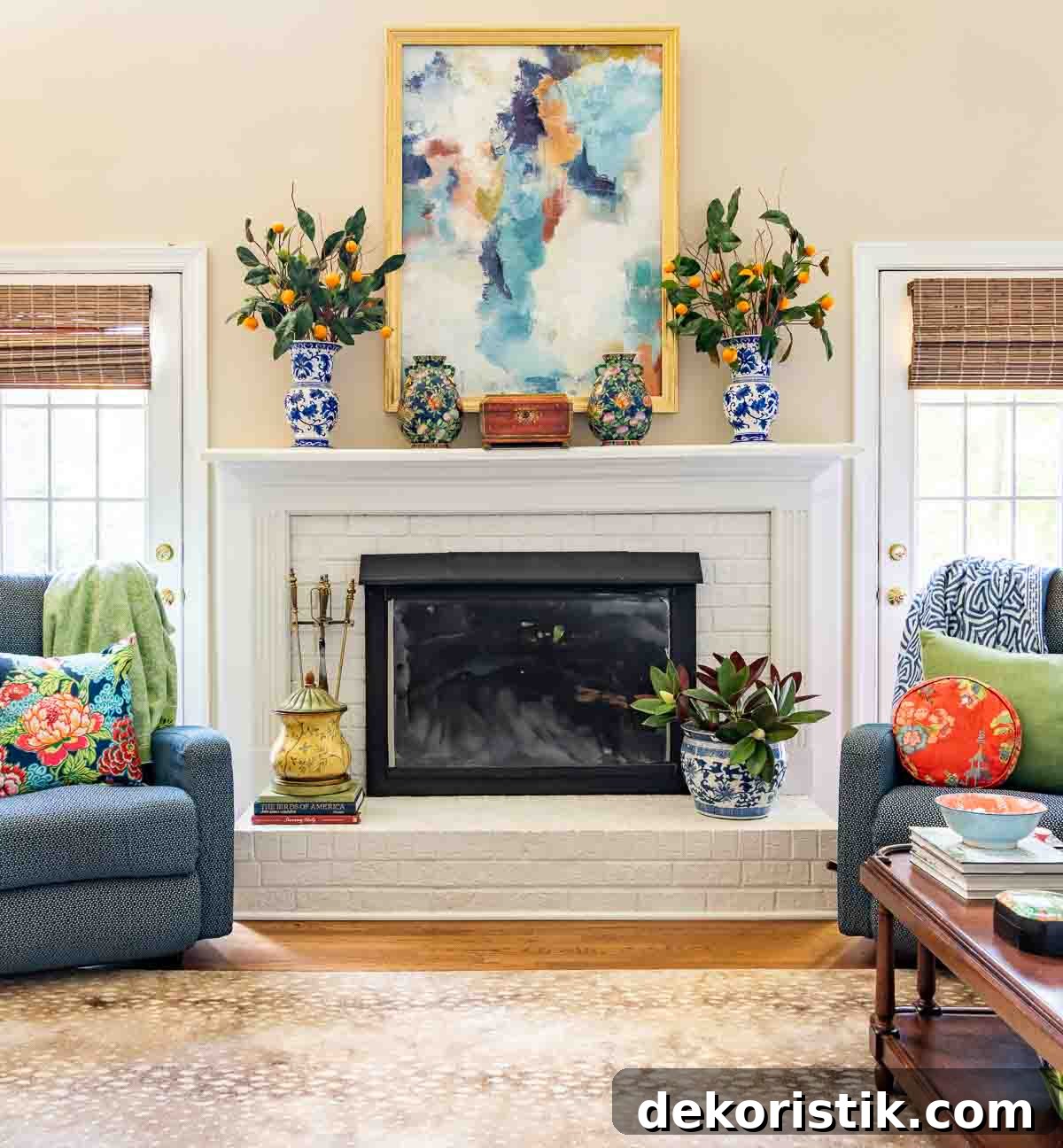
Some rooms have multiple focal points, which can complicate the layout. In those cases, choose the strongest focal point or create a visual hierarchy so the eye knows where to land first.
DECORATING RULE #4: CHOOSE YOUR FABRIC AND RUGS FIRST
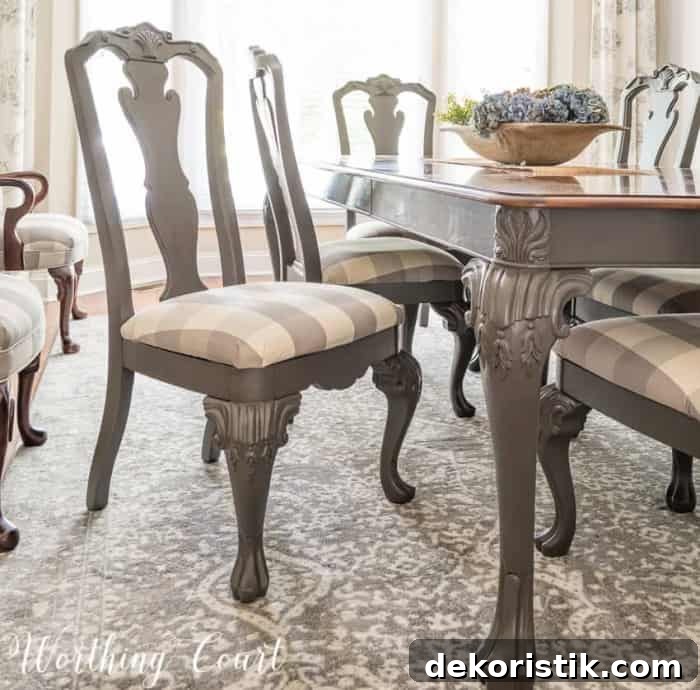
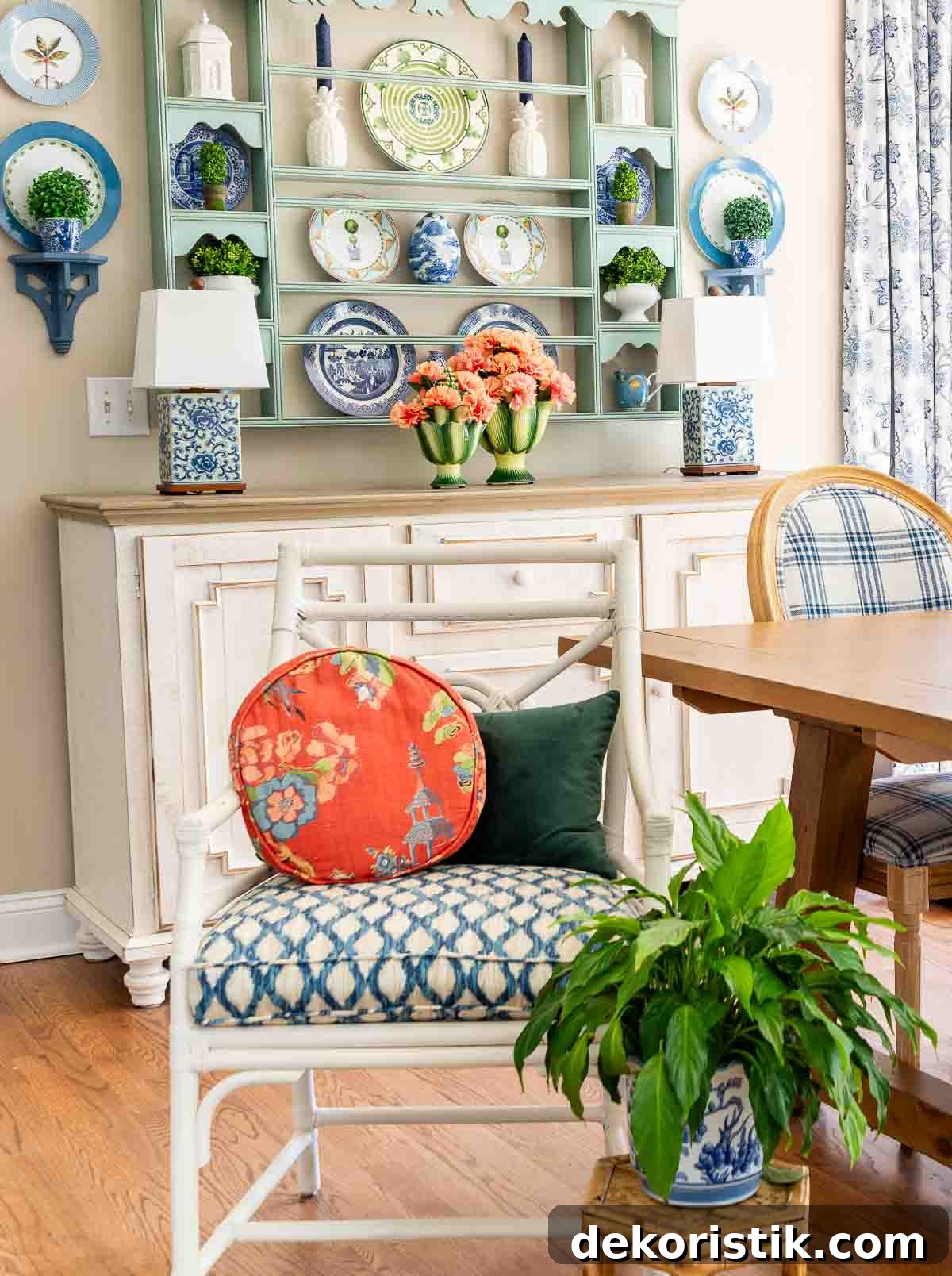
Select your rugs and fabrics before choosing paint. Fabric and rugs give you color, pattern, and texture to build from, and it’s far easier to match paint to textiles than the other way around. Paint can be customized to coordinate with a fabric, but finding a rug or fabric to match a paint color is more limiting.
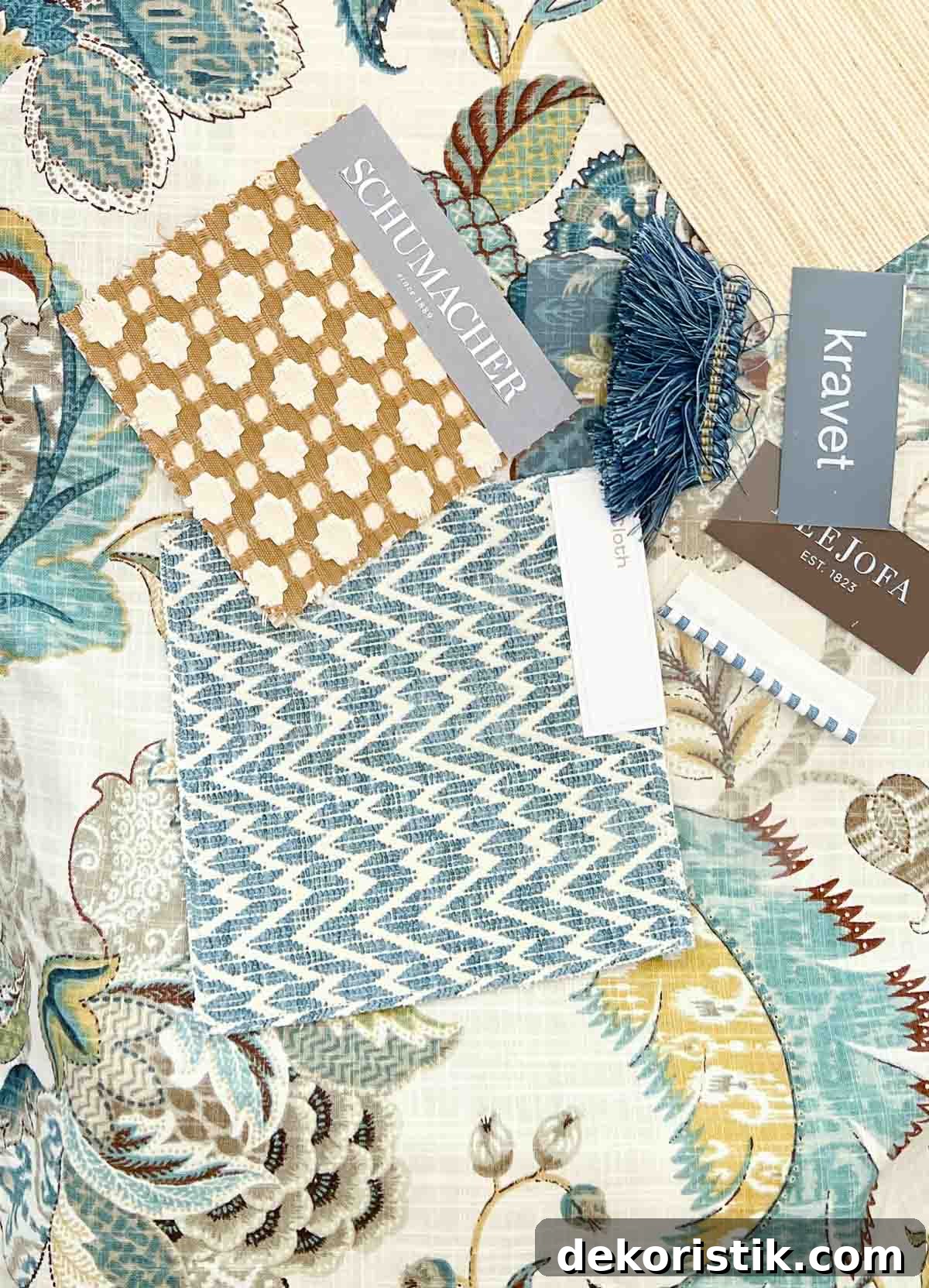
Remember that lighting affects paint color. Neutrals often have subtle undertones that change in different light, so sampling paint in your room and comparing it to your chosen fabrics and rugs is essential before you commit.
DECORATING RULE #5: JUST BECAUSE THERE’S AN EMPTY SPOT, YOU DON’T HAVE TO FILL IT
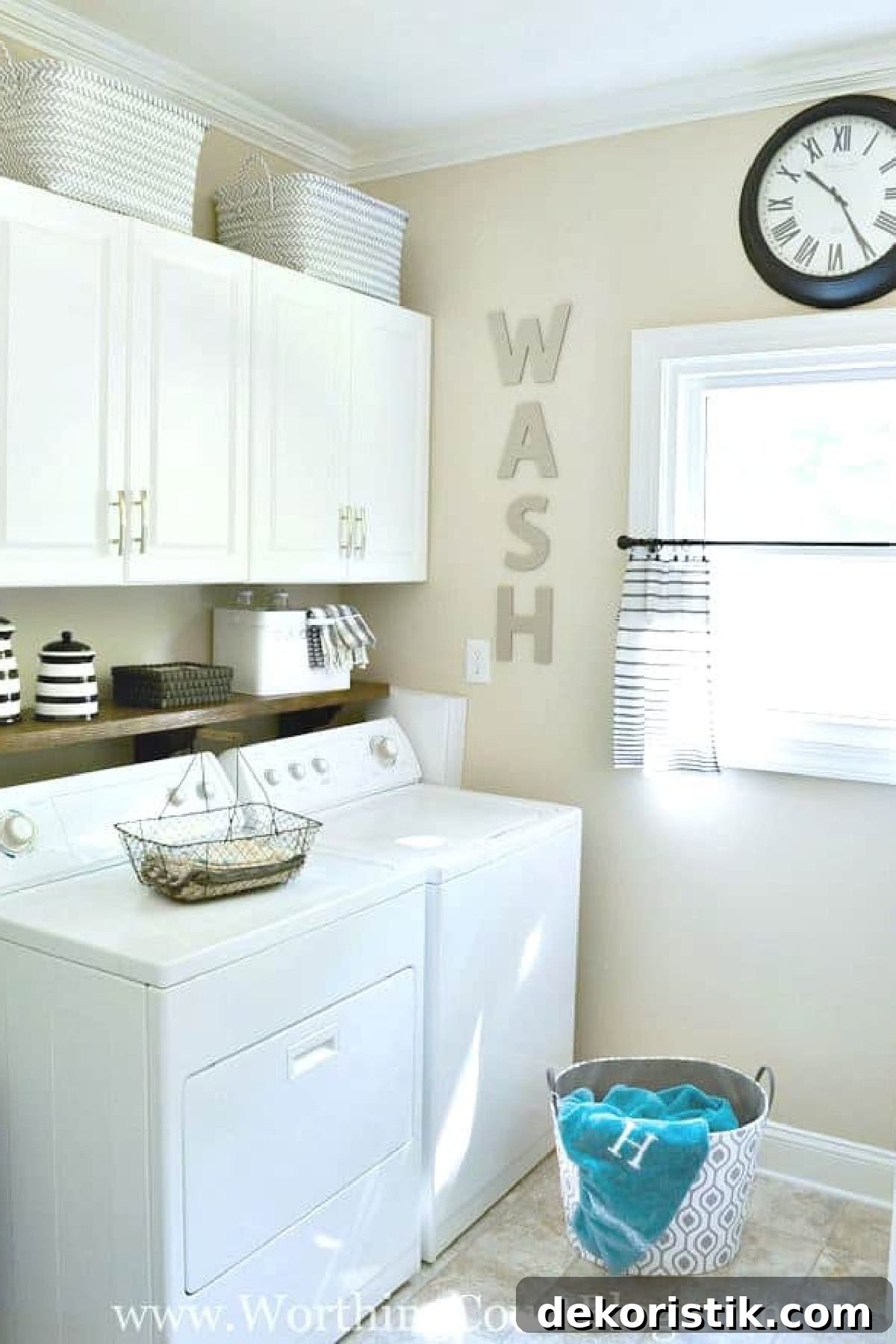
Less can be more, though how much is “enough” depends on your personal style. Some people prefer minimal, uncluttered spaces; others enjoy a layered, collected look. The important thing is editing. If a room feels overcrowded, remove items until the important pieces and focal points can breathe and be appreciated.
A useful tip: add what you think looks right, then remove one item. Repeat this until the composition feels balanced. Editing is as important as adding pieces—curation creates calm.
A BONUS RULE
There are design principles that work consistently, but rules are not commandments. Your home should reflect your life and tastes. If a guideline doesn’t serve you, adapt or ignore it. That said, the fundamentals—balance, proportion, focal points, and editing—are time-tested because they help rooms feel cohesive and comfortable.
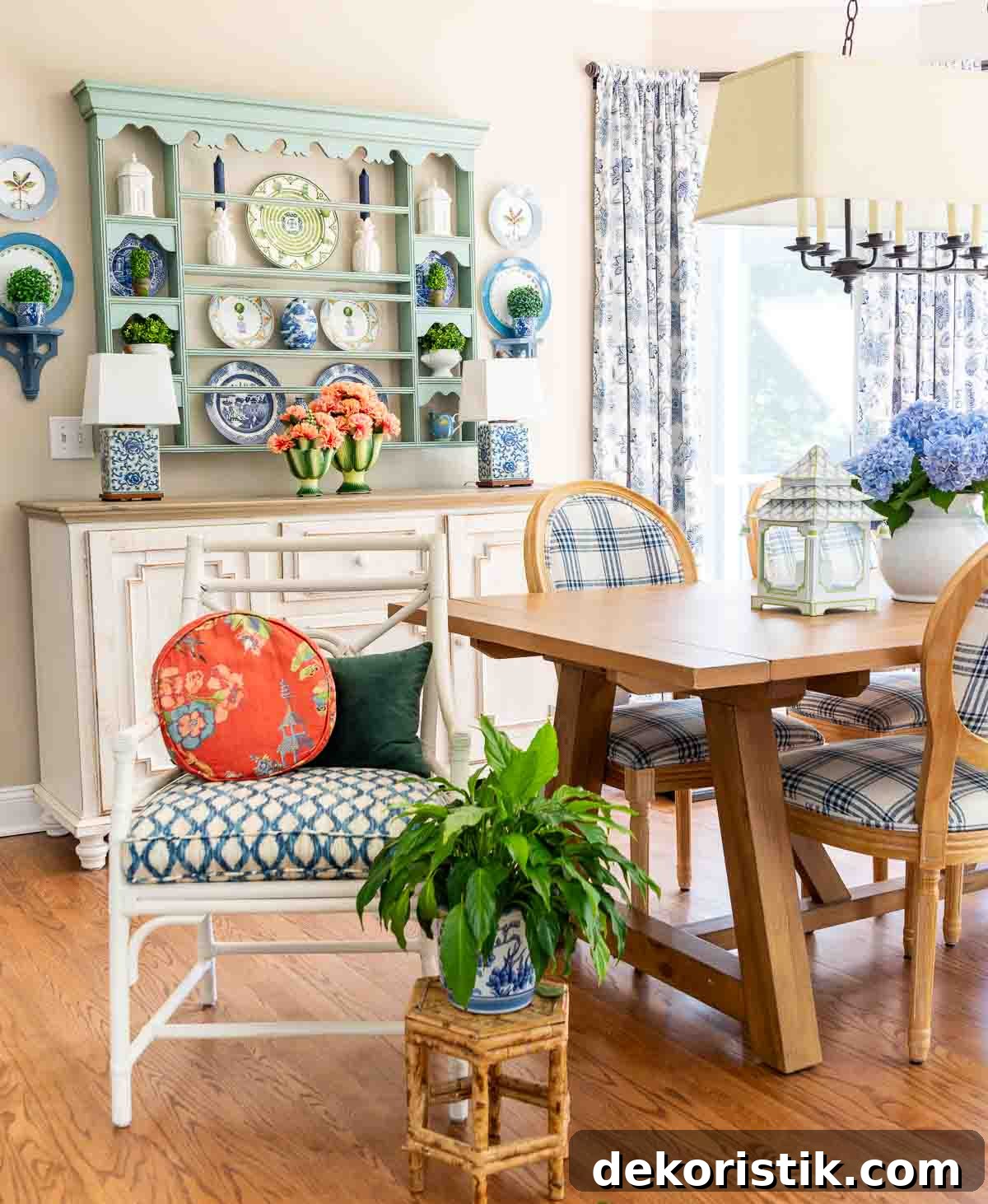
Follow these five basics—use odd-numbered groupings, plan the space carefully, establish a focal point, pick fabrics and rugs before paint, and edit ruthlessly—and you’ll be well on your way to rooms that look intentional and feel right for your family. Design should serve your life; use these principles as tools to make choices that enhance both form and function.