
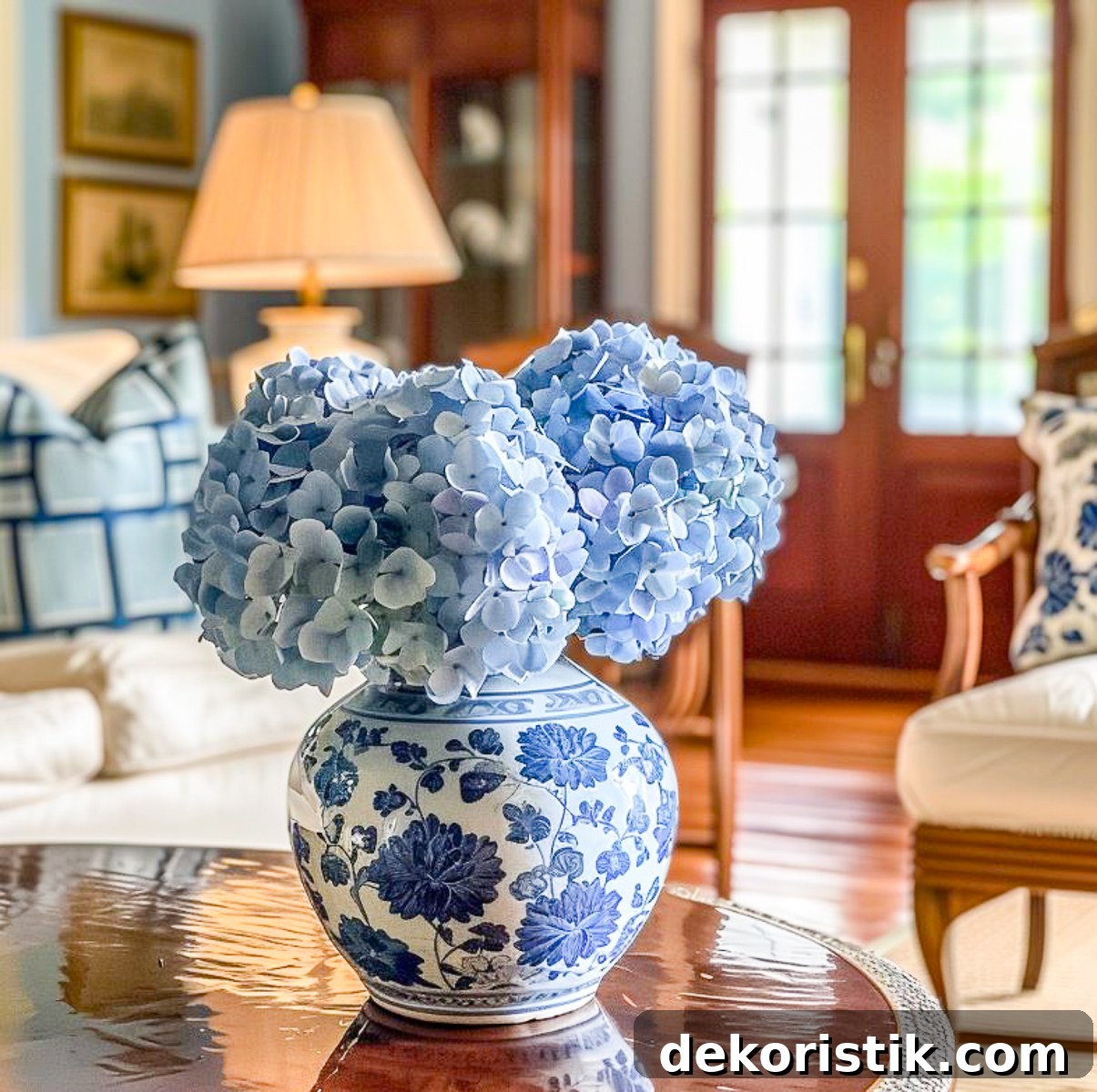
Decorating with hydrangeas is easier than you might think. These lush, full blooms add softness, texture, and timeless charm to any room, and they work beautifully in every season.
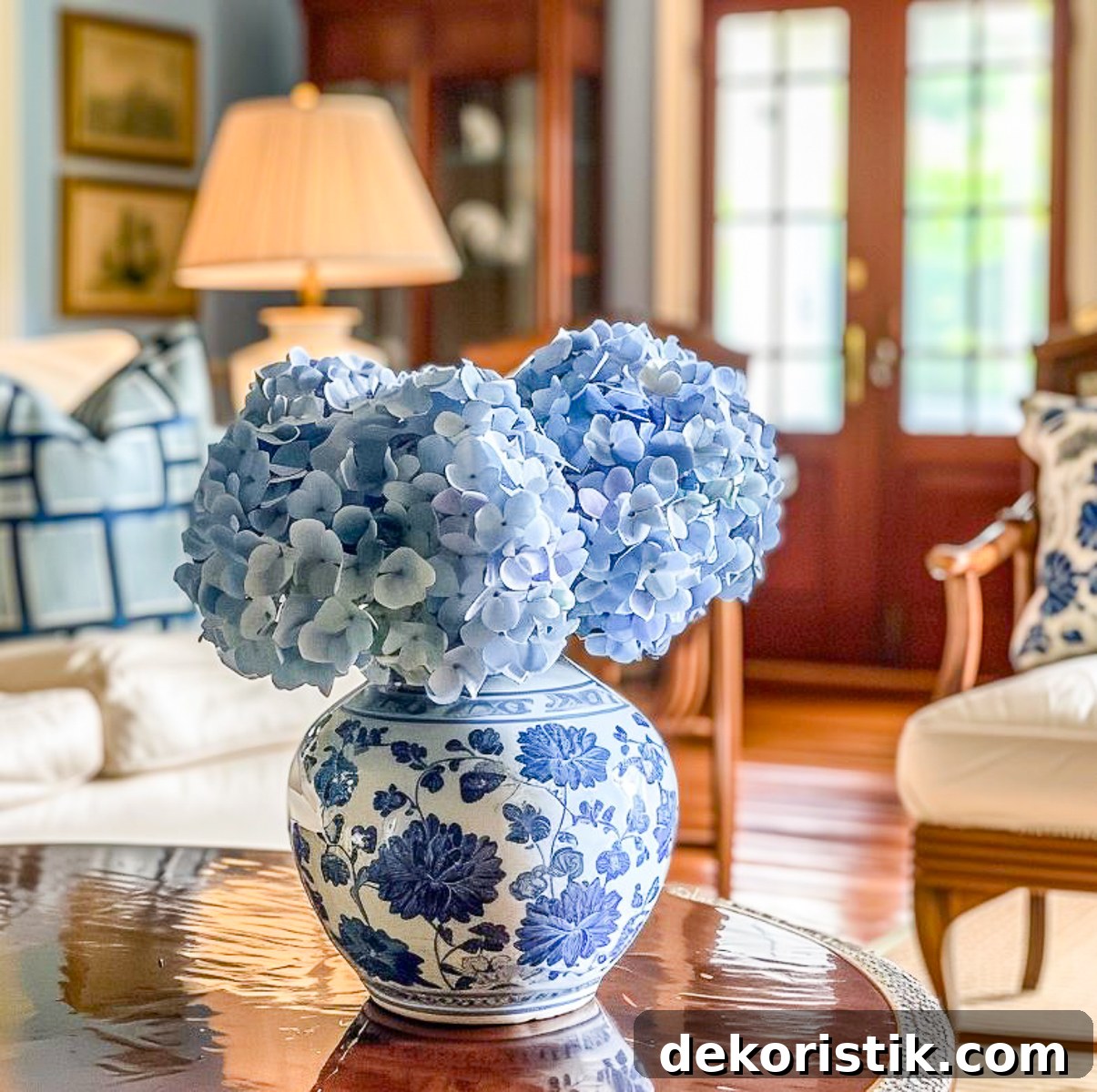
Hydrangeas do more than simply fill a vase. Their large heads and range of colors—from blues and violets to pinks, whites, and greens—make them one of the most versatile floral choices for home decor. Whether you prefer fresh or faux stems, hydrangeas can anchor a focal point, soften a vignette, or lift a corner that feels empty.
Below are practical, stylish ideas for decorating with hydrangeas, including arrangements, centerpieces, wreaths, dough-bowl displays, seasonal uses, and a simple dyeing method so you can customize the color to suit your room.
Bouquets With Hydrangeas
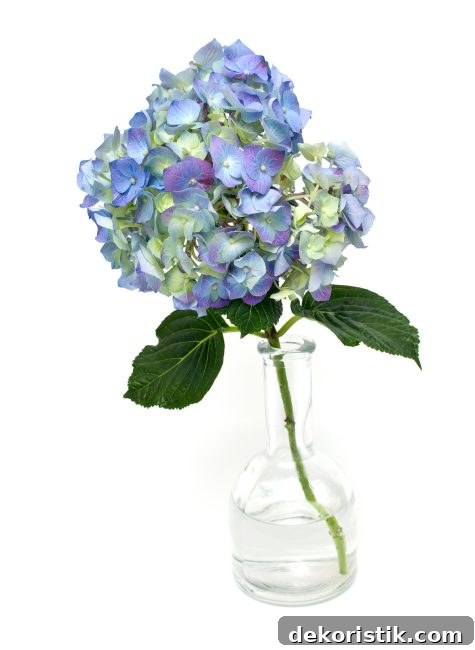
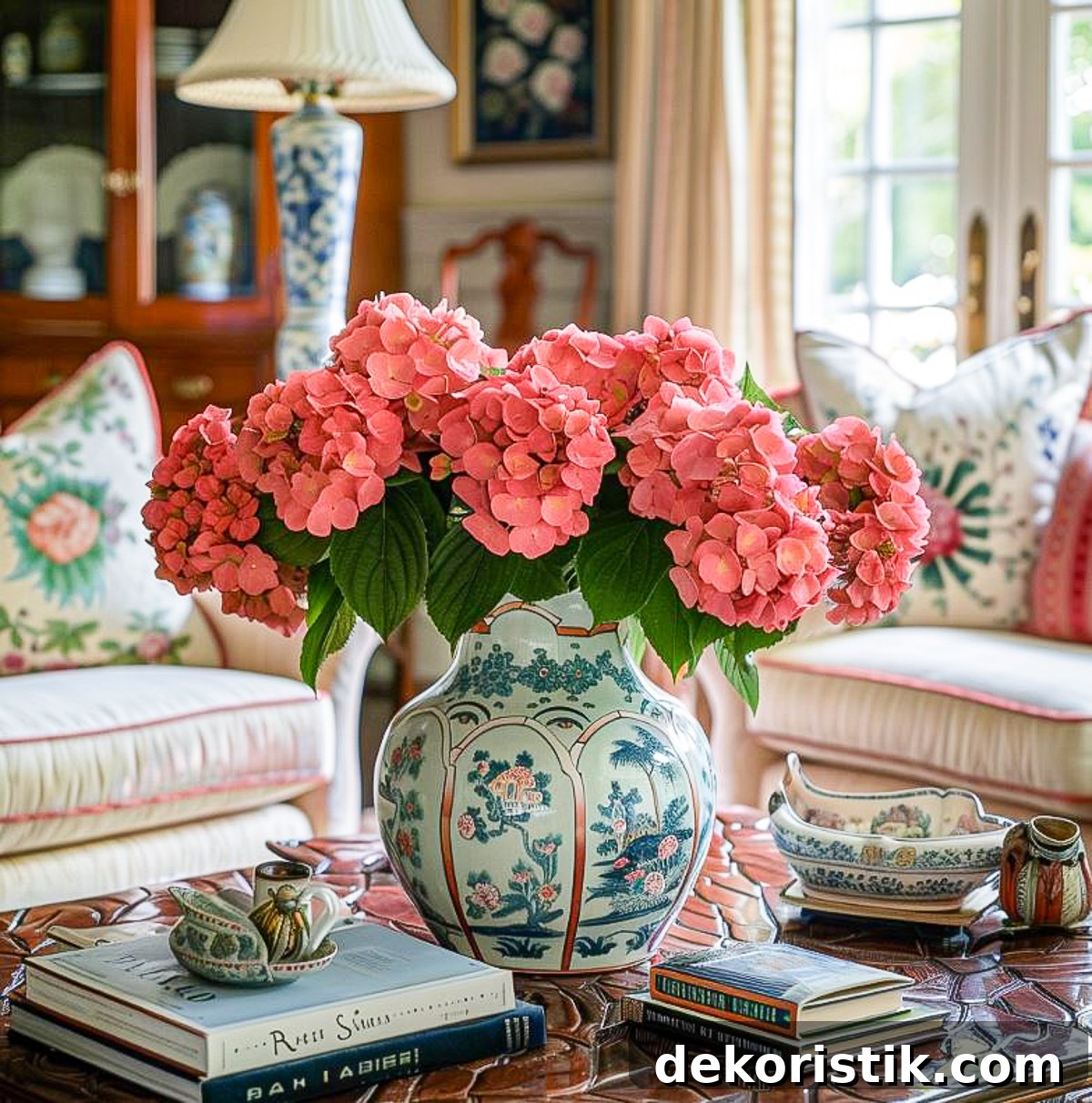
One of hydrangeas’ best qualities is that a single bloom can make a strong visual statement. A solo stem in a glass vase looks elegant and intentional. For a fuller look, a handful of stems—fresh or faux—in a simple container creates an instant, polished bouquet. Because the blossom clusters are so dense, hydrangea heads naturally support one another, eliminating the need for floral grids or tape.
Hydrangeas are attractive from every angle, so you don’t have to fuss over the “best side.” Faux hydrangeas today are realistic and a practical choice if you want maintenance-free decor that lasts all season. Mix colors or sizes for depth, and consider pairing hydrangea heads with smaller-bloom flowers or greenery—eucalyptus, berries, or simple leafy stems enhance texture and contrast.
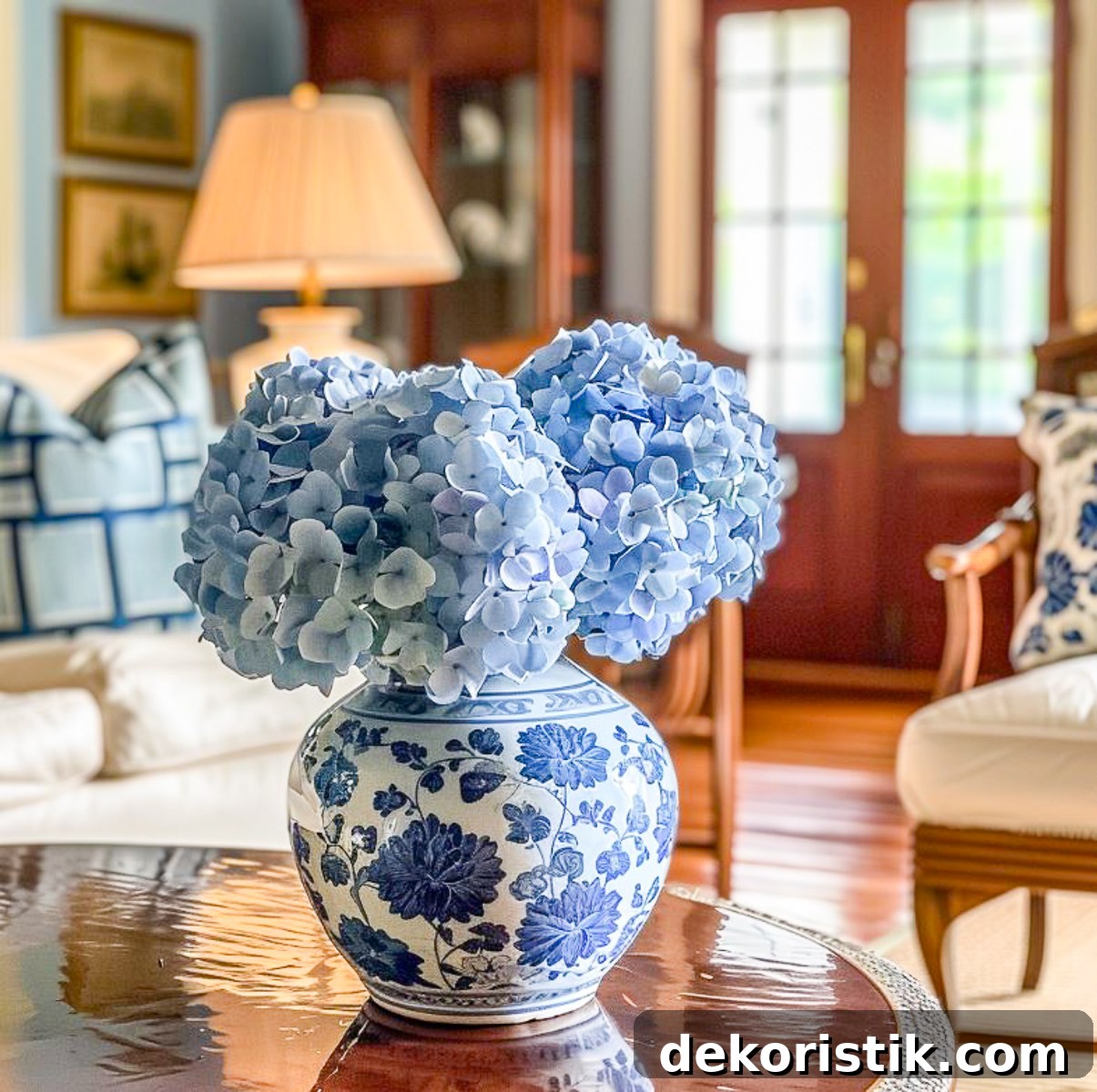
If using fresh stems, florists often revive limp hydrangeas by dipping the cut ends in boiling water or alum before placing them in fresh water, and changing the water daily helps them last longer.
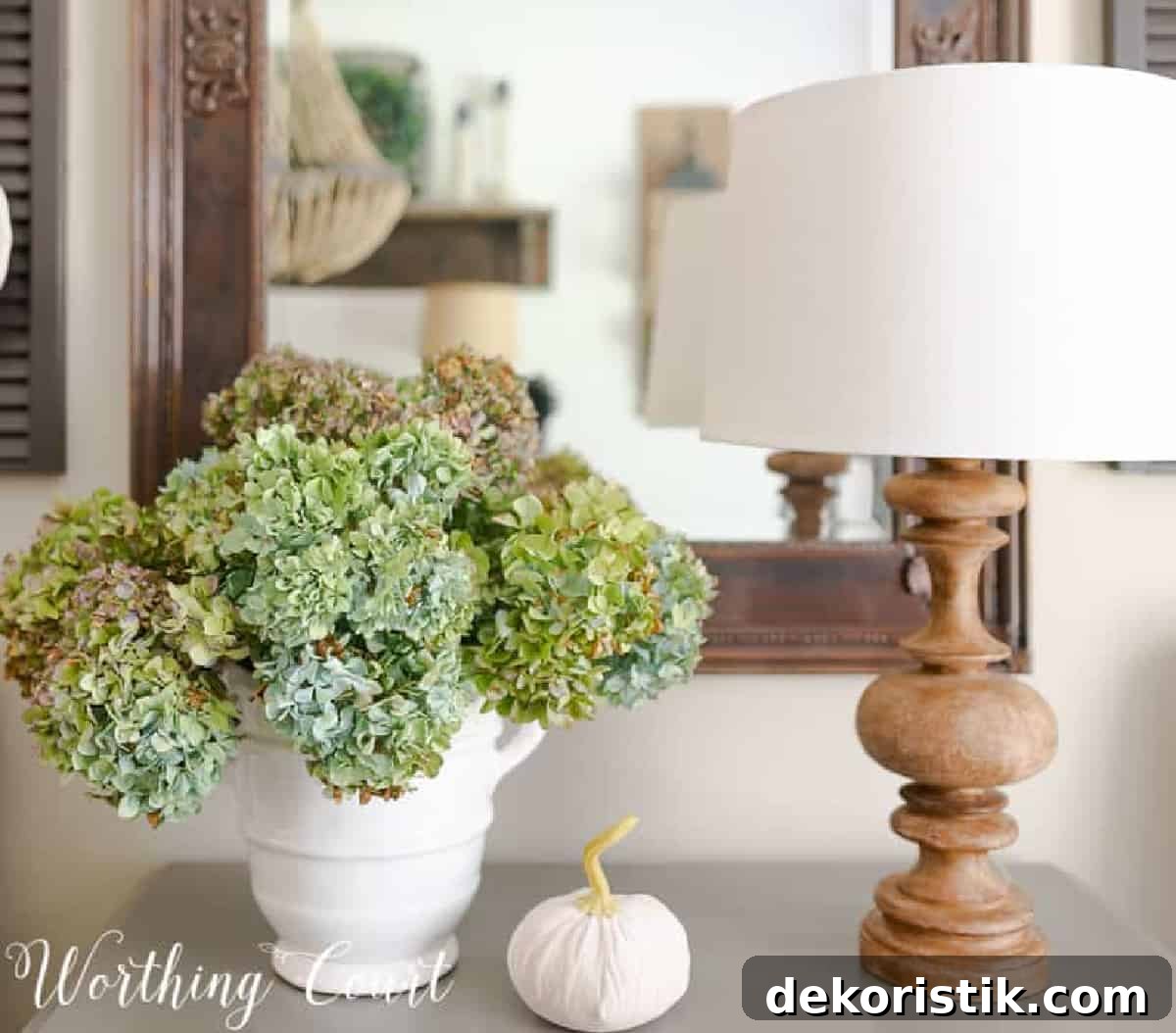
Hydrangea Centerpieces
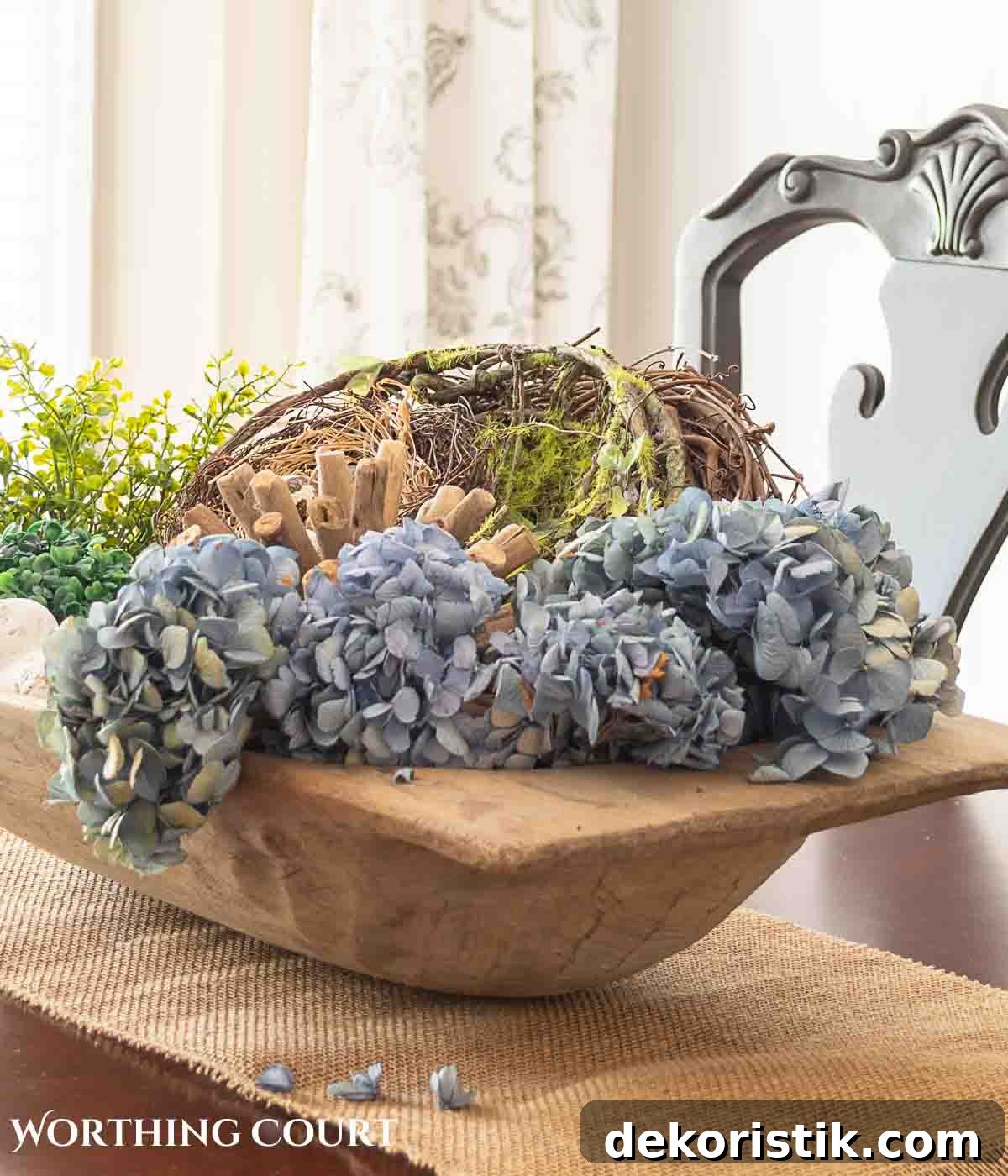
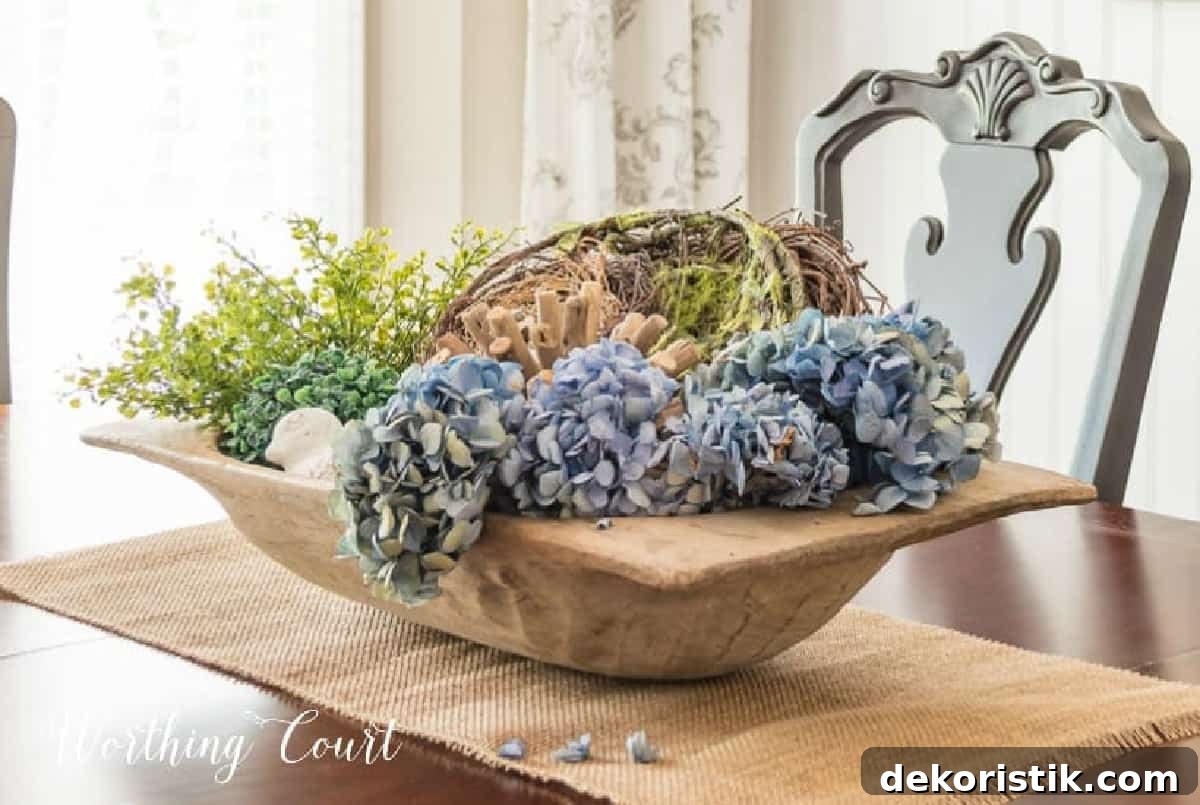
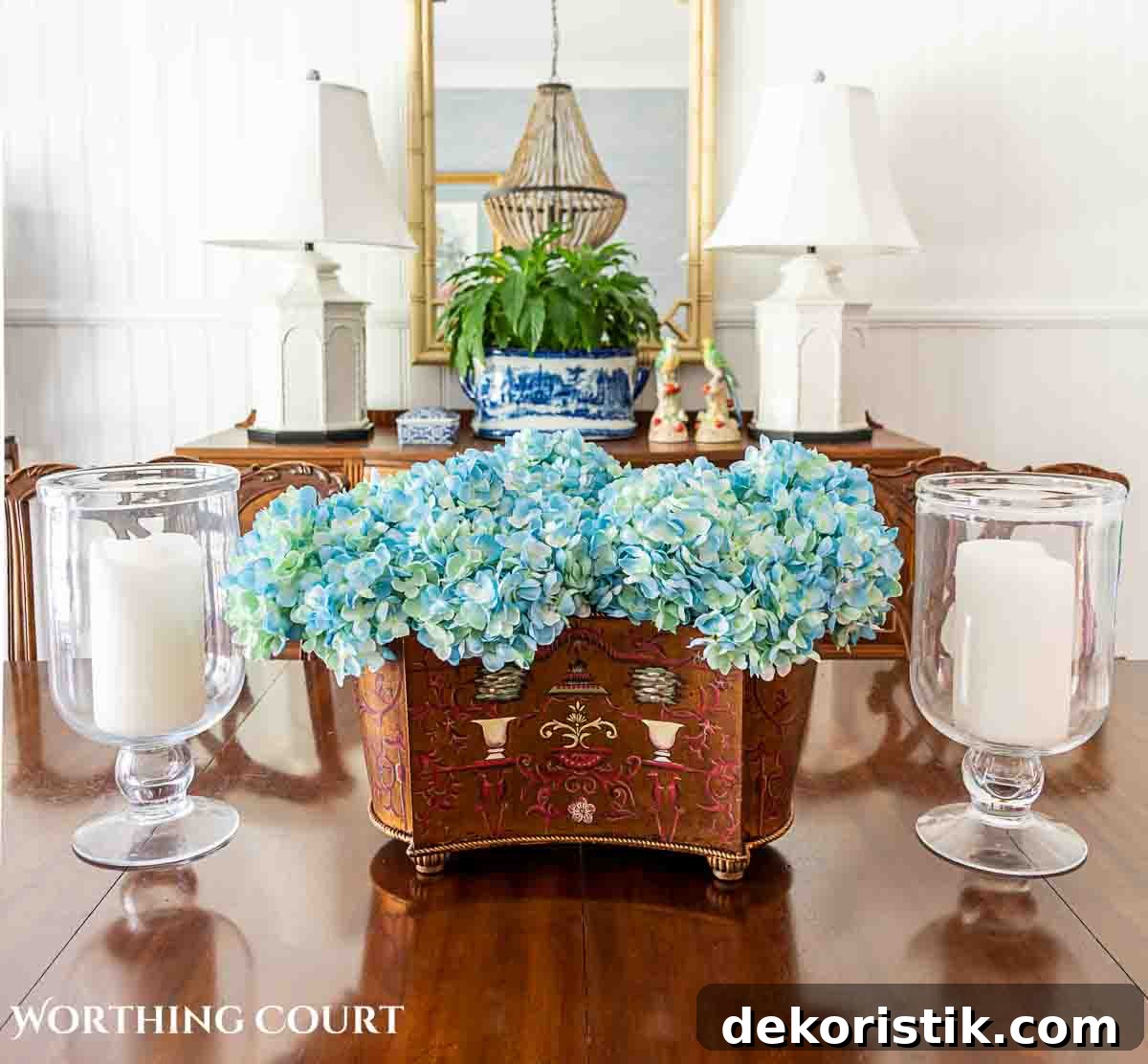
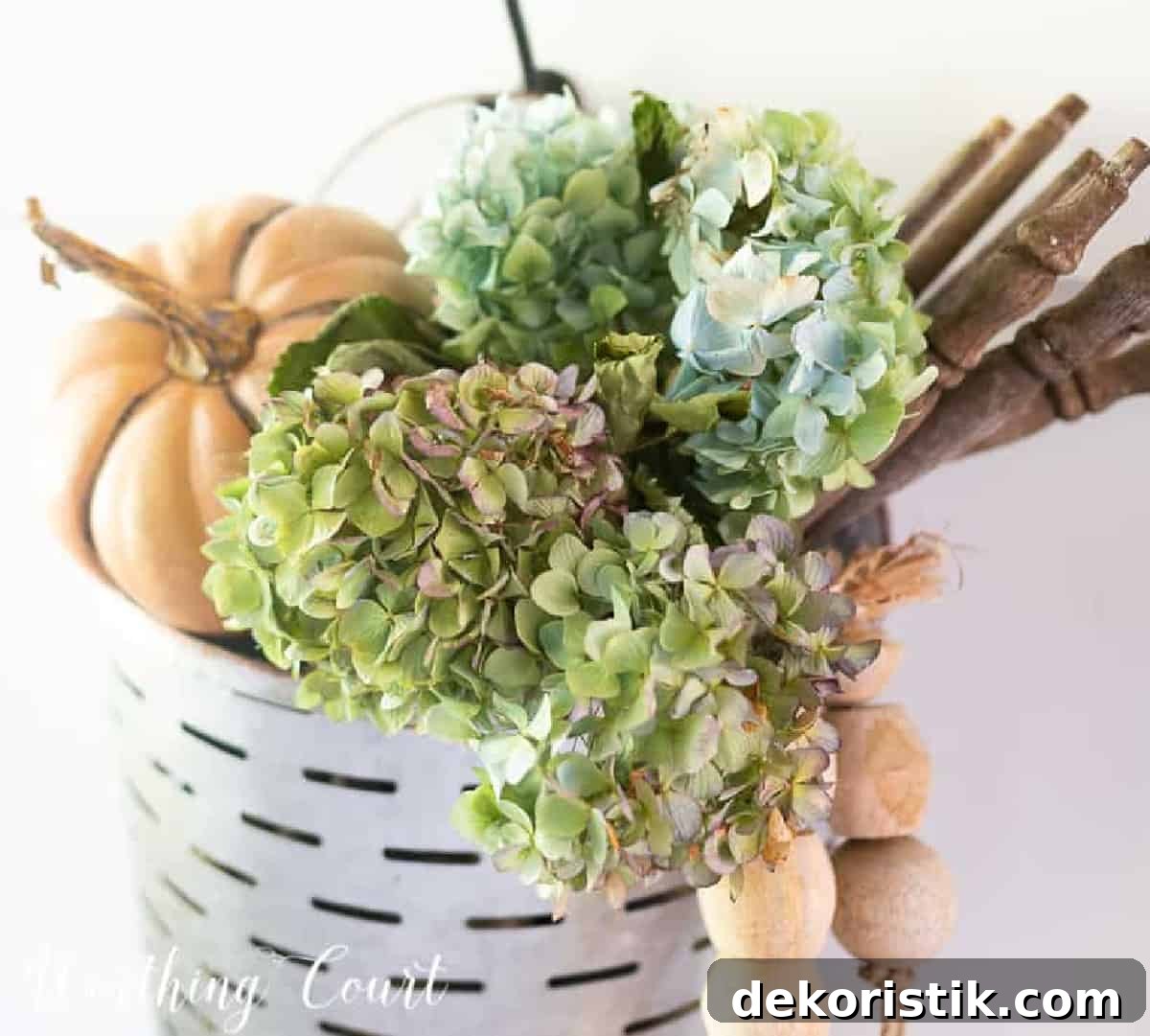
Hydrangeas lend themselves beautifully to centerpieces. An oblong planter filled with faux hydrangeas makes a striking dining table focal point and brightens spaces with limited natural light. For a casual-elegant look, arrange stems in a vintage dough bowl with seasonal accents—a nest and bird in spring, driftwood orbs for summer, or dried hydrangea stems for autumn.
Pair a hydrangea centerpiece with two candle hurricanes or lanterns to add balance and a touch of formality. The same arrangement can move from table to sideboard and look lovely reflected in a mirror.
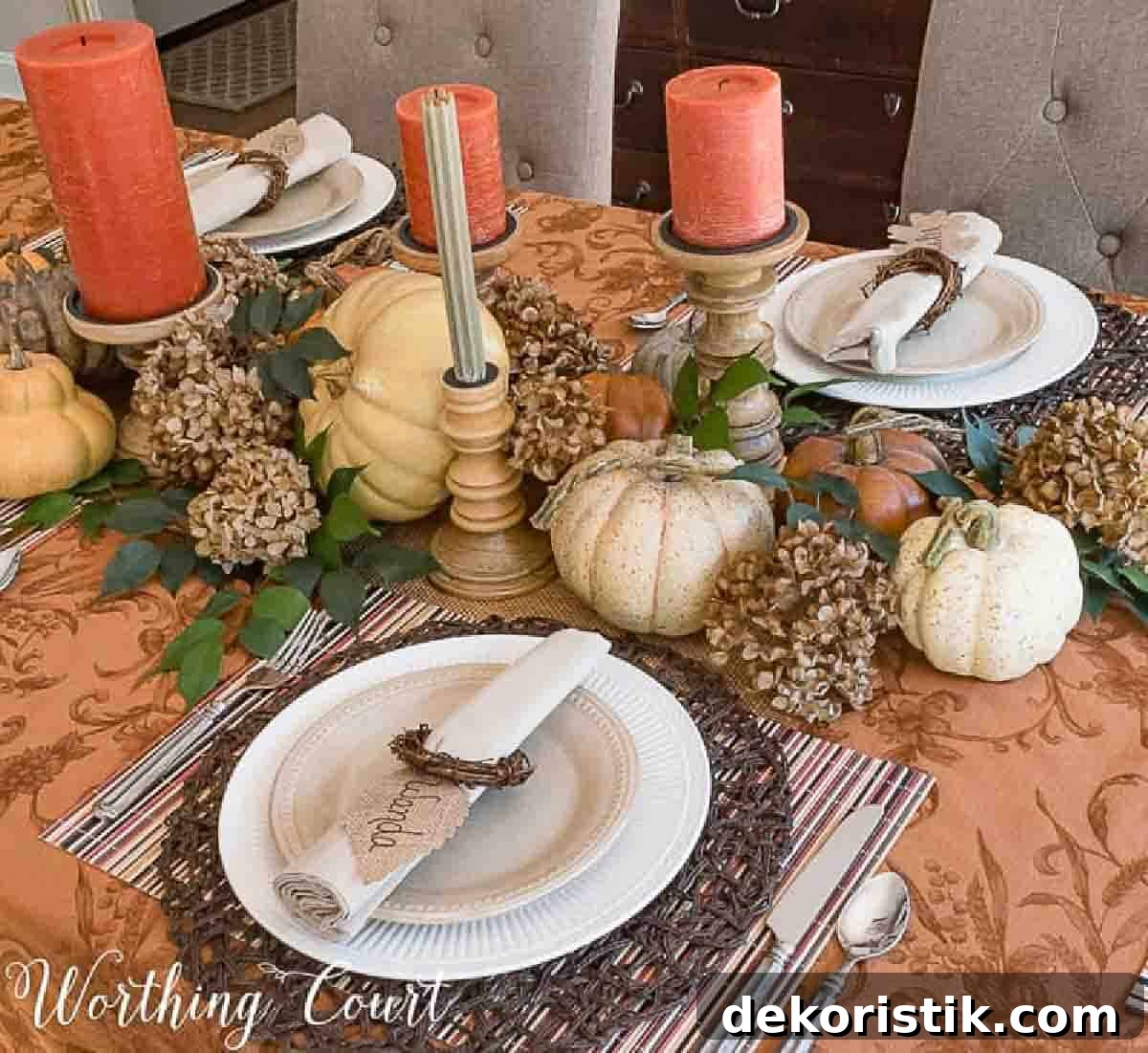
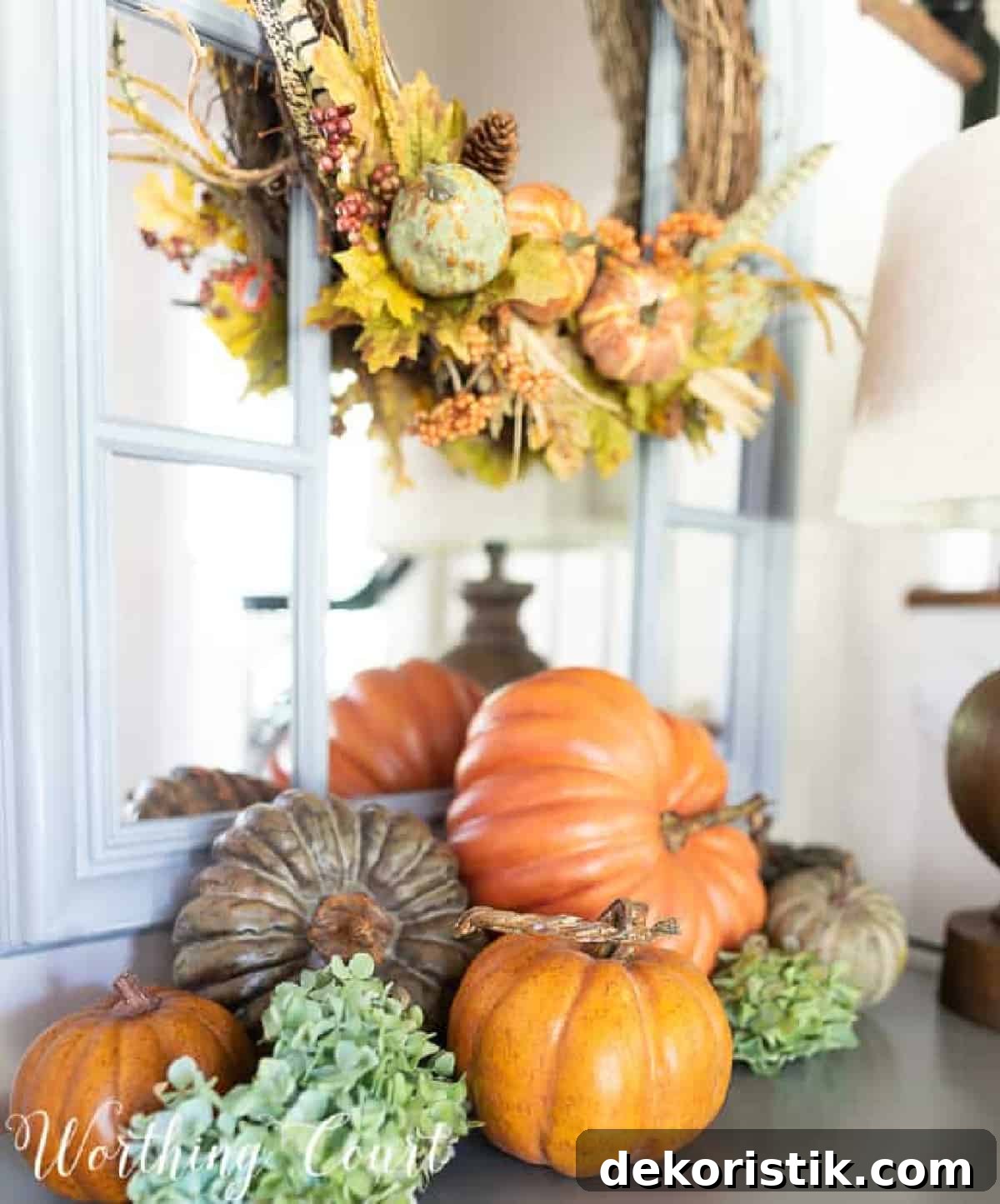
For fall, scatter pumpkins and candles down the table and nestle dried hydrangea pieces into the empty spots—dried tones pair especially well with warm autumn hues.
Using Hydrangeas on a Wreath
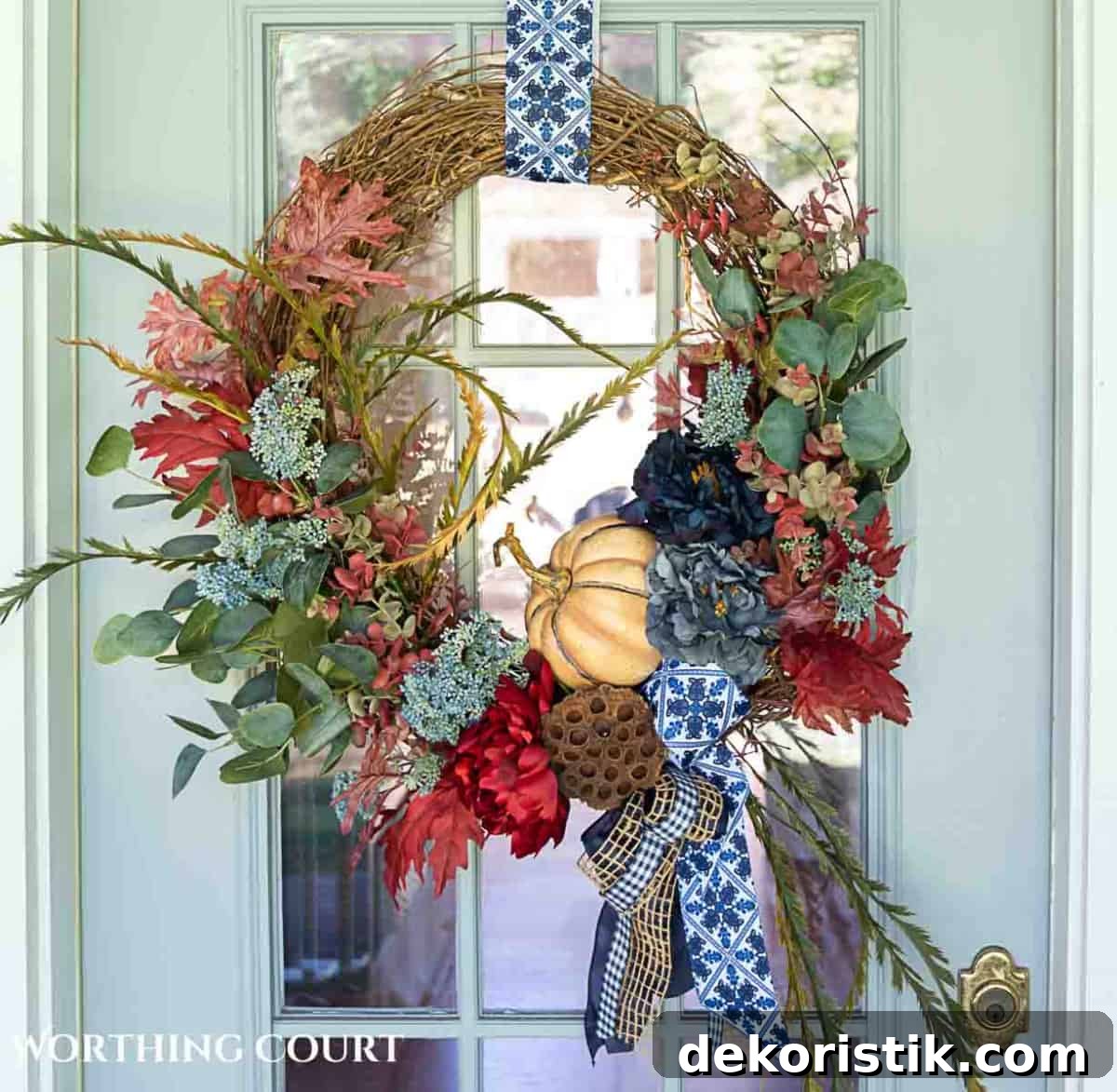
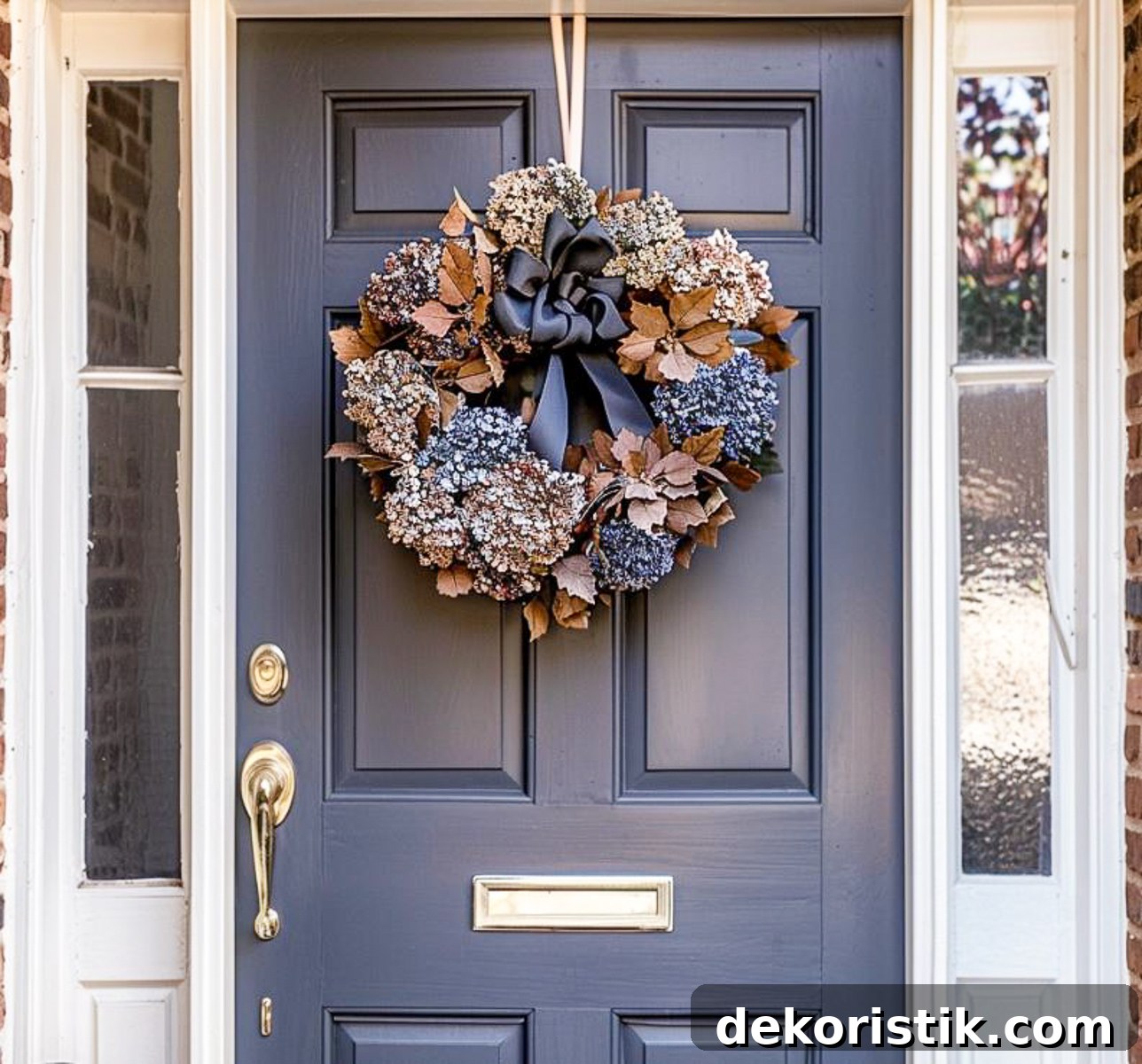
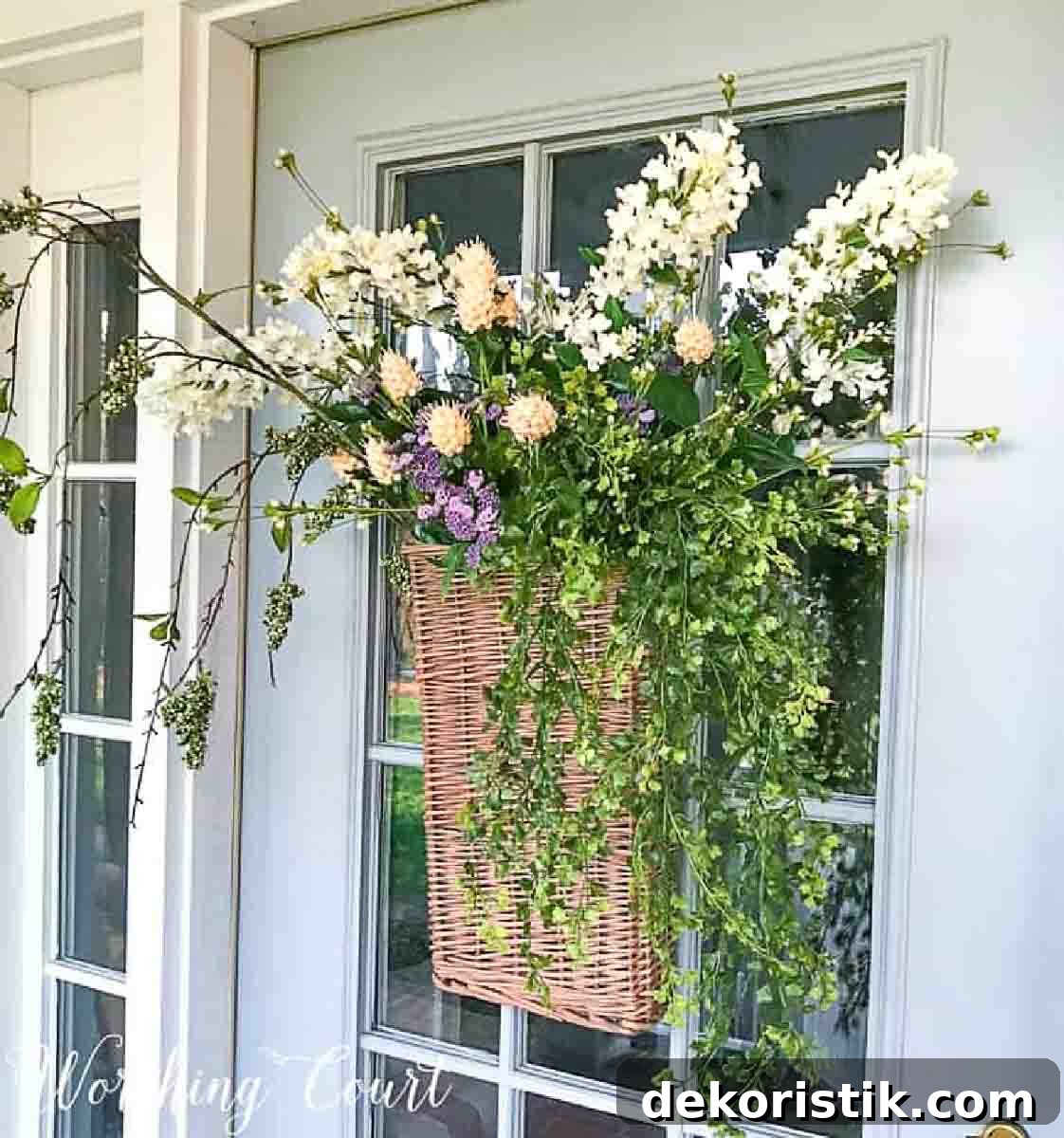
Hydrangeas are ideal for wreaths because faux stems come in many colors, letting you coordinate with seasonal porch decor. Burgundy and navy hydrangeas mixed with berry stems and wispy greenery create a rich fall wreath. For spring, a hanging basket filled with white hydrangeas provides a fresh, welcoming twist to a traditional door wreath. Bright green hydrangeas paired with bold ribbon can make an old door pop and take very little time to assemble.
Hydrangeas at Christmas
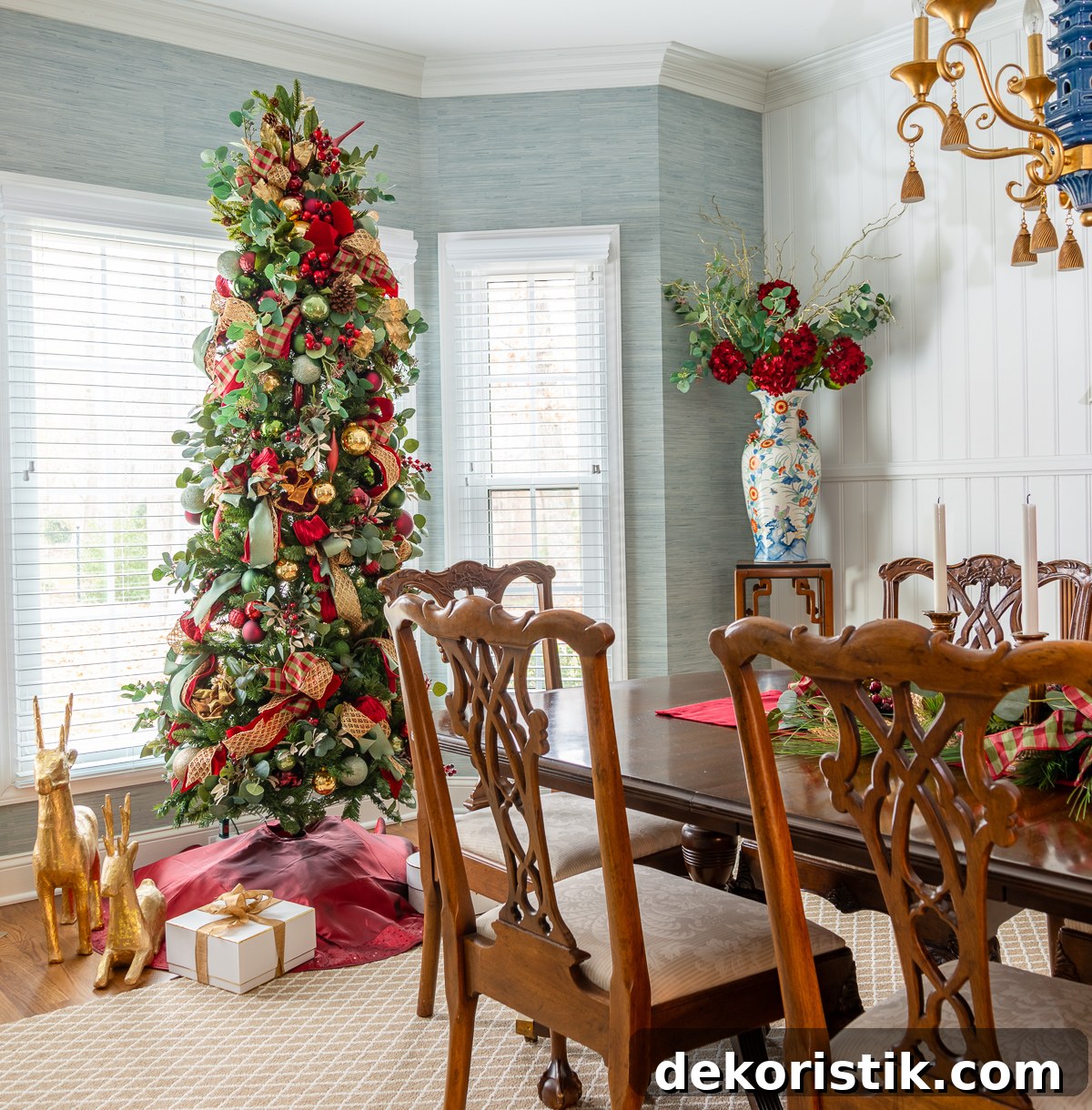
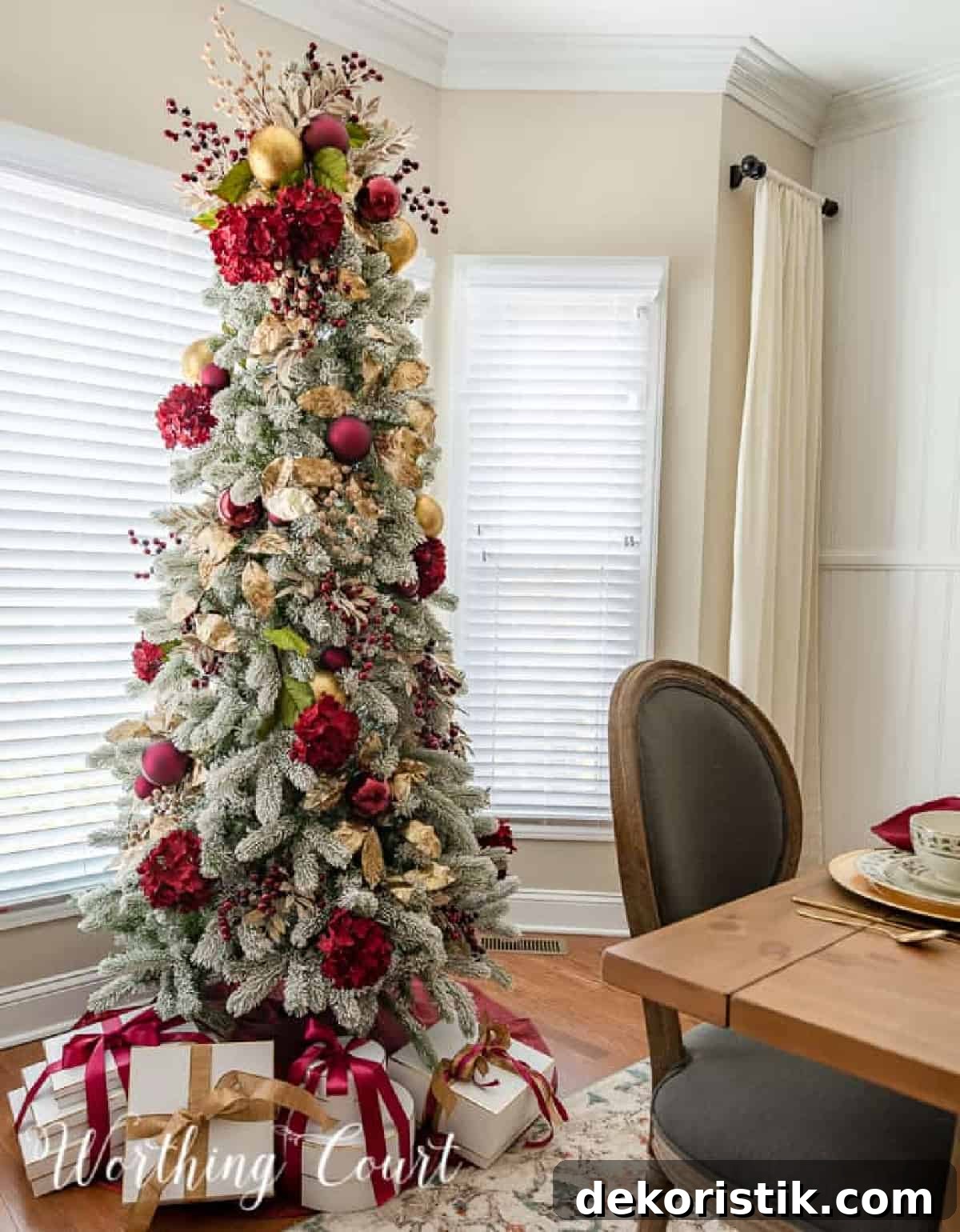
Hydrangeas aren’t limited to warmer months. Deep burgundy or red hydrangeas look elegant in winter vases and help fill corners, trees, and garlands. Because they’re available in many shades, you can match hydrangea stems to your tree palette—mixing them with metallic ornaments or ribbon elevates the holiday look without adding clutter.
Hydrangeas in Vignettes
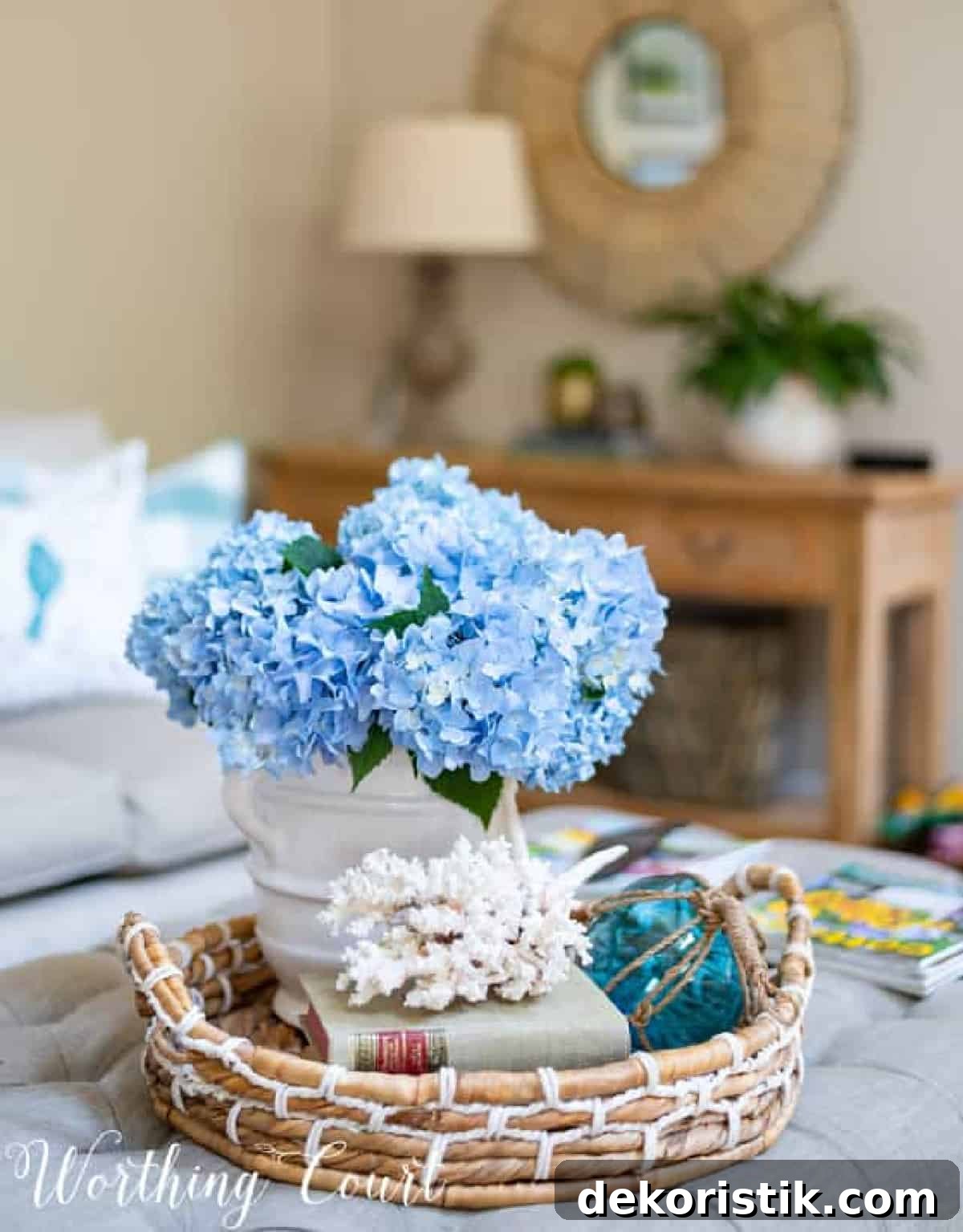
Hydrangea petals add texture and scale to small vignettes. Tuck a few dried or faux heads into empty spots on a coffee table, foyer console, or wall gallery to create visual interest. Even a single stem can transform a display, balancing books, trays, or decorative objects and adding natural softness to structured accessories.
How to Dye Hydrangeas
If you need a specific color, dyeing white hydrangeas is quick and effective. Food coloring works well and is likely already in your pantry. This technique is ideal for customizing blooms to fit a tablescape or room palette.
Simple dyeing steps:
- Begin with fresh white hydrangeas: White petals take color most accurately and won’t influence the final shade.
- Mix colored water: Fill a vase with water and add several drops of food coloring. More drops produce a more vivid tone—stir well.
- Trim stems: Cut the stems at an angle to improve water uptake.
- Place stems in the colored water: Over hours to a couple of days, the flowers will absorb the color; remove them when they reach your desired hue.
- Refresh as needed: If the water becomes cloudy, replace it with new colored water to continue the process.
More Arrangement Tips
Hydrangeas are easy to work with and versatile in style. Choose fresh stems for a natural scent and seasonal authenticity, or opt for realistic faux stems when you need longevity and low maintenance. Combine hydrangeas with smaller flowers, varied foliage, or textural elements like berries, driftwood, or pumpkins to create layered, inviting displays.
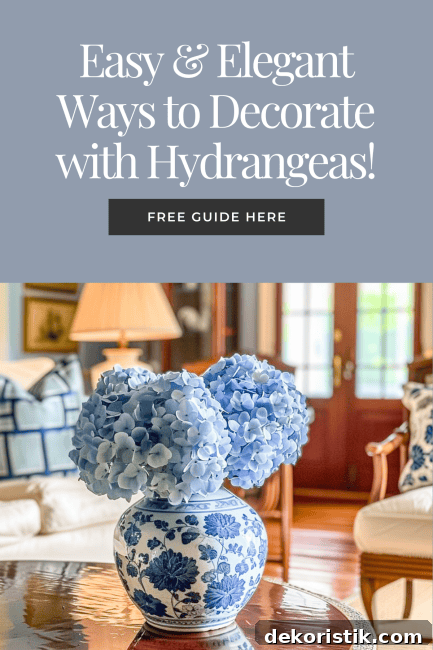
Hydrangeas offer endless decorating possibilities. Whether you use them as a single statement bloom, a casual dough-bowl display, a refined centerpiece, or a seasonal wreath accent, these blooms bring immediate elegance and warmth. How will you use hydrangeas in your home?