
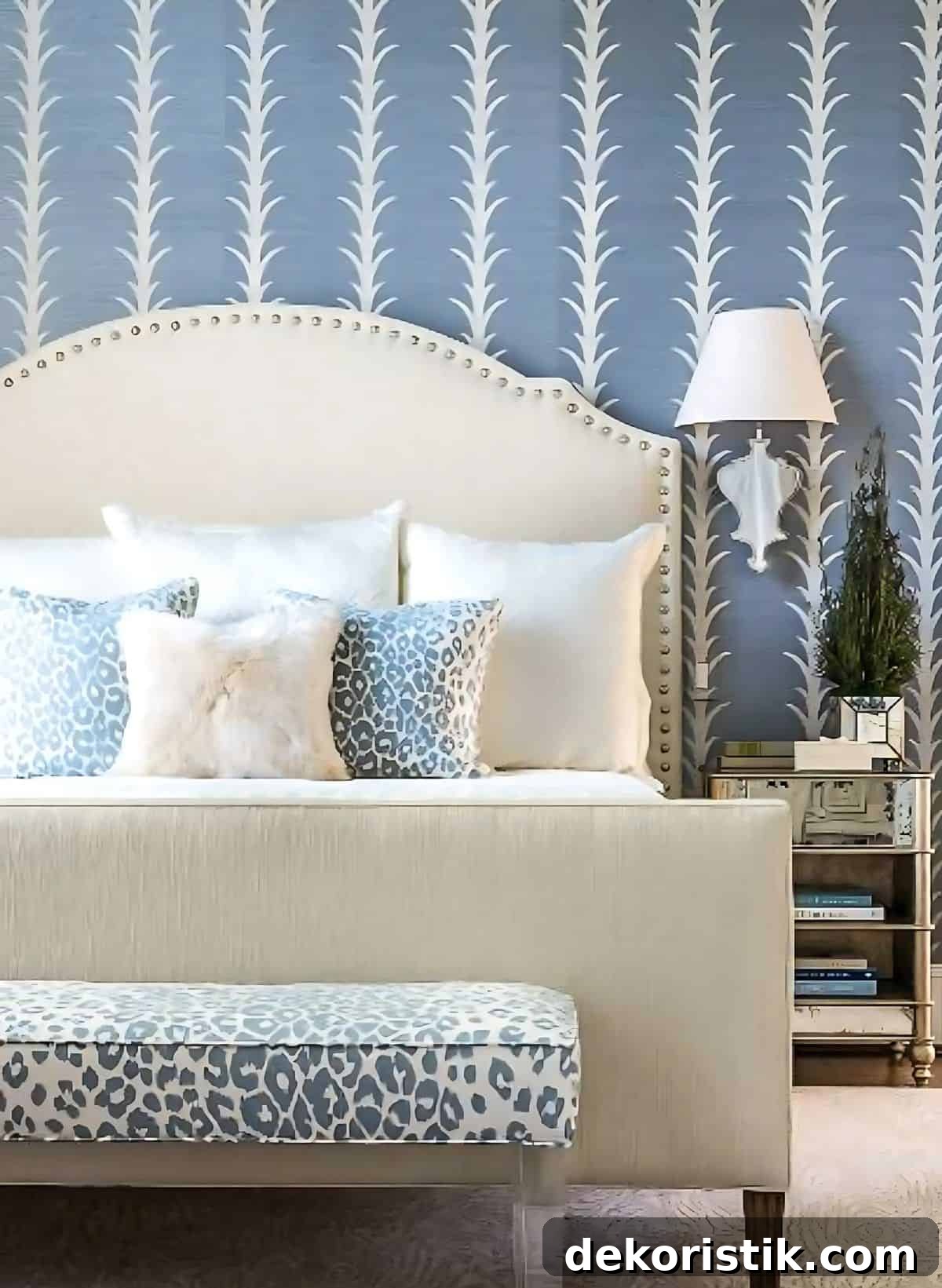
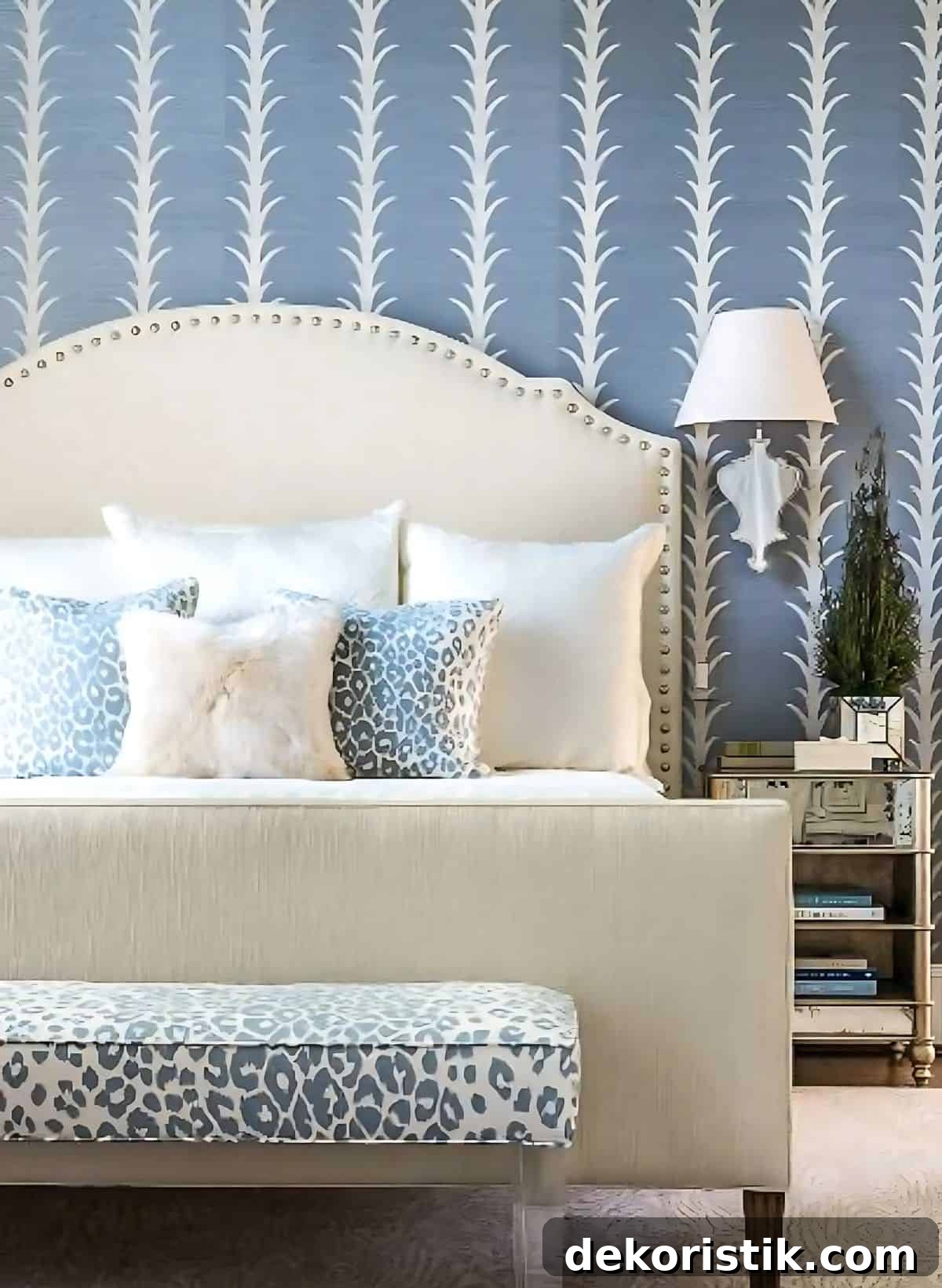
In recent years blue has overtaken gray as the go-to color for home decorating. Once the reigning neutral, gray still has its place—but blue is increasingly favored for its versatility, mood-enhancing qualities, and ability to pair with both warm and cool palettes.
West Trade Interiors via Houzz
Is blue the new neutral? There are good reasons to consider it one:
- Blue blends seamlessly with many decorating styles without overpowering them.
- It harmonizes with warm tones (like orange and yellow) as well as cool hues (like silver and green).
- Blue is widely perceived as calming and welcoming, making it ideal for living spaces and bedrooms.
Below are the most effective ways to introduce blue into your home—whether you want a subtle accent or a room full of color.
Note: this isn’t an argument to eliminate gray from your home. Gray and blue work beautifully together; pairing them thoughtfully yields a timeless, layered look.
Walls and Ceilings
When gray dominated design trends it was the default for walls and ceilings. Now, designers are turning to blue for a livelier neutral that still reads calm and composed.
To make blue your primary backdrop, paint walls in a single consistent shade. Lighter blues—sky, powder, or pale aqua—create airy, restful rooms, while deeper blues add intimacy and drama.
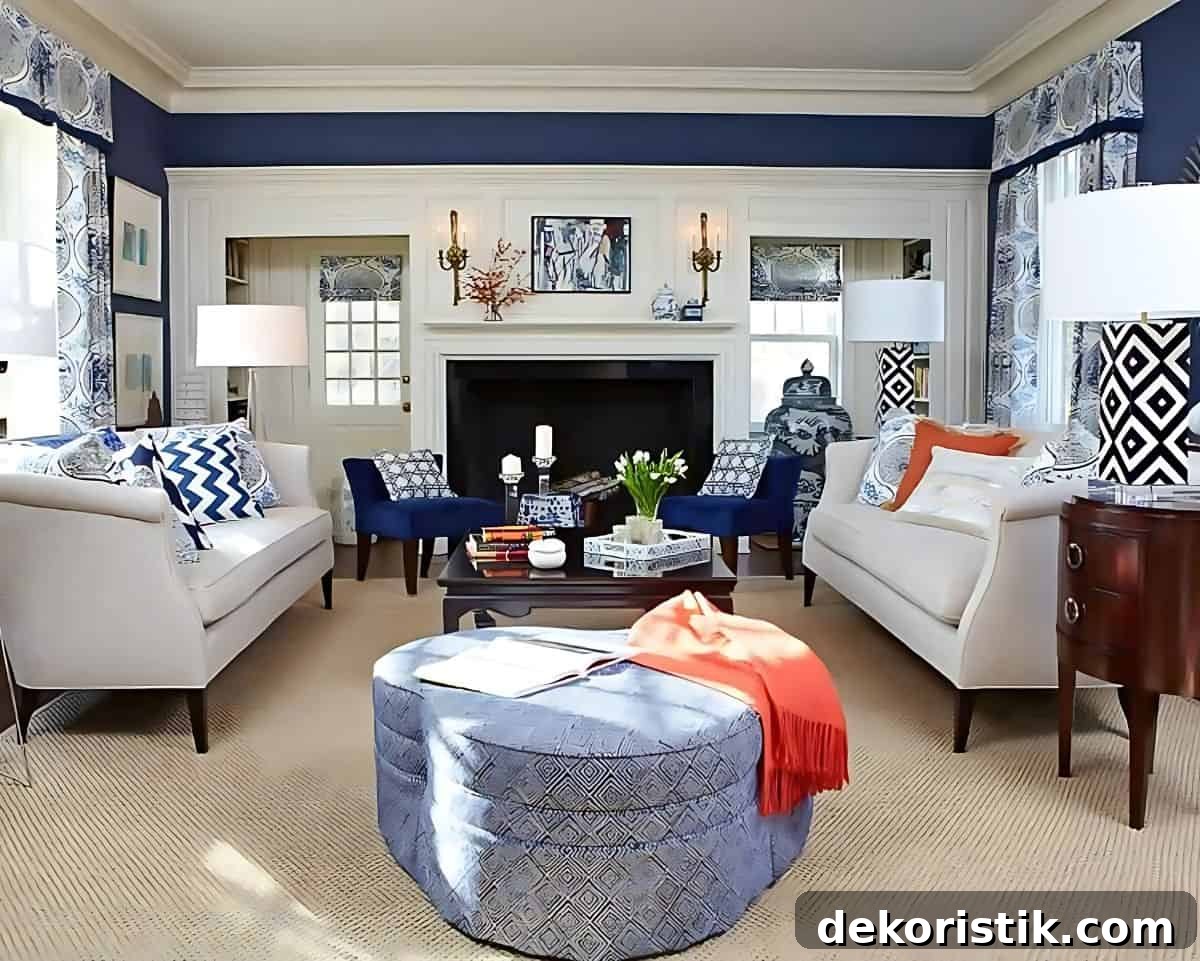
Last Detail Interior Design via Houzz
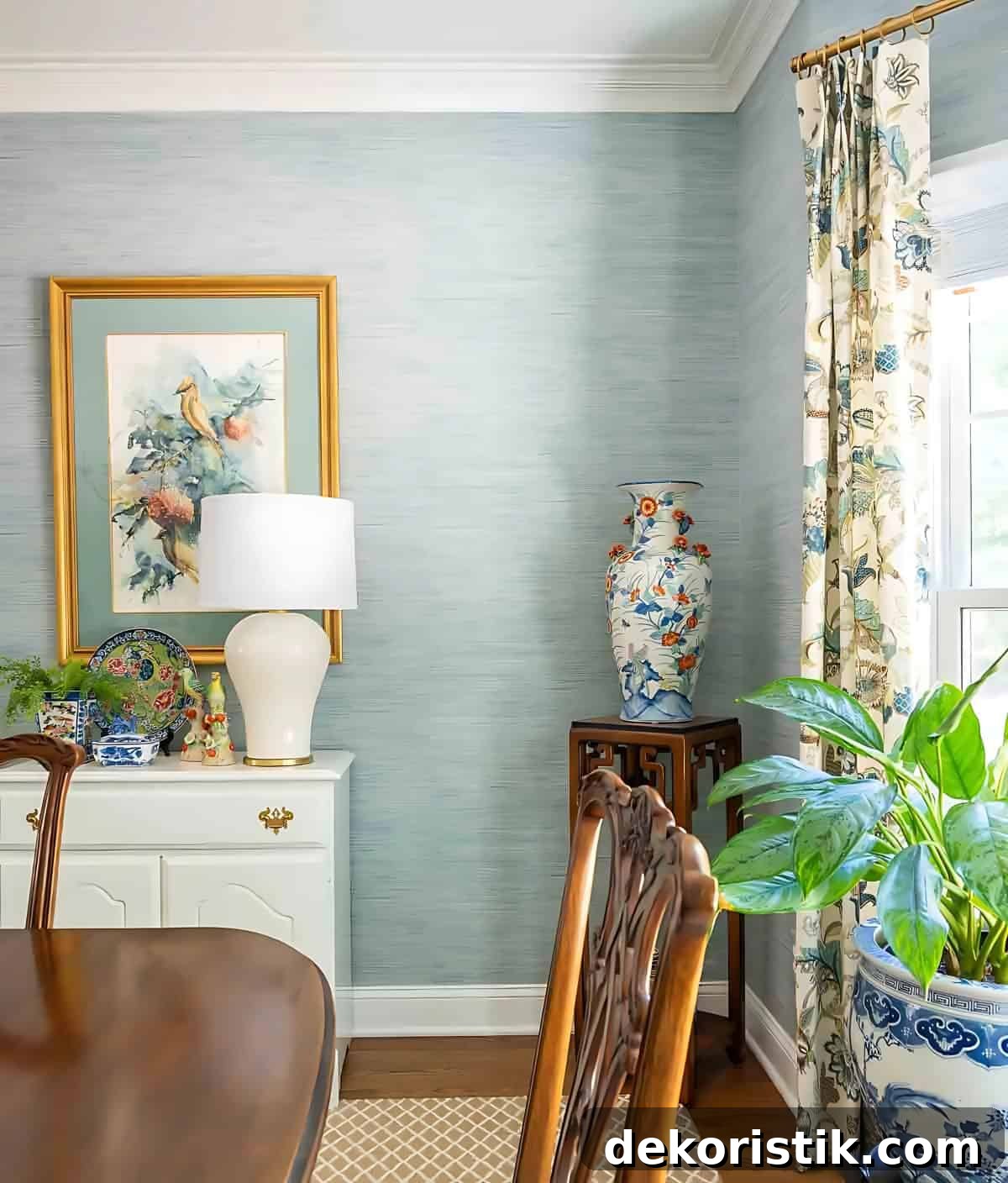
For texture and depth, consider blue grasscloth wallpaper. The natural weave adds subtle luxury and sophistication without feeling cold.
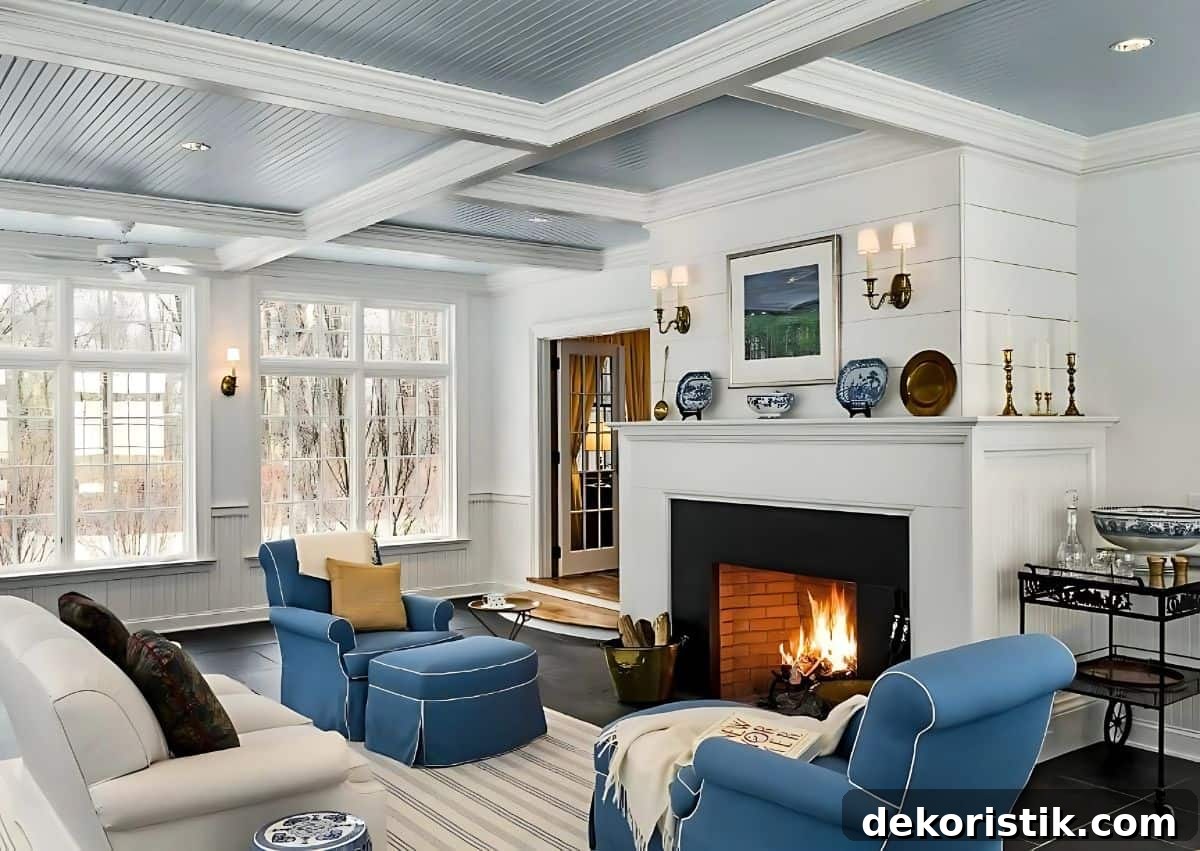
If you prefer restraint, paint only the ceiling in blue. A soft blue ceiling creates the illusion of height and introduces calm without committing the walls to color.
For a bold approach, try color drenching—painting walls, ceilings, trim, and millwork the same blue to create a cohesive, enveloping space. Gloss or semi-gloss finishes here can add depth and reflectivity.
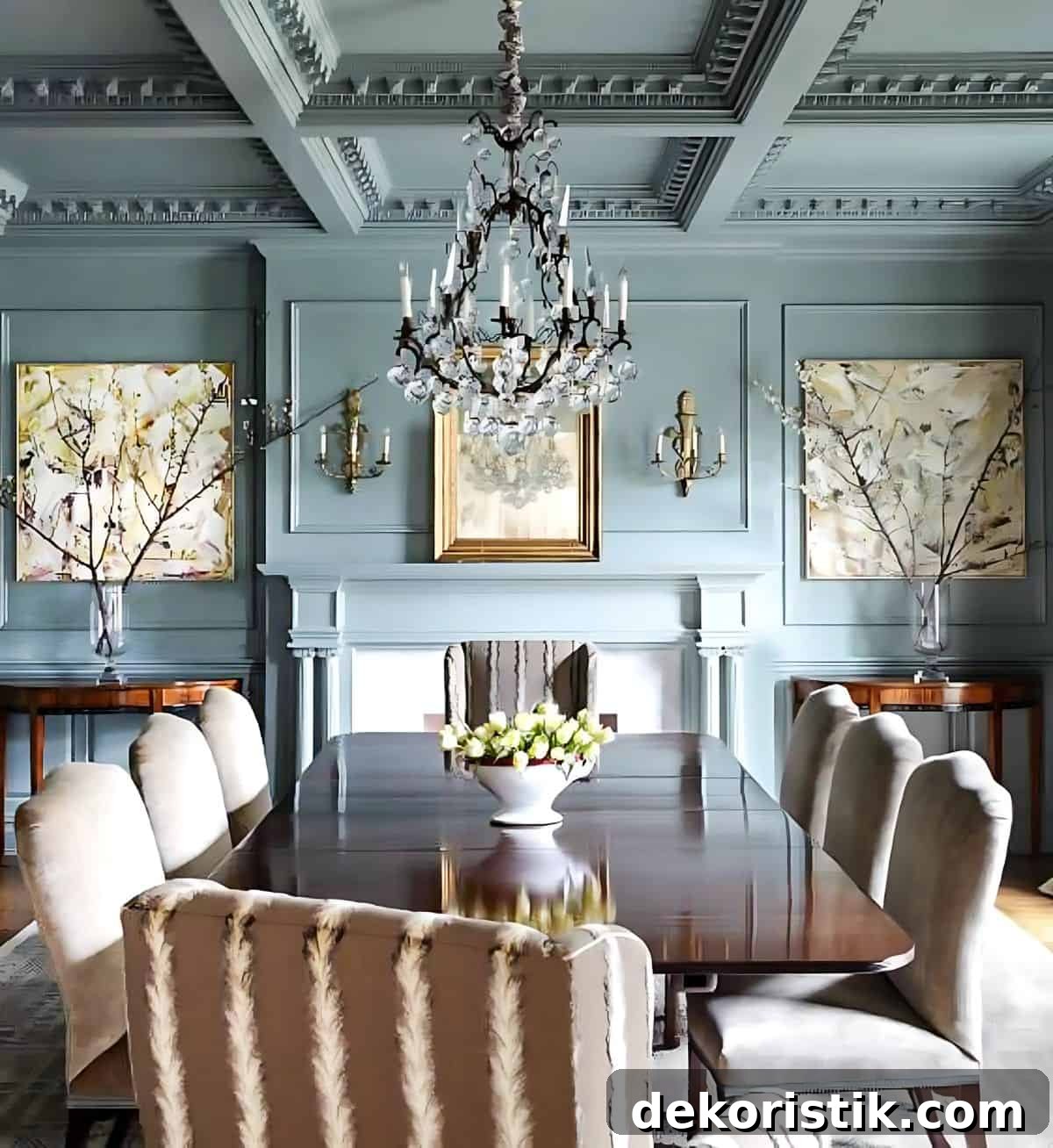
Lisa Hilderbrand via Houzz
Cabinetry
Blue is rapidly replacing gray in kitchens and bathrooms, offering a timeless look with more personality.
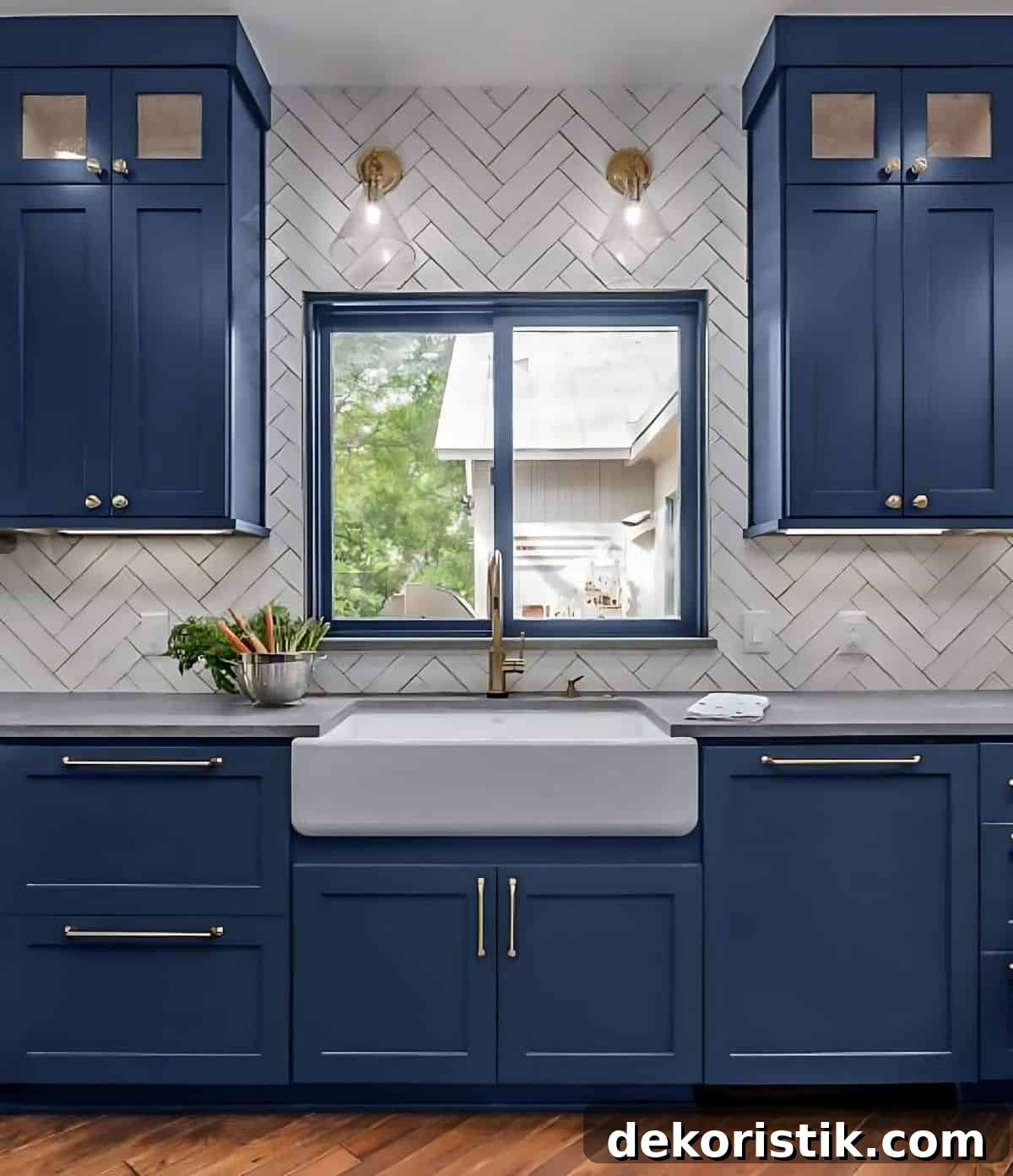
New Creations Custom Kitchens and Bath via Houzz
Blue cabinets can be a striking focal point or a subtle way to add color, depending on the shade. Navy or indigo offers classic sophistication; muted slate blues and dusty teals feel more contemporary.
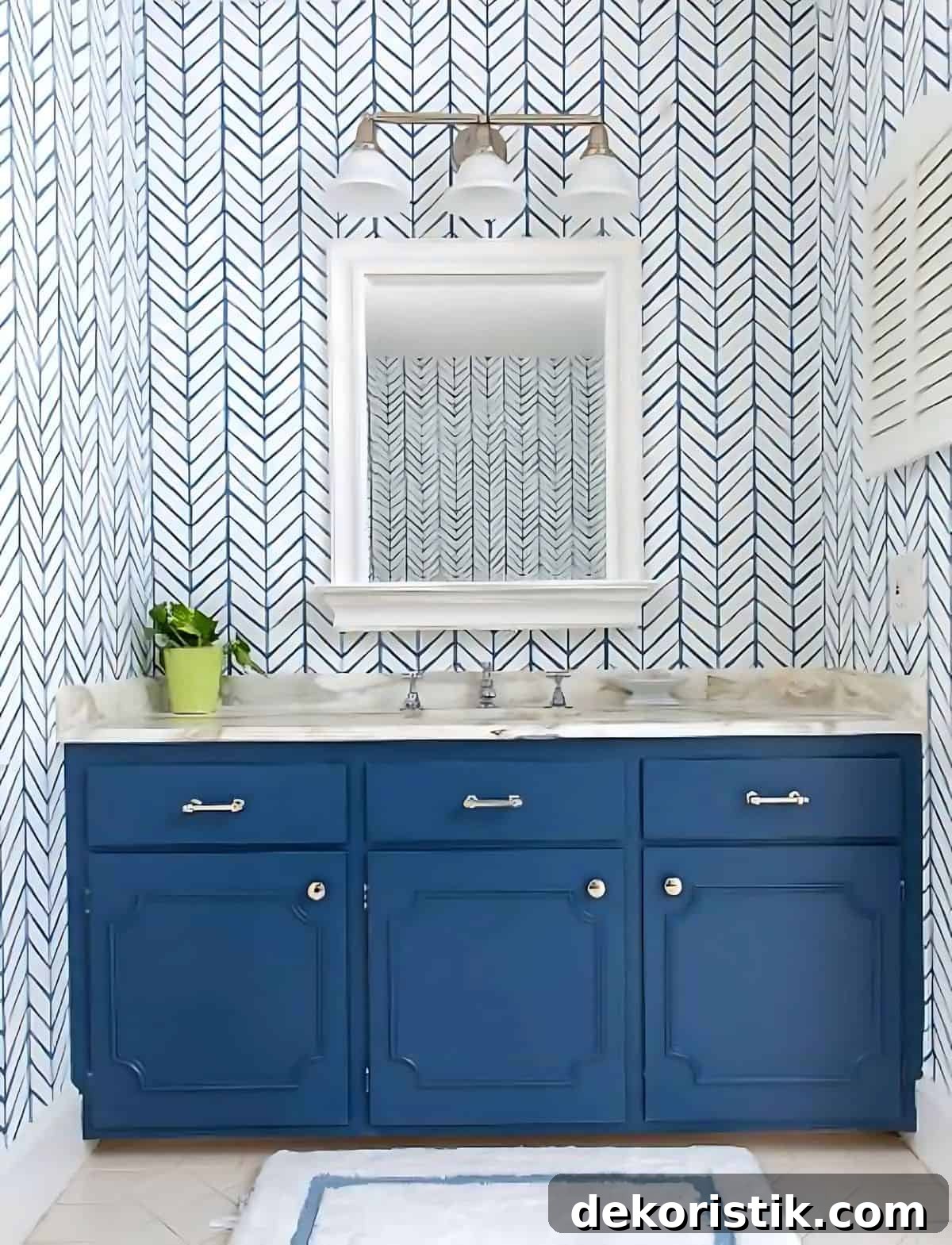
Debra Zinn Interiors via Houzz
To keep the look balanced, pair blue cabinetry with neutral countertops and backsplashes so the color reads deliberate rather than overwhelming.
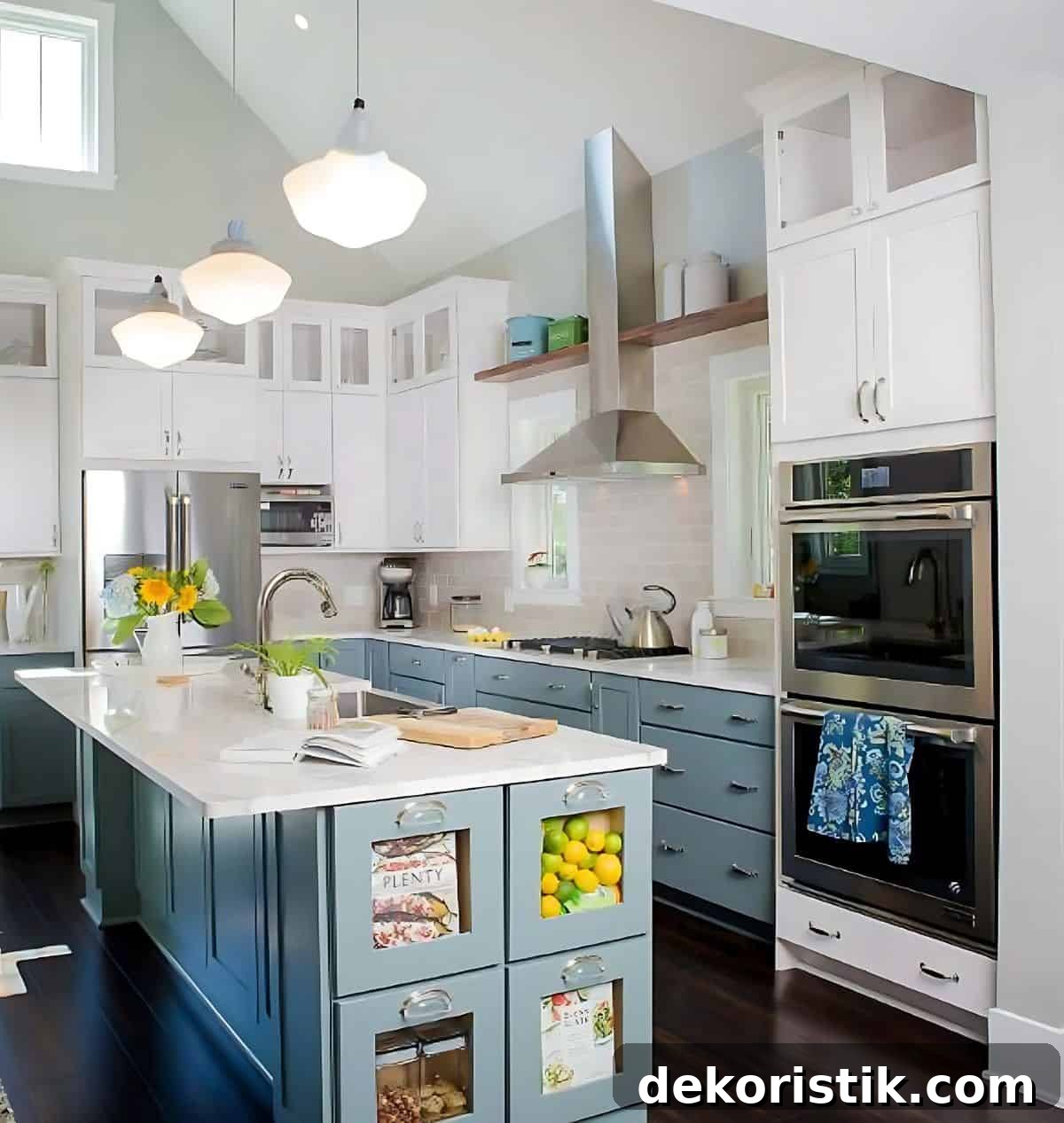
Shelton Design via Houzz
Tile Work
Blue tile—whether classic solid tiles, handmade ceramics, or patterned encaustics—can elevate a kitchen or bath dramatically.
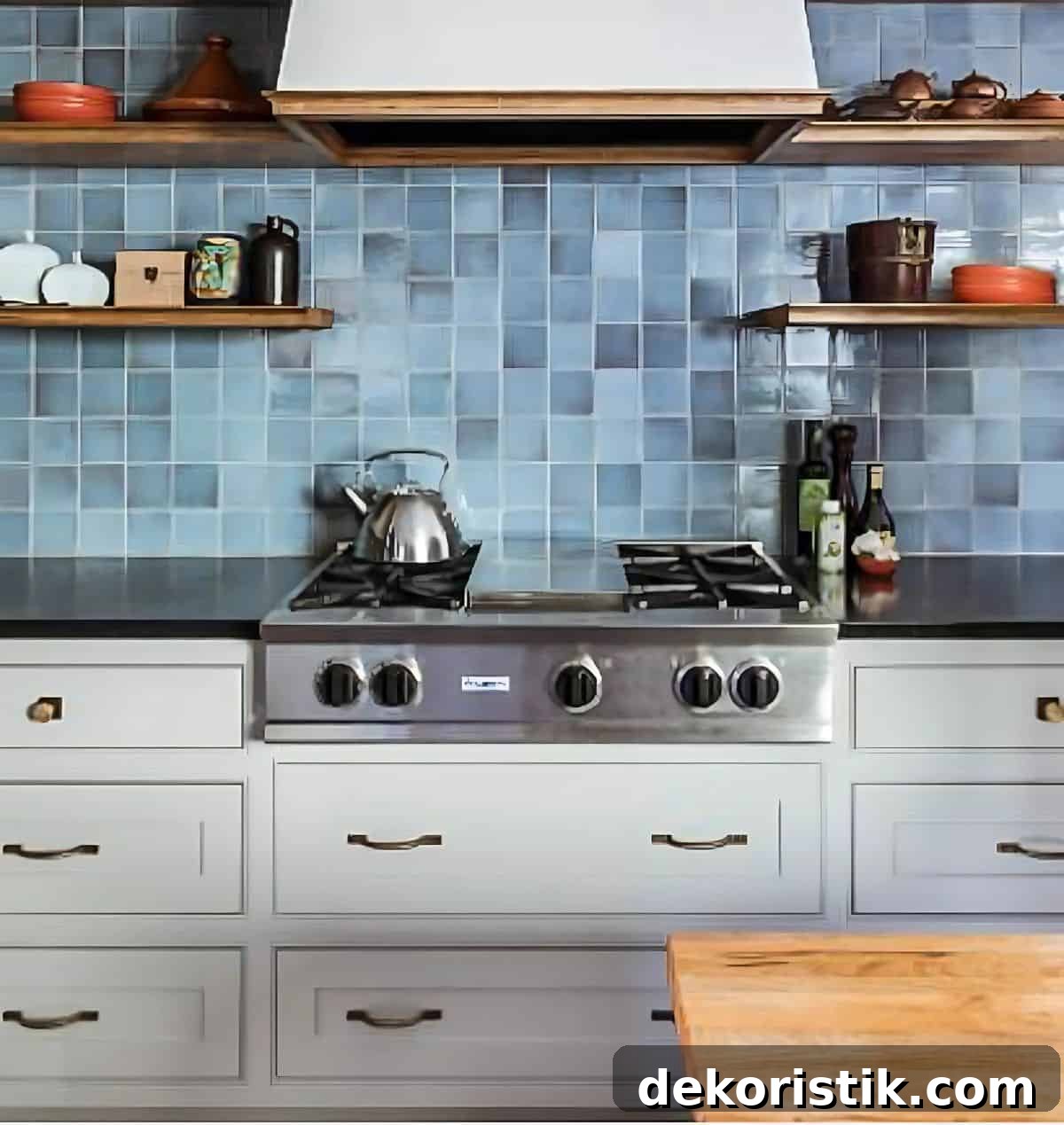
Rockwood Cabinetry via Houzz
Blue tile pairs equally well with light or dark cabinetry and can serve as a focal backsplash or a full bath surround that brightens the space.
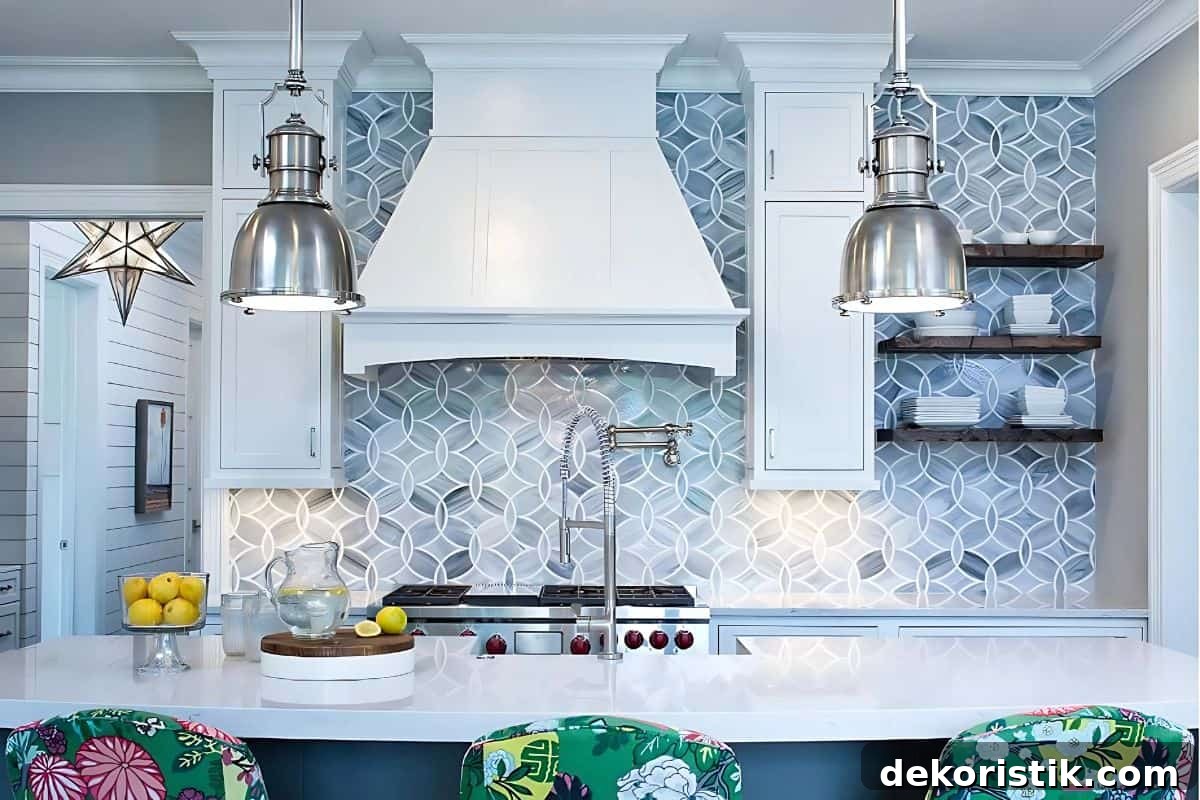
Grace Hill Design via Houzz
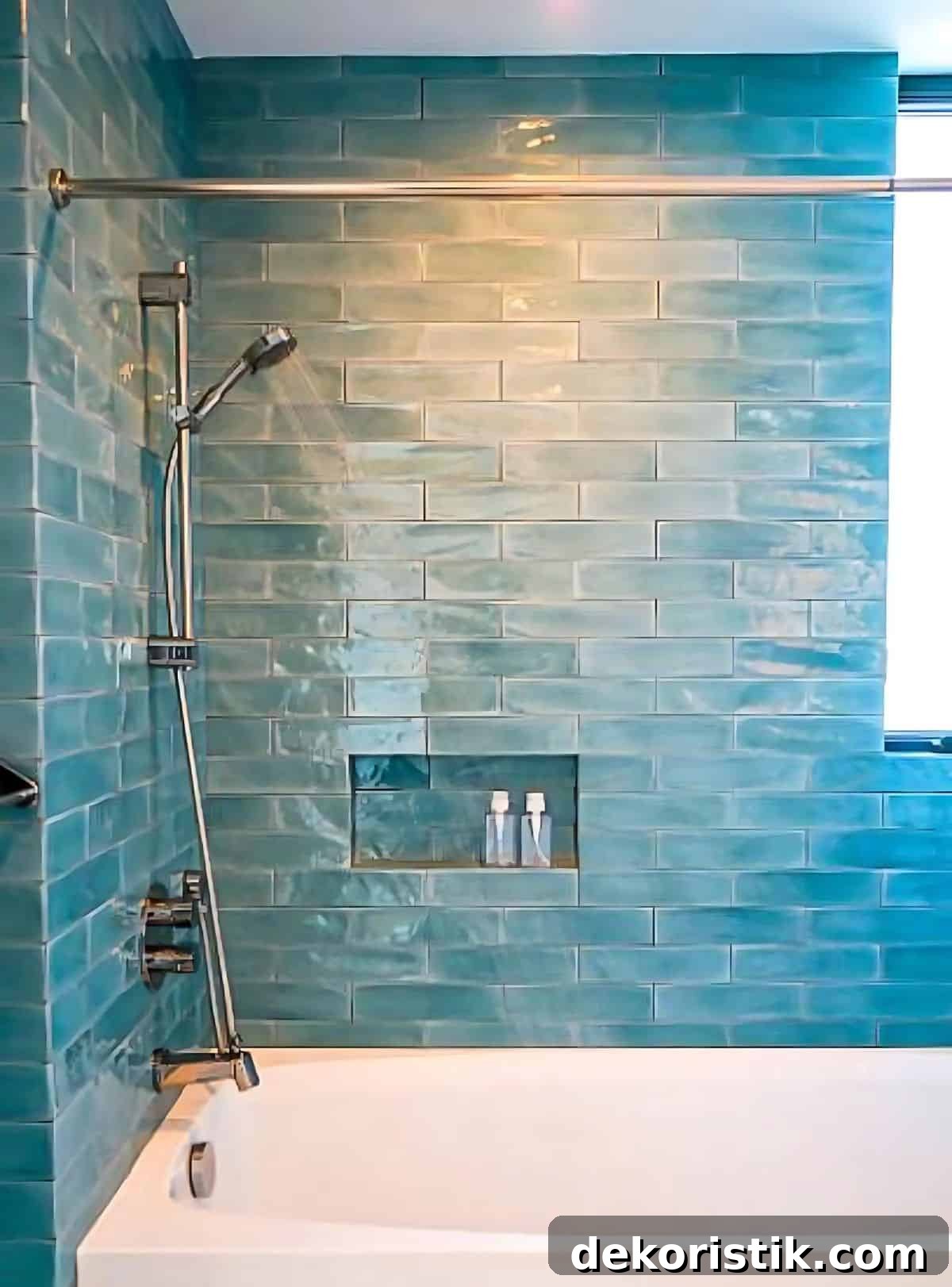
ING Construction via Houzz
Textiles
Textiles are an easy, flexible way to introduce blue. Upholstery, drapery, throw pillows, and area rugs let you test shades before committing to paint or tile.
A pair of blue sofas can anchor a room while remaining sophisticated; smaller accents—pillows, throws, or an occasional chair—are excellent for layered color and seasonal updates.
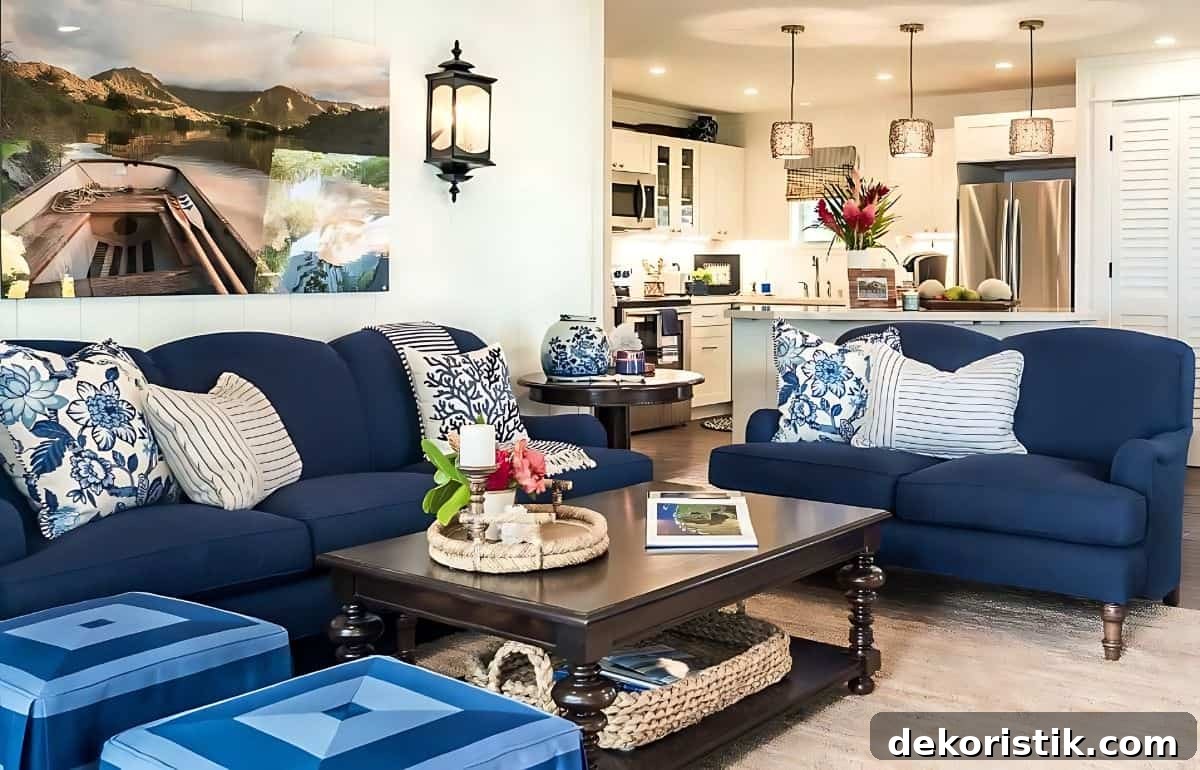
Kathy Ann Abell via Houzz
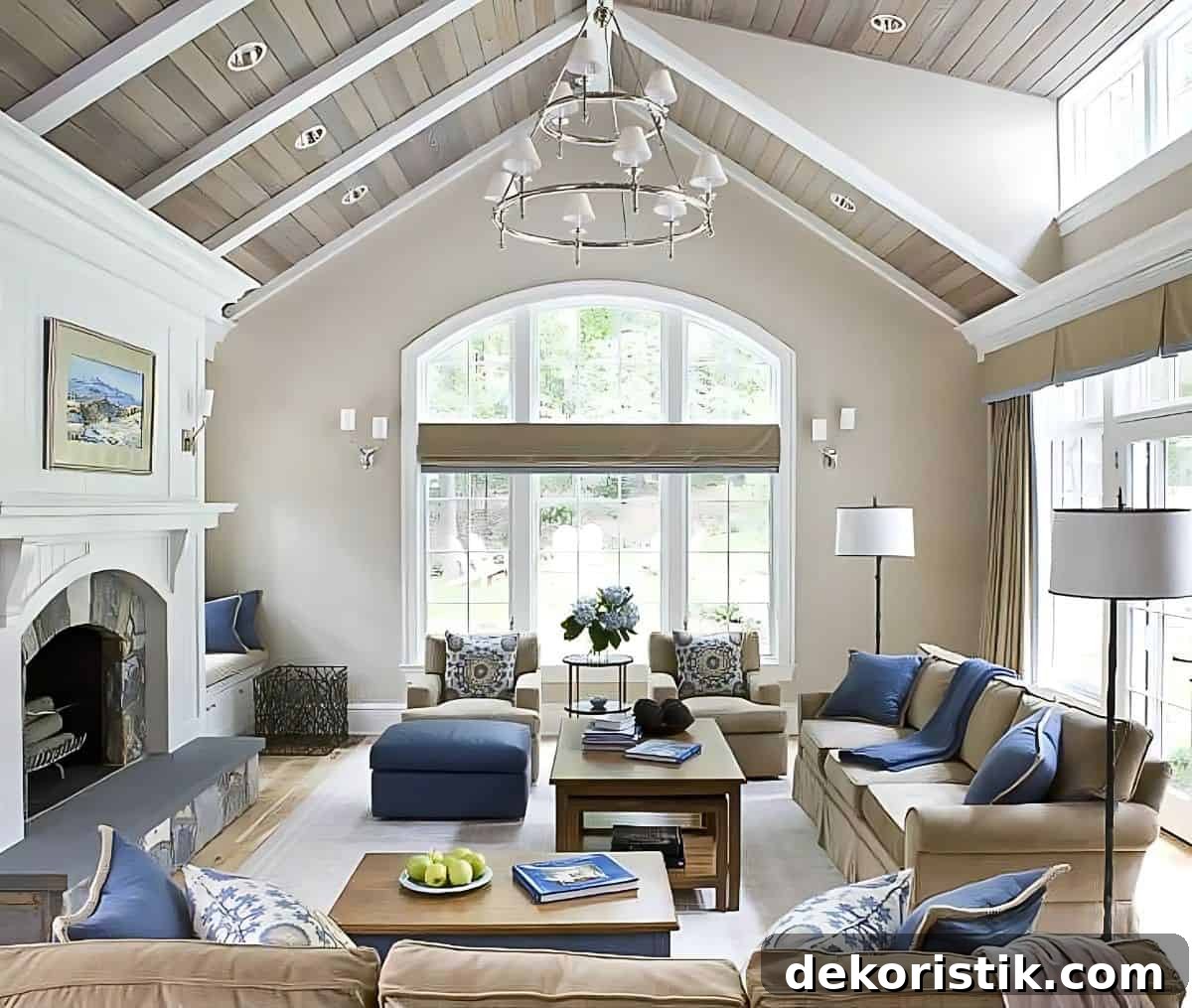
McLean via Houzz
Blending Blue and Gray
Blue and gray complement each other when you match undertones and intensity. Here are practical pairings to guide your choices:
- Light gray with soft blues (sky or powder) for calm bedrooms and baths.
- Charcoal gray with navy for dramatic, sophisticated living or dining rooms.
- Medium gray with vibrant blues like cobalt or cerulean for playful kids’ rooms and creative spaces.
- Dove gray with teal for a fresh contemporary kitchen or bath.
- Slate gray, which often has blue undertones, paired with an ice blue for minimalist or Scandinavian interiors.
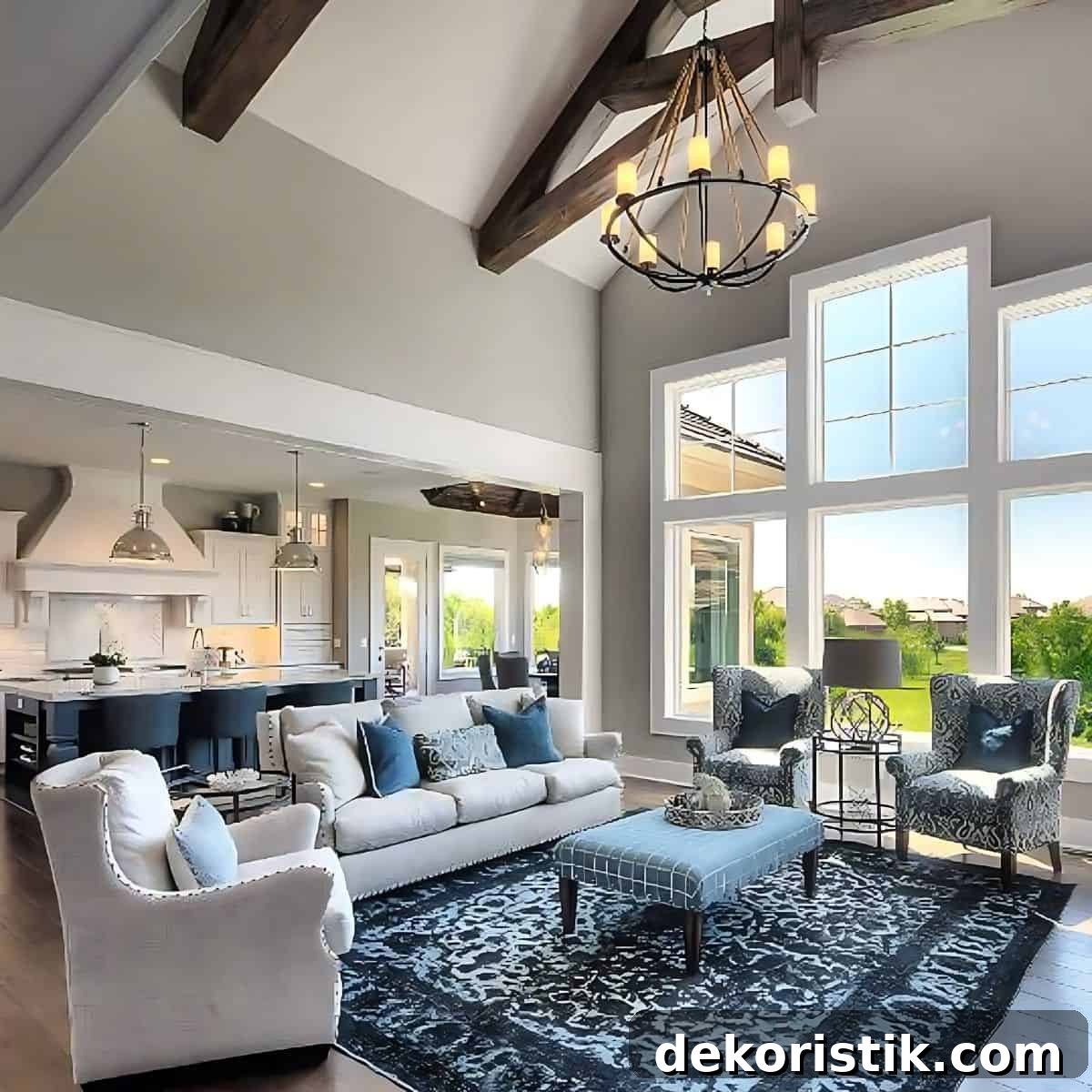
Angela Arnone-Orel via Houzz
Whether you want to fully embrace blue or simply test it in accents, this color offers a flexible, stylish alternative to gray. Thoughtful combinations of shade, texture, and finish let blue function as a modern neutral that refreshes rooms without compromising elegance.
Try introducing blue in one key area first—cabinetry, a tiled backsplash, or a textile anchor—and build your palette from there. The result can be a home that feels both current and comfortably familiar.