
Dining Room Tour: Classic Decorating with Practical Details
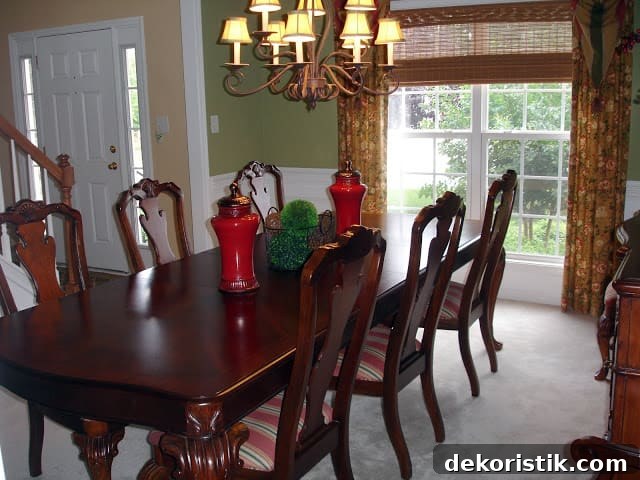
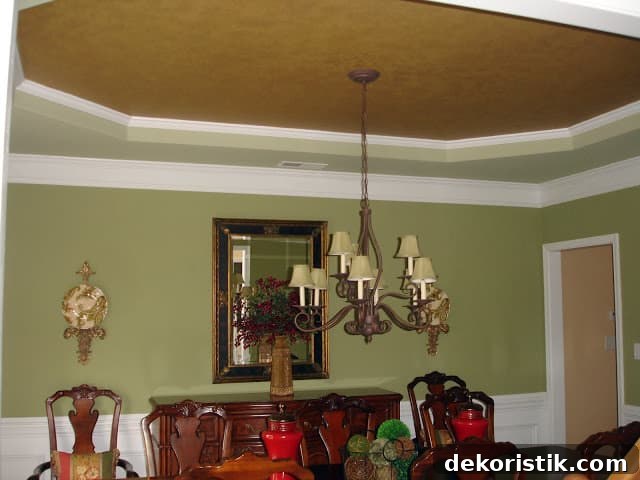
Our dining room sits to the left of the foyer as you enter the front door. The photos show the view from the entryway toward the kitchen and give a clear sense of how the space functions and flows with the rest of the home.
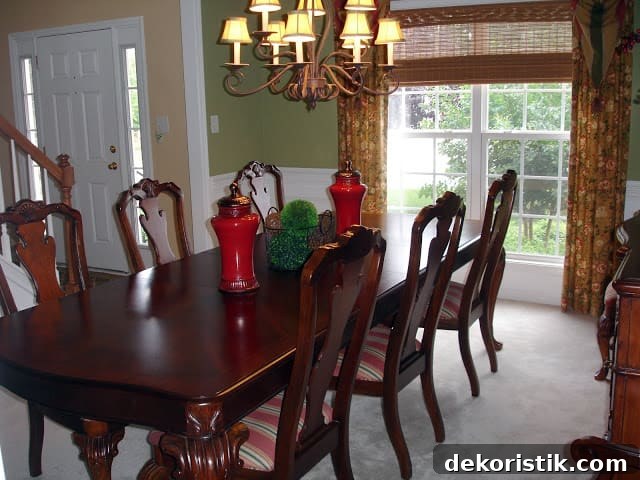
Standing at the front door, you see the dining room layout and the large sideboard that anchors one wall. I’m currently looking for new lamps for the sideboard, having sold my previous pair. I’d also like to update the chandelier shades to better complement the room’s layered textures and finishes.
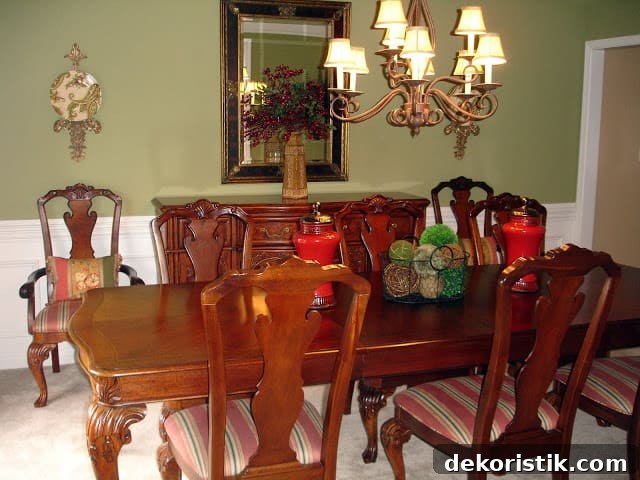
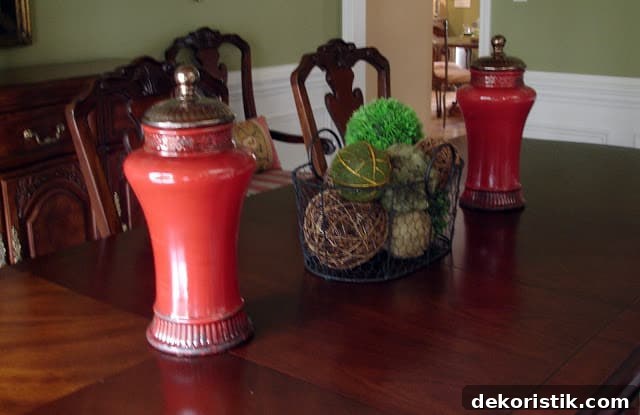
I picked up the ceramic urns at HobLob when they were 50% off, and the wire basket came from the clearance shelf. The decorative balls inside the basket are a mix of ones I made and pieces collected over time. Small groupings like this are an inexpensive way to add texture and personality to a sideboard or console table.
The room features a painted and glazed tray ceiling, which adds architectural interest and depth. It’s subtle in photos but gives the space a more finished, intentional look when you see it in person.
Window Treatments and Visual Cohesion
Like the adjacent living room, this dining room uses woven wood blinds paired with draperies. Both rooms face the front of the house, so repeating the same type of blinds, drapery style, and lining creates a cohesive look from the exterior. Consistency in window treatments is an easy way to improve curb appeal while keeping the interior visually unified.
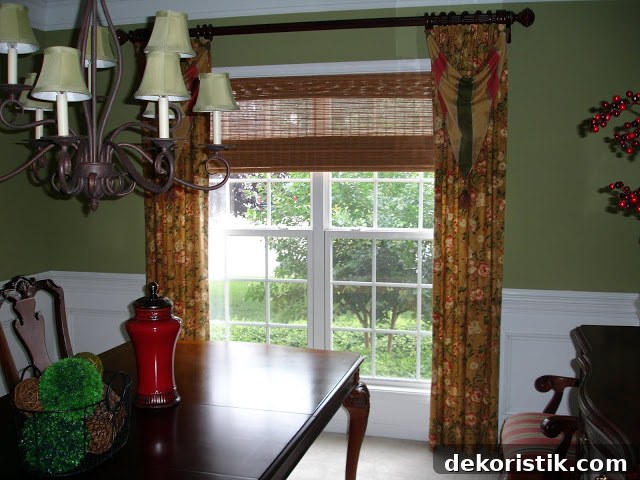
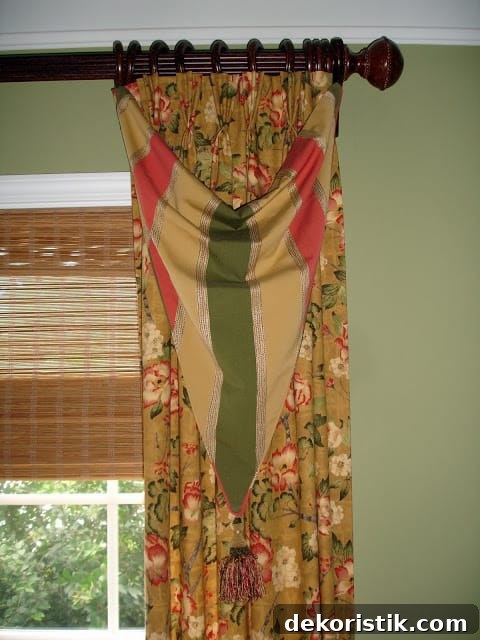
When I found the drapery fabric, it was an immediate favorite. I enjoy mixing patterns within a space, so I used a striped fabric for the pendant-shaped “skirt,” which complements the main drapery textile. The mix creates visual interest without feeling chaotic because the palette remains consistent.
Because the ceilings are nine feet high, I chose large, sturdy drapery hardware so the rods and finials remain in scale with the room. I also mounted the drapery close to the ceiling to emphasize the height and make the space feel taller. These simple choices—scale and placement—can dramatically affect how a room reads.
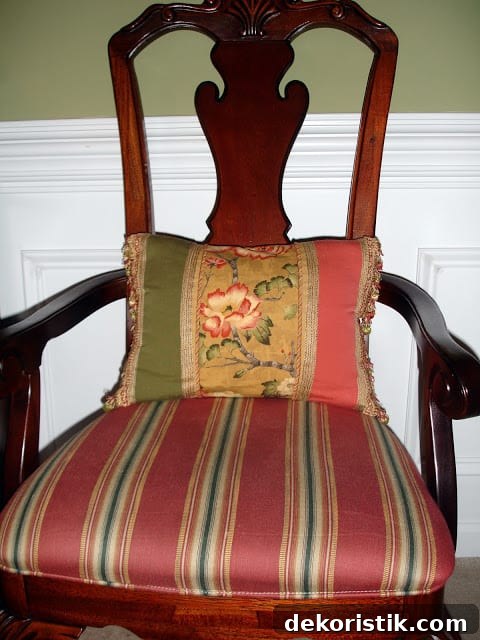
The chair pillows beside the sideboard are sewn from both drapery fabrics. They include a small fringe detail on each side that adds texture—unfortunately the fringe is hard to see in photos, but it’s a nice close-up detail when you’re in the room. Using leftover drapery fabric for accent pillows is a practical, coordinated approach to finishing a space.
On the opposite side of the room, many objects can clutter a camera’s line of sight, but I wanted to highlight a beloved painting by my Auntie Syl that hangs here. Incorporating family artwork adds warmth and a personal story to a formal space like a dining room.
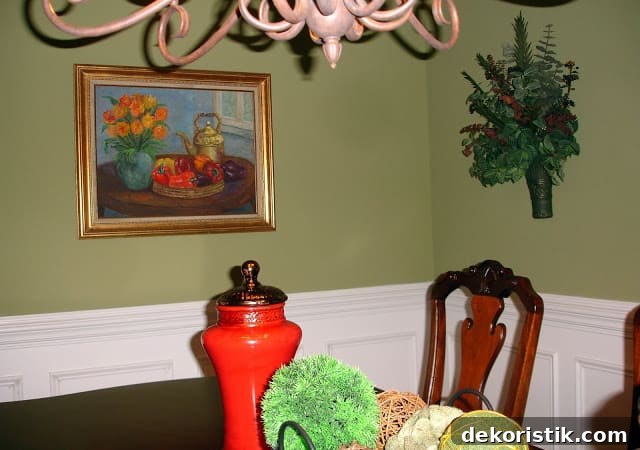
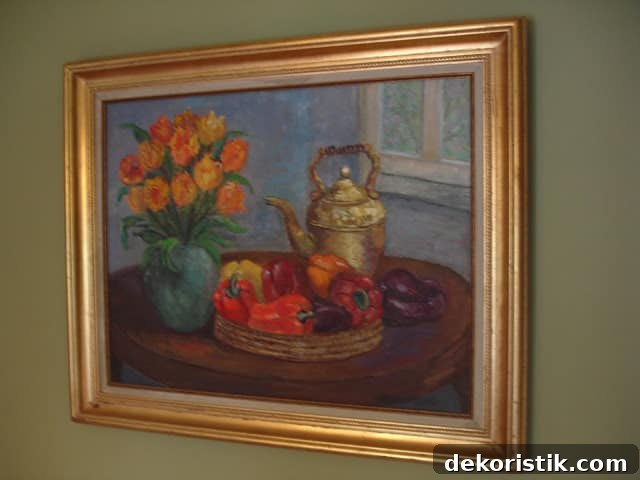
The wall urn arrangement was assembled several years ago and remains a decorative focal point. I sometimes consider removing it to refresh the wall, but it still ties in well with the room’s classic, slightly traditional aesthetic. Small decisions like this—keep or remove—depend on whether you want to refresh the space or keep the familiar elements that make it feel homey.
Unlike the living room, this dining room is used for holiday meals and family gatherings throughout the year. Below is the table set for last year’s Thanksgiving dinner, showing how the room transitions from everyday decor to a festive dining setting. Layered linens, thoughtful centerpieces, and coordinated tableware turn the dining area into a welcoming place for special occasions.

Thank you for taking this tour of the dining room. I hope the ideas shared here—mixing patterns, repeating window treatments for cohesion, paying attention to scale, and including personal artwork—offer useful inspiration for your own decorating projects.