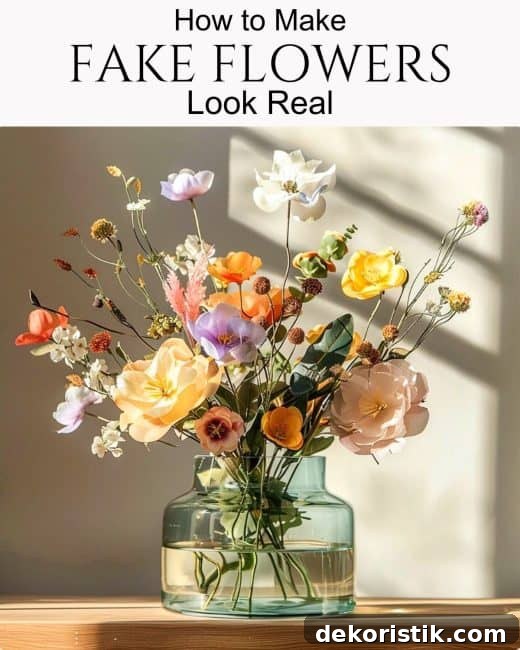
Mastering the Art of Making Fake Flowers Look Real
Master the art of making fake flowers look convincingly real. With a few simple techniques you can create faux floral arrangements that rival fresh blooms. This guide explains which materials look most natural, how to choose and style containers, how to prep and shape stems and blooms, and how to clean, store, and revive your artificial flowers so they look their best for years.
Many people struggle with faux arrangements that look stiff or fake. The key is observation and a few intentional adjustments. Read on for practical, hands-on tips to make your artificial flowers appear natural and effortless.
Where to Start
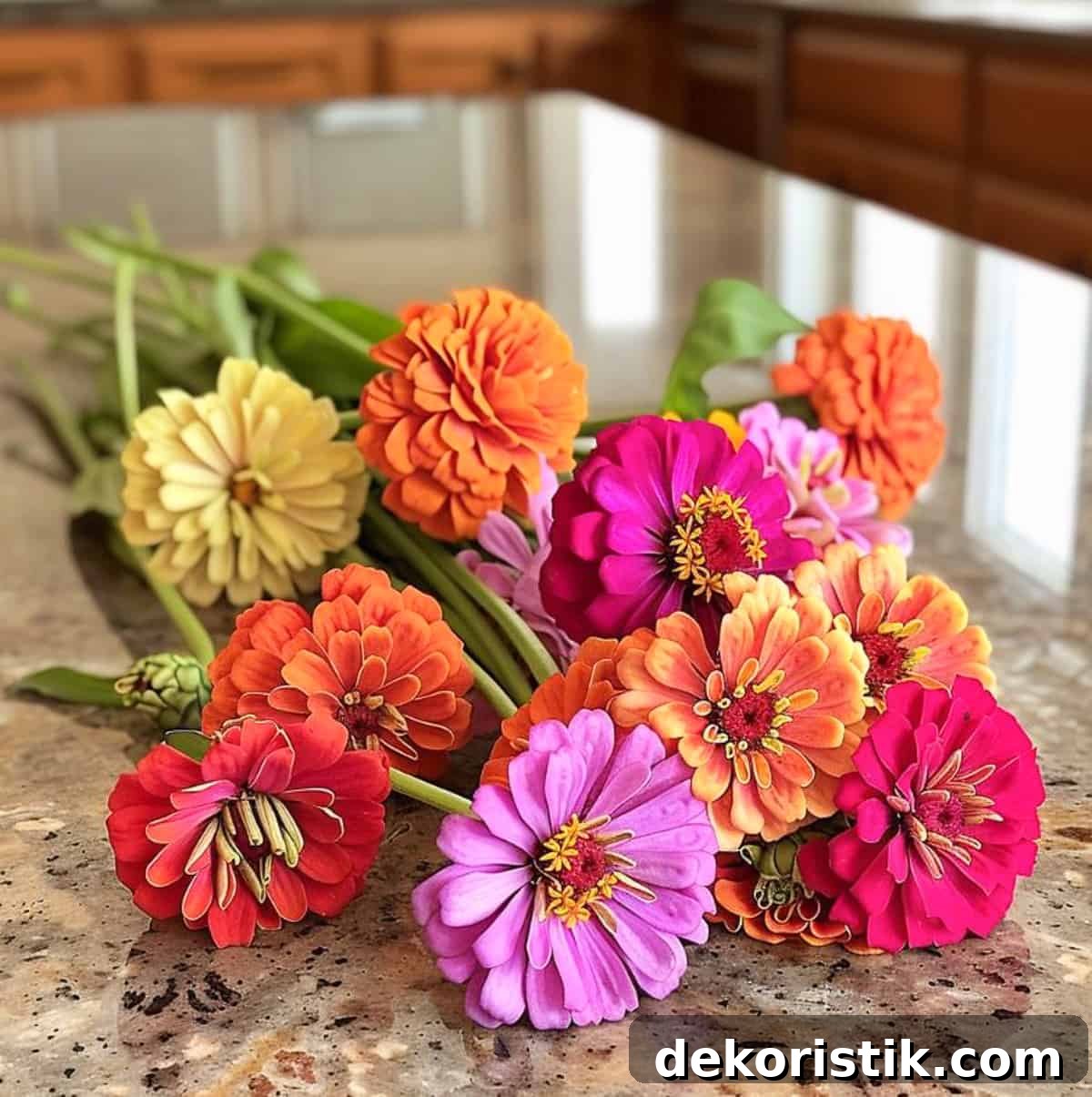
Begin by studying real flowers. Look closely at how petals curl, how centers vary in color and texture, and the irregularities that make blooms authentic. Notice how stems bend, how leaves cluster, and how colors transition across petals. Observing real botanical forms gives you a reference for shaping and arranging faux stems so they read as natural at a glance.
What Is the Best Material for Fake Flowers?
Faux flowers are made from many materials, and each affects realism and durability. Silk is often the most lifelike and can be pricier, while polyester and high-quality fabrics can look very convincing at a lower cost. Other common materials include latex (for tactile realism), plastic (durable but often shiny), paper (for delicate handcrafted looks), foam (for shaped blooms), and wax-coated finishes (to mimic dewy petals).
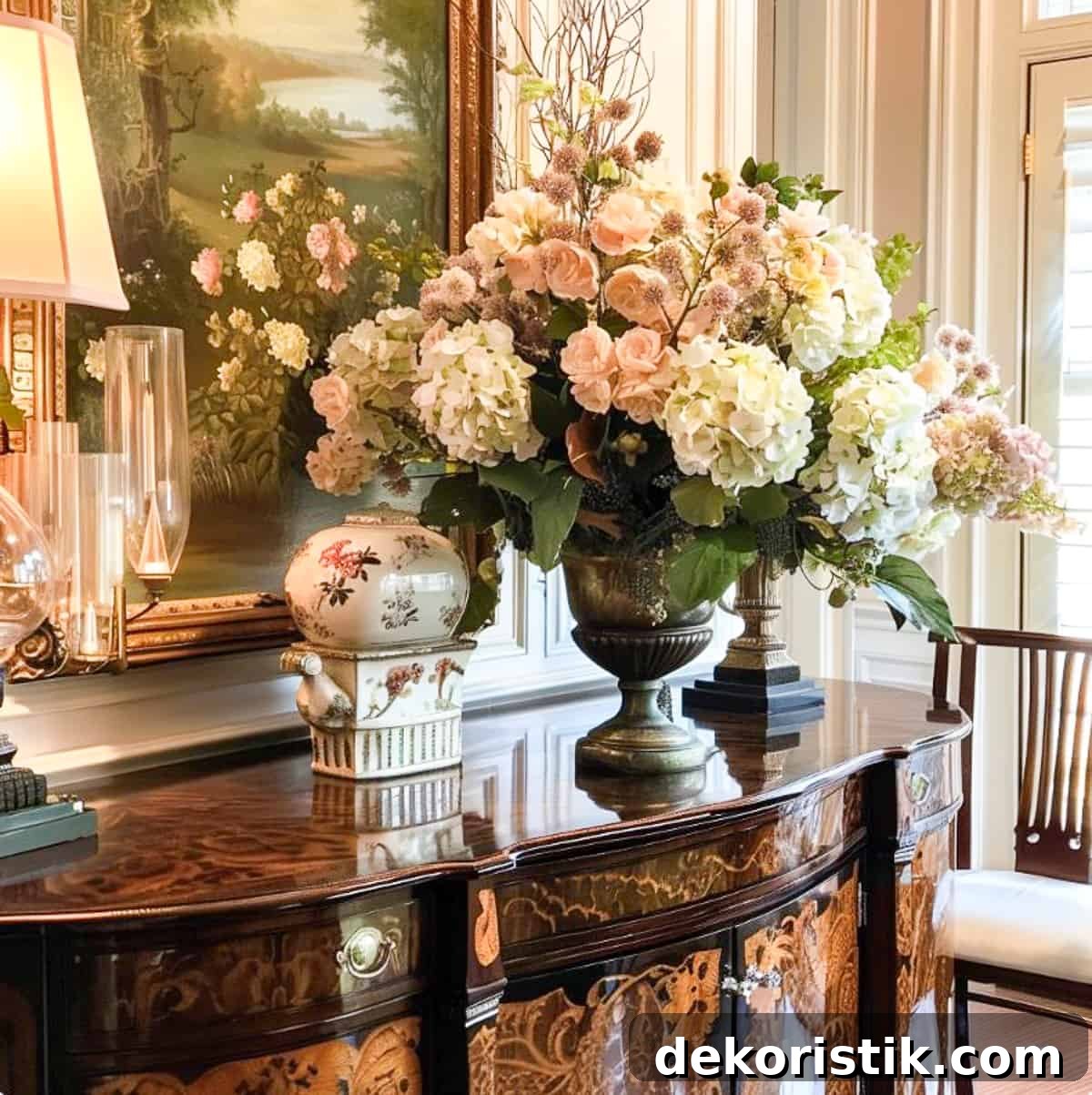
- Silk: Delicate, soft, and often the most realistic.
- Latex: Lifelike texture and fine details.
- Plastic: Durable, best used where structure is needed but avoid overly shiny finishes.
- Polyester: Versatile and commonly textured to mimic petals.
- Fabric: Varies widely—some fabrics look very natural.
- Paper & Foam: Great for crafted or shaped designs.
- Wax-coated: Adds a soft sheen like dewy petals.
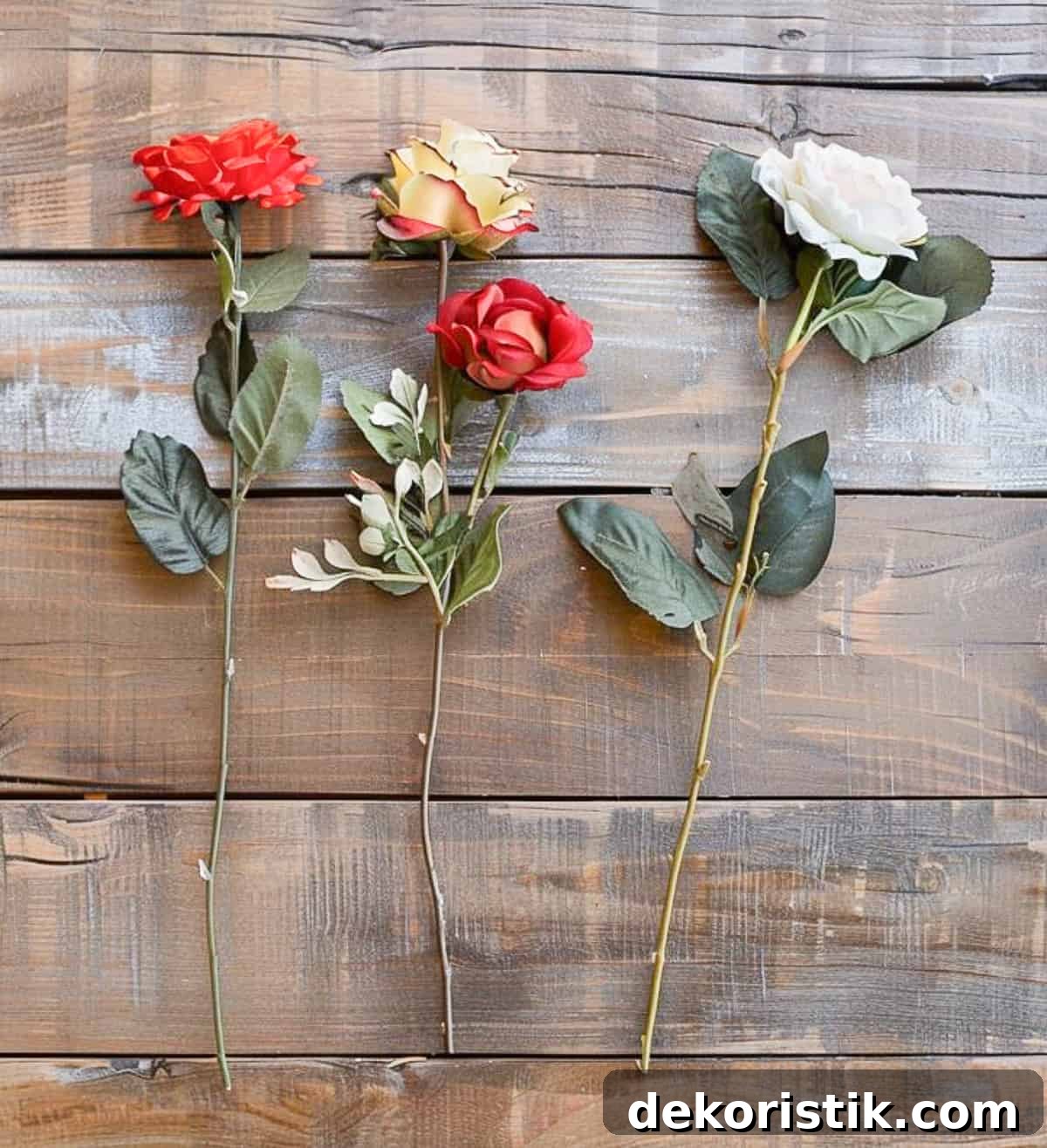
Silk and well-made polyester stems often look very similar to each other. Plastic parts—especially glossy petals and leaves—tend to read as less authentic. Ultimately, choose materials that fit your desired look and how much handling or exposure they will receive. Tip: select stems with flexible, bendable wires so you can shape them.
Types of Containers to Use for Fake Flowers
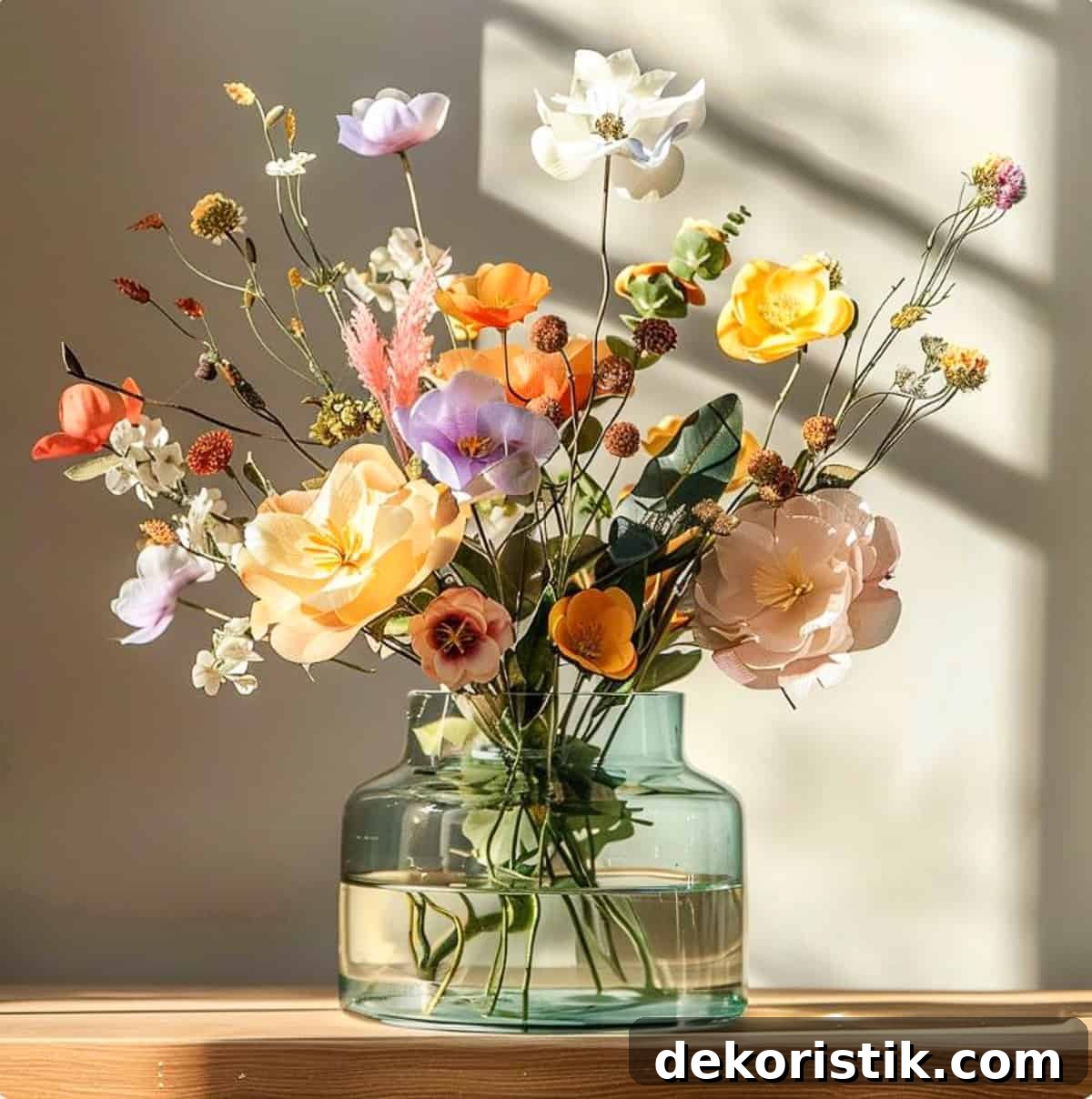
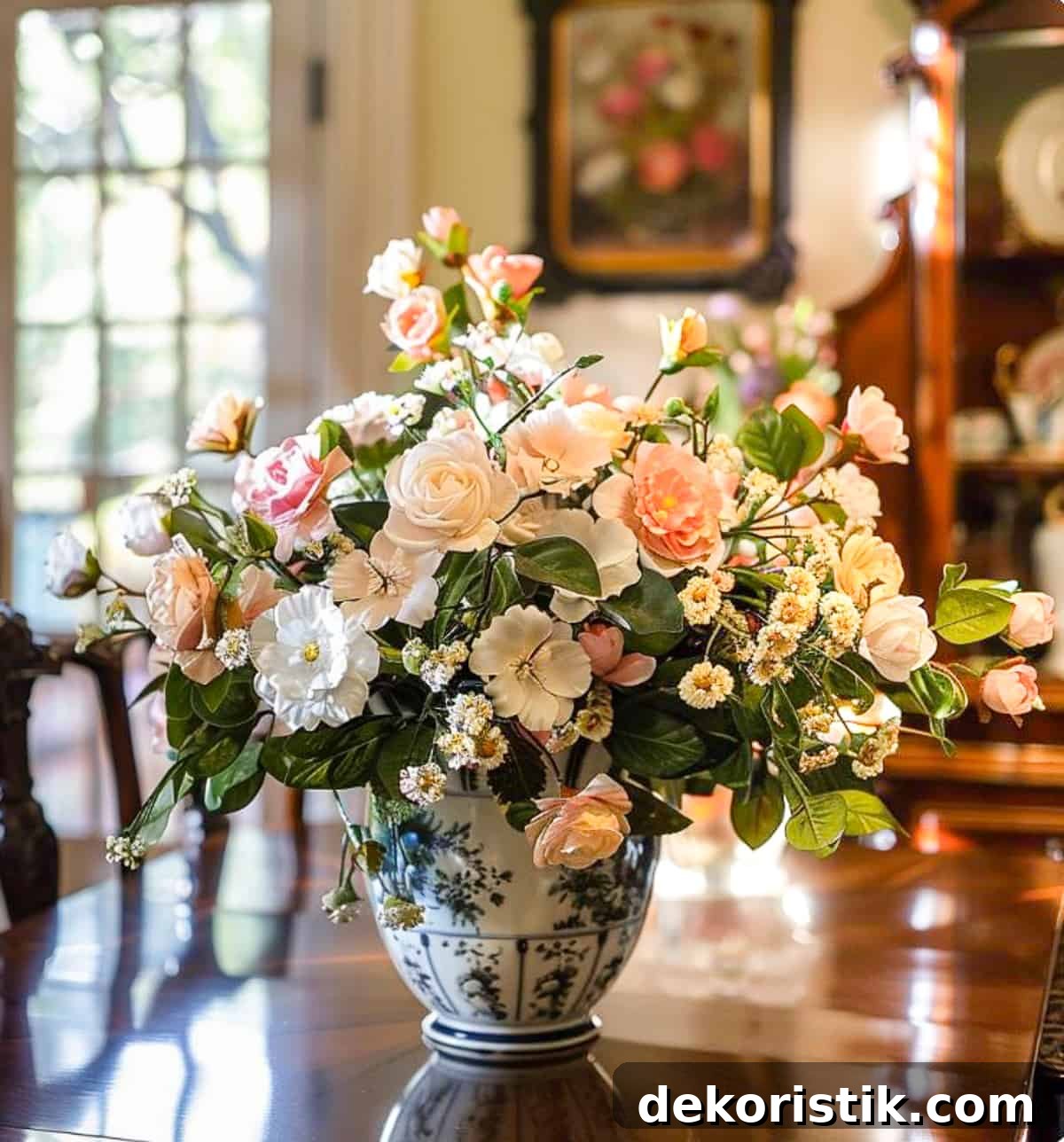
The container frames your arrangement, so choose one that enhances the flowers rather than distracting from them. Clear glass vases show stems and add an airy, elegant feel—try adding a bit of faux water effect for realism. Ceramic vessels offer a softer, more grounded look. Cachepots, ginger jars, and oblong containers can create distinctive centerpieces.
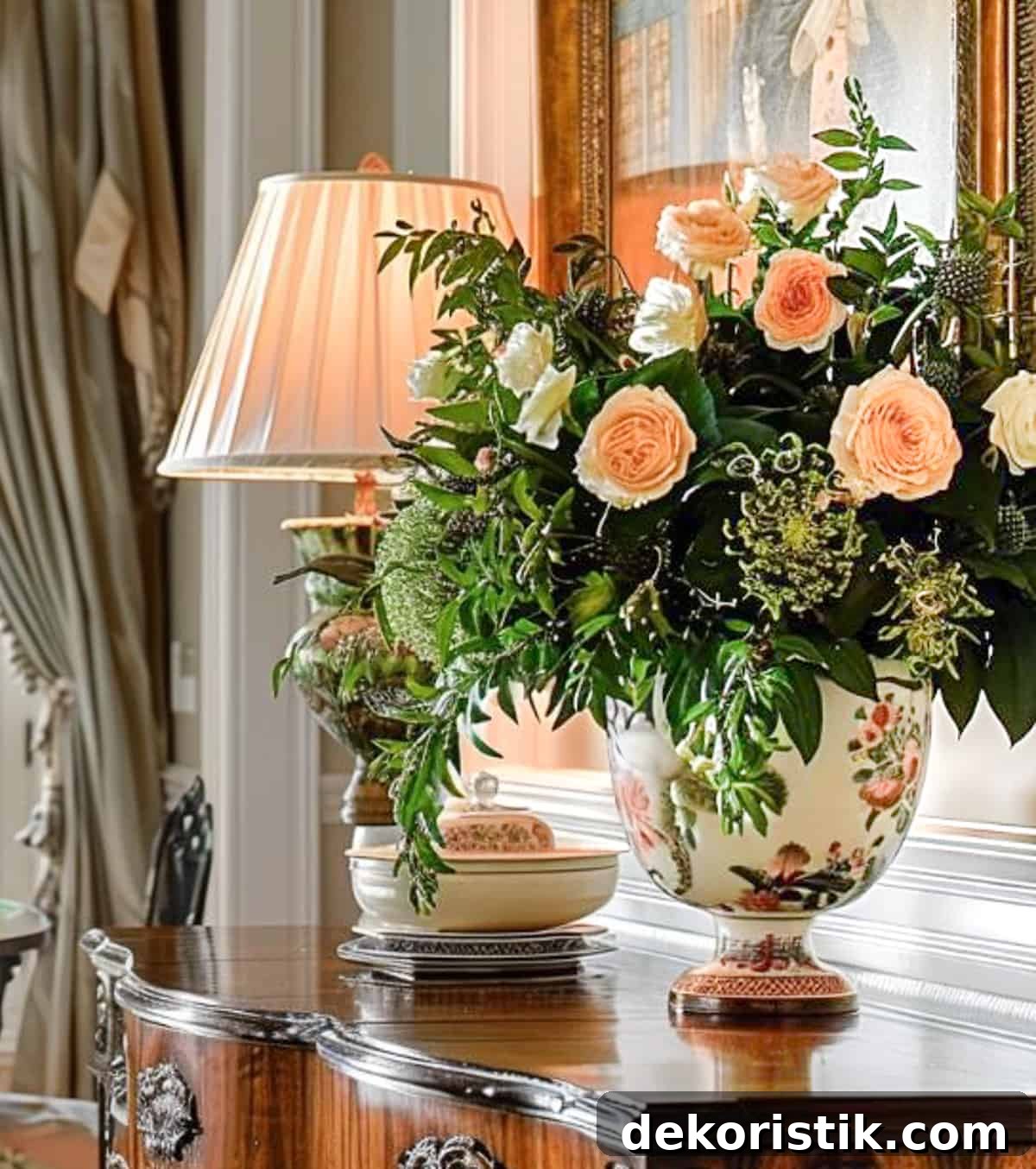
When the container has bold patterns or multiple colors, pair it with simpler, solid-colored flowers to avoid a busy appearance. Conversely, a plain container will offset multicolored blooms nicely. Remember: balance the container and the flowers so they complement one another.
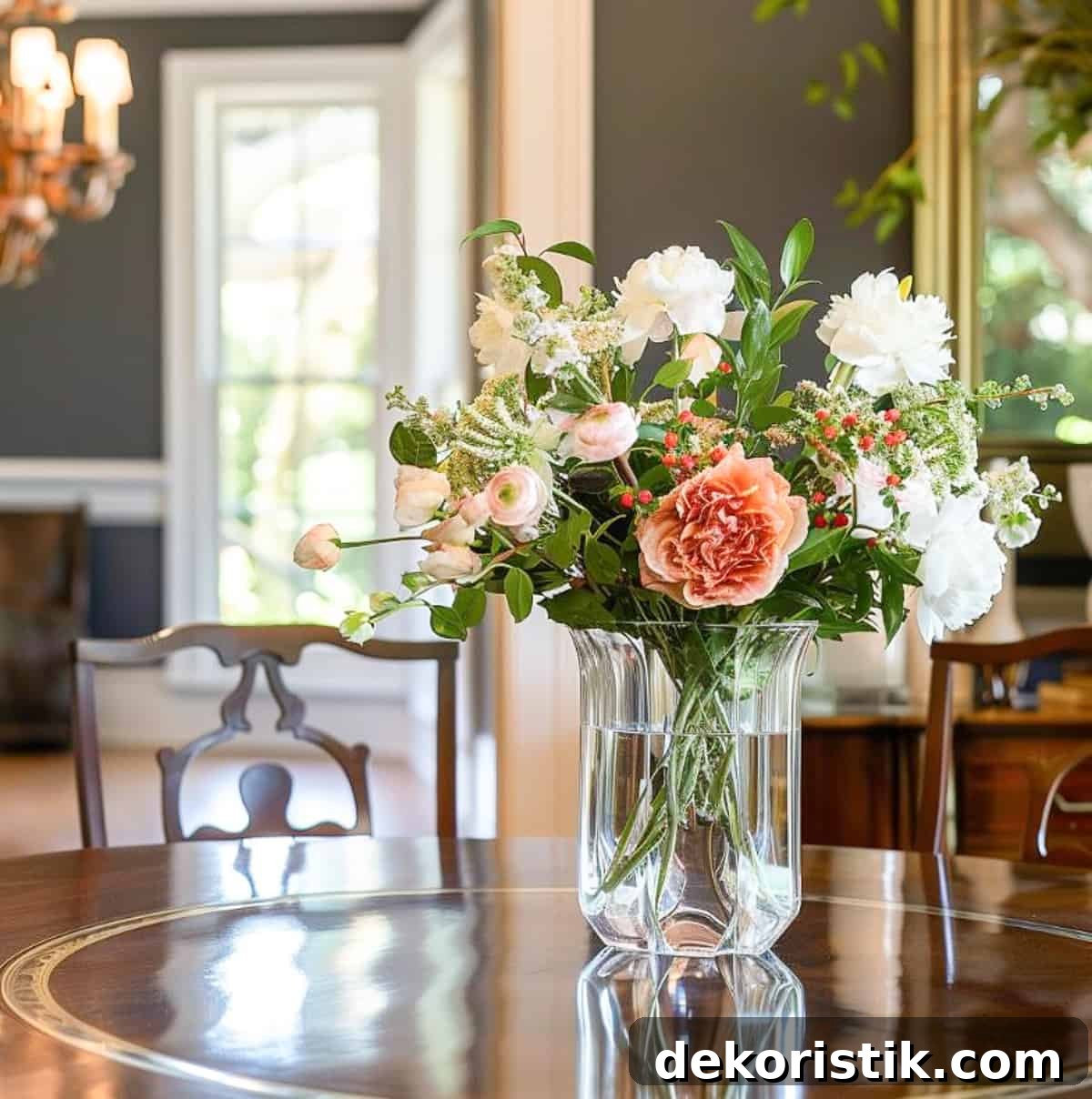
Tip: For a more convincing look in a glass vase, add a small amount of water or a water-like filler to visually anchor the stems.
Prep the Stems and Blooms
Decide the correct stem length for the vessel. A good rule of thumb is stems that are one-and-a-half to two times the height of the container, but adjust to suit your desired silhouette. If stems are too long, trim them with wire cutters or bend the ends to shorten them visually.
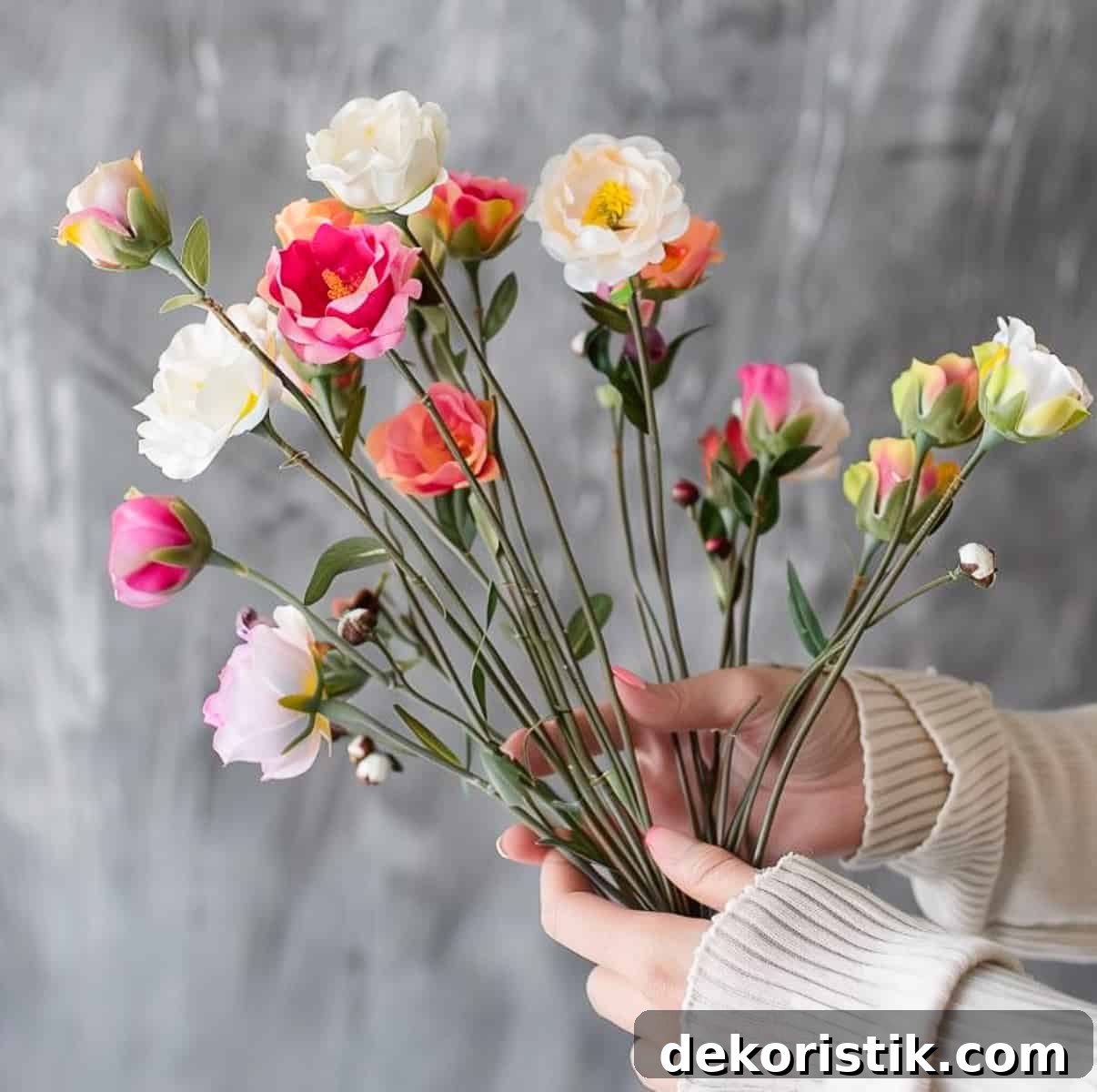
To make blooms look open and natural, hold a stem upside down and gently spin it between your hands to loosen the petals. Reshape flattened or creased petals and leaves by hand. A low heat from a hair dryer (on cool/low) can make materials more pliable for careful reshaping; see the reviving tips below for more detail.
The #1 Secret for Long Stems
Long branches and stems—like forsythia or cherry branches—look most real when they mimic natural growth: some stems reach upward, others arch or droop slightly under their weight. Buy stems with flexible wire cores so you can introduce subtle bends, twists, and asymmetry. Small irregularities create a casual, organic appearance.
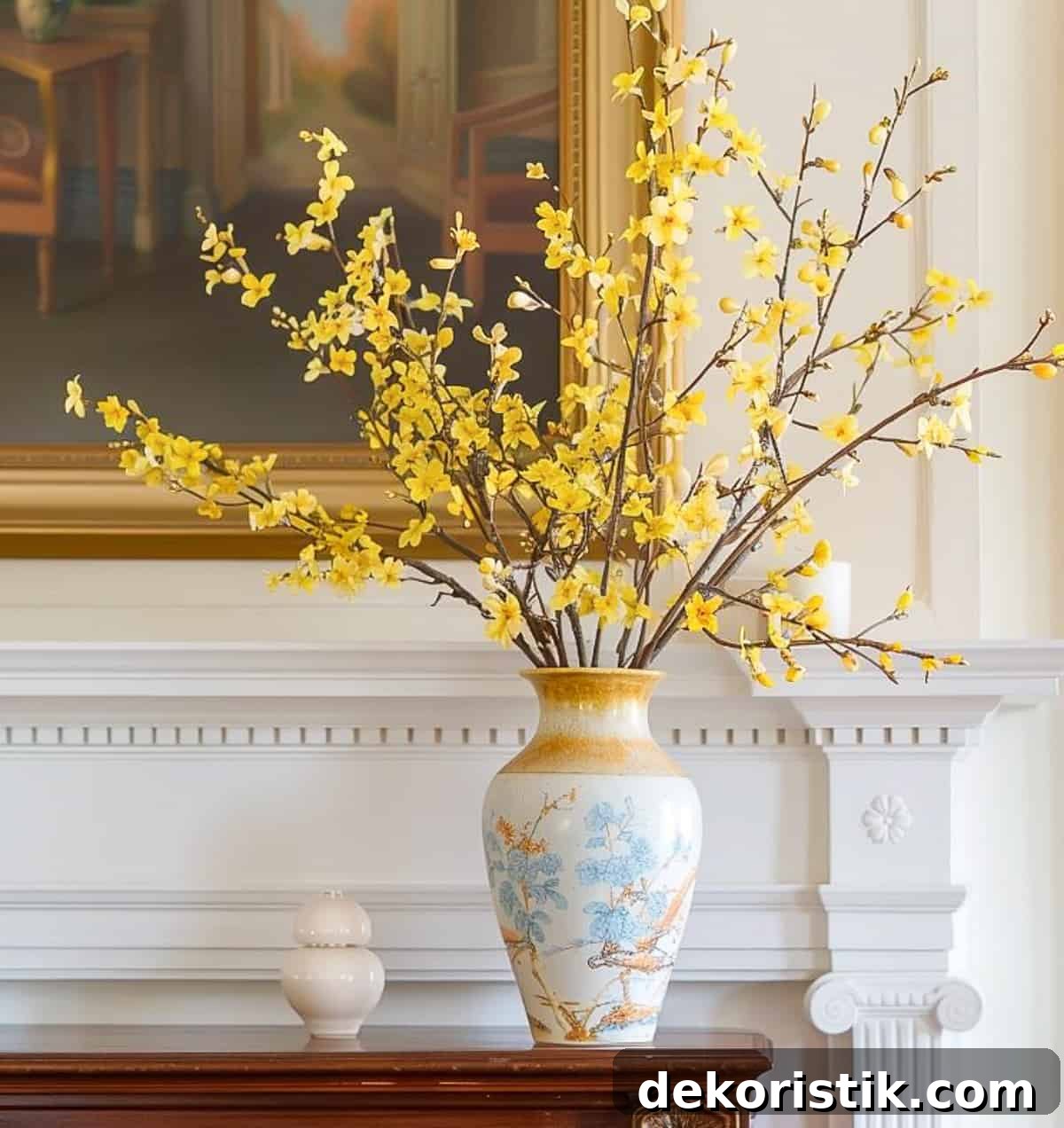
Gently bend and separate stems, and spread clusters of leaves and blooms so they have room to be seen—avoid rigid, perfectly straight stems.
How to Care for and Clean Artificial Flowers
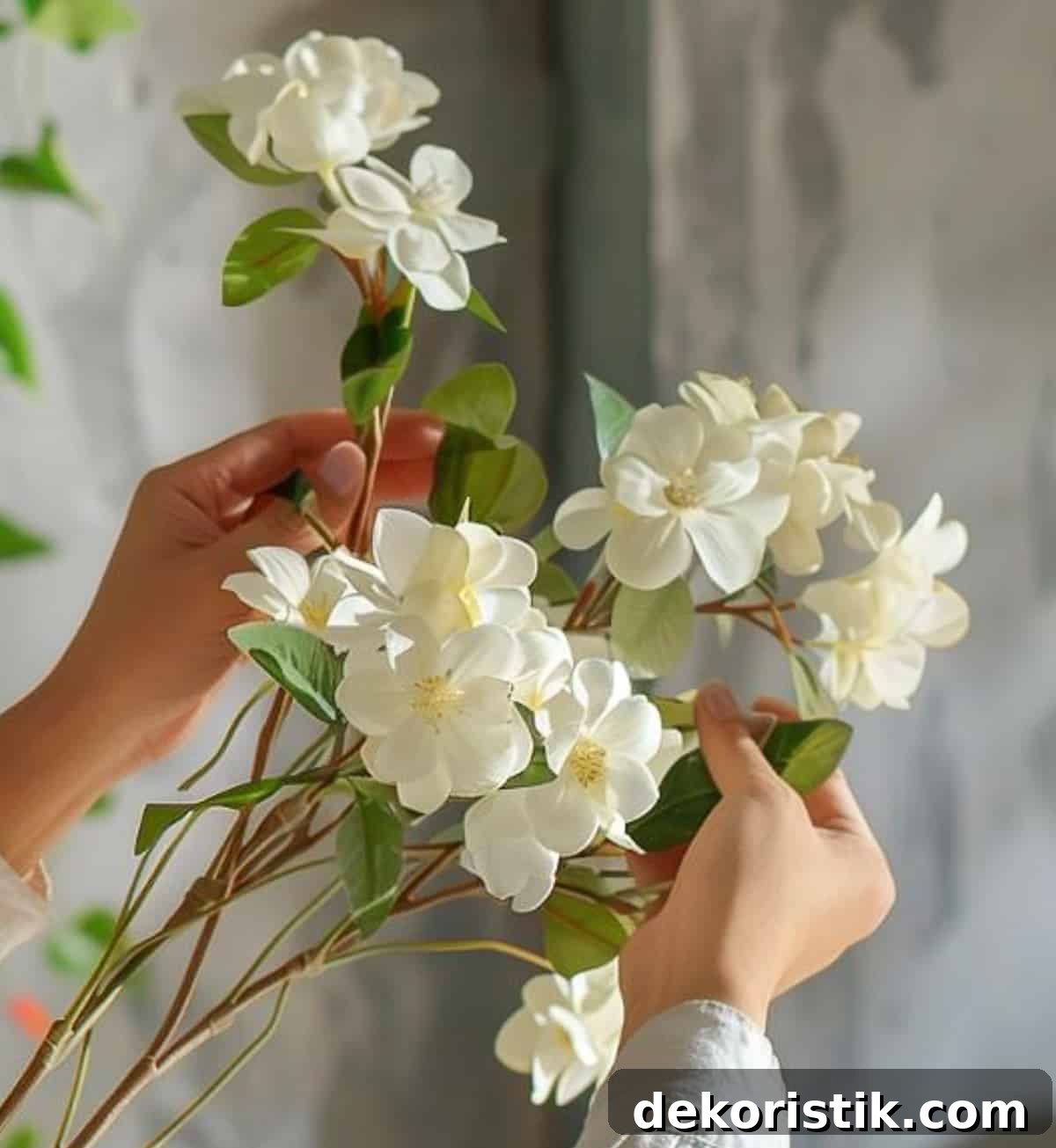
Light maintenance keeps faux florals looking fresh. Avoid placing them in direct sunlight to prevent fading. Dust regularly with a soft brush or use a hairdryer on a cool setting to blow away dust. For heavier dirt, a gentle wipe with a damp cloth works; some sturdy stems can be rinsed under a gentle stream of water, but do so only if the material and construction can tolerate moisture.
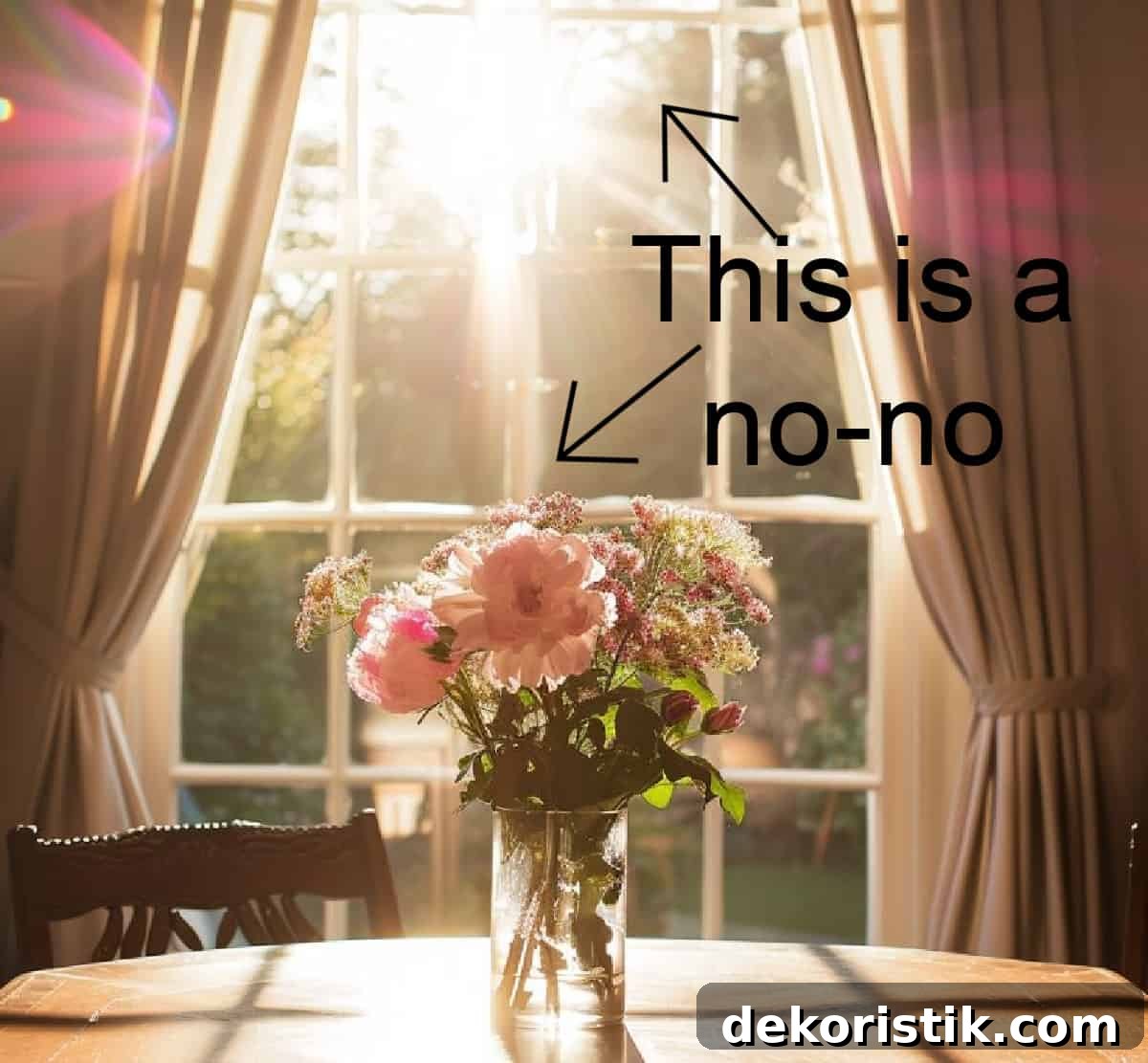
Regular cleaning preserves color and texture so your arrangements continue to look like they were just picked.
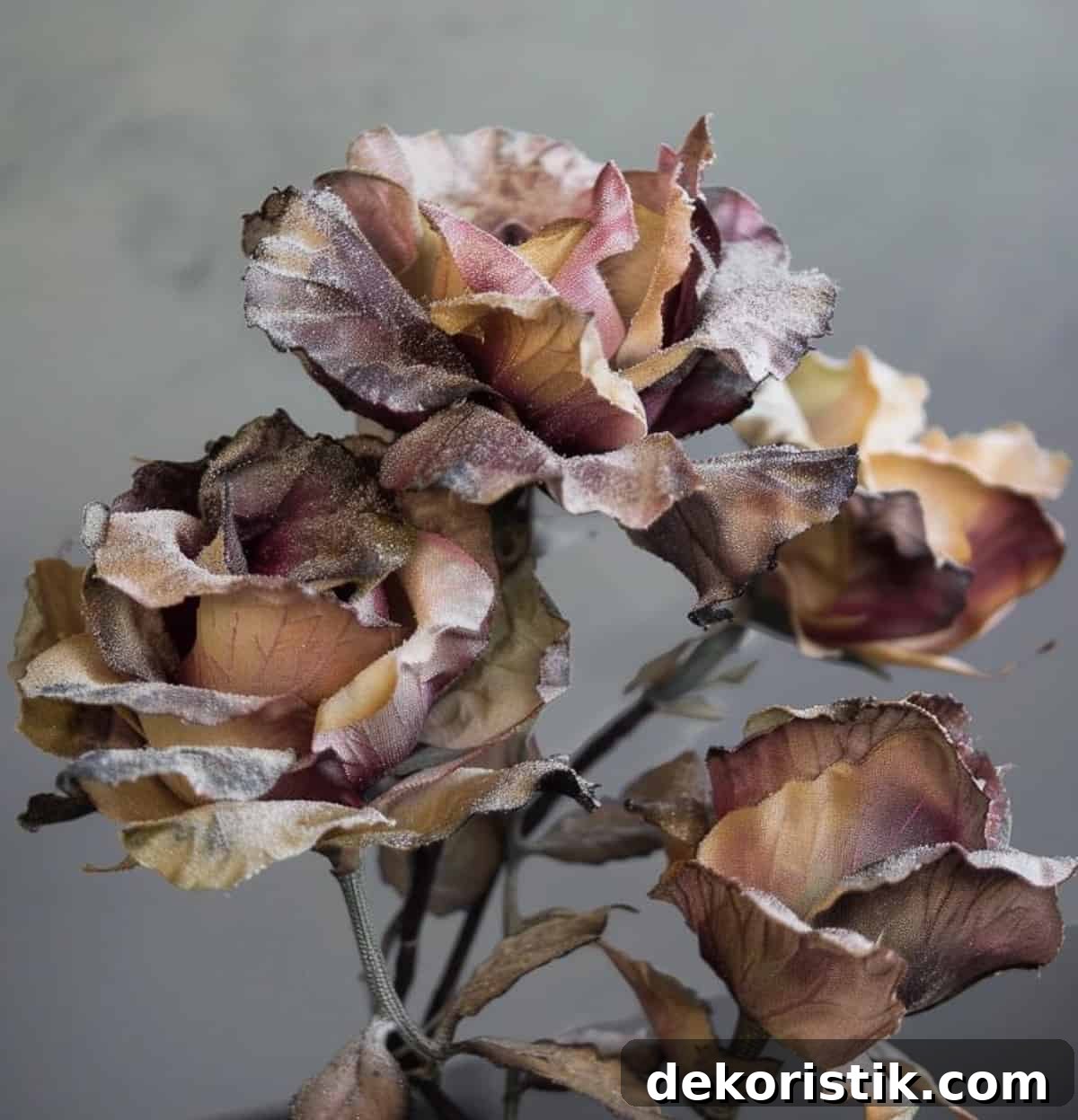
Where to Find Quality Artificial Flowers and Greenery
Finding realistic faux flowers often means prioritizing quality over the lowest price. Good manufacturers invest in realistic materials and detailed construction. Popular sources for lifelike stems range from high-end silk specialists to mainstream craft retailers and online marketplaces. When buying online, check customer reviews and photos to verify realism. Below are some commonly referenced sources and a general pricing note.
- Silks Are Forever — high-end silk florals (higher price range)
- Nearly Natural — realistic artificial plants and botanicals (mid–high price range)
- Afloral — wide selection with an emphasis on realism (mid range)
- Prestige Botanicals — crafted artificial flowers with a luxury focus (mid–high)
- Independent designers and small makers — can offer unique, realistic stems (varied pricing)
- Local craft stores and large retailers — good for affordable options, especially on sale
- Online marketplaces — convenient and varied; prioritize sellers with strong reviews
How to Store Faux Flowers
Store faux stems in a dry place out of direct sunlight to avoid fading. If possible, keep them in their original packaging or under a soft, breathable cover to prevent crushing. When stacking, do so with minimal pressure to avoid deforming petals and leaves. Clean and dry flowers before storing to eliminate dust and preserve their appearance.
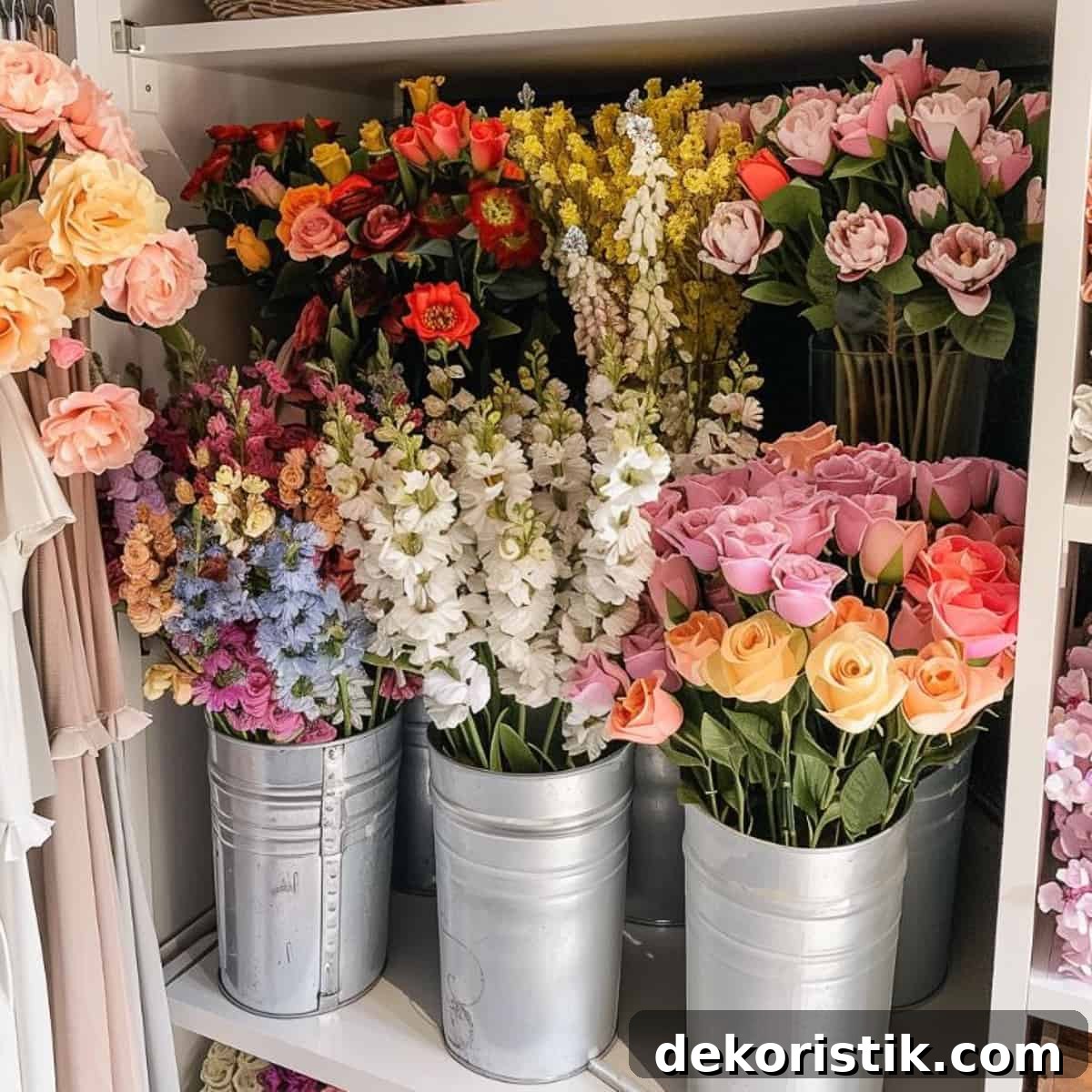
Some people store stems in attics or other warm places without issue, but prolonged high heat or humidity can affect certain materials—use your judgment based on the product.
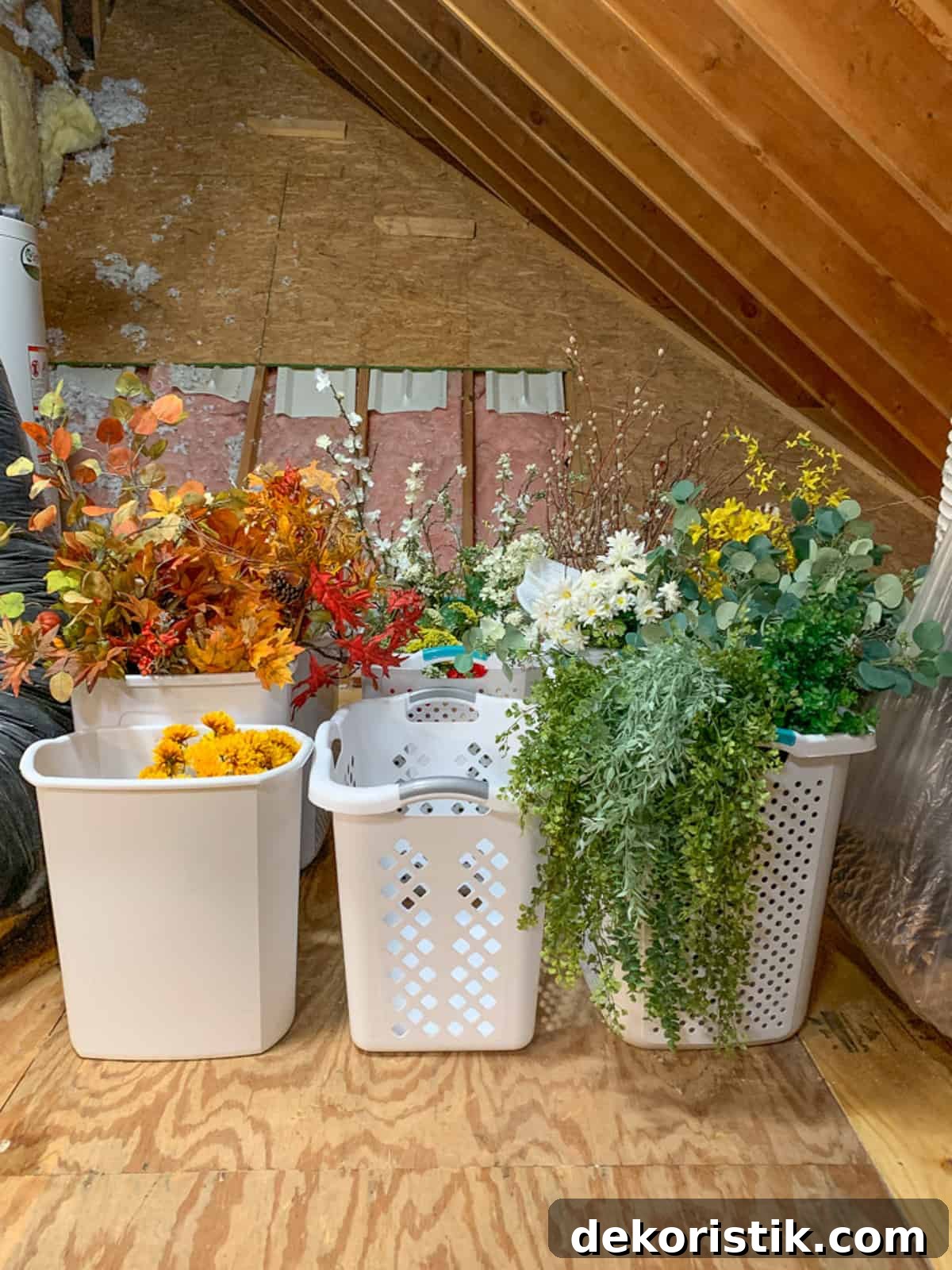
How Do You Revive Tired Fake Flowers?
Crushed or wrinkled flowers can often be revived. Gently reshape petals and leaves with your hands, fluffing and separating them for a natural look. A hair dryer on a low, warm setting can help soften materials for reshaping. For very wrinkled items, light steam may relax fibers—take care not to saturate or overheat delicate silk.
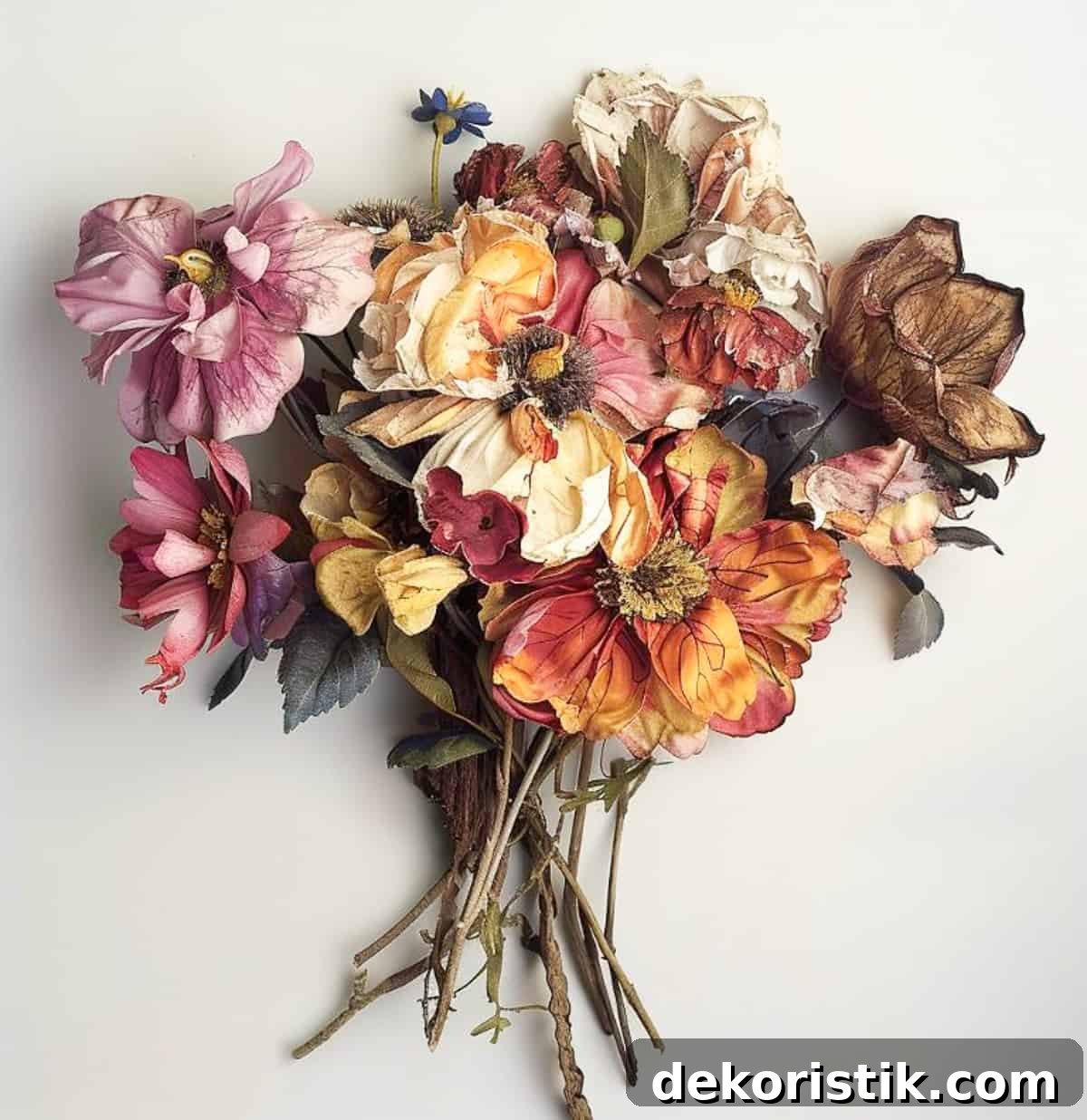
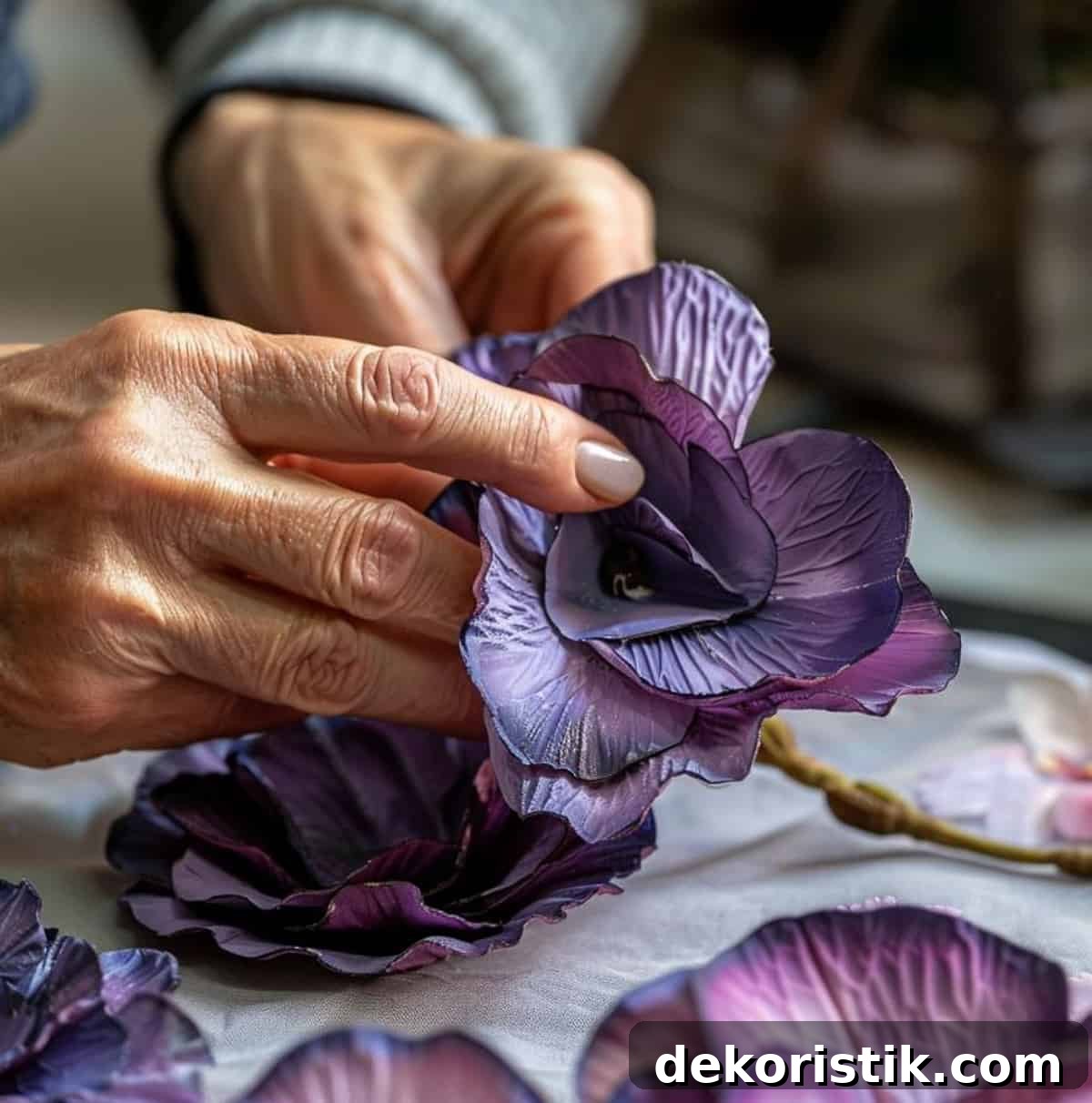
After reshaping, allow items to cool and settle. Repeat gentle adjustments until the silhouette reads as natural.
What to Avoid
To keep arrangements realistic, avoid these common mistakes:
- Avoid overly bright, unnatural colors that read as artificial.
- Avoid high-gloss plastic petals and leaves that reflect light unnaturally.
- Don’t crowd blooms too tightly—real flowers need space to breathe.
- Resist perfect uniformity; natural groupings are slightly irregular.
- Keep arrangements clean—dust quickly makes faux flowers look fake.
- Be cautious with artificial scents; many scented products can feel perfumed and inauthentic.
With these simple techniques—choosing the right materials, shaping stems, using balanced containers, and keeping your florals clean—you can create arrangements that look fresh and natural without the upkeep of real flowers. Fluff the petals, tweak the stems, and arrange with intention: the result will be beautiful, long-lasting decor that feels effortless.