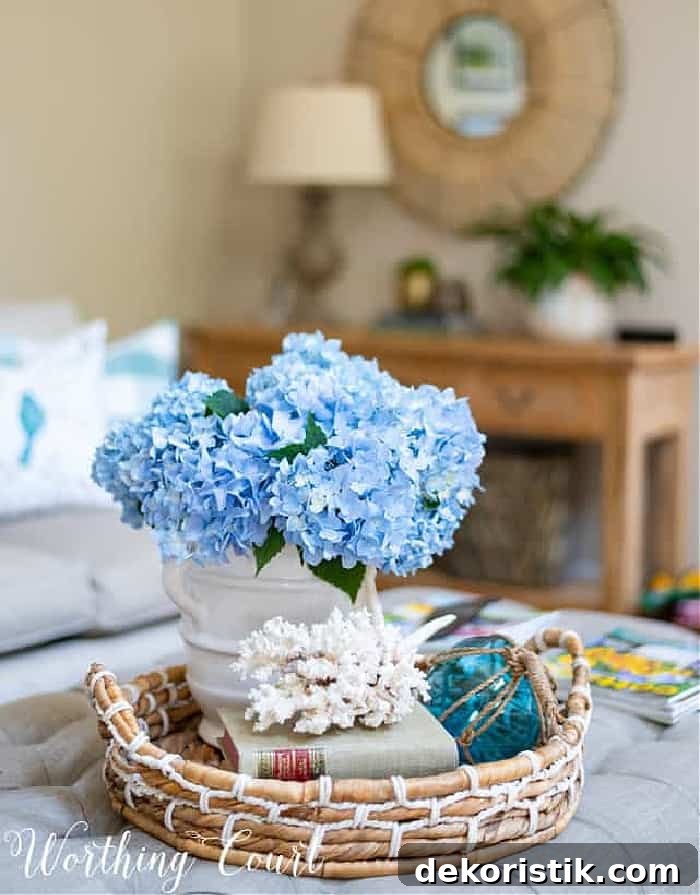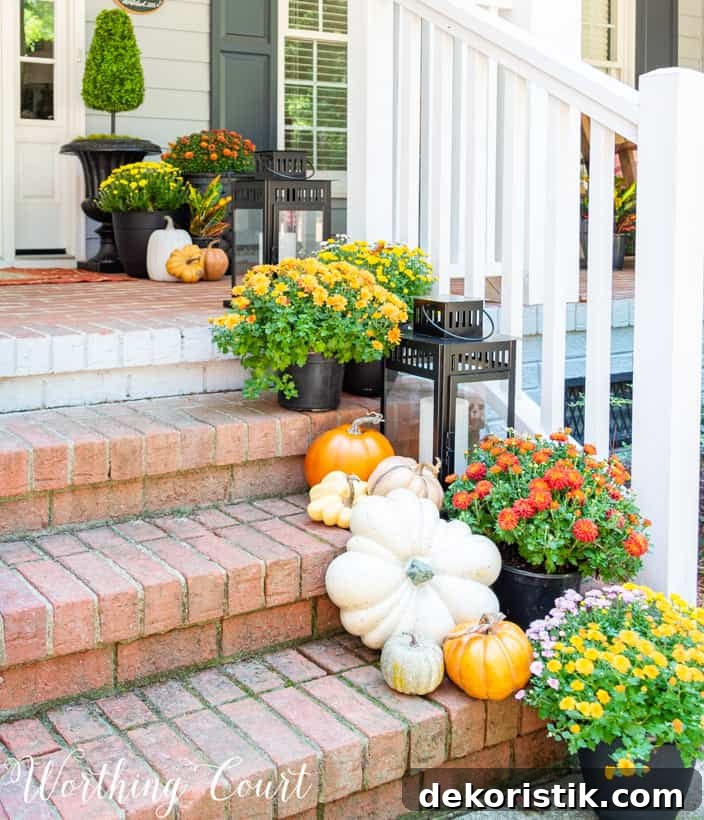
Refresh Your Home Decor: How to Break a Decorating Rut

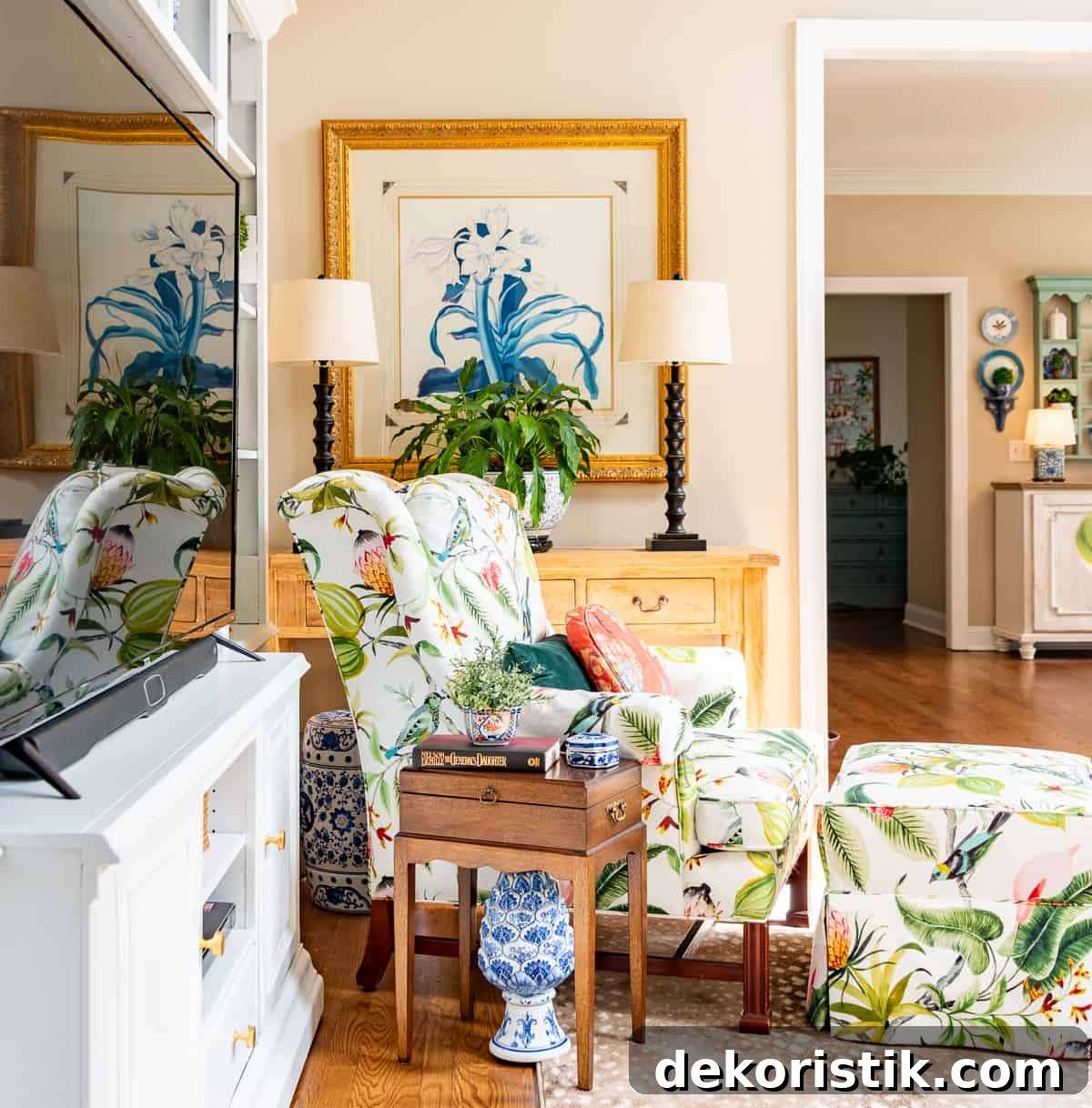
Are you stuck in a decorating rut and unsure how to refresh your space? This guide will help you rediscover inspiration, make practical choices, and fall in love with your home again.
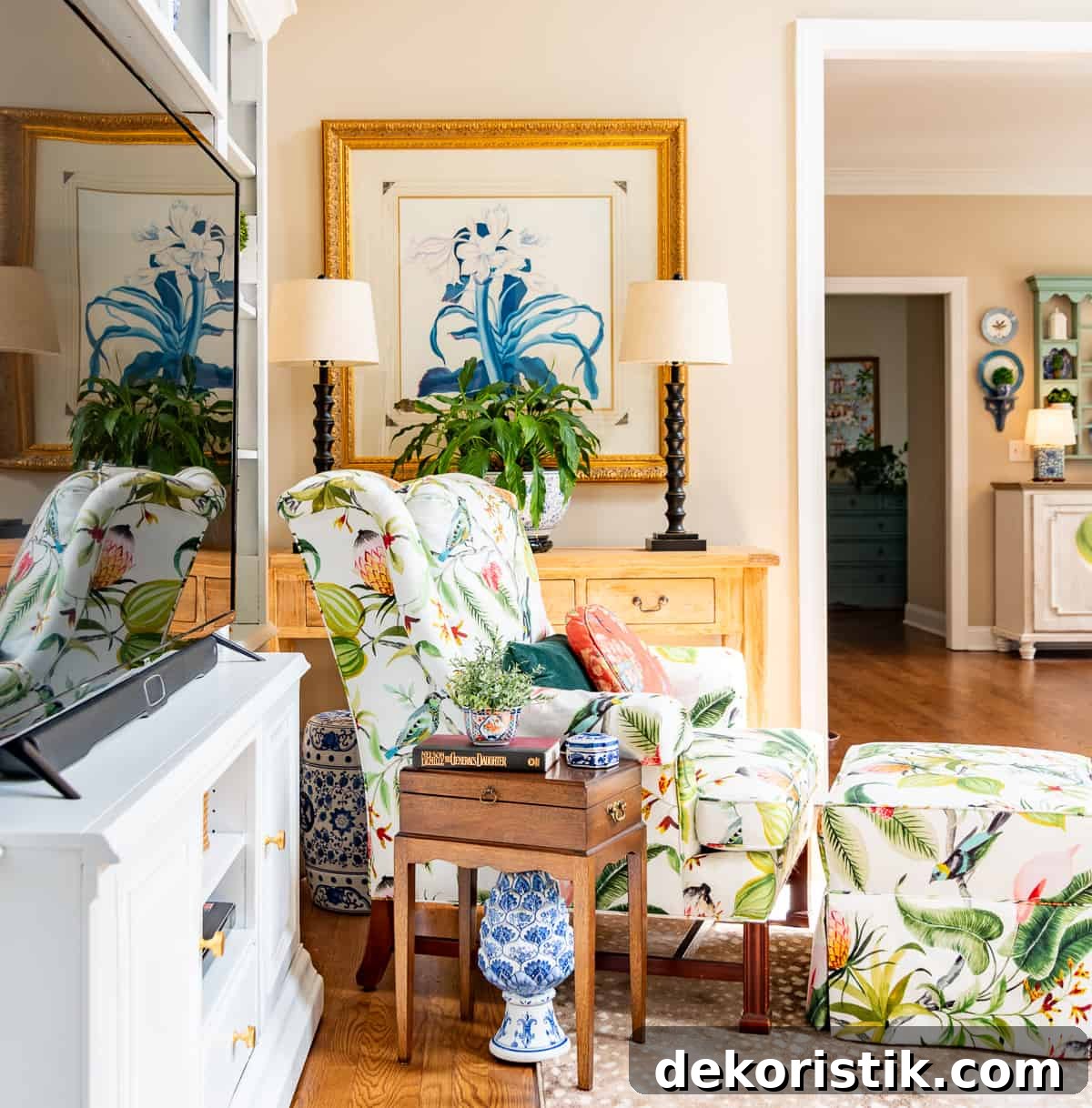
We all hit that point where a room feels flat, outdated, or simply not “you.” Whether you’re bored with your current look, keep repeating the same choices, afraid of making mistakes, or overwhelmed by options, it’s easy to freeze. The good news: a few focused steps will get your creativity flowing and help you create a home that feels intentional and joyful.
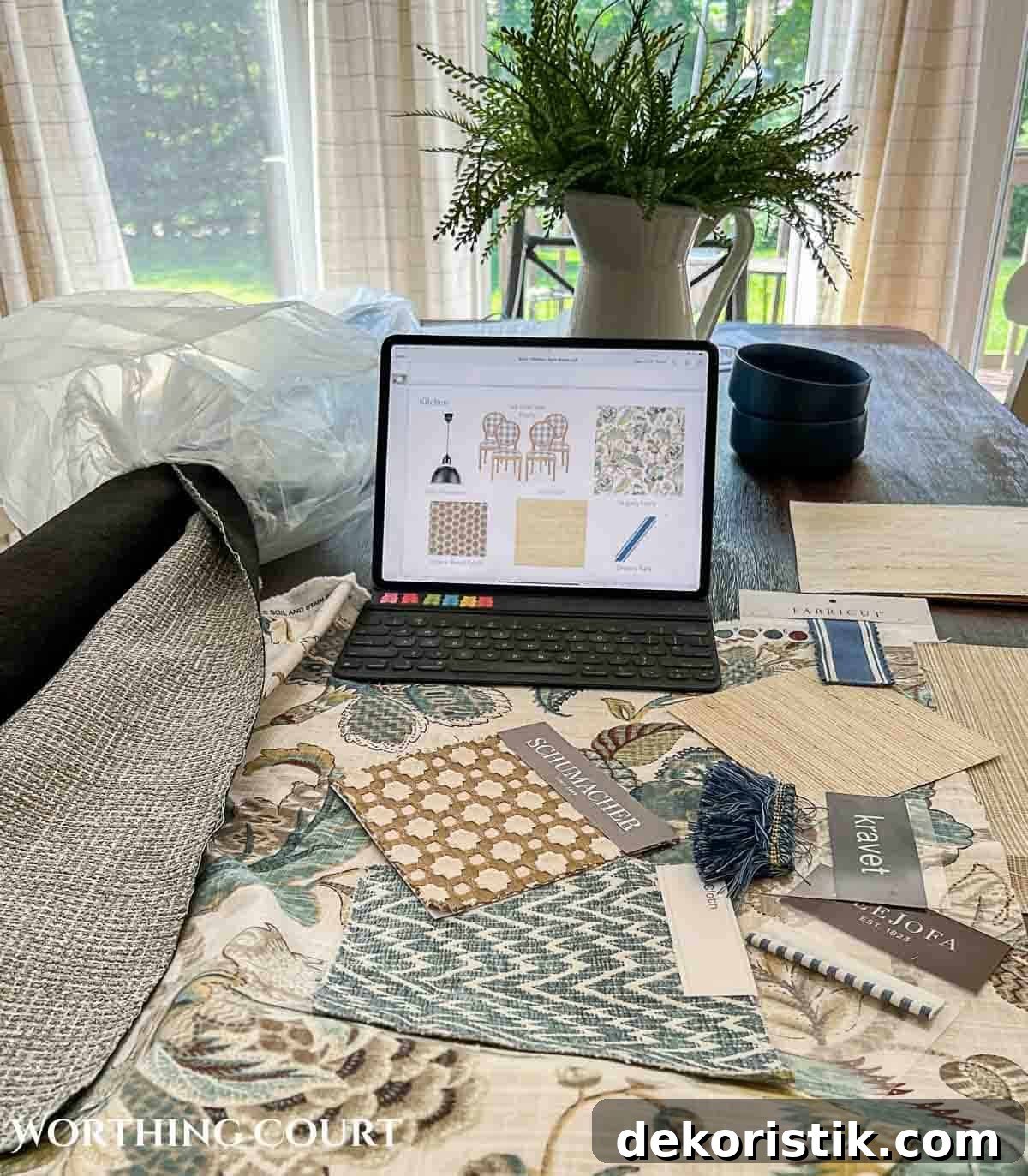
How do you get out of a decorating rut?
Getting unstuck starts with clarity and small, actionable steps. Here are practical techniques to jump-start your decorating process and build momentum without making costly mistakes.
- Reflect on what’s not working. Walk through the room and make a short list: Is the color or lighting wrong? Is the layout awkward or the furniture scale off? Identifying the core issues gives you a targeted starting point.
- Gather fresh inspiration. Spend time collecting images, color ideas, and textures that genuinely excite you. Save examples that evoke the mood you want rather than copying details exactly.
- Create a mood board. Compile your favorite images, fabric swatches, and color samples—either digitally or on a physical board. A mood board helps you visualize how elements work together and keeps the project consistent.
- Break the project into small goals. Instead of overhauling an entire home at once, choose a single, manageable area—like a corner, coffee table, or one wall. Small wins build confidence and lead to bigger changes.
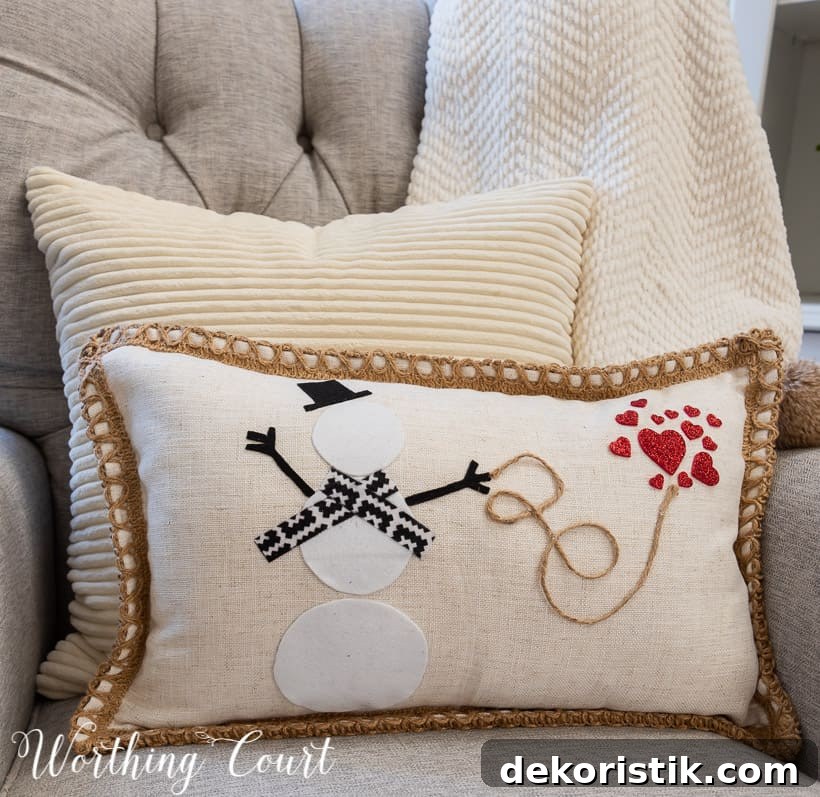
- Try low-commitment experiments. Swap throw pillows, rotate artwork, or rearrange furniture. Simple changes often reveal new possibilities and show whether a larger change will work.
- Seek an outside perspective. A fresh pair of eyes—friend, family member, or trusted online community—can offer ideas you hadn’t considered and help you avoid familiar blind spots.
- Celebrate progress. Every improvement matters. A completed vignette or a refreshed tabletop is proof that the momentum is working and encourages you to continue.
Follow these steps consistently and you’ll find your design instincts returning. The process is incremental—each small change compounds into a space you enjoy.
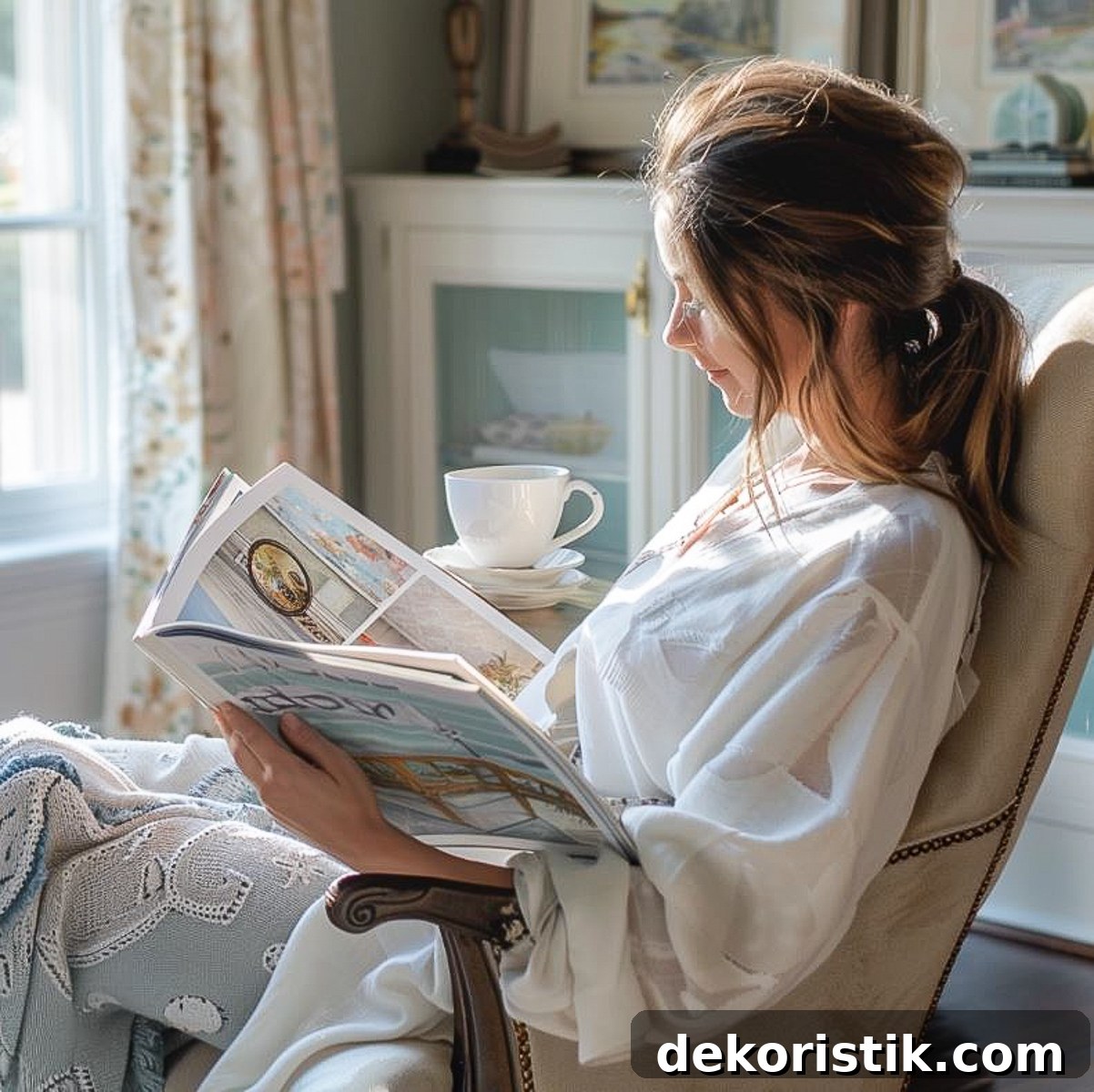
Where do you start when decorating?
Before buying anything, take a moment to “interview” yourself: why do you want to redecorate? Is it boredom, a need for more function, or a desire to reflect a change in your life? Your answer will guide every decision—from layout to finishes.
Focus on one room at a time. Trying to refresh every space at once can be paralyzing. Choose the room that bothers you most—often the living room or kitchen—and complete it before moving on. Start with simple changes: rearrange furniture, update textiles, or add one statement piece. These initial updates generate the momentum to tackle larger projects.
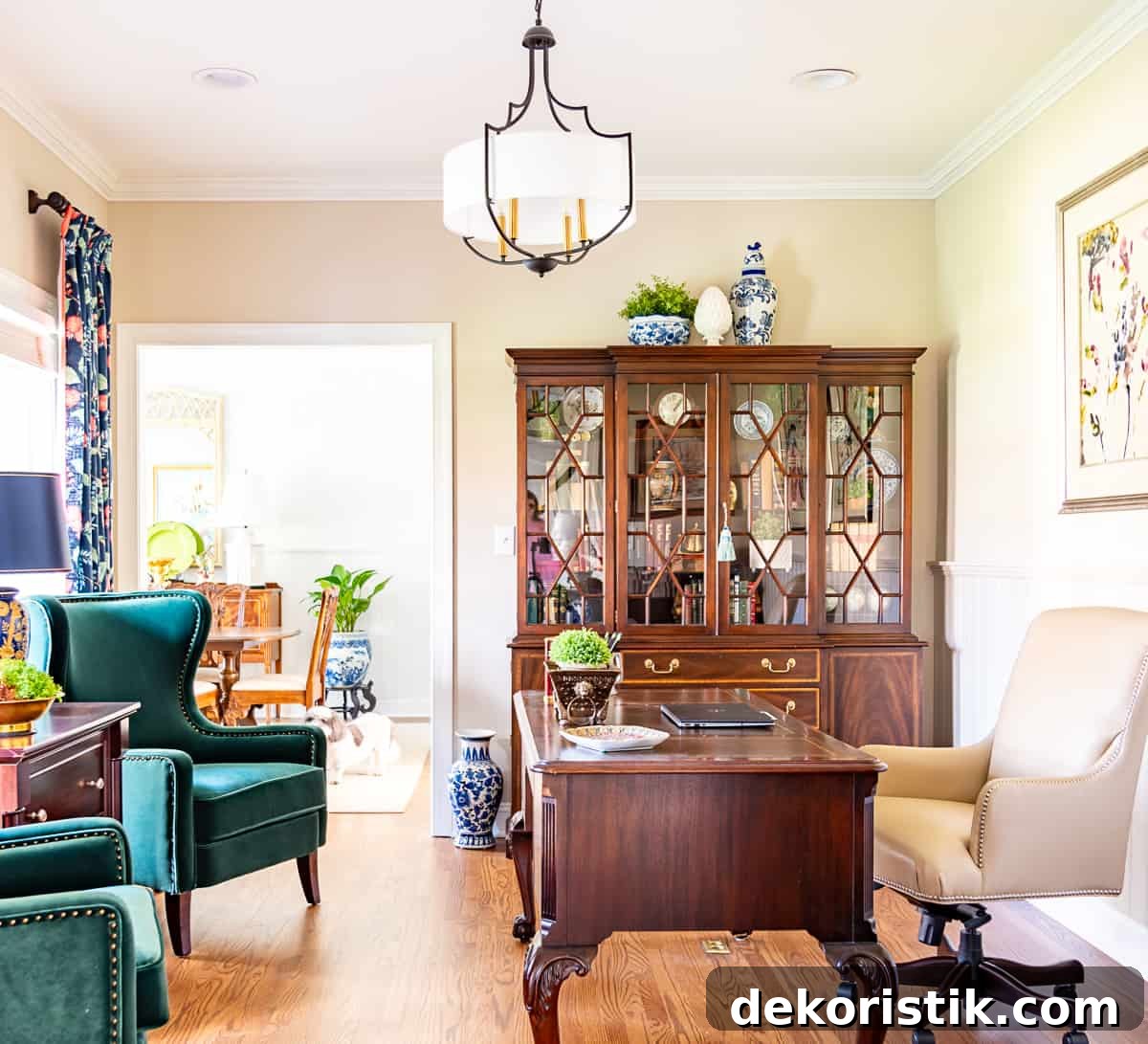
In what order should you decorate a room?
A logical sequence saves time, money, and frustration. Use this step-by-step plan whether you’re refreshing a room or doing a full redesign.
1. Create a vision and set a budget. Collect your favorite inspirations and decide the overall mood. Set a realistic budget and prioritize essential elements—furniture, paint, flooring, and lighting—before decorative items.
2. Plan and design. Define the room’s primary function and sketch a layout or use a room planner. Solve any traffic-flow or scale problems before purchasing items.
3. Choose a style and color scheme. Pick a background palette for walls, large furniture, and floors, then select a few accent colors for textiles and accessories. A limited palette keeps the space cohesive.
4. Prepare the room. Clear the area, protect belongings, and repair walls or floors. A clean, prepped space speeds up the next steps.
5. Paint and wallpaper. Paint ceilings first, then walls, and finish with trim. If using wallpaper, apply it after paint touch-ups to ensure clean lines.
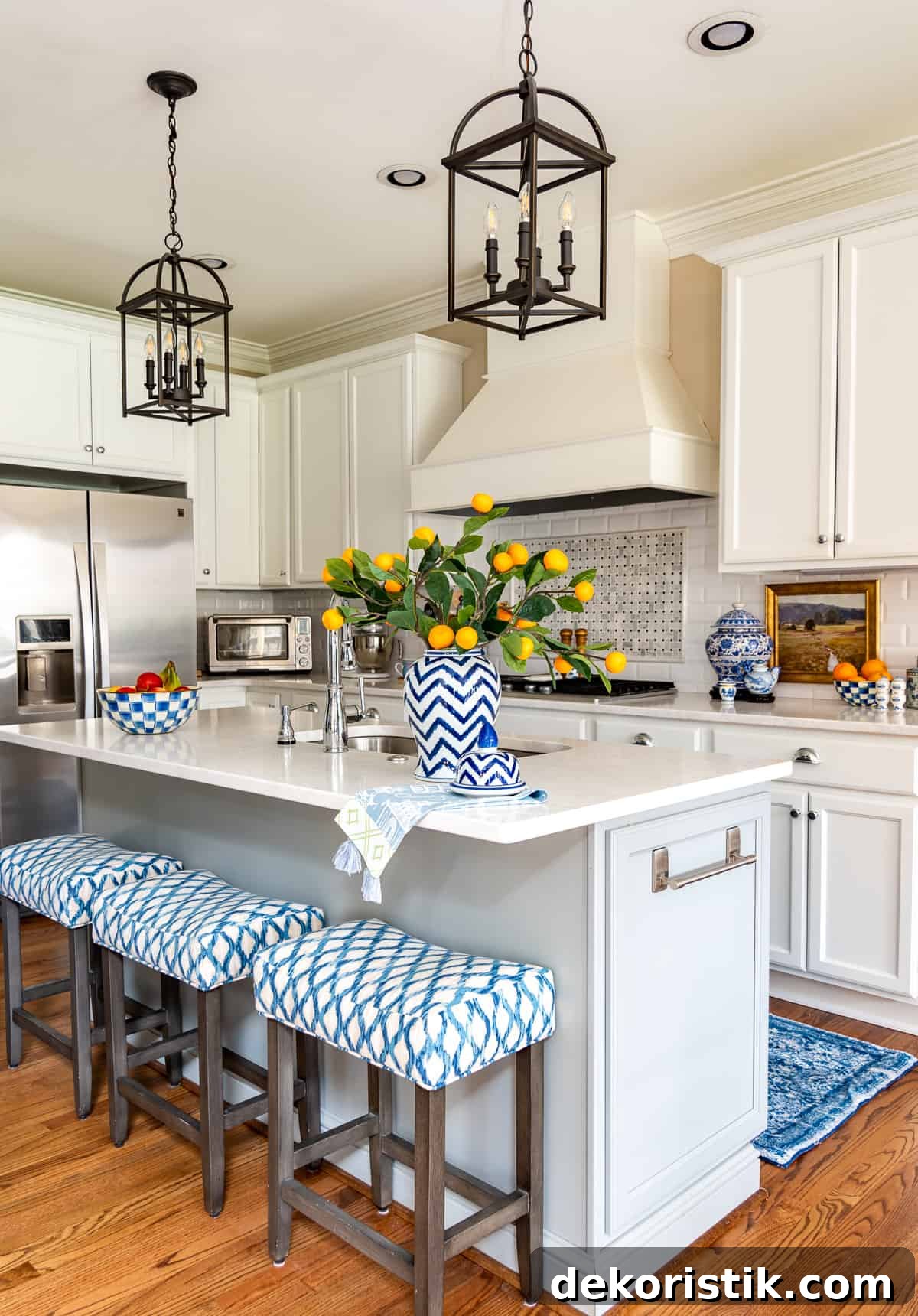
6. Install flooring. Replace or refinish floors before moving large furniture in to avoid damage and rework.
7. Complete major installations. Add lighting, built-ins, and window treatments. These elements set the room’s function and ambiance.
8. Add rugs and large furnishings. Place area rugs, then bring in sofas, tables, and cabinets. Arrange large pieces first to establish flow and balance.
9. Decorate and layer. Introduce lamps, art, pillows, throws, and accessories. Layer textures and heights to create depth and personality.
10. Live with it and refine. After living in the space for a few weeks, you’ll see small adjustments that make a big difference. Edit and tweak until it feels right.
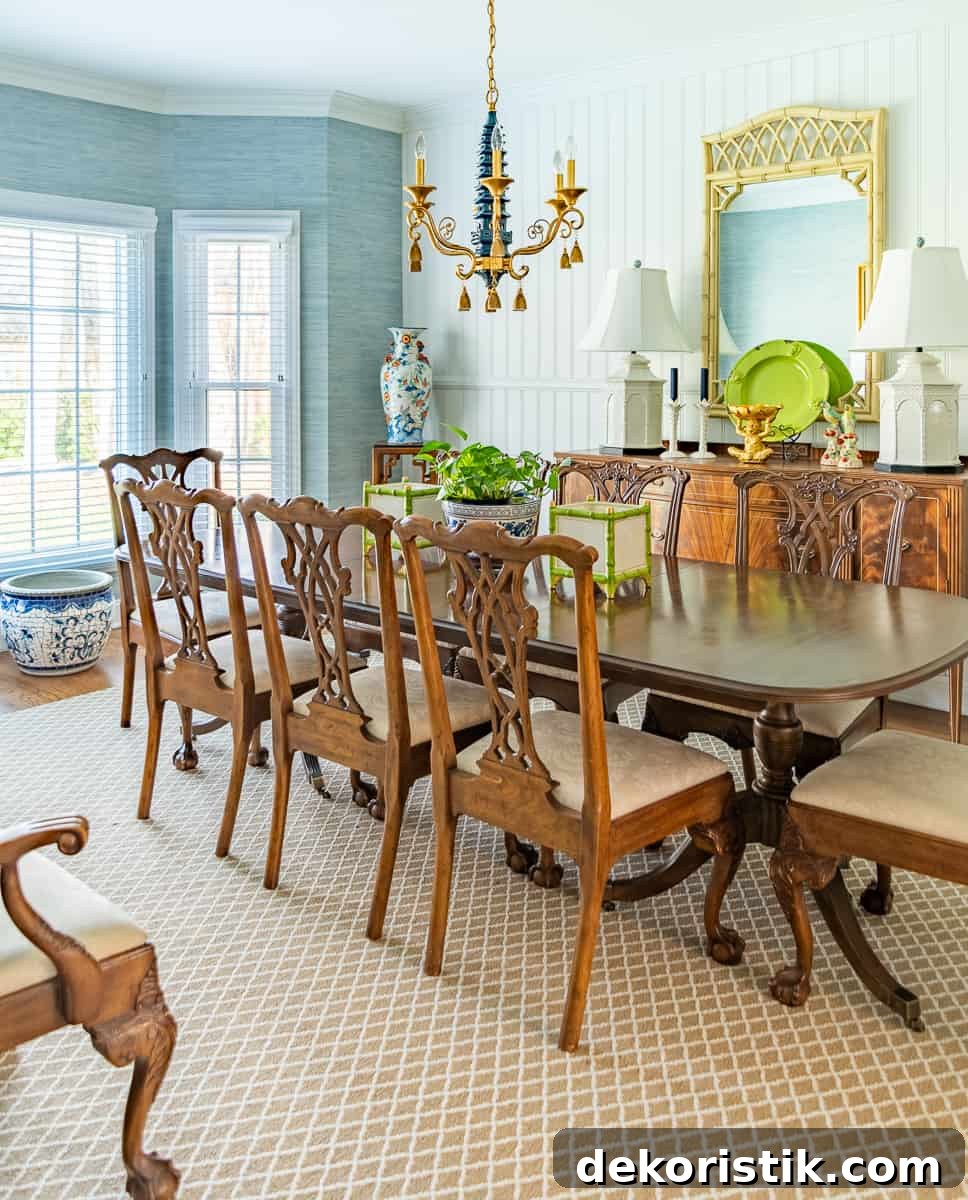
Above all, fill your home with things you love.
The most enduring rooms reflect the people who live in them. Trends are fun, but your home should be personal. Include objects that spark joy—family heirlooms, memorable finds, and pieces that tell your story. When your space reflects your tastes and experiences, it will always feel right.
Allow yourself to experiment and accept that not every idea will be perfect. Creativity often involves trial and error; the key is keeping the elements that work and learning from the rest. Over time, thoughtful editing and small, deliberate decisions will transform a decorating rut into a home that feels authentic and welcoming.
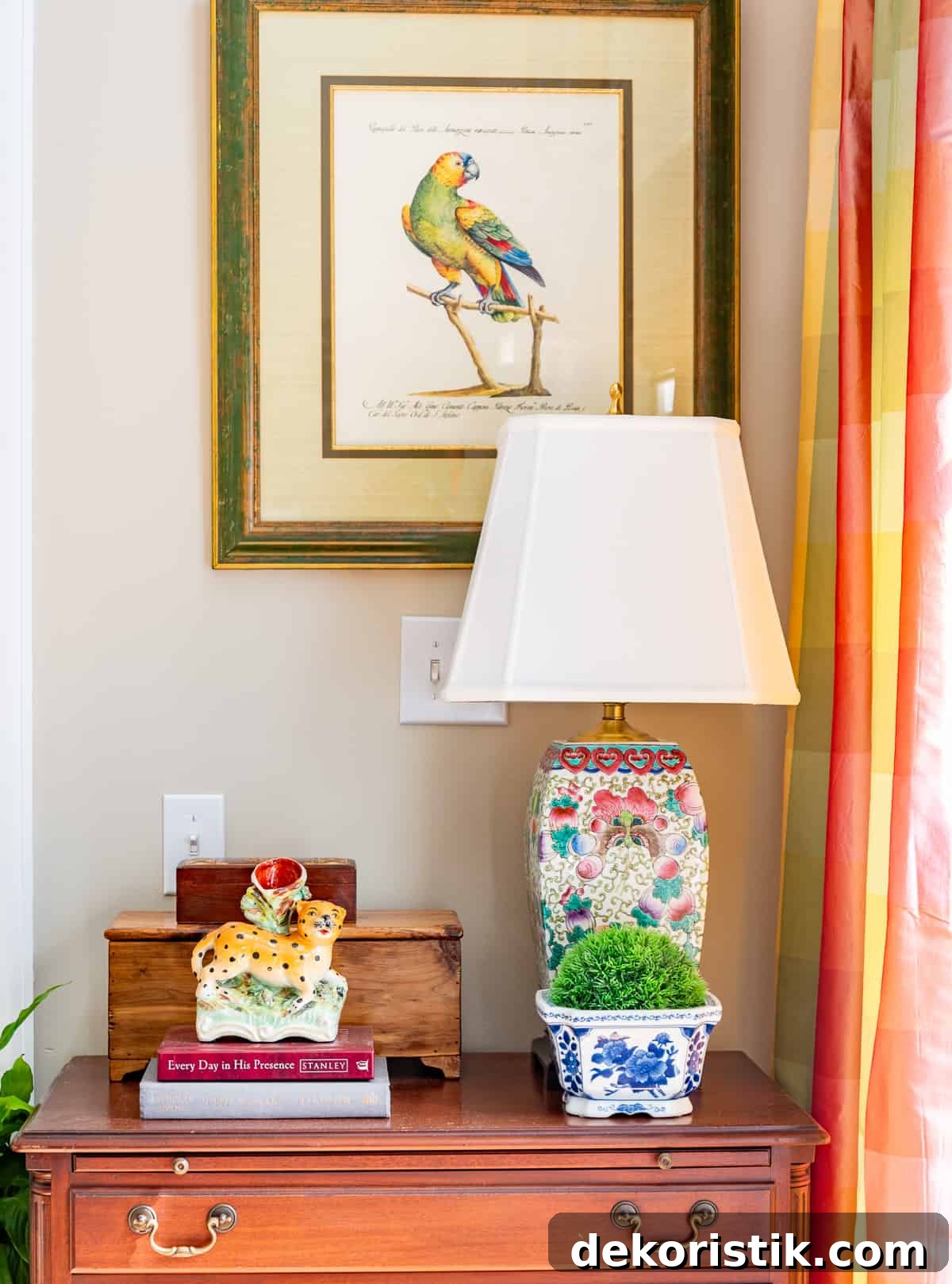
Start small, stay intentional, and enjoy the process. With clarity, a plan, and a few well-chosen changes, you’ll soon be living in a space that truly reflects you.