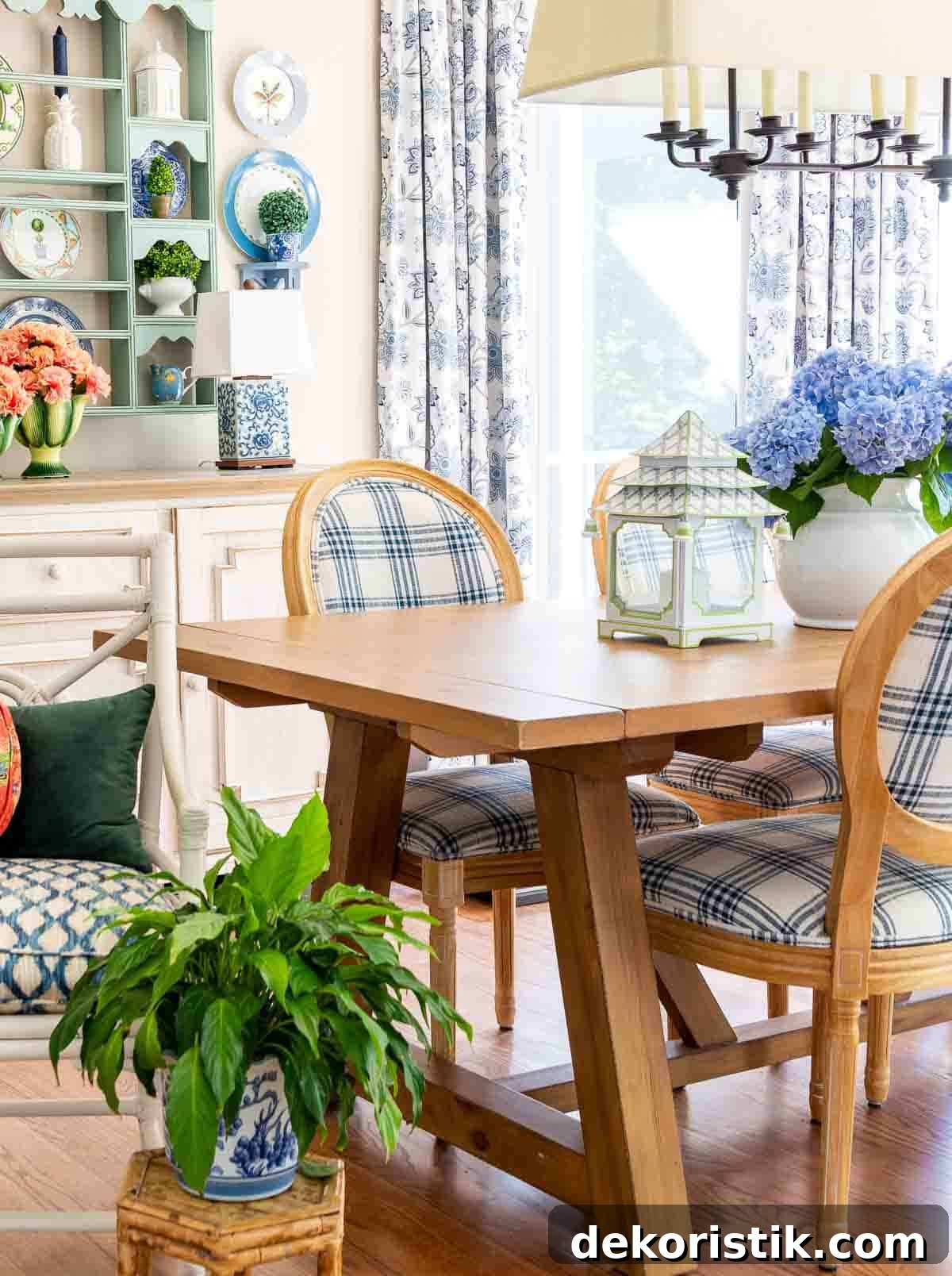
Every home has a mix of strong features and areas that could use a little attention. The good news is that with a few thoughtful updates you can bring out the best parts of your house—no matter its age or style. These practical decorating and home-improvement tips will help you highlight strengths, minimize weaknesses, and boost overall curb appeal and interior impact.
When you walk into a house, a few standout features usually jump out immediately—along with a few details that feel out of place. The trick is to draw attention to the architectural and decorative elements that make your home special while softening or disguising the things that don’t serve it well. Below are easy, affordable strategies to make every room and the exterior look intentional and inviting.
REFRESH THE EXTERIOR & IMPROVE CURB APPEAL
The exterior is a home’s first impression—curb appeal matters. Tidying landscaping, updating finishes, and fixing small eyesores will dramatically change how your house reads from the street. Our house arrived with overgrown foundation beds and low-hanging tree limbs that hid much of the facade. We improved the appearance gradually over several years to keep costs manageable.
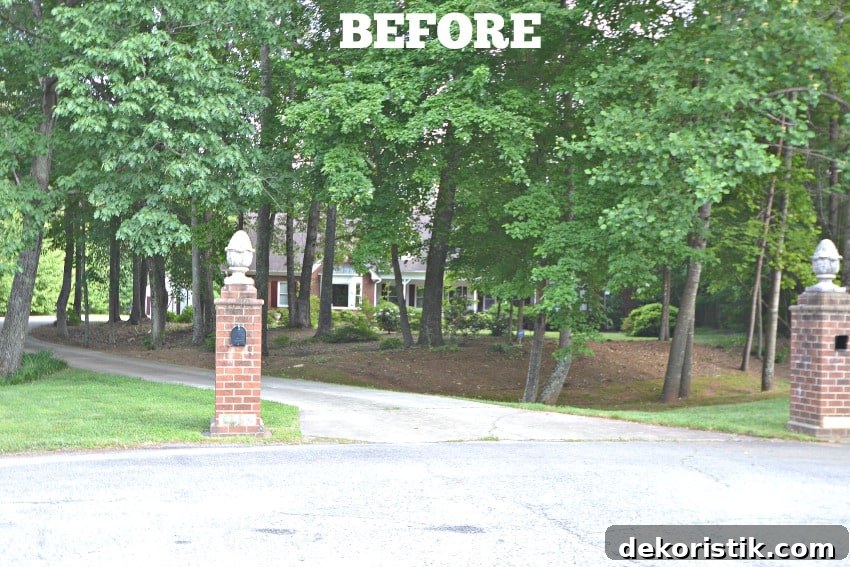
Key, budget-friendly moves included pruning and “limbing up” large trees, removing tired, overgrown foundation plantings, repairing the roof and gutters, and reinforcing porch columns so they feel substantive instead of flimsy. Painting the brick and updating the front door and lighting instantly modernized the exterior and sharpened curb appeal.

If your windows are large, single panes can look stark; adding interior window grids or muntin-style inserts is an inexpensive way to warm the exterior elevation and create a more finished, traditional appearance. Swapping an ornate or dated door for a cleaner, modern farmhouse style and updating wall sconces further enhances the entry.
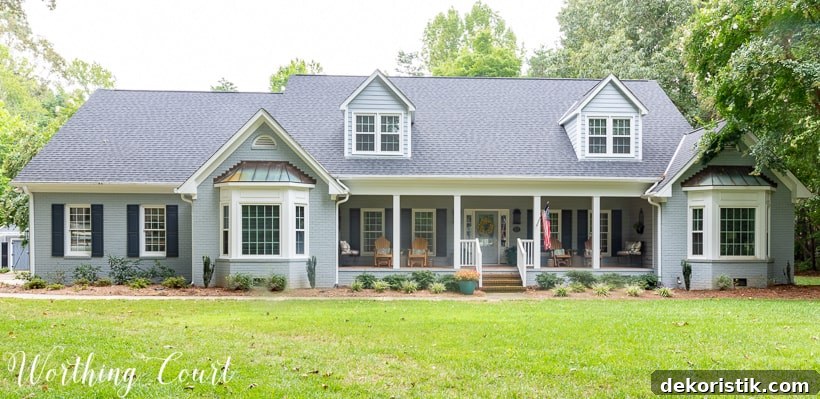
You don’t need to overhaul everything at once. Even small investments that tidy and refresh—like trimming, a fresh coat of paint, or new exterior lighting—deliver a big return in how welcoming and well-cared-for your home appears.
FIND (OR CREATE) A ROOM’S FOCAL POINT
Every room benefits from a visual anchor: a focal point that gives the space purpose and draws the eye. Natural options include fireplaces, large windows, or architectural details. If your room lacks a clear feature, create one with artwork, furniture placement, a bold light fixture, or built-in millwork. I’ve written more about choosing and balancing focal points in a separate post on my blog.

In rooms with high, vaulted ceilings, oversized artwork or a tall statement piece pulls the eye upward and celebrates the height. A chinoiserie screen or a large, single painting mounted higher on the wall expands the perceived scale and gives the room a purposeful, intentional look.
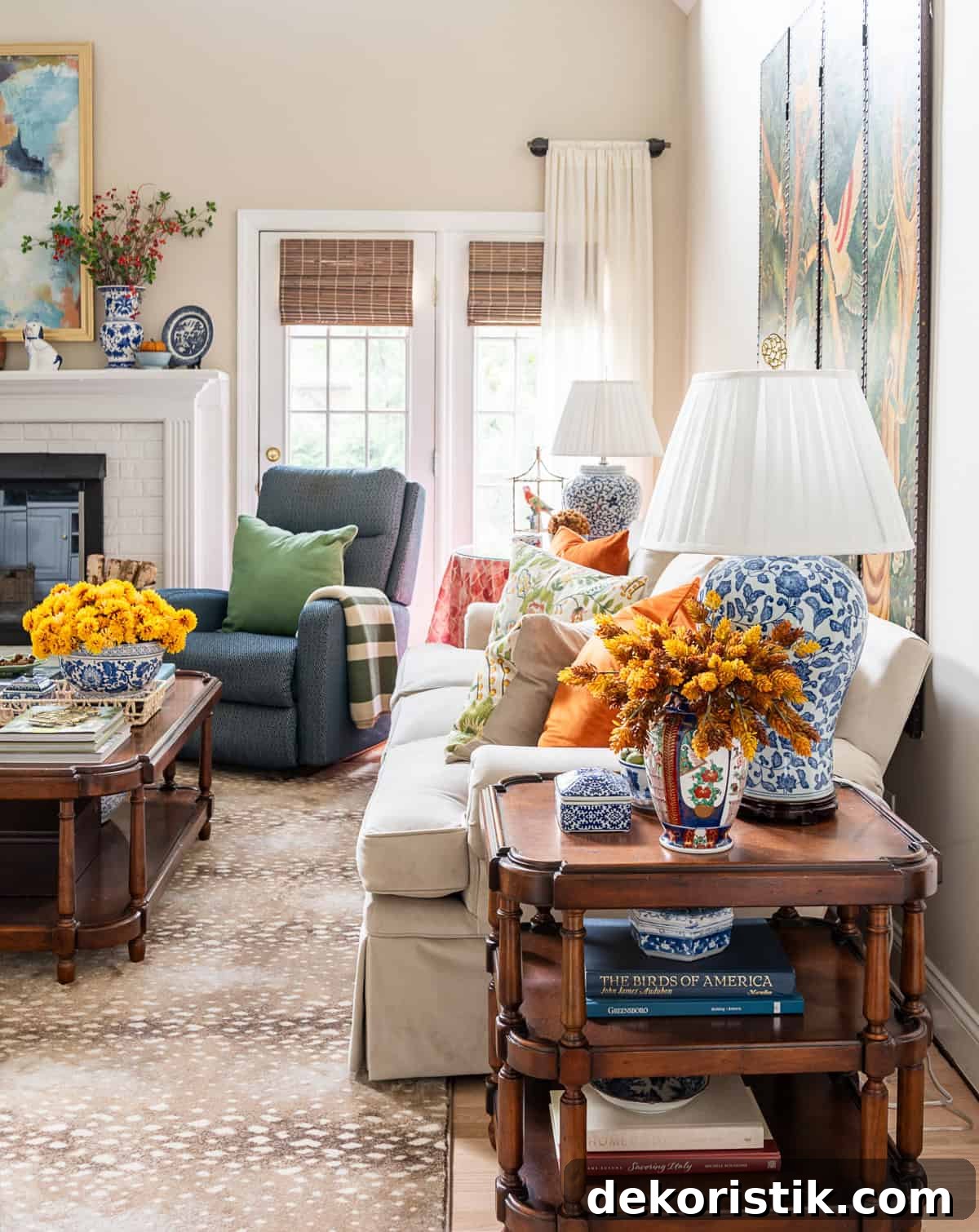
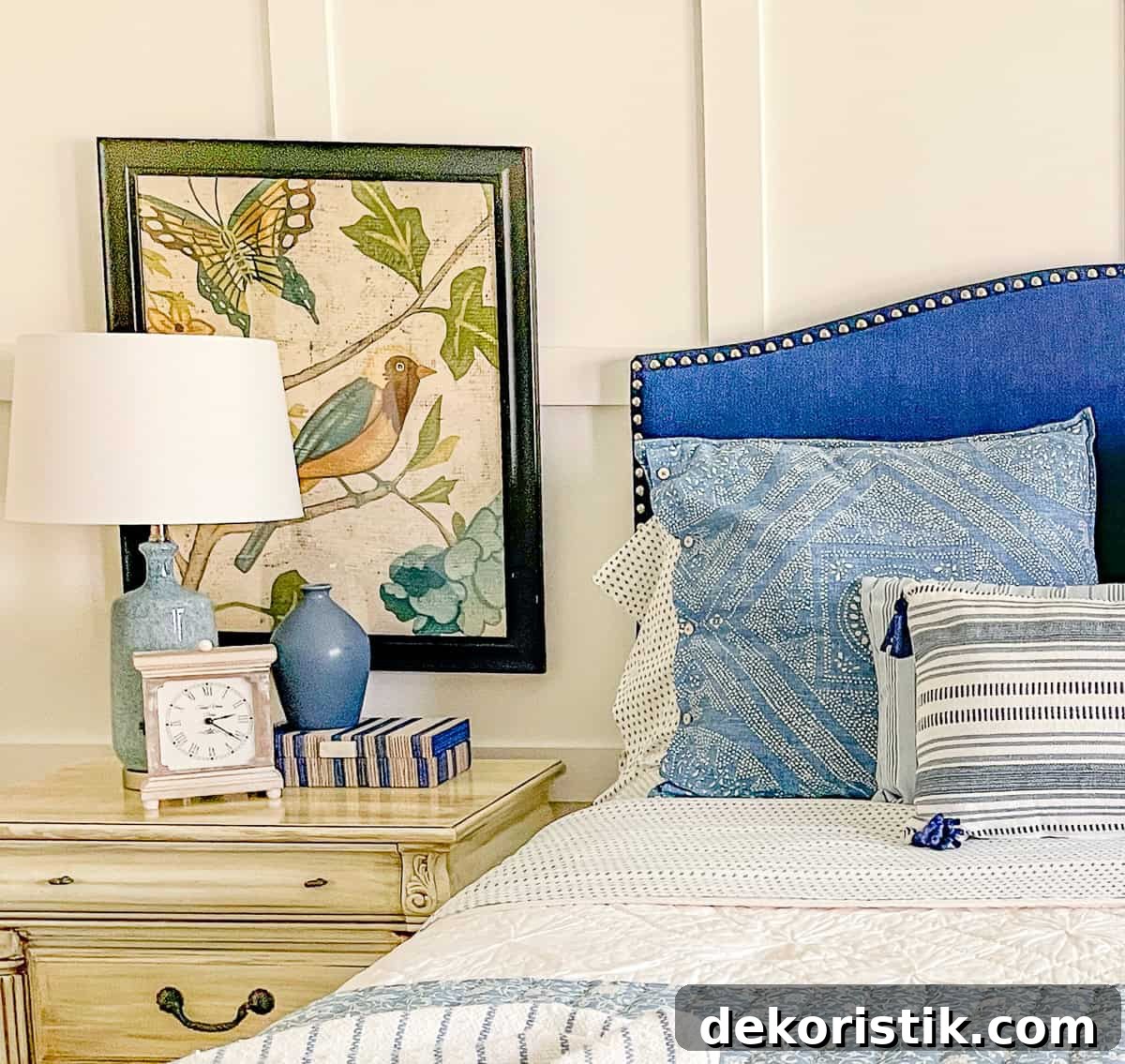
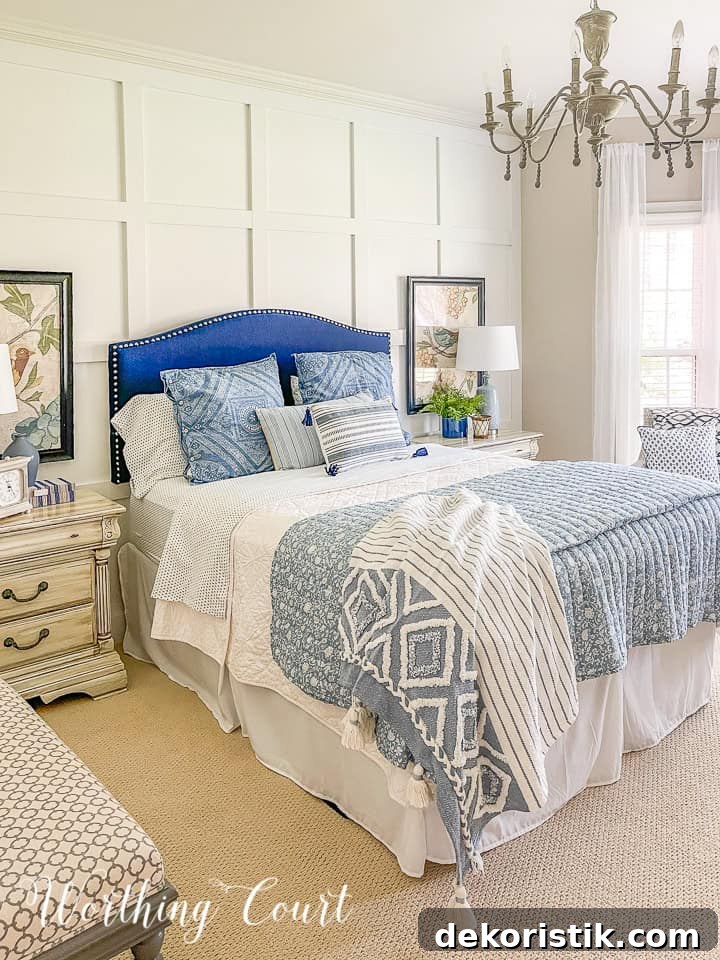
Above a mantel, a single large piece of art provides a clean, tailored focal point that keeps the space from feeling cluttered while making a confident statement. In a bedroom lacking a natural anchor, adding board-and-batten behind the bed transformed that wall into the room’s defining feature.
ADD TEXTURE TO A BORING SPACE
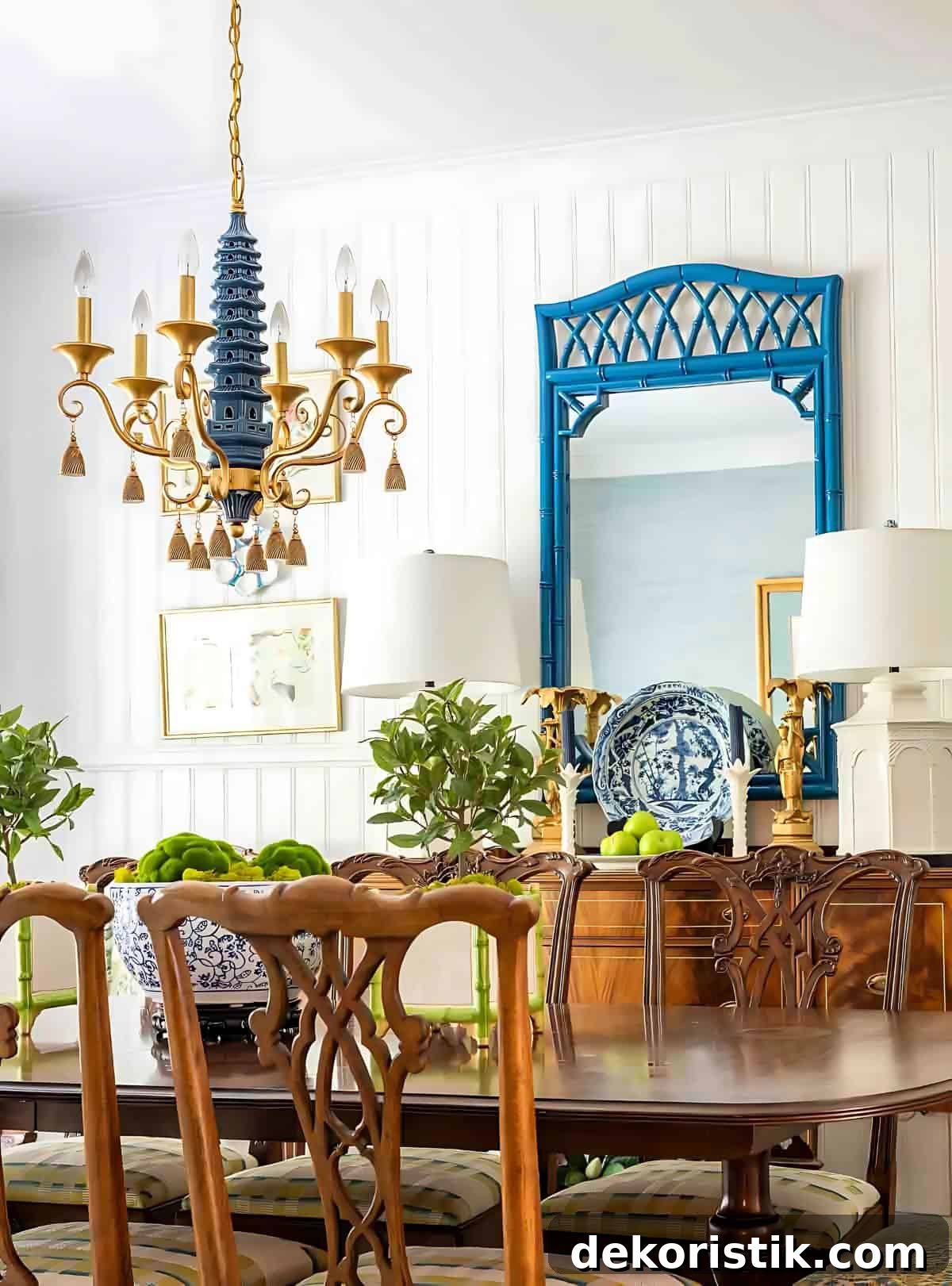
Texture adds depth and warmth where a room feels flat. Simple, cost-effective options include peel-and-stick grasscloth wallpaper, woven wallcoverings, or shiplap and plank walls. These finishes introduce subtle movement and visual interest without overwhelming a neutral palette.
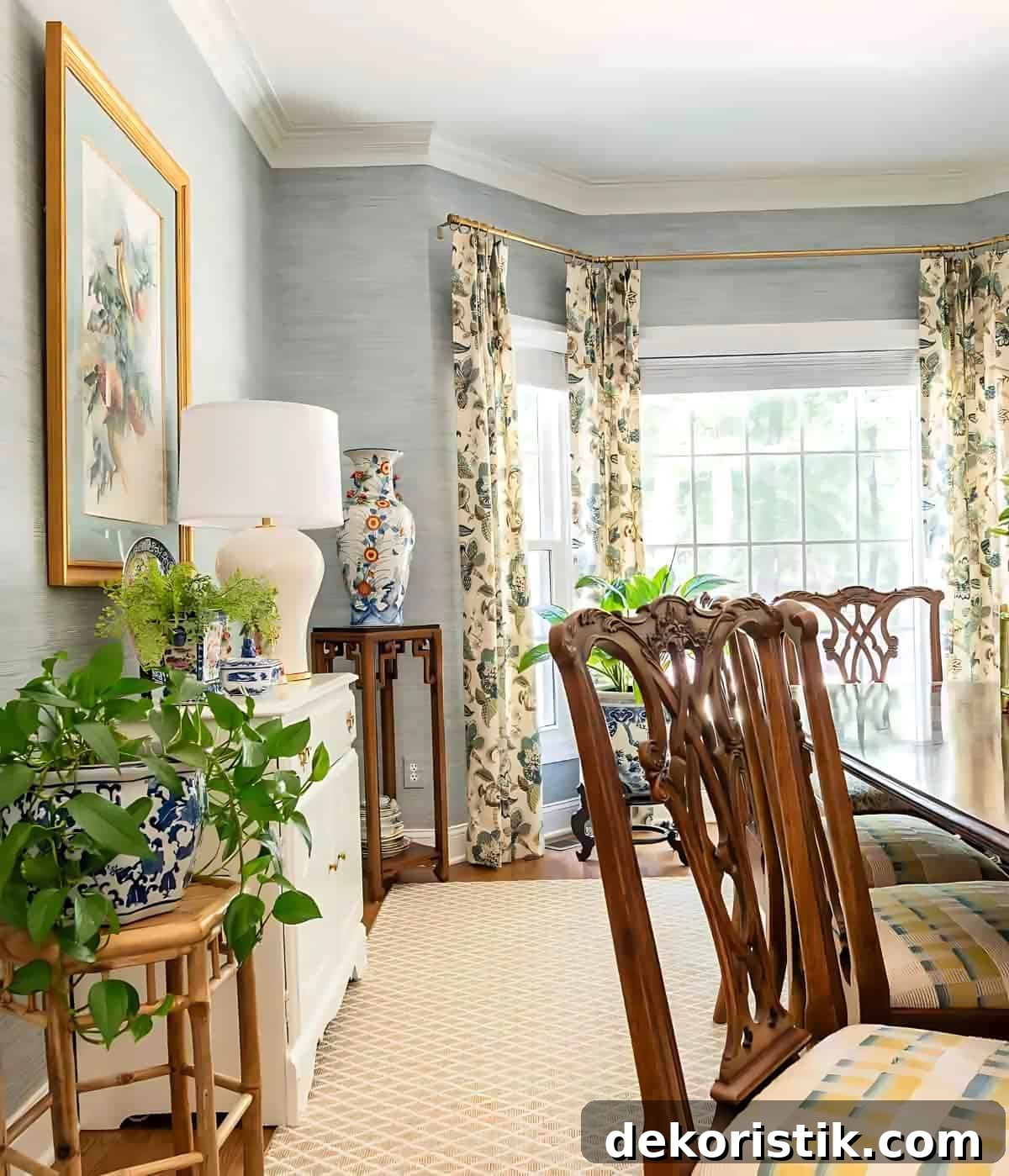
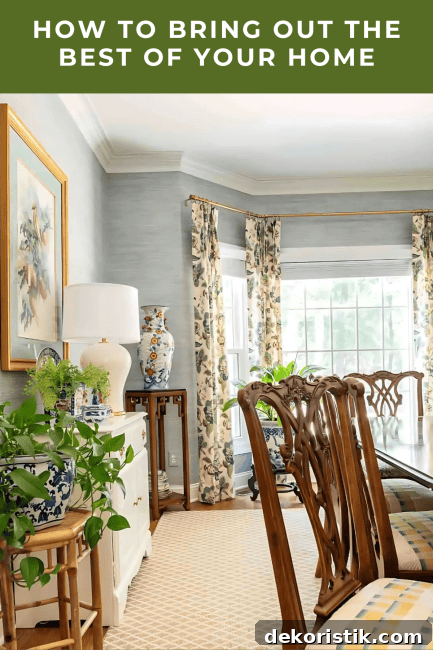
In my dining room, a peel-and-stick faux grasscloth gave the space texture and warmth on a modest budget. Planked walls—horizontal or vertical—also work well on large expanses that need character and can be painted or stained to suit any style.
FRAME A WINDOW
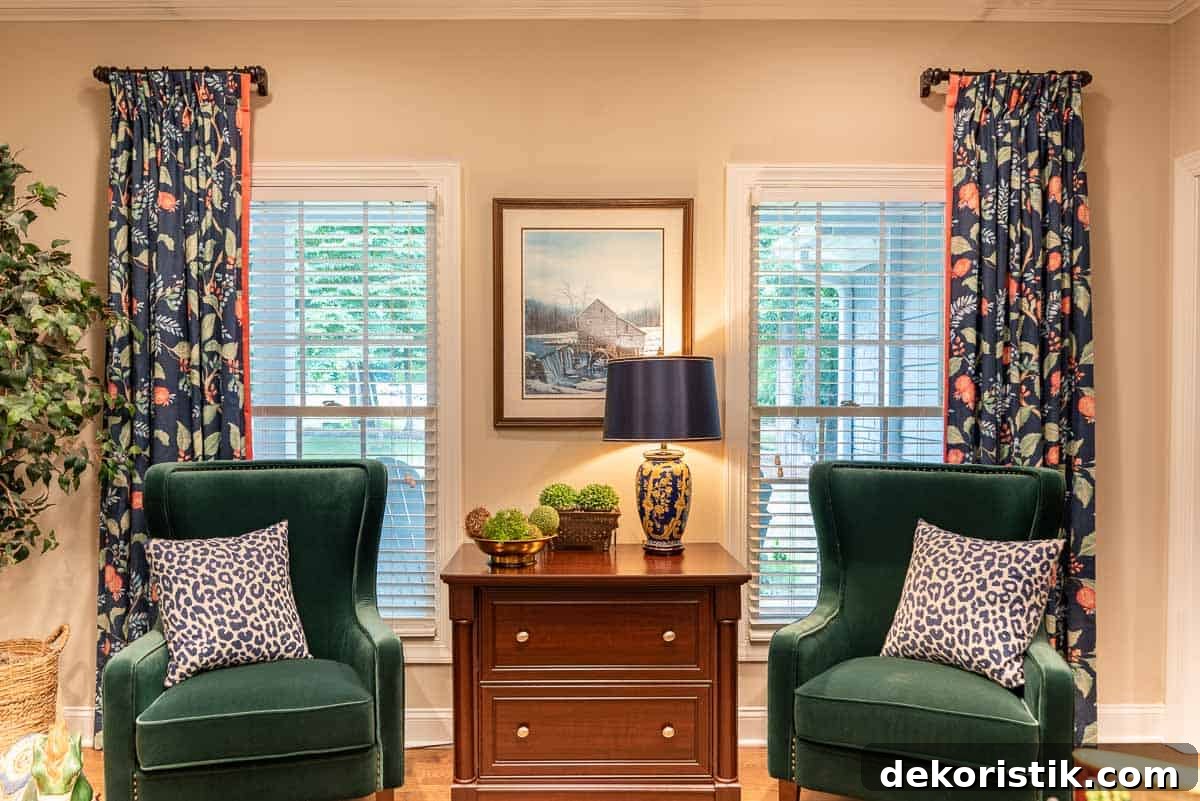
Window treatments are the jewelry of a room. Draperies, even simple panels, can frame a window and give the wall a composed, finished look. If windows are closely spaced, consider a single panel per opening or mount a continuous rod so the treatments create one cohesive feature that enhances the room’s proportions.
Which feature of your home do you most want to highlight? Start small—clean up the exterior, choose one focal point, add texture, or frame a window—and you’ll be surprised how much more polished and welcoming your home will look.